Black CatsThe genetics, breeds and legends behind black
A black cat is not a breed but a solid color created by a recessive gene that hides tabby stripes and lets black pigment cover every hair. Black is one of the most common cat colors, found in more than 20 breeds and countless mixed-breed cats. Depending on where you live, a black cat is a sign of bad luck or a lucky charm.
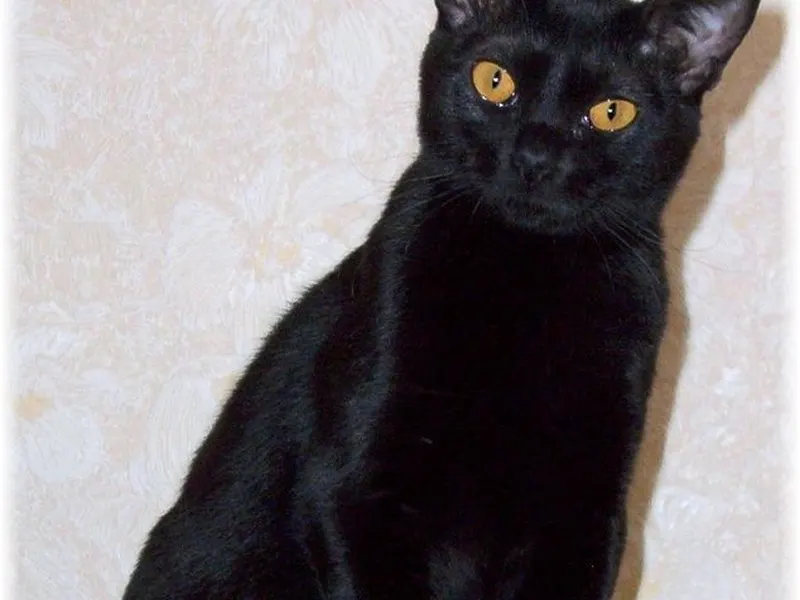
What makes a cat black?
All black cats are, under the surface, tabby cats. The tabby pattern is the wild-type coat, and every cat carries tabby genes. What normally makes the stripes visible is the agouti gene, which bands each hair with light and dark pigment.
A black cat has two copies of the recessive non-agouti gene. With agouti switched off, each hair is filled evenly with black pigment (eumelanin) from root to tip, so the stripes still exist but you can no longer see them. Because the gene is recessive, two non-black parents can have a black kitten if both carry it.
The orange gene works differently. Orange pigment ignores the non-agouti gene, which is why orange cats almost always show stripes and there is no truly solid orange cat.
Black is also the starting point for several other colors. Add two copies of the dilution gene and black becomes blue (gray). Swap in the brown gene variants and it becomes chocolate or cinnamon. Add the white spotting gene and you get a tuxedo or a black-and-white cow cat.
Ghost markings and rusting
Many black kittens show faint stripes or spots, called ghost tabby markings. They are the hidden tabby pattern showing through, and they usually fade as the adult coat grows in. In some cats you can still see them in bright, slanting light.
Black fur can also take on a reddish-brown tint, known as rusting. The most common cause is sunlight breaking down black pigment, especially in cats that lie in sunny windows. Studies have also linked a reddish tint in black cats to diets low in the amino acid tyrosine, which is needed to make black pigment. A balanced complete diet covers this, so if rusting appears suddenly, mention it to your vet.
Older black cats often grow scattered white hairs, much as people go gray. This is normal aging and does not mean the color is changing.
Black, smoke or dark tabby?
A few coats are easily mistaken for black:
- Black smoke: looks black at rest, but the hairs are white at the base. Part the fur and you see a pale undercoat.
- Dark brown tabby: banded hairs and visible stripes, even if they are dark.
- Black with white locket: a black cat with a small white chest spot, caused by the white spotting gene. With more white it becomes a tuxedo.
A true solid black has dark hair all the way down to the skin. Show standards for solid black usually ask for dense, even color with no white hairs and no rusty tinge, along with black nose leather and dark paw pads.
Eye color is separate from coat color. Black cats most often have copper, gold, yellow, green or hazel eyes, and the dark coat makes them stand out. Blue eyes in a solid black cat are unusual outside of specific breeds and lines.
Breeds that come in black
The breed most closely tied to black is the Bombay, developed in the US in the 1950s by crossing sable Burmese with black American Shorthairs. Bombays are always black, with a glossy, close-lying coat and copper to gold eyes. Breeders aimed for a cat that resembled a small black panther.
Many other breeds accept solid black, including the American Shorthair, British Shorthair, Persian, Maine Coon, Oriental Shorthair, Exotic Shorthair, Norwegian Forest Cat, Japanese Bobtail, Manx, Cornish Rex, Devon Rex and Sphynx. In the Lykoi, black hairs are mixed with white ones to create a roan, werewolf-like look.
Most black cats in homes and shelters are mixed-breed domestic shorthairs and longhairs.
Superstitions around the world
Few animals carry as much folklore as the black cat, and it points in both directions.
- Bad luck: in parts of the US and continental Europe, a black cat crossing your path is said to bring misfortune. This idea grew from medieval European links between black cats and witchcraft.
- Good luck: in the UK, Ireland and Japan, black cats are often considered lucky. In parts of Britain a black cat arriving at your door is said to bring prosperity, and in Japan black cats have been seen as charms for good fortune and, traditionally, for finding love.
- Sailors: British and Irish sailors were said to value black ship's cats, and stories tell of sailors' wives keeping black cats to keep their husbands safe at sea.
In ancient Egypt cats in general were revered, and the goddess Bastet was depicted as a cat, but claims that black cats specifically were worshipped are often overstated.
Black cats are also fixtures of popular culture, from Halloween decorations to the cat in Edgar Allan Poe's short story The Black Cat. The black cat silhouette has long been used as a symbol of independence and mystery.
Adoption myths and facts
It is often said that black cats wait longer in shelters, sometimes called black cat syndrome. The evidence is mixed. Some shelter studies have found black cats stay slightly longer, others have found little or no difference. Because black is one of the most common colors, shelters also simply have more black cats to place.
Some shelters once restricted black cat adoptions around Halloween over fears of mistreatment. Many have since dropped these rules, reporting no evidence that black cats adopted in October are at greater risk.
Black cats can be harder to photograph, which may hurt their online listings. Good lighting and a light background help a lot. If you are thinking of adopting, ask shelter staff to introduce you to their black cats in person, since personalities are much easier to judge face to face than in a dim photo.
Personality: myth vs fact
Black cats are sometimes described as calmer, more affectionate or more mysterious than other cats. None of this is supported by solid research. Owner surveys show that people attach traits to colors, and black cats are more often rated as aloof by people who have not owned one. Those impressions reflect human bias, not genetics.
Researchers have speculated that the non-agouti mutation might have side effects on behavior or disease resistance, but this has not been shown in cats.
Black cat celebrations and care
Several awareness days aim to boost black cat adoptions. In the US, Black Cat Appreciation Day is widely marked on August 17. In the UK, National Black Cat Day is held on October 27 and was started by a national cat welfare charity. Both encourage people to look past superstition and consider a black cat from a rescue.
Caring for a black cat is the same as caring for any cat of its breed and coat length. The only color-specific tips are practical: a black cat is hard to spot at night, so a reflective collar helps for cats that go outdoors, and a dark coat shows lint and light-colored dust, so a quick brush keeps the shine.
Cat Breeds That Come in Black
BombayMedium · 6–11 lb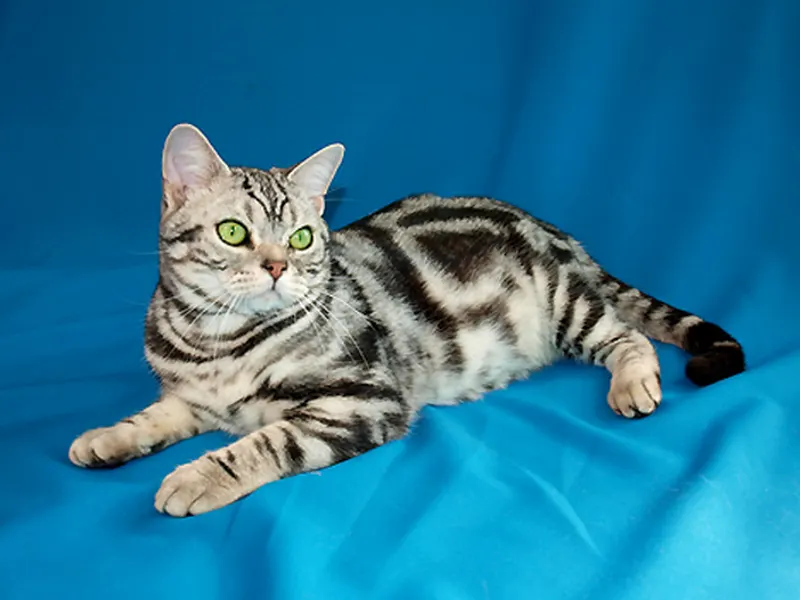 American ShorthairMedium · 7–15 lb
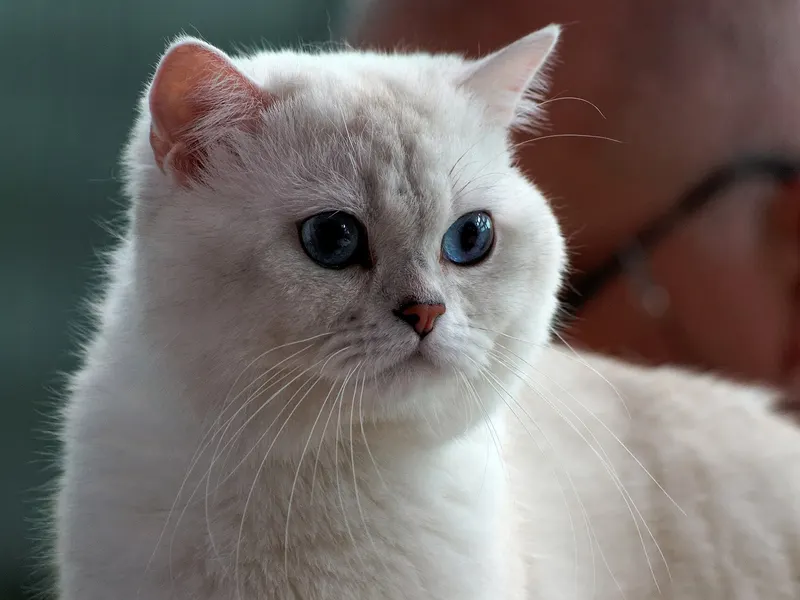 British ShorthairLarge · 7–17 lb
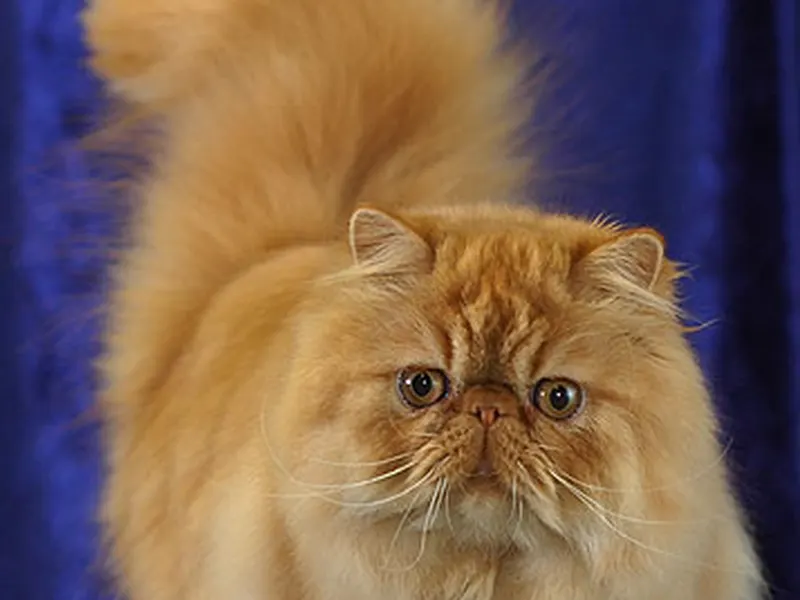 PersianMedium · 7–12 lb
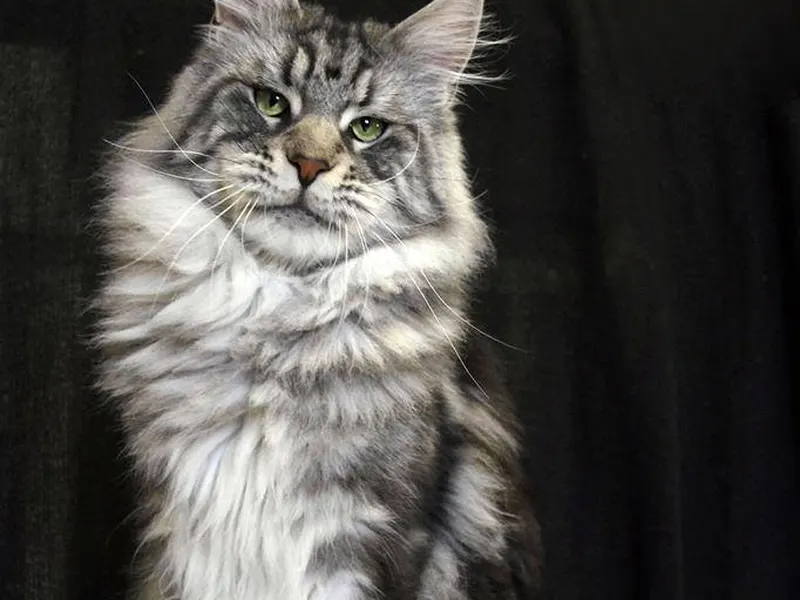 Maine CoonLarge · 8–18 lb
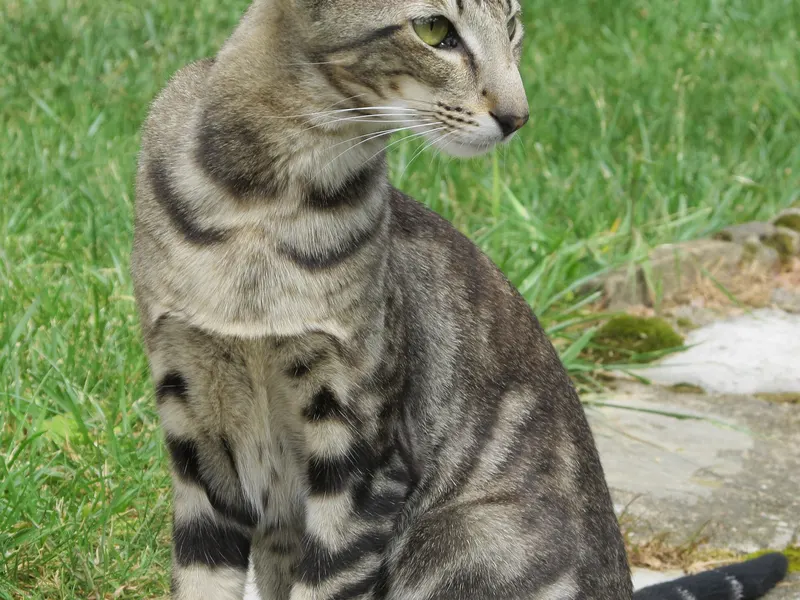 Oriental ShorthairSmall · 5–10 lb
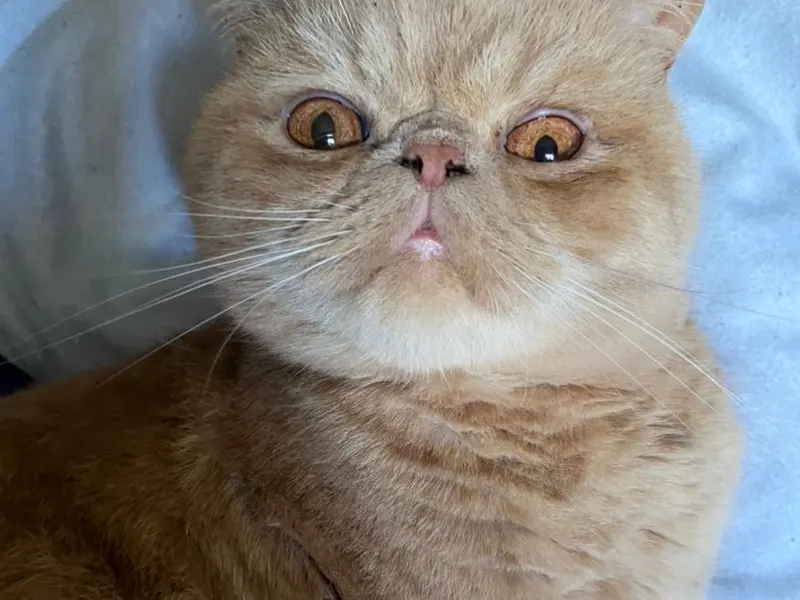 Exotic ShorthairMedium · 7–14 lb
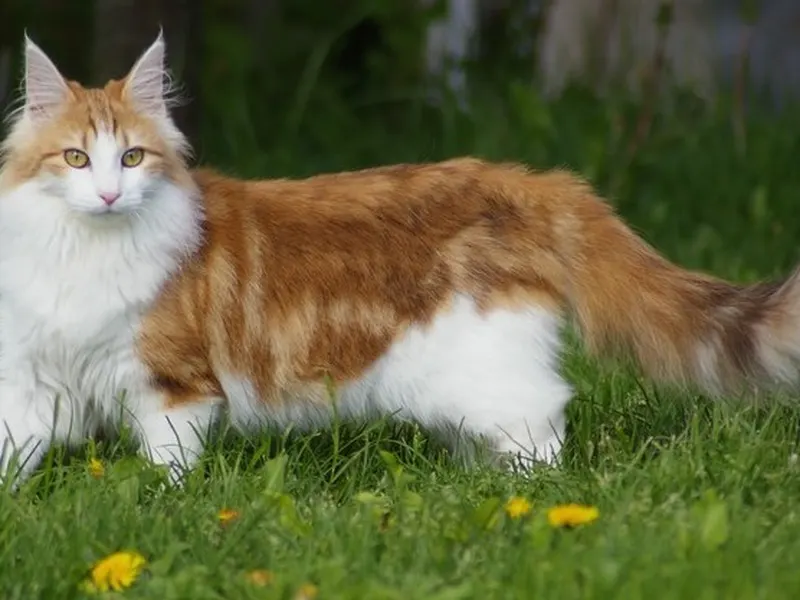 Norwegian Forest CatLarge · 9–20 lb
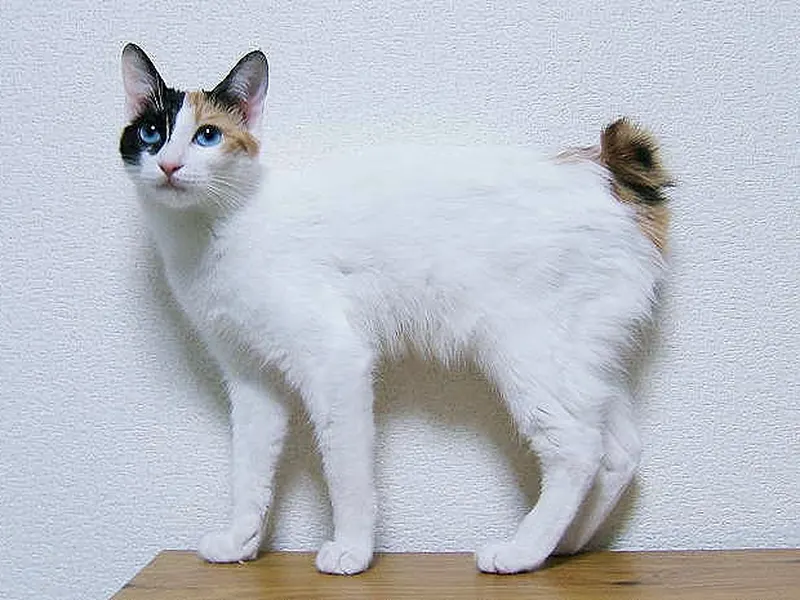 Japanese BobtailSmall · 6–10 lb
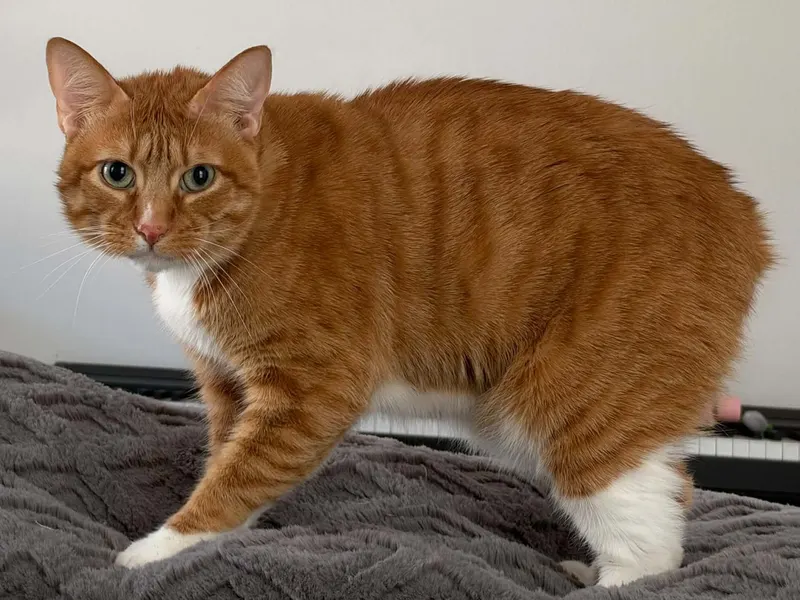 ManxMedium · 7–13 lb
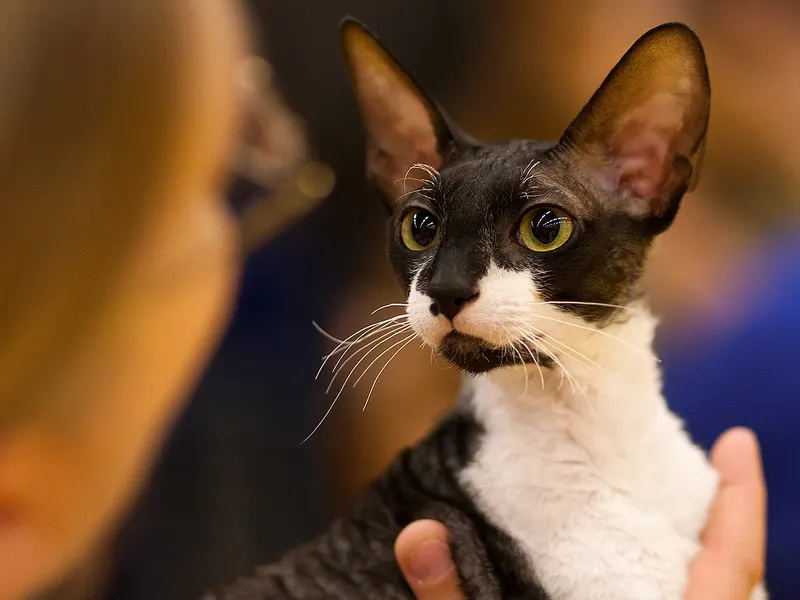 Cornish RexSmall · 6–10 lb
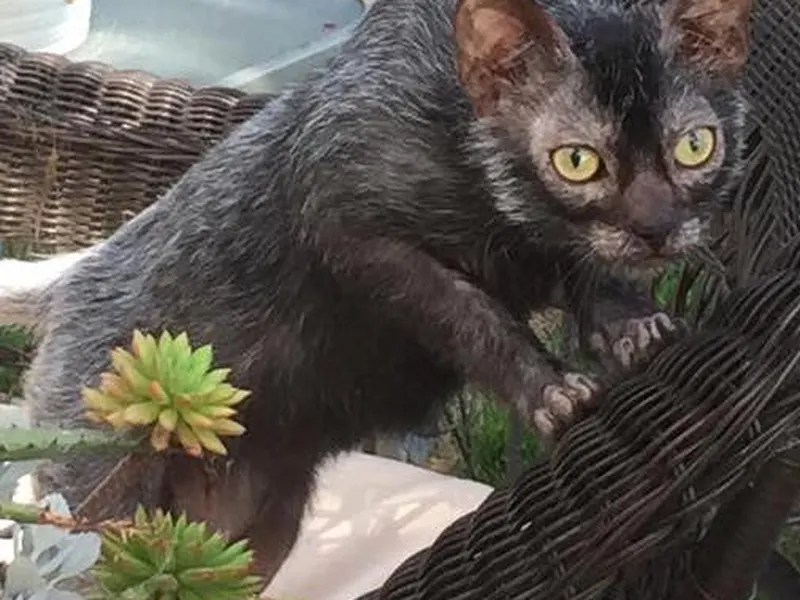 LykoiMedium · 6–12 lb
Frequently Asked Questions
Why is my black cat turning brown?
Usually it is sun bleaching, called rusting, which breaks down black pigment in cats that lounge in sunlight. Diets low in the amino acid tyrosine have also been linked to reddish tints, so a sudden change is worth raising with your vet.
Is a black cat a breed?
No. Black is a coat color found in many breeds and in mixed-breed cats. The Bombay is the one breed that is always black.
Are black cats good or bad luck?
It depends on the culture. Black cats are linked to bad luck in parts of the US and Europe, but considered lucky in the UK, Ireland and Japan.
Why does my black kitten have stripes?
Every black cat carries a hidden tabby pattern. In kittens it often shows as faint ghost markings that usually fade with the adult coat.
Are black cats adopted less often?
The evidence is mixed. Some shelter studies find black cats stay slightly longer, while others find no meaningful difference.
What eye color do black cats have?
Most black cats have copper, gold, yellow, green or hazel eyes. Bombays are bred for copper to gold eyes.
More About Cat Colors and Patterns
Looking for the right cat?
Answer 10 quick questions and get cat breeds ranked for your home, routine and family.