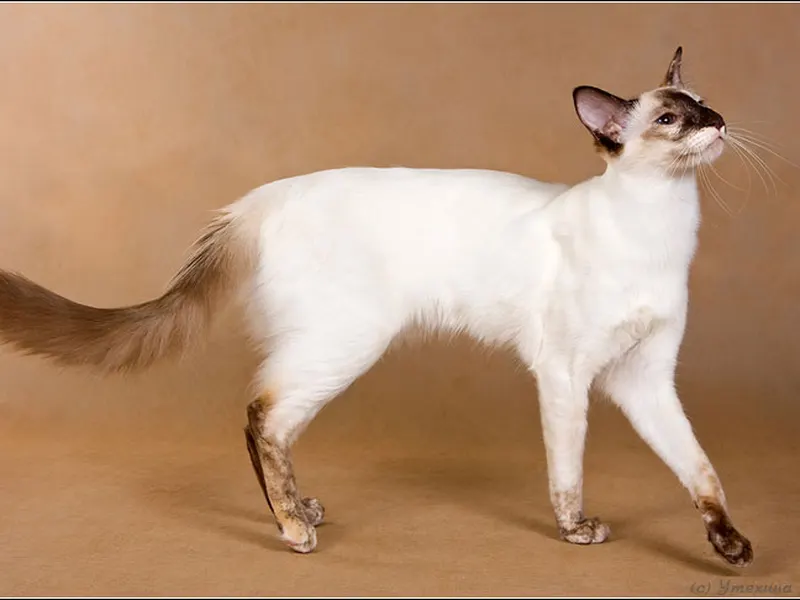
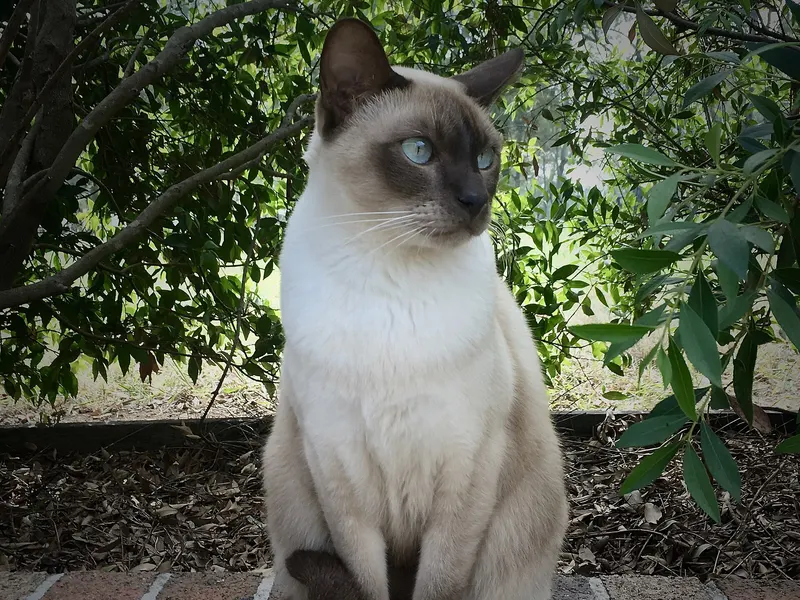
Oriental ShorthairThe Siamese body in every color
The Oriental Shorthair has the long, elegant body and large ears of a Siamese but comes in hundreds of colors and patterns, with green eyes rather than blue. It is one of the most talkative and people-focused breeds and suits owners who want a cat that is always involved.
Why people love the Oriental Shorthair
- Intensely social and affectionate
- Clever, playful and easy to train
- Over 300 color and pattern combinations
- Short coat needs very little grooming
- Usually good with respectful children and dogs
Things to consider
- Very vocal with a loud voice
- Dislikes being alone for long periods
- Needs lots of play and stimulation
- Prone to dental disease
- Shares some inherited risks with the Siamese
Is this breed right for you?
10 questions · live resultHistory and Origin
Thailand's old cat manuscripts describe solid-colored cats alongside the pointed Siamese. In the West, solid and patterned cats of Siamese type disappeared from shows in the 1920s, when British clubs decided that Siamese must be pointed with blue eyes.
In the 1950s and 1960s, breeders in the UK and later the US deliberately recreated full-colored Siamese-type cats by crossing Siamese with Russian Blues, British Shorthairs, Abyssinians and domestic shorthairs, then backcrossing to Siamese for type. The Havana (Havana Brown in the US) and the Foreign White branched off in the same period. CFA accepted the Oriental Shorthair for championship in 1977, and a longhaired variety followed later.
Body Type, Colors and Patterns
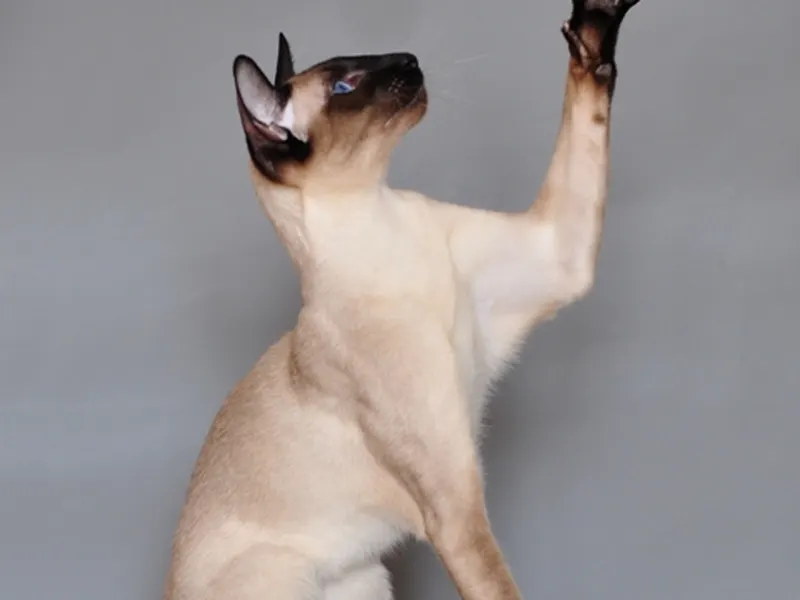
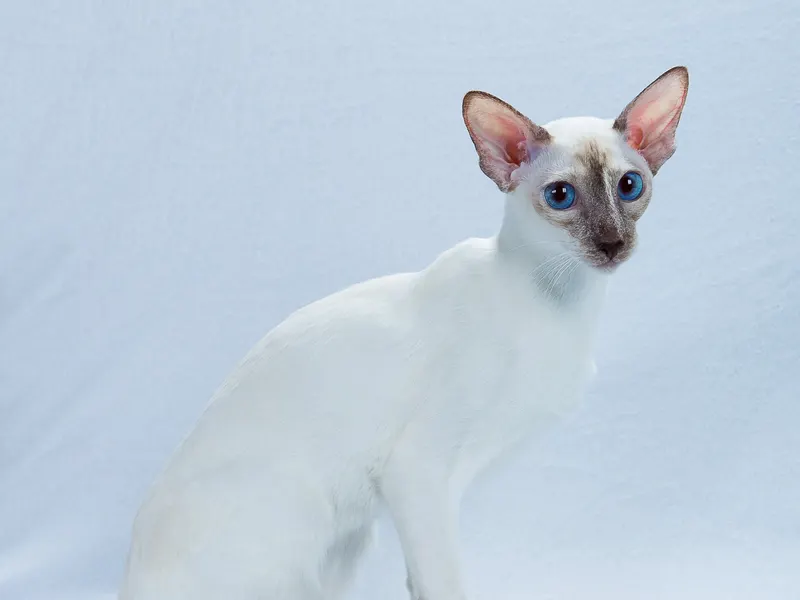
The Oriental Shorthair is a slender, elegant cat with a long, tubular body, fine bones and long, slim legs. Adults weigh about 5 to 10 lb. Males are noticeably larger and more muscular than females, though both remain light and graceful.
The head is a long, tapering wedge with very large, pointed ears that continue the lines of the wedge. The eyes are almond-shaped and usually green, though white Orientals may have blue, green or odd eyes. The tail is long and thin, tapering to a point.
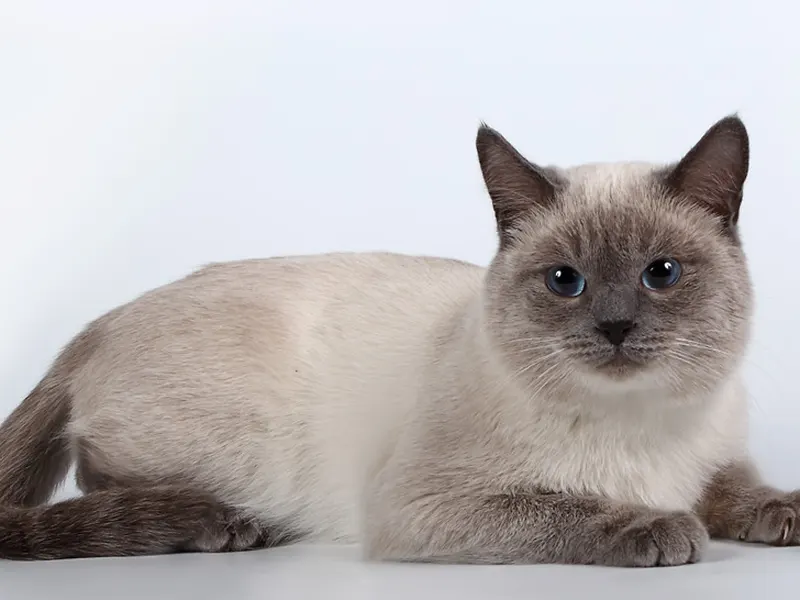
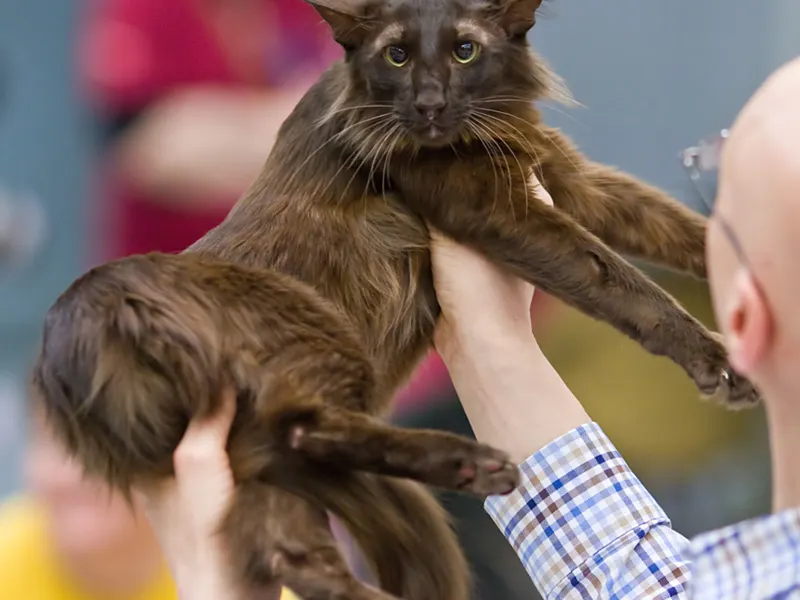
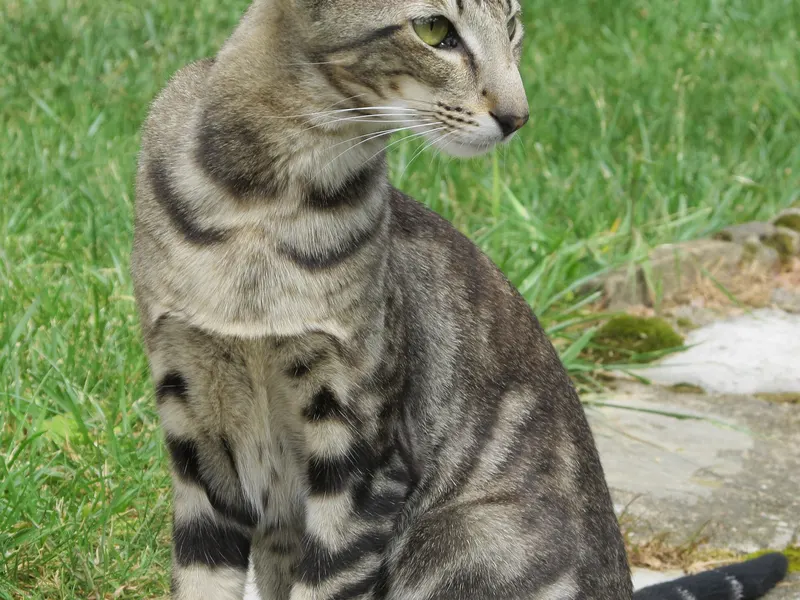
The coat is short, fine and glossy, lying close to the body. The breed is known for its huge range of colors and patterns, with more than 300 combinations:
- Solids such as ebony, chestnut, blue, lavender, cinnamon, fawn, red, cream and white.
- Smoke, shaded and silver.
- Tabby in classic, mackerel, spotted and ticked patterns.
- Bicolors and particolors.
A longhaired version, the Oriental Longhair, is recognized in several registries.
Personality and Temperament
Orientals are intensely social. They tend to attach strongly to their people, follow them everywhere and want to help with every task, from typing to cooking. They are very vocal, with a loud, expressive voice, and they will tell you about their day.
They are clever, curious and quick to learn routines, tricks and how to open cupboards. They usually get on well with respectful children and with dogs. The flip side is that they dislike being ignored or left alone for long hours.
Are Oriental Shorthairs Lap Cats?
Many are, though on their own terms. Orientals are intensely people-oriented and love physical closeness, often curling up on laps, perching on shoulders or sleeping under the covers.
They are also very active, so lap time often comes after play. Many follow their owners from room to room and want to be involved in everything. A warm lap is especially appealing because their thin coat makes them seek heat. If you want a cat that loves contact and attention, an Oriental is a good match. If you prefer an independent cat, the breed's neediness may feel overwhelming.
Can Oriental Shorthairs Live With Dogs?
Yes, Orientals often get along well with dogs, especially cat-friendly breeds introduced gradually. They are confident and social, and many enjoy playing with a gentle dog.
For a successful introduction, keep early meetings short and supervised, provide high perches and escape routes, and choose a dog with a calm temperament and low prey drive. Orientals are lightweight, so rough play from a large dog can be risky. Many households find that a dog provides useful company for an Oriental while people are out, though another active cat is often an even better companion.
Are Oriental Shorthairs Good for First-Time Owners?
Yes, for first-time owners who are home a lot and want an interactive cat. Orientals are affectionate, clever and easy to handle.
New owners should be ready for a loud, chatty cat, high energy and a strong need for company. Orientals need daily play, climbing spaces and mental challenges such as puzzle feeders or clicker training. They do not cope well with long hours alone, so a second cat is often recommended. Owners who want a quiet, low-maintenance pet may find the breed demanding, but those who enjoy constant companionship often love it.
Activity, Play and Enrichment
This is a high-energy breed that climbs, leaps and plays throughout its life.
- Provide tall cat trees and wall shelves for climbing.
- Use puzzle feeders, clicker training and fetch games to engage their brains.
- Rotate toys so they stay interesting.
- Many Orientals learn to walk on a harness.
A second active cat, often another Oriental or a Siamese, is a good solution for households that are out during the day.
Grooming and Shedding
The short, fine coat lies close to the body and needs very little care. A weekly wipe with a rubber grooming mitt or soft cloth removes loose hair and adds shine. Shedding is light.
Orientals have very little undercoat, which is why some allergy sufferers find them easier to live with than heavy-coated cats. They still produce Fel d 1, so they are not hypoallergenic. Spend time on dental care: brushing teeth helps, because the breed can be prone to gum disease. Their thin coat also means they seek out warm spots and appreciate heated beds.
Feeding and Nutrition
Orientals are naturally slender and active, and they should stay lean and muscular. Their long, fine build makes extra weight easy to see, so check regularly for a visible waist and ribs that are easy to feel.
- Feed several small meals a day, or measured portions in puzzle feeders.
- Kittens need frequent meals of a complete kitten diet until around 12 months.
- Adjust portions after neutering, when energy needs often drop.
Because the thin coat offers little insulation, some Orientals have a slightly higher energy need, especially in cool homes. Adjust based on body condition, not appetite alone.
Dental and gum disease are a known concern in the breed. Regular tooth brushing and vet dental checks are important. Food alone does not prevent dental disease, but some textures may help as part of a routine.
Hydration supports urinary health. Offer fresh water in several places and consider a water fountain, since many cats drink more from running water. Wet food can also add moisture. Use part of the daily ration for training, which suits this clever breed.
| Adult weight | Indoor, less active | Typical adult | Active or intact |
|---|---|---|---|
| 5 lb | 130 kcal | 160 kcal | 180 kcal |
| 8 lb | 180 kcal | 220 kcal | 260 kcal |
| 10 lb | 220 kcal | 260 kcal | 300 kcal |
Estimates use the resting energy formula veterinarians work with (70 × body weight in kg0.75) and standard activity factors. Use the feeding guide on your food as a starting point and adjust to body condition. Kittens, seniors, pregnant animals and pets that need to lose weight have different needs, so ask your vet.
Health and Lifespan
Orientals usually live 12 to 16 years, sometimes longer. They share some inherited risks with the Siamese:
- Progressive retinal atrophy (PRA): the rdAc form found in Siamese and Abyssinians; a DNA test is available.
- Amyloidosis, particularly affecting the liver, has been reported in Siamese-related lines.
- Dental and gum disease, and possible heart conditions such as dilated cardiomyopathy.
Choose a breeder who tests for PRA and discusses family health history openly. Regular dental checks are worthwhile.
Oriental Shorthair Price and Cost of Ownership
Typical breeder price in the US$800 to $2,000
An Oriental Shorthair kitten from a reputable US breeder typically costs about $800 to $2,000. Prices vary by breeder, region and lines, and rare colors or show-quality kittens may cost more. Ask breeders about PRA DNA testing and the family's dental and heart health history.
Oriental and Siamese rescue groups sometimes place adult Orientals, which can be a good option for people who prefer a known personality.
Breed-specific ongoing costs include:
- Regular dental cleanings and checkups.
- Climbing trees, shelves and interactive toys.
- A second cat or pet sitter for owners who are out often.
- Heated beds or warm sleeping spots.
Is the Oriental Shorthair Right for You?
An Oriental suits people who are home a lot, enjoy a chatty, affectionate cat and like playing and training. They do well in apartments if they have vertical space and attention, and they fit busy families and pet-friendly homes.
They are not ideal if you want a quiet cat, work long hours with nobody at home, or prefer an independent pet. Consider getting two if you are out often.
Oriental Shorthair Traits at a Glance
Oriental Shorthair FAQ
Are Oriental Shorthairs vocal?
Yes, very. They are among the most talkative breeds and will often meow loudly to start a conversation or ask for attention.
Do Oriental Shorthairs shed?
Shedding is light, because the coat is short and has little undercoat. A weekly wipe with a grooming mitt is enough.
Are Oriental Shorthairs hypoallergenic?
No cat is hypoallergenic. Some allergy sufferers react less to Orientals because of the low shedding, but they still produce Fel d 1.
How big do Oriental Shorthair cats get?
Adults usually weigh 5 to 10 lb (about 2 to 4.5 kg). They are slender, long and muscular.
Can Oriental Shorthairs be left alone?
Not for long. They bond closely with people and may become bored or vocal when alone, so a second cat helps.
How much does an Oriental Shorthair kitten cost?
Pet-quality kittens from US breeders typically cost about $800 to $2,000, depending on breeder, color and region.