SiameseThe talkative, people-focused cat from Thailand
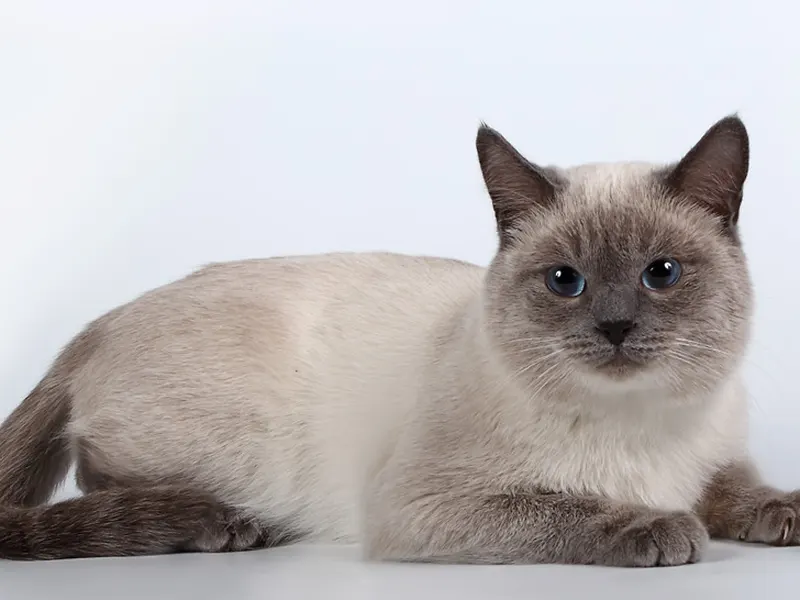
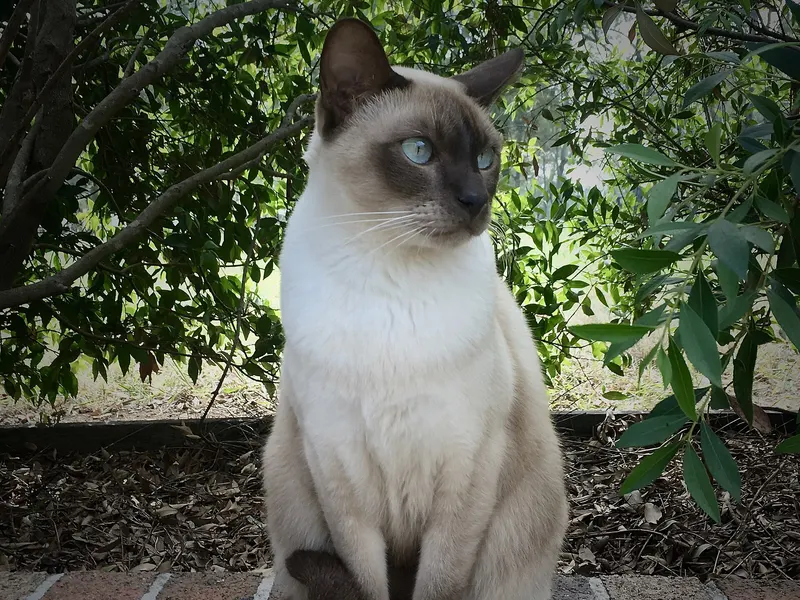
The Siamese is one of the oldest and most recognizable cat breeds: a slender, blue-eyed cat with dark points on the face, ears, legs and tail, and a voice it loves to use. It suits people who are home a lot and want a cat that follows them around, talks back and joins in with everything.

Why people love the Siamese
- Highly social cat that follows you and joins in
- Intelligent and trainable, often learns fetch and harness walking
- Short coat sheds lightly and is easy to groom
- Long-lived, commonly reaching 15 years or more
- Usually good with respectful children and cat-friendly dogs
Things to consider
- Loud, persistent voice that may disturb neighbors
- Becomes demanding or destructive when bored or lonely
- Prone to dental and gum disease
- Inherited PRA and amyloidosis occur in some lines
- Not suited to homes empty for long hours
Is this breed right for you?
10 questions · live resultHistory and Origin
Pointed cats with pale bodies and dark extremities are described in the Tamra Maew, a collection of Thai cat poems whose surviving copies date from the 18th to 19th centuries. In Thailand the type is called the Wichianmat, and these cats were associated with temples and the royal court of Siam.
Siamese cats appeared at the early Crystal Palace cat shows in London in the 1870s, and the breed became established in Britain in the 1880s, when cats were sent home from Bangkok by the British consul-general. In the United States, one of the first recorded Siamese was a cat named Siam, sent to First Lady Lucy Hayes in 1878 by the American consul in Bangkok.
From the mid-20th century, show breeders selected for an increasingly long, fine body and a wedge-shaped head. The rounder, more moderate older type is now bred separately as the Thai in some registries. The Siamese is recognized by TICA, CFA, FIFe and the GCCF, and its genes went into many other breeds, including the Balinese, Oriental, Himalayan and Tonkinese.
Points, Colors and Body Type
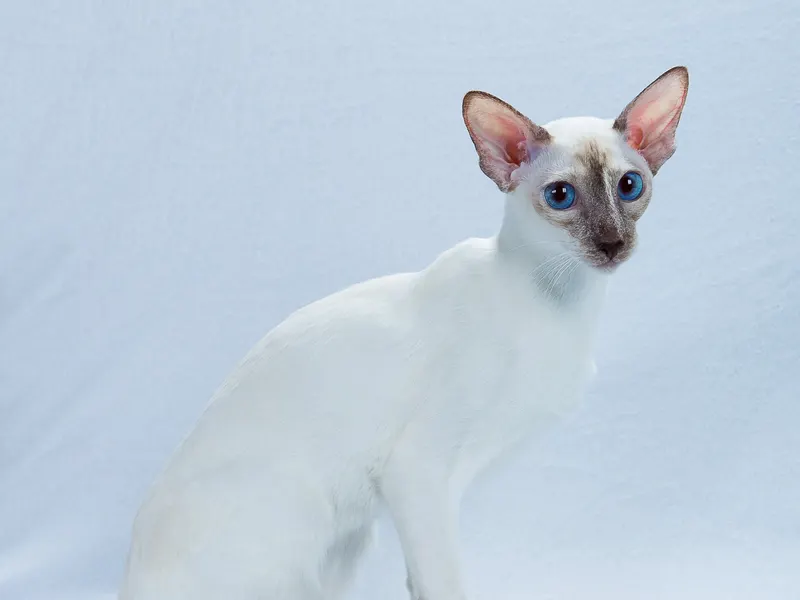
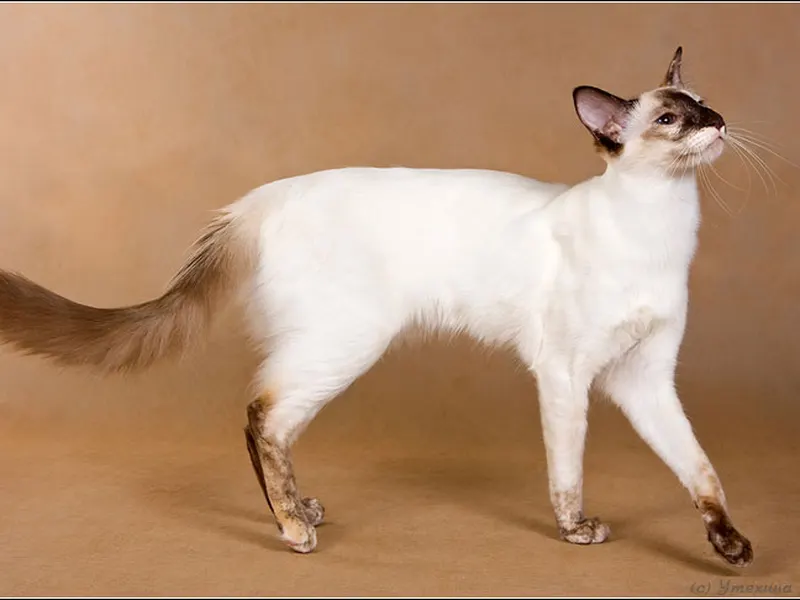
The modern Siamese is a long, slender, fine-boned cat with a wedge-shaped head, large pointed ears, vivid blue almond-shaped eyes and a long, thin tail. The body is tubular and muscular, and the legs are long, with hind legs slightly higher than the front. The older, rounder type is bred separately as the Thai in some registries.
Adults weigh about 6 to 14 lb. Males are noticeably larger and more muscular, while females are finer and lighter.
The coat is short, fine and glossy, lying close to the body. The defining feature is the pointed pattern: a pale body with darker color on the face mask, ears, legs and tail. Kittens are born almost white, and points develop over the first months.
CFA recognizes four classic point colors:
- seal point
- chocolate point
- blue point
- lilac point
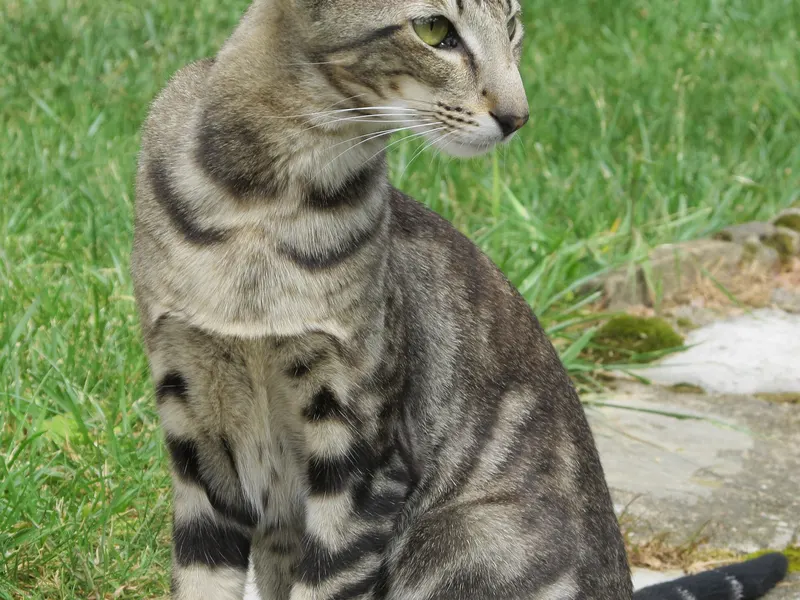
CFA shows other point colors, such as red, cream, tabby (lynx) and tortie points, as Colorpoint Shorthairs, while TICA, FIFe and the GCCF accept many of them within the Siamese.
Personality and Temperament
The defining trait of the Siamese is engagement. These cats want to be where you are, on the desk, in the kitchen, in the bed, and they comment on all of it. The voice is loud and raspy, often described as a low yowl, and many Siamese hold genuine back-and-forth "conversations" with their owners.
They tend to bond intensely, sometimes with one favorite person. That closeness has a flip side: a bored or lonely Siamese can become demanding, noisy at night or destructive. They usually do well with respectful children and cat-friendly dogs, and many live happily with a second active cat, which helps when owners work away from home.
Can Siamese Cats Be Left Alone?
Not for long periods. Siamese cats are very people-oriented, and many become lonely, noisy or destructive when left alone for full days on a regular basis.
Most adults cope with a standard workday if the home is enriched and they have company in the evenings. A second active cat is one of the best solutions for working owners. Provide tall cat trees, window perches, puzzle feeders and toys you rotate weekly. A play session before leaving and on return helps. For trips longer than a day, a pet sitter who stays or visits several times daily is better than leaving extra food.
Are Siamese Cats Good for First-Time Owners?
Yes, for first-time owners who are home a lot and want an interactive cat. Siamese are affectionate, intelligent and easy to groom, and many respond well to clicker training.
New owners should be ready for a loud voice, constant company and daily play. A Siamese that is bored will find its own entertainment, which may include yowling at night, opening cupboards or knocking things off shelves. Planning enrichment, dental care and possibly a second cat from the start makes life easier. Beginners who want a quiet, independent cat will be happier with a calmer breed.
Are Siamese Cats Lap Cats?
Many are, on their own terms. Siamese cats crave closeness and often curl up on laps, sleep under the covers or drape themselves over shoulders. They are more likely to be near you than across the room.
That said, they are also active and curious, so cuddles usually come between bursts of play, exploring and conversation rather than for hours on end. Many bond intensely with one favorite person and prefer that person's lap. A Siamese that gets enough daily play tends to settle more readily for long, warm cuddle sessions in the evening.
Activity, Play and Enrichment
A Siamese is athletic and clever, and it needs both its body and brain used every day.
- Two or three short sessions with a wand toy keep most adults content.
- Many learn to fetch and walk on a harness; clicker training works well because they are food motivated and quick to learn.
- Puzzle feeders and treat balls slow down meals and give them a job.
- Tall cat trees and window perches matter, since they like to watch from high places.
Rotate toys weekly. A Siamese that has figured out a toy will lose interest fast.
Grooming and Shedding
The coat is short, fine and close-lying with almost no undercoat, so shedding is light and grooming is easy. A weekly pass with a rubber grooming mitt or soft brush removes loose hair and keeps the coat glossy.
Spend more effort on teeth than on fur. Daily or near-daily toothbrushing with cat toothpaste helps, as the breed is prone to dental and gum disease. Trim nails every two weeks or so.
Point color is temperature-sensitive: the points develop over the first months of life, and the body coat often darkens with age or after time spent in a cool environment.
Feeding and Nutrition
Siamese cats are naturally lean and athletic, and a healthy adult should feel firm and muscular with a slight waist. Some become thin when stressed or bored, while neutered indoor cats may gain weight, so check body condition regularly.
- Kittens need three or four meals a day of a complete kitten food until about six months, then gradually move to adult feeding.
- Adults do well on two or three measured meals a day, or several small portions from puzzle feeders.
- Use part of the daily ration for clicker training and food puzzles, which suit this clever, food-motivated breed.
Dental and gum disease are common in Siamese. Food alone does not prevent it, so daily or near-daily toothbrushing and regular vet dental checks are important. Encourage hydration with fresh water in several places, a water fountain or wet food, which supports urinary health. Amyloidosis occurs in some lines, so report changes in appetite, thirst or weight to your veterinarian promptly. Keep treats under about a tenth of the daily diet.
| Adult weight | Indoor, less active | Typical adult | Active or intact |
|---|---|---|---|
| 6 lb | 150 kcal | 180 kcal | 210 kcal |
| 10 lb | 220 kcal | 260 kcal | 300 kcal |
| 14 lb | 280 kcal | 340 kcal | 390 kcal |
Estimates use the resting energy formula veterinarians work with (70 × body weight in kg0.75) and standard activity factors. Use the feeding guide on your food as a starting point and adjust to body condition. Kittens, seniors, pregnant animals and pets that need to lose weight have different needs, so ask your vet.
Health and Lifespan
Siamese are typically long-lived, commonly reaching 15 years or more and sometimes 20. Weight usually runs 6 to 14 lb (about 3 to 6 kg), with males larger.
Inherited conditions to know about include:
- Progressive retinal atrophy (rdAc PRA), a gradual loss of vision. A DNA test exists, and parents should be tested.
- Amyloidosis, mainly affecting the liver in Siamese lines.
- Dental and gum disease, which is common in the breed.
- Feline asthma, which appears more often in Siamese and related breeds.
Crossed eyes and kinked tails were once common but are now considered faults and are rare in well-bred cats. Ask breeders for DNA test results and buy from a breeder who welcomes visits, or look at Siamese rescues.
Siamese Price and Cost of Ownership
Typical breeder price in the US$800 to $2,000
A pet-quality Siamese kitten from a reputable US breeder typically costs about $800 to $2,000. Prices vary by breeder, region and lines, with show-quality kittens and rarer point colors costing more. Siamese and Siamese mixes are also common in shelters and breed rescues, making adoption a good option.
Breed-specific cost drivers include:
- Professional dental cleanings and possible extractions, since gum disease is common
- DNA testing of parents for PRA, which reputable breeders do
- Insurance covering amyloidosis, asthma and dental disease
- Enrichment: tall cat trees, puzzle feeders and interactive toys
- Possibly a second cat for company
Grooming costs are low, as the short coat needs only weekly brushing.
Is the Siamese Right for You?
A good match if you work from home or have a busy household, enjoy a cat that talks and follows you, and are happy to play every day. They also suit people who want a smart cat they can train.
Think twice if you need a quiet home, live in a thin-walled apartment with noise-sensitive neighbors, or are out for long hours with no second pet for company. A Siamese left alone a lot is rarely a happy Siamese.
Pet-quality kittens from US breeders typically cost about $800 to $2,000, depending on breeder, lines and region.
Siamese Traits at a Glance
Siamese FAQ
Why are Siamese cats so vocal?
Talkativeness is a long-established breed trait, and Siamese use their loud, low voice to ask for attention, food and company. Expect a lot of conversation, especially if they are bored or alone.
How big do Siamese cats get?
Adults usually weigh 6 to 14 lb, with males at the upper end. Their long, slim build makes them look lighter than they are.
Are Siamese cats hypoallergenic?
No cat is hypoallergenic. Siamese shed lightly because of their short, single coat, but they still produce the Fel d 1 allergen, so allergic people should spend time with the breed before committing.
How long do Siamese cats live?
Many live 15 years or more, and 20 is not unusual. Good dental care and screened parents help.
Are Siamese cats good with kids and dogs?
Usually yes. They are sociable and playful and often get along well with gentle children and cat-friendly dogs, though they dislike being ignored.
How much does a Siamese cat cost?
Pet-quality kittens from US breeders typically run about $800 to $2,000, varying by breeder and region. Adoption from a rescue costs much less.