Best Family DogsFriendly, patient breeds for homes with kids
Breeds on this list are known for a stable, people-friendly temperament, tolerance of household noise and a willingness to learn. The guide helps families match a breed to their children's ages, their available time and their space, because the best family dog is the one that fits your real daily routine.
Top 10 Family Dog Breeds
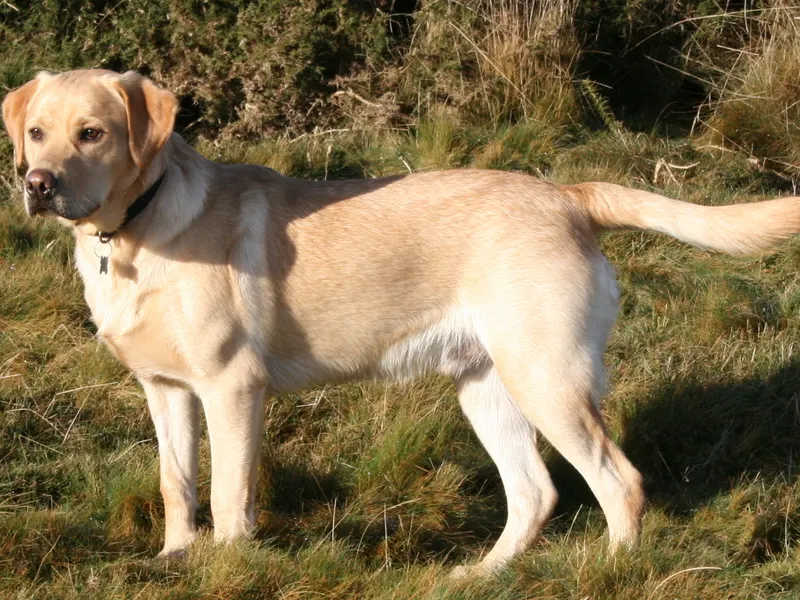
Friendly, robust and easy to train, the Labrador is a classic all-round family companion.
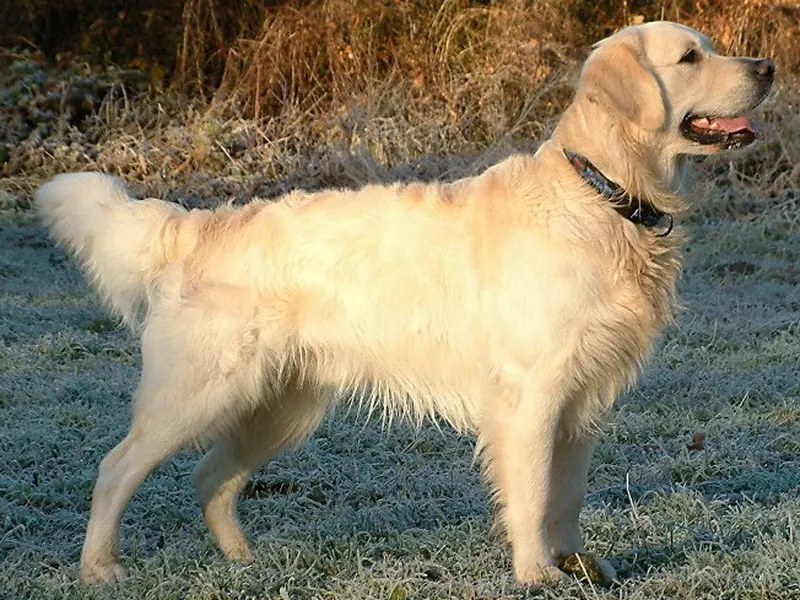
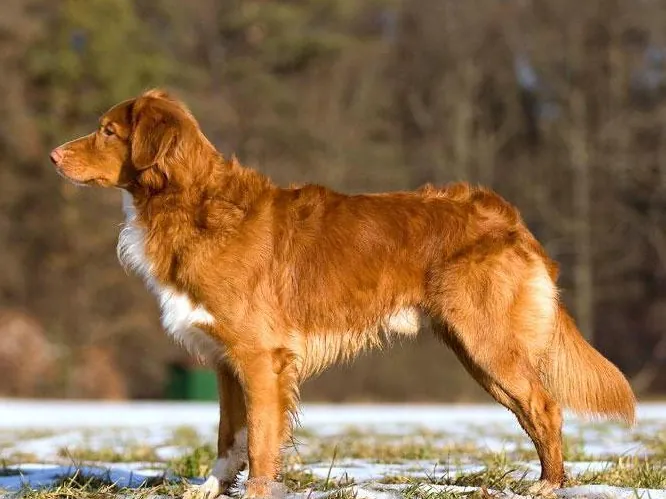
Patient, gentle and eager to please, the Golden is one of the most popular family dogs for good reason.
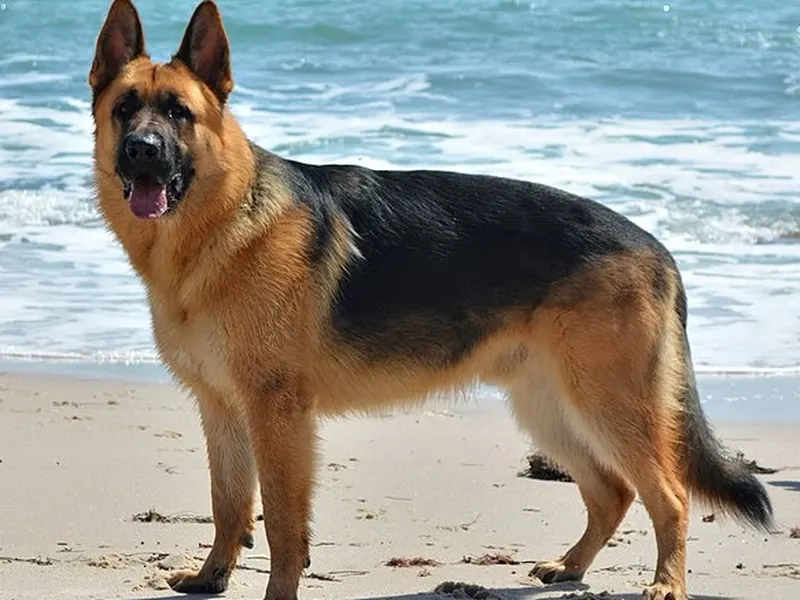
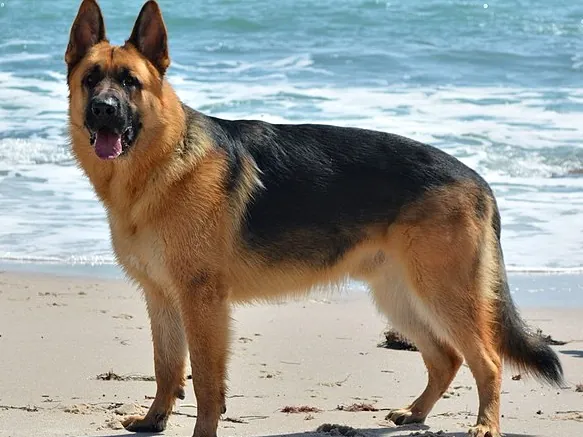
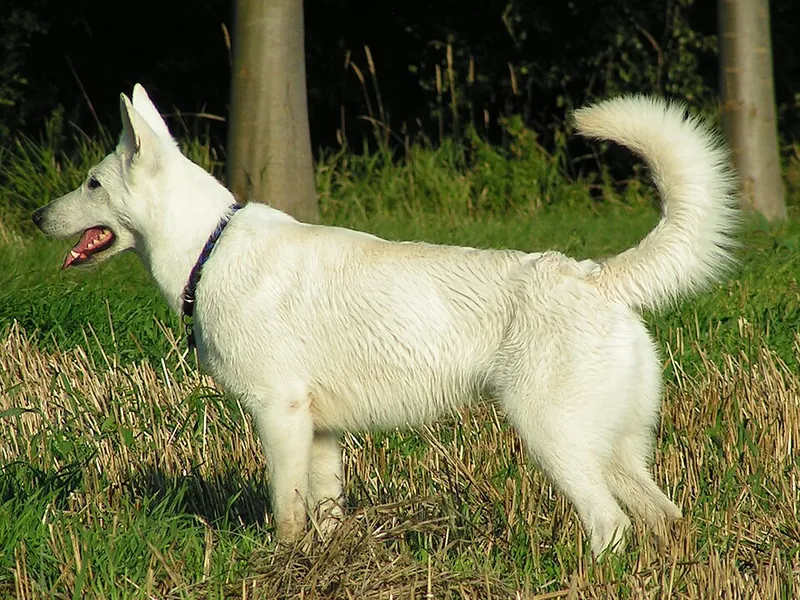
Loyal, trainable and watchful, the German Shepherd thrives with families who offer structure and daily work.
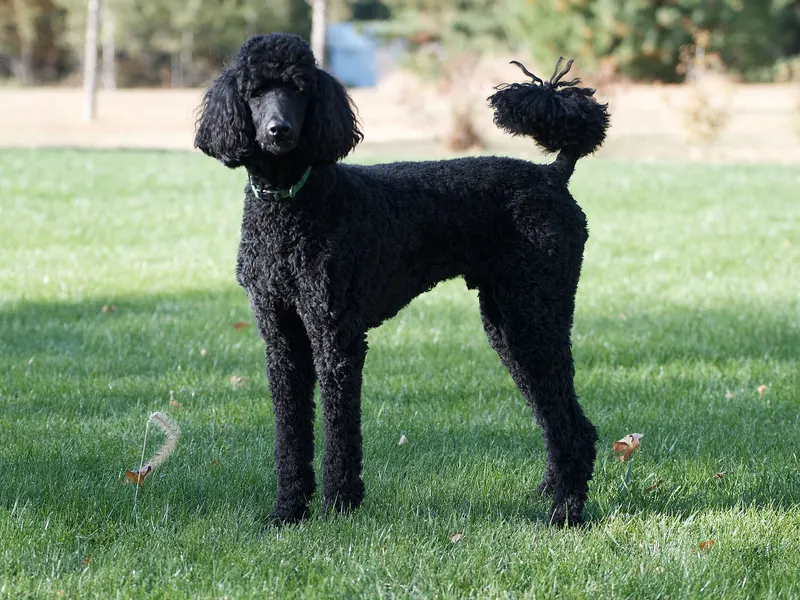
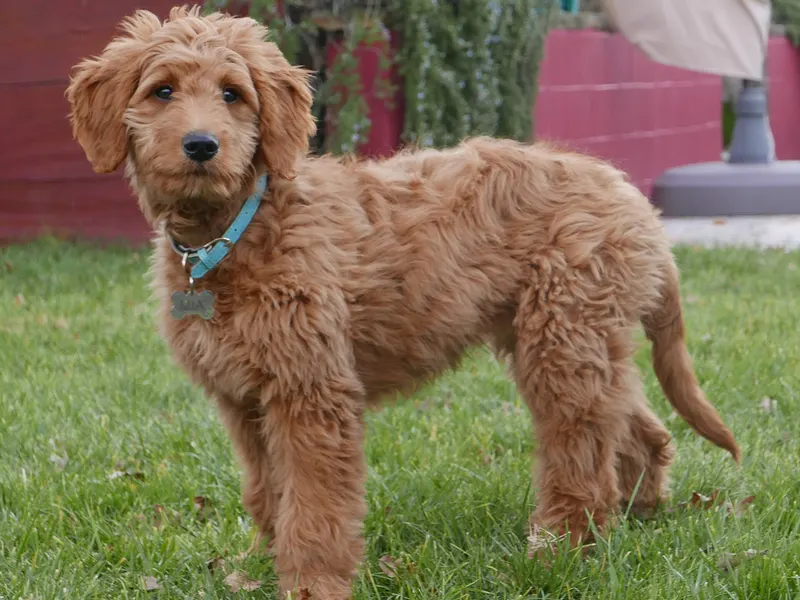
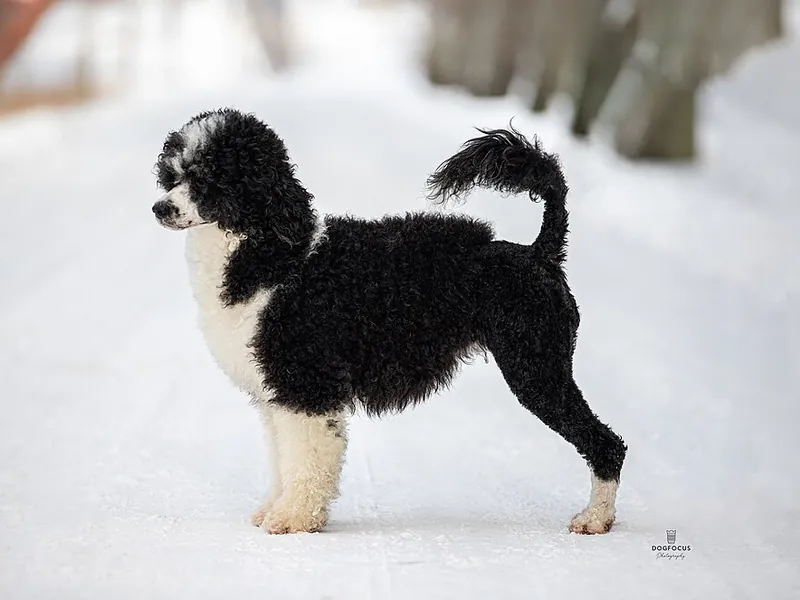
Smart, trainable and low-shedding, the Poodle comes in sizes to fit nearly every family.
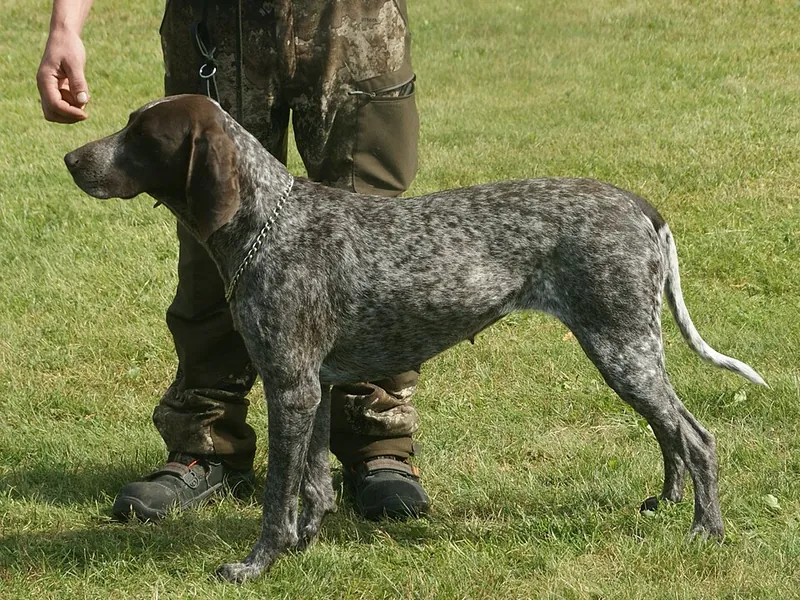
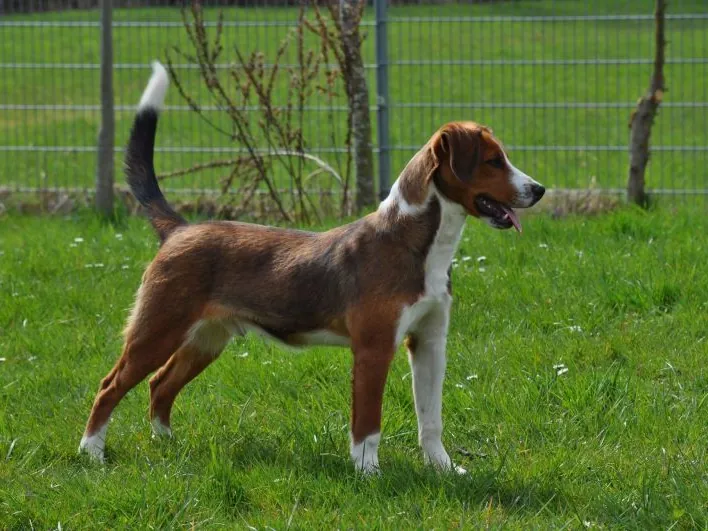
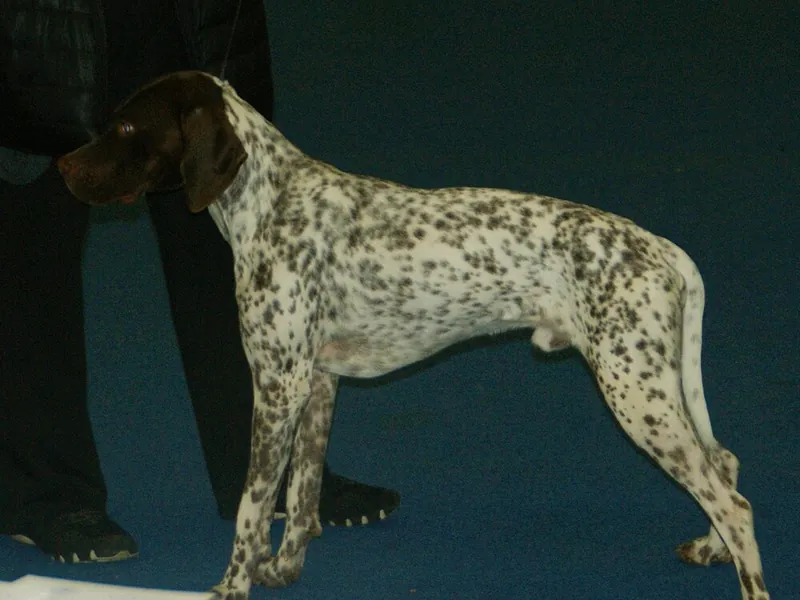
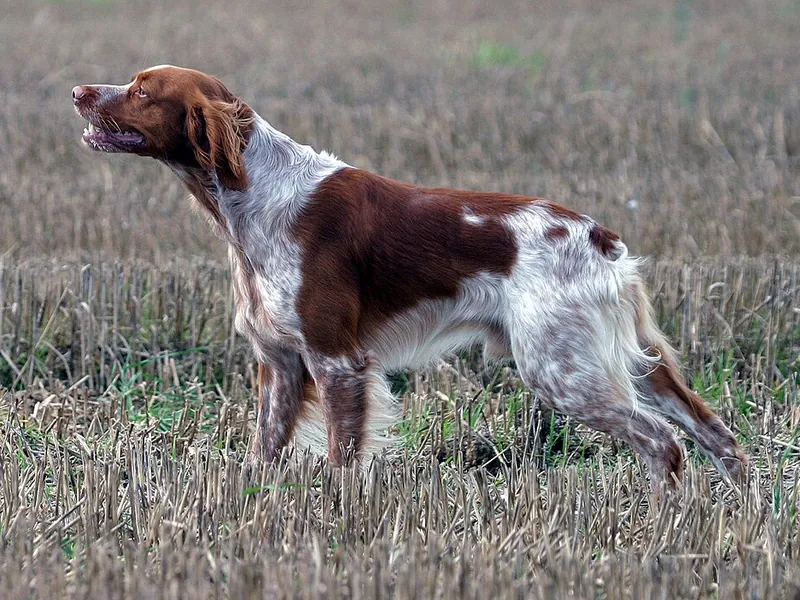
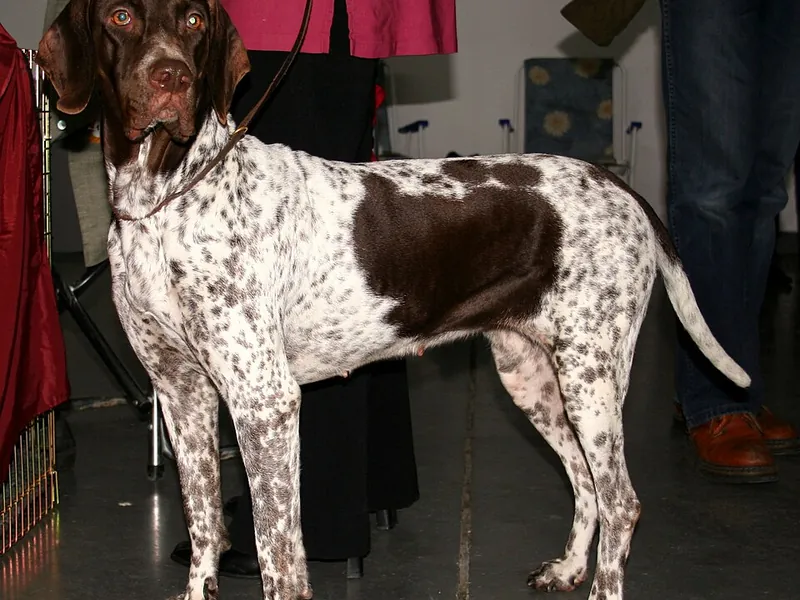
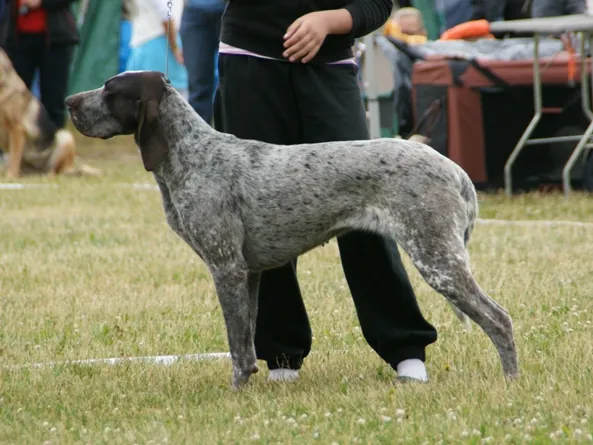
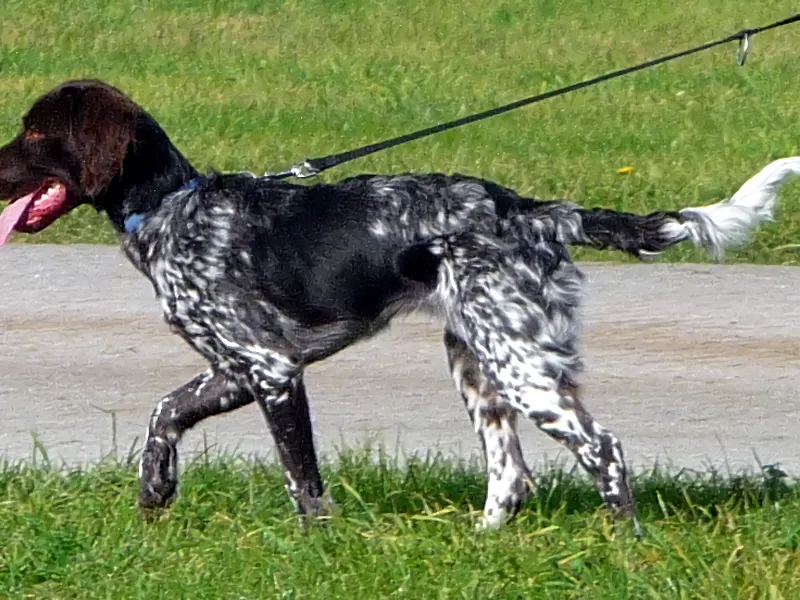
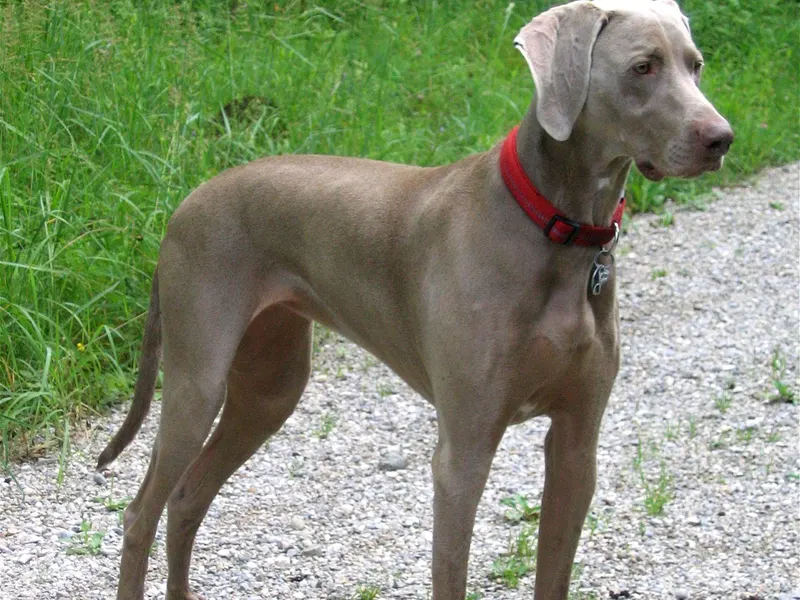
The German Shorthaired Pointer is an athletic, enthusiastic hunting dog that is equally happy pointing birds in a field or playing with children at home.
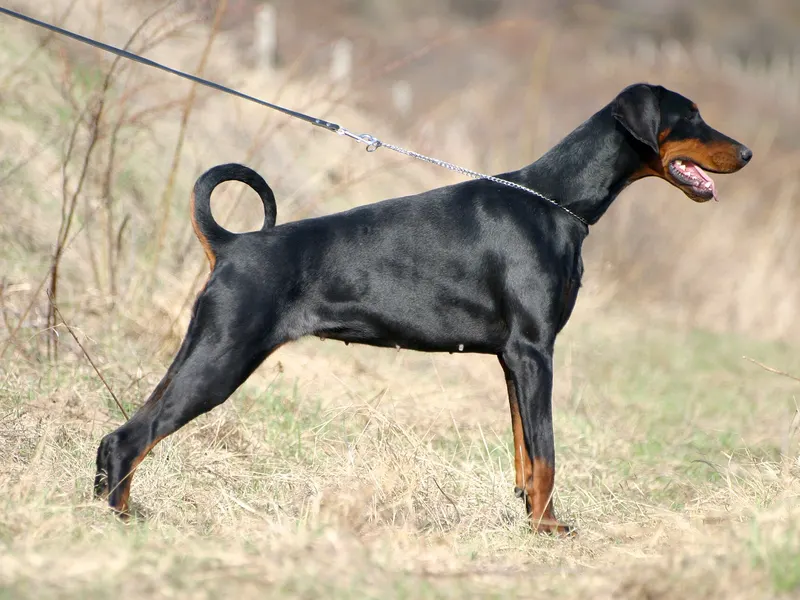
The Doberman was created in 1890s Germany as a personal protection dog, and it remains alert, athletic and devoted to its people.
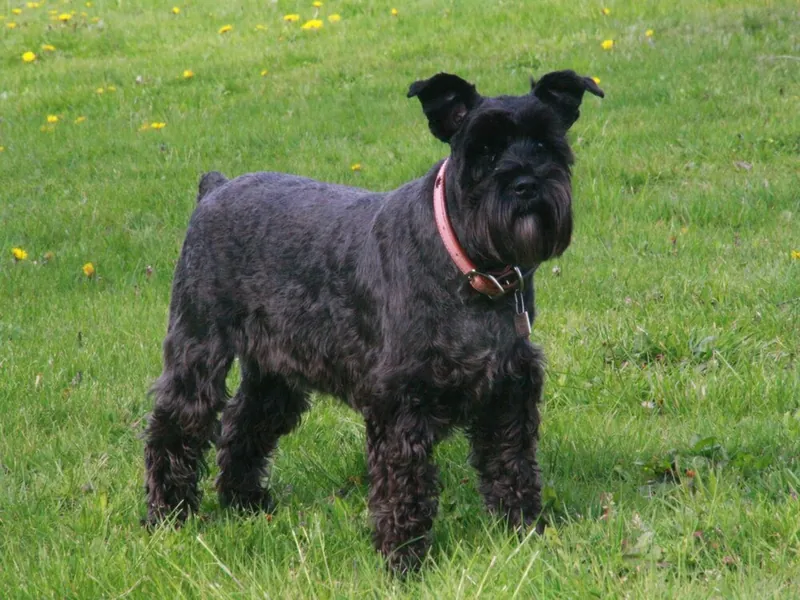
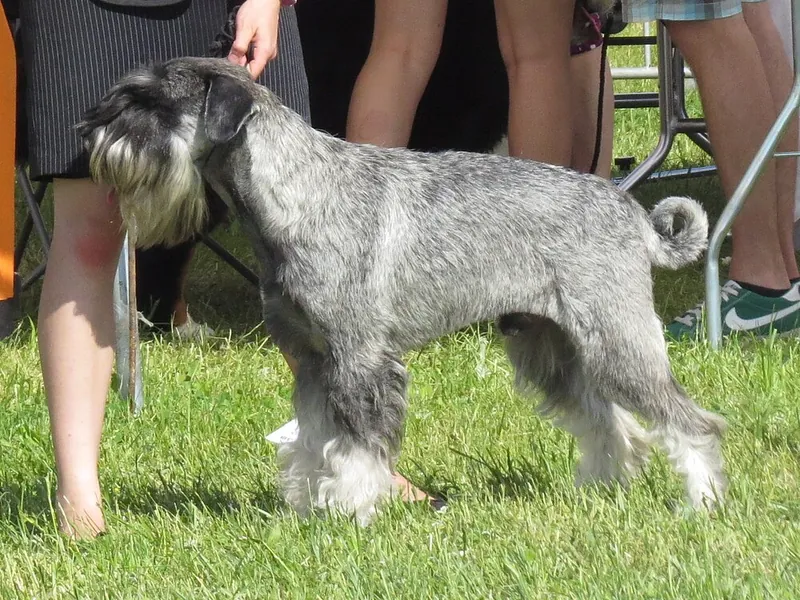
The Miniature Schnauzer is a small, sturdy German farm dog with bushy eyebrows, a beard and a big-dog attitude.
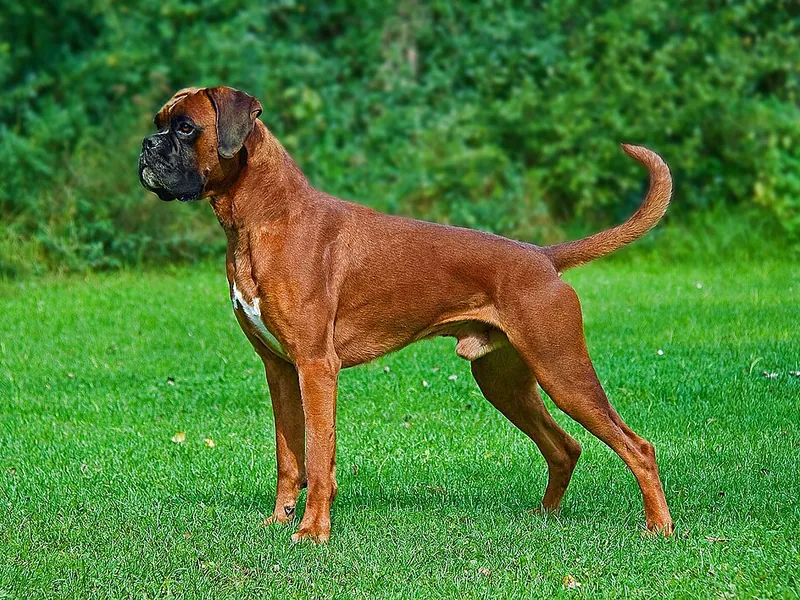
Playful and protective with a famously goofy streak, the Boxer loves active kids and plenty of games.
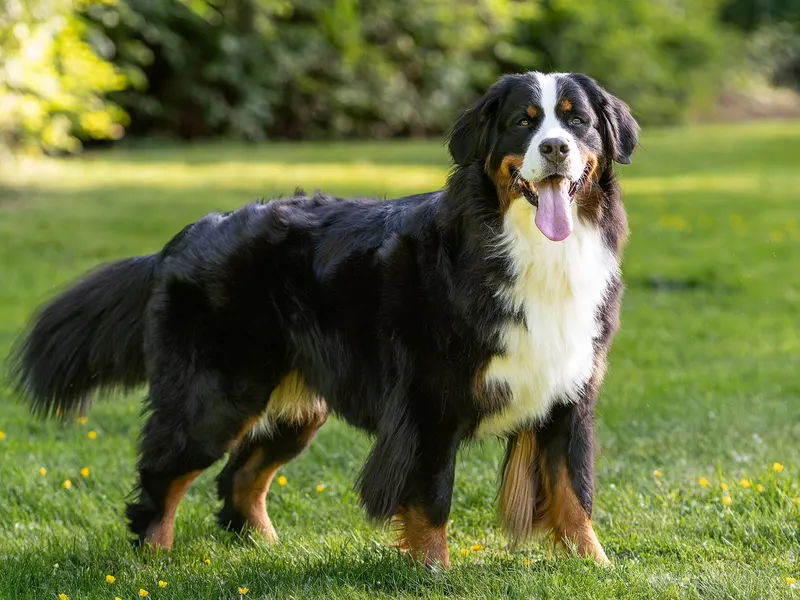
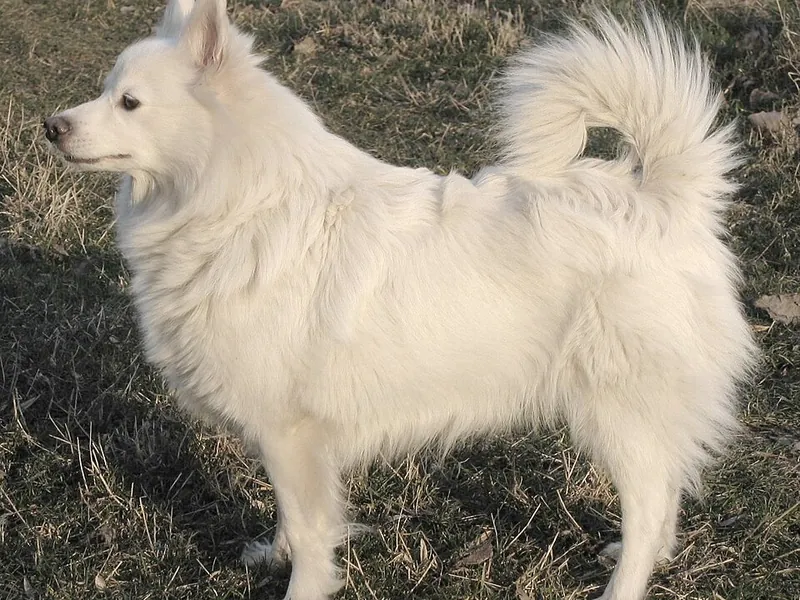
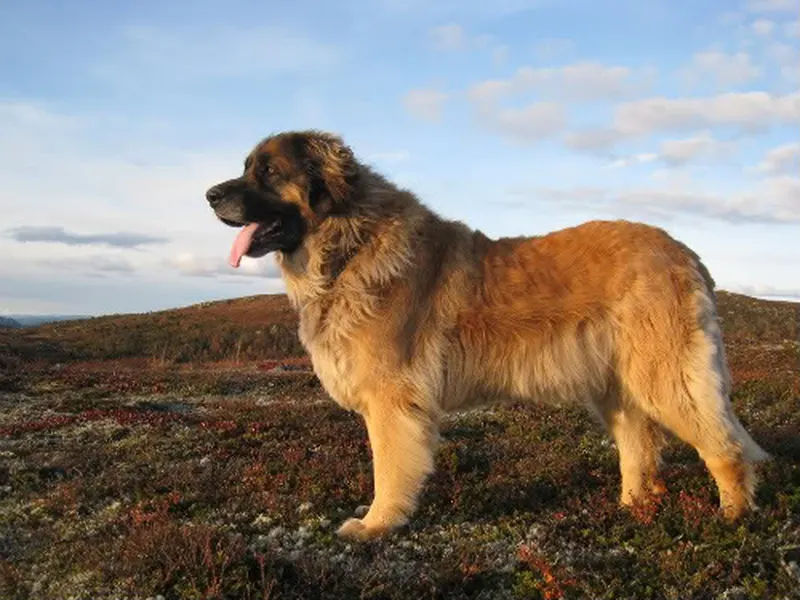
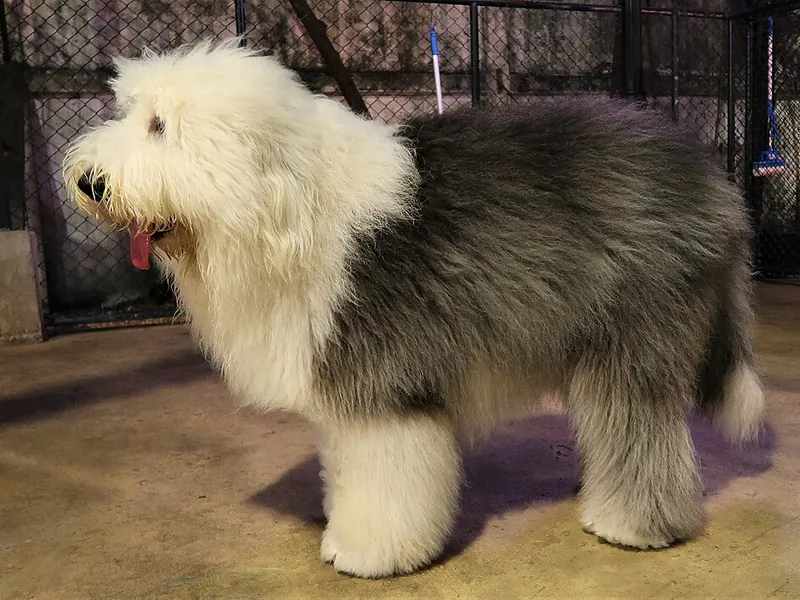
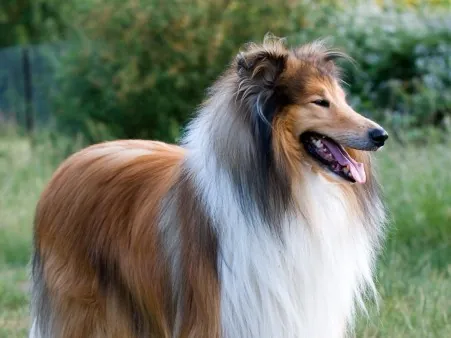
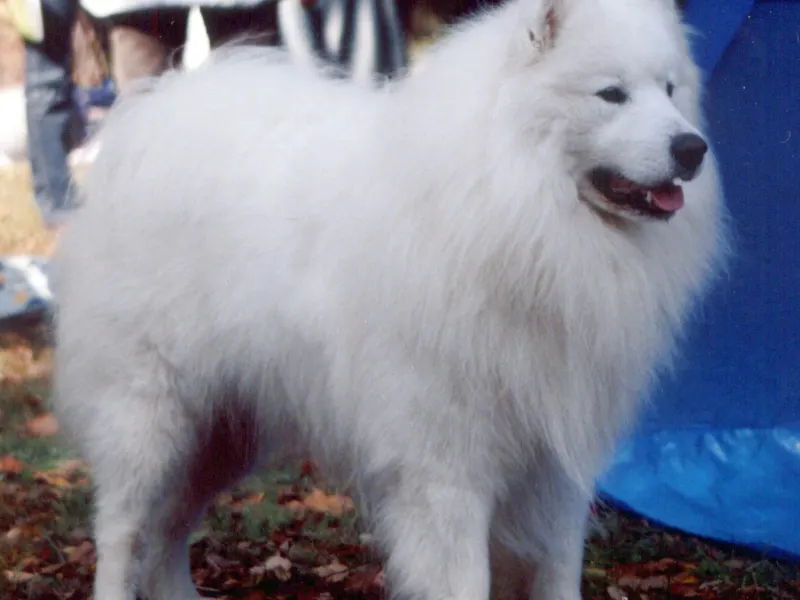
A big, calm and affectionate farm dog that is typically gentle with children.
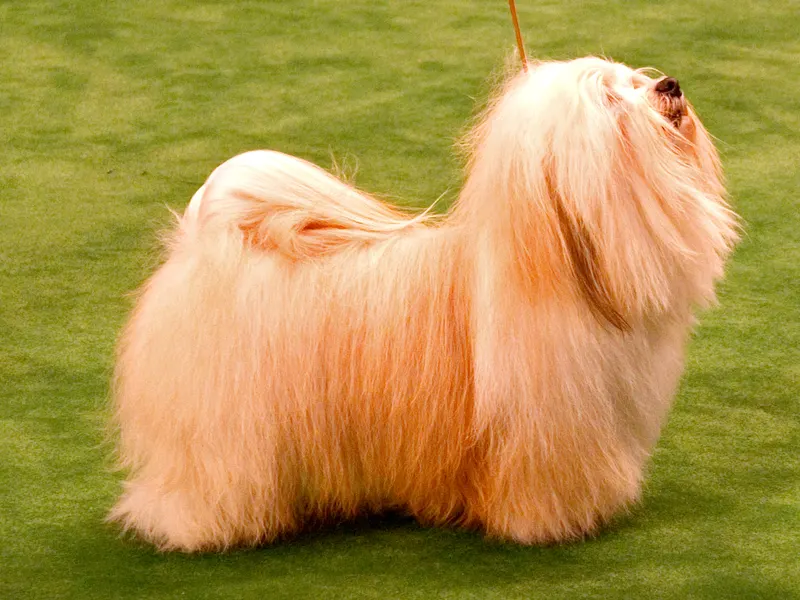
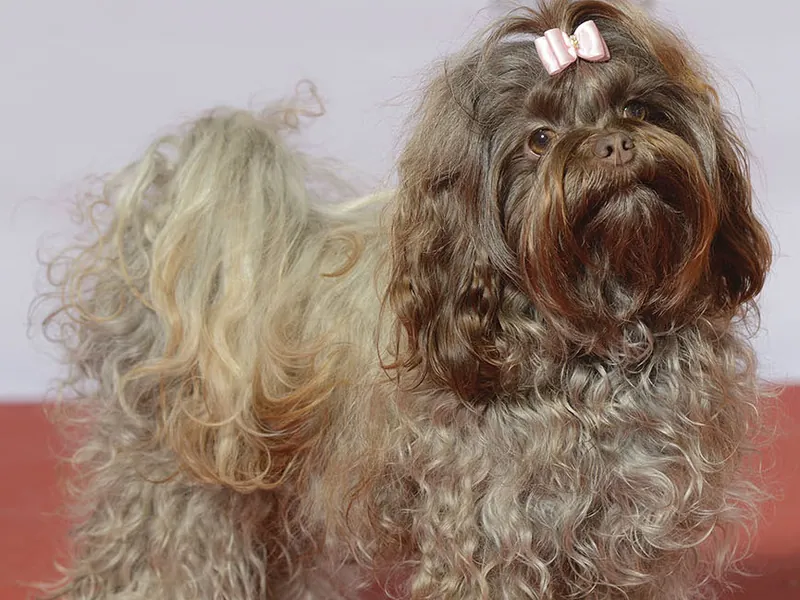
The Havanese is Cuba's national dog, a small Bichon-type companion known for its cheerful, sociable nature and springy gait.
All Family-Friendly Dog Breeds A to Z










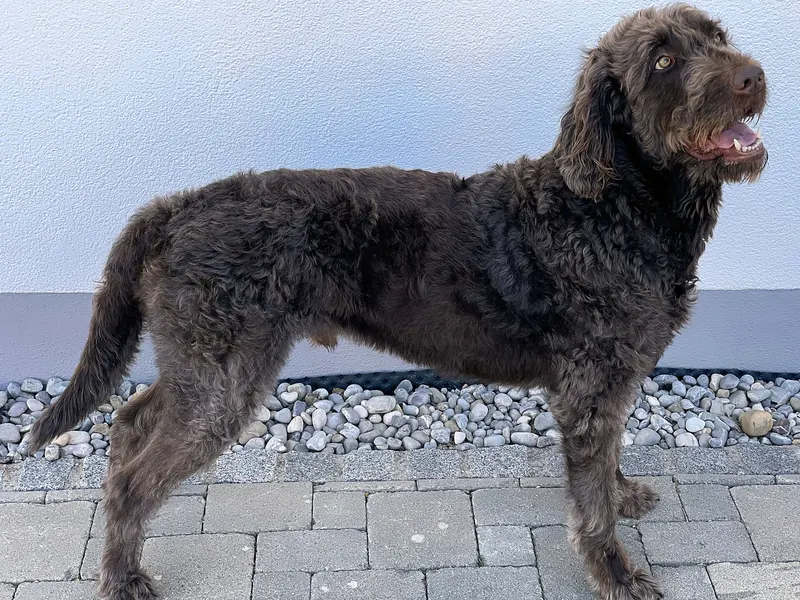
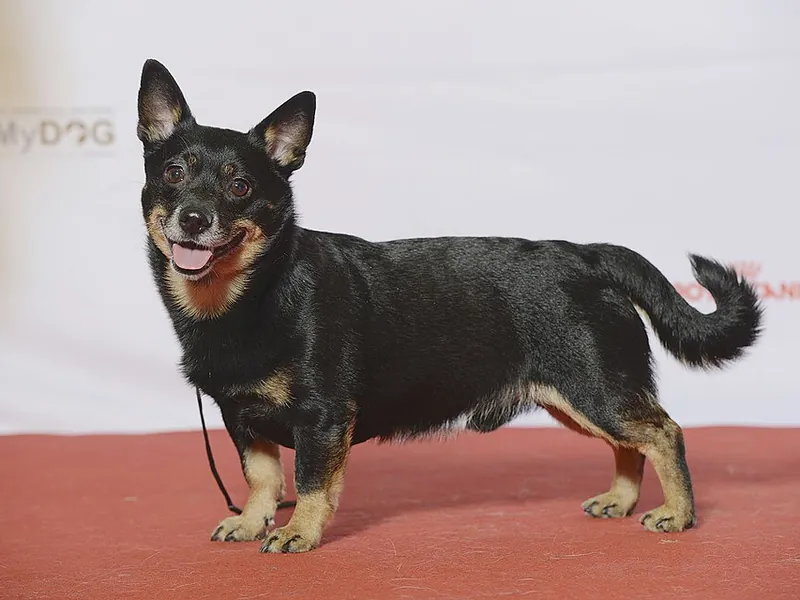
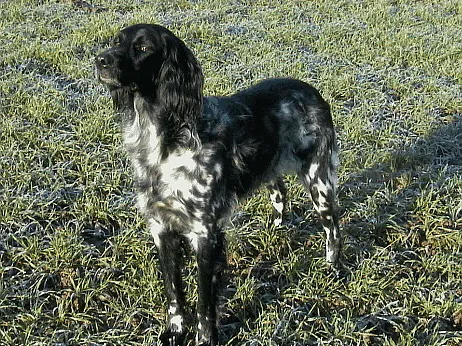





What Makes a Good Family Dog?
A family dog needs more than a sweet face. Look for a stable temperament that recovers quickly from surprises, tolerance for handling and noise, a moderate guarding instinct and good trainability. Retrievers like the Golden and Labrador, spaniels and many companion breeds score well because they were bred to cooperate closely with people.
Individual dogs vary within every breed. The parents' temperament, early socialization and your own training shape the adult dog at least as much as breed does.
Match the Breed to Your Family
- Toddlers: choose a sturdy, calm dog. Very tiny breeds can be injured, and very boisterous large puppies can knock children over.
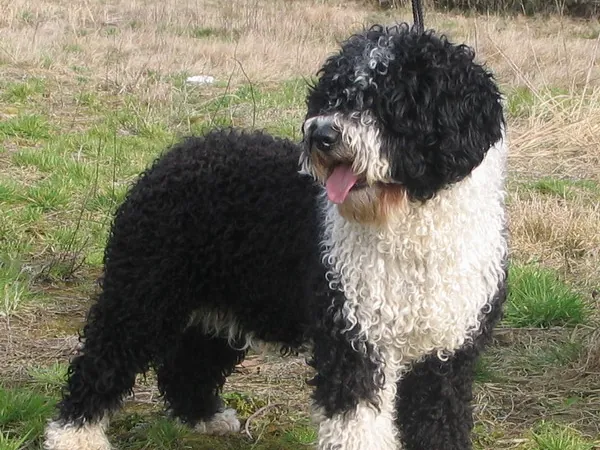
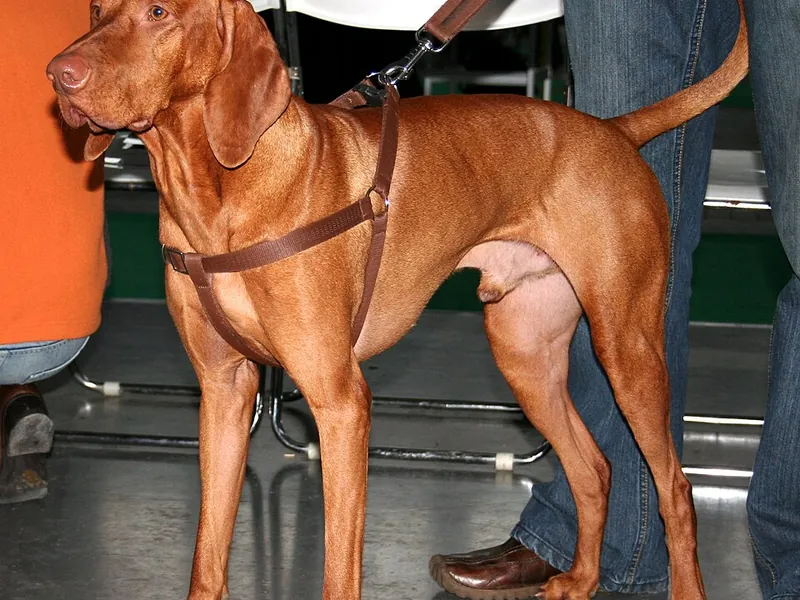
- School-age kids: active breeds such as the Boxer, Vizsla or Portuguese Water Dog make great playmates if someone adult handles exercise and training.
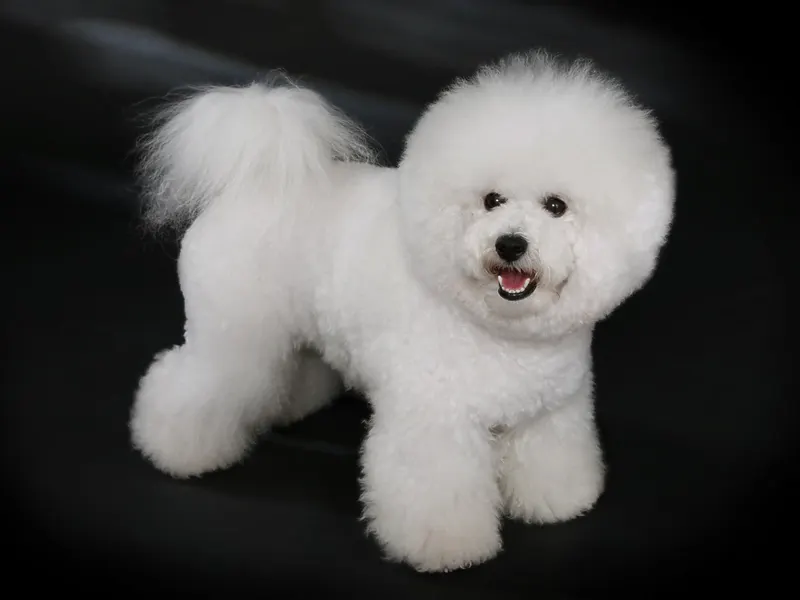
- Busy households: lower-energy breeds like the Bichon Frise, Havanese or Cavalier fit better than working breeds such as the German Shepherd.
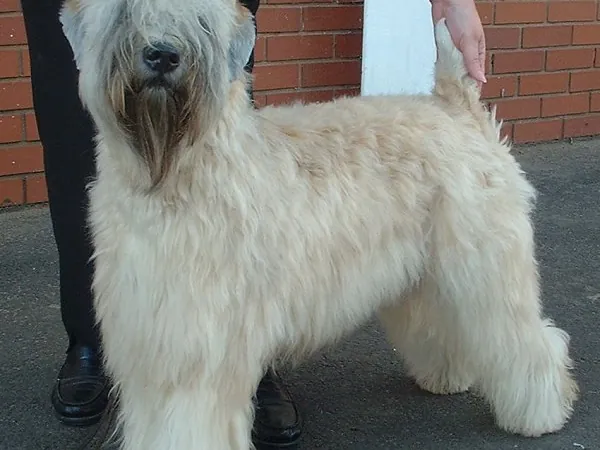
- Allergies: low-shedding options include the Poodle, Bichon Frise, Miniature Schnauzer and Soft Coated Wheaten Terrier.
Size, Lifespan and Cost of Care
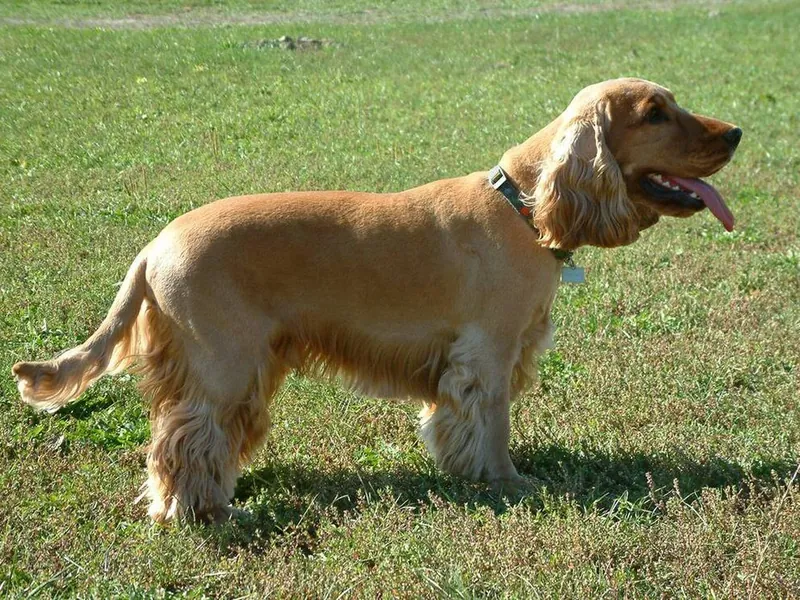
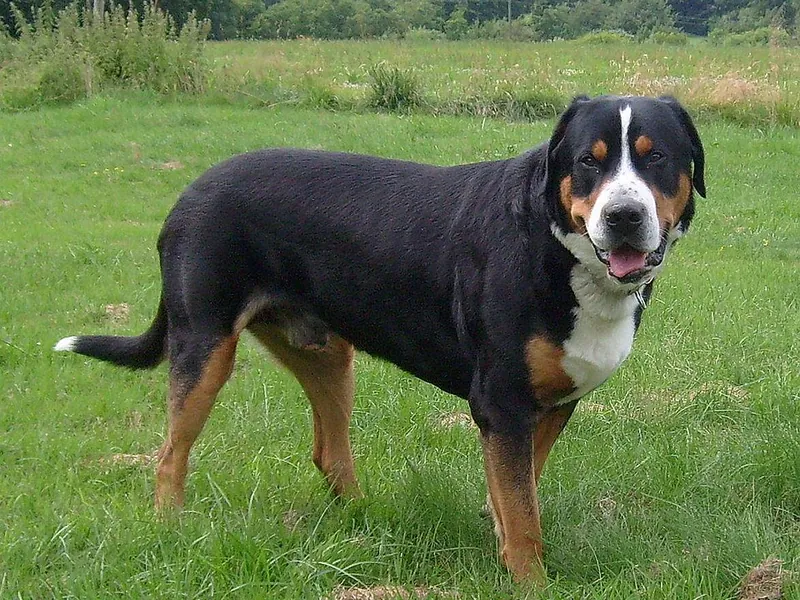
Large and giant family favorites like the Bernese Mountain Dog, Leonberger and Greater Swiss Mountain Dog are famously gentle, but they eat more, need more space and generally live shorter lives than small breeds. Medium breeds such as the English Cocker Spaniel, Whippet or Staffordshire Bull Terrier often hit a sweet spot between robustness and practicality.
Ask breeders for the health tests relevant to the breed, such as hip and elbow scores for retrievers and shepherds, or eye and heart checks for spaniels.
Common Mistakes Families Make
Many families pick a breed for looks and underestimate exercise and training. A working-line Labrador or German Shepherd without enough activity may become destructive. Another mistake is expecting children to be responsible for the dog: kids can help, but an adult must own feeding, vet care and training. Finally, always supervise interactions between young children and any dog, and teach kids to leave a sleeping or eating dog alone.
Preparing Your Home for a Family Dog
Before the dog arrives, agree on house rules as a family: who feeds, who walks, whether the dog is allowed on the sofa and which rooms are off limits. Consistency matters more than any single rule. Set up a quiet retreat, such as a crate or bed in a calm corner, where the dog can rest without being disturbed by children. Puppy-proof cables, shoes and toys, and use baby gates to manage space in the early weeks. Enroll in a reward-based puppy or family obedience class, which also teaches children how to interact with the dog safely. Finally, plan for vacations and busy periods in advance, because a family dog is part of the household for well over a decade.
Frequently Asked Questions
What is the best family dog breed?
Golden Retrievers and Labrador Retrievers are among the most popular family dogs thanks to their friendly, trainable nature, but the best breed depends on your activity level and space.
What is a good small family dog?
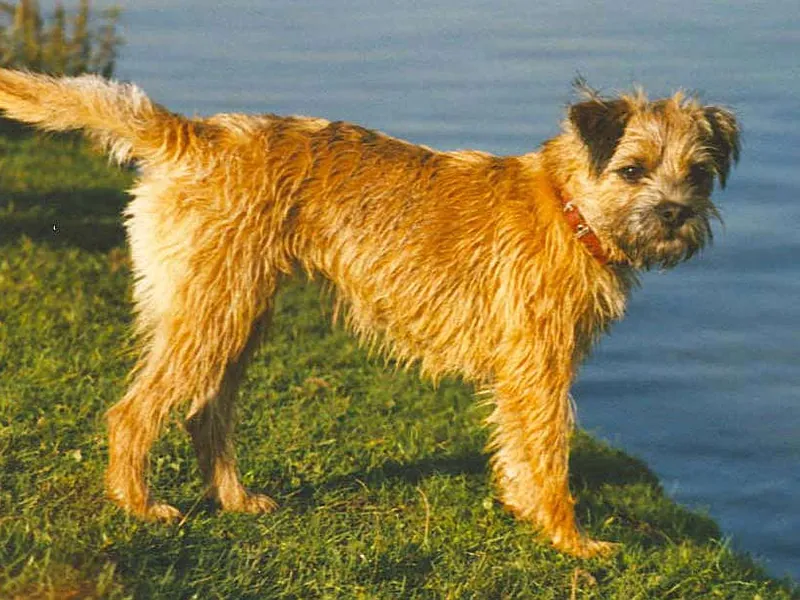
Bichon Frise, Havanese, Cavalier King Charles Spaniel, Miniature Schnauzer and Border Terrier are sturdy, friendly small options.
Which family dogs are good for allergies?
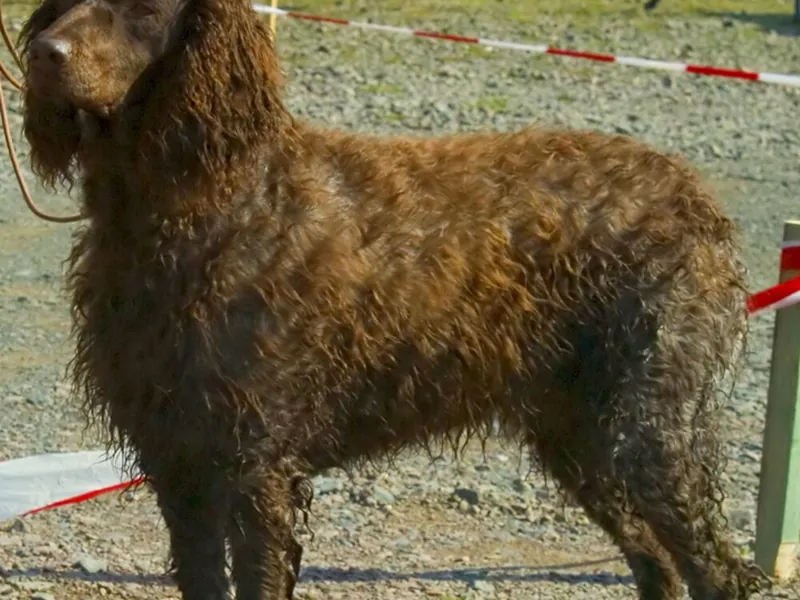
Low-shedding breeds such as the Poodle, Bichon Frise, Portuguese Water Dog and Soft Coated Wheaten Terrier are often easier for allergy sufferers, though no dog is allergen-free.
Are German Shepherds good family dogs?
Yes, for families who provide daily exercise, training and clear structure. They are loyal and protective but not a low-effort breed.
Should we get a puppy or an adult dog?
Puppies need intensive training and supervision. A well-socialized adult dog with a known temperament can be an easier start for families with small children.
Not sure which breed fits you?
Answer 8 quick questions and get breeds ranked for your home, schedule and experience.