LeonbergerGermany's lion-maned family giant
The Leonberger is a giant, lion-maned dog bred in 19th century Germany as a status symbol and family companion. Calm and friendly but powerful, it suits experienced owners with space, time for grooming and an appetite for outdoor activity.
Why people love the Leonberger
- Calm, gentle and family-focused giant
- Usually affectionate with children and friendly to guests
- Loves water and swimming
- Adaptable in busy households
- Excellent at draft work, rally and obedience
Things to consider
- Short lifespan of 7 to 10 years
- Heavy shedding and regular drool
- Giant-breed costs for food, vet care and gear
- Slow to mature; acts like a big puppy for years
- Needs space, a large vehicle and physical strength
Is this breed right for you?
10 questions · live resultHistory and Origin
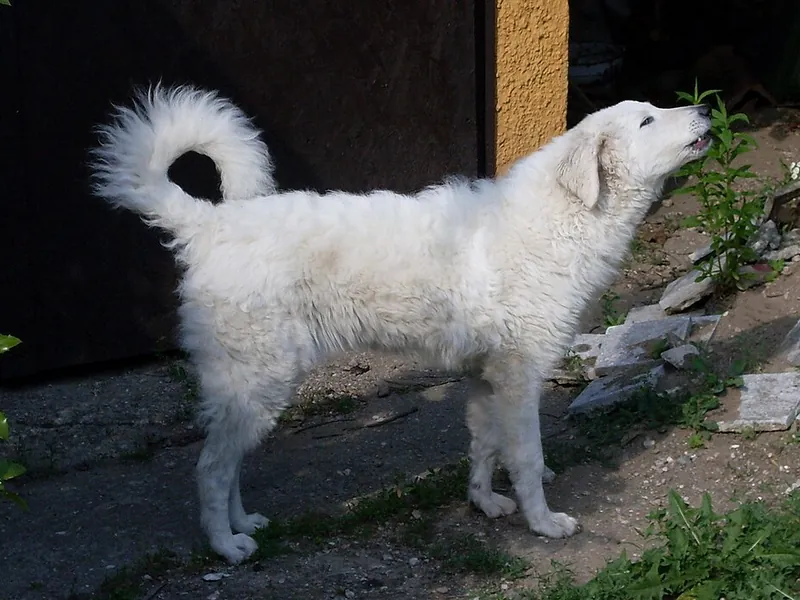
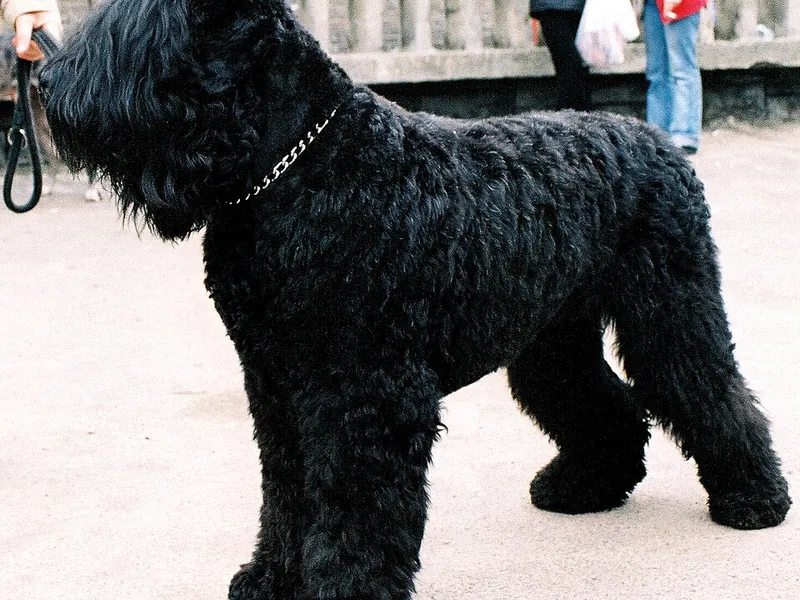
The breed was created in the town of Leonberg near Stuttgart in the 1840s by Heinrich Essig, a businessman and town councilor. Essig aimed for a dog that resembled the lion on the town crest and reportedly crossed Newfoundland, Saint Bernard and Great Pyrenees-type dogs.
Leonbergers became popular with European nobility, and later worked on farms pulling carts and guarding. The breed nearly vanished during both World Wars, and modern Leonbergers descend from a small number of surviving dogs. The AKC recognized the breed in 2010.
Size, Coat and Mask Colors
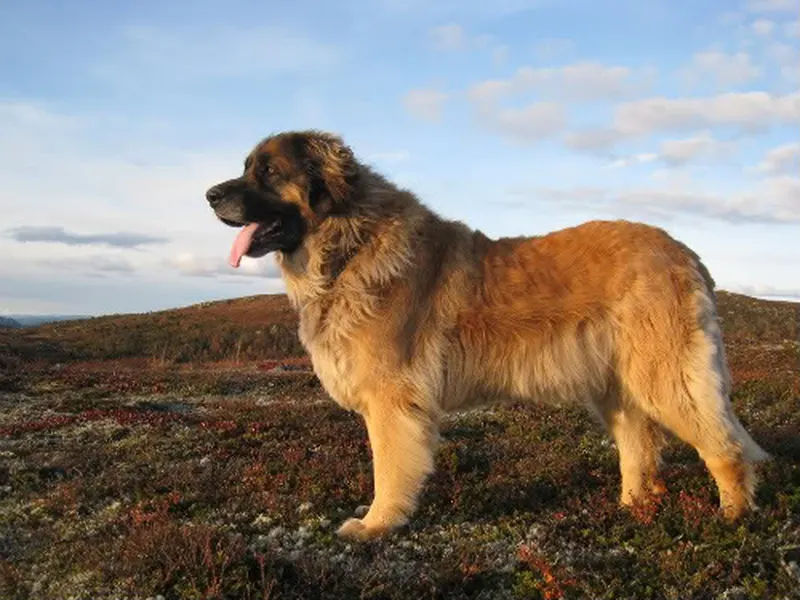
The Leonberger is a giant, muscular dog standing about 26 to 31 inches and weighing roughly 90 to 170 lb. The difference between the sexes is striking: males are noticeably larger, heavier and more powerful, with a bigger head and a pronounced lion-like mane on the neck and chest. Females are elegant but still large and strong. The body is slightly longer than tall, with a deep chest and strong bone.
The double coat is medium to long, water-resistant and lies close to the body despite its length, with a soft, dense undercoat. Feathering on the front legs and rich trousers on the hind legs are typical, and the tail is well furnished.
The standard allows lion yellow, golden to red and reddish brown, sand (cream, fawn, pale yellow) and all combinations of these, often with darker tips on the outer hairs. Every Leonberger should have a black mask. A small white patch on the chest and a few white hairs on the toes are tolerated.
Temperament and Personality
Leonbergers are known for being calm, self-assured and family-focused. They are usually affectionate with children and friendly with guests, while remaining alert enough to warn of anything unusual.
They do not like being separated from their family and are happiest indoors with their people. Size and strength mean good manners are essential.
Leonbergers are usually adaptable in busy households, and many are sensitive to tension in the home. They are generally sociable with other dogs, though males can be dominant with other large males. They mature slowly and may act like big puppies until two or three years old.
Are Leonbergers Good for First-Time Owners?
A Leonberger can work for a committed first-time owner, but its size makes it more demanding than its gentle personality suggests. Temperament is usually easygoing, and the breed is not aggressive by nature. The challenge is managing a dog that may weigh well over 100 lb before it is mentally grown up.
Leash manners, polite greetings and calm house behavior must be taught early and consistently. Puppies need careful exercise limits to protect growing joints. First-time owners should join a puppy class, choose a breeder who offers ongoing support and plan honestly for giant-breed costs, a large car and a shorter life together.
Do Leonbergers Drool?
Yes, but usually less than mastiffs or Saint Bernards. Most Leonbergers have fairly tight lips, so drool is moderate, though it increases after drinking, in hot weather, when food is around and during excitement.
Males with heavier lips tend to drool more than females. The bigger daily mess often comes from water: Leonbergers splash when they drink and carry water in their beards and manes, leaving trails across the floor. Keeping a towel by the water bowl and the door is a normal part of life with the breed. If heavy, sudden drooling appears in a dog that normally drools little, contact your vet.
Can a Leonberger Live in an Apartment?
It is possible but rarely ideal. Leonbergers are calm indoors, but they take up a lot of space, shed heavily and need room to turn around, stretch out and lie down away from traffic.
Stairs are a particular problem in apartments. Puppies should avoid repeated stair climbing while their joints grow, and carrying a 50 lb puppy up several floors is not realistic. Older or injured Leonbergers may struggle with stairs too, and elevators are not always reliable. A ground-floor home with a yard and easy access to walking areas is much better suited to the breed.
Exercise and Training
Adults need substantial daily exercise: long walks, hikes and, ideally, swimming. Many love water, a legacy of their Newfoundland ancestry, and swimming is excellent conditioning for heavy joints. Draft work, rally and obedience are also popular. Protect puppy joints by avoiding forced running and excessive stairs during the long growth period, and walk adults in cooler parts of the day.
Leonbergers are trainable but can be slow to mature and independent. Calm, consistent guidance from experienced owners works better than force. Socialize puppies widely and teach loose-leash walking early.
Grooming and Shedding
The medium-long, water-resistant double coat sheds heavily, especially twice a year. Brush several times a week, and daily during coat changes, with an undercoat rake. Males carry a pronounced mane. Expect some drool and mud, and dry the coat well after swims.
Check the thick hair behind the ears, under the collar and on the trousers, where mats form first. Trim hair between the paw pads and keep nails short. Many owners find a high-velocity dryer useful to blow out the undercoat after baths.
Leonbergers are slow to dry after swimming, so towel them thoroughly and check the skin under the mane for hot spots in summer.
Feeding and Nutrition
The most important nutrition goal for a Leonberger puppy is slow, steady growth. Feed a diet formulated for large or giant-breed puppies, which controls calcium and energy density, and keep the puppy lean. Overfeeding during the long growth phase, which lasts well over a year, puts extra strain on developing hips and elbows. Do not add calcium or other supplements unless your vet recommends them.
Adults should be kept slim with a visible waist. Extra weight shortens active life in giant breeds and worsens joint problems and the weakness caused by polyneuropathy.
Bloat is a serious risk. Feed at least two, ideally three, meals a day, avoid exercise for an hour before and after eating, keep mealtimes calm and use a slow feeder if your dog gulps. Discuss a preventive gastropexy with your vet. Many Leonbergers are food-motivated, so use small treats or part of the daily ration in training.
| Adult weight | Less active | Typical adult | Very active |
|---|---|---|---|
| 90 lb | 1,580 kcal | 1,810 kcal | 2,260 kcal |
| 130 lb | 2,090 kcal | 2,380 kcal | 2,980 kcal |
| 170 lb | 2,550 kcal | 2,910 kcal | 3,640 kcal |
Estimates use the resting energy formula veterinarians work with (70 × body weight in kg0.75) and standard activity factors. Use the feeding guide on your food as a starting point and adjust to body condition. Puppies, seniors, pregnant animals and pets that need to lose weight have different needs, so ask your vet.
Health and Lifespan
As a giant breed, the Leonberger has a short lifespan, typically 7 to 10 years. Key issues include:
- Leonberger polyneuropathy (LPN1, LPN2), an inherited nerve disease affecting the legs and voice, with DNA tests available
- Leukoencephalomyelopathy (LEMP), with a DNA test
- Hip dysplasia
- Bloat (gastric dilatation-volvulus)
- Cancers, including osteosarcoma and hemangiosarcoma
Breeders should provide DNA test results and hip and elbow scores for both parents.
Leonberger Price and Cost of Ownership
Typical breeder price in the US$2,500 to $4,000
A Leonberger puppy from a reputable US breeder typically costs about $2,500 to $4,000. Prices vary by breeder, region and lines, and many breeders have waiting lists. Expect DNA results for LPN1, LPN2 and LEMP plus hip and elbow scores for both parents.
Leonbergers occasionally appear in breed-specific rescues, usually as adults, and these placements are worth asking about.
Giant size drives nearly every ongoing cost. Food bills are high, and medication doses, anesthesia, crates, beds and boarding all cost more for a dog of this weight. Many owners pay for professional grooming or de-shedding during coat changes. Pet insurance is strongly worth considering for bloat surgery, cruciate injuries and cancers seen in the breed, and some owners budget for a preventive gastropexy. A larger vehicle may also be needed.
Is the Leonberger Right for You?
A Leonberger suits active, experienced families with a house, a yard and a large vehicle. It is not suited to apartments, long workdays away or owners who dislike hair. Be prepared for giant-breed costs and a shorter life together.
Spend time with adult Leonbergers before deciding. Seeing one up close helps you judge whether your car, house, budget and physical strength match the dog's needs.
Leonberger Traits at a Glance
Leonberger FAQ
How big do Leonbergers get?
Adults weigh about 90 to 170 lb and stand roughly 26 to 31 inches at the shoulder, with males much larger than females.
Are Leonbergers good family dogs?
Yes, they are usually calm and gentle with children, but their size means they need training and supervision.
Do Leonbergers shed a lot?
Yes. They shed heavily, especially during seasonal coat changes.
How long do Leonbergers live?
Typically 7 to 10 years.
What is Leonberger polyneuropathy?
An inherited nerve disease causing weakness and breathing or voice changes. DNA tests help breeders avoid producing affected puppies.