Long-Haired Dog BreedsFlowing coats and what they really take
Long-haired dog breeds have coats that grow well beyond a typical short or medium coat, from the silky Shih Tzu to the feathered Golden Retriever and the heavy Bernese Mountain Dog. These coats look stunning but demand regular care. This guide explains the different coat types so you can pick one that fits your grooming time and climate.
Top 10 Long-Haired Dog Breeds
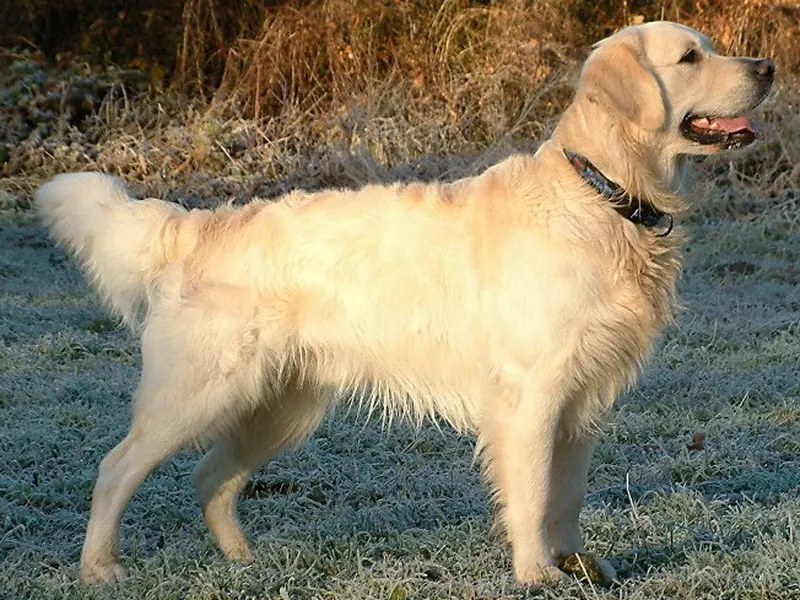
A feathered, water-repellent double coat frames one of the friendliest and most popular family dogs, though it sheds heavily.
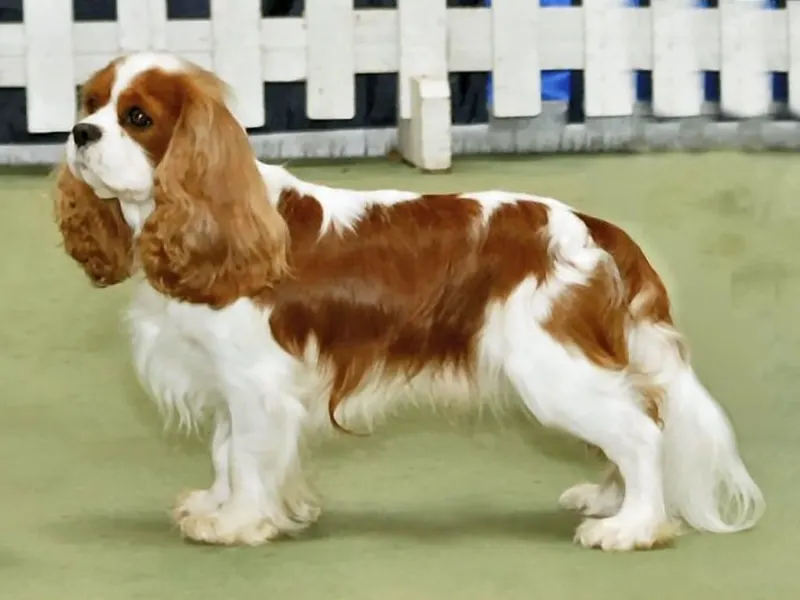
Silky, moderate-length hair with long ear feathering and a sweet, adaptable temperament suited to many homes.
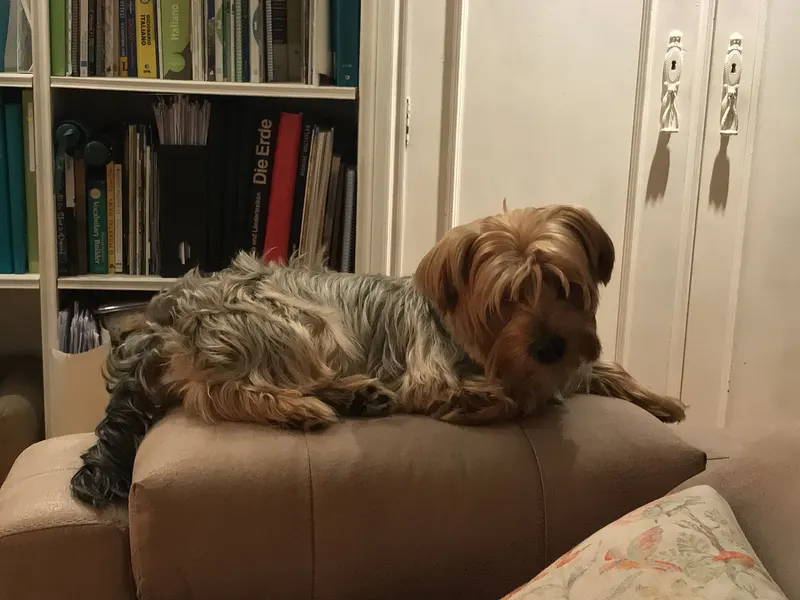
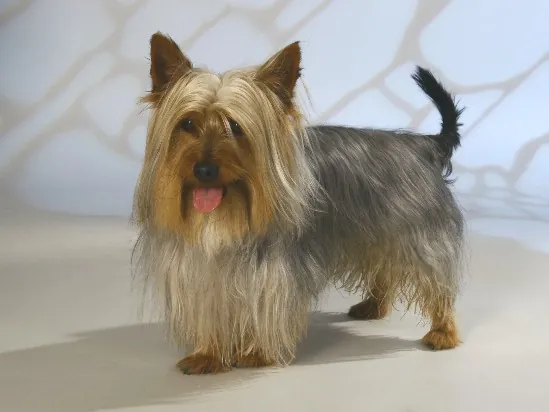
The Yorkshire Terrier was bred in the mill towns of northern England to catch rats, and it still has a terrier's courage and curiosity in a very small body.
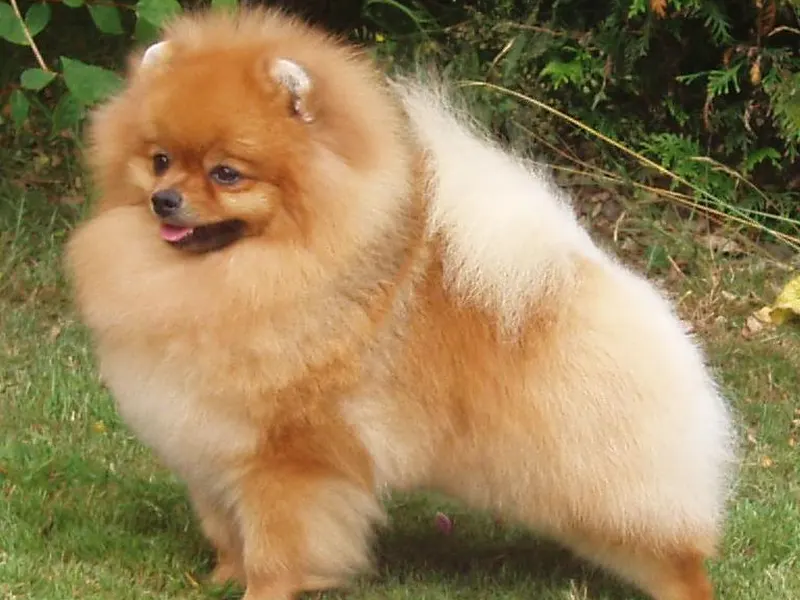
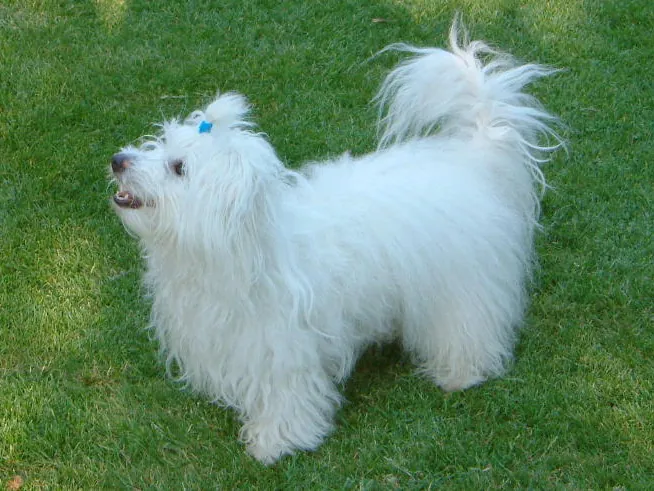
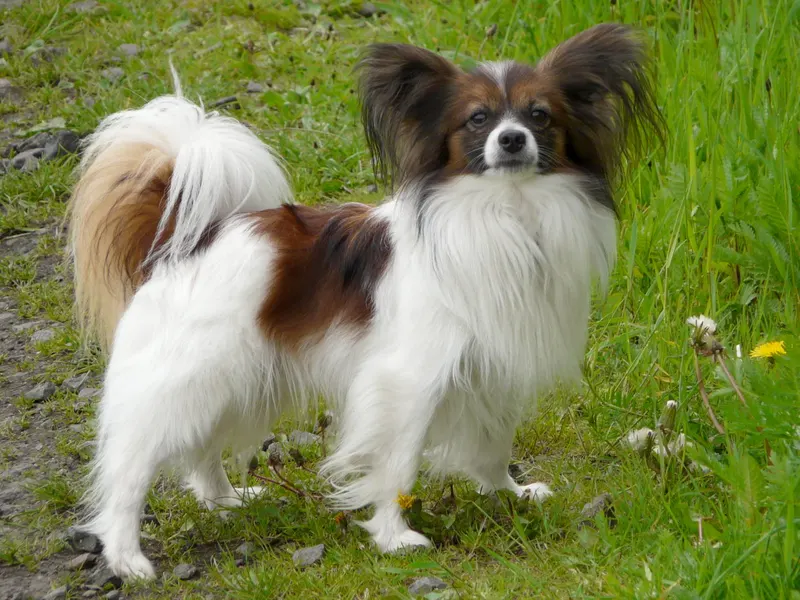
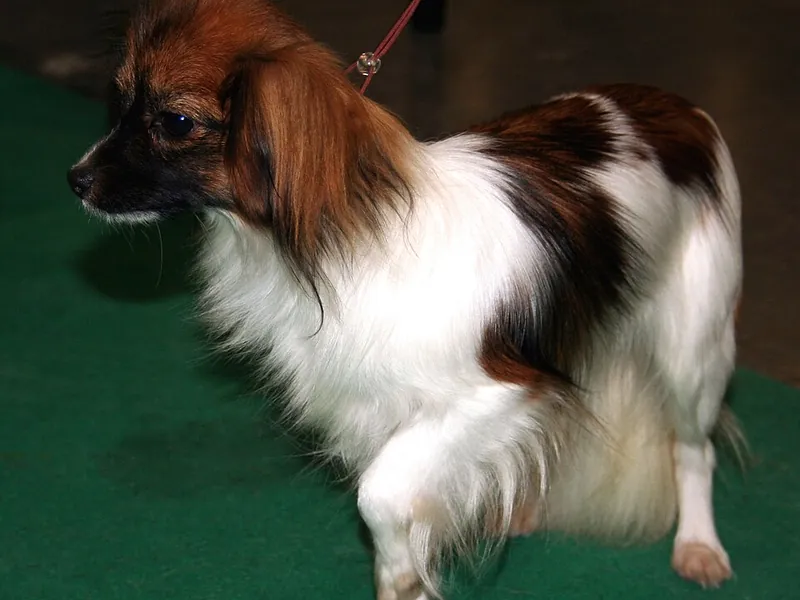
A tiny dog with a huge, stand-off double coat that needs brushing several times a week to stay fluffy.
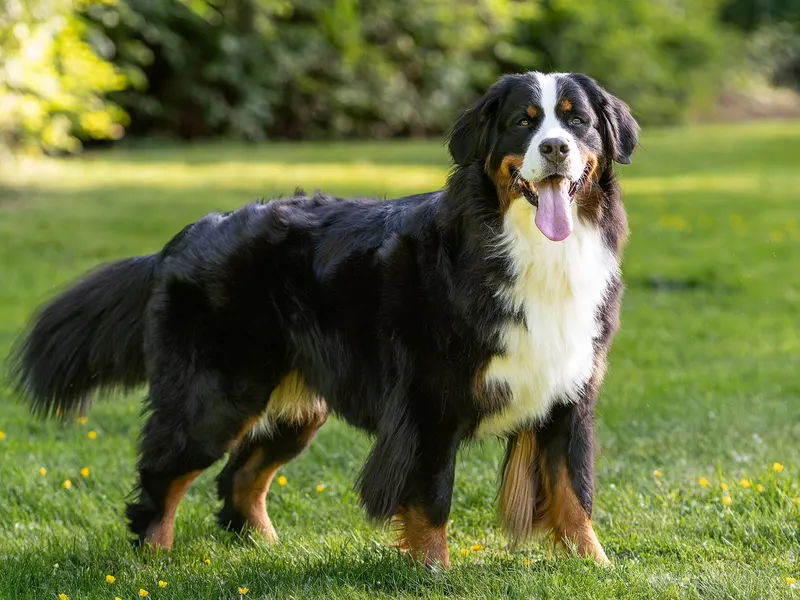
A thick tricolor coat built for Swiss mountain winters, with a gentle temperament and heavy seasonal shedding.
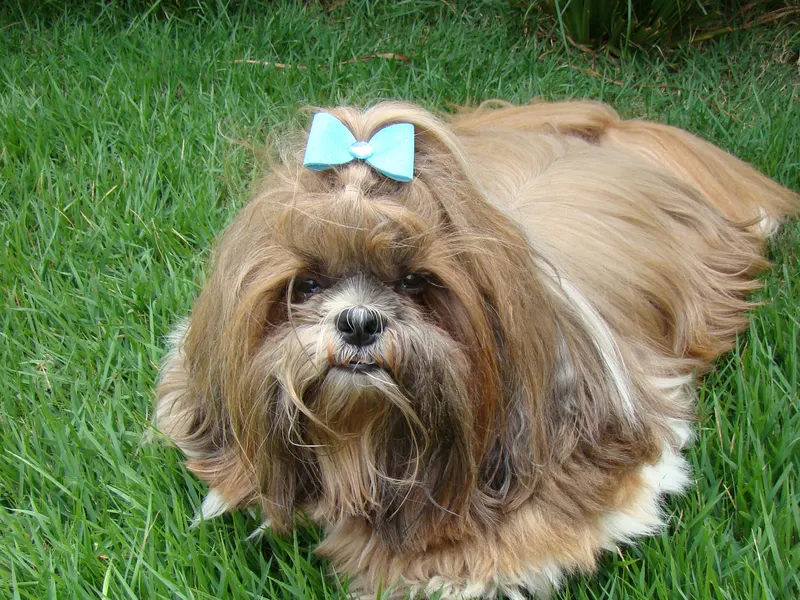
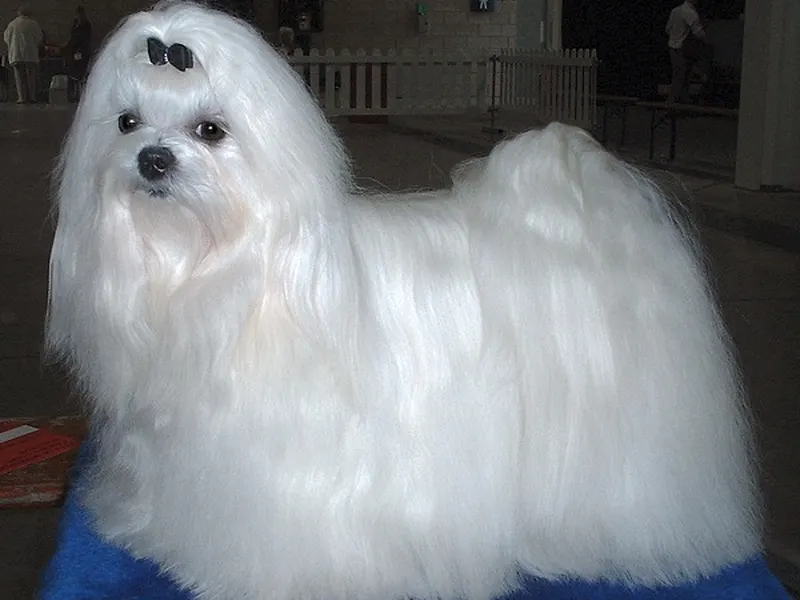
Its floor-length silky coat grows continuously and sheds little, but needs daily brushing or a short puppy trim.
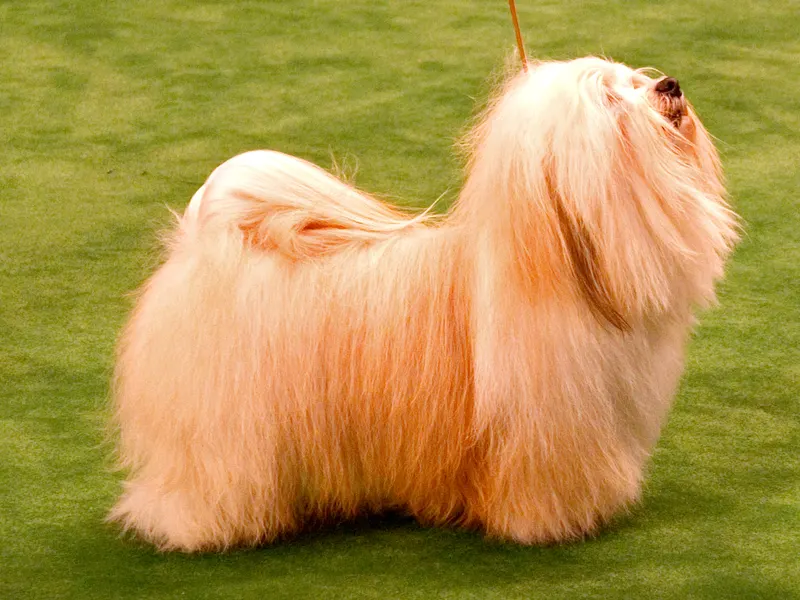
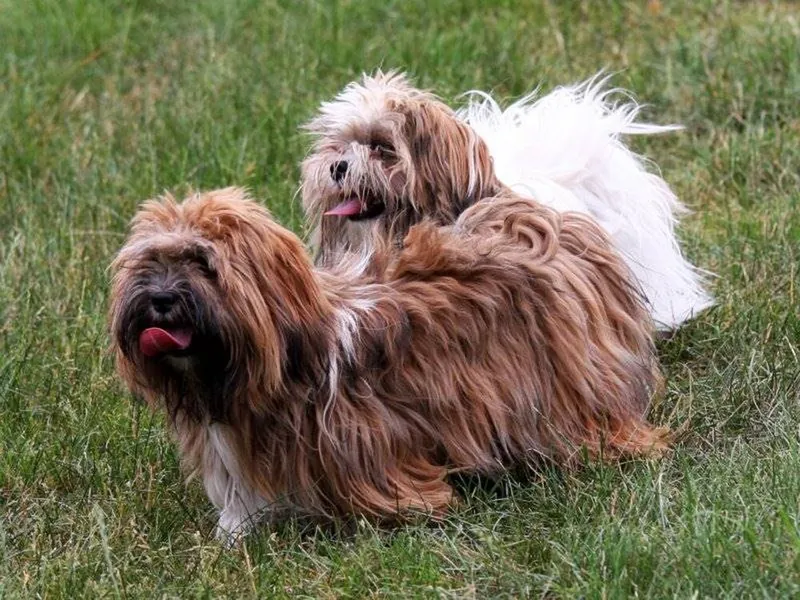
The Havanese is Cuba's national dog, a small Bichon-type companion known for its cheerful, sociable nature and springy gait.
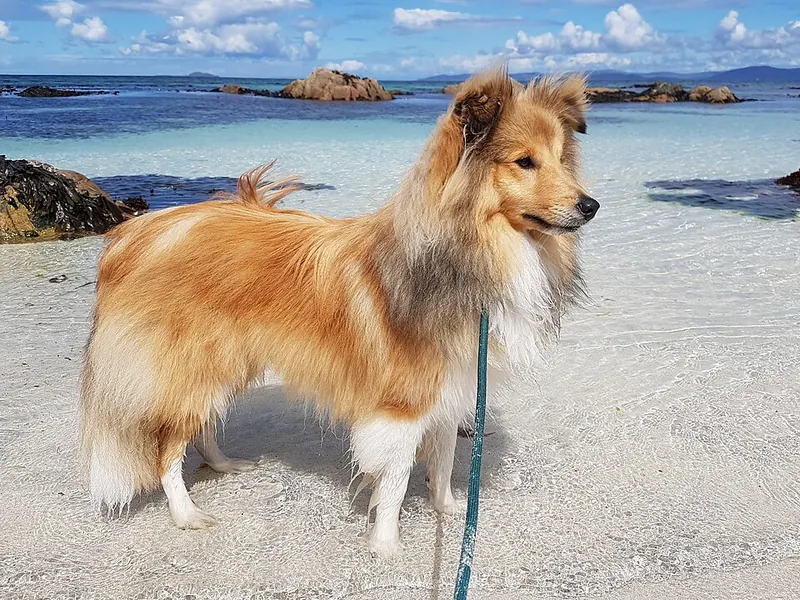
The Shetland Sheepdog, or Sheltie, is a small, elegant herding dog from Scotland's Shetland Islands.
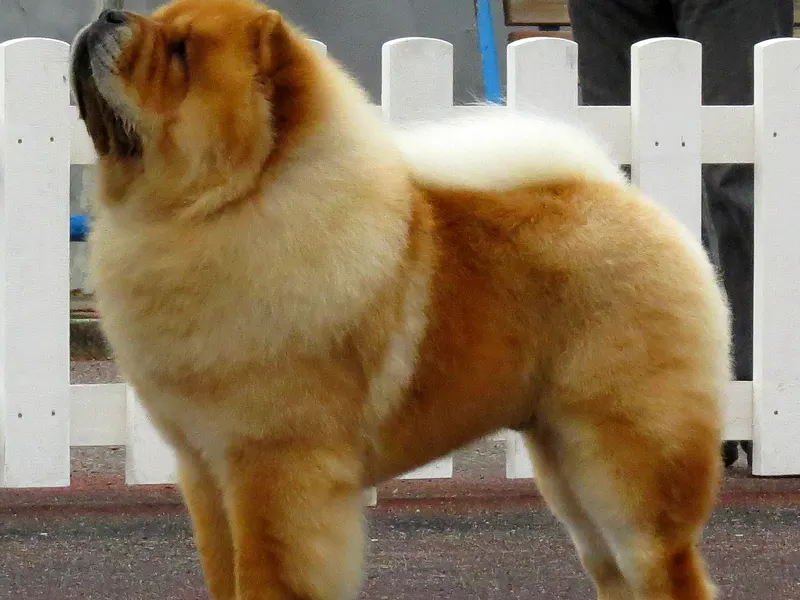
The rough-coated Chow has a dense, lion-like ruff and needs thorough brushing to keep its heavy coat healthy.
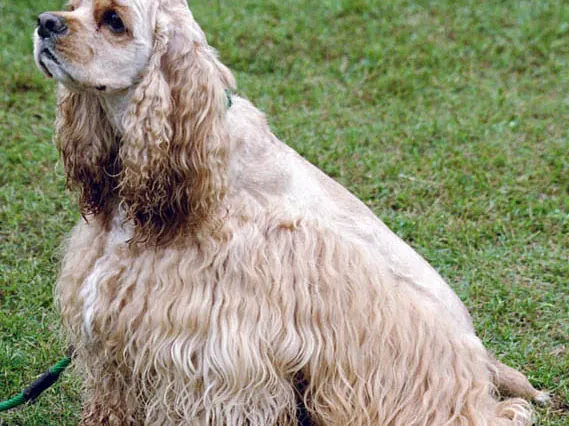
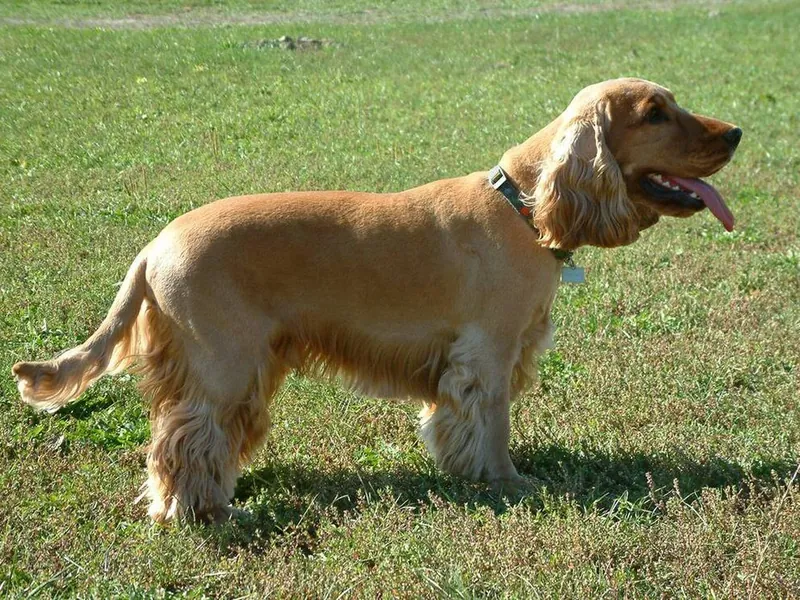
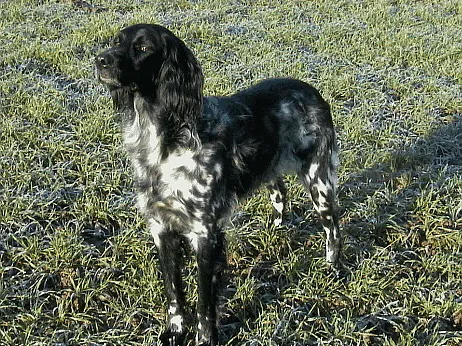
Long, silky feathering on the ears, legs and belly makes this cheerful spaniel a regular at the grooming table.
All Long-Haired Dog Breeds A to Z
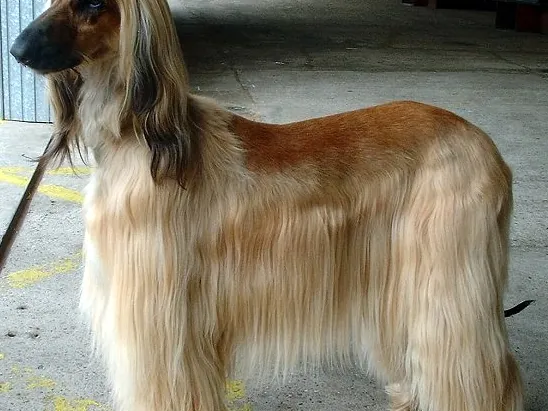
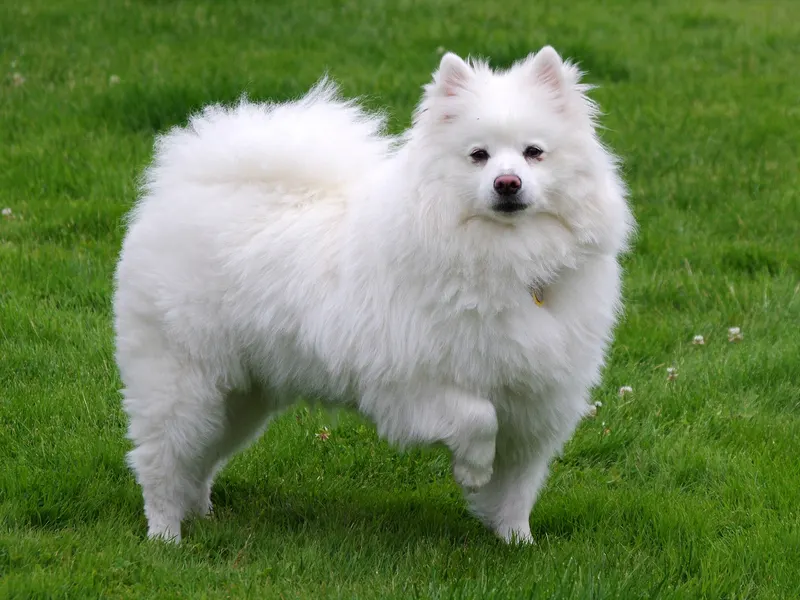
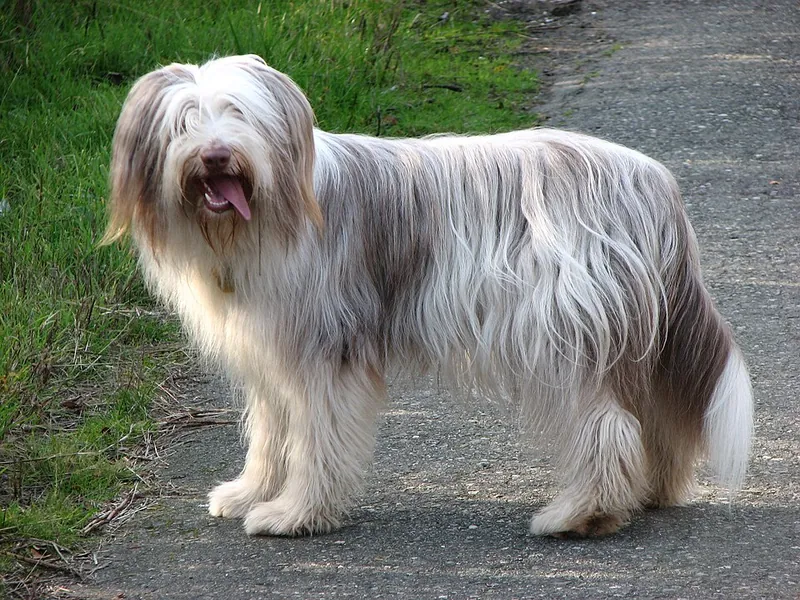
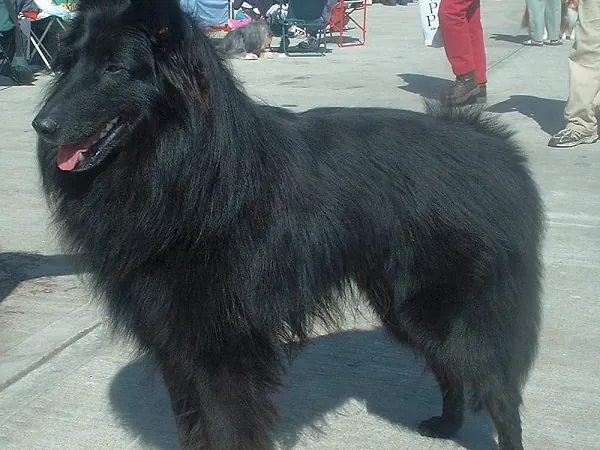
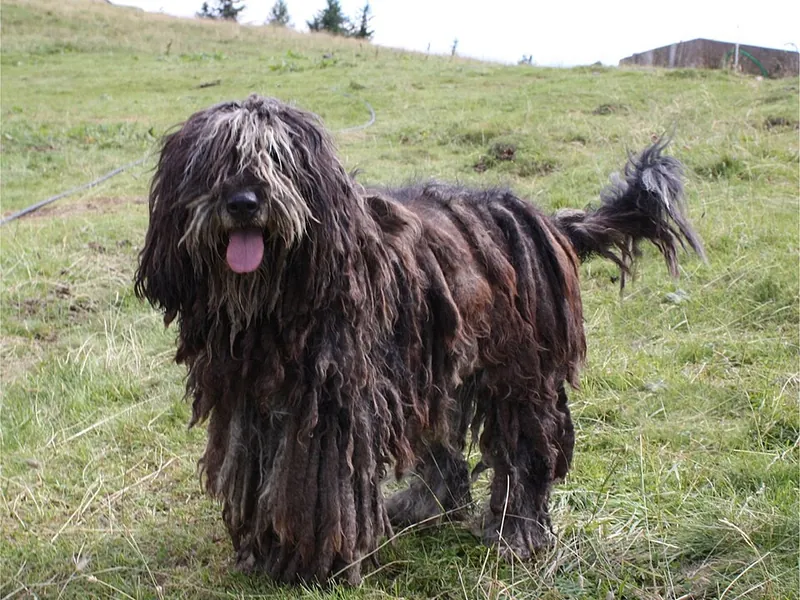
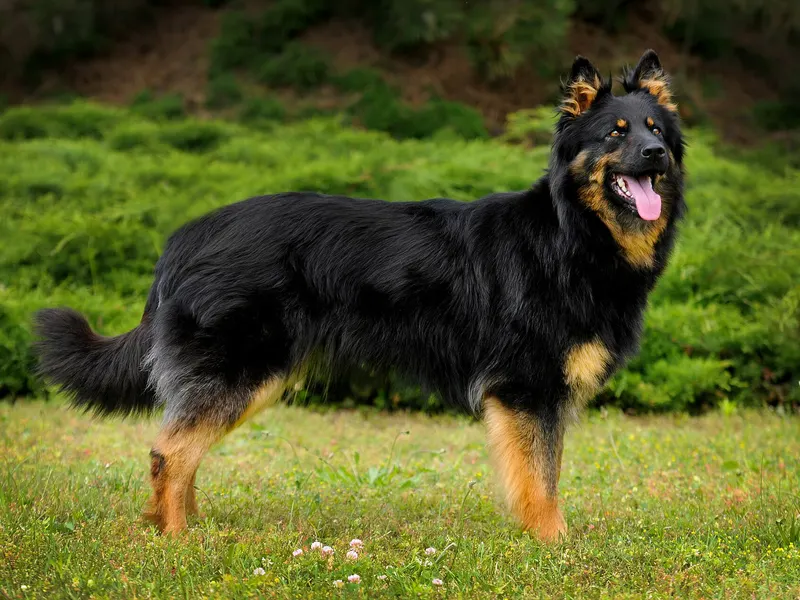
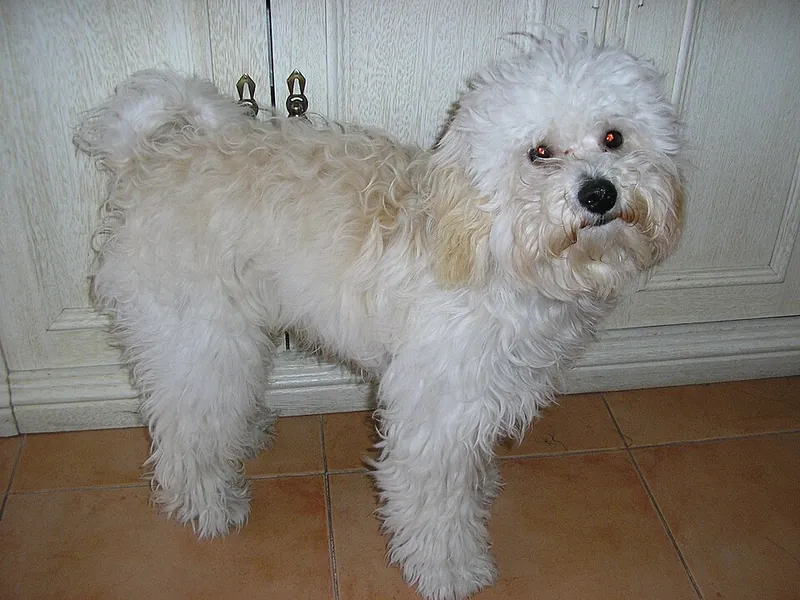
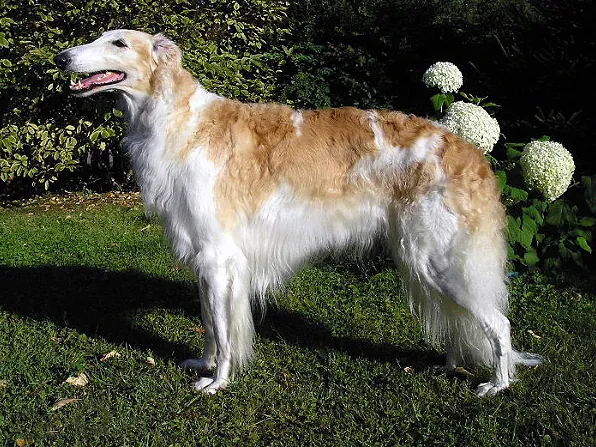
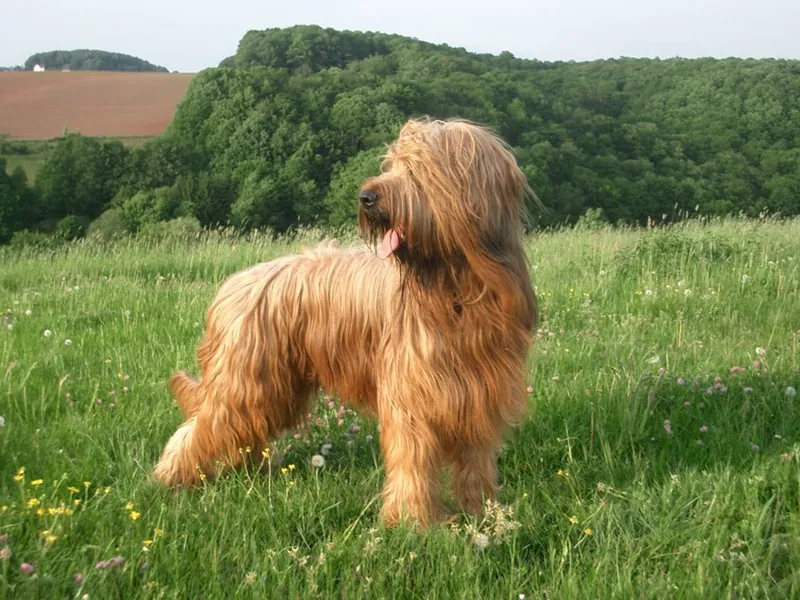
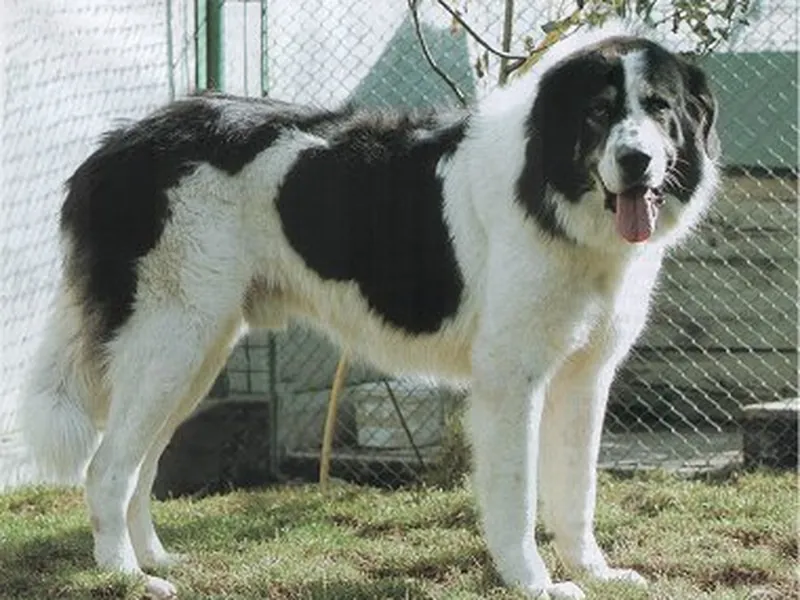
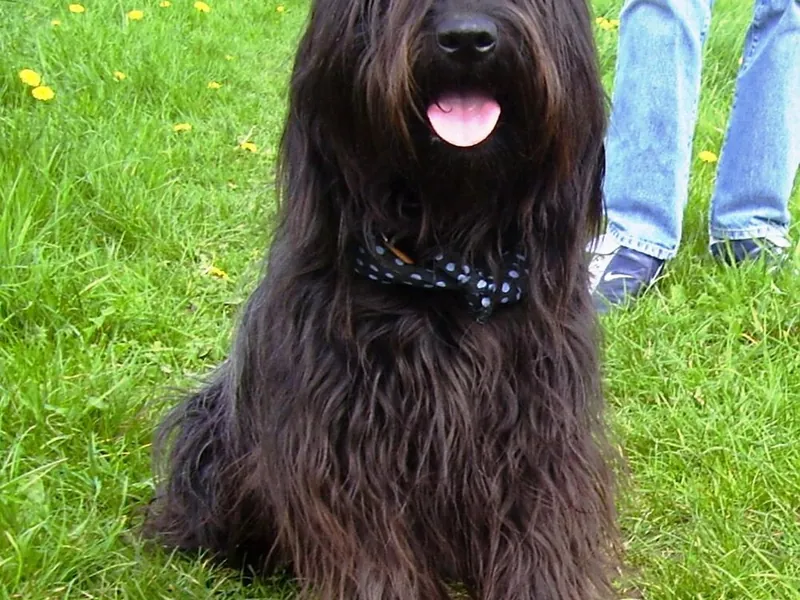
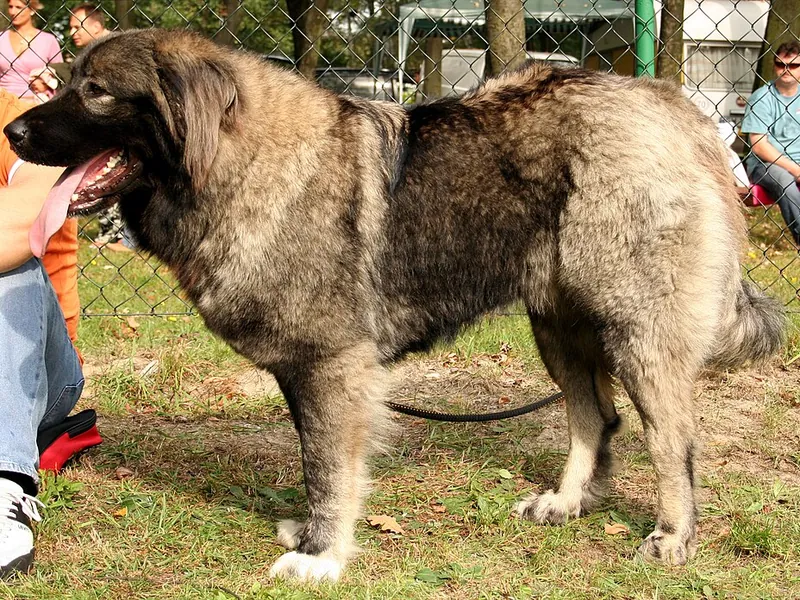
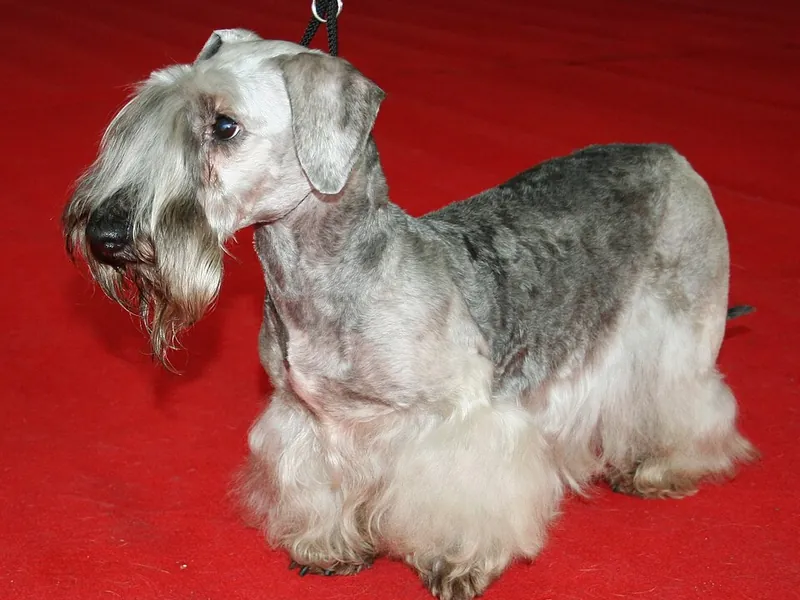
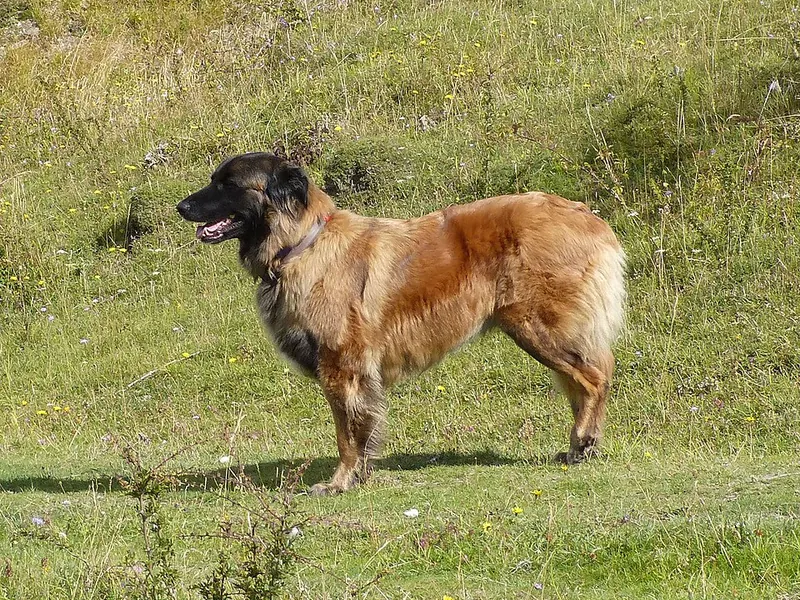
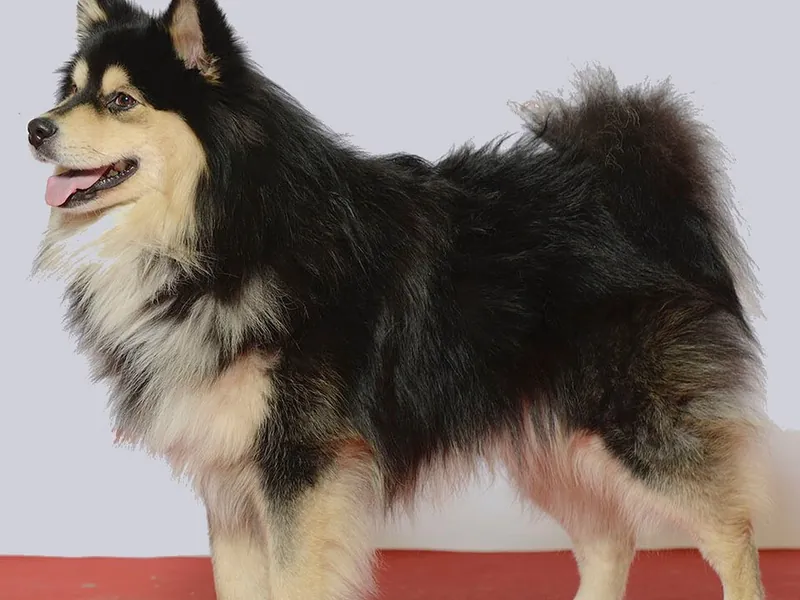
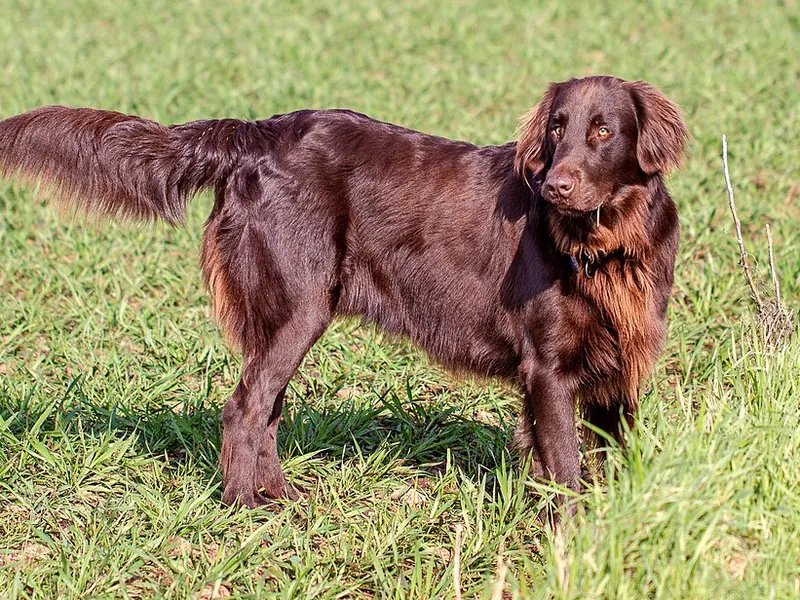
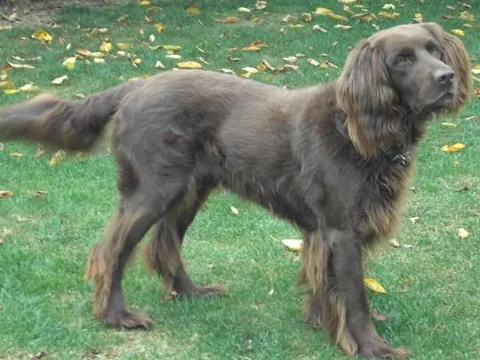
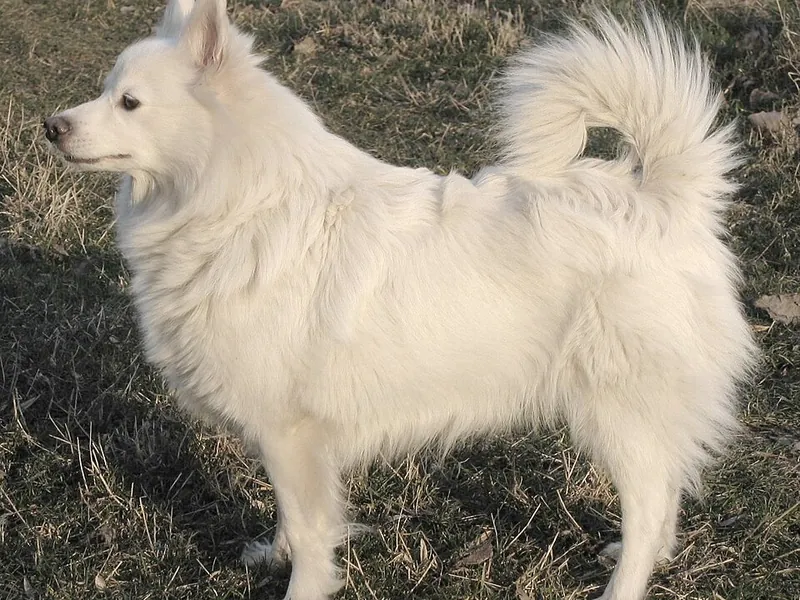
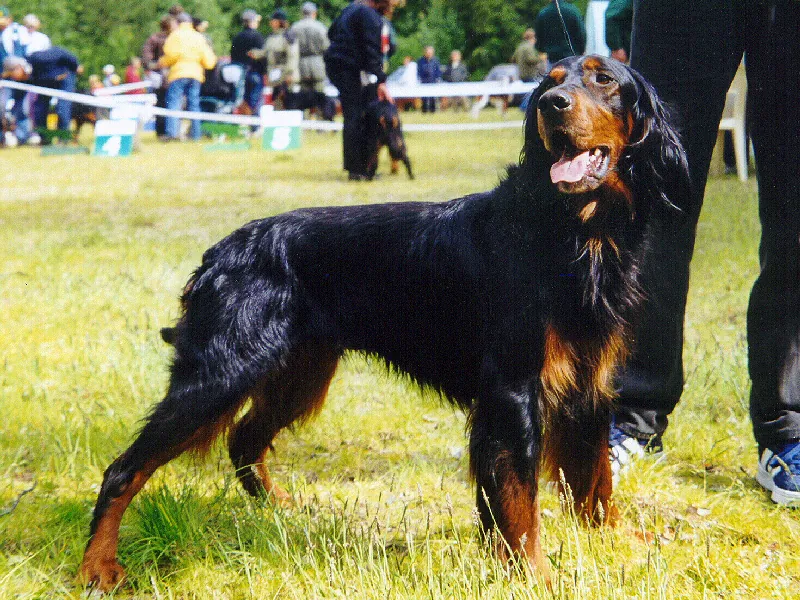
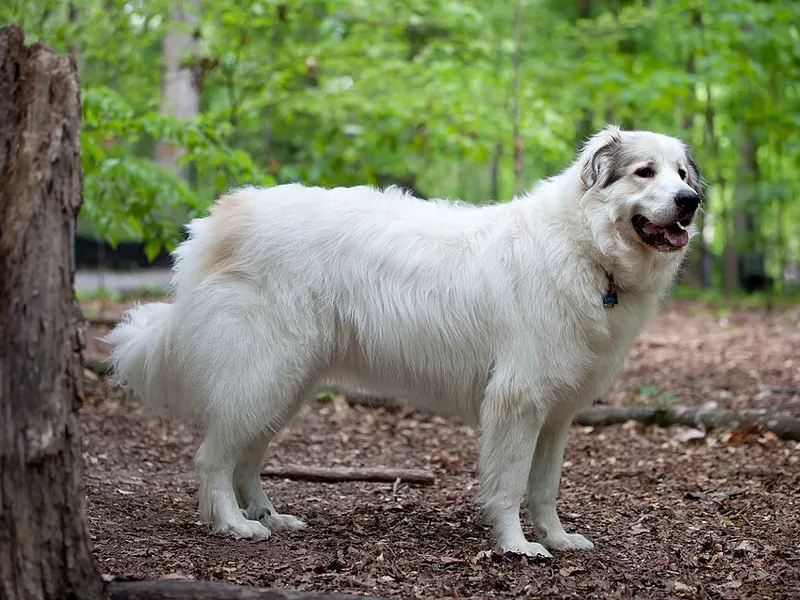
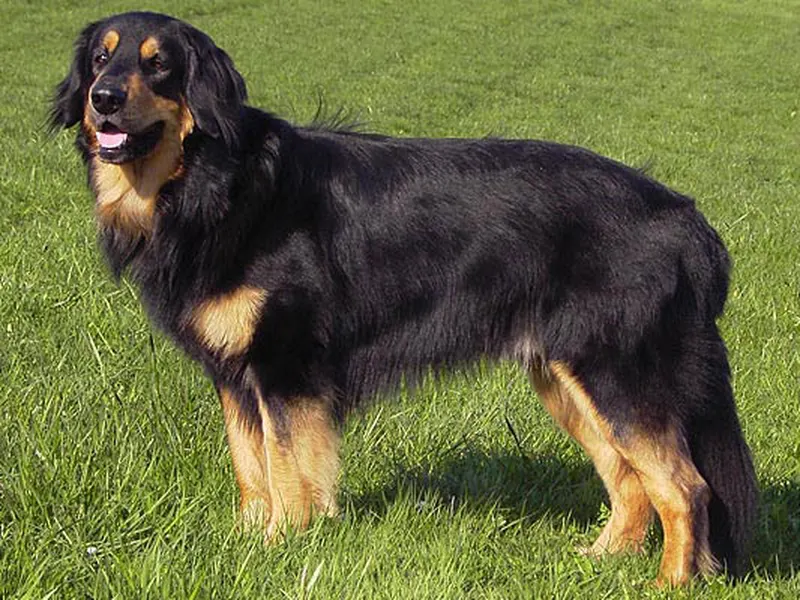
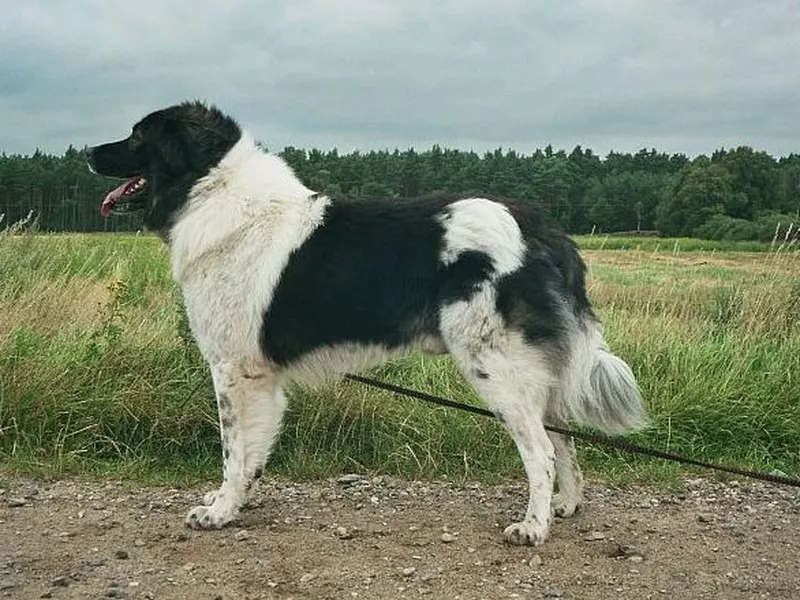
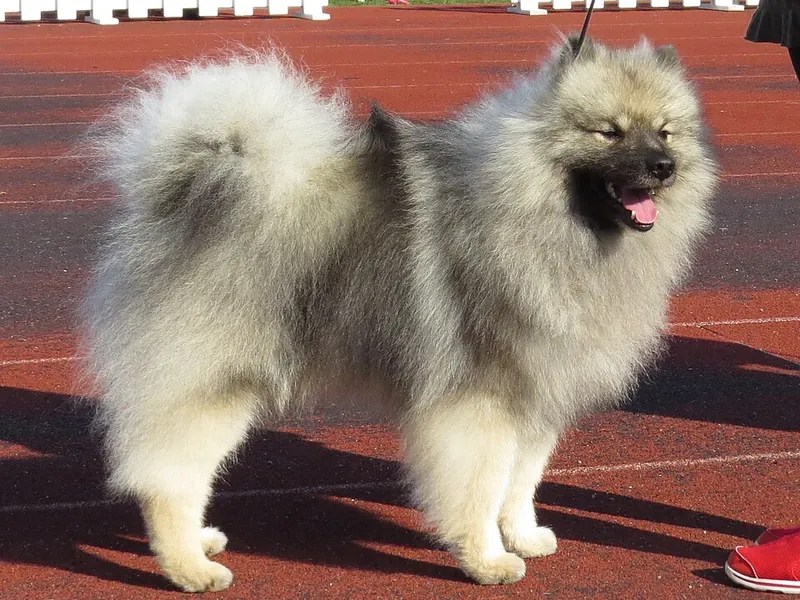
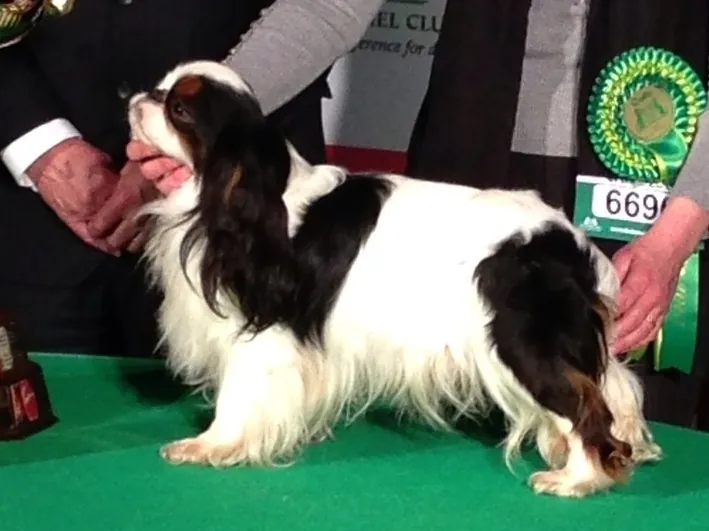
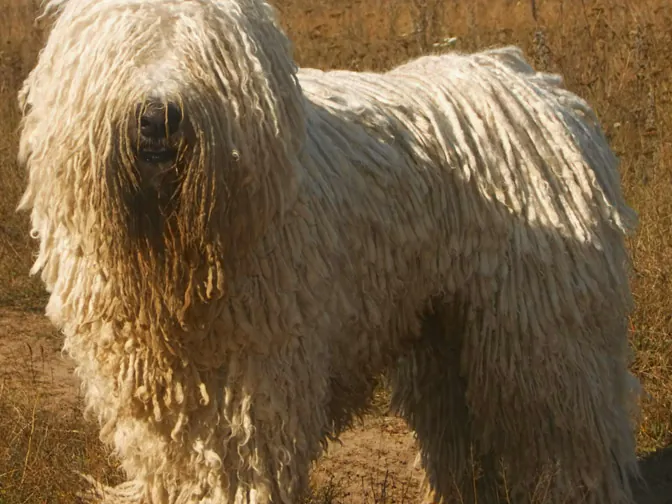
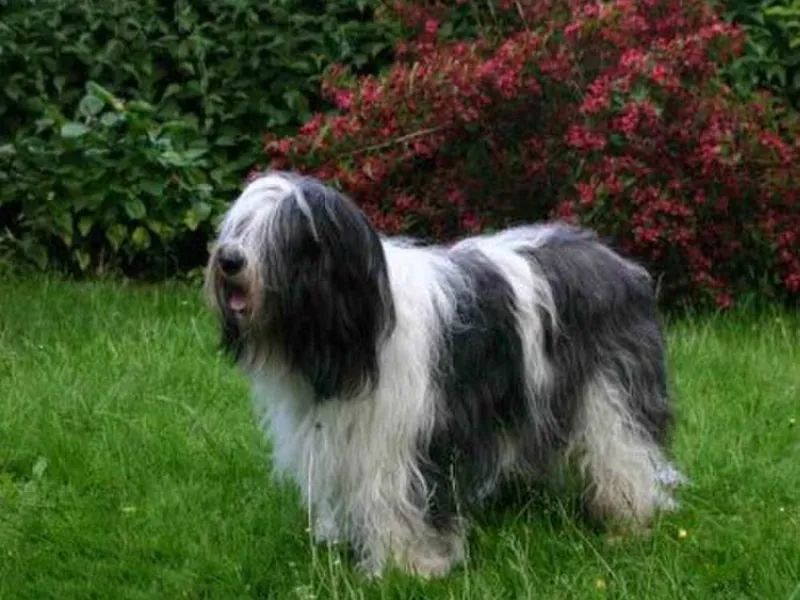
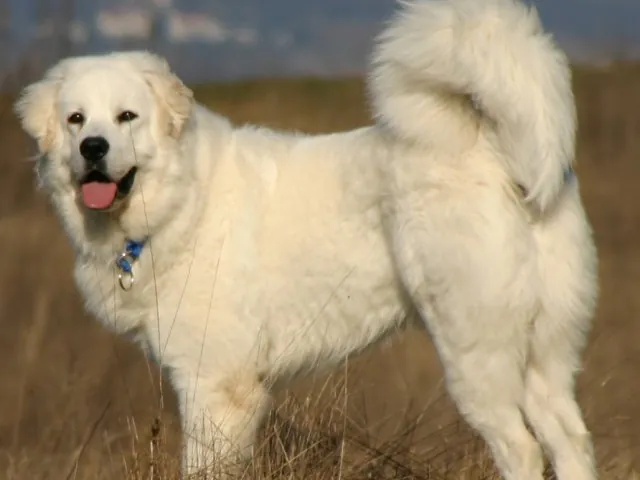
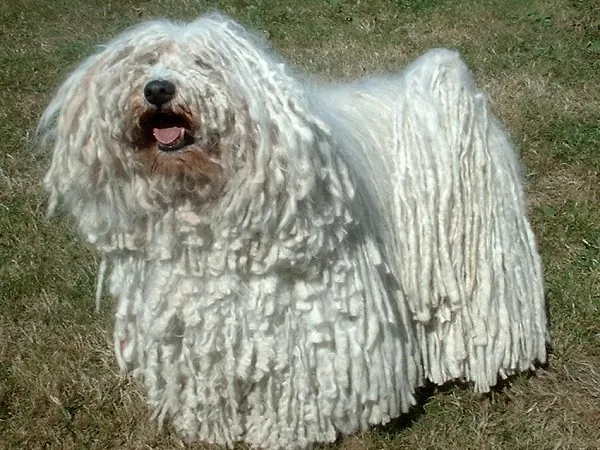
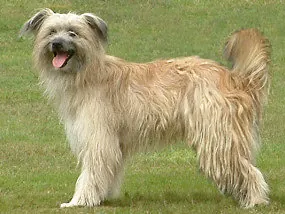
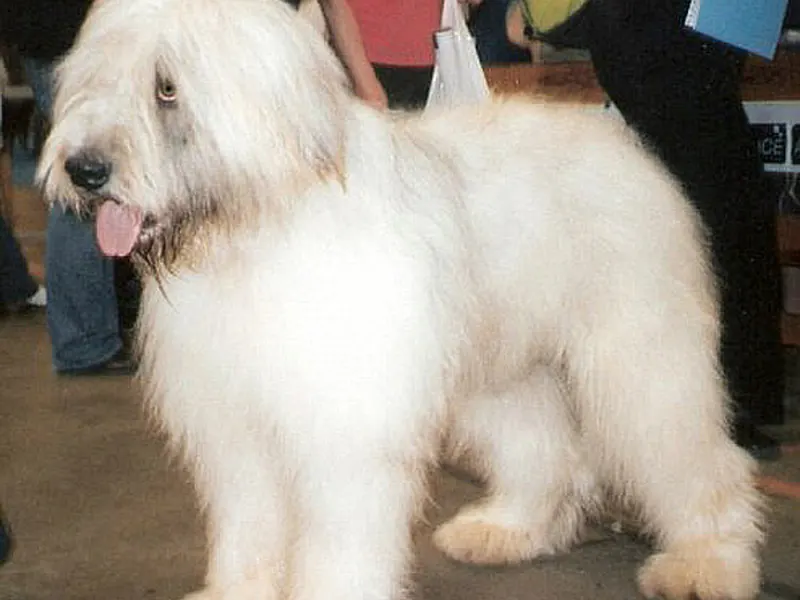
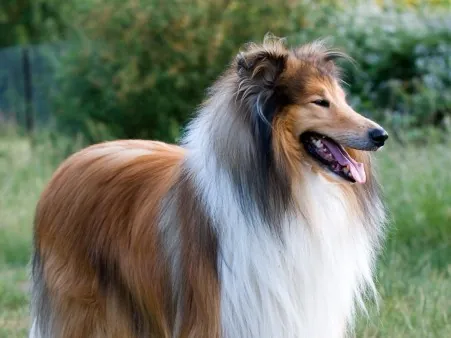
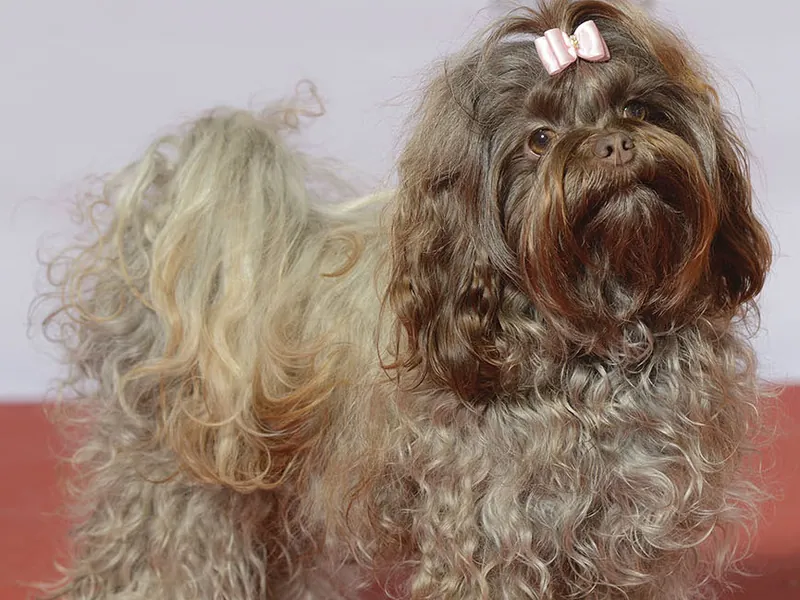
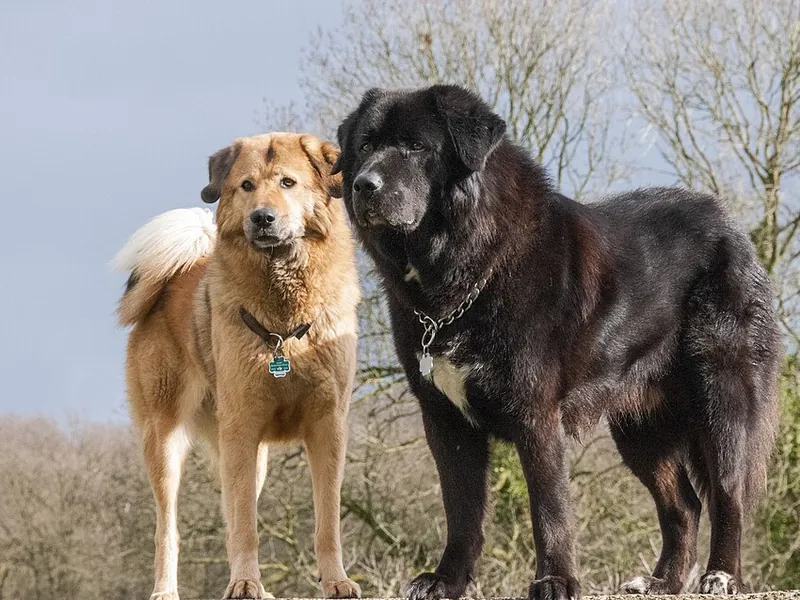
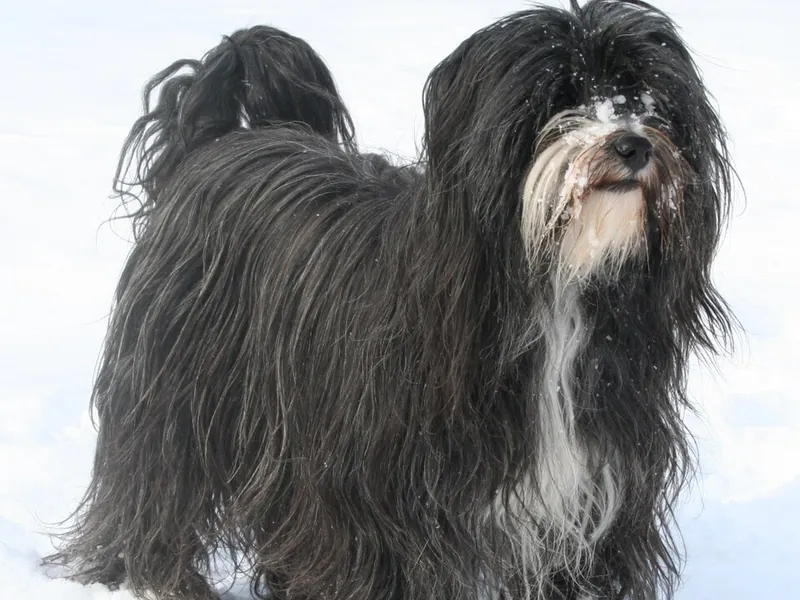
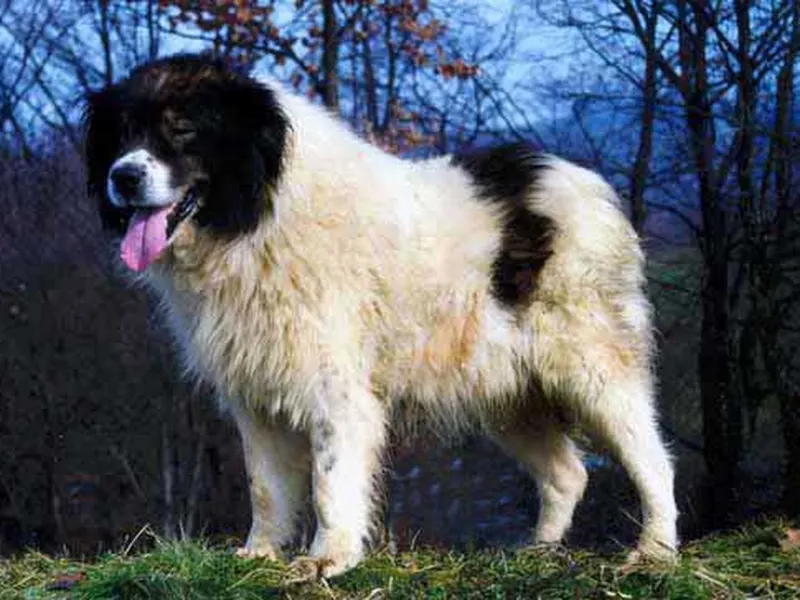
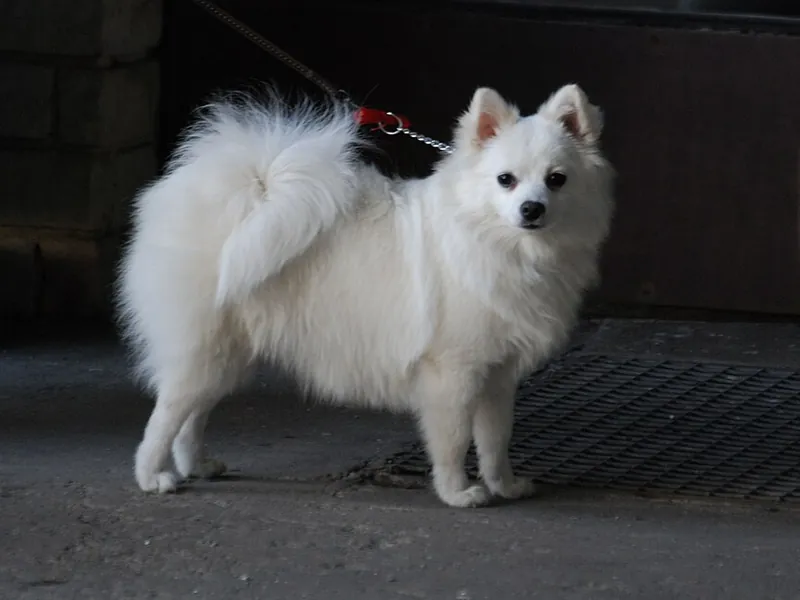
Different Kinds of Long Coat
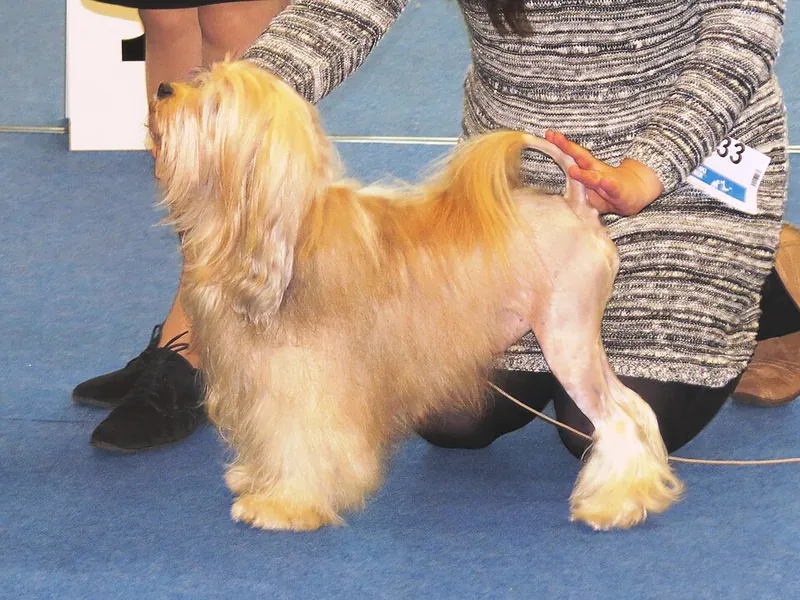
Drop coats on breeds like the Maltese, Shih Tzu, Yorkshire Terrier and Lhasa Apso are single-layered and grow continuously, similar to human hair. They shed little but tangle easily.
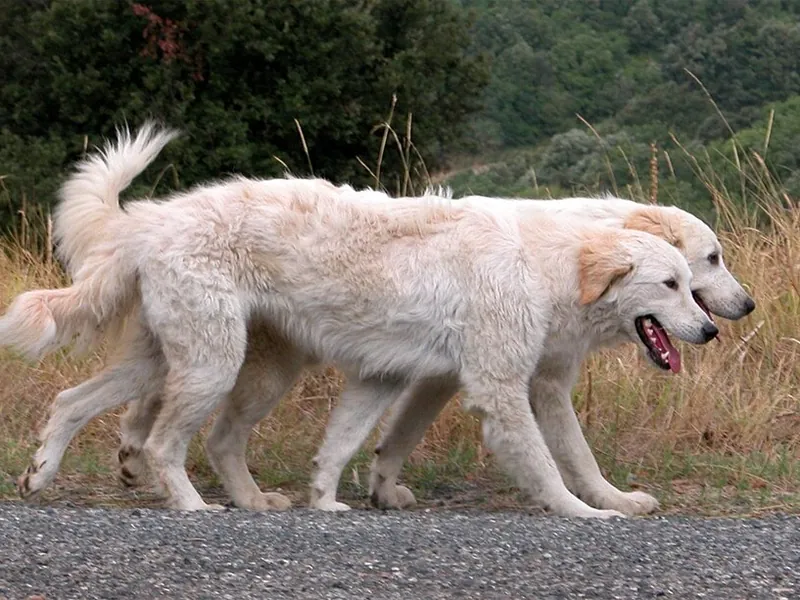
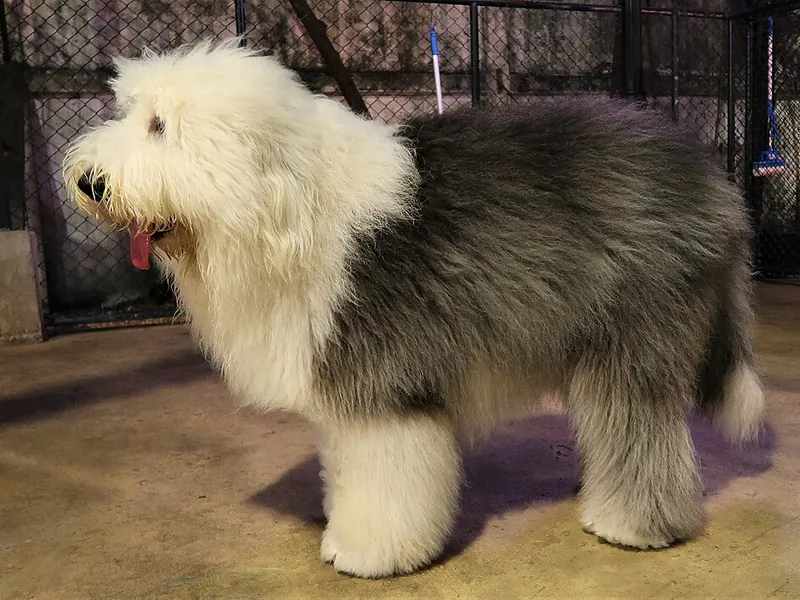
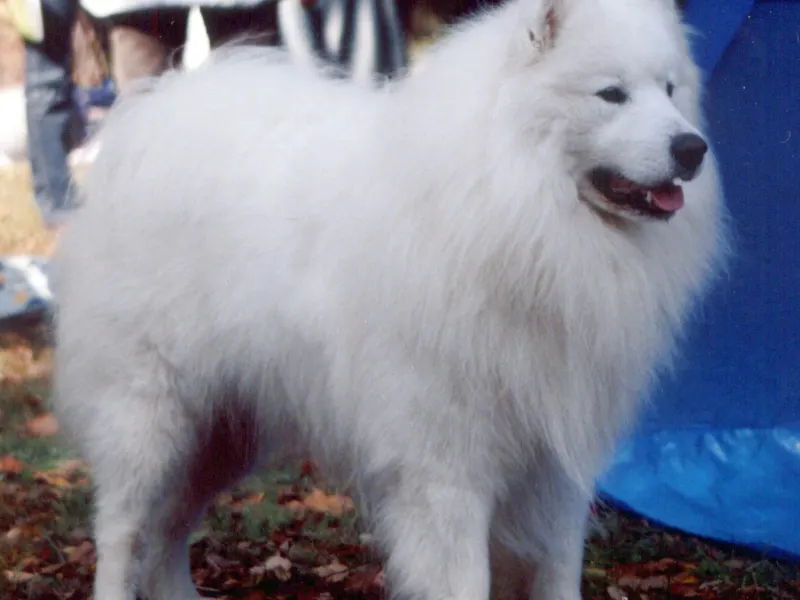
Long double coats on breeds like the Bernese Mountain Dog, Great Pyrenees, Samoyed, Rough Collie and Pomeranian combine a soft, dense undercoat with longer guard hairs. They insulate well and shed heavily, especially during seasonal coat blows.
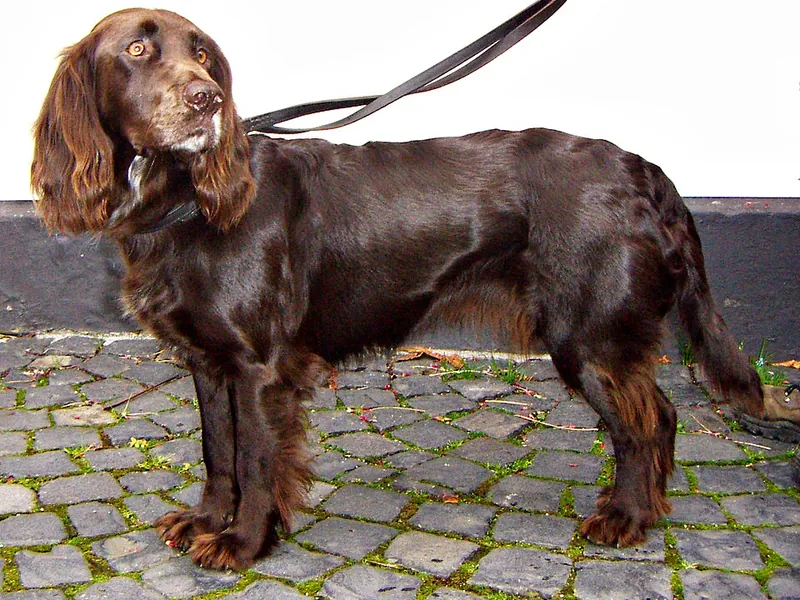
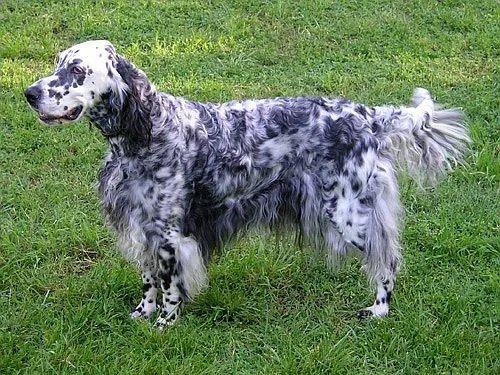
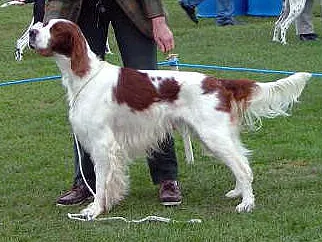
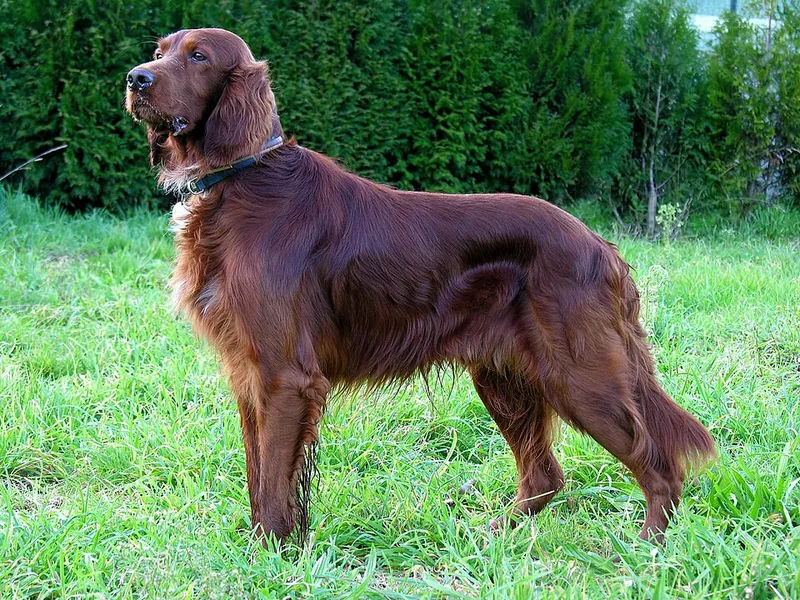
Feathered coats on the Golden Retriever, Irish Setter and Cavalier King Charles Spaniel are moderate on the body with longer fringes on the ears, legs, chest and tail.
Grooming Realities
Most long coats need brushing several times a week, and some need daily attention. Mats form fastest behind the ears, under the legs and around the collar. Many pet owners keep drop-coated breeds in a short puppy clip to cut brushing time.
- Brush down to the skin with a pin brush and a metal comb, not just across the surface.
- Keep hair around the eyes, paws and rear trimmed for hygiene.
- Dry the coat thoroughly after baths or swims to help prevent hot spots.
Don't Shave a Double Coat
Shaving a double-coated breed to keep it cool is a common mistake. The undercoat and guard hairs work together to regulate temperature and protect the skin from sun. Shaved coats can also grow back patchy or uneven. Regular brushing to remove loose undercoat is the better way to help these dogs through summer.
Climate and Lifestyle Fit
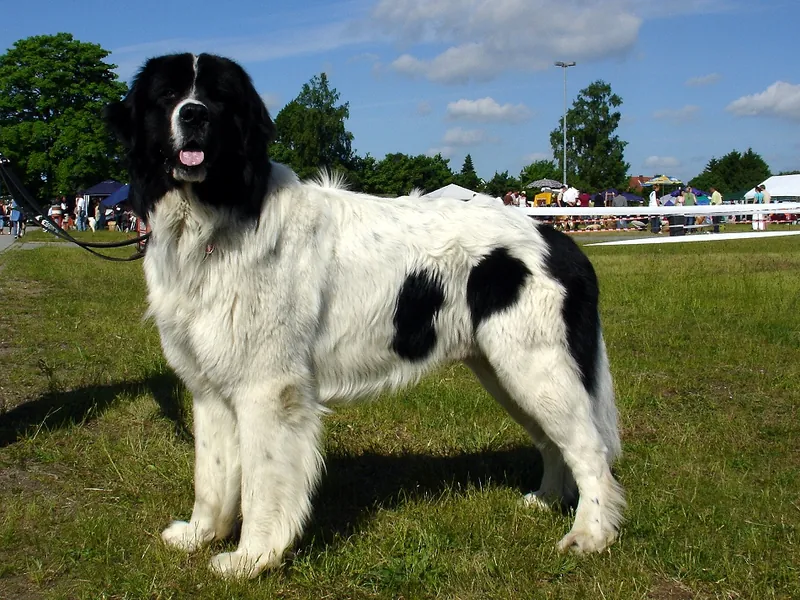
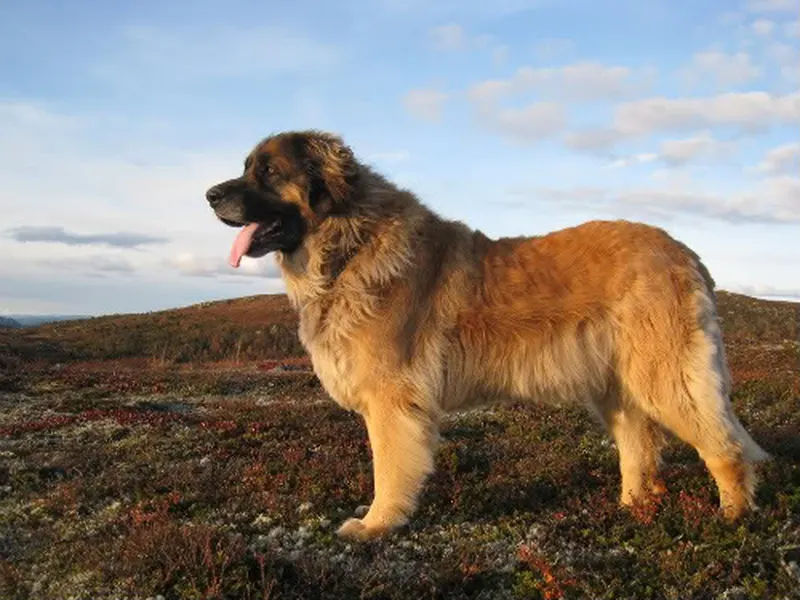
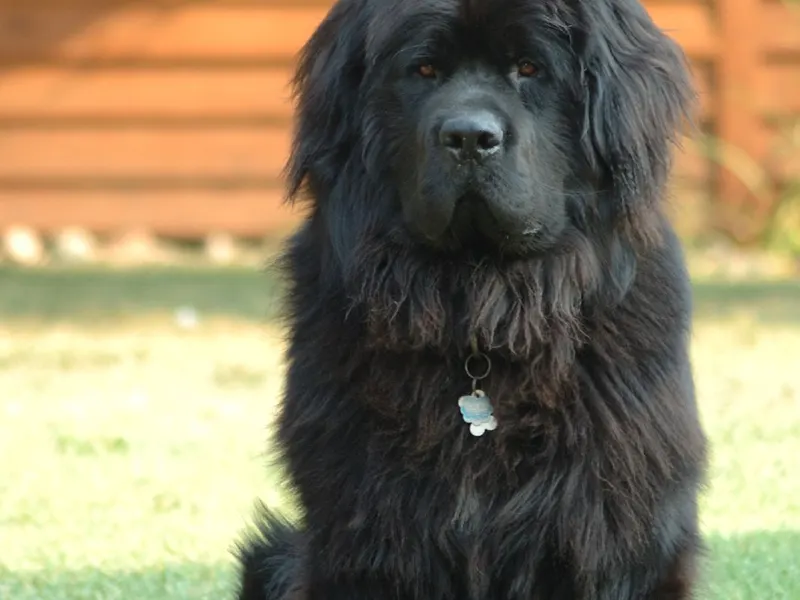
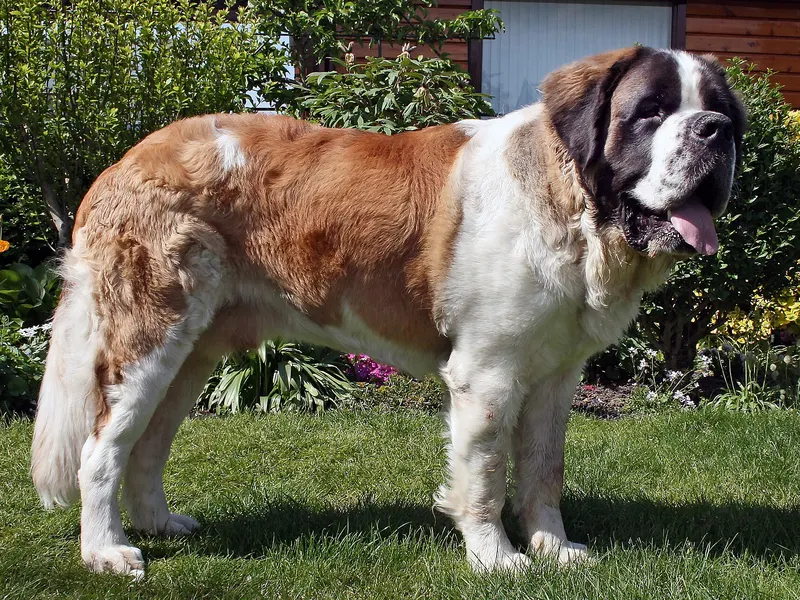
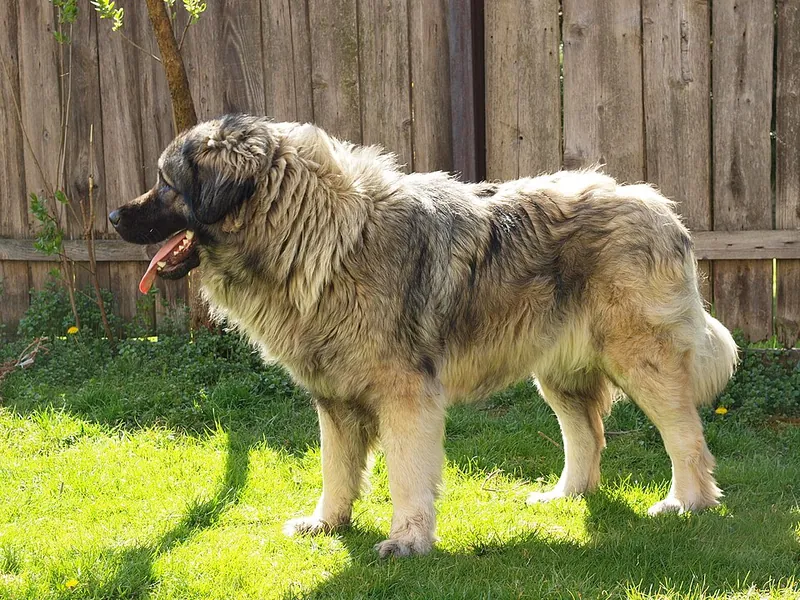
Heavy-coated giants such as the Saint Bernard, Newfoundland, Tibetan Mastiff and Leonberger were developed for cold regions and struggle in hot, humid weather. If you live somewhere warm, a smaller silky breed like the Papillon or Havanese may be easier. Expect hair on furniture and clothes with shedding breeds, and budget for professional grooming every few weeks if your breed needs trimming.
Lifestyle matters as much as climate. A long coat collects burrs, mud and snowballs on country walks, so dogs that spend a lot of time outdoors in rough cover are often kept in a practical shorter trim. If you love hiking with your dog, consider how much time you want to spend cleaning the coat afterward.
Health Notes
A thick coat can hide skin problems, weight gain and ticks, so run your hands over your dog during each grooming session. Long ear feathering, as on spaniels and setters, can trap moisture and contribute to ear infections, so check and clean the ears regularly.
Grooming also brings benefits: regular handling helps you spot lumps, sore spots and parasites early, and most dogs learn to enjoy the routine when it starts in puppyhood.
Frequently Asked Questions
What is the most low-maintenance long-haired dog?
No long coat is truly low-maintenance, but drop-coated breeds like the Havanese or Maltese can be kept in a short trim that reduces daily brushing.
Do long-haired dogs shed more?
Not necessarily. Single-coated breeds like the Shih Tzu shed little, while double-coated breeds like the Golden Retriever and Samoyed shed a lot.
How often should I brush a long-haired dog?
Most need brushing several times a week, and heavy or silky coats often need daily attention to prevent mats.
Can long-haired dogs live in hot climates?
Some can, with shade, air conditioning and good coat care, but heavy double-coated giant breeds are better suited to cool climates.
Should I shave my long-haired dog in summer?
Avoid shaving double-coated breeds, since their coat helps with temperature control and sun protection. Drop-coated breeds can be trimmed short safely.
Not sure which breed fits you?
Answer 8 quick questions and get breeds ranked for your home, schedule and experience.