Belgian TervurenElegant, driven Belgian herding dog
The Belgian Tervuren is the long-coated, fawn-to-mahogany variety of the Belgian Shepherd, combining elegance with a powerful work ethic. Smart, sensitive and tireless, it shines in dog sports and active homes but struggles without daily work.
Why people love the Belgian Tervuren
- Highly trainable and eager to work
- Stunning long coat with black overlay
- Devoted, close bond with its family
- Excels in obedience, agility and herding
- Generally long-lived for its size
Things to consider
- Needs one to two hours of daily activity
- Heavy seasonal shedding
- Can be sensitive to noise and harsh handling
- Epilepsy occurs in the breed
- Herding instinct may target children and pets
Is this breed right for you?
10 questions · live resultHistory and Origin
In 1891, Belgian veterinarian Adolphe Reul organized local shepherd dogs into types based on coat length and color. The long-haired fawn variety was associated with the village of Tervuren, near Brussels, where the breeder M.F. Corbeel kept early dogs.
The FCI treats Tervueren, Groenendael, Malinois and Laekenois as varieties of one Belgian Shepherd breed, as does The Kennel Club. The AKC recognizes them as separate breeds and has listed the Belgian Tervuren on its own since 1959.
Size, Coat and Colors
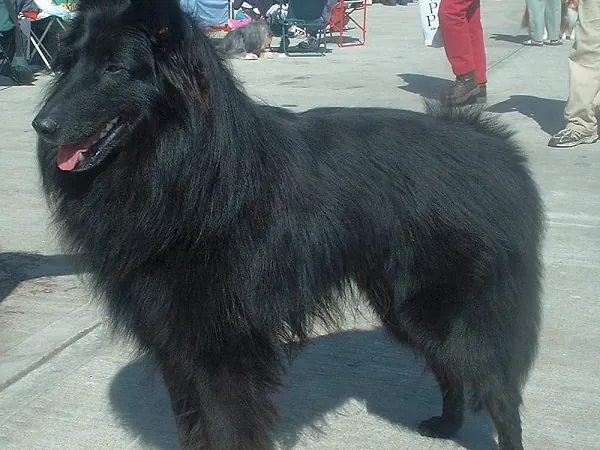
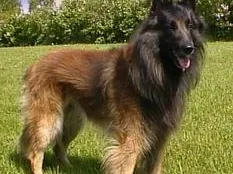
The Belgian Tervuren is a medium-large, elegant herding dog standing about 22 to 26 inches and weighing 44 to 66 lb. It is square in outline, well muscled but not heavy, with a long, chiseled head, high-set triangular ears and dark, almond-shaped eyes. Males are larger than females and carry a fuller ruff and collar, which makes the size difference look greater than it is.
The long, straight outer coat lies over a dense undercoat. It is short on the head and lower legs and long around the neck, behind the forelegs, on the thighs and on the tail.
Colors are rich fawn to russet mahogany with black overlay, meaning black-tipped hairs that create a charcoal effect, especially on the shoulders, back and ruff, plus a black mask and black ears. Gray-based shades also occur. The overlay often darkens with age, and puppies may look quite different from adults. In the FCI system, the Tervuren is one of four varieties of the Belgian Shepherd, while the AKC registers it as a separate breed.
Temperament and Personality
Tervurens are intelligent, alert and devoted. They bond closely with their family and often follow their owner everywhere. With strangers, they tend to be watchful and reserved.
They are sensitive dogs that respond best to calm, fair handling. Herding instincts may show in circling or nipping, and they can be noise-sensitive if not well socialized.
Tervurens are known for their expressive, intelligent faces and keen awareness of their environment. They notice changes quickly and tend to alert to anything unusual. With early socialization, they become confident and steady companions.
Are Belgian Tervurens Good for First-Time Owners?
Belgian Tervurens can suit active first-time owners who are committed to training, but they are not a casual choice.
Tervurens are sensitive, eager to learn and often more biddable than Malinois, which helps beginners. They do need daily exercise, structured mental work and careful socialization so that their watchfulness does not become nervousness. A first-time owner should choose a reputable breeder who matches the puppy to the home, start classes early and plan for an active lifestyle with dog sports or long hikes. Owners who want a laid-back companion will find the breed too demanding.
Can Belgian Tervurens Be Left Alone?
Tervurens can learn to stay alone for a few hours, but they are people-focused dogs that do not cope well with long, regular absences.
Without company and a job, many become restless, vocal or destructive, and some develop separation-related stress. Start alone-time training early with very short absences and build up slowly. Exercise and a training session before you leave, combined with a chew or food puzzle, help the dog settle. If you work long hours outside the home, a dog walker, daycare or a family member at home for part of the day makes life easier for a Tervuren.
Are Belgian Tervurens Good with Cats?
Many Tervurens live well with cats, especially when the two are raised together.
The breed's herding instinct can lead to chasing, circling or nipping at a cat that runs, but Tervurens are usually less prey-driven than many terriers or sighthounds. Early, supervised introductions, a safe high place for the cat and rewards for calm behavior help. Teach the dog to settle on a mat in the cat's presence. Adult Tervurens with no previous cat experience can still learn to accept a cat, but expect a slower process and close supervision during the first weeks.
Exercise and Training
This breed needs at least one to two hours of physical and mental activity daily. Running, hiking, herding, agility, obedience, tracking and protection sports all suit it.
- Train daily; Tervurens learn quickly and enjoy work.
- Use reward-based methods; harshness damages trust.
- Provide calm exposure to new places, sounds and people early on.
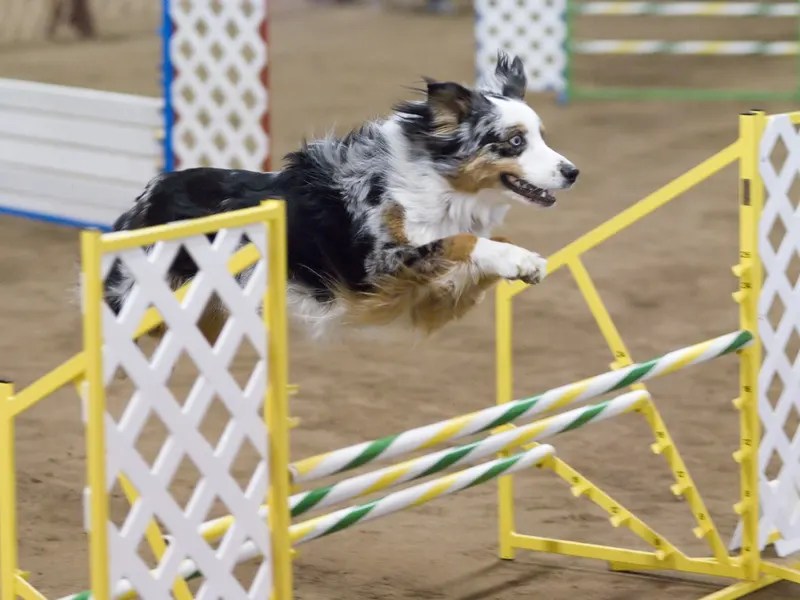
Tervurens excel in many dog sports, and they often compete at high levels in obedience and agility. Herding trials also tap into their natural instincts. Without enough challenge, they may invent their own jobs, such as herding family members or barking at movement.
Grooming and Shedding
The long, straight outer coat and dense undercoat need brushing once or twice a week, with extra attention behind the ears and on the trousers. Seasonal shedding is heavy and calls for daily brushing.
The coat is fawn to mahogany with black overlay and a black mask. Trim nails and check ears regularly.
Males usually carry a fuller ruff than females. Spayed and neutered dogs may develop a softer, more abundant coat that needs more brushing.
Feeding and Nutrition
Tervurens are active, athletic dogs, and their food needs depend on how much they work. A dog in daily agility or herding training needs more than a family companion. Their long coat can hide weight gain, so feel for the ribs and check that a waist is visible under the hair.
- Feed puppies a growth diet suited to a medium-large breed, divided into three or four meals.
- Adults usually do well on two meals a day. Avoid intense exercise right before and after eating.
- Use part of the daily ration or small, low-calorie treats as training rewards, since Tervurens are trained frequently.
Spayed and neutered Tervurens often need fewer calories and can gain weight quickly, so adjust portions after surgery. Skin allergies are reported in the breed; if your dog has persistent itching or ear issues, ask your vet whether a food trial makes sense. Dogs with epilepsy should be fed on a consistent schedule, and any diet change should be discussed with the vet, as some foods and supplements can interact with seizure medication. Keeping the dog lean supports joint health through a long, active life.
| Adult weight | Less active | Typical adult | Very active |
|---|---|---|---|
| 44 lb | 930 kcal | 1,060 kcal | 1,320 kcal |
| 66 lb | 1,250 kcal | 1,430 kcal | 1,790 kcal |
Estimates use the resting energy formula veterinarians work with (70 × body weight in kg0.75) and standard activity factors. Use the feeding guide on your food as a starting point and adjust to body condition. Puppies, seniors, pregnant animals and pets that need to lose weight have different needs, so ask your vet.
Health and Lifespan
Tervurens usually live 12 to 14 years. Epilepsy is a known concern in the breed, along with skin allergies and occasional hip and elbow dysplasia. Eye conditions such as progressive retinal atrophy are screened for.
Ask breeders about seizure history and hip, elbow and eye results of the parents.
Because epilepsy can appear in otherwise healthy lines, many breed clubs collect health data and encourage owners to report seizures. Keeping a Tervuren fit and lean also supports its joints during a long, active life.
Belgian Tervuren Price and Cost of Ownership
Typical breeder price in the US$1,500 to $3,000
A Belgian Tervuren puppy from a reputable US breeder typically costs about $1,500 to $3,000. Prices vary by breeder, region and lines. Tervurens are less common than German Shepherds, so you may need to join a waiting list.
Adoption is possible through Belgian Shepherd rescue groups, which place Tervurens and other Belgian varieties.
Breed-specific ongoing costs include training classes and dog sports, which most Tervurens need to stay balanced, and grooming equipment for the long double coat, plus occasional professional grooming during heavy sheds. Veterinary costs to plan for include diagnosis and lifelong medication if epilepsy develops, treatment for skin allergies and screening for hips, elbows and eyes. Insurance that covers chronic conditions is worth comparing while the dog is young. Food costs are moderate for a dog of this size.
Is the Belgian Tervuren Right for You?
At 44 to 66 lb and 22 to 26 inches, the Tervuren suits active owners who enjoy training and dog sports. A house with a yard is ideal.
It is not a good fit for apartment living, for owners away all day or for anyone wanting a laid-back companion.
Tervurens can live with children and other pets, especially when raised with them, but their herding instinct needs guidance. Owners who enjoy training and outdoor activity will find them rewarding partners.
Belgian Tervuren Traits at a Glance
Belgian Tervuren FAQ
Is the Belgian Tervuren a good family dog?
Yes, for active families. Tervurens are devoted but need structure, exercise and training.
How much exercise does a Belgian Tervuren need?
At least one to two hours a day of physical and mental activity.
Do Belgian Tervurens shed?
Yes, moderately year-round and heavily during seasonal coat changes.
What is the difference between the Tervuren and the Malinois?
Both are Belgian Shepherds. The Tervuren has a long coat, while the Malinois has a short coat and is often more intense.
How long do Belgian Tervurens live?
Usually 12 to 14 years.
Are Belgian Tervurens easy to train?
Yes, they are highly trainable and eager to work, but they need consistent, positive training.