Police Dog BreedsThe breeds behind K9 work
Police dog breeds are the breeds most often used by law enforcement for patrol, tracking, detection and search work. This guide explains which breeds do which jobs and what pet owners should know before bringing home a working K9 breed.
Top 10 Police Dog Breeds
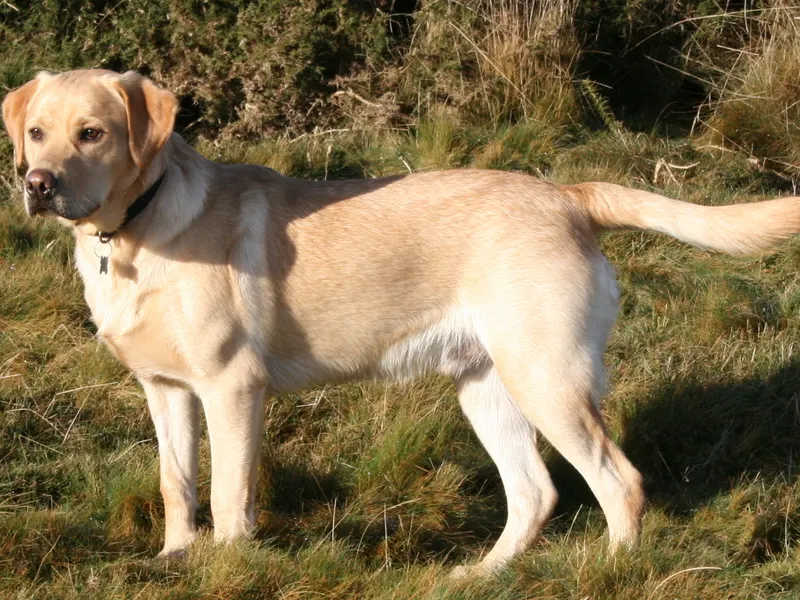
Friendly and highly food-motivated, the Labrador is a favorite for drug, explosive and search detection work.
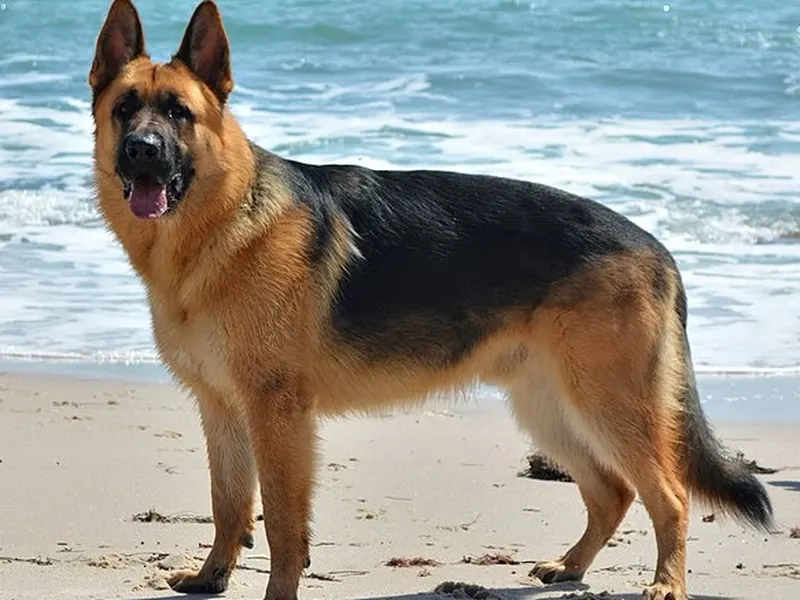
The classic police dog: intelligent, trainable and versatile across patrol, tracking and detection roles worldwide.
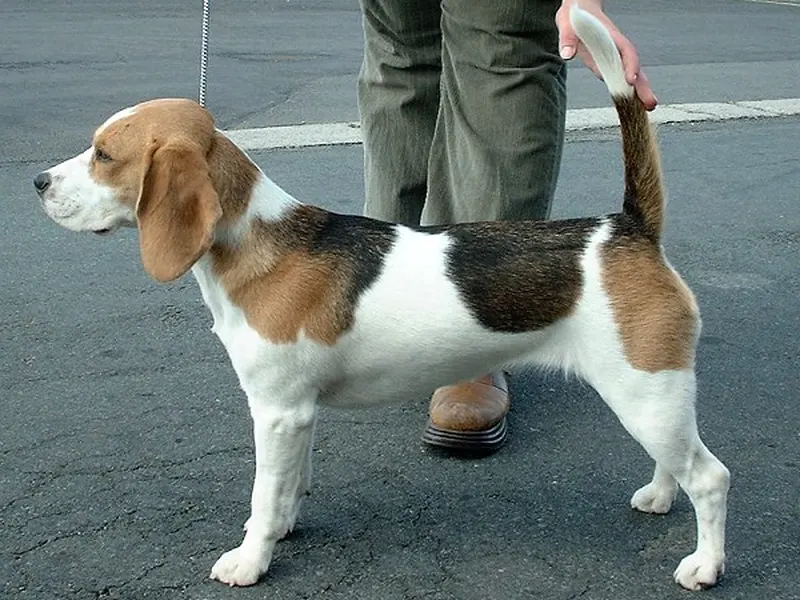
A small scent hound with a powerful nose, often used to detect food and agricultural items at airports.
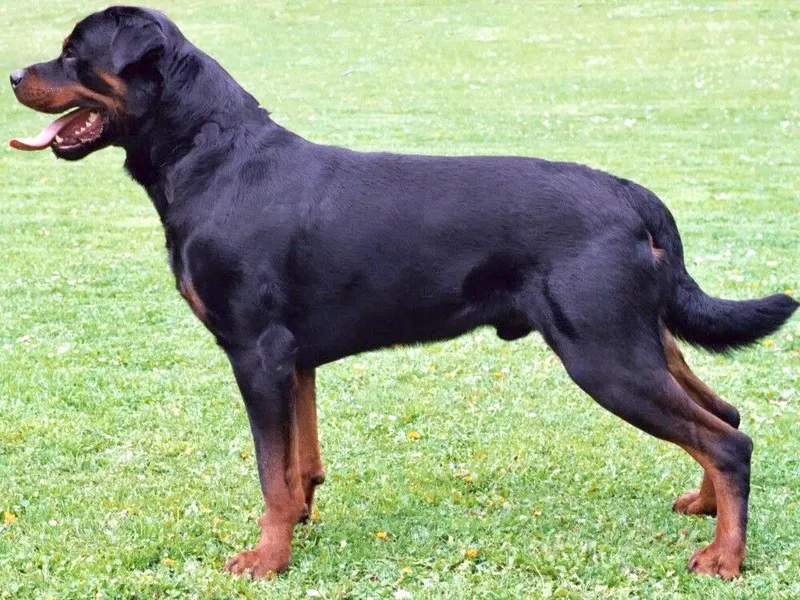
Strong, confident and calm under pressure, the Rottweiler has a long history as a police and guard dog.
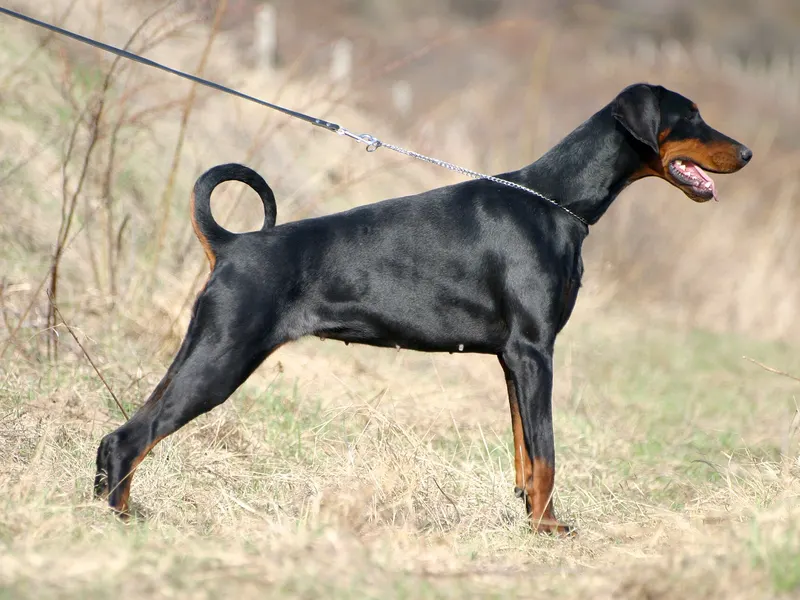
Sleek, fast and alert, the Doberman was developed in Germany as a protection dog and has served police and military.
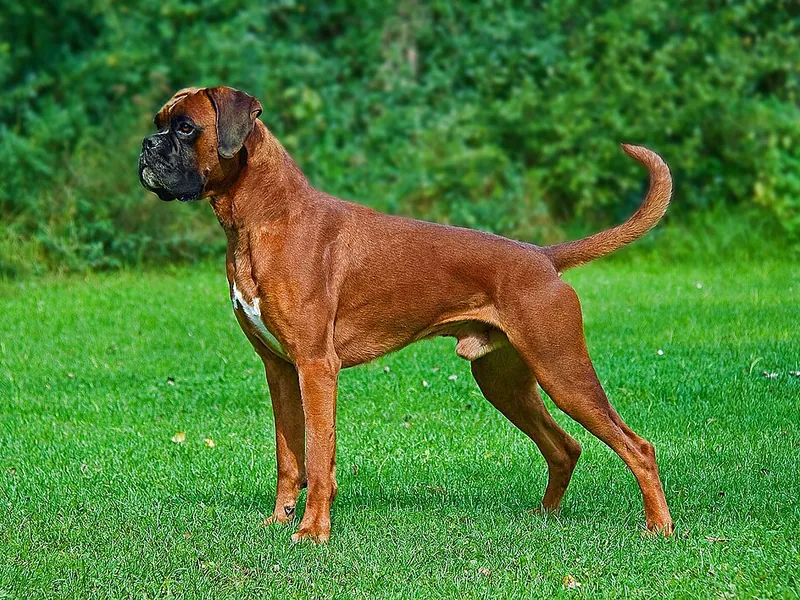
One of the early police dogs in Germany, the Boxer is athletic, alert and still valued as a working dog today.
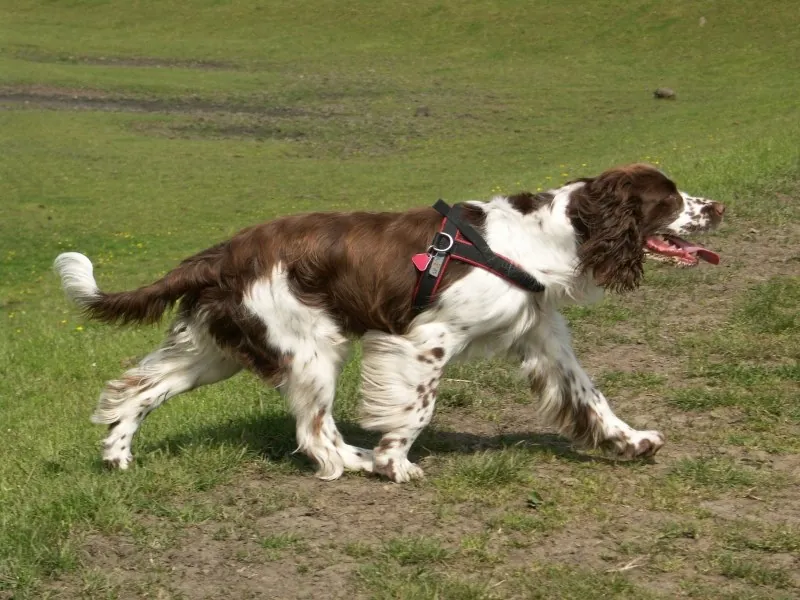
The English Springer Spaniel is a medium-sized gundog bred to find and flush ("spring") game for hunters.
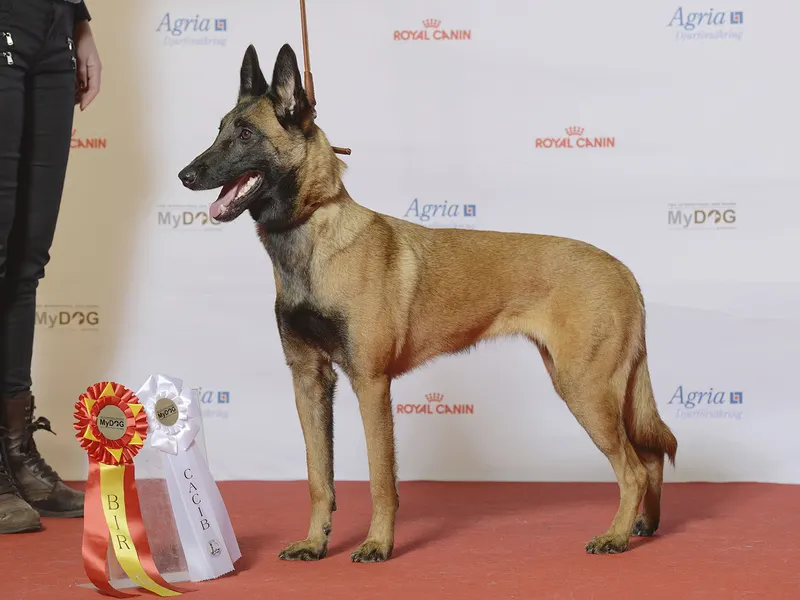
Fast, agile and intensely driven, the Belgian Malinois has become the leading choice for patrol and protection work in many forces.
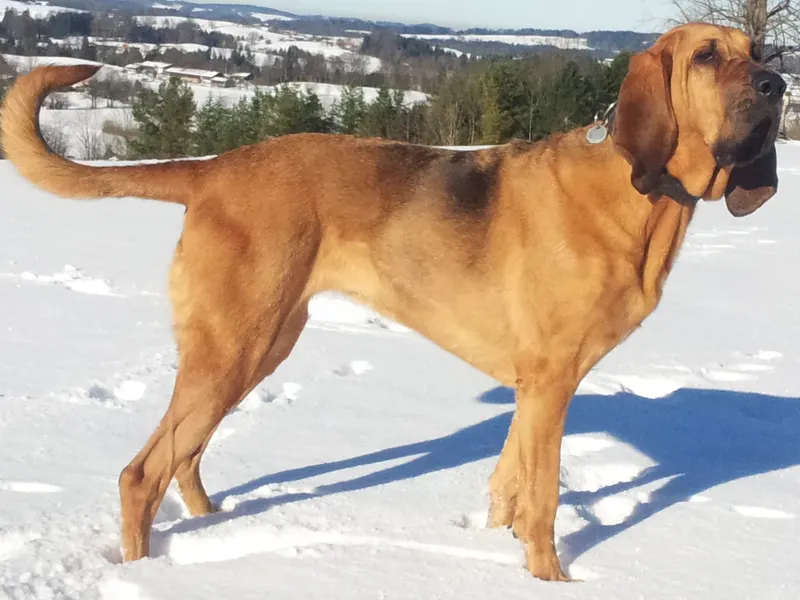
The specialist trailer, famous for following a person's scent trail over long distances and older tracks.
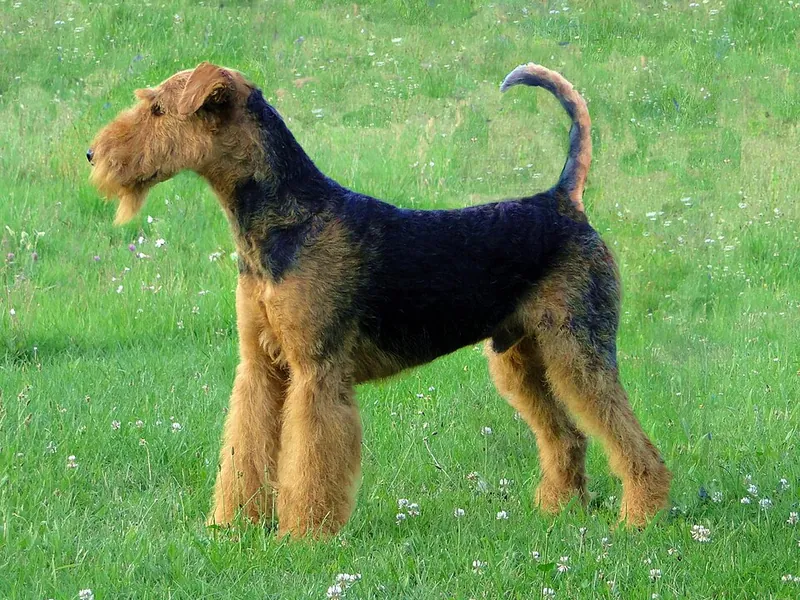
A powerful, intelligent German working breed used in police and protection work, with a weatherproof wiry coat.
All Police Dog Breeds A to Z
What police dogs actually do
K9 work is not one job. Most police dogs specialize in one or two of these roles:
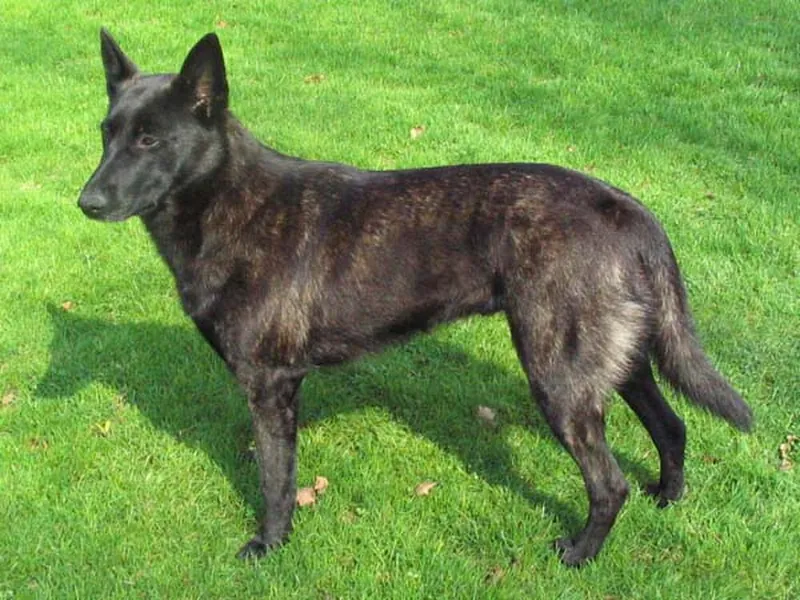
- Patrol and apprehension: dogs that search buildings and areas and can stop a fleeing suspect on command. Belgian Malinois, German Shepherds and Dutch Shepherds dominate here.
- Detection: finding drugs, explosives, firearms or other items by scent. Labradors, English Springer Spaniels and Beagles are common choices.
- Tracking and trailing: following a person's scent to find missing people or suspects. The Bloodhound is the classic specialist.
- Search and rescue: locating people in rubble, forest or water, often with retrievers, shepherds and spaniels.
What makes a good K9 breed
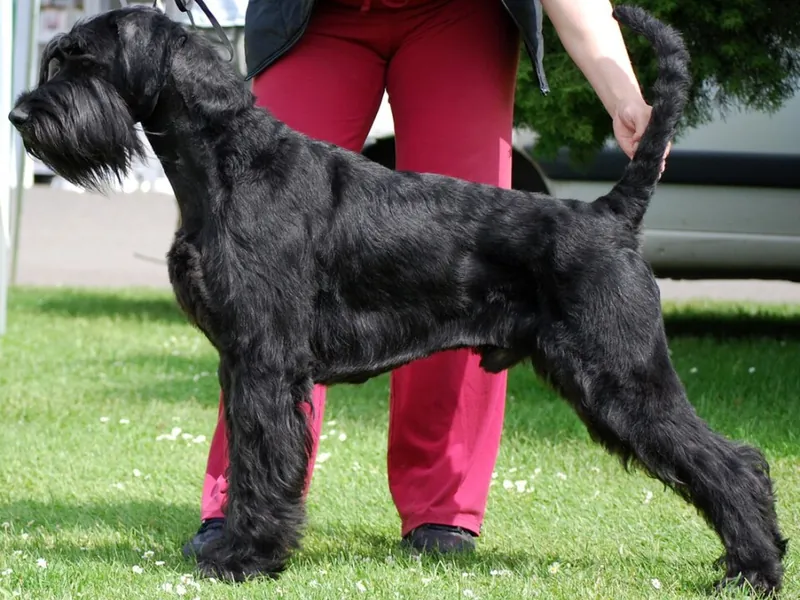
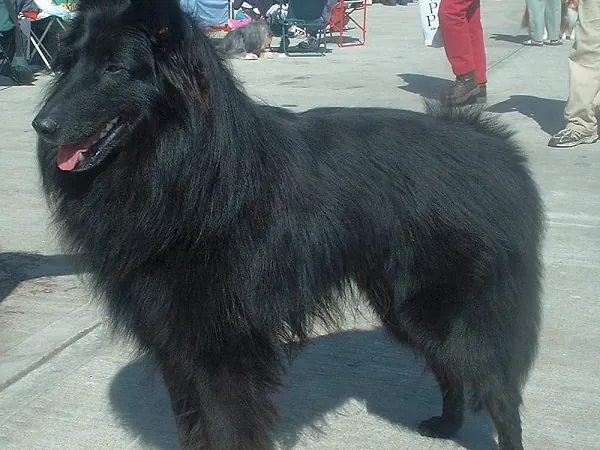
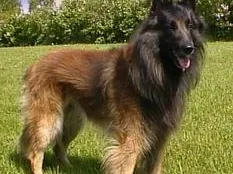
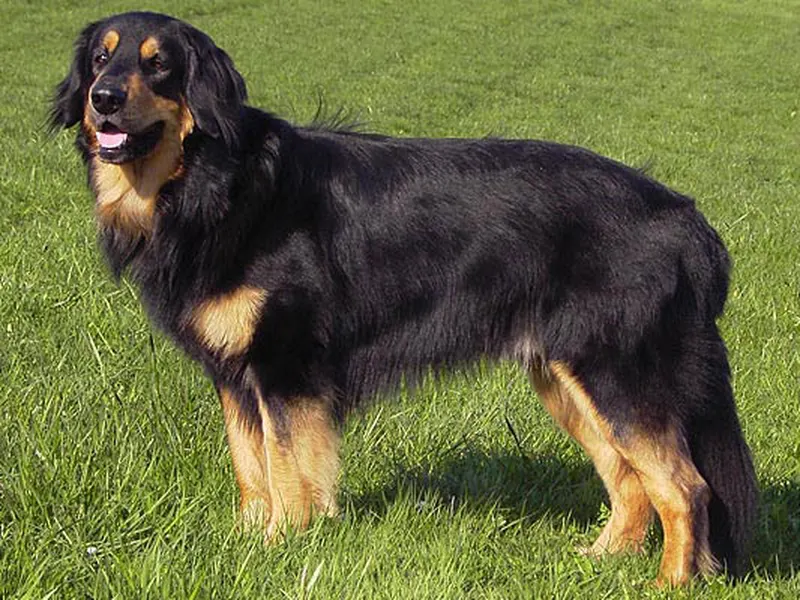
Police agencies look for dogs with strong drive to play or hunt, a stable temperament, physical soundness, good health and a close bond with a handler. Many agencies select individual dogs from working lines rather than show lines, because working ability varies widely within each breed. Belgian Sheepdog varieties like the Groenendael and Tervuren share the Malinois's working heritage, and breeds such as the Giant Schnauzer and Hovawart are used in protection and working dog sports.
Can a police dog breed be a family pet?
Many can, but working-line dogs from breeds like the Malinois or Dutch Shepherd are bred for intense drive and need hours of exercise and structured training every week. Without an outlet, they can become frustrated or destructive. Their alertness and protective instincts also mean early socialization with people, children and other animals is essential. Labradors, Beagles and Springer Spaniels are much easier family companions, though they still need daily exercise and scent games.
If you love the K9 breeds, consider dog sports like tracking, nosework, obedience or protection sports to give them a job.
How police dogs are chosen and trained
Most agencies test young dogs for confidence, environmental stability and motivation before they ever start formal training. A good candidate stays relaxed on slippery floors, in crowds and around loud noises, and keeps working for a toy or food reward even when distracted. Dogs that are too fearful, too reactive or not motivated enough are usually placed as pets or in other roles.
Training typically starts with obedience and the specific skill for the dog's job, then continues throughout its career with regular refresher sessions. Many police dogs live with their handlers and retire into their households. Belgian Malinois, Dutch Shepherds and German Shepherds remain the most common choices for patrol, while sporting and hound breeds fill most detection and tracking positions.
Health and care notes
Active working breeds benefit from lean body weight, joint-friendly conditioning and health-tested parents. Hip and elbow dysplasia is a known concern in German Shepherds, Rottweilers and other large breeds, and deep-chested dogs carry a risk of bloat.
Frequently Asked Questions
What breed is most used as a police dog?
The German Shepherd and the Belgian Malinois are the most widely used patrol dogs, with the Malinois increasingly common in recent decades.
Why are Labradors used as police dogs?
Labradors have excellent noses, strong food and toy motivation and a friendly nature, which makes them ideal detection dogs in public places like airports.
Are police dog breeds aggressive?
No breed is aggressive by nature. Patrol dogs are trained to bite only on command, and detection dogs are selected for friendliness.
Is a Belgian Malinois a good first dog?
Usually not. The Malinois has very high drive and energy and does best with experienced owners who can provide daily work and training.
What dog breed is used for tracking people?
The Bloodhound is the best-known trailing breed, though German Shepherds and other breeds are also trained for tracking.
Not sure which breed fits you?
Answer 8 quick questions and get breeds ranked for your home, schedule and experience.