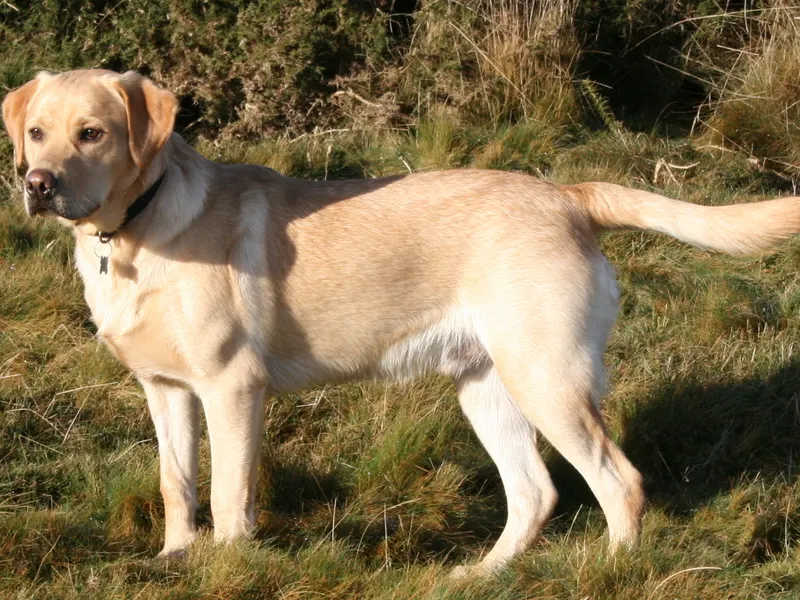
Labrador RetrieverFriendly, eager retriever for active families
The Labrador Retriever is one of the most popular breeds in the US and UK, and for good reason: it is friendly, eager to please and easy to train. It also needs plenty of exercise, sheds a lot and loves food, so it suits active households willing to manage its energy and weight.
Why people love the Labrador Retriever
- One of the easiest breeds to train with food rewards
- Friendly with visitors, children and most other dogs
- Short coat needs no professional grooming
- Versatile partner for swimming, retrieving, hiking and dog sports
- Widely bred, so health-tested litters are easy to find
Things to consider
- Heavy seasonal shedding, especially in spring and fall
- Strong appetite makes obesity a constant risk
- Boisterous and mouthy until two or three years old
- Needs an hour or more of activity every day
- Poor choice for owners who are away all day
Is this breed right for you?
10 questions · live resultHistory and Origin
The Labrador's ancestors were St. John's water dogs from Newfoundland, Canada, where they helped fishermen haul nets and retrieve fish from icy water. In the early 1800s English nobles, notably the Earls of Malmesbury and the Dukes of Buccleuch, imported these dogs and refined them in Britain as gun dogs for retrieving shot game birds.
The Kennel Club recognized the breed in 1903 and the AKC in 1917. The FCI lists the United Kingdom as the country of origin. Today Labs work as hunting retrievers, guide and assistance dogs, search and rescue dogs and detection dogs, and they are a leading family breed on both sides of the Atlantic.
Size, Colors and Coat
The Labrador is a strongly built, medium-large retriever standing 22 to 24 inches at the shoulder and weighing 55 to 80 lb. Males are usually taller and heavier, with broader heads; females sit toward the lower end of both ranges.
Breed standards accept three solid colors:
- Black, the original and still very common color
- Yellow, from pale cream to deep fox red
- Chocolate, from light to dark liver
A small white spot on the chest is permitted. Silver, charcoal and champagne Labs carry a dilute gene; kennel clubs register them as chocolate, black or yellow but do not recognize the dilute shades as standard colors.
Hallmarks of the breed are the thick otter tail, the short, dense double coat that sheds water, and webbed feet. English or show-type Labs are blockier with a broader head and shorter legs, while American field Labs are taller, leaner and lighter in bone.
Temperament and Personality
Labs are outgoing, good-natured and highly social. They usually greet strangers as friends, get along well with other dogs and pets, and are patient with children. This friendliness means they rarely make serious guard dogs, though many will bark at arrivals.
Young Labs are boisterous, mouthy and full of energy, and adolescence can last until two or three years of age. They love to carry things, so expect shoes and socks to go missing. Most Labs are strongly food-motivated, which helps training but can lead to scavenging and counter-surfing.
Labs crave company and often struggle when left alone for long periods, which can show up as chewing or digging.
Show or bench-type Labs tend to be stockier and calmer, while field-bred Labs are leaner and more driven, so ask breeders which type they produce and match it to your lifestyle.
Is the Labrador Retriever Good for First-Time Owners?
Yes, the Lab is one of the most forgiving breeds for a first dog, provided you can cover its exercise and supervision needs.
Labs want to please, forgive handling mistakes and learn basic cues quickly with food rewards. The challenges for beginners are practical rather than temperamental: a 60 lb adolescent that jumps up, pulls on the leash and steals food from counters. A puppy class, early leash training and a crate or puppy pen solve most of this. Choosing a calmer show-type line rather than an intense field line also makes life easier for a novice.
Can Labrador Retrievers Live in an Apartment?
A Lab can live in an apartment, but only if it gets daily outdoor exercise and you can handle a large, energetic dog in shared spaces.
Indoors, an adult Lab that has had a long walk and a game of fetch is usually calm. Problems appear when exercise is cut short: chewing, barking and restless pacing. Elevators, stairs and narrow hallways are easier with a dog trained to walk politely and settle on cue. Puppies need frequent trips outside for house training, which is harder from a high floor. Easy access to a park or open field makes apartment life far more realistic.
How Long Can a Labrador Be Left Alone?
Most adult Labs cope with three to four hours alone, but a full workday without a break is too long for this social breed.
Puppies need a toilet break every two to three hours and should be taught to be alone in short, gradual steps. Before leaving, give a proper walk and a food puzzle or stuffed chew toy so the dog has something to do. A bored Lab tends to chew door frames, furniture and anything it can carry. If you work long hours, a midday dog walker or a doggy daycare a few days a week makes the breed a much better fit.
Exercise and Training
Plan on at least an hour of activity daily for a healthy adult, combining walks with retrieving games, swimming or dog sports such as field work, obedience and dock diving. Mental work matters as much as running.
- Labs are among the easiest breeds to train. Food and play rewards work very well.
- Teach a solid recall and a calm greeting early; an adult Lab jumping up is a lot of dog.
- Avoid heavy forced exercise in growing puppies to protect developing joints.
- Use part of the daily food ration as training treats to avoid weight gain.
Grooming and Shedding
The short, dense, water-resistant double coat is easy to groom but sheds heavily, especially in spring and fall. Brushing two or three times a week, and daily during molting, keeps hair under control.
Labs are not hypoallergenic. Dry their ears after swimming, since moisture trapped in the drop ears can lead to ear infections, and keep nails trimmed.
Feeding and Nutrition
Weight control is the central feeding issue for Labradors. Many carry a POMC gene variant that blunts the feeling of fullness, so a Lab begging after dinner is not proof that it is hungry. Weigh food rather than using a scoop, and check body condition every few weeks: you should feel the ribs easily and see a waist from above.
Labs grow fast, and puppies should be fed a diet formulated for large-breed growth. Keeping a puppy lean slows growth slightly and supports developing hips and elbows, which matters in a breed with known dysplasia.
- Feed puppies three or four meals a day, adults two.
- Use a slow feeder or scatter feeding for dogs that gulp their food.
- Count training treats as part of the daily ration and use small pieces.
- Neutered Labs often need less food; adjust portions after surgery.
Keep trash cans and kitchen counters secure. Labs are known for eating socks, corn cobs and other items that can cause blockages.
| Adult weight | Less active | Typical adult | Very active |
|---|---|---|---|
| 55 lb | 1,090 kcal | 1,250 kcal | 1,560 kcal |
| 80 lb | 1,450 kcal | 1,660 kcal | 2,070 kcal |
Estimates use the resting energy formula veterinarians work with (70 × body weight in kg0.75) and standard activity factors. Use the feeding guide on your food as a starting point and adjust to body condition. Puppies, seniors, pregnant animals and pets that need to lose weight have different needs, so ask your vet.
Health and Lifespan
Labradors typically live 11 to 13 years. Hip and elbow dysplasia are the best-known inherited problems, and progressive retinal atrophy, an inherited eye disease, also occurs. Obesity is very common in the breed and shortens life and worsens joint disease, so keeping a visible waist matters.
Choose a breeder who hip and elbow scores the parents, provides eye certificates and uses DNA tests for conditions such as PRA and exercise-induced collapse.
Feed measured meals rather than leaving food out, and adjust portions to body condition rather than to the bag. Many Labs carry a gene variant linked to stronger appetite, which helps explain why the breed gains weight so easily.
Labrador Retriever Price and Cost of Ownership
Typical breeder price in the US$1,000 to $2,500
A Labrador puppy from a reputable breeder in the US typically costs about $1,000 to $2,500. Prices vary by breeder, region and lines, and puppies from proven field-trial or top show parents can cost more. Labs also come into rescues and shelters regularly, and breed-specific rescue groups often place adult dogs with known temperaments.
Ongoing cost drivers for this breed include:
- Food for a large, active dog over 11 to 13 years
- Pet insurance, since joint surgery for hip or elbow dysplasia or a torn cruciate ligament is expensive
- Extra vet bills from swallowed objects, a common Lab emergency
- Puppy classes and training to manage a strong adolescent
Grooming costs are low: the short coat needs brushing at home rather than professional trims.
Is the Labrador Retriever Right for You?
The Lab suits active families and first-time owners who want a sociable, trainable dog and can commit to daily exercise, training and weight control. It does best with a home that has outdoor space and people around much of the day.
It is less suited to people with allergies, very tidy households that mind dog hair, or owners who are away all day.
Labrador Retriever Traits at a Glance
Labrador Retriever FAQ
Are Labradors good family dogs?
Yes. Labs are typically patient and gentle with children and sociable with other pets, though young Labs are bouncy and need supervision around toddlers.
How big do Labrador Retrievers get?
Labs stand about 21.5 to 24.5 inches at the shoulder and usually weigh 55 to 80 lb, with males larger than females.
Do Labs shed a lot?
Yes. Their double coat sheds year-round and heavily twice a year.
How much exercise does a Labrador need?
Most adult Labs need at least an hour of exercise a day plus mental activities such as retrieving or training games.
Are Labradors easy to train?
They are among the easiest breeds to train thanks to their eagerness and food motivation.
How long do Labradors live?
Most Labradors live 11 to 13 years; keeping them lean is one of the best things you can do for longevity.