Hunting Dog BreedsBird dogs, hounds and retrievers explained
Breeds on this list were developed to help people hunt, whether by finding and pointing birds, flushing game, retrieving from water, trailing scent or chasing by sight. This guide is for hunters choosing a working partner and for families who love these breeds as active companions.
Top 10 Hunting Dog Breeds
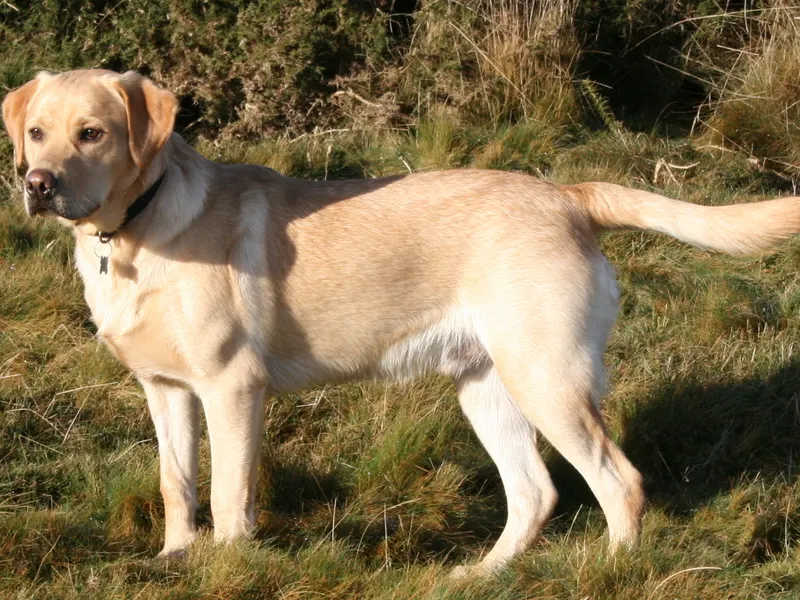
The Labrador Retriever is one of the most popular breeds in the US and UK, and for good reason: it is friendly, eager to please and easy to train.
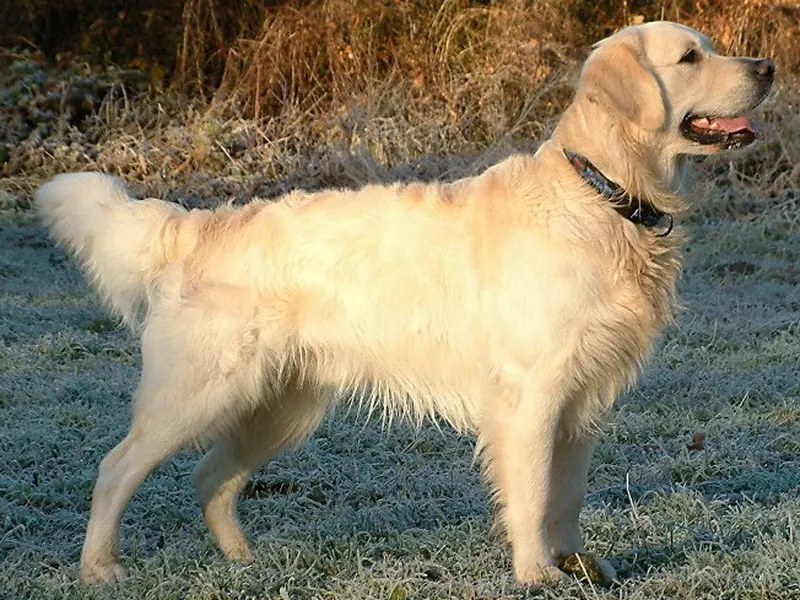
Bred in Scotland to retrieve shot waterfowl and upland birds, the Golden Retriever has a soft mouth and great trainability.
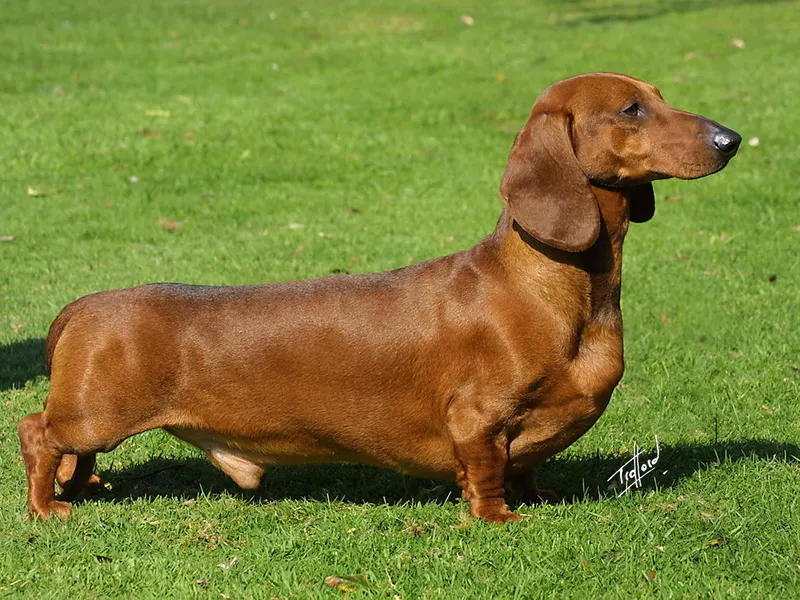
The Dachshund's long, low body was designed for following badgers and other den animals underground.
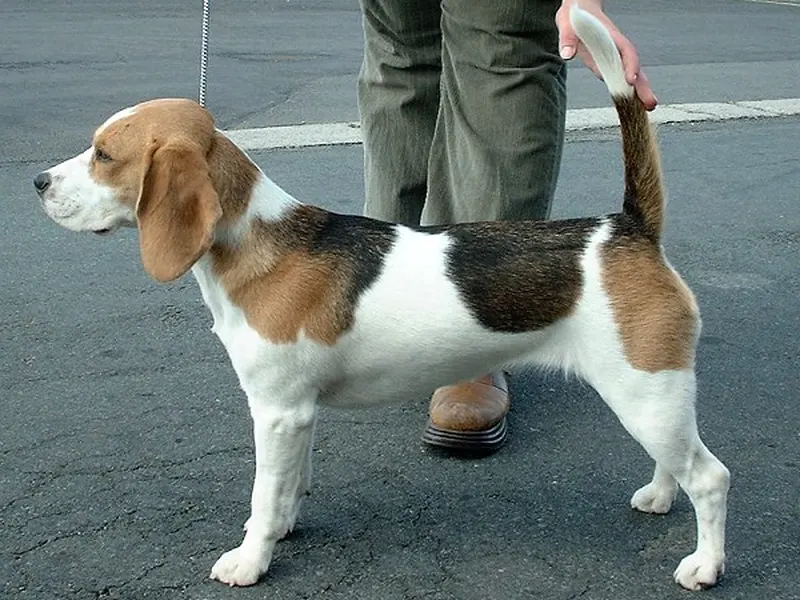
A classic pack hound for rabbit, the Beagle has an outstanding nose and a cheerful, sociable nature.
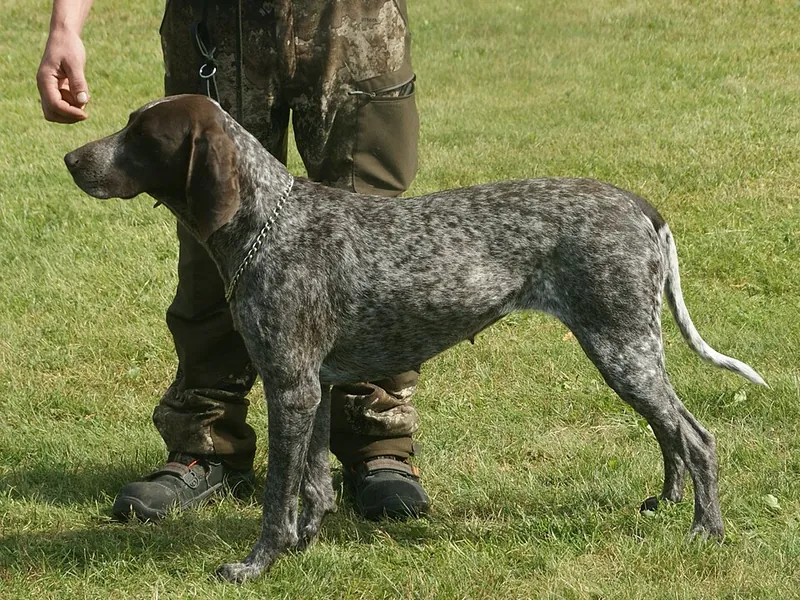
The German Shorthaired Pointer is an athletic, enthusiastic hunting dog that is equally happy pointing birds in a field or playing with children at home.
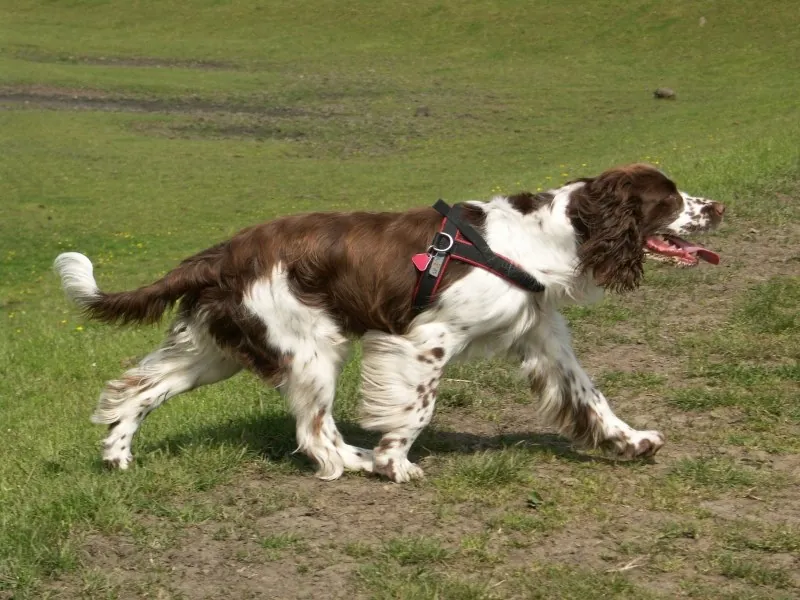
The English Springer Spaniel is a medium-sized gundog bred to find and flush ("spring") game for hunters.
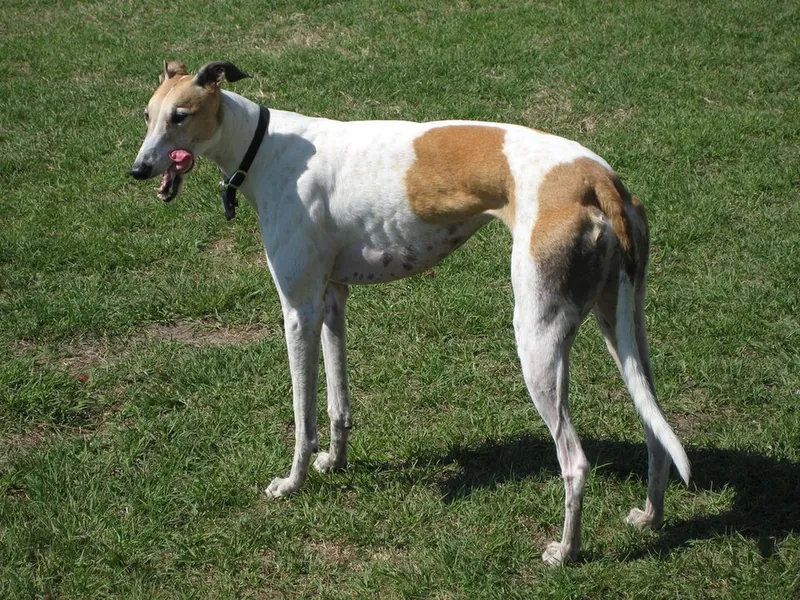
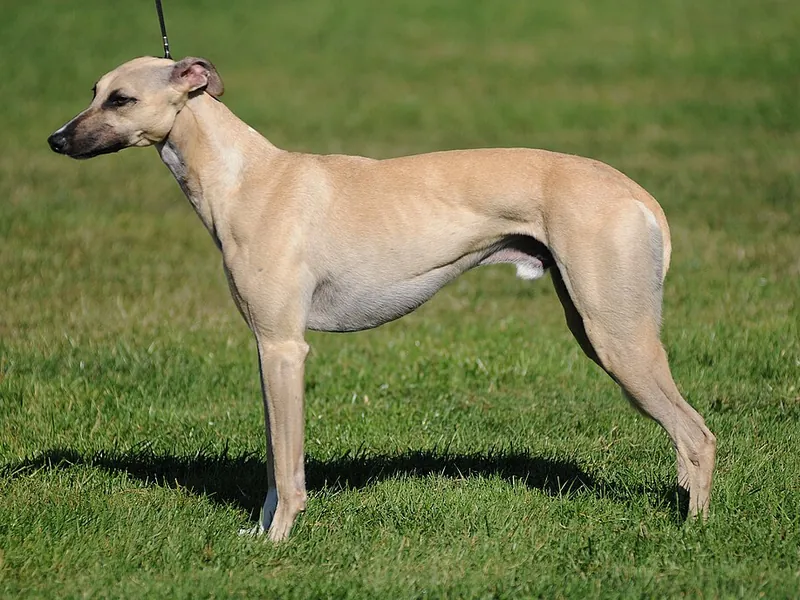
The fastest dog breed, the Greyhound was bred to chase game by sight and today is a calm, gentle house dog.
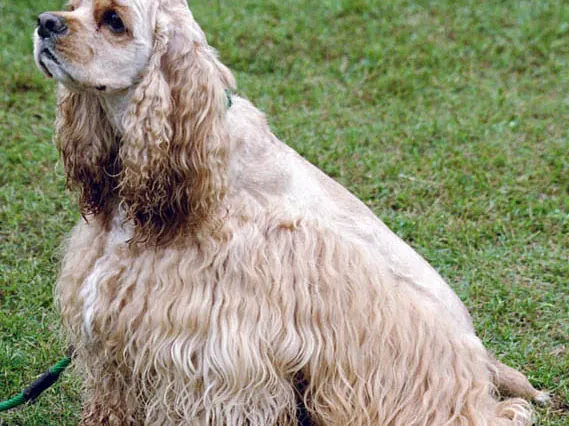
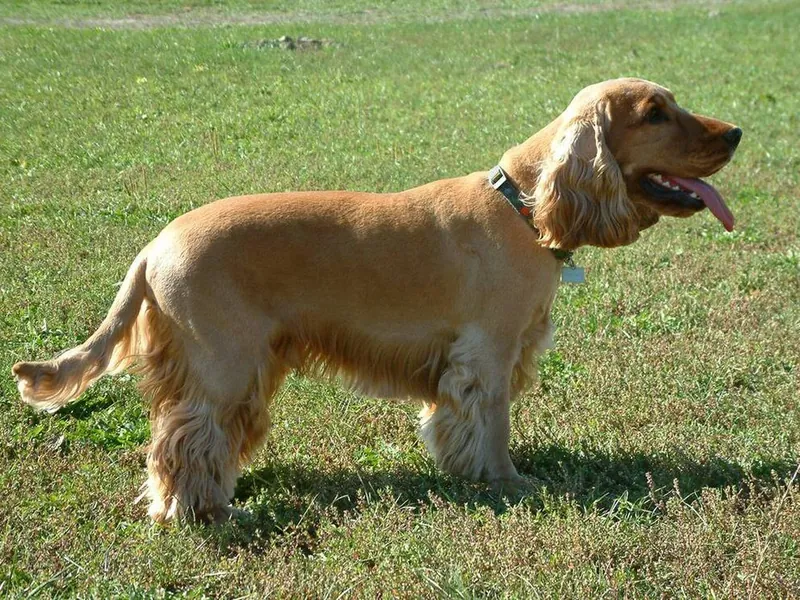
The American Cocker Spaniel was developed to flush and retrieve small game birds like woodcock and quail.
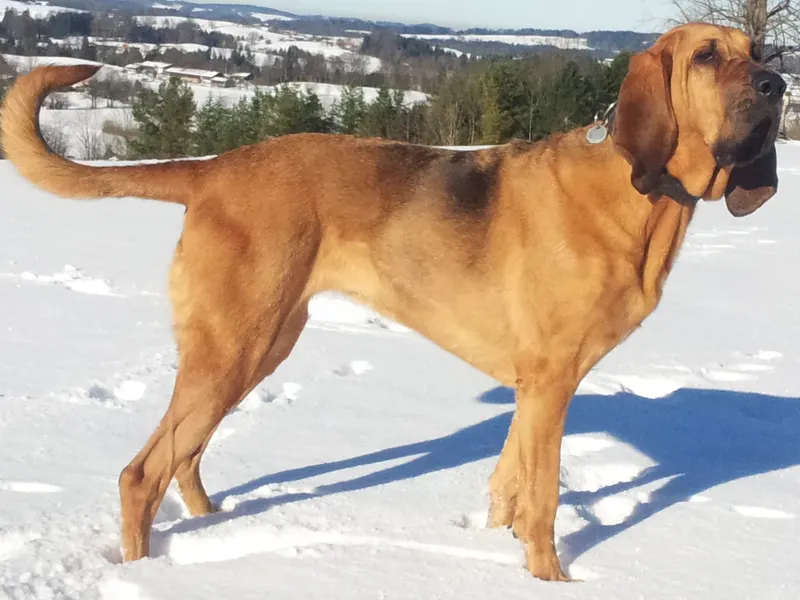
The Bloodhound's legendary scenting ability makes it the go-to breed for trailing, from game to missing people.
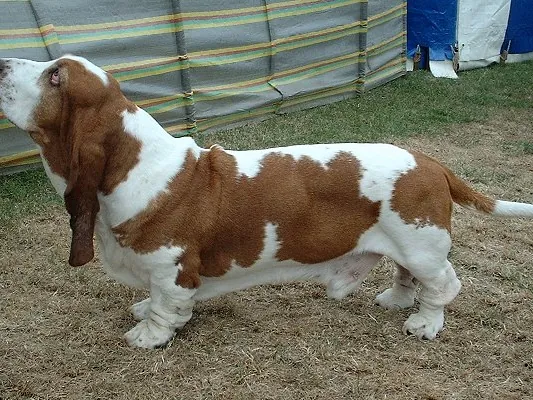
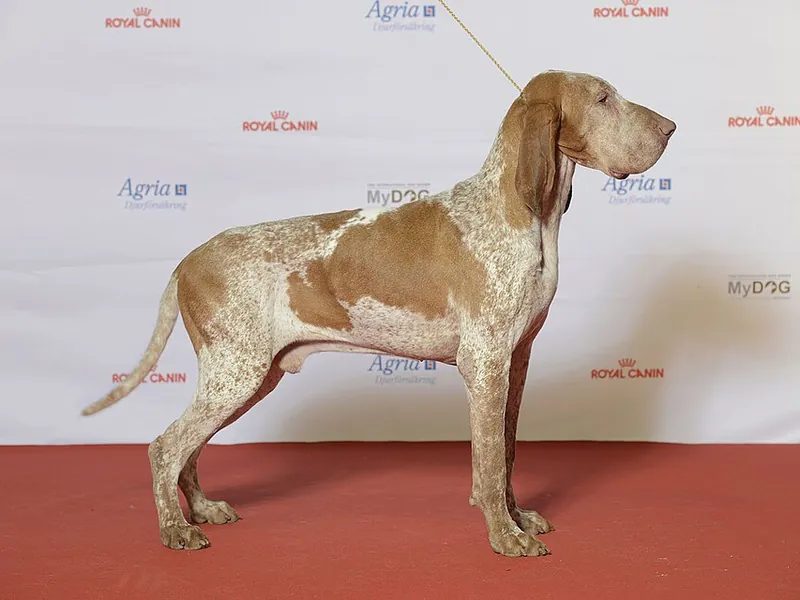
Low, heavy-boned and scent-driven, the Basset Hound was bred to track rabbits and hares at a pace hunters on foot could follow.
All Hunting Dog Breeds A to Z
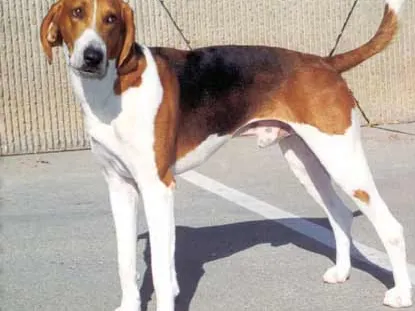
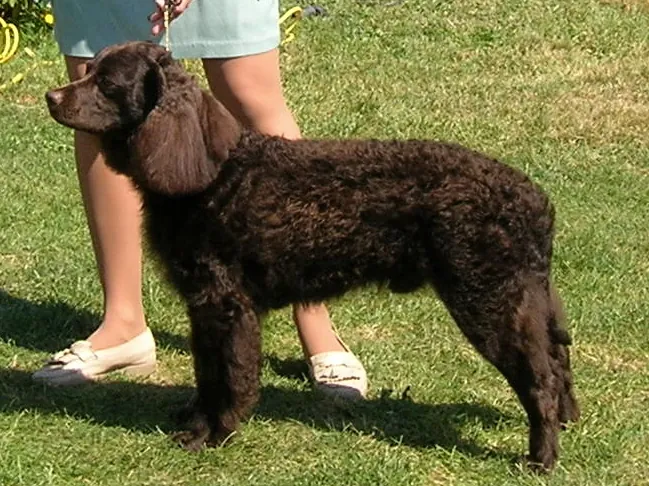
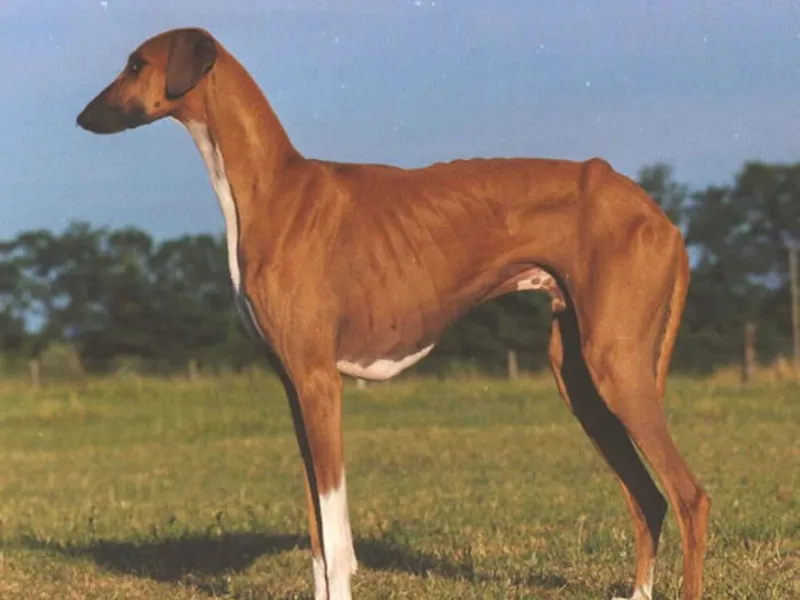
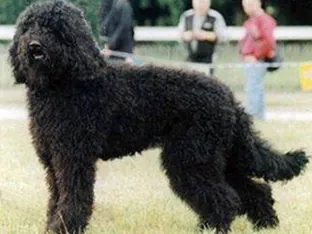
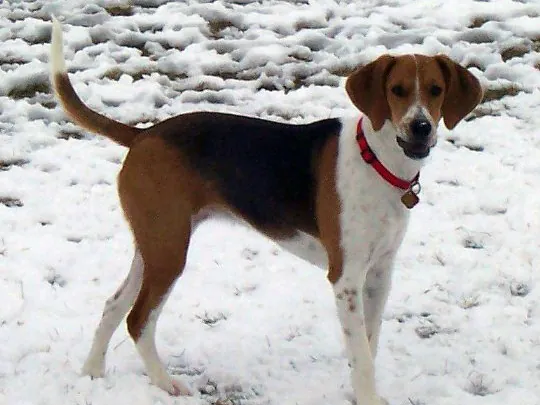
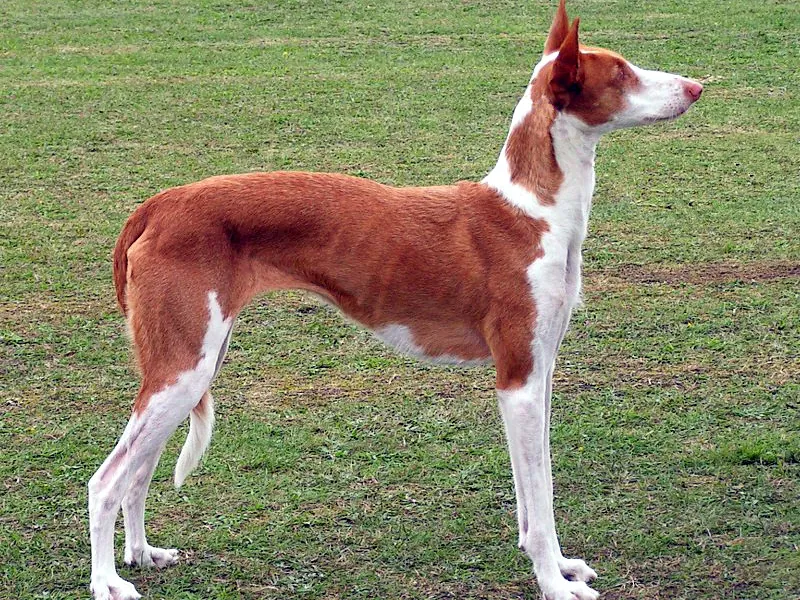
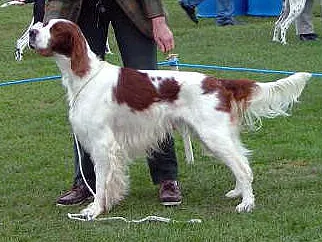
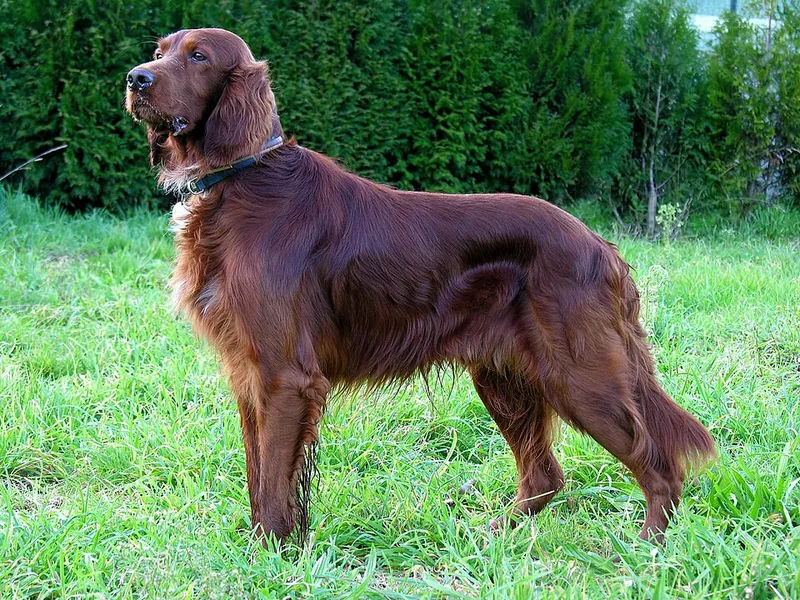
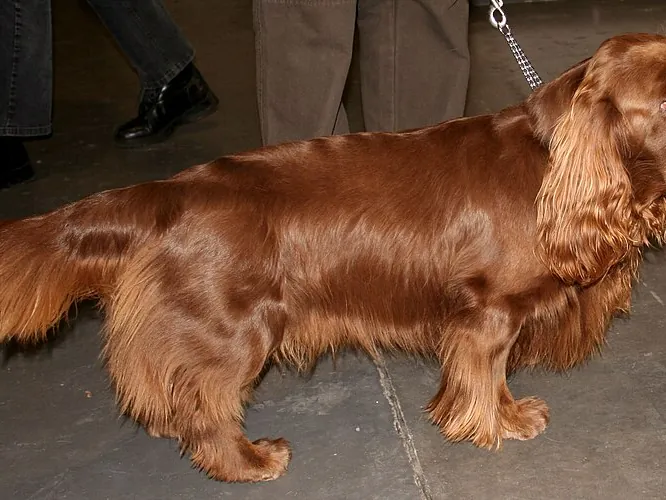
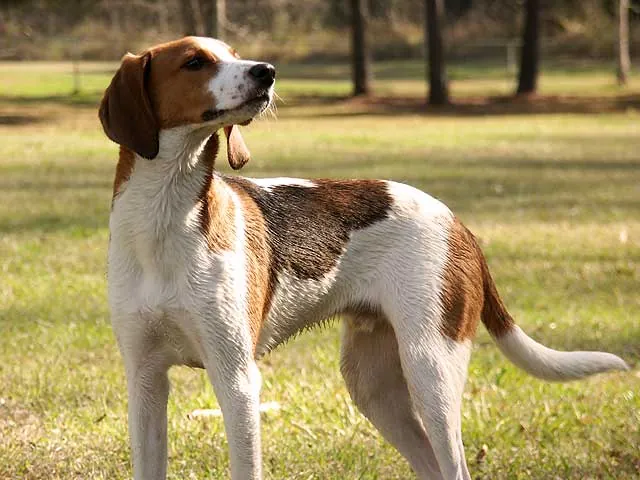
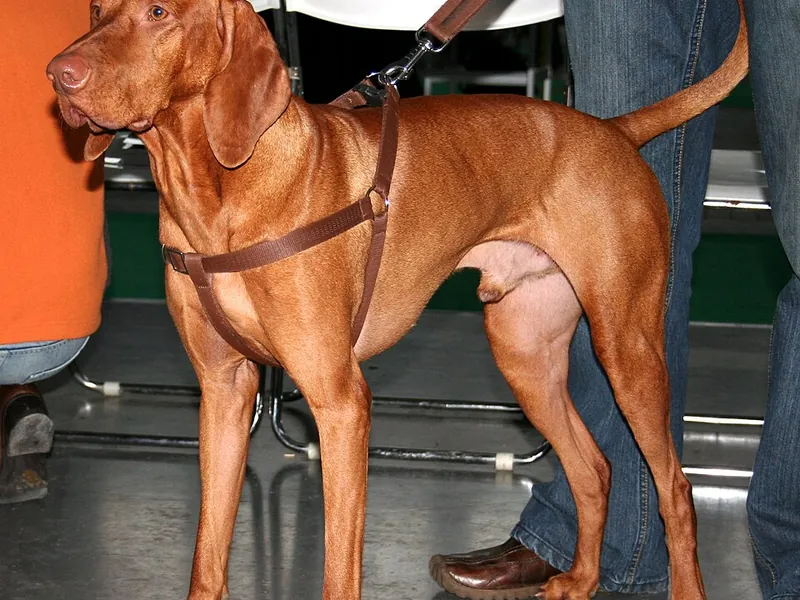
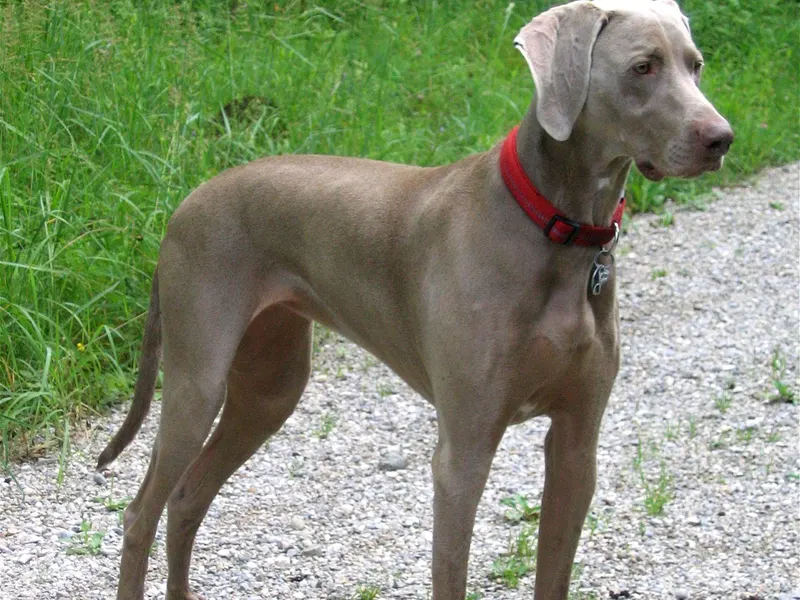
The main types of hunting dogs
Hunting breeds are grouped by how they work:
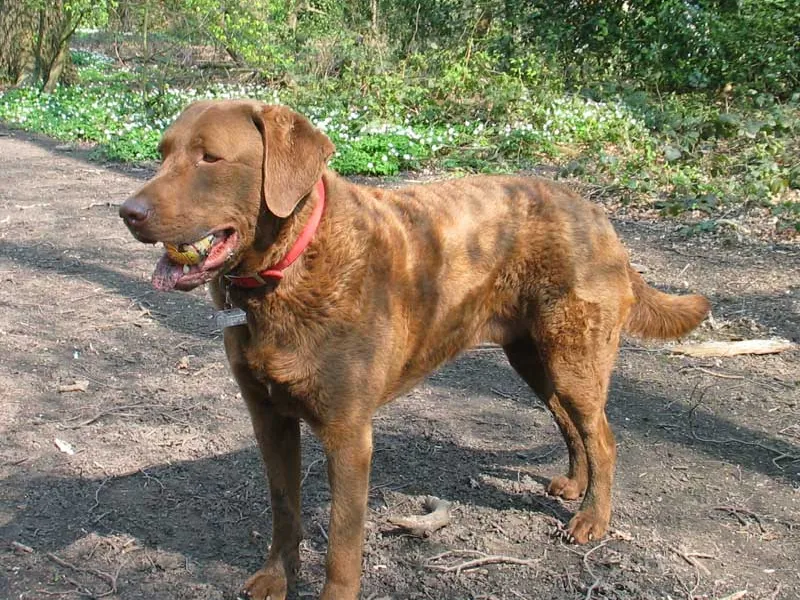
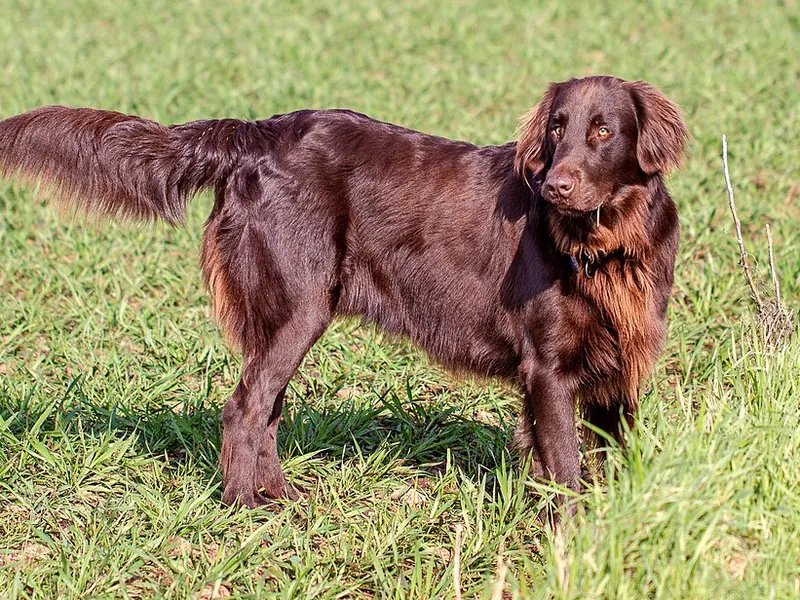
- Retrievers such as the Labrador, Golden, Chesapeake Bay and Flat-Coated Retriever bring back shot birds, often from water.
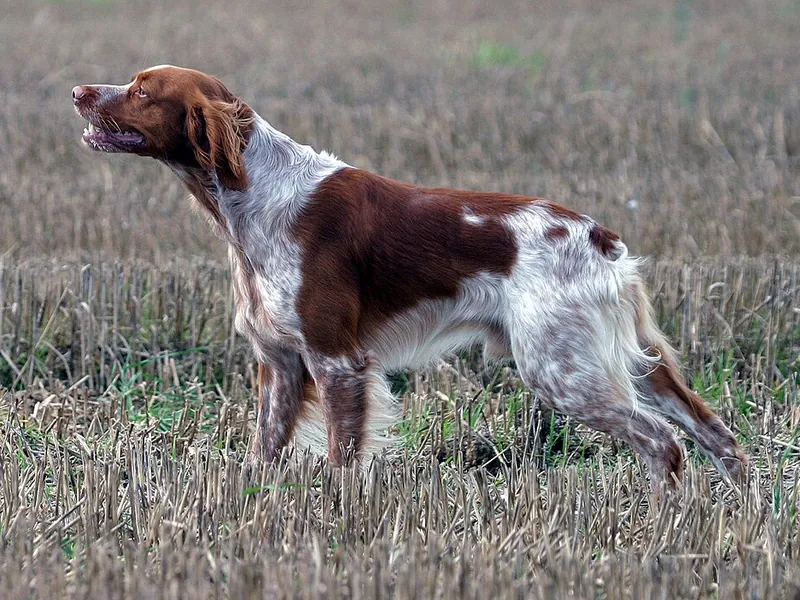
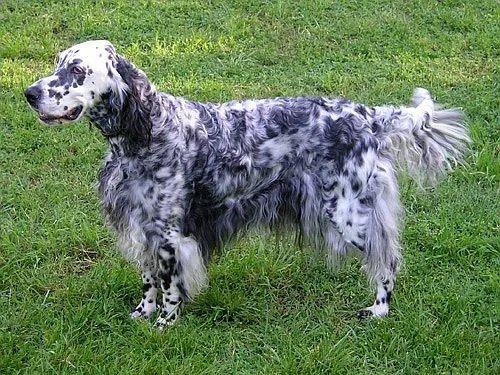
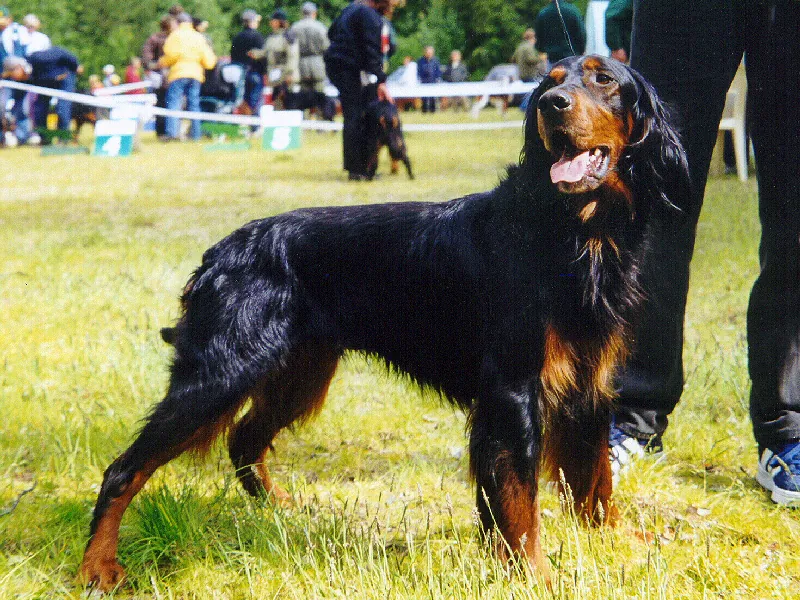
- Pointers and setters such as the Pointer, English Setter, Irish Setter and Gordon Setter locate birds and freeze to show the hunter where they are.
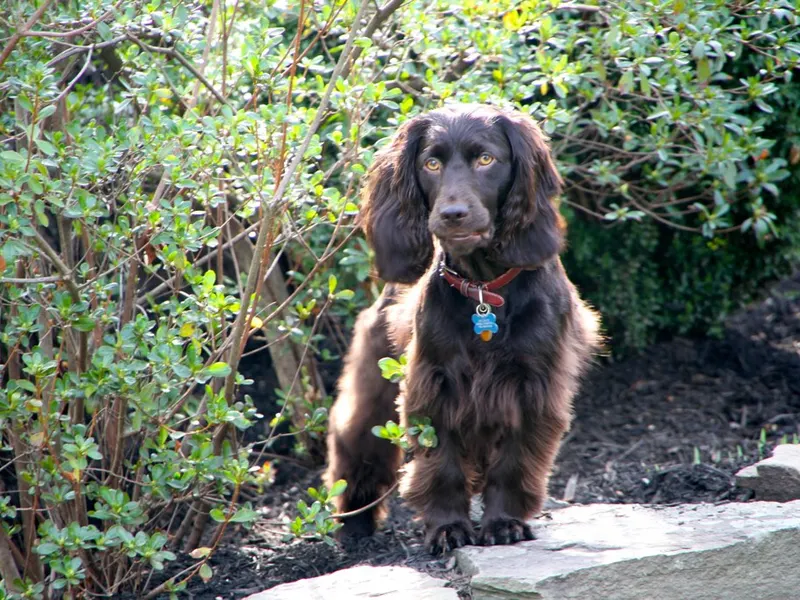
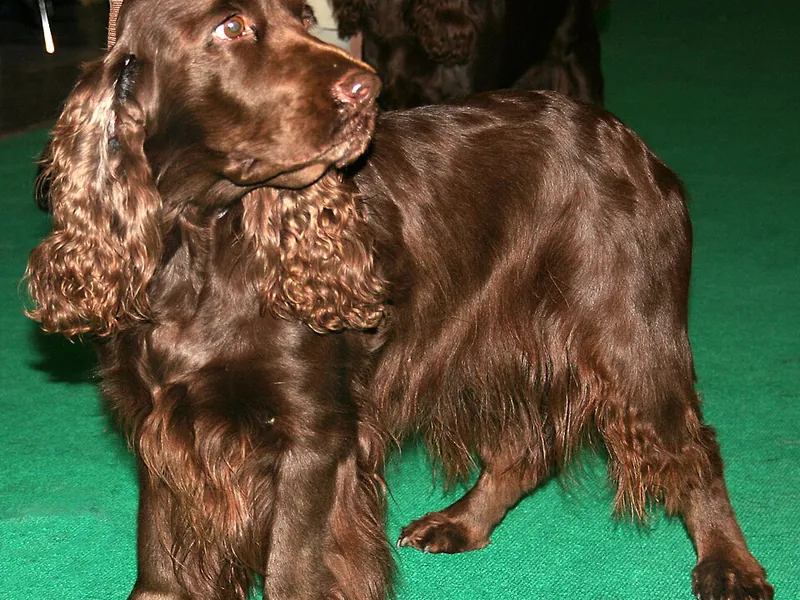
- Flushing spaniels such as the English Springer and English Cocker Spaniel push birds into the air within gun range.
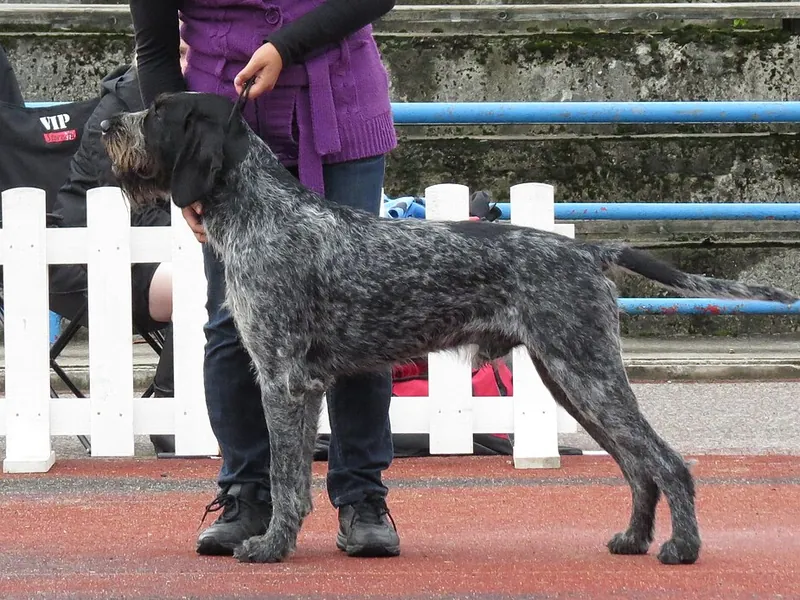
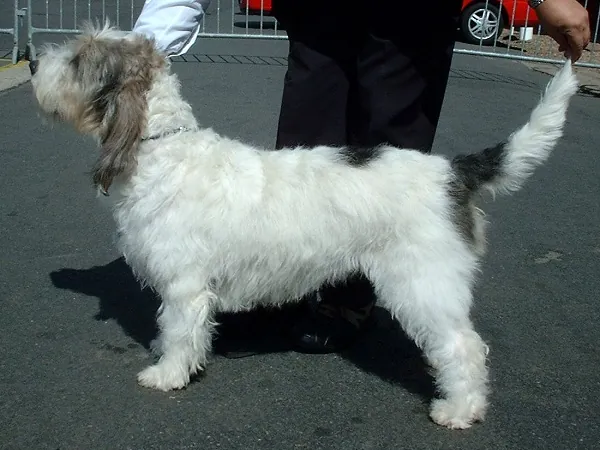
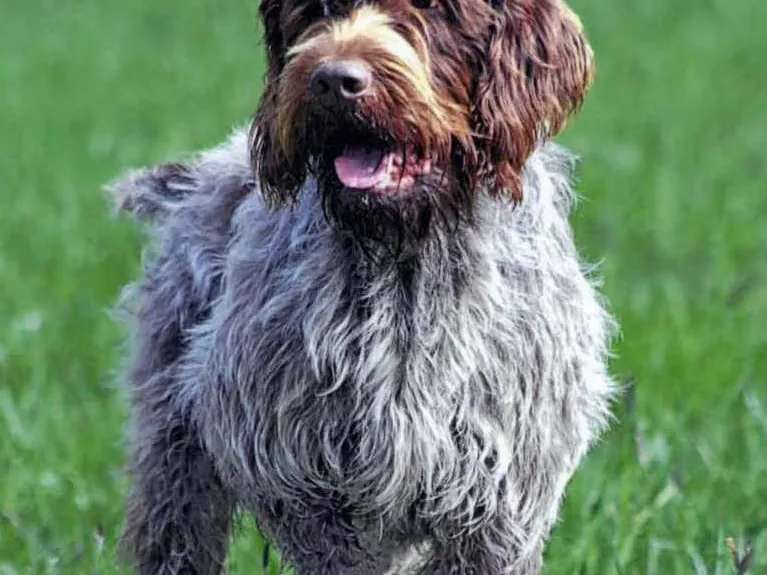
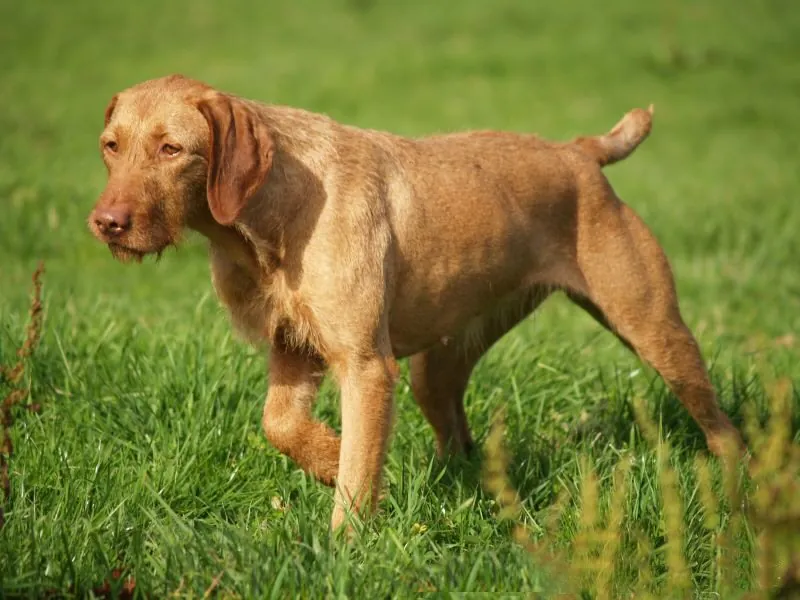
- Versatile breeds such as the German Wirehaired Pointer, Vizsla, Weimaraner and Wirehaired Pointing Griffon point, track and retrieve.
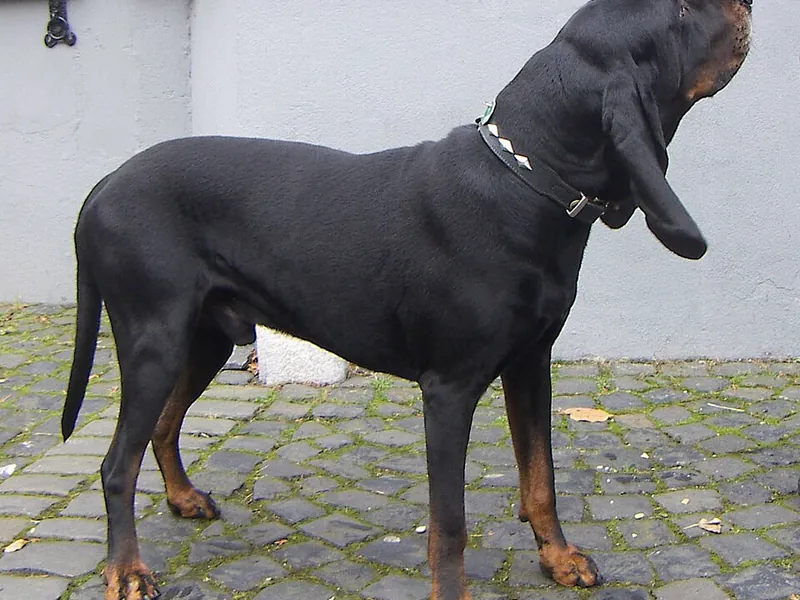
- Scent hounds such as the Beagle, Bloodhound and Black and Tan Coonhound trail game by nose.
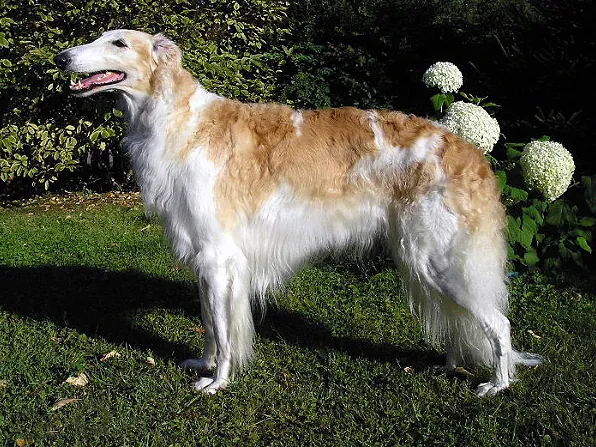
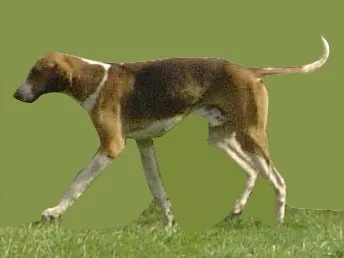
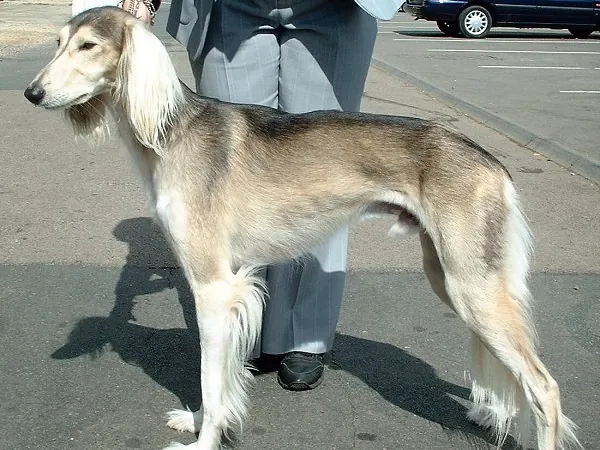
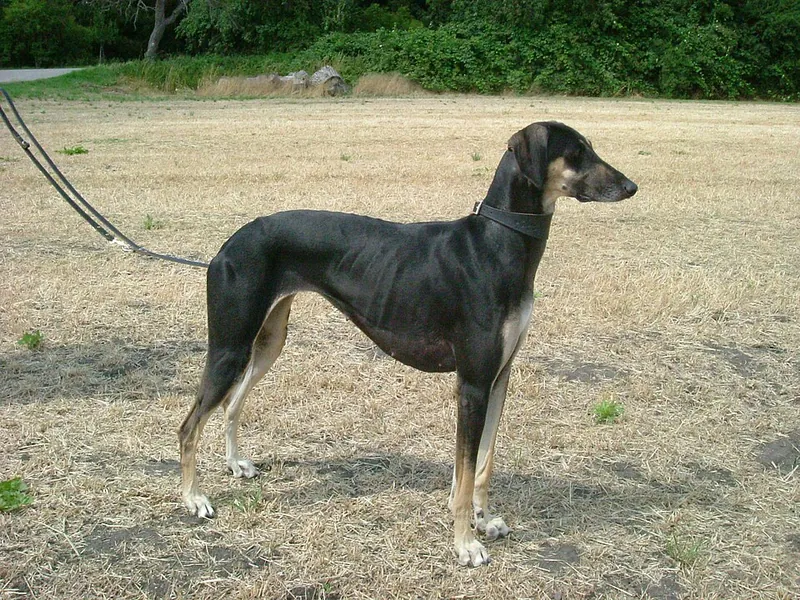
- Sighthounds such as the Greyhound, Saluki and Borzoi chase by sight in open country.
Sporting group vs hound group
Kennel clubs split hunting breeds into different groups. In the AKC system, retrievers, pointers, setters and spaniels form the Sporting Group, while scent hounds and sighthounds belong to the Hound Group. The UK's Kennel Club calls its bird dog group the Gundog Group. The Dachshund is a hound in the AKC system, even though it often hunts underground like a terrier.
Hunting breeds as family pets
Many hunting breeds make wonderful companions because they were bred to work closely and cooperatively with people. Retrievers and spaniels in particular are known for being friendly and trainable. But they share some traits to plan for:
- High exercise needs: pointers, setters and versatile breeds like the Vizsla and Weimaraner need vigorous daily activity.
- Prey drive: sighthounds may chase cats and small animals, and scent hounds may follow a trail and ignore you.
- Recall: secure fencing and long-line training are essential for hounds.
- Voice: Beagles, Basset Hounds and coonhounds bay, which neighbors may notice.
Choosing a working hunting dog
If you plan to hunt, match the breed to your game and terrain: a retriever for waterfowl, a pointing breed for upland birds over big country, a flushing spaniel for dense cover. Working lines are often bred for more drive and stamina than show or pet lines, so ask breeders what their dogs actually do. Health screening for hips, elbows and eyes is important in most of these breeds, and deep-chested dogs like the Weimaraner and setters have an increased risk of bloat.
Common mistakes with hunting breeds
The most common mistake is choosing a hunting breed for its looks and underestimating its energy. A bored Pointer or Vizsla may dig, chew or bark. Another is expecting a hound to come back reliably off leash in open country. Instead, give these dogs an outlet for their instincts: retrieving games for retrievers, scent work for hounds, and lure coursing for sighthounds. Field trials, hunt tests and dog sports are great ways to channel their drive even if you never hunt.
Frequently Asked Questions
What is the best hunting dog breed?
It depends on the game. Labrador Retrievers excel at waterfowl, pointers and setters at upland birds, and hounds like the Beagle at rabbit and other trailing work.
What is the best hunting dog for families?
Labrador and Golden Retrievers and many spaniels combine hunting ability with a friendly, trainable temperament that suits family life.
What is a bird dog?
A bird dog is a breed used to find, point, flush or retrieve game birds, including retrievers, pointers, setters and spaniels.
Can hunting dogs live in a home with cats?
Many can, especially retrievers raised with cats. Sighthounds and some terriers or hounds with strong prey drive need careful introductions and supervision.
Do hunting dogs need a lot of exercise?
Most do. They were bred for long days in the field and need daily vigorous exercise and mental work to stay happy at home.
Not sure which breed fits you?
Answer 8 quick questions and get breeds ranked for your home, schedule and experience.