SloughiThe graceful sighthound of North Africa
The Sloughi is a lean, short-coated sighthound from the Maghreb, prized for speed and endurance in desert hunting. Gentle and devoted with its people but reserved with strangers, it suits calm households that can provide safe running space and soft-handed training.
Why people love the Sloughi
- Calm, quiet and clean in the house
- Deeply devoted to its family
- Easy-care short coat with minimal grooming
- Tolerates heat well thanks to desert origins
- Rarely barks
Things to consider
- Strong chase instinct puts cats and small animals at risk
- Must stay leashed in open areas
- Reserved with strangers and sensitive to noise
- Rare in the US, with long waits for puppies
- Little body fat; needs soft beds and cold-weather coats
Is this breed right for you?
10 questions · live resultHistory and Origin
The Sloughi has been bred for centuries in North Africa, particularly Morocco, Algeria, Tunisia and Libya, by Berber and Bedouin peoples. It hunted gazelle, hare, fox and jackal across open desert and mountains, valued for stamina in heat as much as for speed.
Morocco holds the FCI patronage for the breed. Unlike the feathered Saluki, the Sloughi is smooth-coated and somewhat sturdier, with a flatter topline. The AKC admitted it to the Hound Group in 2016, and it is also recognized by The Kennel Club.
Size, Build and Colors
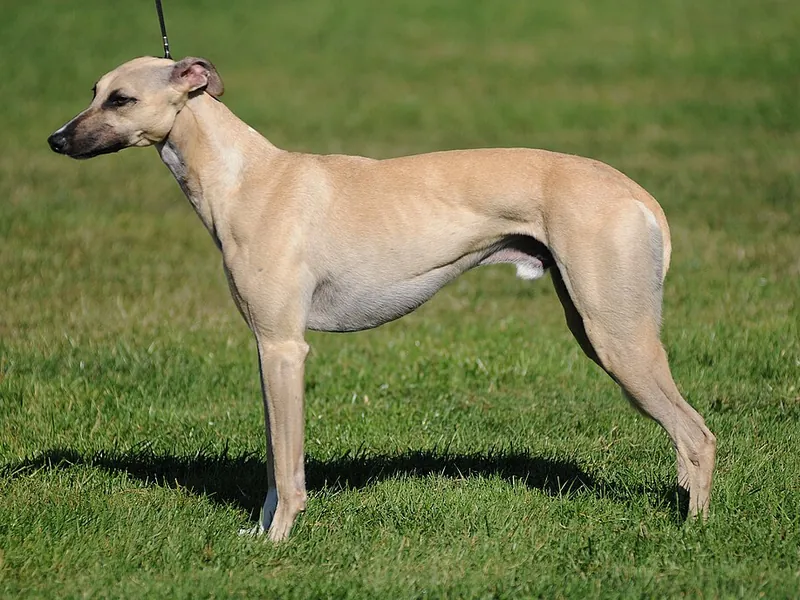
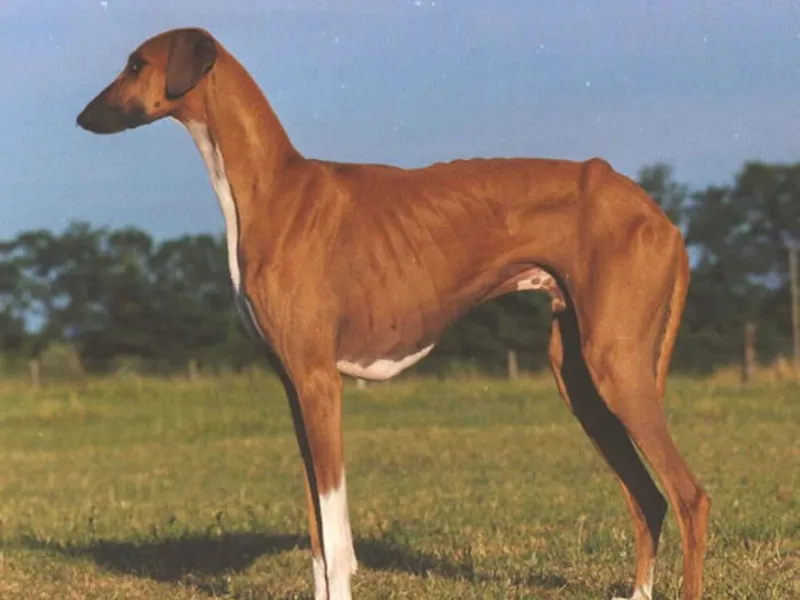
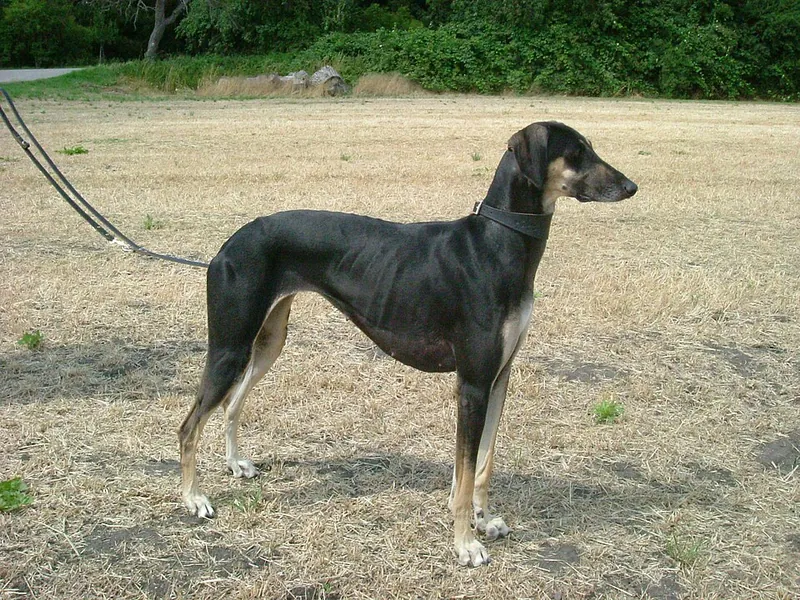
The Sloughi is a lean, elegant sighthound with a longer, flatter topline than many of its relatives. Adults stand about 24 to 28 inches and weigh 40 to 64 lb, with males at the upper end of the range and females finer and smaller.
The build is athletic and spare. Muscles are flat and dry, the hip bones are clearly visible, and the chest is moderately deep rather than extremely deep. The head is long and elegant with a wedge shape, and the dark eyes give a gentle, slightly melancholic expression. Ears are drop and lie close to the head.
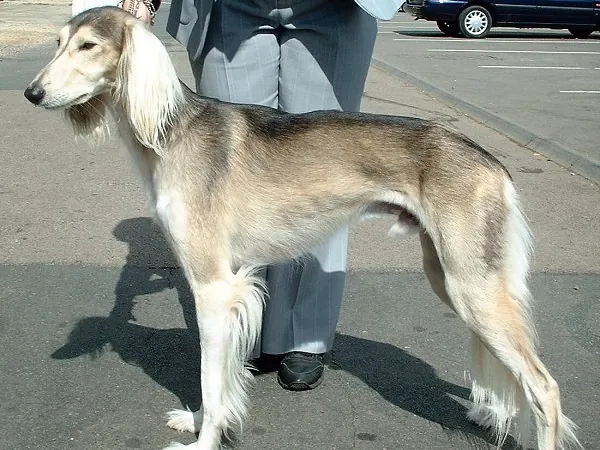
The coat is short, fine and smooth all over, with no feathering on the ears or tail, which clearly separates the Sloughi from the Saluki.
Accepted colors include:
- Light sand to red sand and mahogany
- With or without a black mask, black mantle or black overlay
- Brindle on any of these shades
Small white markings on the chest and toes are tolerated. The skin is thin and fine, which partly explains the breed's sensitivity to cold.
Temperament and Personality
Sloughis are quiet, sensitive and deeply attached to their family. They are typically aloof or reserved with strangers and can be wary in new situations, so slow, positive socialization matters. They dislike noise and chaos and respond badly to harsh treatment.
At home, a well-exercised Sloughi is calm and enjoys comfort. Outdoors, it has a strong chase instinct, and small animals, including cats, are at risk. Older, gentle children are a better match than toddlers.
Breed fanciers often note that a Sloughi chooses its friends carefully. Once it trusts someone, it is quietly affectionate and likes to lie close by, but it rarely seeks attention from visitors.
Are Sloughis Good With Cats?
Sloughis are generally not a safe choice for homes with cats, especially unfamiliar or outdoor ones. The breed was developed to course fast-moving game, and a running cat can trigger that instinct.
Some Sloughis raised with a confident indoor cat learn to accept it, but they may still chase cats outside the home. If you already have a cat, look for an adult dog that has been tested with cats, and manage introductions with gates, a leash and supervision. Small pets such as rabbits and guinea pigs should not share space with a Sloughi.
Can Sloughis Be Left Alone?
Sloughis can manage a few hours alone once they are mature and used to it, but they prefer company and can become anxious with long, regular absences.
Build alone time slowly from puppyhood with a comfortable bed, a calm environment and a long-lasting chew. Exercise before leaving helps. Sloughis are sensitive to noise and change, so a predictable routine reduces stress. Some do better with a second calm dog, often another sighthound. For full workdays, arrange a midday visit or walker. Watch for signs of stress such as pacing, whining or not eating while you are out.
Are Sloughis Easy to Train?
Sloughis are intelligent and learn well, but they are not eager-to-please dogs, and they shut down under pressure. Training works when it feels like cooperation rather than demand.
Use calm, short sessions and food rewards. Raised voices or physical corrections make a Sloughi withdrawn and less willing to respond. Basic manners, house training and leash walking are usually straightforward. Off-leash reliability is a different matter: even a well-trained Sloughi may chase when it sees prey. Socialization is as important as training, since the breed can become fearful of new people and places if not exposed gently and early.
Exercise and Training
Daily walks plus regular chances to gallop in a securely fenced area are essential. Lure coursing and straight racing are popular with Sloughi owners. Keep the dog on leash in open areas, since it can cover ground very quickly.
Train with patience and rewards. Sloughis learn well but become withdrawn under pressure. Socialize puppies to a wide range of people and places. They prefer company and can become anxious when left alone for long periods.
Choose running areas with care: sighthounds can injure themselves on uneven ground, wire fences or near roads. A recall works best when practiced daily in safe spaces, but treat it as a bonus rather than a safety guarantee.
Grooming and Shedding
The fine, short coat comes in light sand to mahogany shades, with or without a black mask, brindle or mantle. Weekly brushing with a soft brush or hound glove is enough. The breed has very little body fat, so provide soft bedding and a coat in cold or wet weather.
Feeding and Nutrition
A Sloughi's normal body shape surprises many owners and vets unfamiliar with sighthounds. Visible hip bones and the outline of the last two or three ribs are typical for a fit dog, so resist the urge to fatten it up. Excess weight slows the dog down and stresses its joints.
Sloughis often have a modest appetite and may be picky, particularly in hot weather. Two meals a day suits most adults. Puppies need three to four meals and should grow steadily, not quickly, on a diet appropriate for their expected adult size.
Bloat is reported in the breed. Avoid feeding right before coursing or galloping and allow time to cool down before meals. Slow-feeder bowls help dogs that eat quickly.
Because Sloughis carry little body fat, they lose condition quickly when ill or stressed. A sudden drop in appetite or weight deserves a vet check.
Sighthounds often have bloodwork values that differ from other breeds, so make sure your vet knows the breed when reviewing results. Use small, soft treats in training; many Sloughis prefer high-value food over toys.
| Adult weight | Less active | Typical adult | Very active |
|---|---|---|---|
| 40 lb | 860 kcal | 980 kcal | 1,230 kcal |
| 64 lb | 1,230 kcal | 1,400 kcal | 1,750 kcal |
Estimates use the resting energy formula veterinarians work with (70 × body weight in kg0.75) and standard activity factors. Use the feeding guide on your food as a starting point and adjust to body condition. Puppies, seniors, pregnant animals and pets that need to lose weight have different needs, so ask your vet.
Health and Lifespan
Sloughis typically live 10 to 15 years. Progressive retinal atrophy (PRA) occurs in the breed, and a DNA test is available, so ask breeders for results. Other reported concerns include bloat, wobbler syndrome and, rarely, Addison's disease. Like many sighthounds, Sloughis can be sensitive to some anesthetic drugs; make sure your vet knows the breed.
Sloughi Price and Cost of Ownership
Sloughis are rare in North America, and there is no reliable published price range for US puppies. Prices vary by breeder, region and lines, and some puppies are imported from Europe or North Africa, which adds transport and paperwork costs. Expect to apply to breeders and wait for a planned litter.
Retired coursing or racing dogs and occasional rehomed adults are sometimes available through breed clubs, and these can be a good choice for owners who want a calm adult.
Ongoing cost drivers include:
- Fenced running areas or memberships at coursing and racing clubs
- Soft beds and coats for cold or wet weather
- Insurance covering injuries, PRA and bloat
- Veterinary care from a vet familiar with sighthound anesthesia
Food costs are moderate.
Is the Sloughi Right for You?
A Sloughi suits you if you:
- Want a calm, devoted companion with an easy coat
- Have secure fenced space or access to coursing
- Live in a fairly quiet household
It is a weaker fit for homes with small pets, busy families with toddlers or owners who prefer firm, correction-based training.
Sloughis are rare in North America and the UK, so finding a breeder often means joining a waiting list. Retired racing or coursing dogs are occasionally available through breed clubs.
Sloughi Traits at a Glance
Sloughi FAQ
Is a Sloughi the same as a Saluki?
No. Both are North African and Middle Eastern sighthounds, but the Sloughi is smooth-coated and slightly sturdier, while the Saluki usually has feathering on the ears and tail.
Are Sloughis good family dogs?
They are loyal and gentle with their family and do best with calm adults and older children. They are reserved with strangers.
How big do Sloughis get?
They stand about 24 to 28 inches tall and weigh roughly 40 to 64 lb.
Do Sloughis shed?
They shed lightly to moderately. The short coat needs only weekly brushing.
How long do Sloughis live?
Usually 10 to 15 years.
Can Sloughis live in apartments?
Some adapt if they get daily running opportunities and quiet time at home, but a house with a fenced yard is usually a better match.