Rare Dog BreedsUncommon breeds worth getting to know
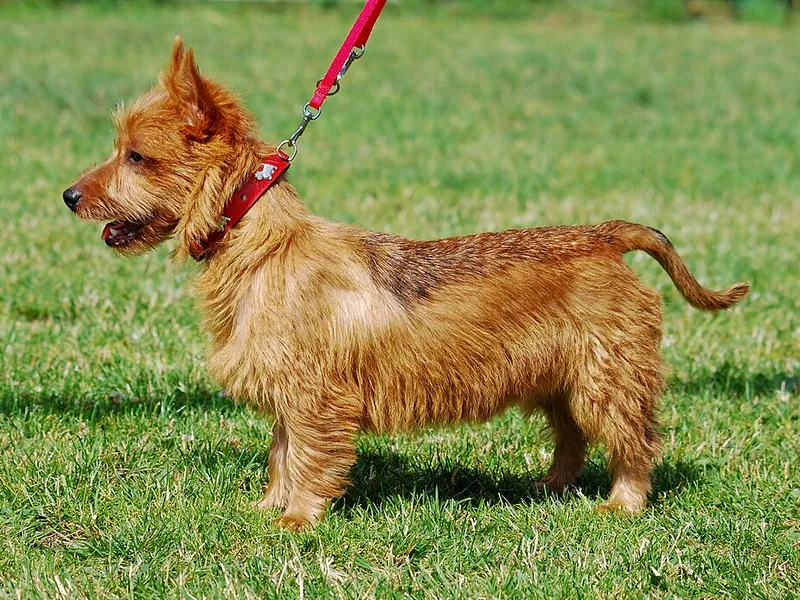
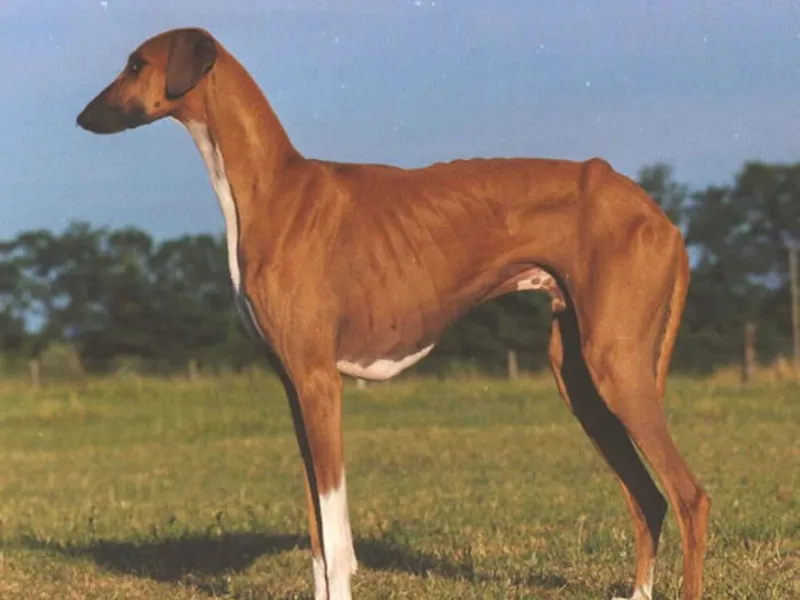
Rare dog breeds are breeds that few people in the US or UK have ever met, either because they have small populations or because they remain mostly in their home countries. This page introduces the rarest dog breeds on our site and helps you understand the extra research and patience that owning one requires.
Top 10 Rare Dog Breeds
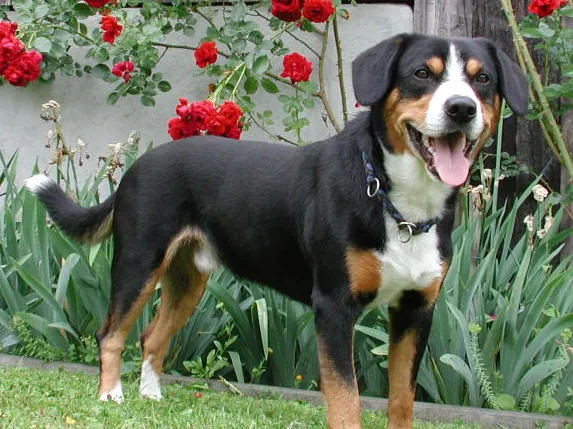
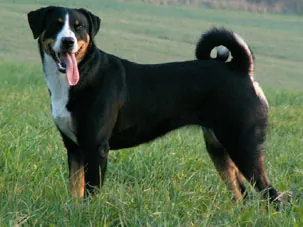
The smallest of the four Swiss mountain dogs, the Entlebucher is an agile, tricolor cattle herder with boundless energy.
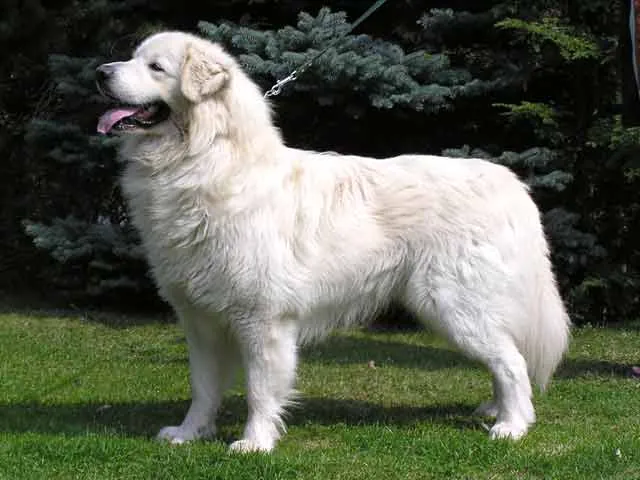
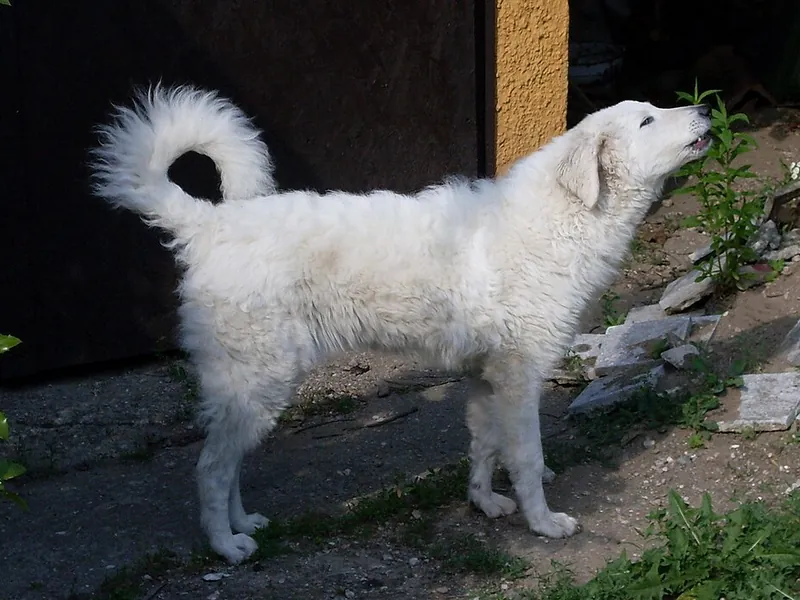
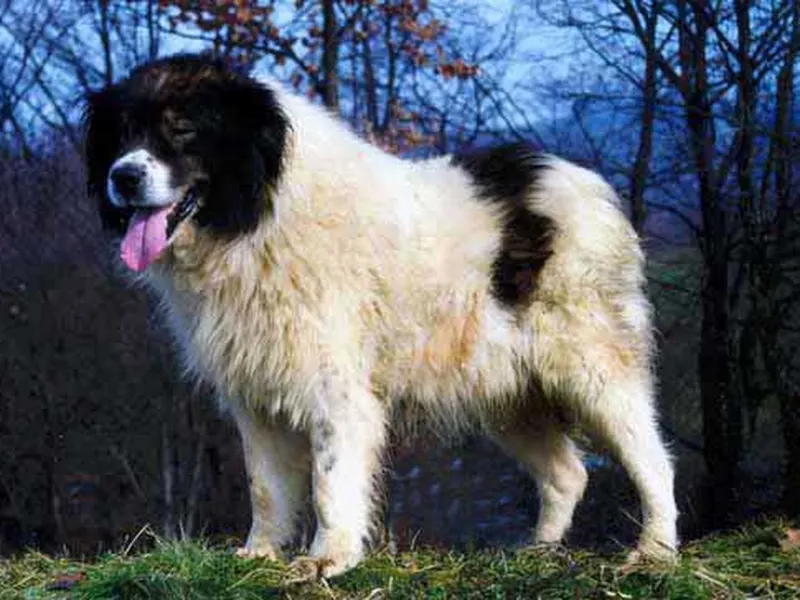
A white Slovak flock guardian with a thick coat, alert and loyal, seldom seen outside Central Europe.
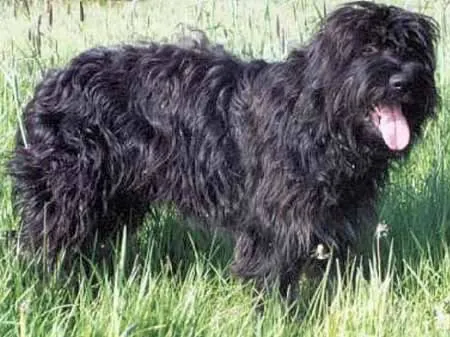
A shaggy Portuguese herding dog, nicknamed the monkey dog for its expressive face and lively, clever character.
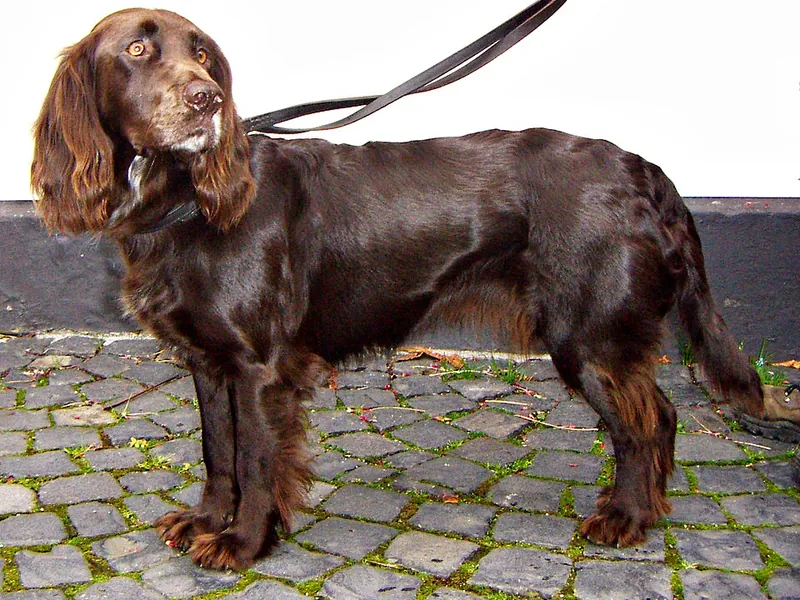
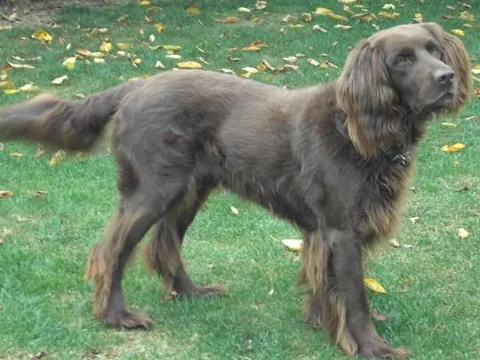
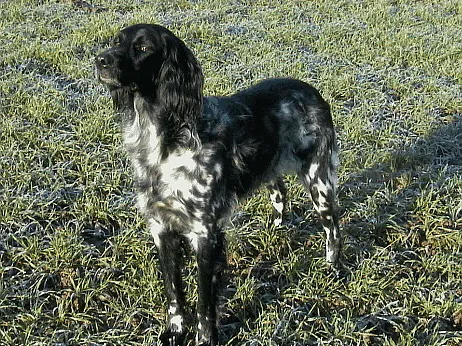
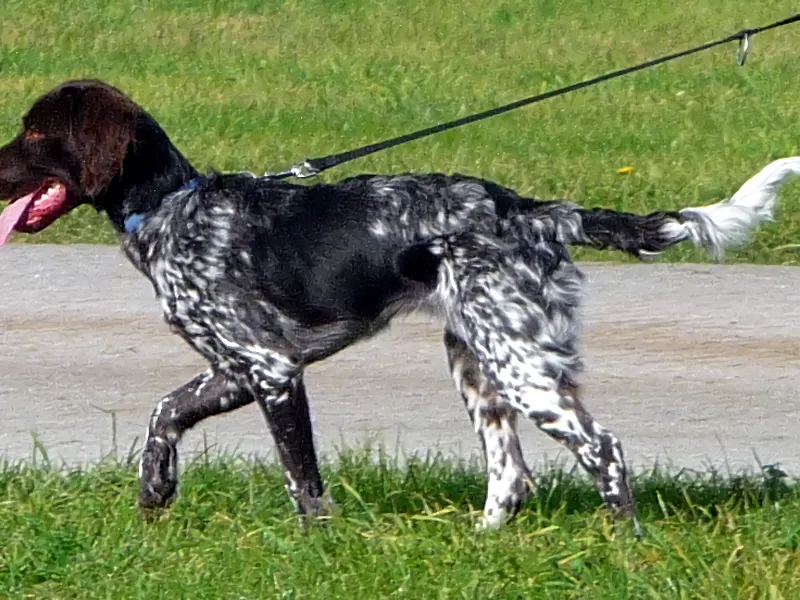
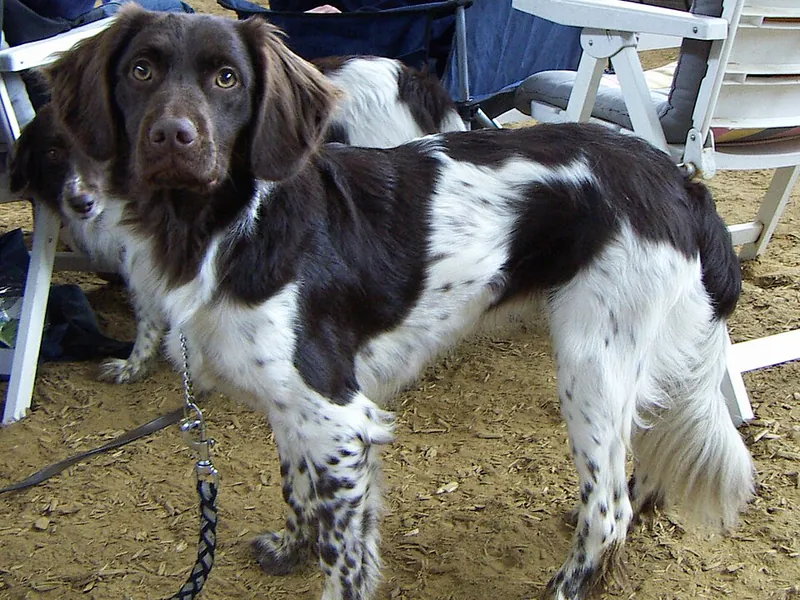
A German flushing and tracking spaniel kept mainly by hunters, prized for its nose and work ethic.
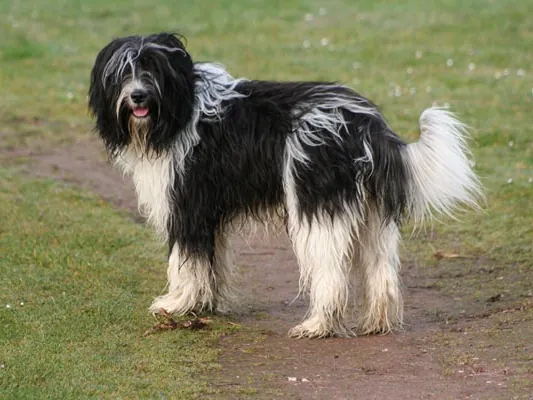
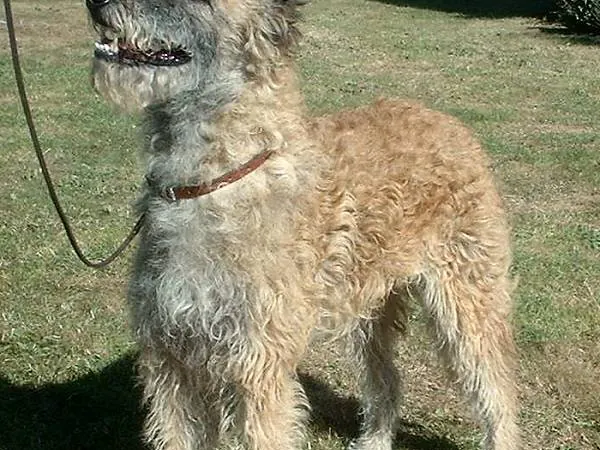
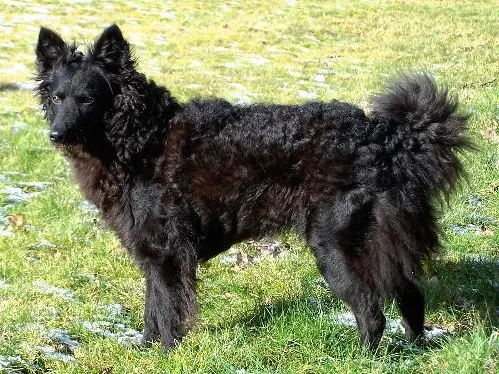
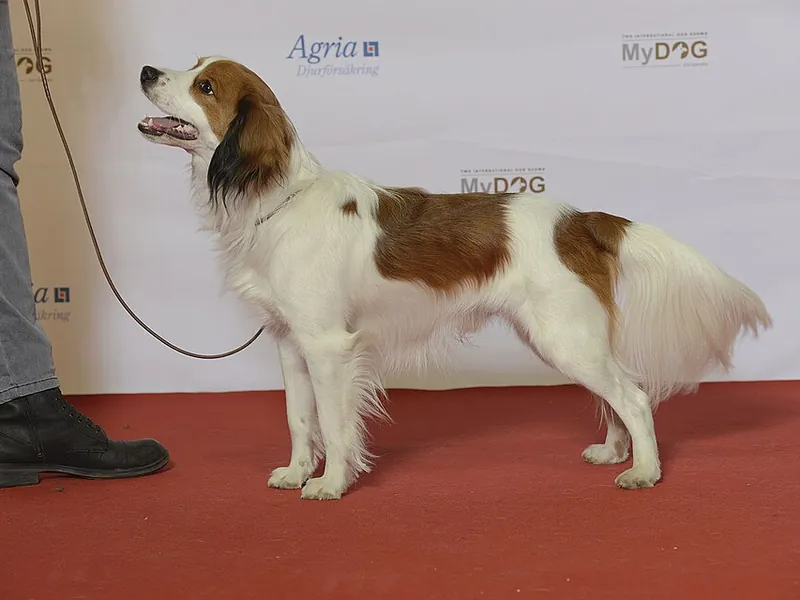
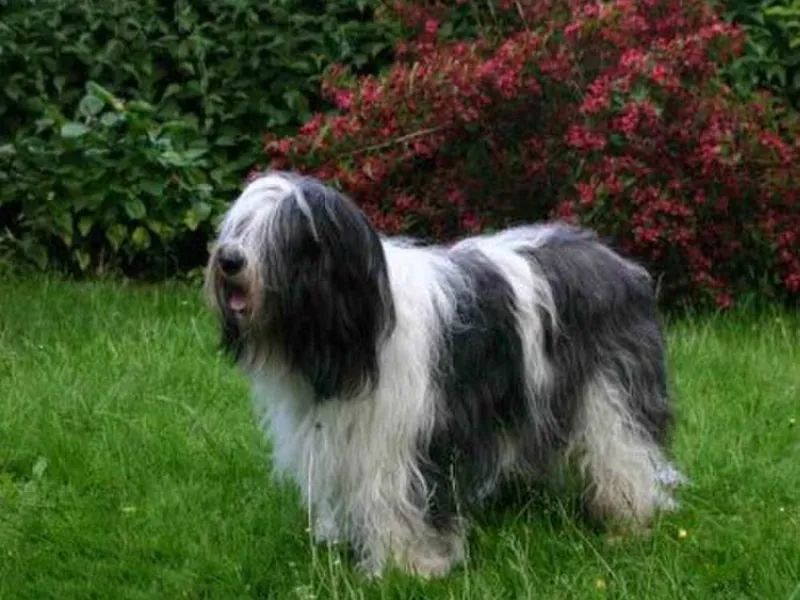
A cheerful, shaggy Dutch sheepdog with a bouncy gait, once nearly lost and still uncommon today.
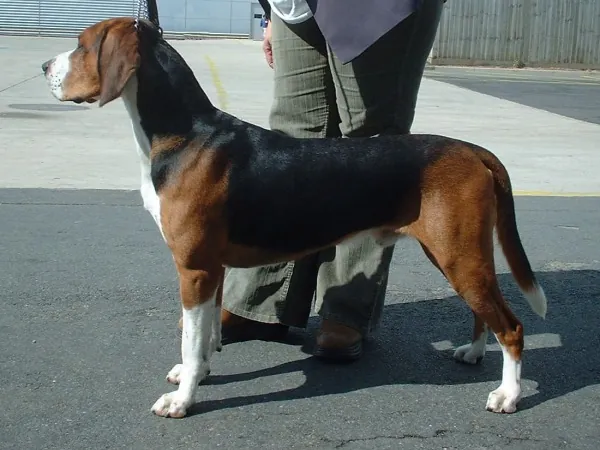
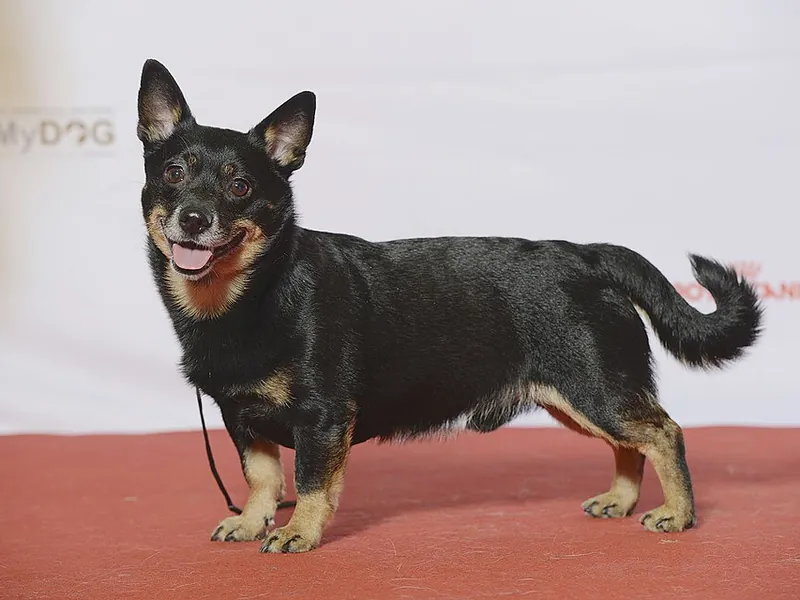
A handsome tricolor Swedish foxhound named after its founder, rarely seen outside Scandinavia.
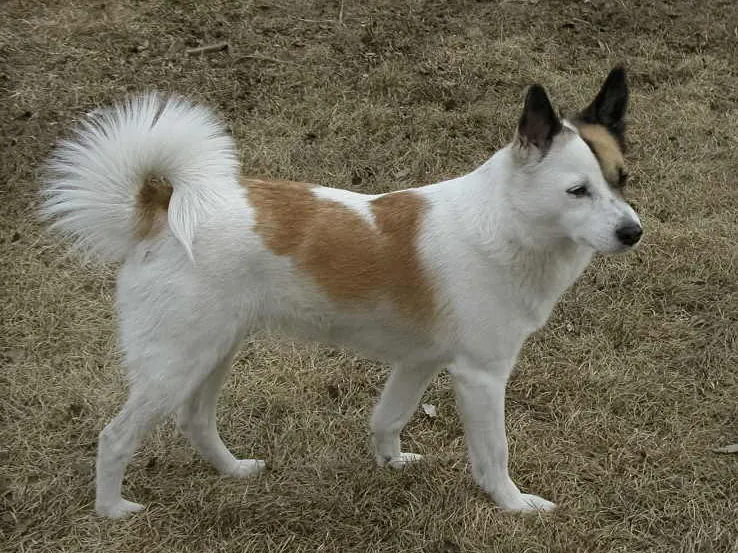
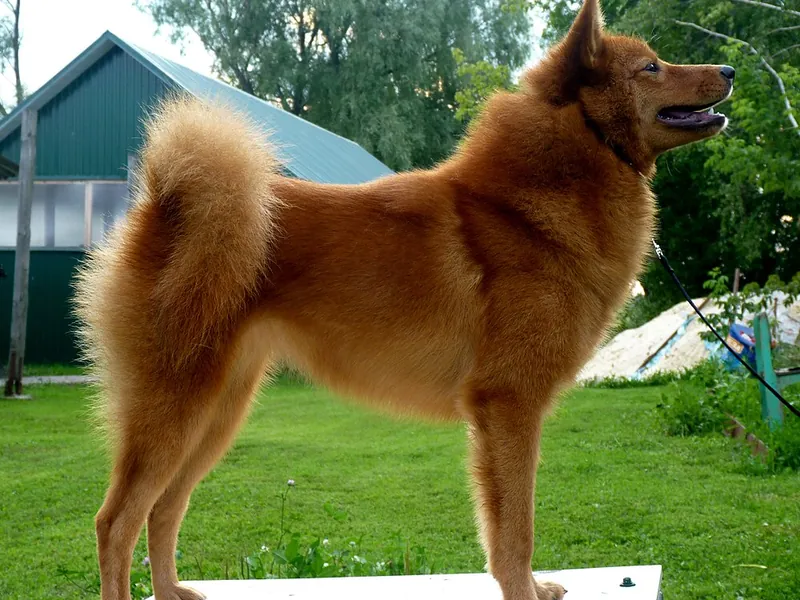
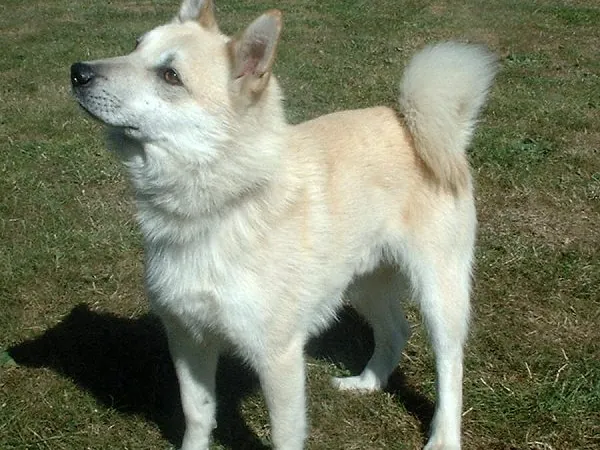
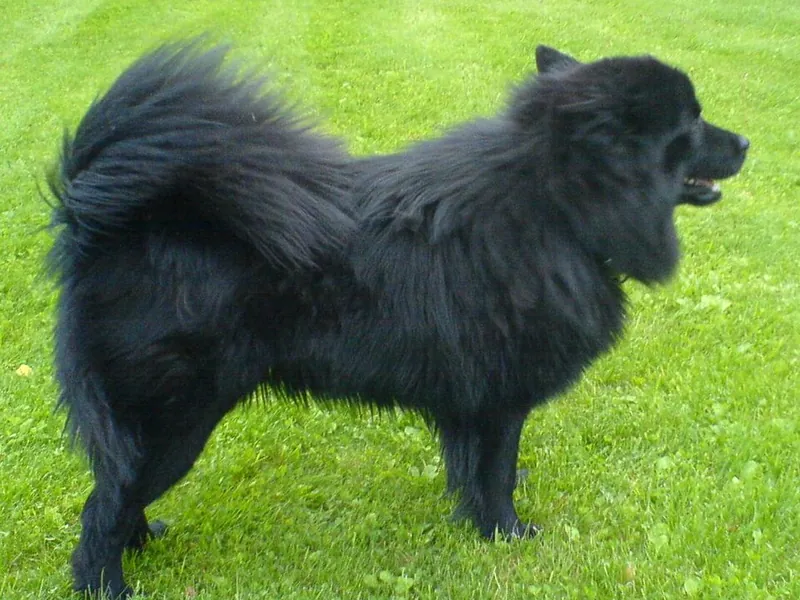
A small, agile Nordic hunting spitz that came close to disappearing before enthusiasts revived it.
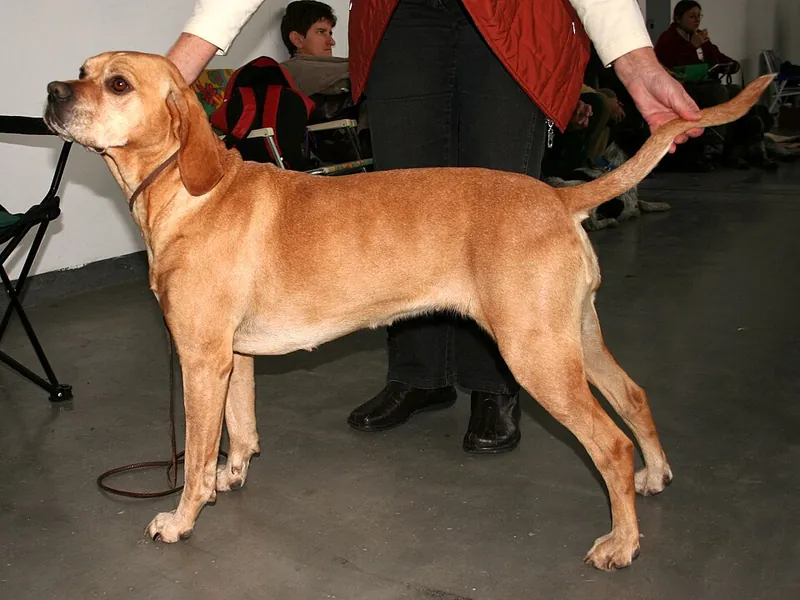
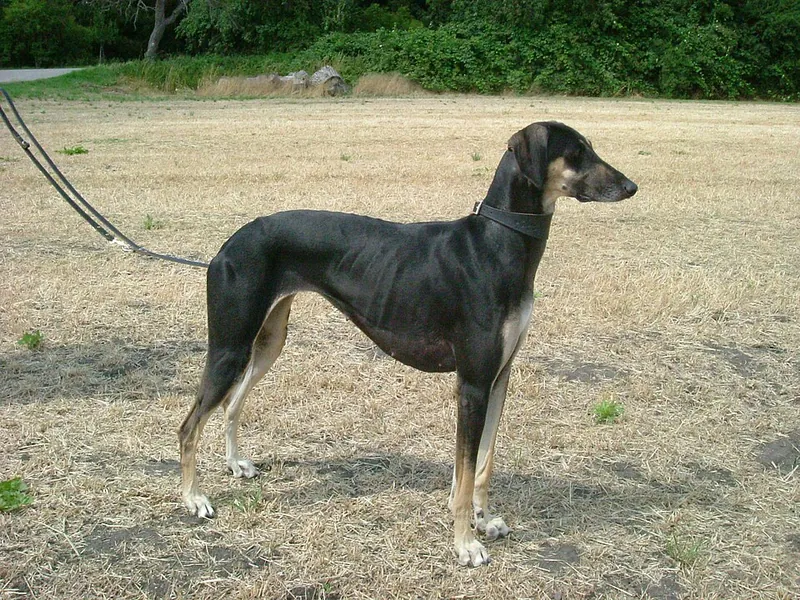
An old Portuguese pointing breed with a friendly, affectionate nature and a short, yellow-toned coat.
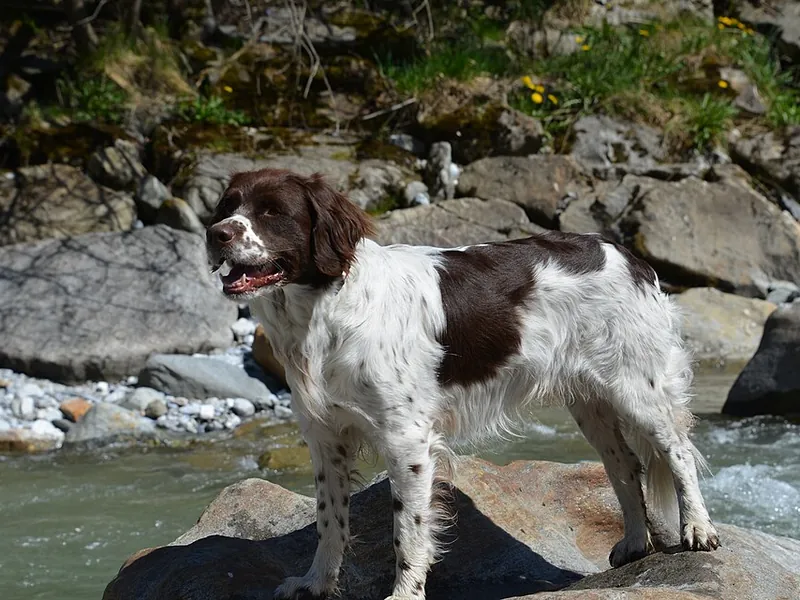
A versatile Dutch partridge dog from the Drenthe region, gentle at home and keen in the field.
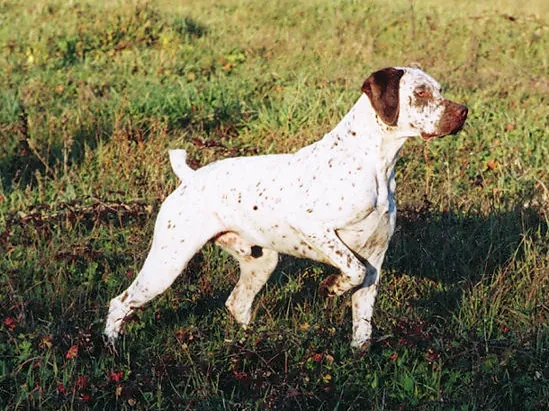
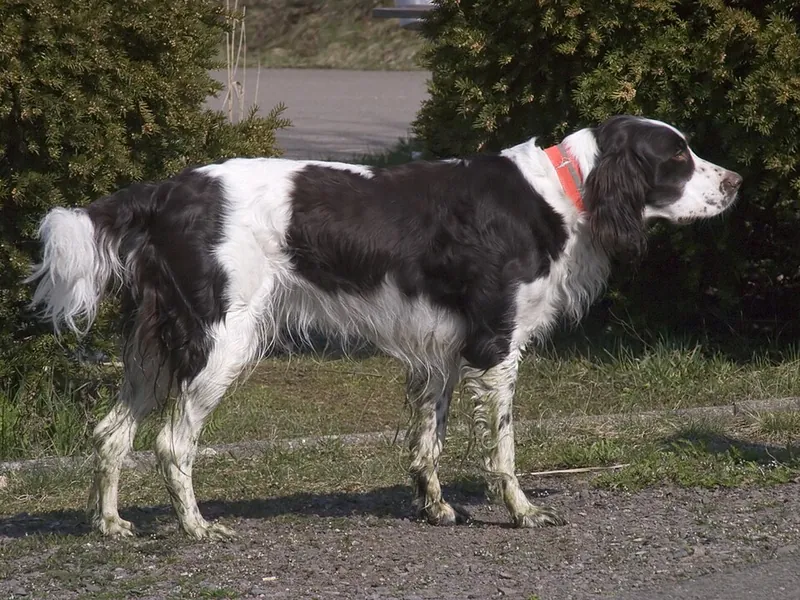
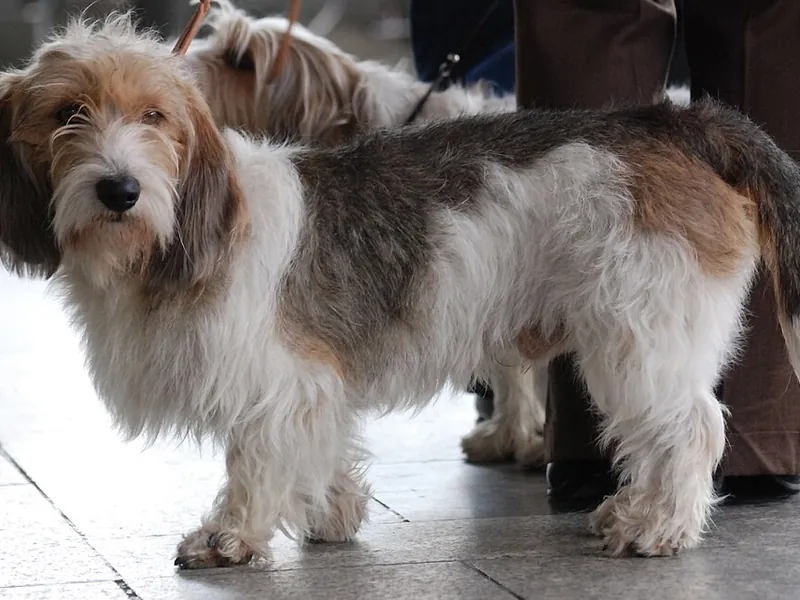
A French pointer with a distinctive ticked coat, revived by dedicated breeders after nearly vanishing.
All Rare Dog Breeds A to Z
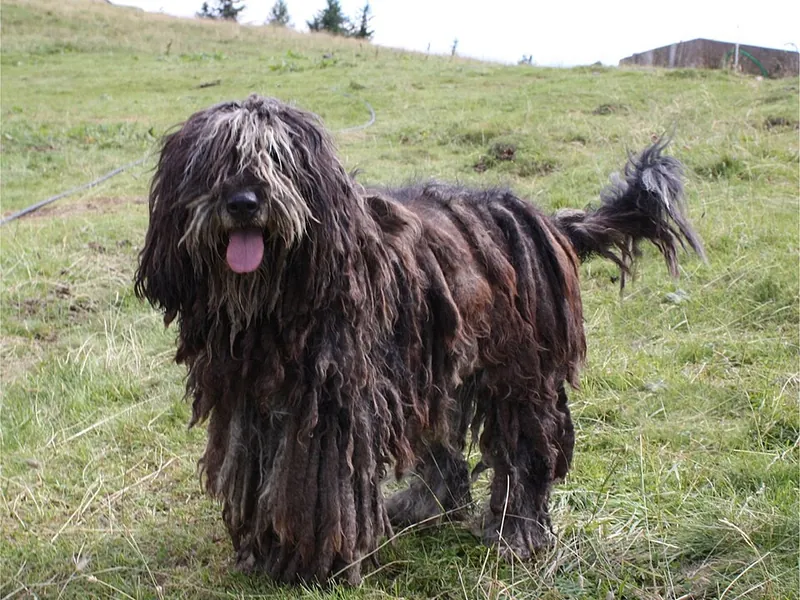
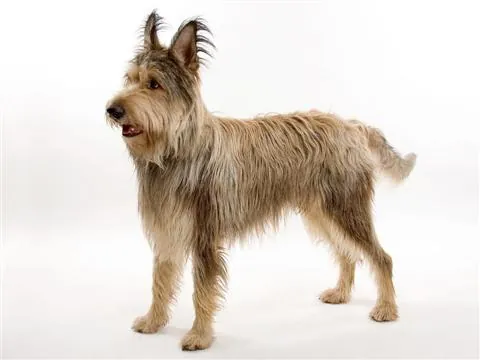
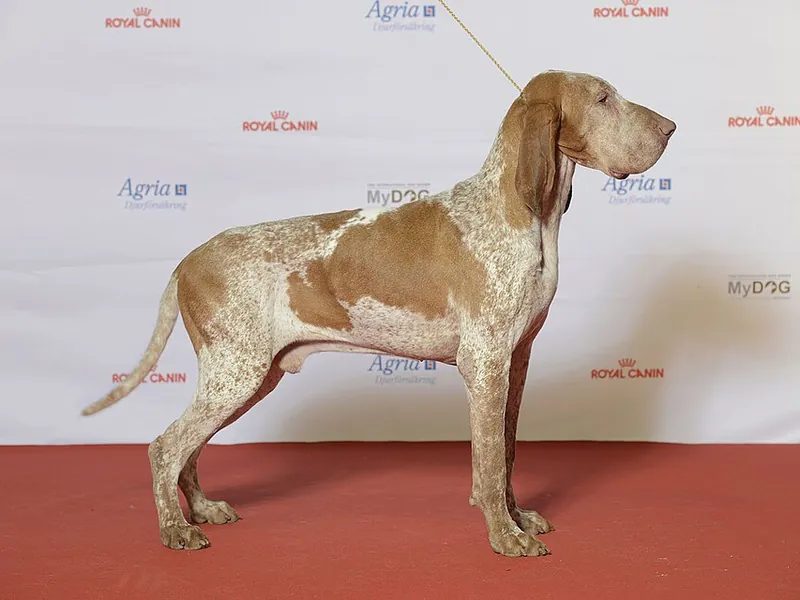
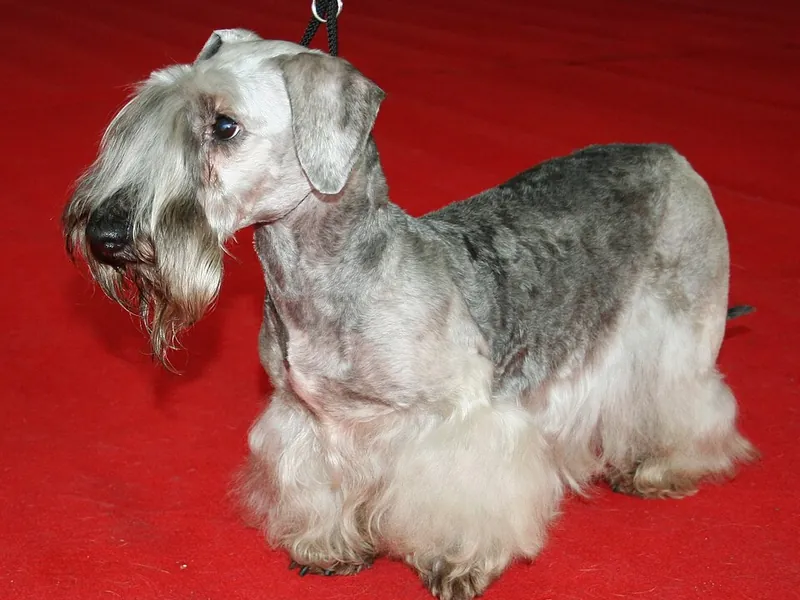
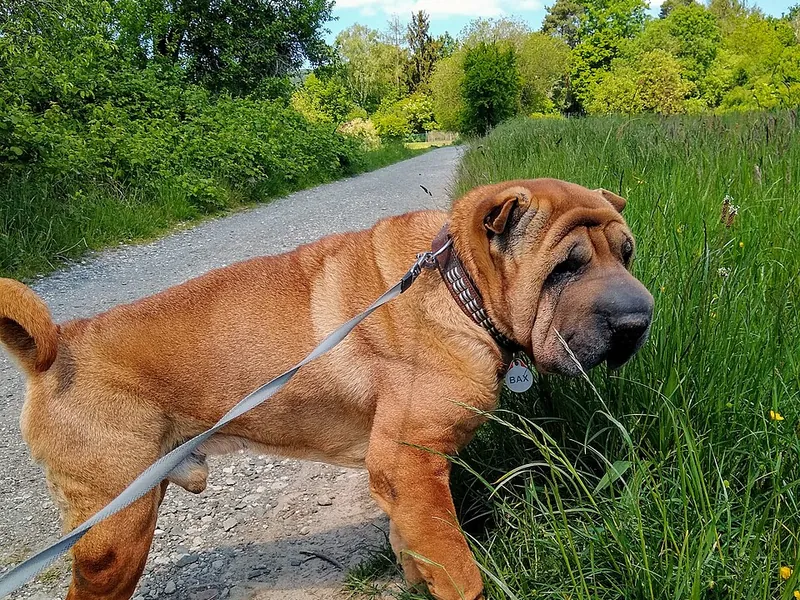
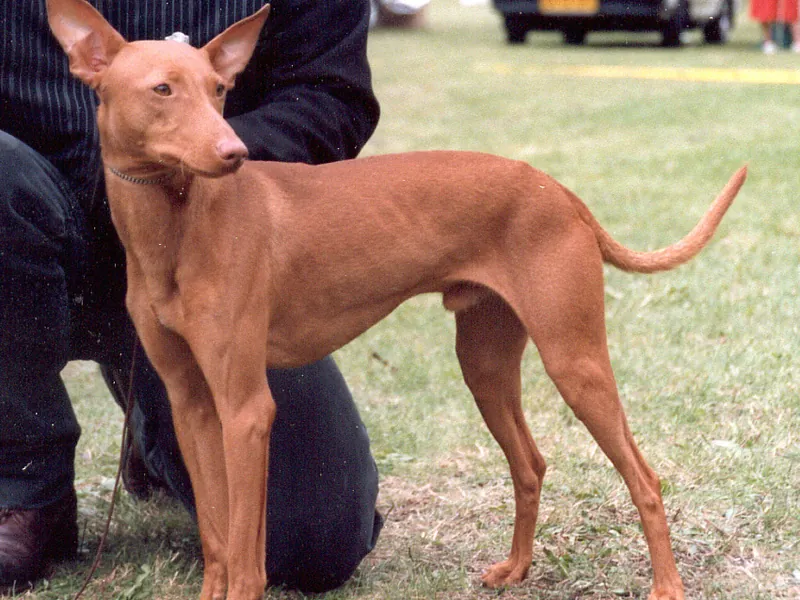
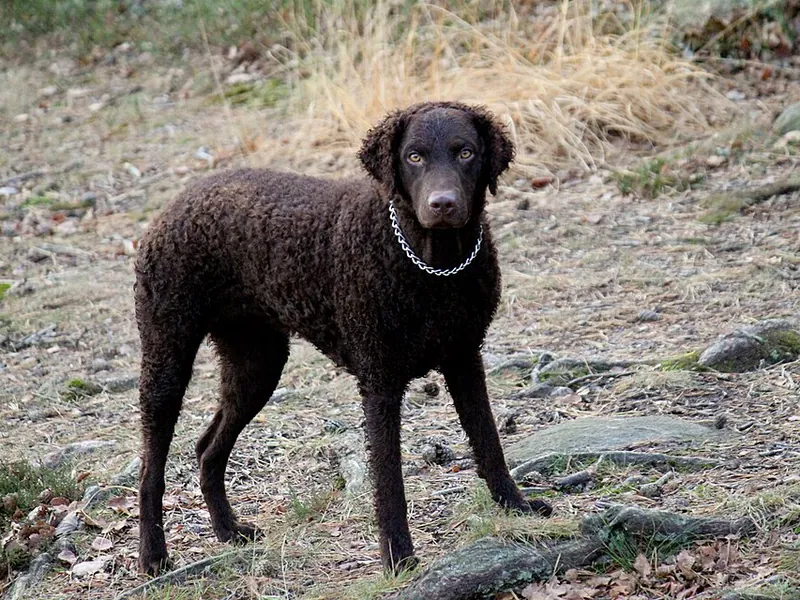
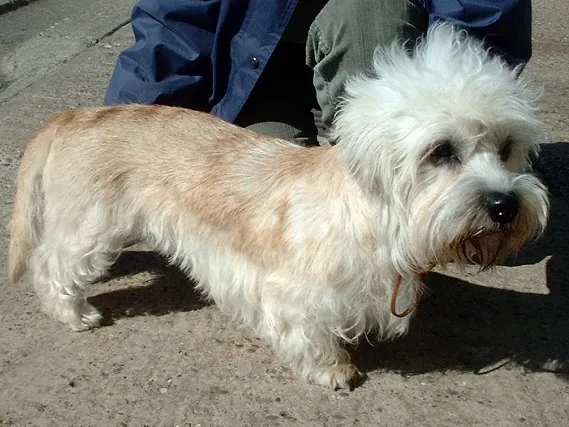
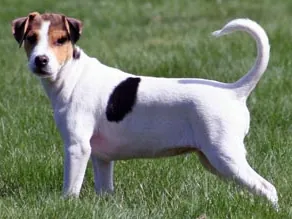
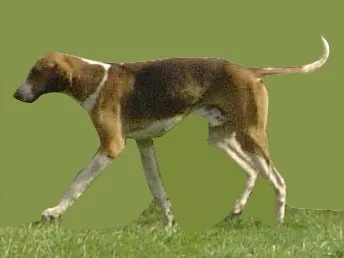
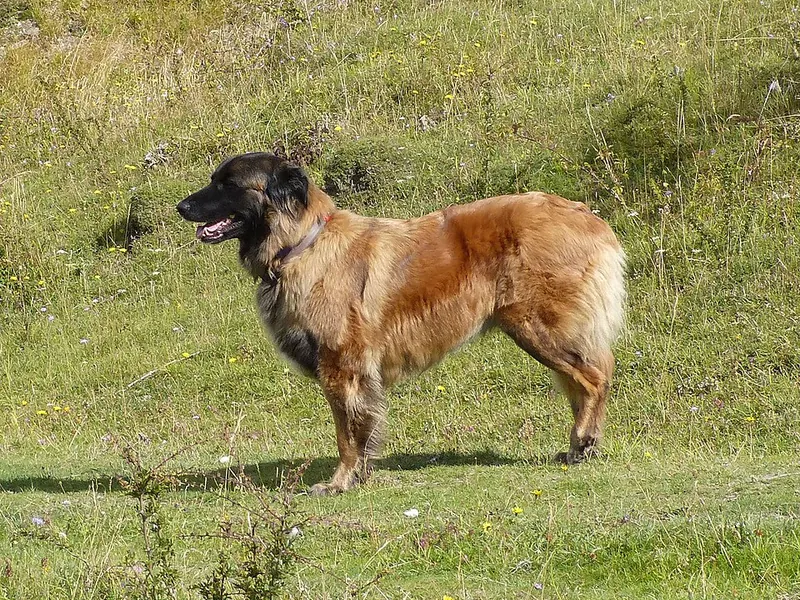
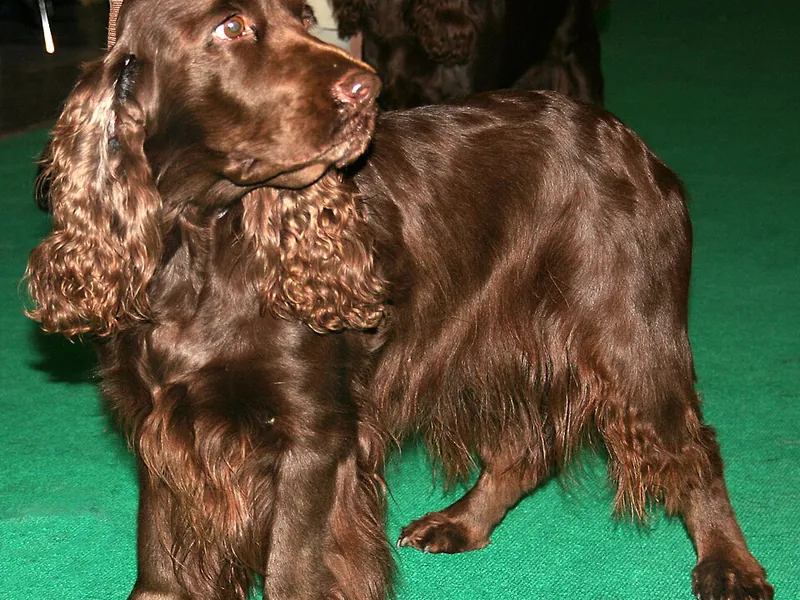
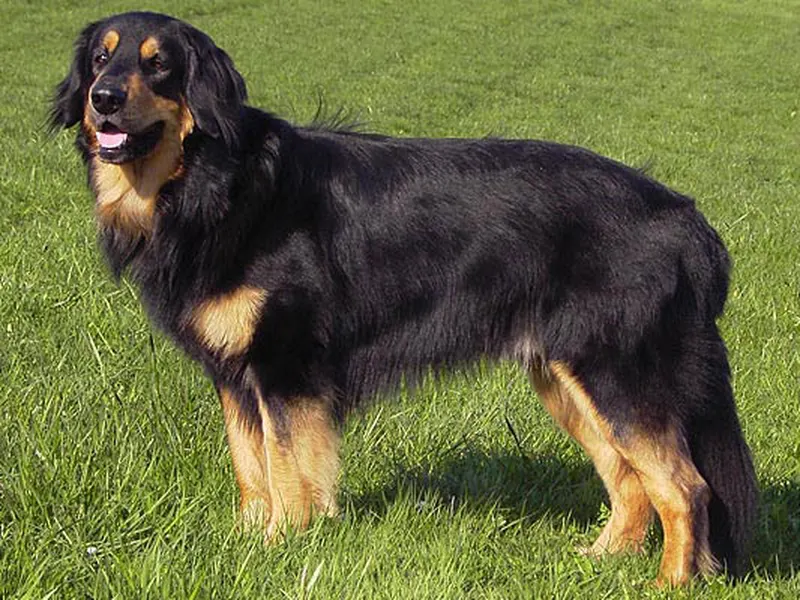
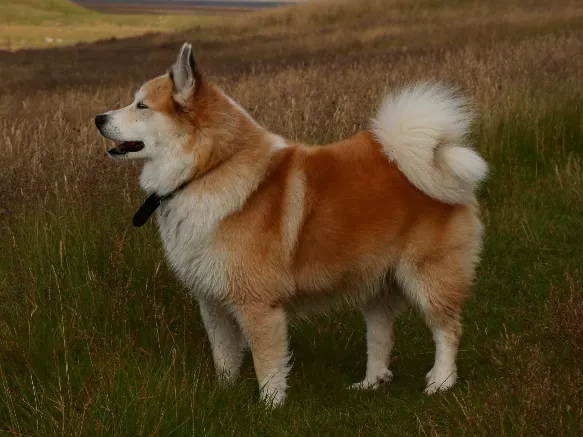
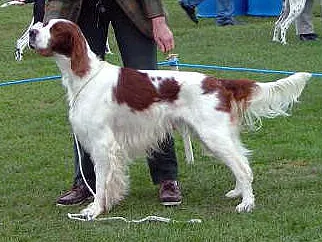
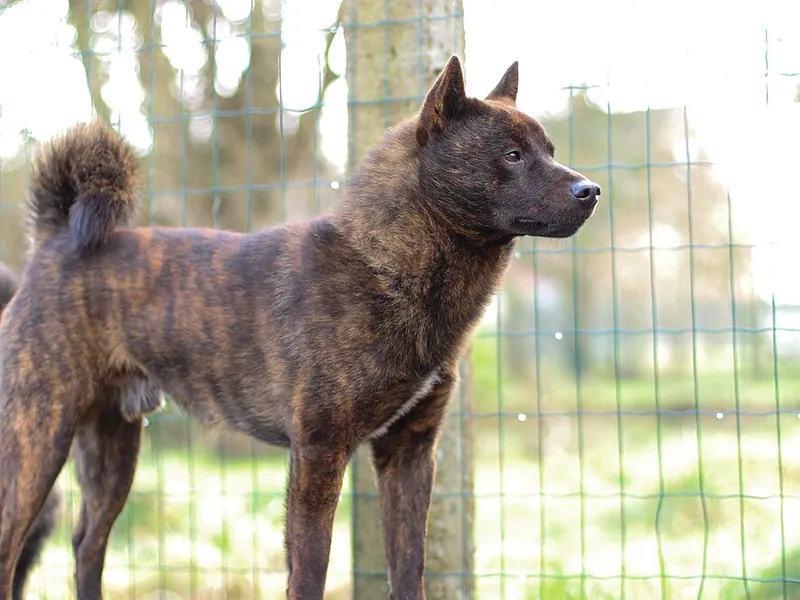
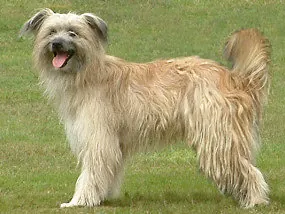
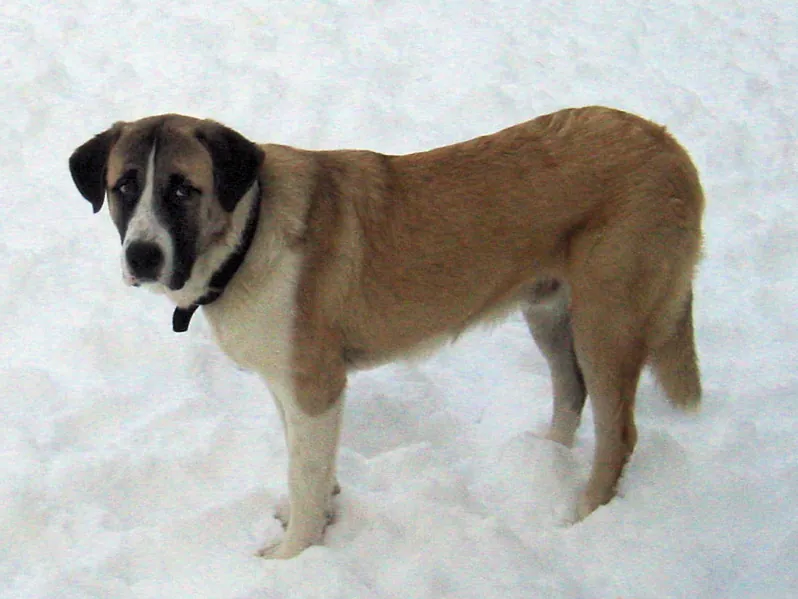
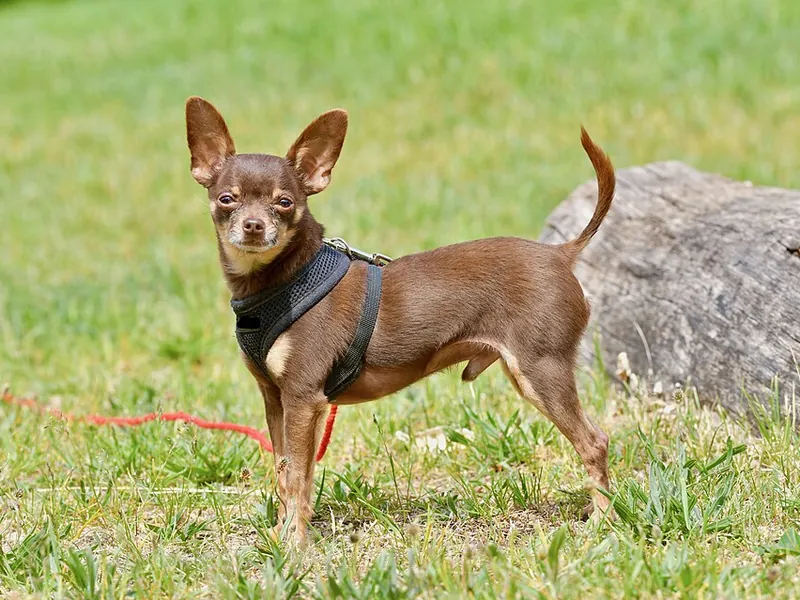
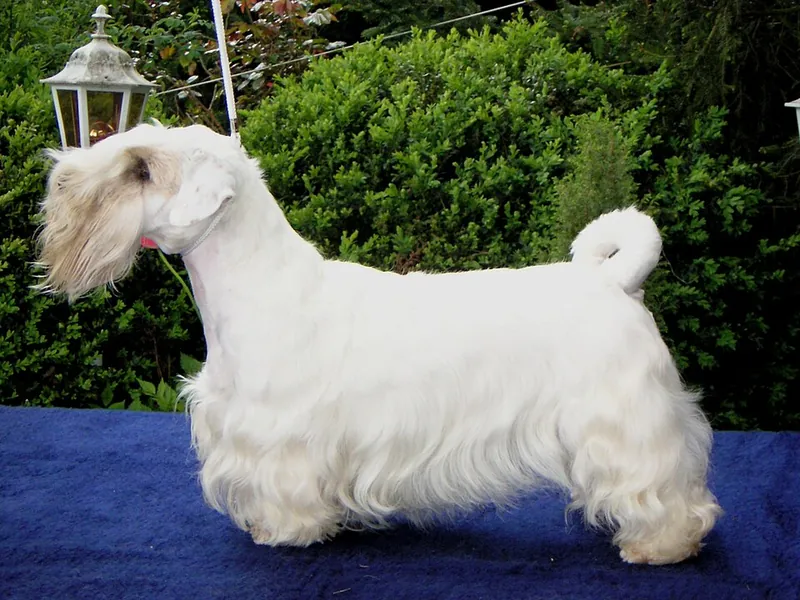
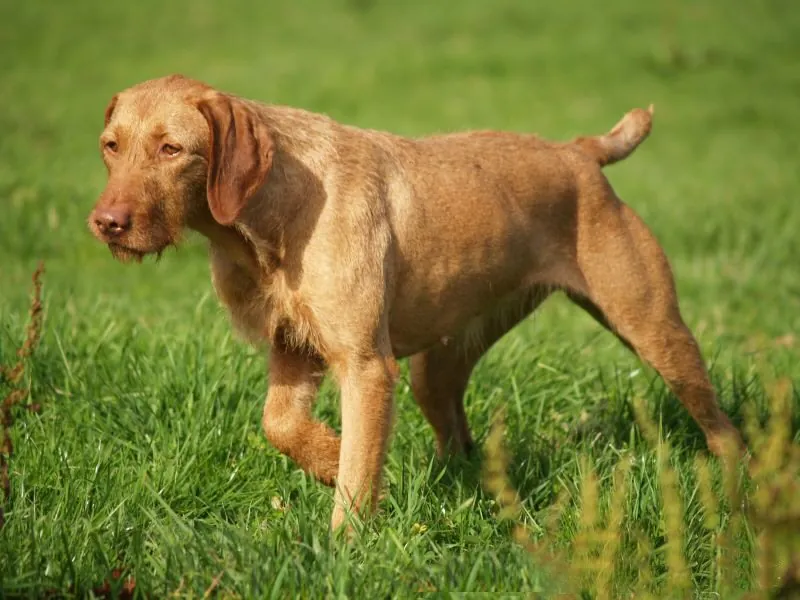
What makes a dog breed rare
Rarity is relative. A breed can be common in its home country and almost unknown elsewhere: the Kai Ken in Japan, the Tornjak in the Balkans or the Rafeiro do Alentejo in Portugal. Other breeds are rare worldwide because they nearly died out and were rebuilt from a small number of dogs, as happened with several European pointing and herding breeds.
On this page, rare means the breed has a small population and few registered breeders in the US and UK. Many are recognized by the FCI, the international federation of kennel clubs, but are newer or still pending with the American Kennel Club.
Why breeds become rare
- Lost jobs: many breeds were developed for specific farm, hunting or herding tasks that have largely disappeared.
- Wars and hard times: world wars and economic crises reduced many European breeds to a handful of dogs.
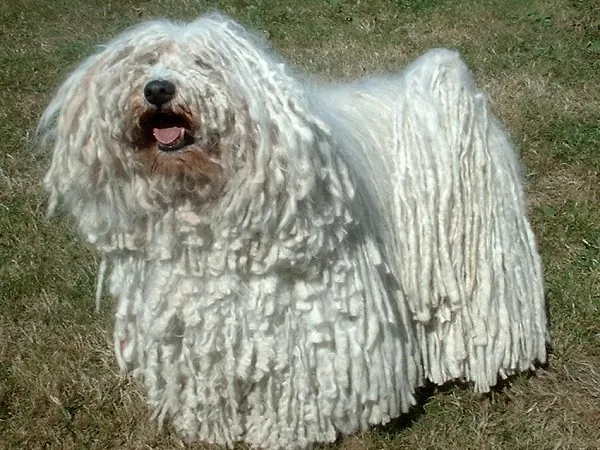
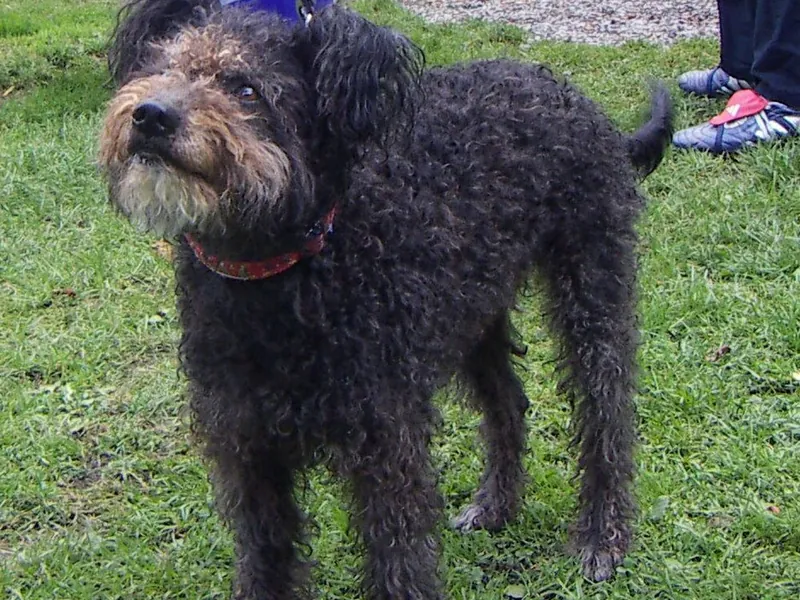
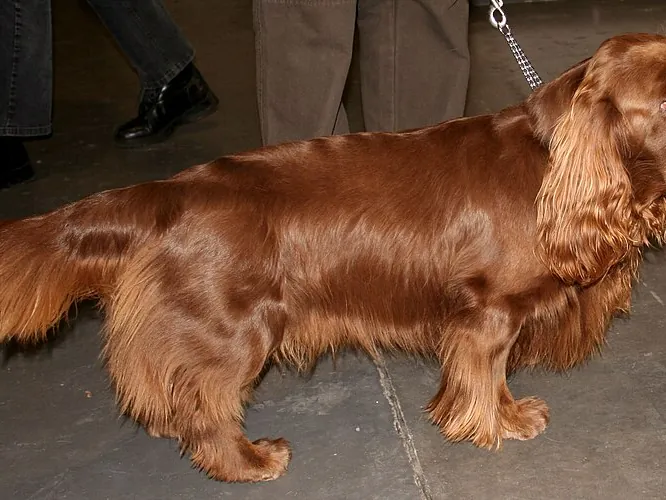
- Local focus: some breeds were simply never exported in large numbers, like the Stabyhoun from Friesland or the Pumi from Hungary.
Pros and cons of a rare breed
A rare breed can be a wonderful choice: these dogs are often still close to their working roots, and owners tend to form close-knit, helpful communities. But there are real trade-offs. Waiting lists can be long, you may need to travel or import a puppy, and there is less general information about temperament and health. Small gene pools can also increase the risk of inherited conditions, so careful breeders use health testing and track genetic diversity.
How to find a responsible breeder
Start with the national breed club in your country or the breed's home country. Expect a good breeder to ask you many questions, show health test results for both parents, and explain how they manage genetic diversity. Be wary of anyone selling a rare breed in large numbers, offering puppies without paperwork, or charging extra for unusual colors.
Also check the registration status. If a breed is not fully recognized in your country, find out how that affects shows, sports and future breeding, and whether puppies are registered with the FCI club of the breed's home country instead.
Matching a rare breed to your life
Many rare breeds are working dogs with real needs. Hunting breeds such as the Small Munsterlander, German Longhaired Pointer and French Spaniel need regular outdoor activity. Herding breeds like the Pumi, Pyrenean Shepherd and Polish Lowland Sheepdog are smart and vocal. Flock guardians such as the Slovensky Cuvac, Estrela Mountain Dog and Kuvasz are independent and protective. Compact companions like the Cesky Terrier or Russian Toy may fit smaller homes more easily.
Frequently Asked Questions
What is the rarest dog breed?
There is no single agreed answer, because rarity varies by country. Breeds like the Norrbottenspets, Stabyhoun and Kai Ken are rarely seen outside their home regions.
Are rare dog breeds healthier?
Not automatically. Some benefit from working-focused breeding, but small populations can increase inherited health risks without careful breeding.
Are rare dog breeds more expensive?
Often, because of limited supply, waiting lists and import costs. Prices vary widely by country and breeder.
Can I find a rare breed in a shelter?
It happens occasionally, and many breed clubs run rescue programs. Contacting the national breed club is a good first step.
Is a rare breed good for a first-time owner?
Some are, but many rare breeds are working dogs with specific needs. Research the breed thoroughly and talk to experienced owners first.
Not sure which breed fits you?
Answer 8 quick questions and get breeds ranked for your home, schedule and experience.