Norwegian BuhundNorway's alert, all-purpose farm spitz
The Norwegian Buhund is a medium-sized spitz that herded livestock and guarded farms in Norway for centuries. It is energetic, friendly, very alert and famously vocal. It suits active owners who enjoy training and do not mind a talkative dog.
Why people love the Norwegian Buhund
- Cheerful, affectionate and people-oriented
- Easy-care coat that resists dirt
- Generally healthy breed with few exaggerations
- Agile partner for herding and dog sports
- Usually friendly with visitors once announced
Things to consider
- High-pitched, persistent barking
- Gets bored with repetitive training
- Needs daily exercise and mental work
- Some are skilled escape artists
- Rare in the US, so puppies are hard to find
Is this breed right for you?
10 questions · live resultHistory and Origin
The name comes from the Norwegian word bu, meaning homestead or mountain hut. Buhund-type dogs worked on farms in Norway, herding sheep and cattle and guarding homesteads. Dogs of similar type are associated with Viking-age burials.
Organized breeding began in the 1920s, when the first breed shows were held in the Jæren region. The breed reached the UK and later the US, and the AKC recognized it in the Herding Group in 2009. It comes in wheaten and black.
The Buhund is related to other Nordic spitz breeds such as the Icelandic Sheepdog and the Norwegian Elkhound, but it was primarily a farm dog rather than a hunter. It guarded livestock, herded sheep in the mountains and alerted farmers to visitors.
Size, Coat and Two Colors
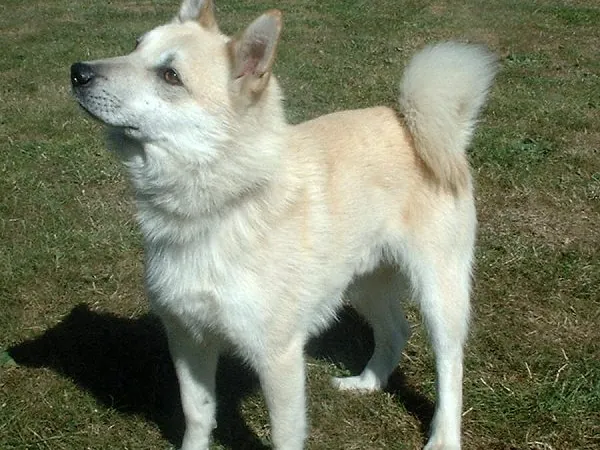
The Norwegian Buhund is a medium, square-built spitz with a wedge-shaped head, sharply pointed erect ears and a tail curled tightly over the back. It stands 16 to 19 inches tall and weighs about 26 to 40 lb. Males are usually 17 to 18.5 inches and females 16 to 17.5 inches, and males are heavier with a more pronounced ruff.
The double coat has a harsh, smooth outer layer and a soft, dense undercoat. It is longer on the neck, chest and back of the thighs, but the overall look is neat rather than fluffy. The coat sheds dirt easily and has little odor.
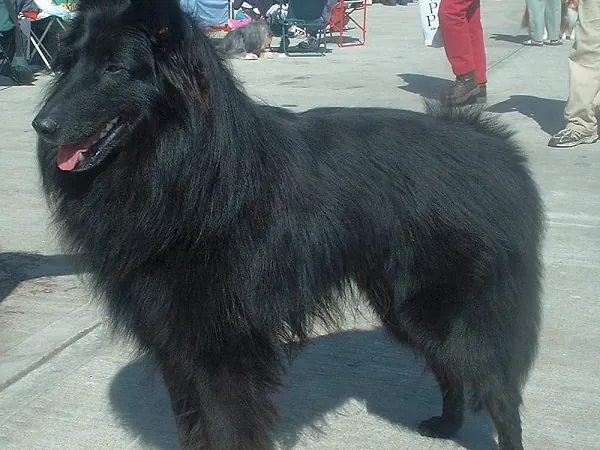
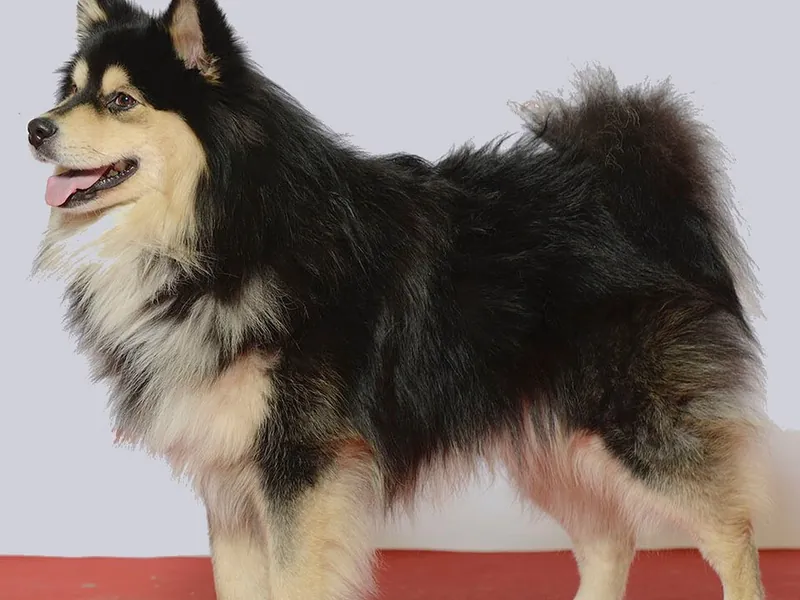
Two colors are recognized. Wheaten ranges from pale cream to bright orange, and some dogs have darker tips on the outer coat or a black mask. Black should be as solid as possible, with limited white. In both colors, small white markings on the chest, feet, neck and tail tip are acceptable. Eyes are dark, and the ears are highly mobile and expressive.
Temperament and Personality
Buhunds are cheerful, affectionate and lively. They are usually friendly with people and bond strongly with their family. Their alertness makes them good watchdogs.
They bark a lot, at sounds, movement and visitors. They are intelligent and can be independent, testing boundaries if training is inconsistent.
Buhunds are generally good with children when raised with them and are often sociable with other dogs. Their herding instinct may show in chasing or nipping, which should be redirected early.
They are sensitive and do not respond well to harsh handling. A Buhund that gets enough exercise and attention is usually a cheerful, cooperative companion.
Buhunds are typically friendly with visitors once they have announced them, and they are rarely aggressive. Their bark, however, is high-pitched and persistent, so early training is important.
Is the Norwegian Buhund Good for First-Time Owners?
The Norwegian Buhund can suit first-time owners who are active and ready for barking. It is friendly, eager to please and responds well to positive, varied training.
Beginners usually find the energy level and the voice the hardest parts. Buhunds need an hour or more of exercise and mental work every day, and they can bark persistently if bored. Start a puppy class early, practice a quiet cue and include activities like trick training or agility. If your lifestyle is active and you enjoy training, a Buhund is a rewarding first dog.
Can a Norwegian Buhund Live in an Apartment?
A Norwegian Buhund can live in an apartment, but it is not ideal. The breed's size and coat are manageable, while its high-pitched, frequent barking often causes trouble with neighbors.
If you choose an apartment, invest heavily in exercise and training. Plan for long daily walks or runs, plus games that tire the mind, and teach a calm settle at home. Barking at hallway noises is common, so work on desensitization early. A home with a fenced yard and some distance from neighbors is usually easier for this lively farm dog.
Are Norwegian Buhunds Good With Cats?
Yes, many Norwegian Buhunds live well with cats, especially when raised with them. The breed was a farm herder and guardian, not a hunter, so prey drive is usually moderate.
Herding instincts can lead a Buhund to chase, circle or nip at a running cat. Redirect this behavior early, reward calm interest and give the cat high spaces to retreat. Supervise introductions and keep the first meetings short. Outdoor or unfamiliar cats may still trigger a chase, so keep your Buhund leashed or in a secure yard when cats are nearby.
Exercise and Training
An hour of daily exercise plus mental work keeps a Buhund content. Agility, herding, obedience and trick training suit the breed.
- Use positive, varied training; Buhunds get bored with repetition.
- Teach a quiet cue early.
- Avoid long hours alone.
- Hiking, jogging and herding are good outlets.
- Training goes well with rewards and short sessions.
- Socialize widely, especially with visitors, to keep alert barking manageable.
- Use a secure yard; some Buhunds are skilled escape artists.
Buhunds handle cold weather well and enjoy winter hikes, but provide shade and water on hot days, as the double coat holds heat.
Grooming and Shedding
The harsh, smooth outer coat and soft undercoat need weekly brushing. Shedding is moderate, heavier seasonally. The coat resists dirt well.
The coat is fairly clean and odor-free. During seasonal sheds, daily brushing and an undercoat rake help. Bathe only when needed, and trim nails regularly.
Feeding and Nutrition
Buhunds are active, efficient dogs that usually maintain a healthy weight with sensible portions. The double coat hides changes in body shape, so check ribs and waist by hand every few weeks.
- Feed puppies three or four meals a day until about six months, then two meals.
- Adjust portions to activity level and season: herding and hiking dogs need more energy in active months.
- Lean condition supports the hips, since hip dysplasia is screened for in the breed.
- Buhunds respond well to food rewards, so count training treats as part of the daily ration.
Food puzzles and scatter feeding provide mental work and can reduce boredom barking. Provide fresh water at all times, especially in warm weather, when the double coat makes cooling harder.
Buhunds are farm dogs with efficient metabolisms, so watch for creeping weight gain in less active seasons and reduce portions rather than cutting exercise.
| Adult weight | Less active | Typical adult | Very active |
|---|---|---|---|
| 26 lb | 620 kcal | 710 kcal | 890 kcal |
| 40 lb | 860 kcal | 980 kcal | 1,230 kcal |
Estimates use the resting energy formula veterinarians work with (70 × body weight in kg0.75) and standard activity factors. Use the feeding guide on your food as a starting point and adjust to body condition. Puppies, seniors, pregnant animals and pets that need to lose weight have different needs, so ask your vet.
Health and Lifespan
Buhunds typically live 12 to 15 years and are generally robust. The AKC recommends screening for hip dysplasia and eye disease, and our data also lists von Willebrand's disease.
Choose a breeder who shares hip scores, eye examination results and vWD test results for both parents. Keep the dog lean and active to support its joints.
The breed is free of exaggerated features, which contributes to its generally good health.
Norwegian Buhund Price and Cost of Ownership
Typical breeder price in the US$1,500 to $2,500
A Norwegian Buhund puppy from a reputable US breeder typically costs about $1,500 to $2,500. Prices vary by breeder, region and lines. The breed is rare in the US, with only a small number of litters each year, so waiting lists are common. Some puppies are imported from Norway or the UK. Ask for hip and eye results on both parents.
Rescue Buhunds are uncommon, but breed clubs may help rehome adults.
Breed-specific ongoing costs include:
- Training classes and dog sports to channel energy and barking.
- Secure fencing to prevent escapes.
- Insurance or savings for hip and eye conditions.
- Brushes and undercoat rakes for seasonal shedding.
Is the Norwegian Buhund Right for You?
The Buhund suits active families and dog sport enthusiasts. It is not ideal for noise-sensitive settings or owners away all day.
The Buhund suits active families, hikers and dog sport enthusiasts with a house and garden. It can adapt to smaller homes with enough exercise, but the barking may be a problem in close quarters.
Expect a bright, people-oriented dog that wants to be involved in daily life.
Norwegian Buhund Traits at a Glance
Norwegian Buhund FAQ
How big do Norwegian Buhunds get?
They stand about 16 to 19 inches and weigh roughly 26 to 40 pounds.
Do Norwegian Buhunds bark a lot?
Yes. They are vocal watchdogs.
Are Norwegian Buhunds good family dogs?
Yes, with active families.
How long do Norwegian Buhunds live?
About 12 to 15 years.
Do Norwegian Buhunds shed?
Yes. They shed moderately year-round and heavily during seasonal coat changes.
Are Norwegian Buhunds easy to train?
Moderately. They are intelligent and willing but can be independent and easily bored.