Herding Dog BreedsShepherds, collies, heelers and more
Herding dog breeds were developed to gather, drive and control livestock, so they combine stamina, intelligence and close teamwork with people. The group includes famous workers like the Border Collie, Australian Shepherd and German Shepherd as well as rare regional breeds. This guide explains herding styles and helps you decide whether a herder fits your life.
Top 10 Herding Dog Breeds
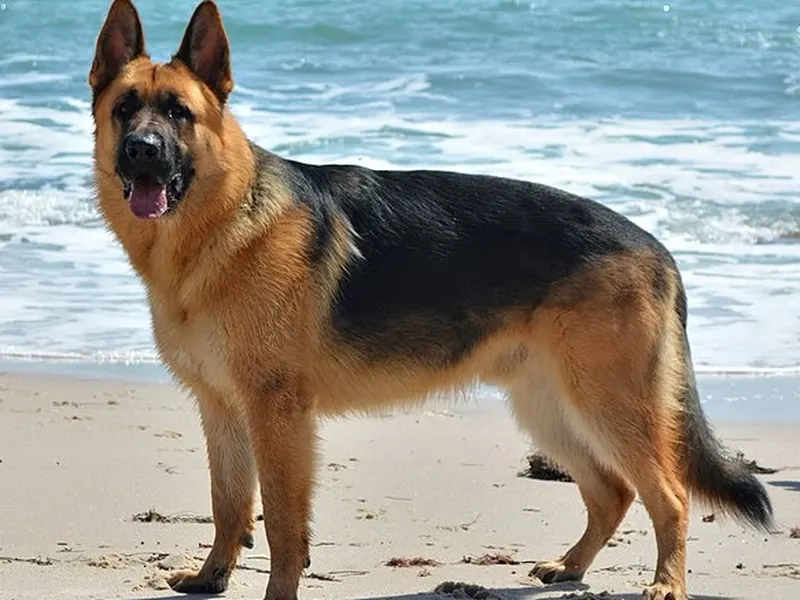
Bred as a tending dog for German flocks, it became one of the best-known working dogs in the world.
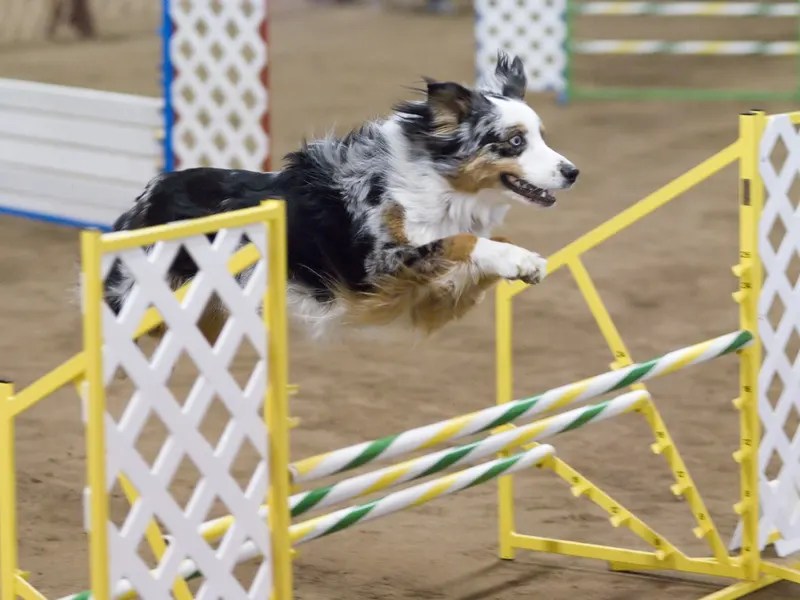
Developed on American ranches, the Aussie is a versatile stock dog that also excels at agility and obedience.
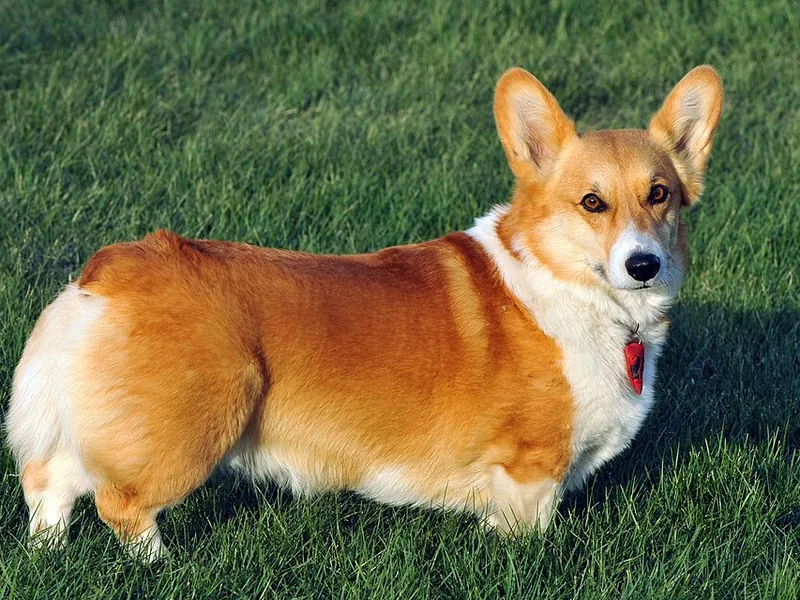
The Pembroke Welsh Corgi is a sturdy, foxy-faced herding dog from Wales with a big personality packed into a low-slung body.
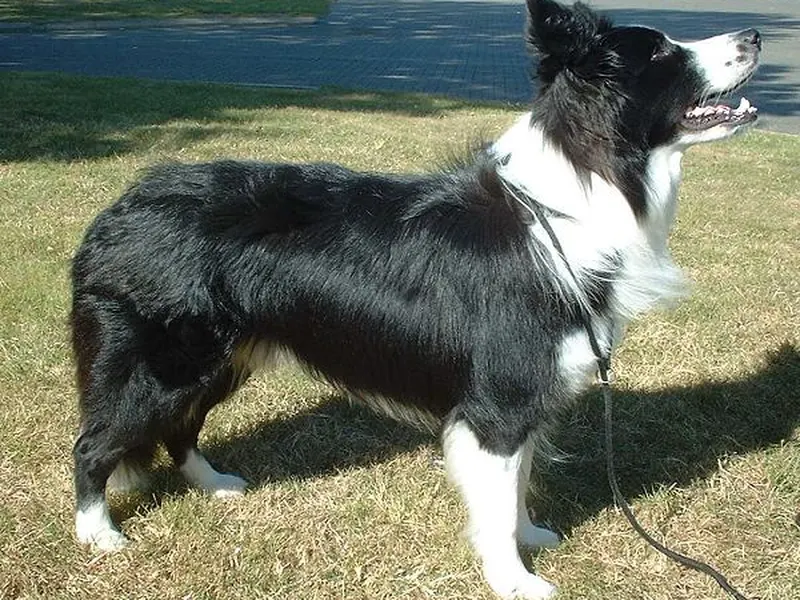
The benchmark sheepdog of the British hills, famous for its intense eye and extraordinary trainability.
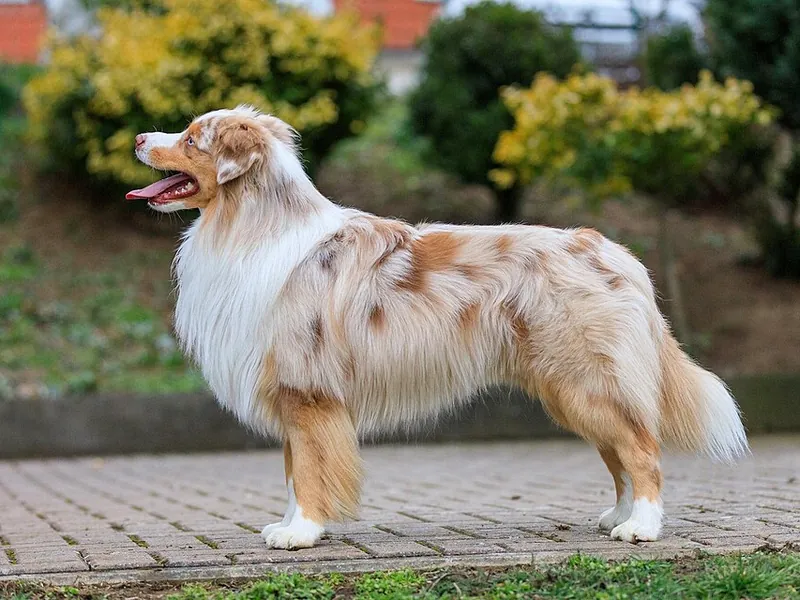
Aussie looks and herding instinct in a smaller frame, suited to active owners with less space.
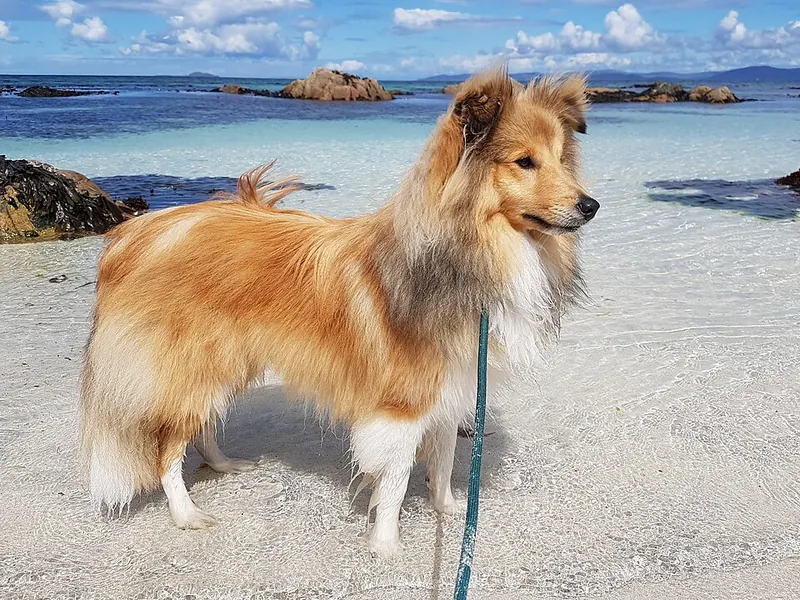
A small, sensitive herder from the Shetland Islands that shines in obedience and agility.
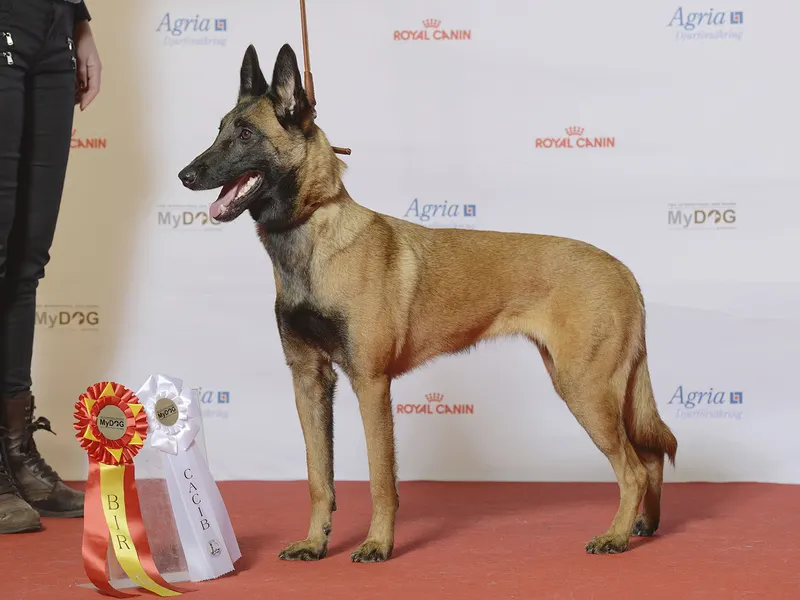
Originally a Belgian sheepdog, the Malinois now dominates police and protection work thanks to its intense drive.
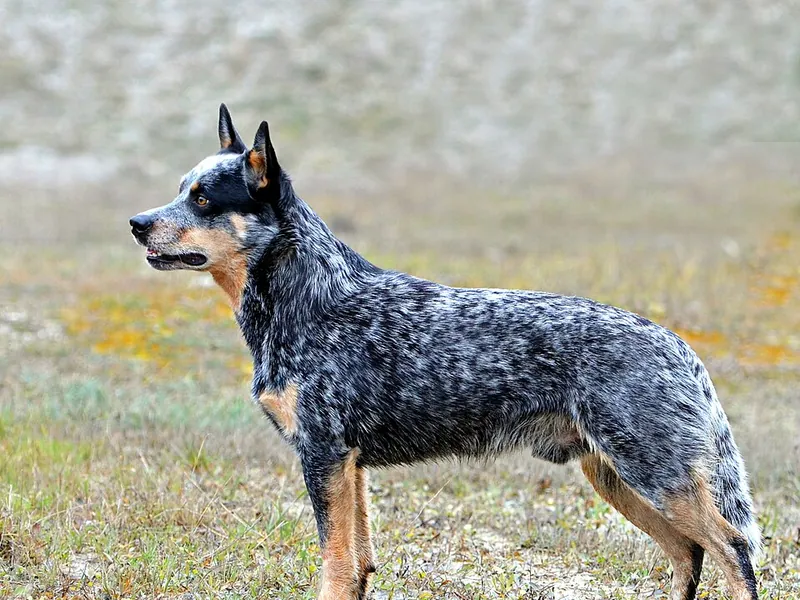
A tough heeler bred to move cattle over long distances across Australia's vast properties.
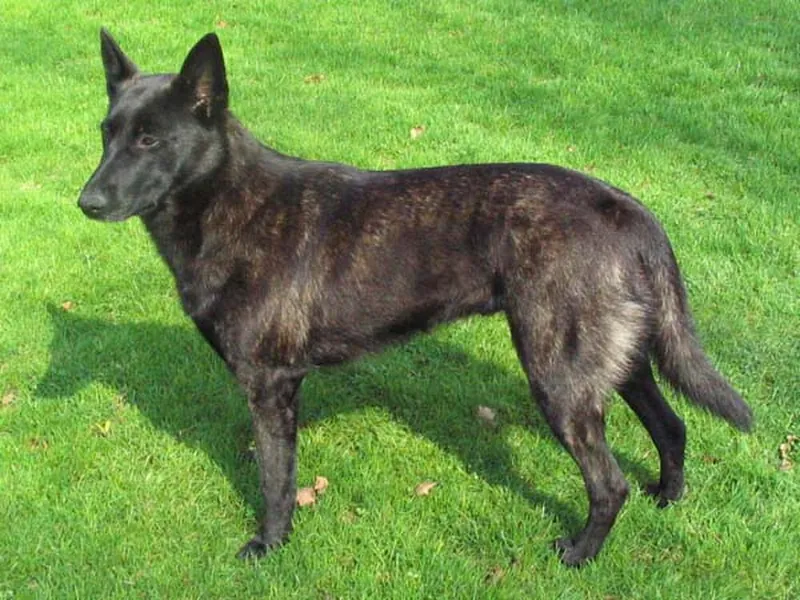
A versatile Dutch farm dog that herded sheep and guarded property, now valued in police and sport work.
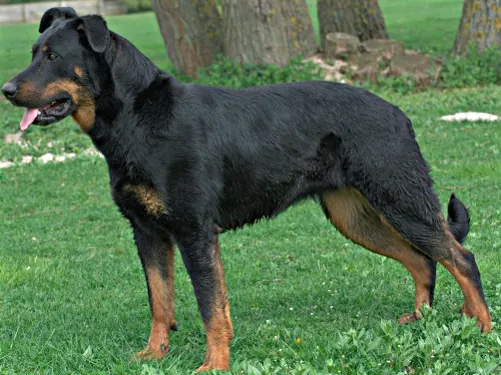
A large French shepherd known for its double hind dewclaws and calm, confident work with sheep and cattle.
All Herding Dog Breeds A to Z
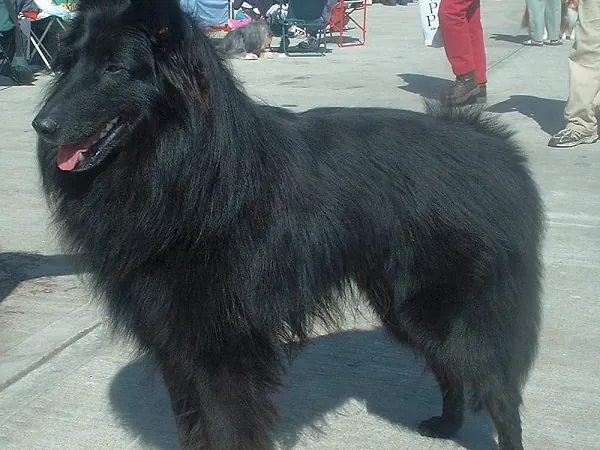
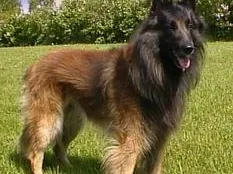
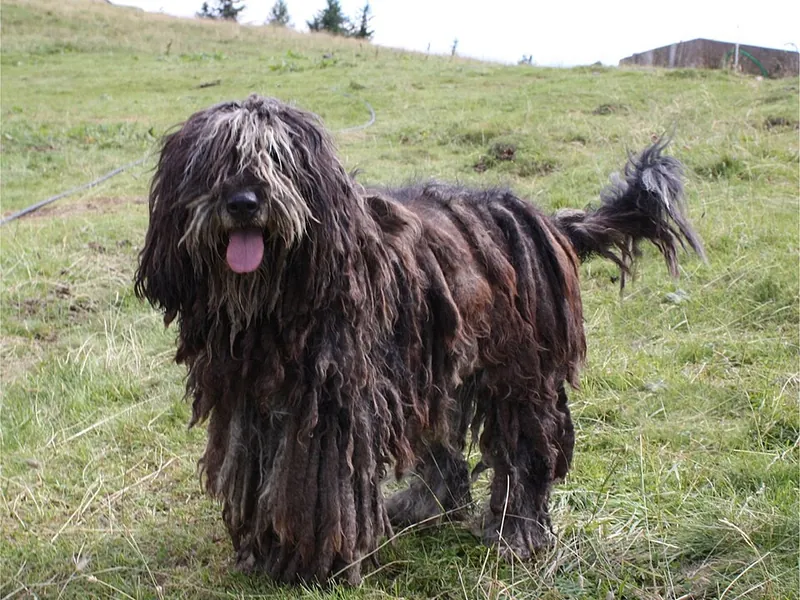
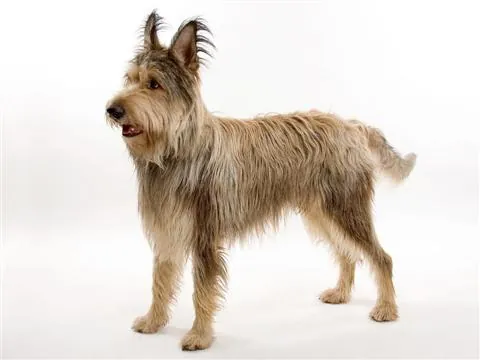
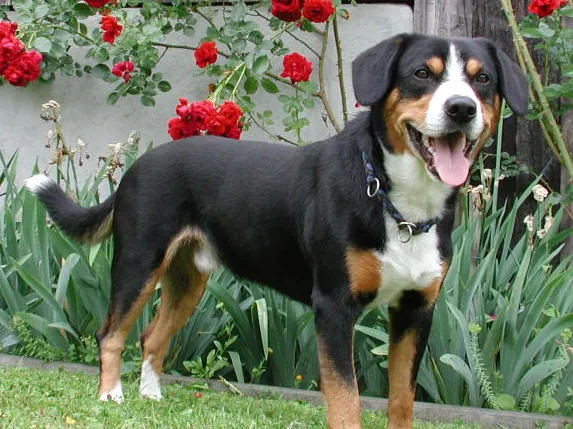
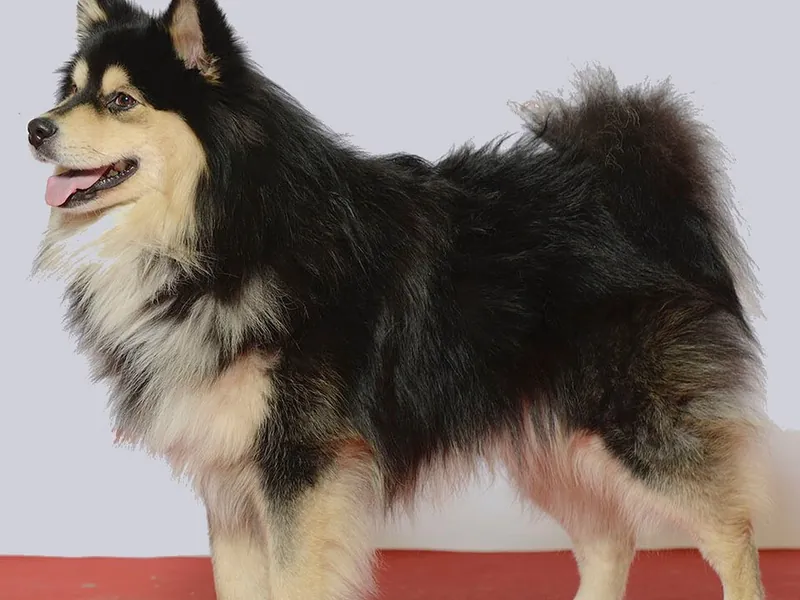
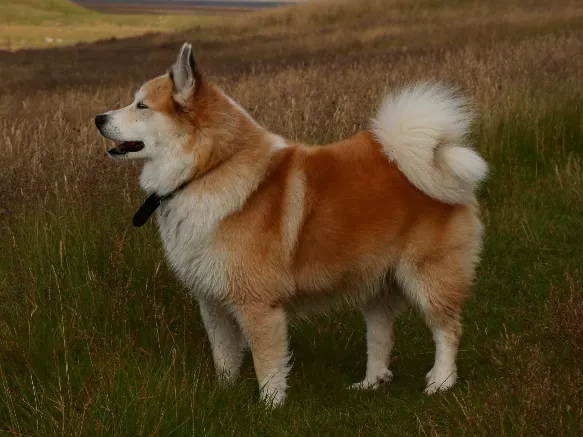
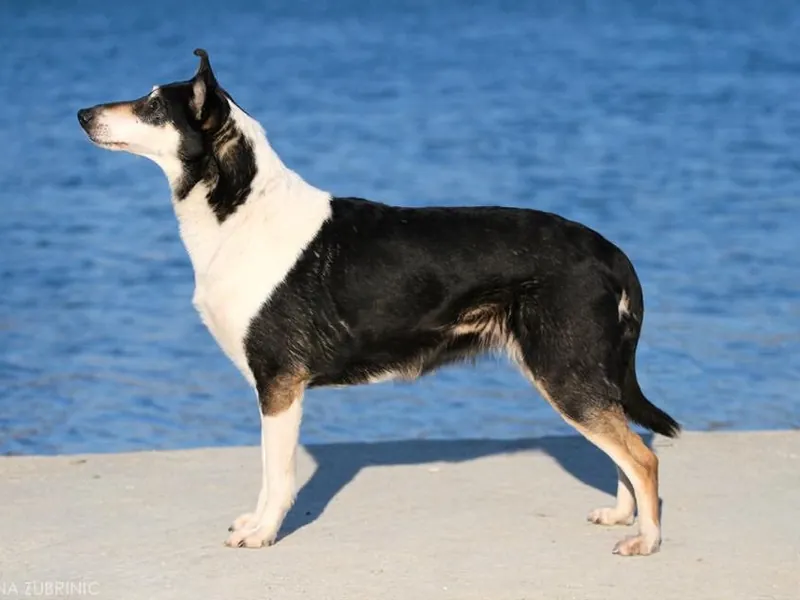
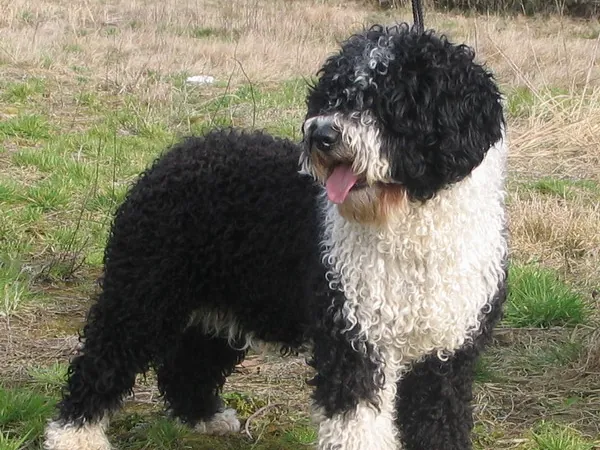
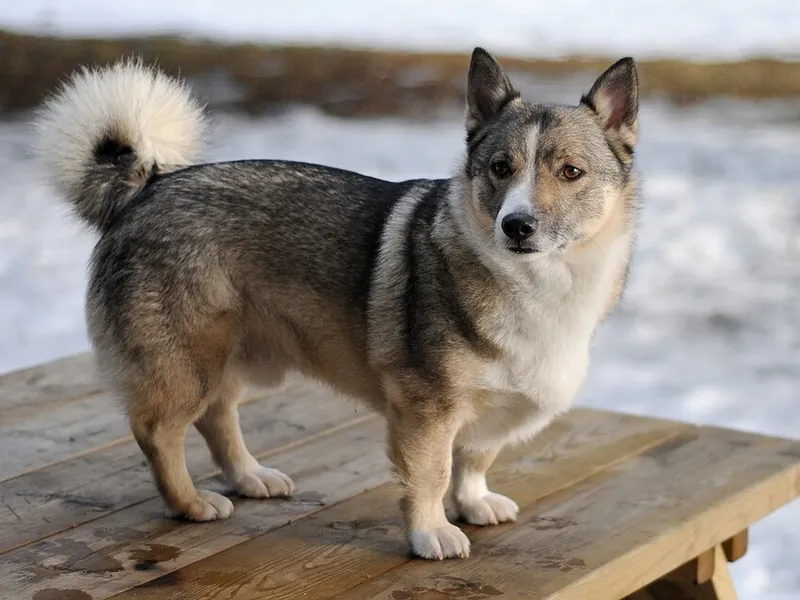
What Defines a Herding Breed
The American Kennel Club created its Herding Group in 1983 for breeds that control the movement of other animals. In the UK, the Kennel Club places similar breeds in its Pastoral Group, which also includes several livestock guardians. This page follows working heritage rather than a single kennel club.
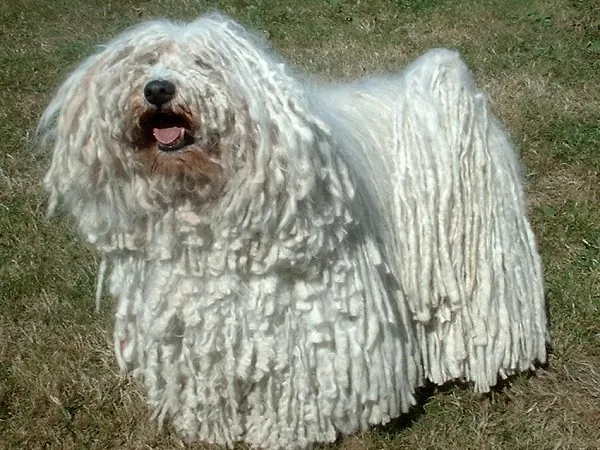
Herding dogs and livestock guardian dogs are not the same. Herders move the flock. Guardians like the Kuvasz and Komondor live with the flock and protect it from predators, and they tend to be more independent and territorial.
Three Styles of Herding
- Gatherers like the Border Collie and Australian Kelpie circle wide and bring stock back to the handler, often using an intense stare known as eye.
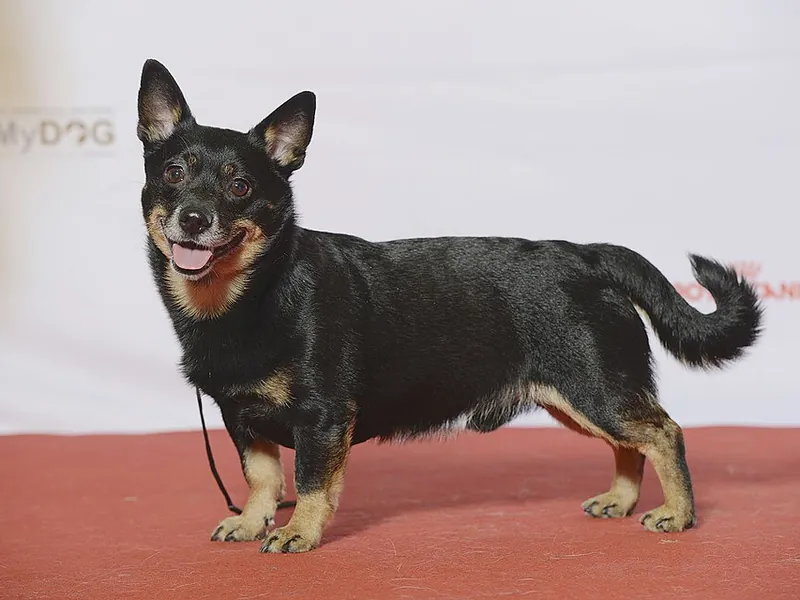
- Heelers such as the Australian Cattle Dog, Pembroke Welsh Corgi and Lancashire Heeler move cattle by nipping at their heels and staying low to avoid kicks.
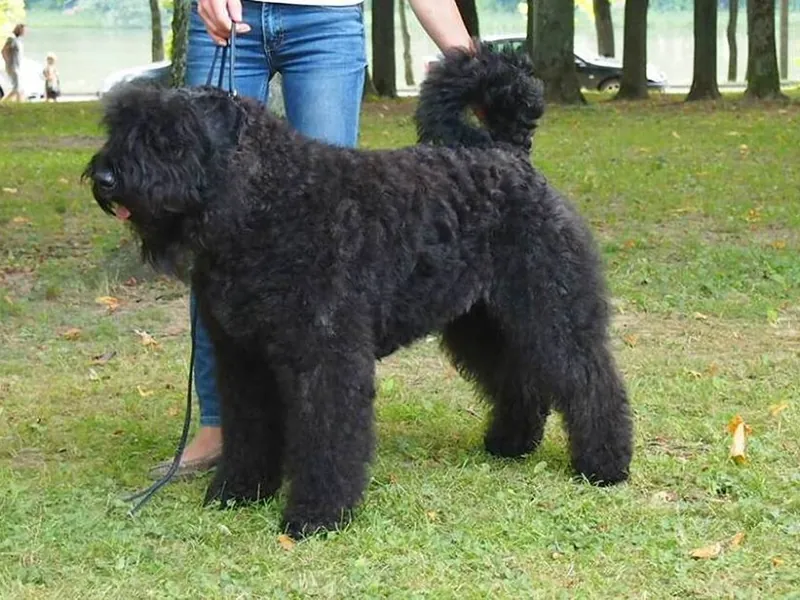
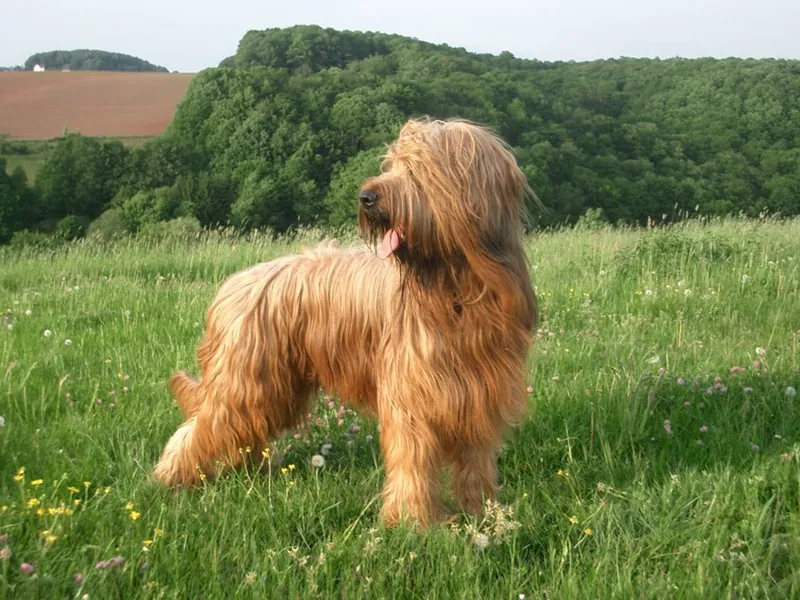
- Tending and boundary dogs like the German Shepherd, Beauceron and Briard patrol the edges of a flock to keep sheep within an unfenced area.
Living With a Herding Dog
Herding breeds are among the most trainable dogs, but their instincts come home with them. Many try to herd children, cyclists or other pets, sometimes by nipping. They notice everything, can be sensitive to noise and may bark at movement. Without daily exercise and a mental job, they often become anxious or destructive.
Activities like herding trials, agility, obedience, flyball and scent work give them an outlet. Smaller herders like the Shetland Sheepdog and Miniature American Shepherd are more portable but no less busy.
Health Notes for Herding Breeds
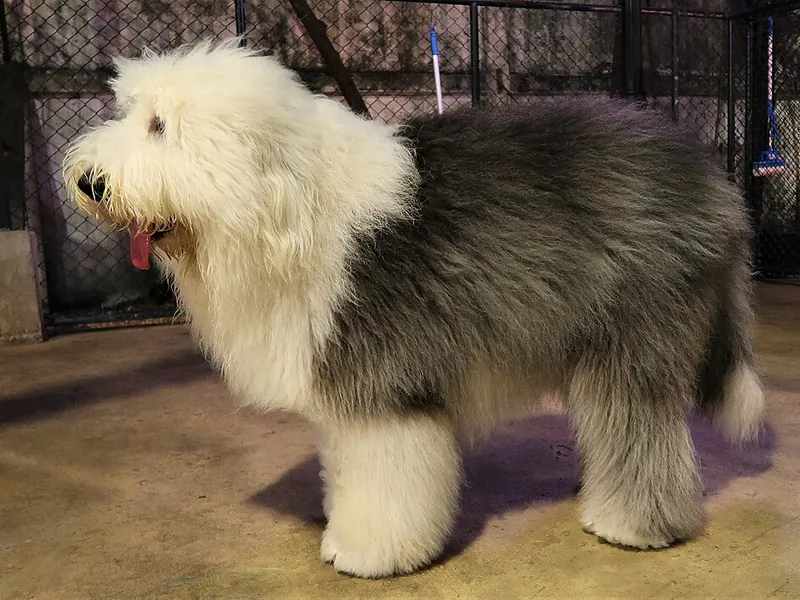
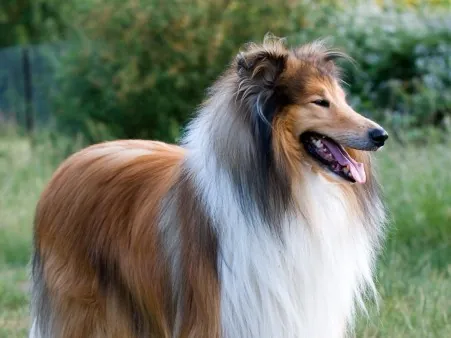
Many collie-type breeds, including the Australian Shepherd, Rough and Smooth Collie, Shetland Sheepdog and Old English Sheepdog, can carry the MDR1 gene mutation. Affected dogs can react badly to certain common medications, so a simple DNA test is worth doing and sharing with your vet. Collie eye anomaly, hip dysplasia and other inherited eye conditions are further issues responsible breeders screen for.
Choosing the Right Herding Breed
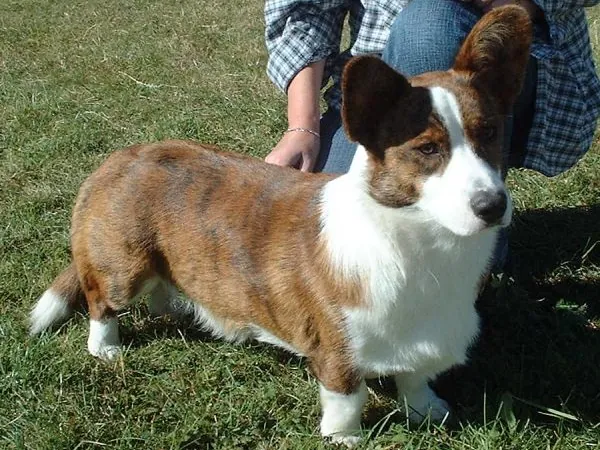
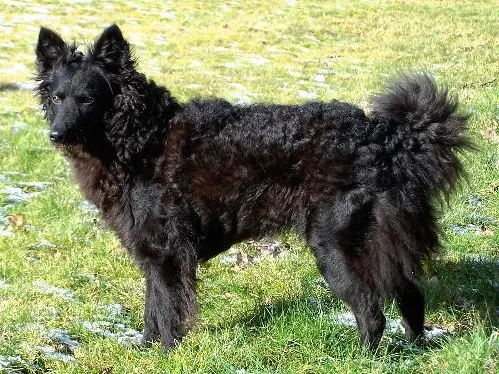
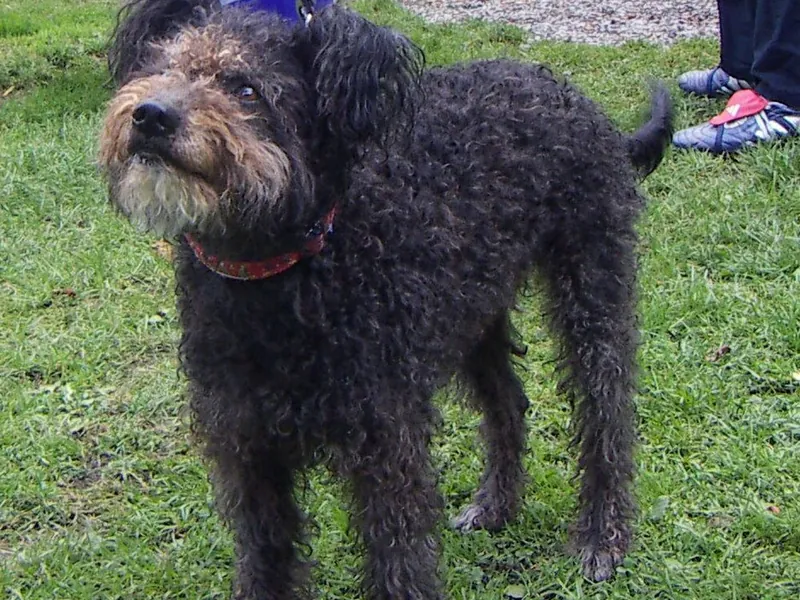
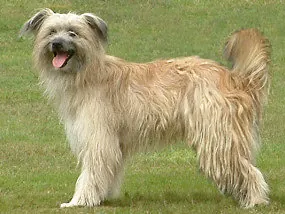
Herding breeds differ a lot in size, coat and intensity. If you want a family companion with herding roots, the Pembroke and Cardigan Welsh Corgi, Shetland Sheepdog and Rough Collie are often gentler options. If you want a sport partner, the Border Collie, Australian Shepherd and Belgian Tervuren are hard to beat. Rare breeds like the Mudi, Pumi and Pyrenean Shepherd are lively, vocal and need experienced, consistent handling.
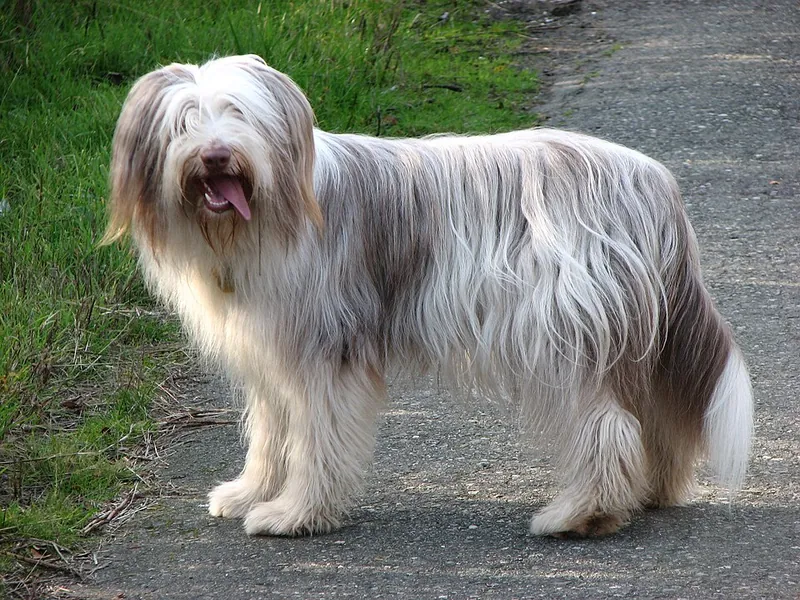
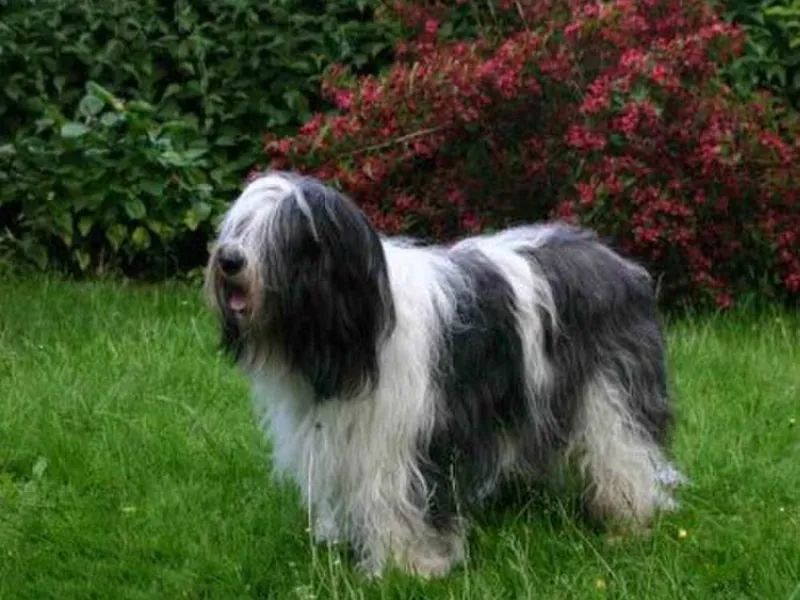
Coat care varies as well: the Smooth Collie and Australian Cattle Dog are low-maintenance, while the Briard, Bearded Collie and Old English Sheepdog need frequent brushing.
Frequently Asked Questions
What is the best herding dog breed?
For sheep work, the Border Collie is often considered the standard, while the Australian Cattle Dog and Australian Kelpie are prized for cattle and large properties.
Are herding dogs good family pets?
They can be loving, loyal family dogs if they get enough exercise and training. Supervise them with young children, since some try to herd by nipping.
How do I stop my herding dog from nipping?
Redirect the behavior to toys, teach a reliable settle cue and give the dog structured outlets like herding or agility. Avoid games that encourage chasing people.
Do herding dogs need a farm?
No, but they need daily physical activity and mental work. Many city dogs thrive with dog sports, long walks and regular training sessions.
What is the difference between herding dogs and livestock guardians?
Herding dogs move animals under a handler's direction. Livestock guardians like the Kuvasz live with the flock and protect it, working far more independently.
Not sure which breed fits you?
Answer 8 quick questions and get breeds ranked for your home, schedule and experience.