Pyrenean ShepherdSmall, fast herder of the Pyrenees
The Pyrenean Shepherd is a small, wiry herding dog from the French Pyrenees with enormous energy and a sharp mind. Devoted to its person and wary of strangers, it is a superb partner for active owners who love training and dog sports.
Why people love the Pyrenean Shepherd
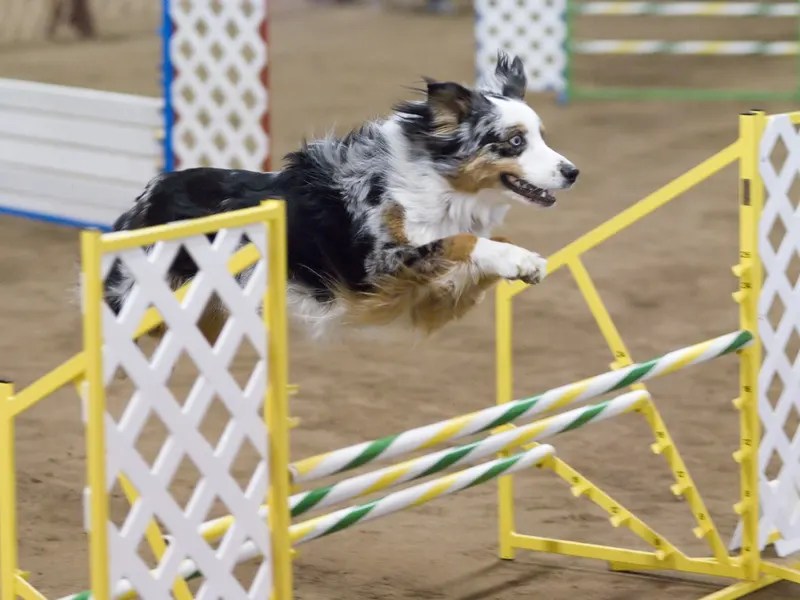
- Exceptional athlete for agility and other dog sports
- Very quick learner that loves working with its person
- Small size with big working ability
- Long-lived, often reaching 15 to 17 years
- Low-maintenance coat for a herding breed
Things to consider
- Needs at least an hour of vigorous activity daily
- Often suspicious of strangers and can be nervous
- Vocal, alert watchdog
- May nip or herd running children
- Struggles with long hours alone
Is this breed right for you?
10 questions · live resultHistory and Origin
For centuries, shepherds in the Pyrenees mountains on the French side of the border worked flocks with small, agile herding dogs, while large Great Pyrenees guarded the sheep from predators. The small herder's job was to move and gather sheep across steep terrain.
During World War I, Pyrenean Shepherds served as messenger and search dogs, and many were lost. The breed exists in two varieties, rough-faced and smooth-faced. The AKC recognized it in the Herding Group in 2009, and it competes successfully in agility at a high level.
Size, Varieties and Colors
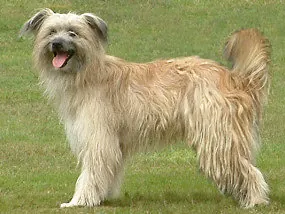
The Pyrenean Shepherd is a small, lean, lightly built herding dog with a triangular head, a lively, alert expression and a light, flowing gait. It is one of the smallest French herding breeds. Adults stand about 15 to 21 inches and weigh roughly 15 to 30 lb. Females are slightly smaller and lighter than males.
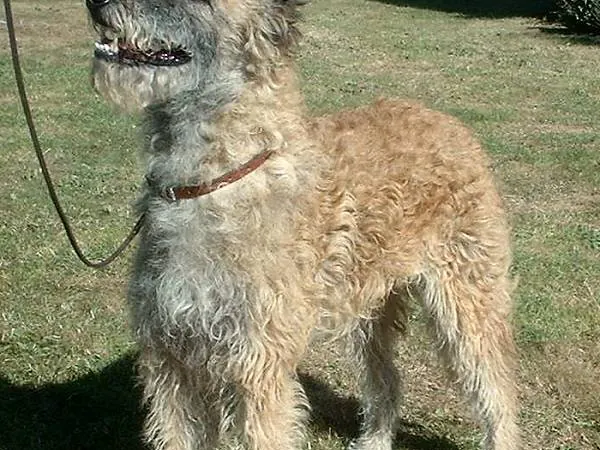
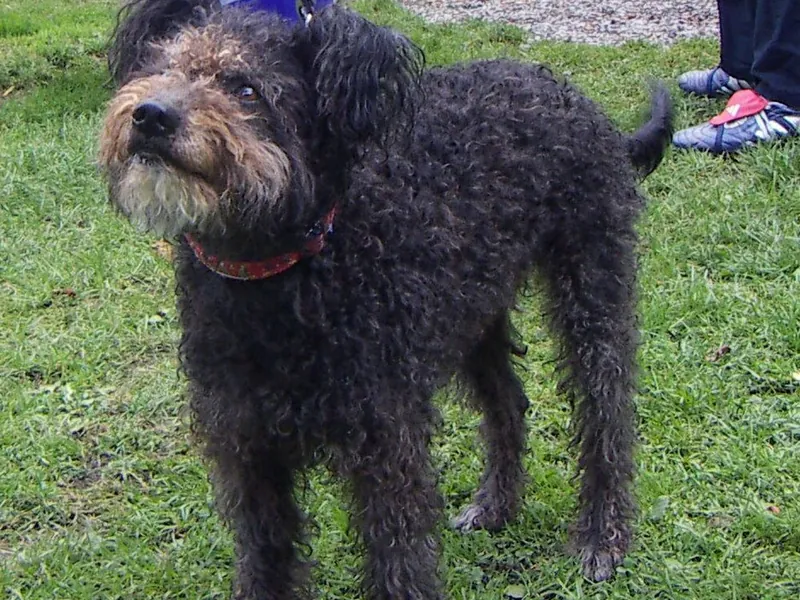
There are two varieties. The rough-faced dog, the more common type, is slightly longer than tall and has a coat that can be demi-long or long, harsh in texture, with hair on the face swept back from the muzzle. On the rump and thighs the coat may form loose cords. The smooth-faced dog is a bit taller and more square, with short, fine hair on the muzzle and a shorter body coat. Under the AKC standard smooth-faced males can reach about 21 inches.
Accepted colors include many shades of fawn, with or without black overlay, several shades of gray, merle (blue, slate or other), brindle, black and black with white markings. White is limited to small areas.
Temperament and Personality
Pyrenean Shepherds are quick, intense and highly alert. They bond strongly with one person or family and are typically suspicious of strangers. Some are sensitive or nervous, so early, positive socialization is important.
They are vocal watchdogs and will announce anything unusual. With considerate children they can be playful companions, but they may herd or nip at running kids if not guided.
Pyrenean Shepherds are famously quick to react. They notice movement instantly and often respond before their owner does, which makes them brilliant in agility but means a calm, predictable household helps nervous individuals.
Are Pyrenean Shepherds Good for First-Time Owners?
Usually not, unless the first-time owner is very active and keen on training. Pyrenean Shepherds are brilliant, fast and devoted, but their intensity, sensitivity and wariness of strangers make them demanding for a novice.
Many beginners underestimate how much exercise and mental work this small dog needs, or how quickly it reacts to movement and noise. Without guidance, a nervous Pyr Shep can become reactive or bark a lot. A first-time owner who wants to do agility or herding, has time every day and works with an experienced trainer can do well. Ask the breeder for a calm, confident puppy rather than the boldest one.
Can a Pyrenean Shepherd Live in an Apartment?
Physically, yes: a dog of 15 to 30 lb fits easily into an apartment. Whether it works depends on how much exercise, training and quiet the dog gets.
A Pyrenean Shepherd needs at least an hour of vigorous activity plus mental work every day. Apartment life also brings constant noises, hallway traffic and close neighbors, which can trigger barking in an alert, sometimes sensitive herding dog. Owners who succeed usually do dog sports, run or hike daily and teach a solid settle on a mat. A home with a small fenced yard is easier, but a dedicated owner can make an apartment work.
Can Pyrenean Shepherds Be Left Alone?
Only for short to moderate periods. Pyrenean Shepherds bond closely with one person or family and prefer to be involved in everything. Long days alone often lead to barking, pacing or destructive behavior.
Teach alone time gradually from puppyhood and always provide exercise and brain work before you leave. A food puzzle, a safe chew and a quiet room away from street noise help. Crate training can give a young dog a secure place to rest. If you work long hours outside the home, plan for a dog walker or daycare that understands high-energy herding dogs, or consider a less people-dependent breed.
Exercise and Training
Do not let the small size fool you. These dogs need at least an hour of vigorous activity daily, plus mental work. Agility, herding, flyball, obedience and trick training are all excellent.
They learn extremely fast but can be willful and easily distracted. Use short, energetic, reward-based sessions. Without enough to do, they bark, pace or invent jobs. They dislike being alone for long and do best with owners who are home a lot.
Teaching a solid settle on a mat is as important as teaching tricks. Learning to switch off is a skill this breed often needs to practice, especially in adolescence.
Grooming and Shedding
The rough-faced variety has a medium-long, harsh coat that may form cords or mats on the hindquarters. The smooth-faced variety has short hair on the face and a shorter body coat. Brush weekly to remove loose hair and check for tangles. Baths are rarely needed. Colors include fawn, gray, merle, brindle and black.
Some rough-faced dogs develop loose cords on the rear; these can be left or gently separated, depending on owner preference and show plans.
Feeding and Nutrition
Pyrenean Shepherds are light, wiry athletes, and their food needs depend heavily on activity. A dog training for agility several times a week burns far more energy than a family pet with a daily walk. Adjust portions to keep the ribs easy to feel and the waist clearly visible, since extra weight slows them down and strains joints.
Puppies do best on three or four small meals a day, moving to two meals as adults. A complete food for small to medium breed puppies supports steady growth. Avoid repetitive jumping and hard landings until growth plates close.
Some Pyr Sheps can be picky or eat less when excited or stressed, such as at competitions. Keep meal times calm and consistent, and do not keep switching foods to tempt a fussy eater. Offer water and a small snack during long training days.
Because this breed learns so fast, much of its food can be earned in training. Use small, easily swallowed treats and subtract them from meals.
| Adult weight | Less active | Typical adult | Very active |
|---|---|---|---|
| 15 lb | 410 kcal | 470 kcal | 590 kcal |
| 22 lb | 550 kcal | 630 kcal | 790 kcal |
| 30 lb | 690 kcal | 790 kcal | 990 kcal |
Estimates use the resting energy formula veterinarians work with (70 × body weight in kg0.75) and standard activity factors. Use the feeding guide on your food as a starting point and adjust to body condition. Puppies, seniors, pregnant animals and pets that need to lose weight have different needs, so ask your vet.
Health and Lifespan
The Pyrenean Shepherd is considered a hardy breed and is among the longer-lived dogs, often reaching 15 to 17 years or more. Few breed-specific conditions are known. Responsible breeders check hips and eyes. Keep the dog lean and active into old age.
Pyrenean Shepherd Price and Cost of Ownership
Pyrenean Shepherds are uncommon in the US, with relatively few breeders, many of them involved in agility or herding. There is no consistent published price range, and prices vary by breeder, region and lines, including imported bloodlines from France. Expect a waiting list and a breeder who screens hips and eyes and carefully matches puppies to homes. Rescue Pyr Sheps are rare.
Ongoing costs are relatively low for food and grooming. The rough-faced coat needs only weekly brushing, with occasional cord separation, and smooth-faced dogs need even less.
The breed's real cost drivers are training and activity. Agility, herding or obedience classes, sports equipment and travel to events are common expenses for owners. A professional trainer may be needed for sensitive or reactive individuals, and daycare or a dog walker helps if you work outside the home.
Is the Pyrenean Shepherd Right for You?
This breed suits you if you:
- Want a small dog with big working drive
- Are interested in agility or other active sports
- Can socialize the dog carefully and spend lots of time with it
It is not ideal for quiet homes, long workdays alone or owners who want a relaxed lap dog.
Because the breed is still relatively uncommon outside France, choose a breeder who matches puppies to homes carefully; a calm, confident puppy is the best choice for most pet homes.
Pyrenean Shepherd Traits at a Glance
Pyrenean Shepherd FAQ
Are Pyrenean Shepherds good family dogs?
They can be in active families. They are devoted but may herd young children and need early socialization because they are wary of strangers.
How big do Pyrenean Shepherds get?
They stand about 15 to 21 inches tall and weigh roughly 15 to 30 lb, depending on variety and sex.
How long do Pyrenean Shepherds live?
They are a long-lived breed, typically 15 to 17 years.
Do Pyrenean Shepherds bark a lot?
Often yes. They are alert watchdogs and vocal when excited or bored.
What is the difference between rough-faced and smooth-faced Pyrenean Shepherds?
The rough-faced variety has longer hair on the body and face, while the smooth-faced has short facial hair and a shorter coat. Both share the same temperament.