PumiCurly, clever Hungarian herding dog
The Pumi is a lively Hungarian herding dog with a corkscrew-curled coat and whimsical, half-upright ears. Smart, bold and full of energy, it is a fun partner for active owners who enjoy training and can handle a vocal, busy dog.
Why people love the Pumi
- Smart, fast learner that excels at agility
- Sheds very little hair around the home
- Alert watchdog in a medium-small body
- Playful and lively personality
- Generally robust with a long life
Things to consider
- Vocal and quick to bark at every noise
- Needs daily exercise and mental work
- Can be bossy without clear structure
- Herding nips and chasing need managing
- Curly coat needs regular trimming
Is this breed right for you?
10 questions · live resultHistory and Origin
The Pumi developed in Hungary in the 17th and 18th centuries, likely from crossings between the Puli and terrier-type herding dogs from Germany and France. It was used to drive cattle, sheep and pigs, as well as to control vermin on farms.
The breed was recognized as separate from the Puli in the early 20th century. The AKC recognized the Pumi in the Herding Group in 2016.
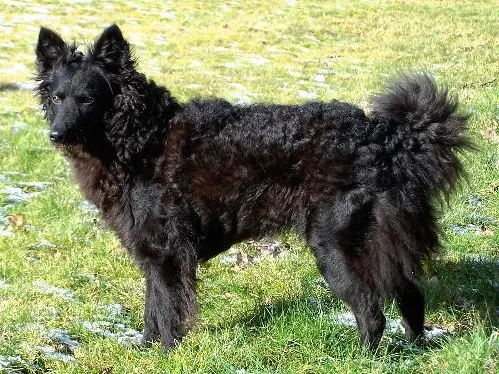
Hungary has several native herding breeds, including the Puli and the Mudi, and the Pumi was the one favored for driving livestock in the western part of the country, particularly in hilly areas with smaller farms. Its terrier ancestry shows in its alertness and readiness to tackle vermin.
Size, Coat and Colors
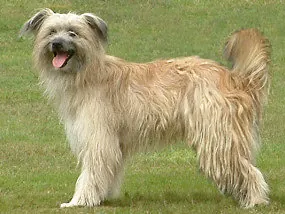
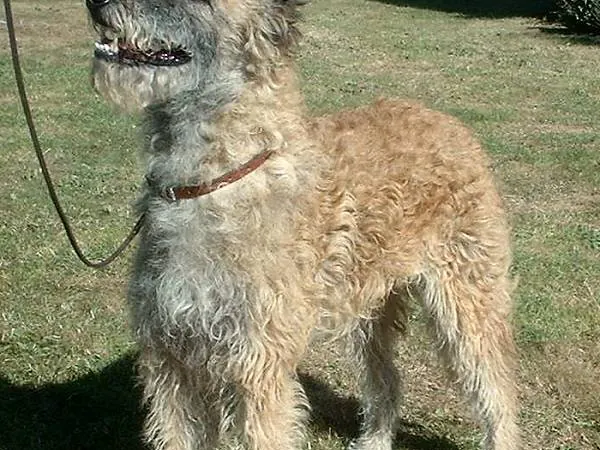
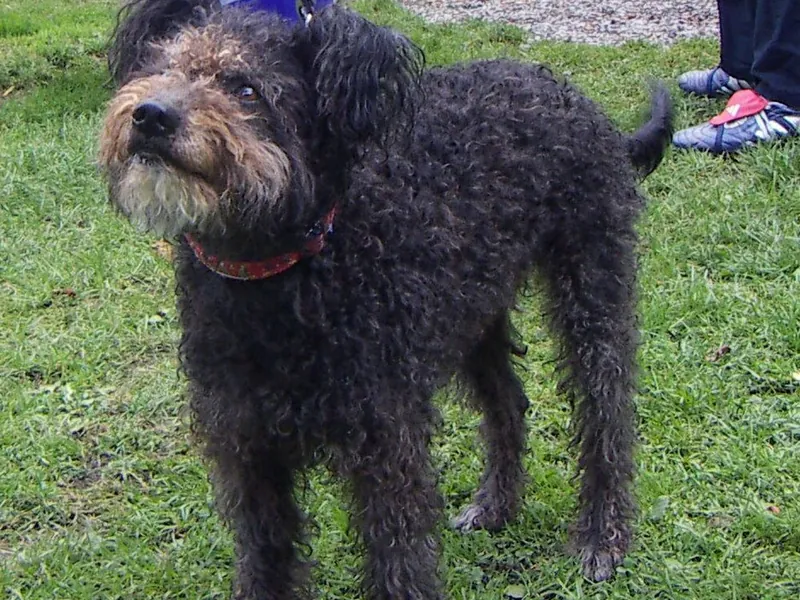
The Pumi is a light, square, medium-small herding dog standing about 15 to 19 inches at the shoulder and weighing about 18 to 33 lb. The AKC standard gives about 16 to 18.5 inches for males and 15 to 17.5 inches for females. The body is lean and agile, built for quick turns. Its head is long with a narrow muzzle, and the ears are high-set and erect with the top third tipped forward, giving the breed its whimsical look. The tail curls over the back.
The coat is a mix of harsh and soft hair forming springy corkscrew curls, about 1 to 3 inches long. It should never be corded or matted, and it is trimmed to show the outline of the head and ears.
Accepted colors are gray in various shades, black, white and fawn, with fawn dogs often showing a dark mask. Gray puppies are born black and lighten with age. Males are taller and more substantial than females.
Temperament and Personality
Pumis are energetic, alert and confident. They bond closely with their family and can be reserved with strangers. They are excellent watchdogs, often barking to announce visitors or noises.
They are intelligent and quick to learn but can be bossy if not given structure. Their herding instincts may show as nipping or chasing.
Pumis are known for their expressive faces and lively, sometimes clownish personalities. They often greet family members with enthusiasm and love being involved in everything. Their alertness makes them notice and react to every new sound.
Pumis tend to choose a favorite person but get along with the whole family. They can be bossy with other dogs, so early socialization is helpful.
Are Pumis Hypoallergenic?
No dog is fully hypoallergenic, but the Pumi's low-shedding curly coat is one reason some allergy sufferers find it easier to live with. Loose hair tends to stay in the coat until it is combed out rather than dropping around the home.
Allergies are triggered mainly by proteins in dander, saliva and urine, so reactions still vary from person to person and dog to dog. If allergies are a concern, spend extended time with adult Pumis before committing. Regular combing and trimming, ideally done outdoors, washing bedding often and keeping the dog out of the bedroom can reduce exposure further.
Is the Pumi Good for First-Time Owners?
A Pumi can suit a first-time owner who is active, enjoys training and wants a busy, interactive dog, but it is not a low-maintenance choice. Pumis learn very quickly, which helps beginners, yet they learn bad habits just as fast.
Plan for daily exercise plus mental work, early and consistent training, and a quiet cue taught from puppyhood, since the breed is vocal. Herding instincts can show as nipping at heels or chasing children and bikes, which need gentle redirection. Without structure, a Pumi can become bossy. First-time owners who join an agility or obedience class early usually find the breed fun and rewarding.
Can a Pumi Live in an Apartment?
A Pumi can live in a larger apartment if its exercise and mental needs are met every day, but barking is the main obstacle. The breed was developed to alert and to move livestock with its voice and body, and it reacts quickly to hallway noises, doors and neighbors.
Apartment success depends on:
- An hour or more of daily activity, including off-leash running in safe, fenced areas.
- Training games and puzzles to tire the mind.
- A taught quiet cue and rewards for calm behavior.
- Background noise or a quiet room when the dog is alone.
A house with a fenced yard is easier, but a committed owner can make apartment life work.
Exercise and Training
Pumis need plenty of daily exercise and mental work. Agility, herding, obedience and trick training suit them well.
- Train with rewards and variety.
- Teach a quiet cue early.
- Provide puzzles and tasks to prevent boredom.
Expect a dog that needs an hour or more of daily activity, including off-leash running in safe areas. Pumis enjoy learning new tasks and thrive on variety. Without enough stimulation, they may become noisy or destructive.
Pumis are quick and agile, making them natural agility competitors. Their herding background also shows in their enjoyment of games that involve chasing and steering balls.
Grooming and Shedding
The curly coat sheds very little but needs combing every few weeks and trimming every couple of months to maintain shape. Do not brush when dry, as it can frizz; wet and let curls form naturally.
The coat is a mix of harsh and soft hair forming curls, in gray, black, white or fawn. Many owners learn to trim at home, while others prefer professional grooming. Its low shedding can suit some allergy-prone households.
Feeding and Nutrition
Pumis are lean, agile working dogs and should stay that way. You should feel the ribs easily under the curls, which can hide weight gain, so check body condition with your hands rather than by eye.
Activity levels vary a lot between a dog doing agility several times a week and a pet with daily walks, so adjust portions to the individual rather than to the bag. Adults usually do well on two meals a day, and puppies on three or four until about six months.
- Pumis are quick, food-motivated learners. Use part of the daily ration as training rewards.
- Food puzzles and scatter feeding provide mental work on rest days.
- Keep the dog lean to protect hips, elbows and knees, conditions that breeders screen for in the breed.
- Provide fresh water during and after exercise, as active dogs lose fluid quickly.
| Adult weight | Less active | Typical adult | Very active |
|---|---|---|---|
| 18 lb | 470 kcal | 540 kcal | 680 kcal |
| 26 lb | 620 kcal | 710 kcal | 890 kcal |
| 33 lb | 750 kcal | 850 kcal | 1,070 kcal |
Estimates use the resting energy formula veterinarians work with (70 × body weight in kg0.75) and standard activity factors. Use the feeding guide on your food as a starting point and adjust to body condition. Puppies, seniors, pregnant animals and pets that need to lose weight have different needs, so ask your vet.
Health and Lifespan
Pumis usually live 12 to 13 years and are generally robust. Breeders screen for hip and elbow dysplasia, patellar luxation, degenerative myelopathy and primary lens luxation.
Hip and elbow screenings and DNA tests for degenerative myelopathy and primary lens luxation are commonly done by responsible breeders. Ask to see results before buying.
Pumi Price and Cost of Ownership
The Pumi is still rare in the US, with a small number of breeders and limited litters each year, so there is no well-established price range. Expect a waiting list and a price in line with other rare herding breeds. Prices vary by breeder, region and lines, and some puppies are imported from Hungary or elsewhere in Europe, which adds travel costs.
Adult Pumis occasionally need rehoming. The national breed club is the best contact for both breeders and rescue.
Ongoing cost drivers include trimming every couple of months by a groomer familiar with the breed, unless you learn to trim at home, and dog sports or training classes for this active breed. Responsible breeders pay for hip, elbow and patella screening and DNA tests for degenerative myelopathy and primary lens luxation.
Is the Pumi Right for You?
At 18 to 33 lb and 15 to 19 inches, the Pumi suits active owners who enjoy training. It is not ideal for those away long hours or seeking a quiet dog.
Pumis can adapt to houses with yards or larger apartments if their needs are met. They suit people who want a clever, engaging partner for dog sports.
Pumi Traits at a Glance
Pumi FAQ
Do Pumis shed?
They shed very little but require regular grooming.
Are Pumis good family dogs?
Yes, for active families who provide structure and exercise.
How big do Pumis get?
They stand 15 to 19 inches tall and weigh 18 to 33 lb.
How long do Pumis live?
Typically 12 to 13 years.
Do Pumis bark a lot?
Yes, they are vocal watchdogs and alert to every noise, so training a quiet cue is important.
Are Pumis easy to train?
They learn quickly and enjoy training, but their confidence and independence mean they need consistent guidance.