Spanish Water DogCurly-coated worker from Andalusia
The Spanish Water Dog is a medium-sized, curly-coated working dog that herded livestock and helped fishermen in Spain. Energetic, intelligent and loyal, it suits active owners who enjoy training, and its coat is clipped rather than brushed.
Why people love the Spanish Water Dog
- Low-shedding single coat with very simple routine care
- Versatile worker: herding, water, agility and scent work
- Devoted, alert family dog and good watchdog
- Medium size suits a house or larger apartment
- Generally healthy with 12 to 14 year lifespan
Things to consider
- Reserved or wary with strangers without early socialization
- May herd children or other pets
- Needs at least an hour of daily exercise plus mental work
- Coat must be clipped, not brushed, which is unfamiliar to many groomers
- Barks to announce visitors and can be vocal when bored
Is this breed right for you?
10 questions · live resultHistory and Origin
For generations, Spanish shepherds, particularly in Andalusia, used curly-coated dogs to move sheep and goats between pastures. In coastal areas similar dogs helped fishermen retrieve lines and items from the water. The breed was locally called Turco Andaluz.
Spanish enthusiasts began formally organizing the breed in the 1970s and 1980s, and the FCI recognized it later in the century. The AKC recognized the Spanish Water Dog in 2015, placing it in the Herding Group, while The Kennel Club lists it with gundogs.
Size, Curly Coat and Colors
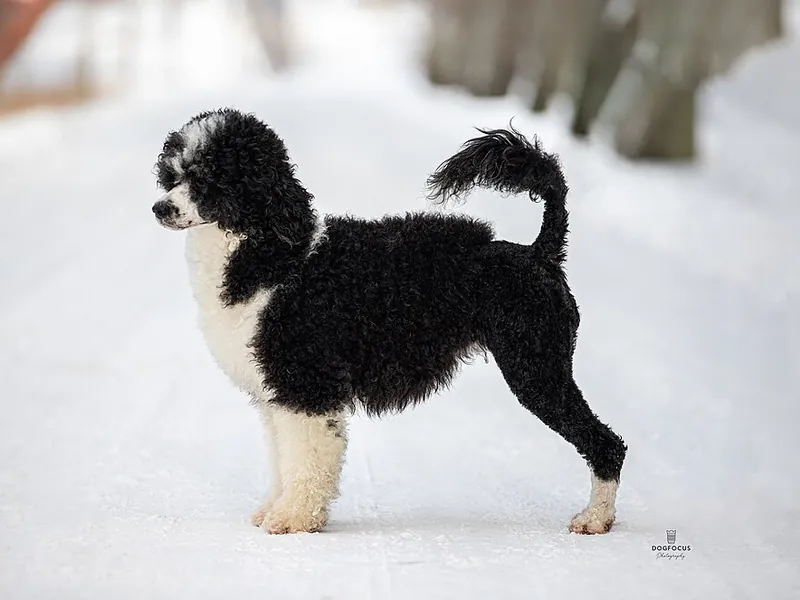
The Spanish Water Dog is a medium-sized, rustic working dog, slightly longer than tall. Adults stand about 15 to 20 inches at the shoulder and weigh roughly 31 to 49 lb. Males are larger, at about 17.5 to 20 inches and 40 to 49 lb, while females are around 15.5 to 18 inches and 31 to 40 lb.
The body is athletic and well-muscled, with a strong neck, a flat skull and a natural or docked tail. The overall look should be functional rather than refined.
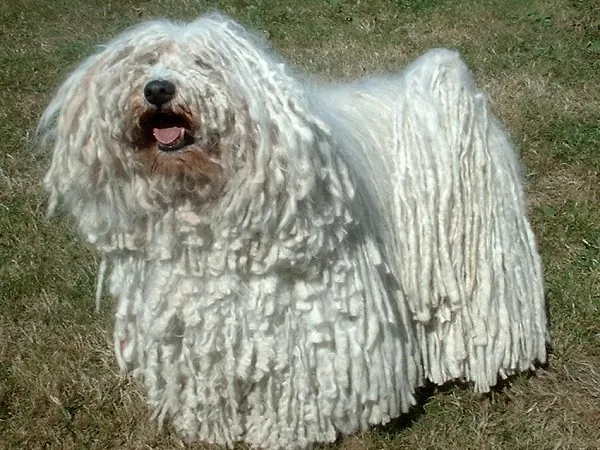
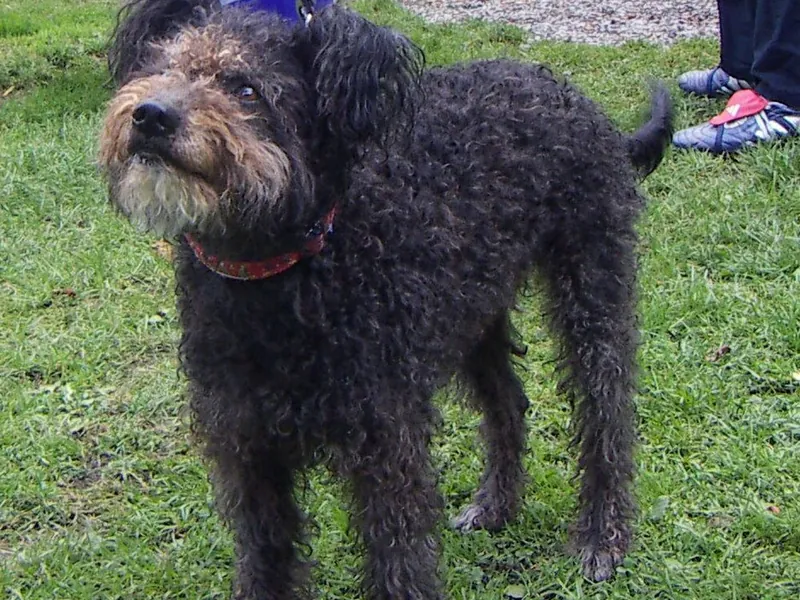
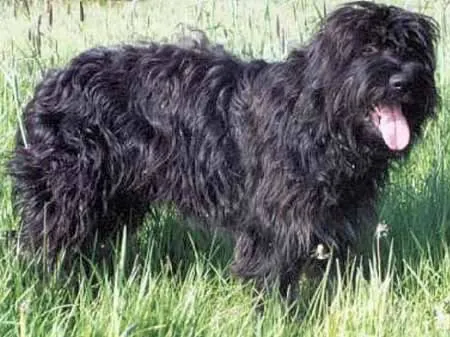
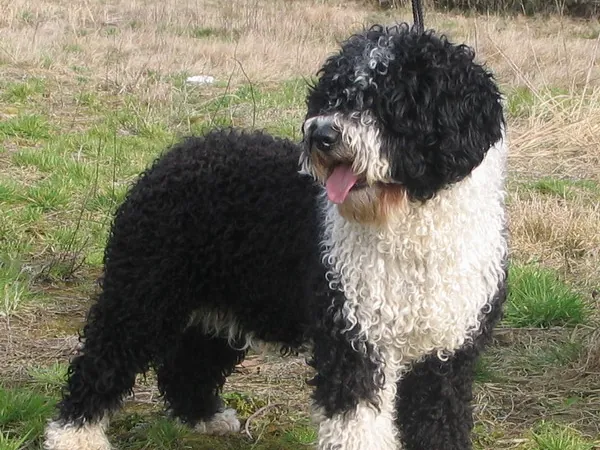
The single coat is curly and woolly, forming cords when left long. It is typically clipped to an even length all over, never sculpted or shaped. Recognized colors are solid black, brown, beige, white, and particolors of white with black or brown. Tricolor and black and tan are not accepted under the AKC standard. Puppies are born with curly coats that change texture as they mature.
Temperament and Personality
Spanish Water Dogs are devoted to their family and often reserved with strangers. They are alert watchdogs that bark to announce visitors. With good socialization, they are confident and friendly.
They are sensitive and respond best to calm, positive handling. As herders, some try to round up children or other pets. They need company and a job, and when under-stimulated they may become noisy or restless.
Most Spanish Water Dogs get on well with other dogs in the household, and many share their home happily with cats when raised together. Their loyalty to family is striking, and they often bond strongly with one person.
Is the Spanish Water Dog Good for First-Time Owners?
It can be, for active first-time owners who commit to socialization and training. The breed is eager to work with its owner but is not a casual pet.
Spanish Water Dogs are naturally wary of strangers, and without early, consistent socialization that wariness can become fearfulness or reactivity. They are sensitive and need calm, positive handling. They also need daily exercise and mental work. First-time owners who enroll in puppy classes, keep socialization going through adolescence and choose a breeder who selects for stable temperament usually succeed. If you want a dog that loves everyone instantly, another breed may suit you better.
Do Spanish Water Dogs Bark a Lot?
They bark moderately. Spanish Water Dogs are alert watchdogs and usually bark to announce visitors or unusual sounds, but most are not nuisance barkers.
Barking tends to increase when the dog is bored, under-exercised or left alone too long. Some also bark during herding or play. Teaching a quiet cue early, rewarding calm behavior at the door and providing enough exercise and mental work keeps barking manageable. In apartments or close neighborhoods, managing visual triggers, such as windows overlooking busy streets, can help.
Is the Spanish Water Dog a Good Apartment Dog?
It can be, if its exercise and mental needs are met every day. The breed's medium size and low-shedding coat make it practical for a larger apartment.
The challenges are energy and watchfulness. A Spanish Water Dog needs at least an hour of exercise daily plus training or puzzle games. In buildings with frequent foot traffic, its alert nature may lead to barking at hallway sounds. Early socialization to neighbors, elevators and stairwells helps. Access to parks, swimming spots or dog sports facilities makes apartment life much easier for this active breed.
Exercise and Training
Plan on about an hour or more of daily exercise, including swimming when possible. The breed excels at agility, herding, scent work, dock diving and obedience.
- Provide mental work every day: training games, puzzle feeders and new skills.
- Socialize early and widely to prevent excessive wariness with strangers.
- Keep training positive and varied; heavy correction makes sensitive dogs anxious.
Many love water, so swimming is an ideal way to tire them out, especially in hot weather when long runs are less wise.
Grooming and Shedding
The single, curly coat is woolly and forms cords if left to grow. Unusually, it should not be brushed, since brushing breaks up curls and causes frizz and mats. Instead, the coat is clipped to an even length all over, typically once or twice a year, and curls or cords are separated by hand as needed.
The breed sheds very little. Check ears regularly for infection, especially after swimming, and remove burrs and seeds from the coat after outings.
Feeding and Nutrition
Spanish Water Dogs are lean, athletic dogs, and their food needs depend on activity. A dog doing agility, herding or long swims needs more than one with a moderate routine. Keep them lean, with ribs easy to feel under the curly coat, which can hide extra weight.
Feed puppies three to four times a day at first and twice daily from about six months, using a complete puppy food suited to medium breeds. Steady growth supports healthy hips, a concern screened for in the breed.
- Feed adults two measured meals a day.
- Avoid intense exercise right after eating.
- Use puzzle feeders and scent games with part of the daily ration to provide mental work.
- Clean the beard and muzzle after meals to prevent food from matting into the curls.
Some Spanish Water Dogs are sensitive eaters with occasional digestive upset. Change foods gradually and consult your vet if problems persist. Training treats should be small and counted toward the daily ration.
| Adult weight | Less active | Typical adult | Very active |
|---|---|---|---|
| 31 lb | 710 kcal | 810 kcal | 1,020 kcal |
| 49 lb | 1,000 kcal | 1,150 kcal | 1,430 kcal |
Estimates use the resting energy formula veterinarians work with (70 × body weight in kg0.75) and standard activity factors. Use the feeding guide on your food as a starting point and adjust to body condition. Puppies, seniors, pregnant animals and pets that need to lose weight have different needs, so ask your vet.
Health and Lifespan
Spanish Water Dogs typically live 12 to 14 years. Hip dysplasia and inherited eye conditions are the main concerns. Ears should be monitored for infections, since the curly coat can hold moisture.
Choose a breeder who screens hips and eyes and uses available DNA tests. Low shedding helps some allergy sufferers, but no dog is fully hypoallergenic.
DNA tests are available for several conditions in the breed, including progressive retinal atrophy (prcd). Hypothyroidism is also reported, so ask breeders whether parents have been checked.
Spanish Water Dog Price and Cost of Ownership
Typical breeder price in the US$2,000 to $3,500
A Spanish Water Dog puppy from a reputable US breeder typically costs about $2,000 to $3,500, and prices vary by breeder, region and lines. The breed is still relatively uncommon in the US, so waiting lists are common. Breed clubs can sometimes help place adults.
Breed-specific cost drivers include:
- Clipping once or twice a year, ideally by a groomer familiar with the breed, since brushing is not used.
- Health screening: hip X-rays, eye exams and DNA tests for PRA and other conditions in breeding dogs.
- Training and socialization classes, which are especially important for this naturally reserved breed.
- Ear care after swimming.
Is the Spanish Water Dog Right for You?
This breed suits active people and families who enjoy training and outdoor activities, and who like the idea of a low-shedding, medium-sized working dog. It adapts to a house or larger apartment if its needs are met.
It is less suitable for those who are away all day, who want a dog that loves every stranger, or who prefer a low-energy companion.
Spanish Water Dog Traits at a Glance
Spanish Water Dog FAQ
Are Spanish Water Dogs hypoallergenic?
They shed very little, which some allergy sufferers tolerate well, but no dog is completely hypoallergenic.
How big do Spanish Water Dogs get?
They stand about 15 to 20 inches tall and weigh 31 to 49 lb.
Do you brush a Spanish Water Dog?
No. The coat is clipped to an even length about once or twice a year and should not be brushed out.
Are Spanish Water Dogs good family dogs?
Yes, with active families. They are loyal and affectionate but may herd children and are wary of strangers.
How long do Spanish Water Dogs live?
Typically 12 to 14 years.
How much exercise does a Spanish Water Dog need?
About an hour or more a day, combining walks, play and mental work such as training, herding or scent games.