PuliHungary's agile, corded herding dog
The Puli is a medium-small Hungarian herding dog best known for its dense, corded coat that hangs like dreadlocks. Under the cords is a fast, agile and clever working dog with a strong watchdog instinct. It suits active owners who enjoy training and are ready for a unique coat care routine.
Why people love the Puli
- Unique corded coat that sheds very little
- Agile, athletic and quick to learn
- Loyal and playful with its family
- Keen watchdog with a strong alert instinct
- Long-lived for a medium breed
Things to consider
- Corded coat takes hours to maintain and dry
- Barks readily at strangers and noises
- Herding instinct may show as nipping at children
- Reserved with strangers; needs thorough socialization
- Overheats easily in hot weather
Is this breed right for you?
10 questions · live resultHistory and Origin
The Puli is thought to have come to the Carpathian Basin with the Magyars over a thousand years ago. Hungarian shepherds used Pulik to herd and drive sheep, while the larger Komondor and Kuvasz guarded the flocks at night. The cords protected the dogs from rain, cold and predators.
After declining in the early 20th century, the breed was revived through organized breeding in Hungary. It arrived in the United States in the 1930s, partly through a USDA program studying herding breeds, and the AKC recognized it in 1936.
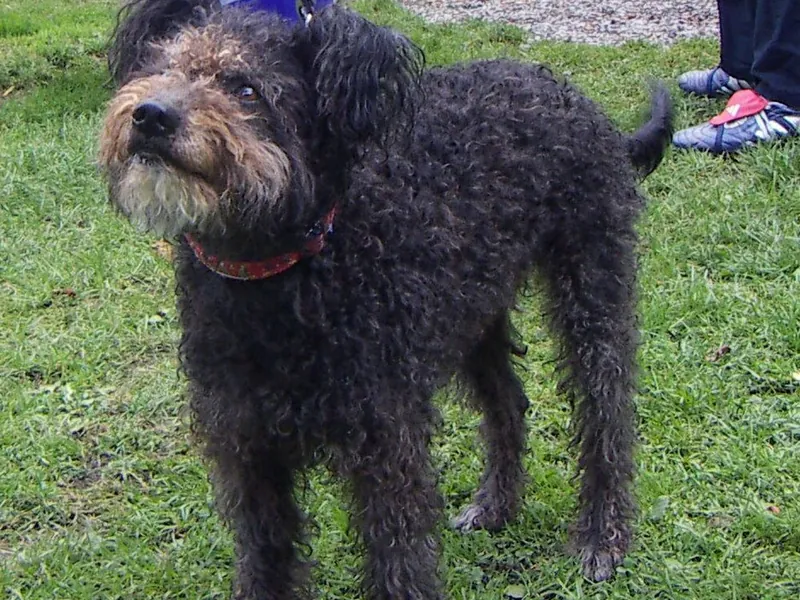
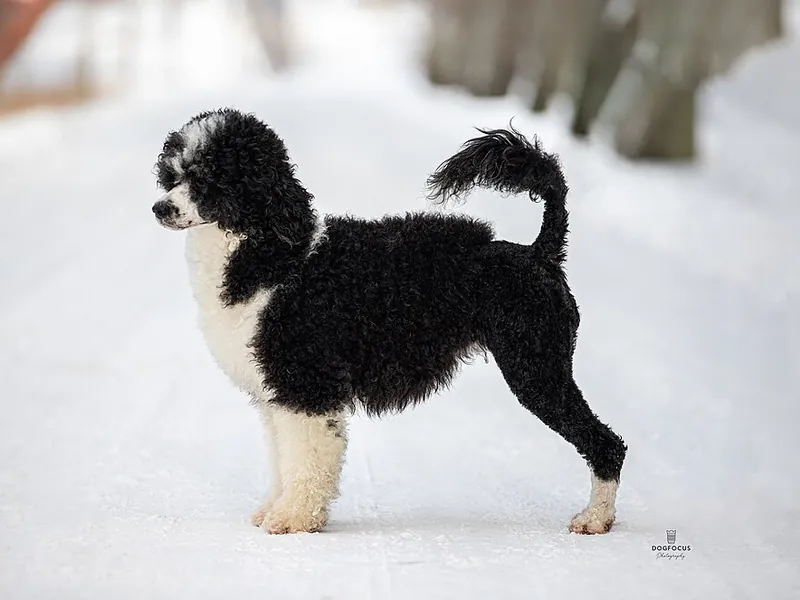
Pulik also come in white, gray and fakó (a wheaten shade), although solid black is the best-known color.
Size, Coat and Colors
The Puli is a compact, square, medium-small herding dog whose shape is almost hidden by its coat. It stands about 14 to 18 inches at the shoulder and weighs roughly 22 to 33 lb. Males are slightly taller and heavier than females; under the AKC standard the ideal is about 17 inches for males and 16 inches for females.
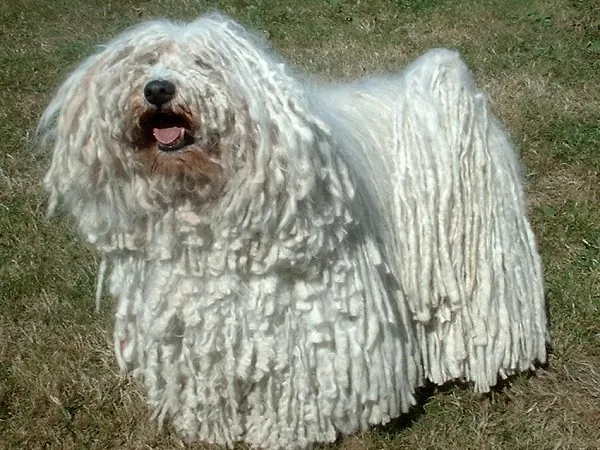
The coat is the breed's signature. Puppies have a soft, fluffy coat. From around 9 to 12 months, the woolly undercoat and wavy outer coat begin to clump together into flat or round cords. A mature full coat can reach the ground and takes years to grow. Some owners keep a brushed-out or clipped coat instead.
Recognized colors include:
- Solid black and rusty black
- Shades of gray
- White
- Fakó, a wheaten shade, recognized in Hungary and some other registries
The tail curls over the back and blends into the coat, and the dark eyes are often hidden under the cords.
Temperament and Personality
Pulik are lively, loyal and intelligent. They are often reserved with strangers and make keen watchdogs that bark readily. With their family they are playful and affectionate.
They can be headstrong and sensitive, reacting poorly to harsh handling. Herding instincts may show as circling or nipping at running children, so guidance is important in family settings.
Many Pulik keep a youthful, mischievous character well into old age. They are extremely aware of their surroundings and often position themselves to watch over the family. Some are noise-sensitive and may react to sudden sounds with barking.
Is the Puli Good for First-Time Owners?
Usually it is better suited to someone with dog experience. The Puli is intelligent and affectionate, but it combines a herding dog's energy, a guardian's suspicion of strangers and the most demanding coat care of almost any breed.
A first-time owner can succeed with time for training, socialization and grooming. Keeping the coat clipped short removes much of the work. Expect a dog that barks at visitors, needs consistent rules and may try to herd children. Contacting the breed club for advice and finding an experienced breeder or mentor is especially valuable for novices.
Are Pulis Easy to Train?
Pulik learn very quickly, but they are not always easy to train. They were bred to work independently, so they can be headstrong and may question commands they find pointless.
Short, varied sessions with food or play rewards work best. Pulik often enjoy agility, obedience and herding trials, where their speed and agility shine. Harsh corrections backfire with this sensitive breed. Early socialization with visitors, children and other dogs is just as important as obedience, since the Puli's natural reserve can turn into suspicion without guidance.
Is the Puli a Good Apartment Dog?
It can be, with caveats. Its size suits smaller homes, and with daily exercise and training it can adapt to city life.
The main challenges are barking and coat care. Pulik are vocal watchdogs that react to hallway noises and neighbors, so early quiet training is important. Bathing and fully drying a corded coat in an apartment, often with a dryer running for hours, takes planning. Many apartment owners choose a shorter clip. Pulik also need a daily outlet such as agility, long walks or play in a fenced area.
Exercise and Training
A Puli needs daily exercise and lots of mental stimulation. Long walks, play, herding, agility, obedience and trick training all suit the breed. Their agility is impressive; many Pulik can jump and change direction surprisingly fast.
Training should be varied and reward-based. Pulik learn fast but get bored with repetition and may test boundaries. Early socialization helps balance their natural suspicion of strangers.
Pulik are surprisingly athletic and love to run, jump and play. Herding instinct tests and trials offer an excellent outlet for their drive, as do agility and obedience competitions.
Grooming and Shedding
The corded coat is the major care commitment:
- Cords begin forming around 9 to 12 months and must be separated by hand regularly so they do not mat into one mass
- Bathing is time-consuming, and drying a full coat can take many hours; it must dry completely to avoid odors and mildew
- Keep hair around the eyes, mouth, feet and sanitary areas clean and trimmed
Many pet owners keep the coat clipped short for easier care. Pulik shed very little, as loose hair is trapped in the cords. A thick coat also raises the risk of overheating in hot weather.
Feeding and Nutrition
The corded coat hides a lot, including weight gain. Run your hands through the cords to feel the ribs and waist regularly, because a Puli can look the same whether it is lean or overweight. Keeping the dog fit protects hips and knees, both known concerns in the breed.
- Feed adults two meals a day; puppies usually get three or four meals until around six months.
- Use part of the daily ration for training; Pulik learn fast and work well for food.
- Adjust portions for activity, as dogs active in herding or agility may need more on busy days.
Mealtime hygiene matters with a full coat. Food and water can soak into the cords around the mouth, leading to odor or staining. Trim the hair around the mouth, use a narrow or deep bowl and wipe the face after meals. In hot weather, feed during cooler hours and make sure the dog drinks enough, since the coat adds to heat stress.
| Adult weight | Less active | Typical adult | Very active |
|---|---|---|---|
| 22 lb | 550 kcal | 630 kcal | 790 kcal |
| 33 lb | 750 kcal | 850 kcal | 1,070 kcal |
Estimates use the resting energy formula veterinarians work with (70 × body weight in kg0.75) and standard activity factors. Use the feeding guide on your food as a starting point and adjust to body condition. Puppies, seniors, pregnant animals and pets that need to lose weight have different needs, so ask your vet.
Health and Lifespan
Pulik typically live 10 to 15 years. Known health conditions include:
- Hip dysplasia
- Luxating kneecaps
- Progressive retinal atrophy
- Degenerative myelopathy, with a DNA test available
Ask breeders for hip scores, eye exams and DNA results. In warm weather, exercise early or late and watch for signs of overheating.
Puli Price and Cost of Ownership
Typical breeder price in the US$1,500 to $3,000
A Puli puppy from a reputable US breeder typically costs around $1,500 to $3,000. Prices vary by breeder, region and lines. The breed is rare in the US, so waiting lists and travel to reach a breeder are common. Ask for hip scores, eye exams and degenerative myelopathy DNA results on both parents.
The Puli Club of America runs a rescue program, and adult dogs occasionally need homes.
Breed-specific ongoing cost drivers include:
- Professional grooming if you lack time for cord maintenance or prefer a clipped coat
- A high-velocity dryer and grooming tools for bathing at home
- Air conditioning or cooling equipment in hot climates
- Treatment for hip dysplasia or luxating kneecaps
Is the Puli Right for You?
A Puli is a good match for active owners who enjoy training, appreciate a watchful dog and are ready to invest time in the coat or keep it clipped. It adapts to various living situations if exercised daily.
It is less ideal for those who want a quiet, low-maintenance dog or who live in very hot climates without air conditioning.
Puli Traits at a Glance
Puli FAQ
How big do Pulik get?
They stand about 14 to 18 inches tall and weigh around 22 to 33 lb.
Are Pulis hypoallergenic?
They shed very little and may suit some allergy sufferers, but no dog is fully hypoallergenic.
How do you care for a Puli's cords?
Separate the cords by hand regularly, bathe carefully and dry thoroughly; many owners keep a shorter clip.
Are Pulis good family dogs?
They can be loving family dogs for active households that provide training and supervision with young children.
Do Pulis bark a lot?
They are alert watchdogs and tend to bark at strangers and noises.
How long do Pulis live?
Typically 10 to 15 years.