Hungarian Dog BreedsHerders, guardians and hunters from Hungary
Hungarian dog breeds were developed in Hungary and the wider Carpathian Basin for herding, guarding livestock and hunting. They include the sleek Vizsla, the famously corded Komondor and Puli, and rare breeds like the Mudi and Magyar Agár. This guide helps you compare their very different temperaments and care needs.
All Hungarian Dog Breeds
Hungarian Herding Dogs
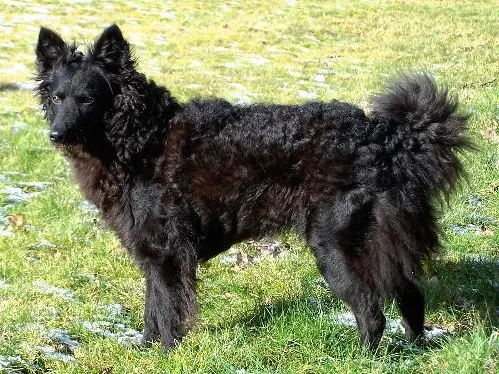
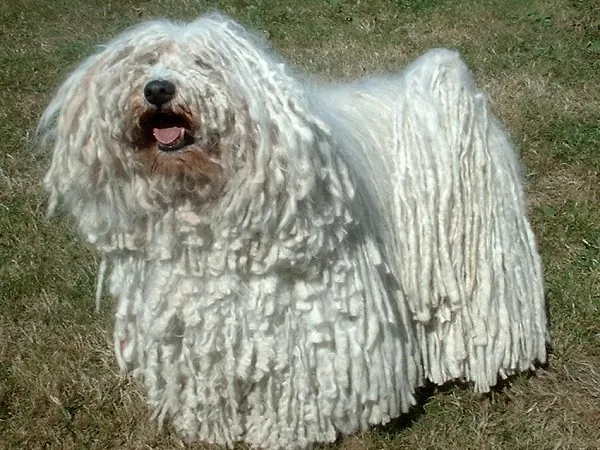
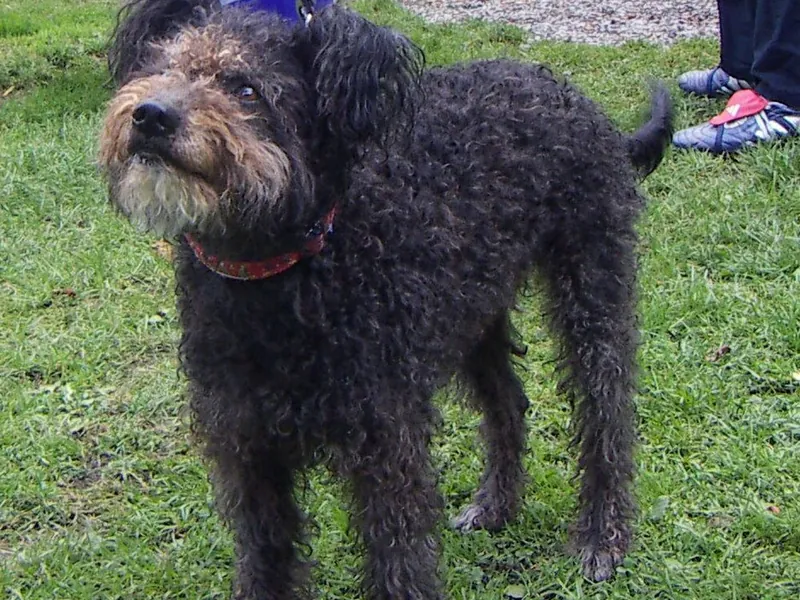
Hungary has three distinctive herding breeds. The Puli is a medium-sized dog with a dense corded coat and a quick, agile working style. The Pumi has a curly coat, upright ears with tipped ends and a lively, vocal personality. The Mudi is a rare, wavy-coated all-rounder used for herding, guarding and hunting. All three are energetic, alert and very trainable, and they need daily exercise and mental work.
These herders are often reserved with strangers and quick to bark at anything unusual, which makes them good watchdogs but means early socialization matters.
Livestock Guardians
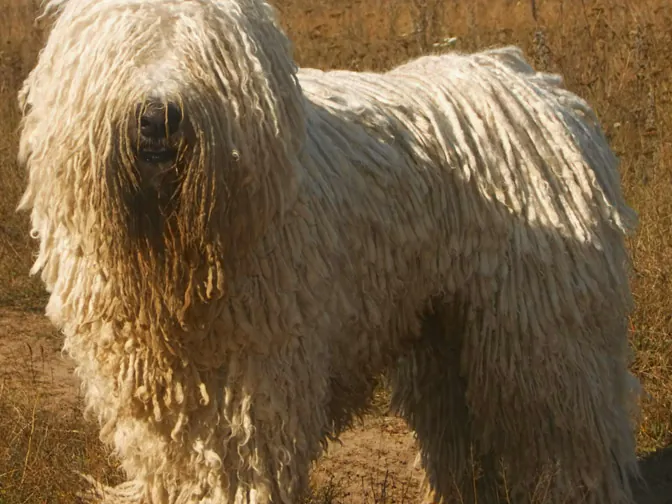
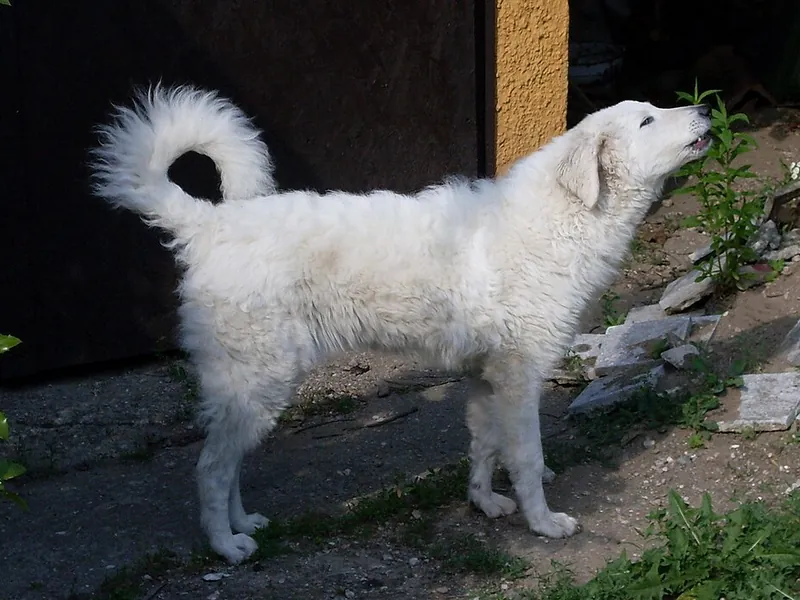
The Komondor and Kuvasz are large white flock guardians. The Komondor's heavy white cords protected it from harsh weather and predators. The Kuvasz has a wavy white double coat. Both were bred to make decisions on their own, so they are independent, territorial and wary of strangers. They suit experienced owners with secure property, not first-time owners in small homes.
Hunting Breeds
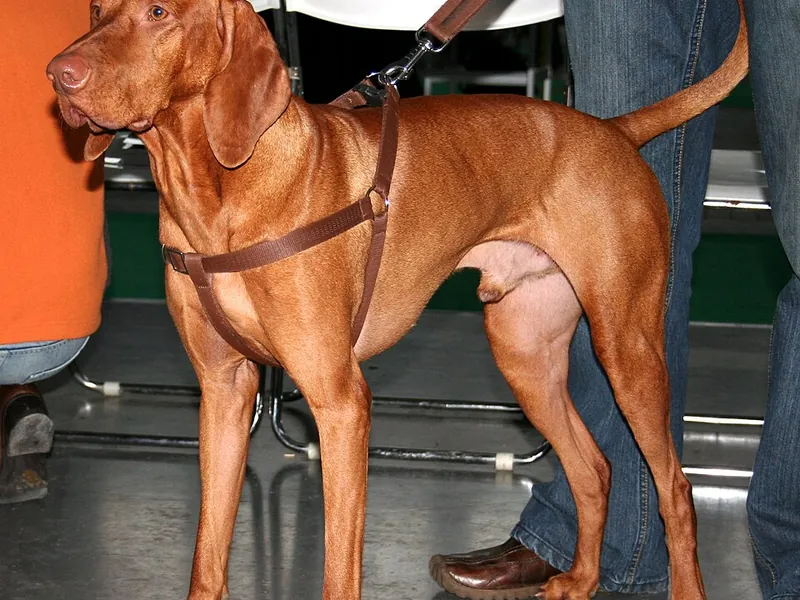
- Vizsla: a golden-rust pointer and retriever known for its affection and close bond, often called a velcro dog.
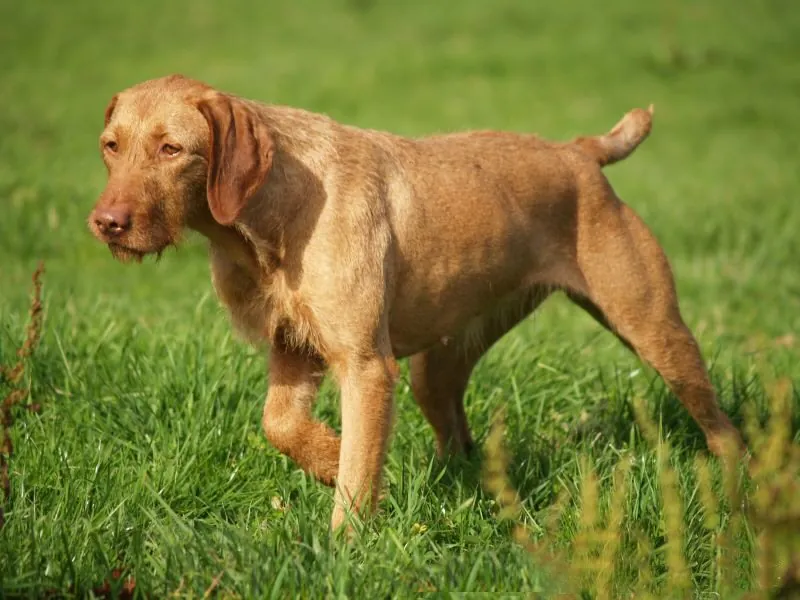
- Wirehaired Vizsla: developed in the 20th century for a tougher coat suited to cold weather and dense cover.
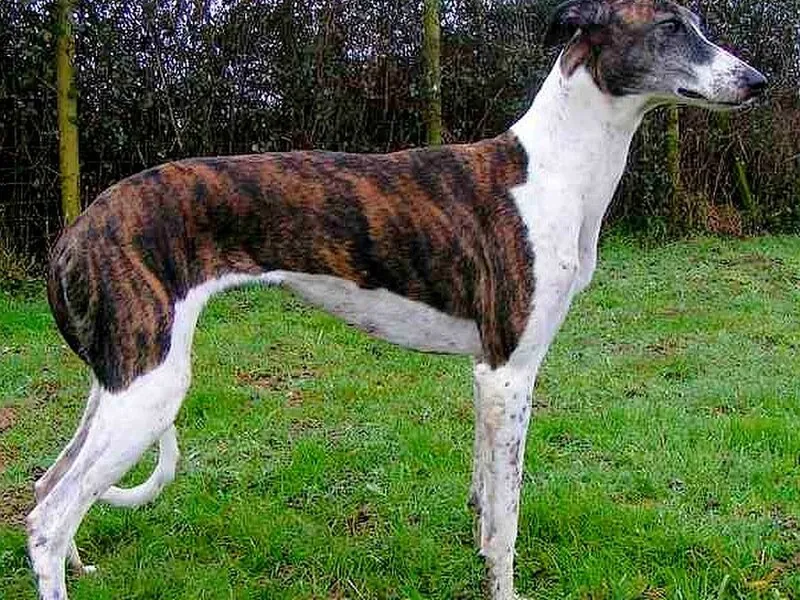
- Magyar Agár: a hardy sighthound bred for endurance as much as speed.
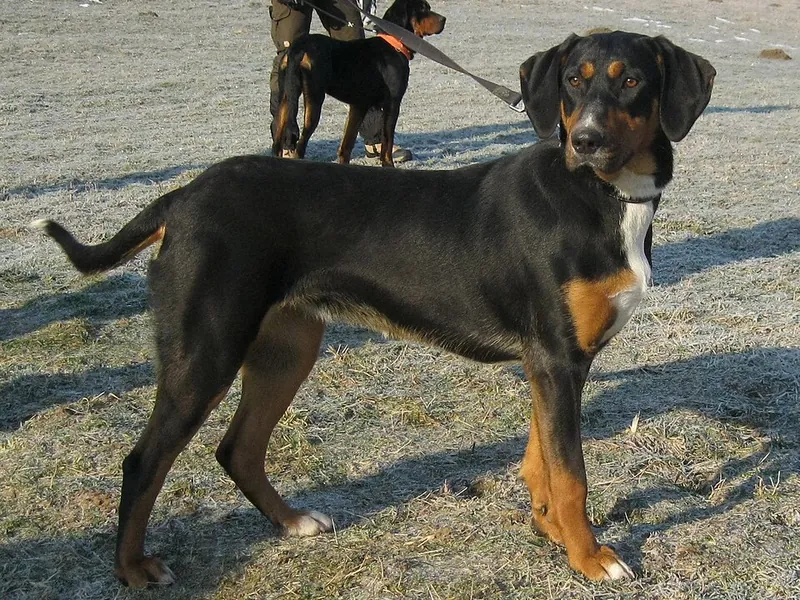
- Transylvanian Hound: a rare scent hound from the Carpathian region.
These breeds need plenty of running and a safe space to do it. The sighthound and scent hound may follow their hunting instincts, so recall training is essential.
The Vizsla is the most adaptable of the group for family life. It is gentle and eager to please, but it bonds very closely and can struggle with long hours alone.
Caring for Corded Coats
The Puli and Komondor shed little, but their cords need regular separation by hand to prevent large mats, and a bath means hours of soaking, rinsing and drying. Some pet owners keep their dogs clipped short instead. Ask an experienced breeder or groomer to show you the routine before you commit.
The curly Pumi is easier: it needs occasional trimming and brushing, but not cord care.
Health Notes
Hungarian breeds are generally considered hardy, but responsible breeders screen for hip dysplasia and breed-specific eye conditions. Large, deep-chested guardians like the Kuvasz and Komondor can be prone to bloat, so learn the warning signs.
Several Hungarian breeds are rare outside their home country. If you are drawn to the Mudi, Pumi or Magyar Agár, contact breed clubs early and expect to wait for a well-bred puppy.
Frequently Asked Questions
What is the most popular Hungarian dog breed?
The Vizsla is the best-known Hungarian breed internationally, admired for its affectionate nature and athletic build.
Are Hungarian dog breeds good family pets?
The Vizsla and Pumi can be wonderful family dogs for active households. Guardians like the Kuvasz and Komondor need experienced owners.
Why do the Puli and Komondor have dreadlocks?
Their cords form naturally as the soft undercoat and outer coat intertwine. In both breeds, this coat protected them from harsh weather while working with livestock.
Do Hungarian dog breeds shed?
The corded Puli and Komondor and the curly Pumi shed little, while the Vizsla sheds lightly and the Kuvasz sheds heavily.
Is the Vizsla a good first dog?
It can be for active owners who are home often. Vizslas are affectionate and trainable but need lots of exercise and dislike being left alone for long periods.
Not sure which breed fits you?
Answer 8 quick questions and get breeds ranked for your home, schedule and experience.