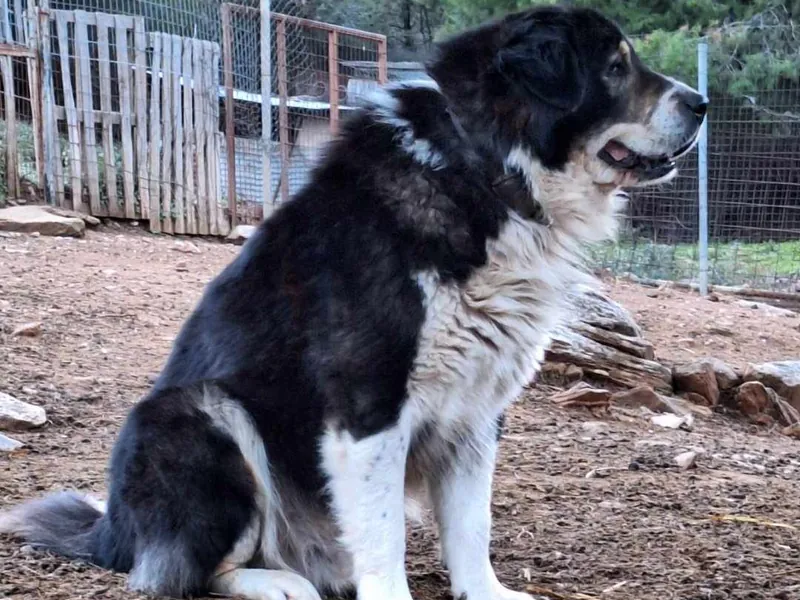
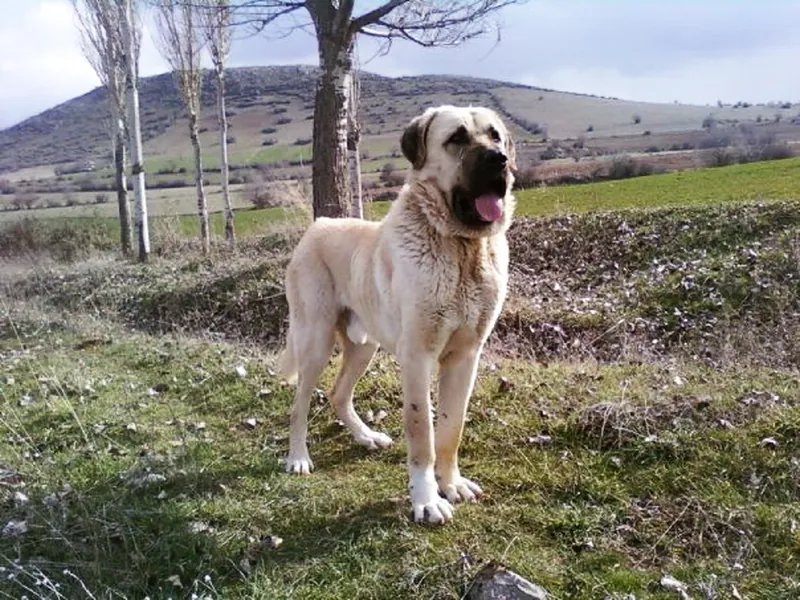
KuvaszHungary's large white flock guardian
The Kuvasz is a large, white livestock guardian from Hungary, bred to protect flocks and homes with courage and independence. It is deeply loyal to its family and wary of strangers. It suits experienced owners with space who understand guardian breeds and can provide calm, consistent leadership.
Why people love the Kuvasz
- Devoted, protective guardian of family and livestock
- Moderate exercise needs for a giant breed
- White coat sheds dirt well once dry
- Calm and quiet at home when well socialized
- Gentle and affectionate with its own family
Things to consider
- Independent; not naturally obedient
- Suspicious of strangers; visitors need structured introductions
- Needs a large, securely fenced property
- Heavy seasonal shedding of a white double coat
- Giant size raises costs for food, care and transport
Is this breed right for you?
10 questions · live resultHistory and Origin
The Kuvasz is believed to have arrived in the Carpathian Basin with the Magyar tribes around the 9th century. Shepherds used these dogs to guard sheep and cattle from wolves and thieves, and their white coat helped shepherds distinguish them from predators.
The breed was also valued by Hungarian nobility, and King Matthias Corvinus in the 15th century is said to have kept them as guards. Numbers fell dramatically during and after the World Wars, and breeders rebuilt the population from very few dogs. The AKC recognized the Kuvasz in 1931.
Size, White Coat and Build
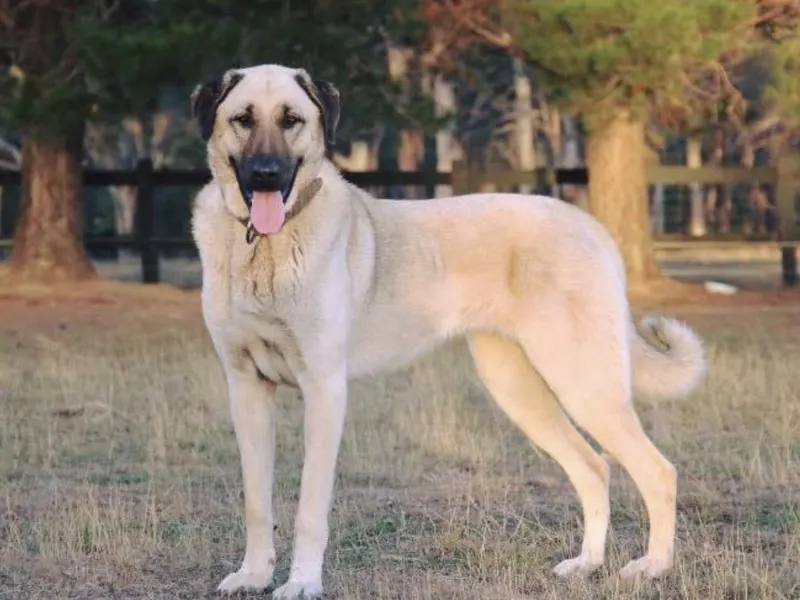
The Kuvasz is a giant, well-balanced guardian with a noble head, almond-shaped dark eyes and a strong, moderately long body. Adults stand about 26 to 30 inches tall and weigh roughly 82 to 137 lb. The difference between the sexes is marked: males stand about 28 to 30 inches and are considerably heavier and more massive, while females measure about 26 to 28 inches and have a lighter frame.
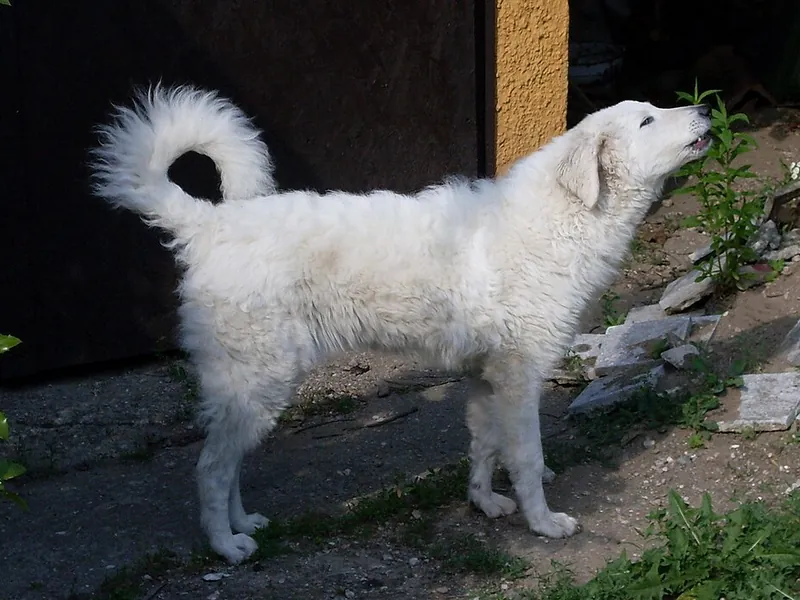
The double coat ranges from wavy to straight and is medium length, with a coarse outer coat over a fine, woolly undercoat. The hair is shortest on the head, ears and feet, and longer on the neck, where it forms a mane, and on the back of the thighs. Coat volume changes with the seasons and can be quite sparse in summer.
Color: only white is accepted. Some dogs show a light ivory tint, which is permitted. The skin is heavily pigmented, slate gray or black, and the nose, lips and eye rims are black. This dark skin helps protect against sun.
Temperament and Personality
Kuvaszok are devoted, protective and courageous. They form strong bonds with their family and are naturally suspicious of unfamiliar people. Their guarding instinct is strong and can extend to the family's children and other pets.
As livestock guardians, they are bred to think independently and make decisions without direction, so they are not naturally obedient. They are usually calm at home but react quickly to perceived threats.
A Kuvasz typically watches over the household quietly and with great attention. It may position itself between family members and strangers, and it often patrols the property at night. With visitors, structured introductions are important. Within the family, Kuvaszok are affectionate and gentle, though they rarely seek attention from outsiders.
Are Kuvasz Aggressive?
Kuvaszok are not aggressive by nature toward their families, but they are protective guardians that take threats seriously and are wary of unfamiliar people and dogs.
Their behavior reflects their breeding as independent flock and property guardians. A well-socialized Kuvasz usually watches visitors calmly and accepts them after a proper introduction. Problems arise when puppies miss early socialization, when dogs lack clear routines or when guests enter the property without the owner. Managing visitors, secure fencing and calm, consistent training are important. Check local rules and insurance policies, as some restrict large guardian breeds.
Do Kuvasz Bark a Lot?
Kuvaszok bark when they sense something unusual, and many are particularly vocal at night. They are not constant barkers but use their deep voice to warn off intruders.
Night-time barking is a guardian trait: livestock predators are most active after dark, and a Kuvasz patrolling its property may respond to wildlife, distant dogs or unfamiliar noises. In rural settings this is usually accepted. In suburban areas, bringing the dog indoors at night and minimizing visual triggers help. Training can reduce excessive barking, but it will not eliminate the instinct to alert, which is part of the breed's purpose.
Are Kuvasz Good With Other Pets?
A Kuvasz raised with other animals usually accepts them as part of its flock and can be very protective of them, including cats and livestock.
Early, supervised exposure during puppyhood matters most. Many Kuvaszok live peacefully with family cats and other dogs they grew up with. Unfamiliar dogs entering the property are another matter, since the breed is territorial. Same-sex tension can occur between adult dogs, particularly two males. When adding a new pet, introduce them slowly on neutral ground and supervise until the relationship is settled. Never rely on a Kuvasz to accept stray animals in the yard.
Exercise and Training
Moderate daily exercise is enough: long walks, time in a large fenced yard and the chance to patrol. They enjoy having a purpose and space to move.
Training must be early, patient and consistent. Sources disagree on how trainable the Kuvasz is; most experienced owners describe it as intelligent but independent. Socialization during puppyhood is essential to help the dog distinguish between normal visitors and real threats. A secure, high fence is necessary.
Kuvaszok are not built for intense sports. Overdoing exercise in puppyhood can harm growing joints, so moderate walks and free play on soft ground are best during the first year.
Grooming and Shedding
The medium-length, wavy to straight white double coat repels dirt well. Brush weekly, and more often during the heavy seasonal shed. Bathing is rarely needed. Keep nails trimmed, and check ears and paws regularly.
The white coat sheds dirt surprisingly well once dry; letting mud dry and brushing it out is often more effective than frequent bathing.
Feeding and Nutrition
Kuvasz puppies grow very quickly, and controlled growth is essential to protect joints prone to hip and elbow dysplasia. Feed a complete diet formulated for large or giant-breed puppies, keep the puppy slim and do not add calcium or other supplements unless your vet recommends them. Avoid free-feeding during growth.
Adult condition: like many livestock guardians, adult Kuvaszok often need less food than their size suggests. Base portions on body condition, with ribs easy to feel under the coat, and adjust for activity and season.
Bloat: as a giant, deep-chested breed, the Kuvasz has an increased risk of gastric dilatation-volvulus. Feed two or three meals a day, avoid exercise around mealtimes and learn the warning signs. A preventive gastropexy is worth discussing with your vet.
Thyroid: hypothyroidism is reported in the breed. Unexplained weight gain, lethargy or coat changes despite normal feeding deserve a vet check.
Guardians working outdoors in cold weather may need more food, and their food should be kept away from livestock feed. Use treats sparingly.
| Adult weight | Less active | Typical adult | Very active |
|---|---|---|---|
| 82 lb | 1,480 kcal | 1,690 kcal | 2,110 kcal |
| 110 lb | 1,840 kcal | 2,100 kcal | 2,630 kcal |
| 137 lb | 2,170 kcal | 2,480 kcal | 3,100 kcal |
Estimates use the resting energy formula veterinarians work with (70 × body weight in kg0.75) and standard activity factors. Use the feeding guide on your food as a starting point and adjust to body condition. Puppies, seniors, pregnant animals and pets that need to lose weight have different needs, so ask your vet.
Health and Lifespan
Kuvaszok typically live 10 to 12 years. Health issues noted by the AKC and breed clubs include:
- Hip and elbow dysplasia
- Autoimmune thyroiditis (hypothyroidism)
- Luxating kneecaps
- Heart disease
- Progressive retinal atrophy
- Bloat (gastric dilatation-volvulus), a risk in large, deep-chested breeds
Choose breeders who screen hips, elbows, thyroid, heart and eyes. Controlled growth during puppyhood supports joint health.
Kuvasz Price and Cost of Ownership
The Kuvasz is uncommon in the United States, and only a limited number of breeders produce litters each year. Prices vary by breeder, region and lines. Expect to wait and to be screened carefully, since responsible breeders want to place dogs in homes that understand guardian breeds. Ask for hip, elbow, thyroid, heart and eye results for the parents.
Adoption is possible through breed rescue groups and livestock guardian rescues, which often place adult dogs with a known temperament.
The main ongoing cost drivers are food for a giant breed, high and secure fencing, and veterinary care scaled to a dog over 100 lb. Medication and anesthesia doses rise with weight. Preventive gastropexy, treatment for joint disease and thyroid medication are other possible expenses. Some homeowner insurance policies charge more for guardian breeds.
Is the Kuvasz Right for You?
A Kuvasz is a good fit for experienced owners with a large, fenced property, farmers needing a livestock guardian, or households wanting a loyal and protective family dog with moderate exercise needs.
It is not suited to apartments, first-time owners or homes with frequent visitors who are not managed carefully. Check local rules on large guardian breeds and insurance requirements.
Prospective owners should meet adult dogs of the breed first to understand the size, strength and watchful nature of a mature Kuvasz.
Kuvasz Traits at a Glance
Kuvasz FAQ
How big do Kuvaszok get?
They stand about 26 to 30 inches tall and weigh roughly 82 to 137 lb, with males noticeably larger.
Are Kuvasz good family dogs?
They can be loyal and protective family dogs for experienced owners, but they need careful socialization and supervision with visitors.
Do Kuvasz shed a lot?
Yes, they shed moderately year-round and heavily during seasonal changes.
How long do Kuvaszok live?
Typically 10 to 12 years.
What is the plural of Kuvasz?
In Hungarian the plural is Kuvaszok.
Are Kuvasz easy to train?
They are intelligent but independent; patient, consistent training and early socialization are essential.