Kangal Shepherd DogTurkish livestock guardian of great size
The Kangal is a powerful Turkish livestock guardian bred to protect flocks from wolves and other predators. It is calm, independent and protective, and it suits experienced owners with large, securely fenced land rather than suburban or city life.
Why people love the Kangal Shepherd Dog
- Calm, steady livestock guardian with centuries of working history
- Gentle and tolerant with its own family members
- Short coat is easy to maintain outside shedding season
- Usually hardy, with a lifespan of 11 to 13 years
- Proven effective at reducing predator losses on farms
Things to consider
- Needs large, securely fenced land, not suburban or city life
- Independent; off-leash recall is rarely reliable
- Suspicious of strangers; visitors require careful management
- Barks at night while patrolling
- Some areas and insurers restrict large guardian breeds
Is this breed right for you?
10 questions · live resultHistory and Origin
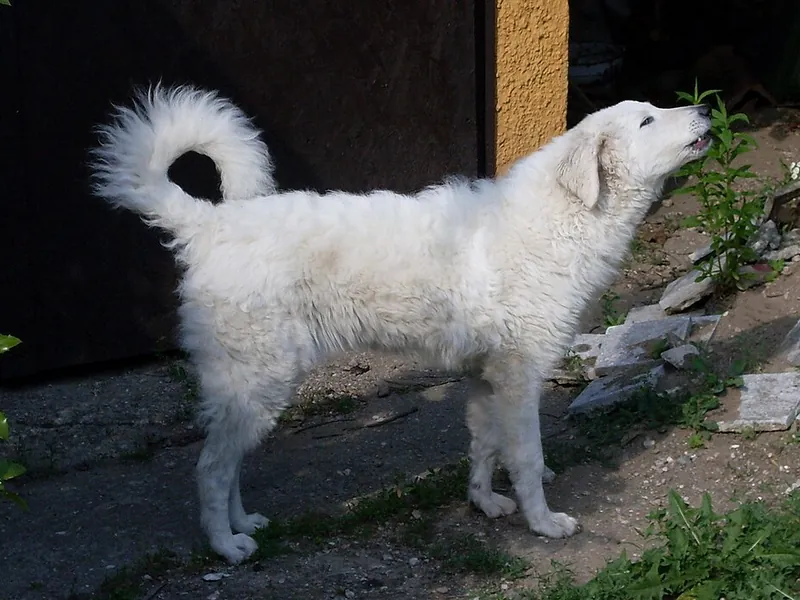
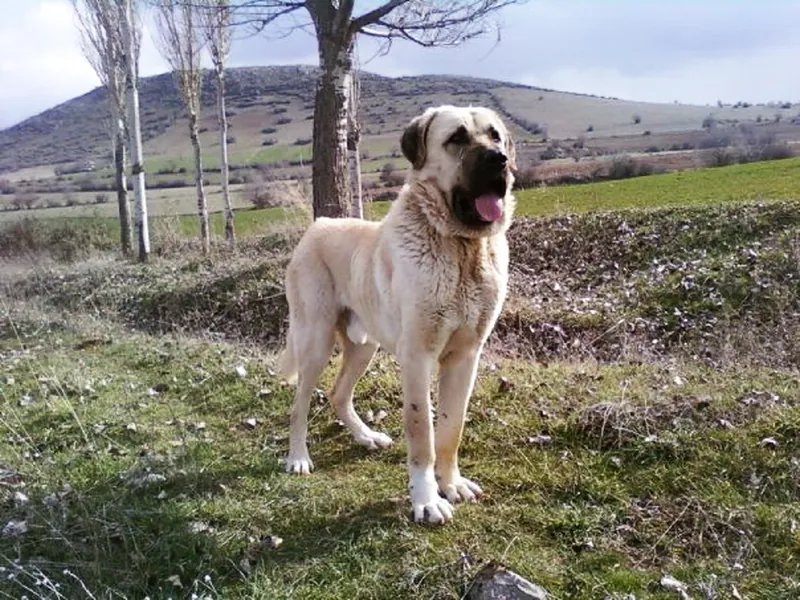
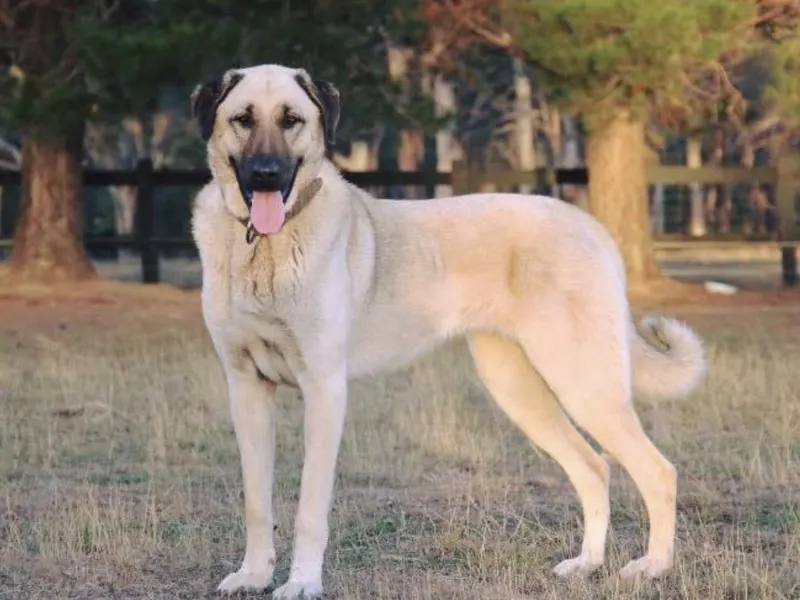
The Kangal takes its name from the Kangal district of Sivas province in central Turkey, where shepherds have kept these dogs with their sheep for centuries. The dogs live with the flock, patrol its edges and confront predators such as wolves. Turkey regards the Kangal as a national breed, and the typical dog is fawn or dun with a black mask.
In the West, Kangals and similar Turkish guardians were first registered as Anatolian Shepherd Dogs. The AKC does not separate the two, while The Kennel Club also lists the Turkish Kangal Dog. The breed has gained attention through conservation work in Namibia, where guardian dogs help farmers protect livestock from cheetahs and so reduce conflict with the wild cats.
Size, Coat and Black Mask
The Kangal is a giant, powerfully built guardian with long legs, a deep chest and a large head that gives a calm, imposing look. Adults stand 26 to 31 inches at the shoulder and weigh around 88 to 132 lb. Males are taller, heavier and broader in the head; females are lighter and somewhat more agile, though still very large.
The coat is short to medium, dense and double, with a thick undercoat that protects against the hot summers and cold winters of the Anatolian plateau. The tail is long and is carried curled over the back when the dog is alert.
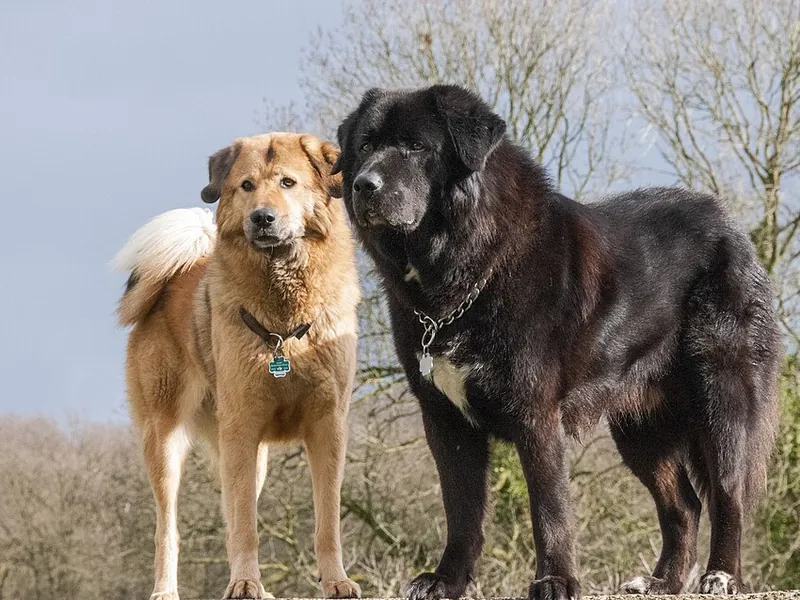
Colors: Kangal breeders in Turkey and Kangal clubs abroad favor a uniform look: pale fawn to gray-dun with a black mask and black ears. White markings are limited or undesirable. This consistency is the main visible difference from Anatolian Shepherd Dogs, which the AKC accepts in a wide range of colors and patterns, including pinto, brindle and white. Under the AKC, both are registered as Anatolian Shepherd Dogs.
Temperament and Personality
Kangals are calm, observant and deeply attached to whatever they consider their flock, whether sheep or a human family. They are naturally suspicious of strangers and unfamiliar dogs and will respond to perceived threats, usually starting with deep warning barks and posturing. They are independent thinkers, bred to make decisions without human direction.
With family members, including children they know, they are usually gentle and tolerant. Their size, protectiveness and independence mean visitors and children's friends need careful management.
Many Kangals are most active at dusk and during the night, when predators are on the move, and will bark at sounds in the dark. Neighbors in rural areas usually accept this better than those in a housing estate.
Are Kangals Aggressive?
Kangals are not aggressive toward their own family, but they are protective guardians that will respond to anything they see as a threat to their home, people or animals.
Their typical response is graduated: deep barking, standing tall and positioning themselves between the threat and the flock. Physical confrontation is a last resort. Problems arise when a guardian is poorly socialized, kept in a setting where every passerby looks like an intruder or left without clear boundaries. Owners should manage visitors carefully, use secure fencing and seek professional guidance early if a young dog shows concerning behavior. Some cities, landlords and insurers restrict the breed.
Are Kangals Good for First-Time Owners?
No, the Kangal is generally not recommended for first-time owners. It is a giant, independent guardian whose instincts differ from those of typical companion breeds.
Kangals make their own decisions about threats and may ignore commands that do not make sense to them. A first-time owner may find it hard to read early warning signs, manage the dog around visitors or provide fencing strong enough for a determined patroller. People who already have experience with livestock guardians or other large, independent breeds are usually better prepared. If you are new to dogs but set on a Kangal, find a mentor through a breed club before buying.
Are Kangals Good With Other Pets?
Kangals raised with other animals usually accept them as part of the flock and can be very protective of them, including cats, goats, sheep and poultry.
The key is early, supervised exposure. Working Kangal puppies are traditionally raised among livestock so that they bond with the animals they will guard. Unfamiliar dogs are a different matter: Kangals are often intolerant of strange dogs entering their territory, and same-sex tension between adult guardians can occur. Introduce new pets slowly and on neutral ground, and never assume that a Kangal will accept dogs that wander onto the property.
Exercise and Training
Kangals need moderate daily exercise, such as long walks and time to patrol a large, secure property, rather than intense sport. They are most content with a job, ideally guarding livestock. Fencing must be high and solid, as many guardian dogs roam to extend their territory.
Training is challenging. Kangals learn quickly but often choose not to comply when they see no reason. Early socialization, calm consistency and reward-based training help, but off-leash recall is rarely reliable. Some countries, states and cities restrict Kangals or similar guardian breeds, so check local rules.
Grooming and Shedding
The short to medium, dense double coat needs weekly brushing and more attention during the seasonal molt, when the undercoat comes out in clumps. Baths are rarely necessary. Check nails and ears regularly. Kangals drool very little.
Because these dogs often spend a lot of time outdoors, check regularly for ticks, grass seeds between the toes and wear on the pads, and keep vaccinations and parasite control up to date for dogs living with livestock.
Feeding and Nutrition
Kangal puppies grow very quickly, and controlled growth matters for joint health. Feed a complete diet formulated for large or giant-breed puppies, keep the puppy lean and avoid adding calcium. Many guardian breeders prefer moderate growth over maximum size.
Efficient metabolism: livestock guardians historically lived on modest rations, and many Kangals need less food than their size suggests, especially adults that patrol rather than run. Base portions on body condition, not on the label alone, and adjust for working and resting seasons.
Bloat: breed clubs report that bloat is relatively uncommon, but as a large, deep-chested dog the Kangal still carries a risk. Feed two meals a day, avoid heavy exercise around mealtimes and learn the warning signs.
Working dogs: guardians that live outdoors with livestock may need more food in cold weather and must not have access to livestock feed, which can upset their stomach. Keep their food separate from the animals they guard, and provide fresh water in all seasons. Use treats sparingly during training.
| Adult weight | Less active | Typical adult | Very active |
|---|---|---|---|
| 88 lb | 1,560 kcal | 1,780 kcal | 2,220 kcal |
| 132 lb | 2,110 kcal | 2,410 kcal | 3,010 kcal |
Estimates use the resting energy formula veterinarians work with (70 × body weight in kg0.75) and standard activity factors. Use the feeding guide on your food as a starting point and adjust to body condition. Puppies, seniors, pregnant animals and pets that need to lose weight have different needs, so ask your vet.
Health and Lifespan
Kangals are generally hardy working dogs. Hip and elbow dysplasia can occur, so screening of breeding dogs is recommended. Breed clubs report that hip dysplasia and bloat are relatively uncommon, but as a large, deep-chested breed, owners should know the warning signs of gastric dilatation-volvulus, such as a swollen belly and unproductive retching.
Puppies grow quickly; a steady growth rate, a lean body condition and avoiding excessive jumping during the first year help joint development. Lifespan is typically 11 to 13 years.
Kangal Shepherd Dog Price and Cost of Ownership
Typical breeder price in the US$1,500 to $3,000
Kangal puppies from established US breeders typically cost around $1,500 to $3,000, though prices vary by breeder, region and lines. Imported dogs from Turkish bloodlines can cost more. Kangals are less common in the US than Anatolian Shepherds, so you may wait for a litter. Ask for hip and elbow screening and about how the parents work with livestock.
Adoption through guardian dog rescues is an option, and adult dogs with a known history can be a good match for farms.
The main ongoing cost drivers are high, secure fencing, which can exceed the price of the puppy, food for a giant breed, and veterinary care scaled to a dog over 100 lb, including anesthesia and medication doses. Some homeowner insurance policies charge more for large guardian breeds or exclude them, so check before buying.
Is the Kangal Right for You?
The Kangal suits experienced owners with large rural properties, livestock or substantial land, and the confidence to manage a powerful guardian breed. It thrives as a working dog.
It is not suited to apartments, suburban homes with small yards, first-time owners or households with frequent visitors. Plan for secure fencing and lifelong socialization.
Kangal Shepherd Dog Traits at a Glance
Kangal Shepherd Dog FAQ
Are Kangals good family dogs?
In experienced homes, Kangals can be gentle and protective with their own family. Their guarding instincts mean guests and visiting children need careful supervision.
How big do Kangals get?
Adults typically stand 26 to 31 inches at the shoulder and weigh around 88 to 132 lb.
Is a Kangal the same as an Anatolian Shepherd?
The AKC registers Kangals as Anatolian Shepherd Dogs, while some registries, including The Kennel Club, list the Turkish Kangal Dog separately. Kangals are usually more uniform in color, fawn with a black mask.
Are Kangals hard to train?
They are intelligent but independent, bred to make their own decisions. Training requires patience and consistency.
Do Kangals need a lot of space?
Yes. They do best on large, securely fenced properties, ideally with livestock to guard.
How long do Kangals live?
Kangals typically live 11 to 13 years.