Dangerous Dog Breeds? The Facts Behind the ListsBanned breeds, breed laws and real risk
This page explains which breeds and types commonly appear on restricted or banned dog lists in different countries and what those lists can and cannot tell you. It is meant for owners, renters and future dog buyers who want calm, factual context rather than scare stories.
Breeds Most Often Named on Restricted Lists
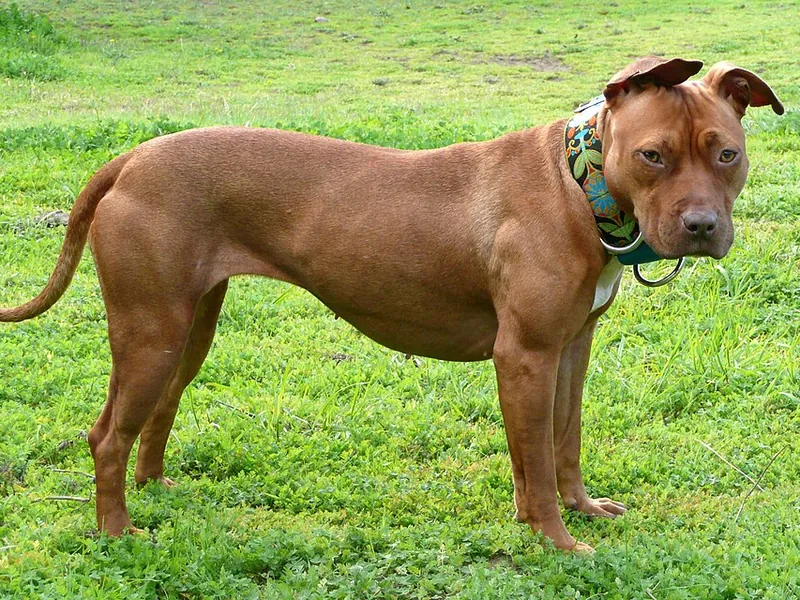
The pit bull terrier type is banned in the UK and restricted in some other countries and US cities.
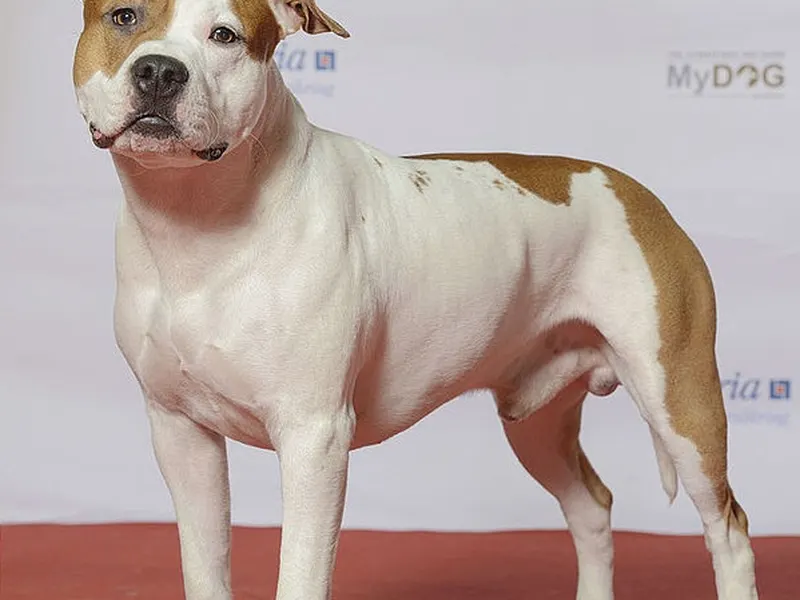
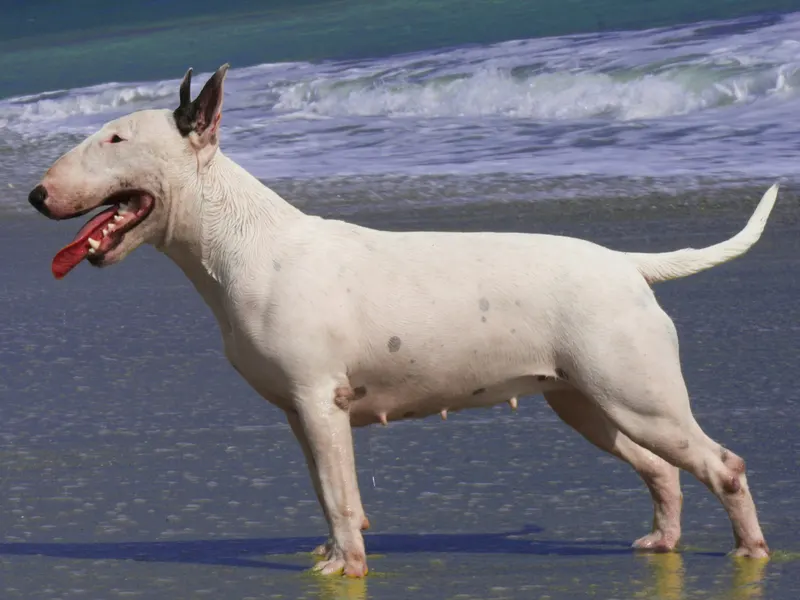
Often grouped with pit bull types in local rules, although it is a separately recognized breed.
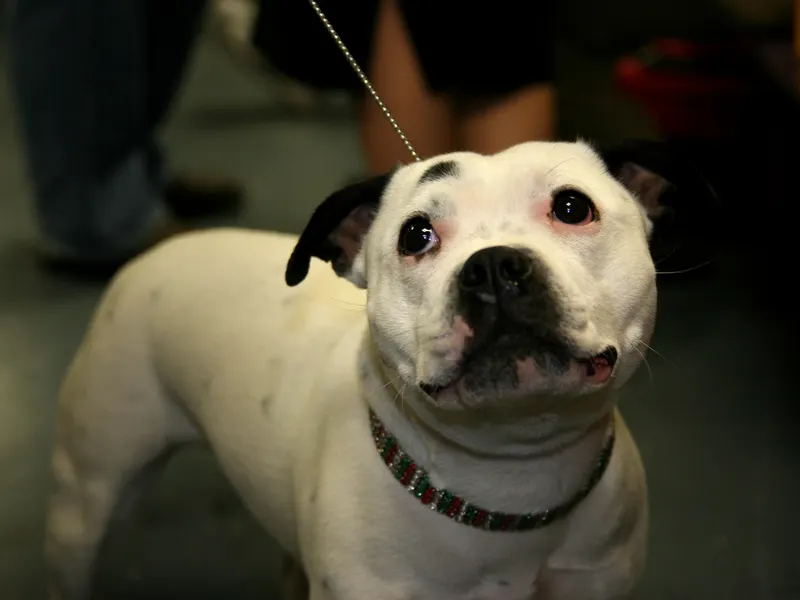
Not banned in the UK, the Staffy is still listed by some countries and local authorities.
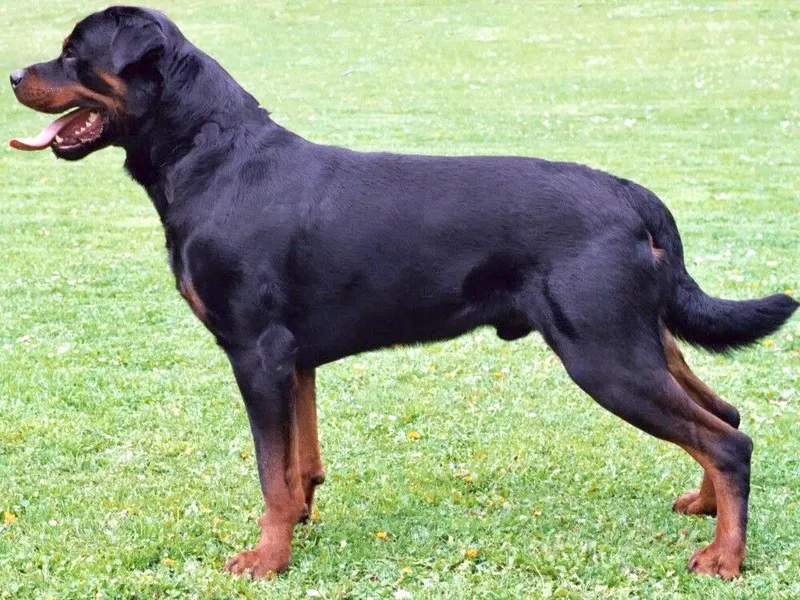
A powerful guardian breed that some countries and regions place on restricted lists.
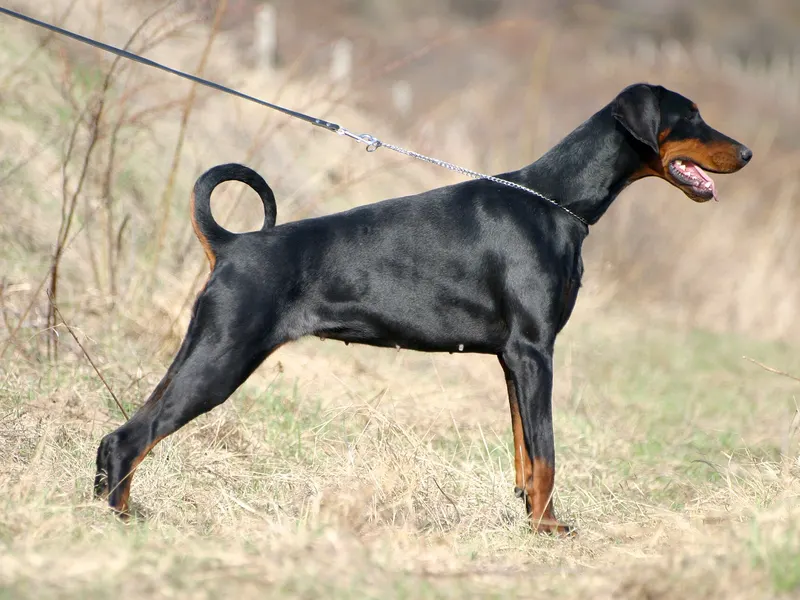
Bred as a personal protection dog, the Doberman appears on a few regional restriction lists.
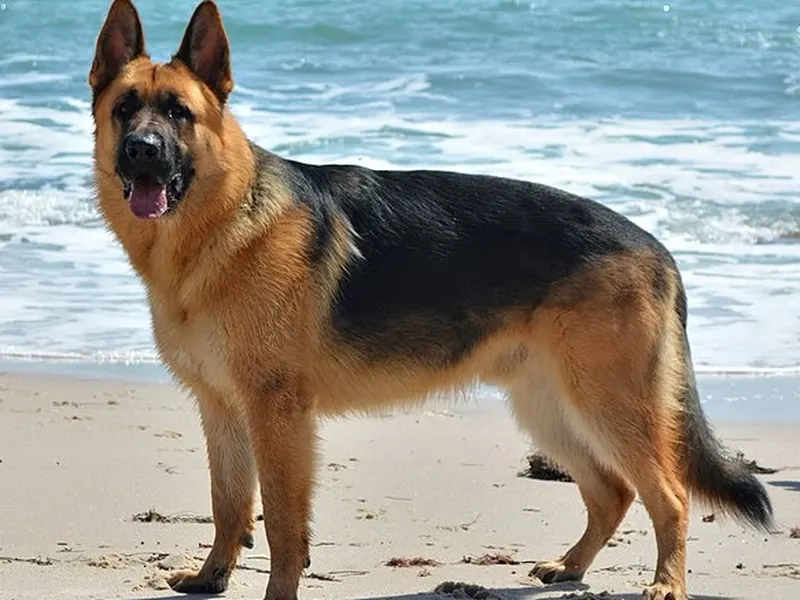
Often named simply because it is so common and widely used in police and protection work.
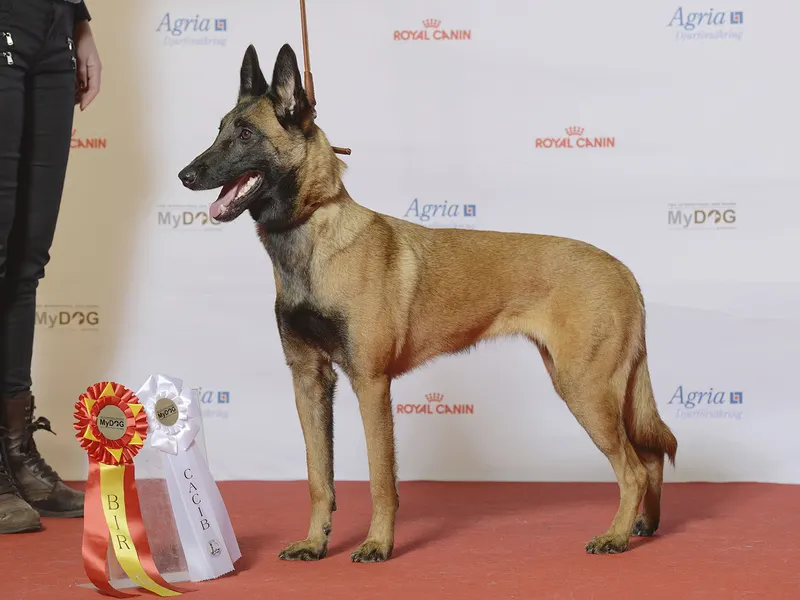
A high-drive working breed used by police and military, sometimes covered by local rules.
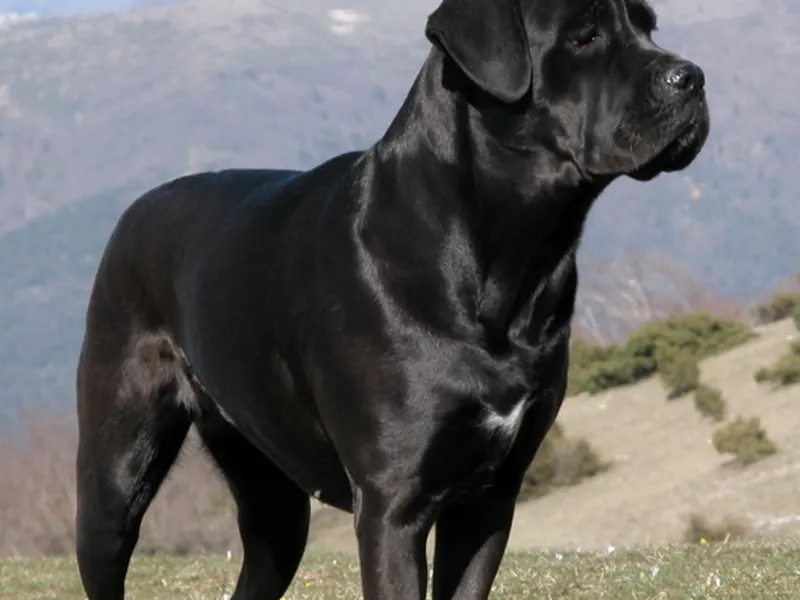
This Italian mastiff is restricted in some countries and municipalities because of its size and strength.
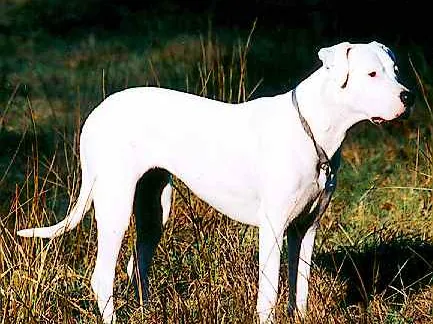
One of the four breeds named in the UK Dangerous Dogs Act and restricted in several other countries.
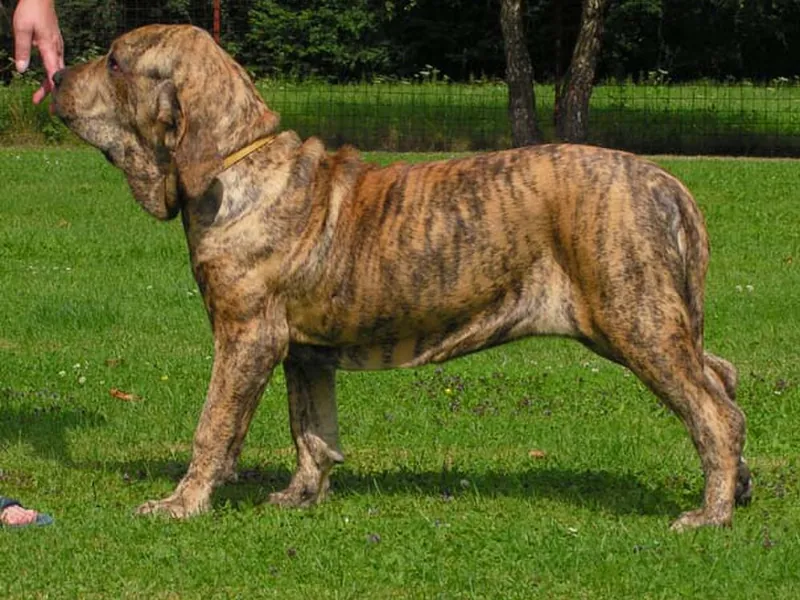
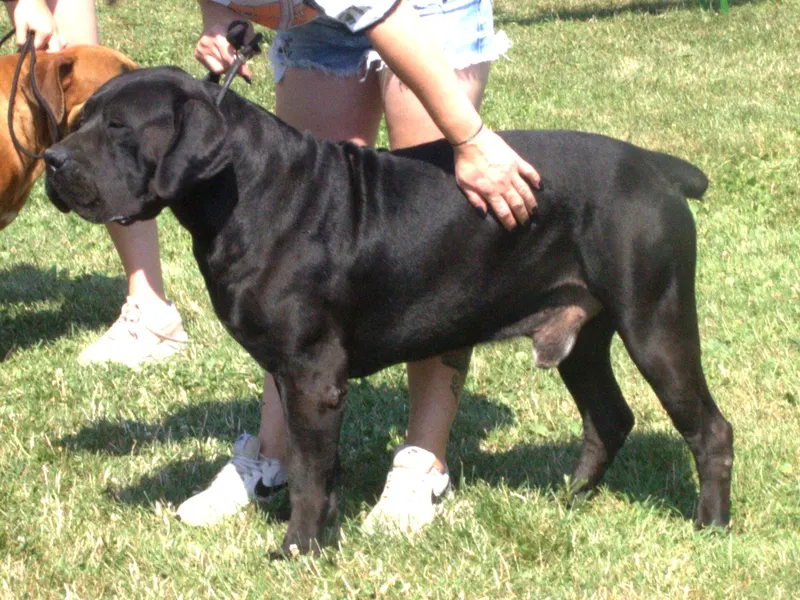
Named in the UK Dangerous Dogs Act, the Fila is a large Brazilian guardian breed.
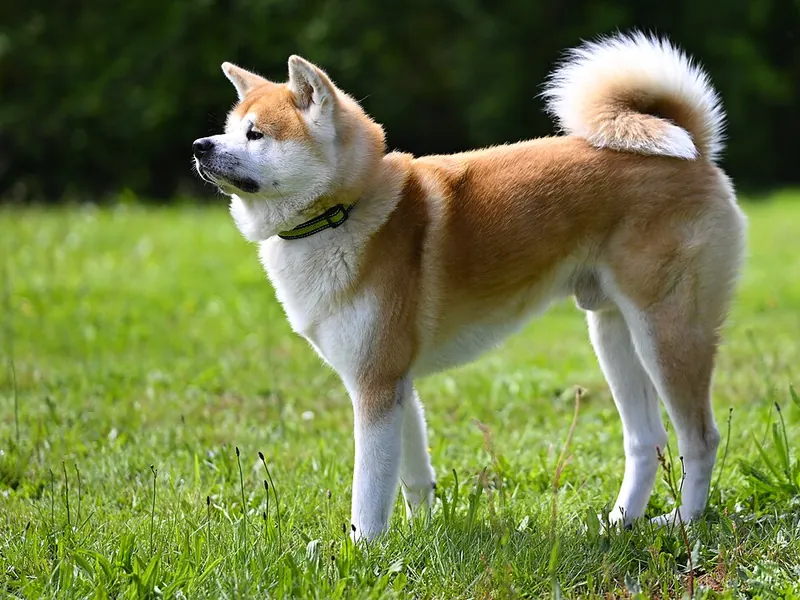
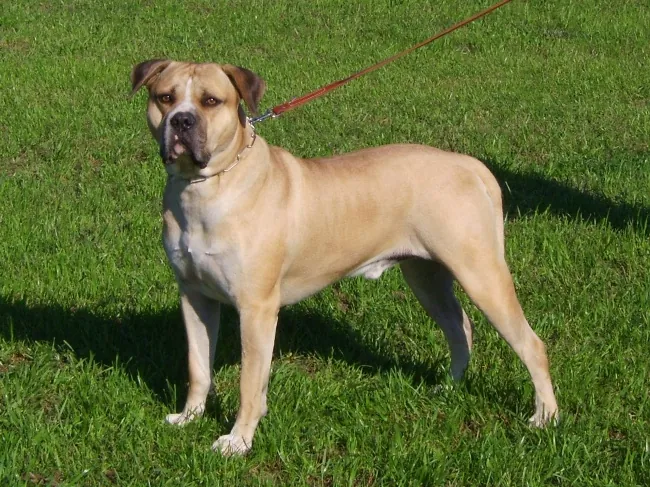
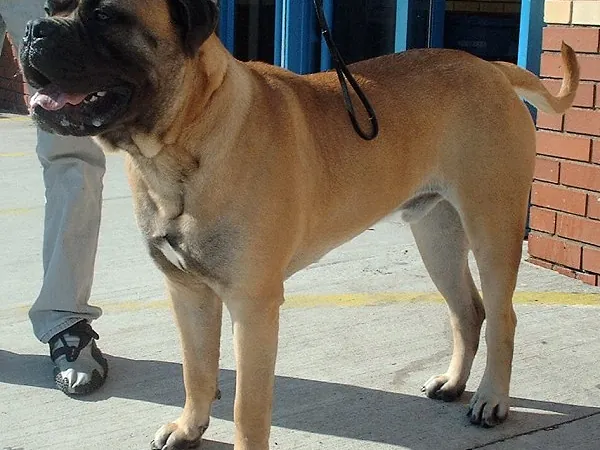
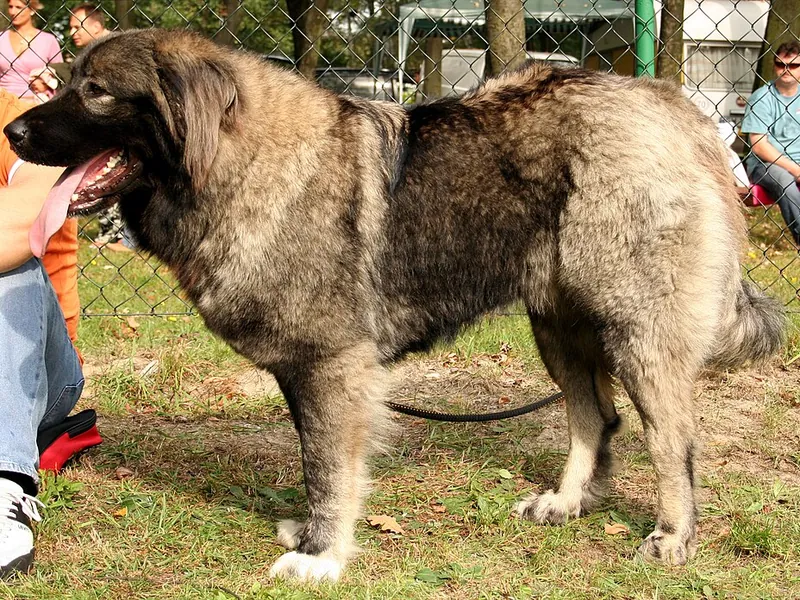
All Breeds Commonly Named in Breed Laws A to Z
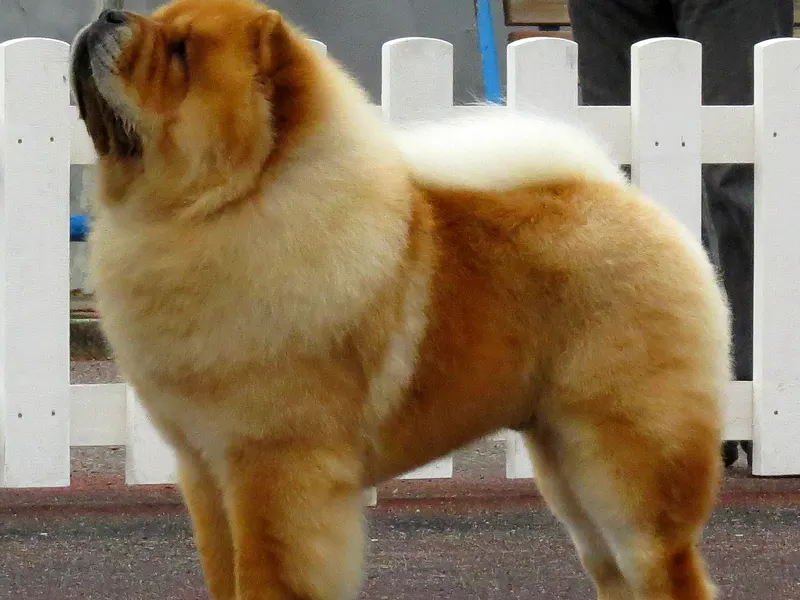
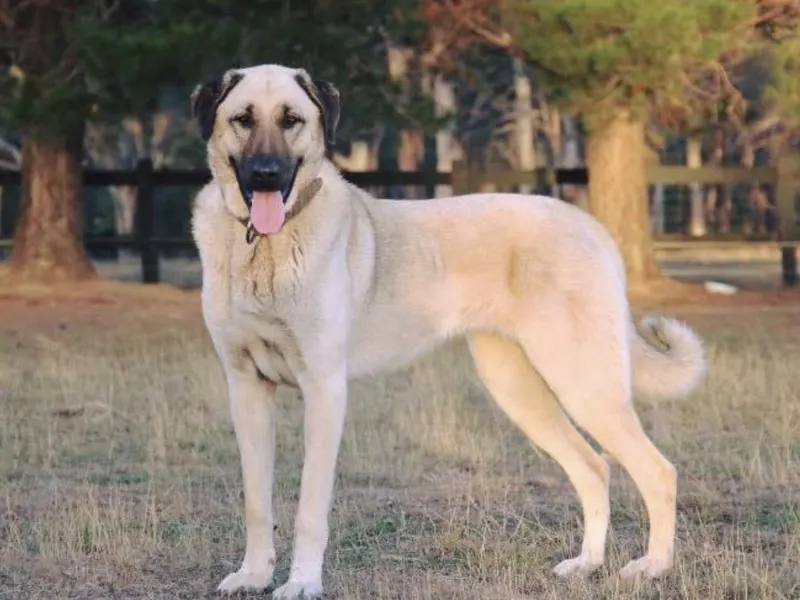
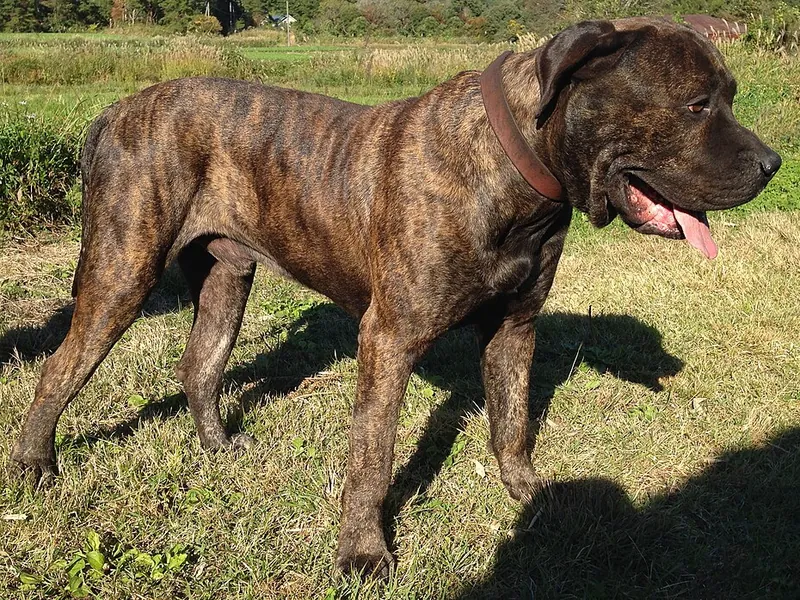
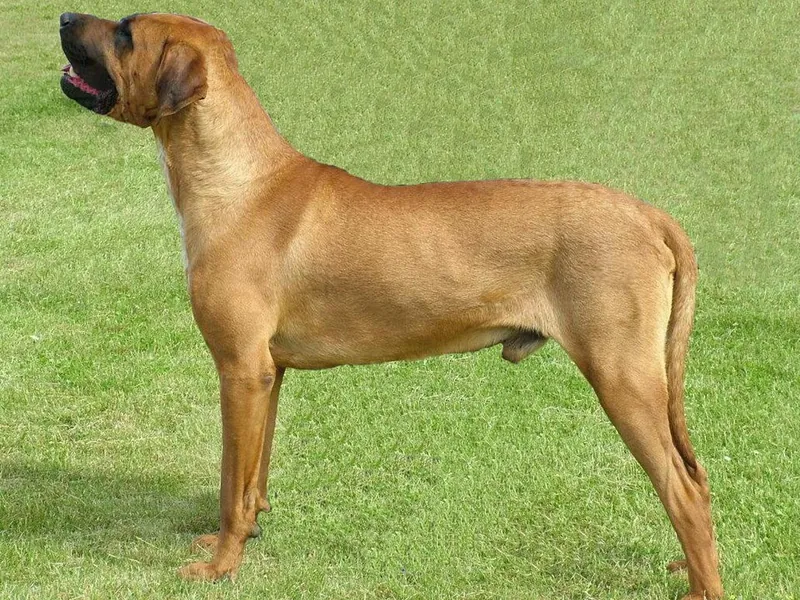
Why Breed Lists Exist and Why They Are Contested
Some governments regulate dogs by breed or type, a policy known as breed-specific legislation. Supporters see it as a simple way to limit risk from large, powerful dogs. Critics, including many veterinary and animal welfare organizations, argue that breed is a poor predictor of an individual dog's behavior, that identifying a dog's breed by appearance is unreliable, and that policies focused on responsible ownership work better.
That is why lists differ so much between countries, states and even neighboring cities, and why no breed on this page should be seen as inherently dangerous.
What Actually Affects Bite Risk
- Socialization: puppies that meet many people, dogs and situations during their early weeks are far more relaxed as adults.
- Training and management: leashing, secure fencing and supervising children reduce risk with any dog.
- Health and pain: a dog in pain is more likely to bite, regardless of breed.
- The individual dog: genetics, early experiences and the owner's skill matter more than a breed label.
- Size and strength: large dogs can cause more serious injuries, which is why powerful breeds need experienced, responsible handling.
Laws in the UK, US and Elsewhere
In the UK, the Dangerous Dogs Act 1991 prohibits the Pit Bull Terrier type, the Japanese Tosa, the Dogo Argentino and the Fila Brasileiro, and the XL Bully type was added in England and Wales in recent years. The law focuses on type and physical characteristics rather than papers. In the US there is no federal breed ban, but some cities and counties restrict certain types, while a number of states prohibit breed-specific rules. Many other countries, regions and municipalities keep their own lists, and these change over time.
Landlords, insurers and housing associations may also have breed rules. Always check the current local regulations before buying or moving with a dog.
Owning a Powerful Breed Responsibly
Breeds such as the Rottweiler, Cane Corso, Boerboel or Kangal Shepherd Dog were developed for guarding or protection work. They can be loyal, stable family dogs in the right hands, but they need an owner with time, experience and a commitment to training. Choose a breeder who selects for calm, sound temperaments, start socialization early, use reward-based training and plan for secure containment. Responsible ownership protects the public and the dog.
Before You Buy or Adopt a Powerful Breed
Check the practical side first. Some rental agreements, homeowner associations and insurance policies exclude certain breeds, and rules can also affect travel or moving abroad. If you adopt a dog of mixed or uncertain breed, be aware that local authorities may assess type by appearance. Meet the dog's parents or, for a rescue, ask about the dog's history and behavior in a foster home. Look for calm, friendly adult dogs and plan time for training classes. A well-bred, well-socialized and well-managed dog of any breed is a safer neighbor than a poorly raised dog of a breed that never appears on any list.
Frequently Asked Questions
Which dog breeds are banned in the UK?
The Dangerous Dogs Act covers the Pit Bull Terrier type, Japanese Tosa, Dogo Argentino and Fila Brasileiro, and the XL Bully type has been added in England and Wales. Rules can change, so check official government guidance.
Is there a most dangerous dog breed?
There is no reliable way to name one. Bite risk depends heavily on socialization, training, management, health and the individual dog, and breed identification in bite reports is often inaccurate.
Are Staffordshire Bull Terriers banned in the UK?
No. The Staffordshire Bull Terrier is a recognized breed and is not covered by the UK ban, although some other countries or local authorities list it.
Does the US have banned dog breeds?
There is no national ban. Some cities and counties restrict certain types, while some states prohibit breed-specific laws. Check your local ordinances.
How can I reduce the risk of dog bites?
Socialize puppies early, use reward-based training, supervise children with dogs at all times and give dogs space when they are eating, sleeping or unwell.
Not sure which breed fits you?
Answer 8 quick questions and get breeds ranked for your home, schedule and experience.