Chow ChowDignified, aloof and fiercely loyal
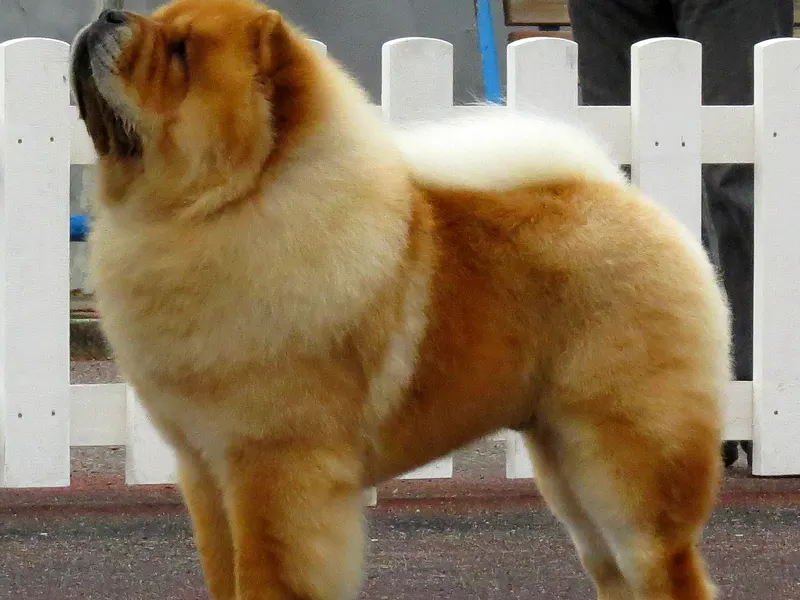
With its lion-like ruff, blue-black tongue and stiff-legged walk, the Chow Chow is one of the most distinctive dogs in the world. It is a reserved, cat-like guardian that bonds closely with one family and suits calm, experienced owners who respect its independence.
Why people love the Chow Chow
- Naturally clean and often quick to house-train
- Quiet indoors; not a frequent barker
- Deeply loyal to its own family
- Calm, dignified adult that needs only moderate exercise
- Striking lion-like look with blue-black tongue
Things to consider
- Aloof with strangers; needs extensive socialization
- Heavy seasonal shedding and demanding coat care
- Overheats easily in warm weather
- Independent; does not obey on command readily
- Eye and joint problems are common
Is this breed right for you?
10 questions · live resultHistory and Origin
The Chow Chow is one of the oldest dog types known, with roots in northern China going back well over 2,000 years. Genetic studies place it among the so-called ancient breeds. It worked as a general-purpose dog: guarding homes and temples, hunting, and pulling small carts.
Chows arrived in Britain in the late 1700s with merchant ships, and the name may come from a pidgin term for assorted cargo. Queen Victoria's interest helped the breed's popularity, and the AKC recognized it in 1903. Both rough and smooth coat varieties exist.
Size, Coat Types and Colors
The Chow Chow is a powerful, square, sturdily built dog standing about 18 to 22 inches at the shoulder and weighing 44 to 71 lb. It is heavy-boned with a broad skull, deep-set almond eyes and small, thick, erect ears. The tail is carried curled over the back. The very straight hind legs give the breed its short, stilted gait, which is correct under the standard.
Two coat types are recognized. The rough coat is abundant, dense and stand-off, forming a heavy ruff around the head and neck that creates the famous lion look. The smooth coat is hard, dense and flat, with no obvious ruff or feathering.
The AKC accepts five colors: red (from light gold to deep mahogany), black, blue, cinnamon and cream. Solid colors with lighter shading are typical. The tongue and inside of the mouth are blue-black. Males are usually larger, broader in the head and carry a fuller ruff than females.
Temperament and Personality
Chows are often compared to cats: clean, quiet and self-contained. They are deeply loyal to their family but aloof with strangers and do not seek attention from everyone. Their guarding instinct is strong.
They do not usually enjoy rough play or being handled by children they do not know, so they fit best with adults or older, respectful children. Early, extensive socialization with people and dogs is essential.
Chows are often described as one-family dogs. They may tolerate visitors politely without seeking contact, and they generally prefer predictable routines and a calm household.
Are Chow Chows Good for First-Time Owners?
Generally no. Chow Chows are better suited to owners with previous dog experience, ideally with independent or guarding breeds.
The challenges are specific: a Chow needs extensive socialization from puppyhood to accept strangers calmly, regular deep brushing to prevent mats, and a calm, consistent handler, since the breed does not respond to force and loses interest in repetitive training. A determined first-time owner can succeed by working with a breeder who mentors puppy buyers, joining a puppy class early and getting the dog used to handling every day. Without that commitment, the breed's aloofness can turn into avoidance or defensiveness.
Are Chow Chows Good Apartment Dogs?
A Chow Chow can live in an apartment if it gets two daily walks, a cool environment and enough early socialization.
The breed is quiet, clean and calm indoors, which suits apartment life. The main difficulties are heat and contact with strangers. Many apartment buildings mean frequent encounters in hallways and elevators, and a poorly socialized Chow may find that stressful, so begin calm, positive exposure early. Air conditioning is important in summer because the thick coat makes overheating a real risk. Note also that some landlords and insurers list Chow Chows among restricted breeds, so check your lease and policy before choosing one.
Can Chow Chows Be Left Alone?
Chow Chows tolerate moderate periods alone better than many breeds, but they should not be left for long workdays as a routine.
Their independence means they are rarely frantic when the owner leaves, and many simply sleep. However, they are deeply attached to their family and can become withdrawn or bored if isolated for most of the day. Four to six hours is a reasonable limit for an adult once alone time has been taught gradually. Puppies need more frequent breaks. Provide a cool resting place, fresh water and a safe chew, and consider a dog walker on long days.
Exercise and Training
Moderate exercise is enough: two daily walks and some time outdoors. The thick coat makes Chows prone to overheating, so keep exercise to cool parts of the day in summer.
Training requires patience. Chows are intelligent but independent and quickly lose interest in repetition. Short, calm, reward-based sessions work best, and harsh methods backfire. Housetraining is often quick because the breed is naturally clean. Their straight hind legs give a stilted gait, so they are not suited to jumping sports.
Grooming and Shedding
The rough-coated Chow has a dense, stand-off double coat that needs thorough brushing several times a week, down to the skin, to prevent matting. The smooth coat is shorter but still dense. Both shed heavily at seasonal coat changes. Pay attention to the thick ruff, behind the ears and the trousers. Keep the skin folds around the eyes clean and dry.
Never shave a Chow's coat to keep it cool. The coat insulates against heat, and shaving can expose the skin to sunburn and damage the coat as it regrows. Instead, keep the dog indoors in air conditioning on hot days and groom out the dead undercoat.
Feeding and Nutrition
Chow Chows are often moderate eaters, but their thick coat hides weight gain, so check body condition with your hands rather than by eye. You should feel the ribs under a modest fat layer. Extra weight adds to the strain on hips, elbows and the straight hind legs, where cruciate ligament injuries are common.
- Puppies grow into a sizable, heavy-boned dog, so feed a diet formulated for large-breed growth and keep them lean to support steady joint development.
- Split adult food into two meals a day. As a deep-chested breed, the Chow has some bloat risk, so avoid vigorous exercise for an hour before and after meals.
- Use small, low-fat treats in training; Chows respond better to food than to repetition.
Skin problems and allergies are reported in the breed. If you notice persistent itching, hot spots or ear trouble, talk to your vet about whether food may play a role before changing diets. A diet that supports skin and coat health matters for a dog with this much coat. In hot weather, offer meals in the cooler parts of the day and keep water always available.
| Adult weight | Less active | Typical adult | Very active |
|---|---|---|---|
| 44 lb | 930 kcal | 1,060 kcal | 1,320 kcal |
| 58 lb | 1,140 kcal | 1,300 kcal | 1,630 kcal |
| 71 lb | 1,320 kcal | 1,510 kcal | 1,890 kcal |
Estimates use the resting energy formula veterinarians work with (70 × body weight in kg0.75) and standard activity factors. Use the feeding guide on your food as a starting point and adjust to body condition. Puppies, seniors, pregnant animals and pets that need to lose weight have different needs, so ask your vet.
Health and Lifespan
Chow Chows typically live 8 to 12 years. Health concerns include:
- Entropion and other eye problems, linked to deep-set eyes and facial skin folds
- Hip and elbow dysplasia
- Cruciate ligament problems, related to the straight hind leg angulation
- Bloat (gastric dilatation-volvulus)
Choose breeders who select for open eyes and moderate wrinkling, and who screen hips and elbows.
Chow Chow Price and Cost of Ownership
Typical breeder price in the US$1,500 to $3,500
A Chow Chow puppy from a reputable US breeder typically costs about $1,500 to $3,500. Prices vary by breeder, region and lines, and rarer colors such as blue or cinnamon sometimes cost more without being healthier.
Adoption is a solid option. Chow rescues and shelters regularly have adult Chows and Chow mixes, and an adult with a known temperament can suit a household well.
Breed-specific ongoing costs include professional grooming, especially for rough coats during the seasonal shed, and treatment of eye problems such as entropion, which often requires surgery. Hip and elbow dysplasia and cruciate ligament injuries can also be expensive. Insurance is worth comparing early. Some homeowner and renter insurers restrict coverage for Chow Chows, so check whether your policy or lease is affected before bringing one home, and budget for air conditioning in summer.
Is the Chow Chow Right for You?
A Chow suits adults or families with older children who want a quiet, dignified dog and can commit to grooming and socialization. It is not ideal for first-time owners, households with lots of visitors, or people looking for an outgoing, cuddly dog. Chows dislike being left alone for long periods despite their independence.
If you choose a Chow, handle the puppy daily: feet, ears, mouth and coat, so that grooming and veterinary exams stay manageable in adulthood.
Chow Chow Traits at a Glance
Chow Chow FAQ
Why do Chow Chows have blue tongues?
The blue-black tongue is a breed hallmark caused by pigment. Puppies are born with pink tongues that darken as they grow.
Are Chow Chows good with kids?
They are loyal to family but generally prefer calm adults and older children. They do not like being poked or handled roughly.
How big do Chow Chows get?
Adults stand about 18 to 22 inches tall and weigh roughly 44 to 71 lb.
Do Chow Chows shed?
Yes, especially during seasonal coat blows. The dense coat needs regular brushing.
How long do Chow Chows live?
Typically 8 to 12 years.