South Russian OvcharkaThe shaggy white guardian of the steppe
The South Russian Ovcharka is a large, shaggy, mostly white livestock guardian from the steppes north of the Black Sea. It is intensely loyal and highly protective, and it is suitable only for very experienced owners with space, time and secure fencing.
Why people love the South Russian Ovcharka
- Intensely loyal and affectionate with its own family
- Serious, capable guardian of livestock and property
- Agile and surprisingly quick for its size
- Weather-resistant coat suits cold climates
- Playful at home with people it knows
Things to consider
- Suitable only for very experienced guardian-breed owners
- Long coat needs thorough weekly grooming
- Suspicious of strangers and new situations
- Not motivated by a wish to please
- Rare outside Eastern Europe, with little health data
Is this breed right for you?
10 questions · live resultHistory and Origin
The breed developed in the southern steppes around Crimea and what is now southern Ukraine, where it guarded large flocks of sheep against wolves and thieves. Its history is closely linked to the Askania-Nova estate, a large sheep-breeding operation in the 19th century that kept many guardian dogs.
The South Russian Ovcharka suffered heavy losses during the wars and upheavals of the 20th century and had to be rebuilt from a small number of dogs. The FCI lists it in Group 1 as the South Russian Shepherd Dog. It remains rare outside Eastern Europe.
Size, Coat and Colors
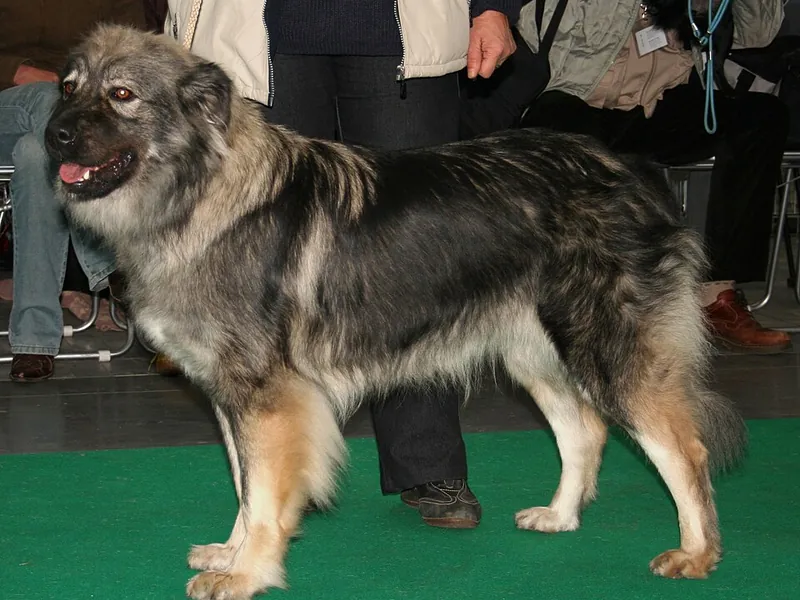
The South Russian Ovcharka is a large, strongly built guardian with a slightly longer-than-tall body, an elongated head and small, triangular, hanging ears. Under its shaggy coat, it is muscular and agile rather than heavy.
Adults stand at least about 24 inches and weigh from around 66 lb upward. Under the FCI standard, males are at least about 25.5 inches and females at least about 24.5 inches, with many dogs well above that. Males are larger and more massive, while females are slightly lighter but still powerful.
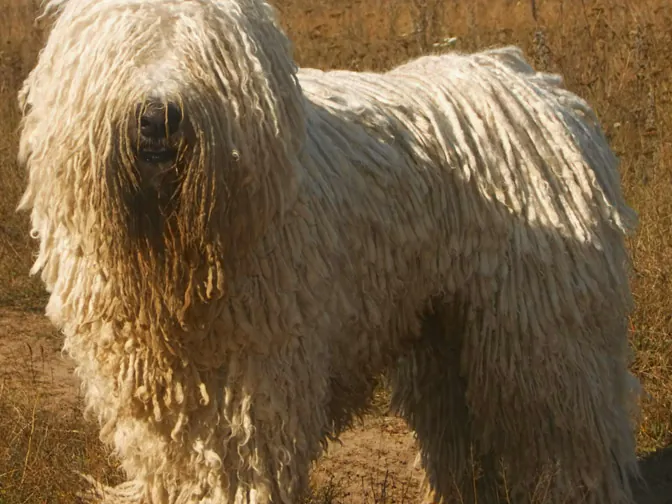
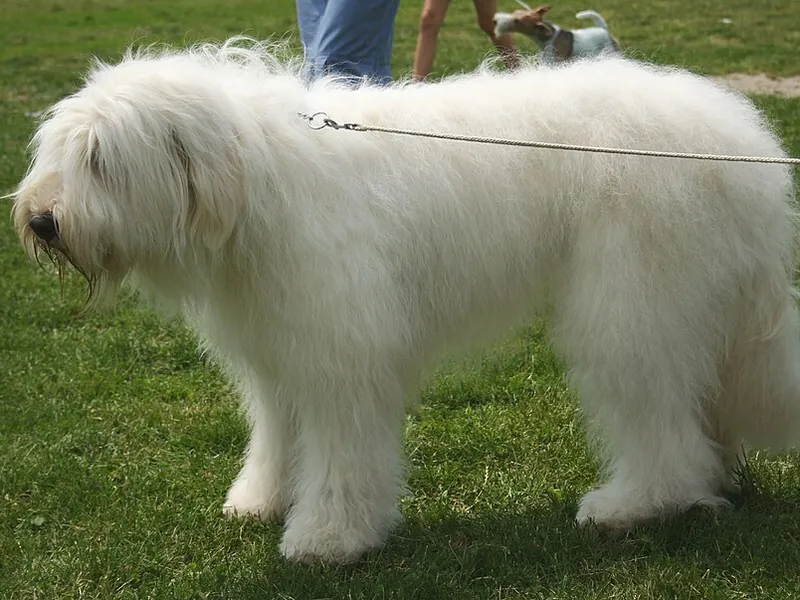
The coat is the breed's signature: long, thick, coarse and slightly wavy, with a dense undercoat. It covers the whole body, including the head, where long hair falls over the eyes and forms a beard and mustache.
Colors include:
- white
- white with yellow or straw tones
- gray and grayish shades
- white with gray patches
The nose is black. The coat should never be trimmed into a sculpted outline.
Temperament and Personality
South Russian Ovcharkas are devoted to their family and highly protective of home and territory. They are suspicious of strangers and were bred to act independently and decisively against perceived threats.
They are not motivated by a wish to please. They decide for themselves whether a command makes sense, and they can be very determined. With their own family they are often affectionate and playful, but visitors, other dogs and new situations require careful management throughout the dog's life.
Is the South Russian Ovcharka Good With Other Dogs?
Often not with unfamiliar dogs. The South Russian Ovcharka is a territorial guardian, and many view dogs entering their property or approaching their family as intruders.
Dogs raised together from puppyhood can live together, though same-sex pairings are more likely to clash. Careful early socialization with calm, well-mannered dogs, gradual introductions and lifelong supervision are essential. Dog parks are not a good idea for an adult guardian of this type. With livestock it has bonded to, the breed is typically protective rather than predatory.
Do South Russian Ovcharkas Bark a Lot?
They bark when they perceive a threat, which can be often, especially at night. As livestock guardians, they warn off potential intruders with a loud, deep bark before taking further action.
On a rural property, this is part of their job. In suburban areas with close neighbors, it can create real problems. Training can reduce nuisance barking and teach the dog to settle when the owner acknowledges the alert, but the guarding instinct will remain. Bringing the dog indoors at night, a predictable routine and a solid fence that limits views of passersby help reduce barking.
Can a South Russian Ovcharka Be Left Alone?
Adult South Russian Ovcharkas are fairly independent and can usually handle being home alone for a normal workday, provided they have a secure property and adequate exercise. They were bred to guard flocks with little supervision.
The concern is less loneliness than unsupervised guarding. Left alone outdoors, an Ovcharka may patrol the fence line, bark at passersby or try to extend its territory. A tall, solid fence and locked gates are essential, and many owners keep the dog indoors or in a secure run while away. Young dogs need more company and structured training to grow into stable adults.
Exercise and Training
These dogs need daily walks and a large, securely fenced property to patrol. They are agile and surprisingly quick for their size. Exercise should be steady rather than extreme, especially during the growth phase.
Training must start early and be consistent, confident and fair. Extensive socialization with people, places and other animals from puppyhood is essential. Harsh methods are counterproductive and can damage the relationship. Owners should have experience with large guardian breeds, and some may wish to work with a professional trainer familiar with them.
A secure fence is essential, ideally tall and solid, since a guardian dog may try to extend its territory. Walks in busy public areas need a confident handler and a dog that is used to crowds from puppyhood.
Grooming and Shedding
The coat is long, thick and slightly wavy, with a dense undercoat. It is usually white or white with gray or fawn tones, and long hair covers the eyes.
- Brush thoroughly at least weekly, working down to the skin to prevent mats.
- Expect heavy shedding of the undercoat in spring.
- Keep hair around the eyes, paws and rear clean and tidy.
Grooming a dog this size takes time, so start handling puppies early.
Feeding and Nutrition
South Russian Ovcharkas are large guardians that are agile and quick, but many spend much of their time watching rather than running. Portions should match real activity, and the heavy coat makes regular hands-on weight checks essential.
- Feed puppies a large-breed puppy food and aim for slow, steady growth. Keep them lean to protect developing hips and elbows.
- Puppies do well on three or four meals a day, adults on two meals.
- As a large, deep-chested dog, it may share the bloat risk of similar breeds. Avoid one large meal and hard exercise around mealtimes.
- Dogs living and working outdoors in winter may need more food than indoor companions.
The long hair around the mouth catches food and water, so wipe the face after meals to prevent matting and skin irritation. Feed separately from other dogs to avoid conflict over food. Breed-specific nutrition data is limited, so discuss diet changes with your veterinarian, especially for imported dogs.
| Adult weight | Less active | Typical adult | Very active |
|---|---|---|---|
| 66 lb | 1,250 kcal | 1,430 kcal | 1,790 kcal |
Estimates use the resting energy formula veterinarians work with (70 × body weight in kg0.75) and standard activity factors. Use the feeding guide on your food as a starting point and adjust to body condition. Puppies, seniors, pregnant animals and pets that need to lose weight have different needs, so ask your vet.
Health and Lifespan
There is little reliable breed-specific health data for the South Russian Ovcharka, and we did not find trustworthy lifespan figures. As with any large breed, joint health deserves attention: choose breeders who screen hips and elbows, keep the dog lean and avoid forced exercise in puppies.
Regular eye checks are useful, since long hair over the eyes can trap dirt.
South Russian Ovcharka Price and Cost of Ownership
The South Russian Ovcharka is rare in the US, and there is no reliable typical US price. Most puppies come from breeders in Eastern or Central Europe, adding import costs and paperwork. Prices vary by breeder, region and lines. Rescue options are very limited.
Breed-specific cost drivers include:
- Import expenses such as transport, health certificates and vaccinations
- Tall, solid, secure fencing for a serious guardian
- Professional grooming or quality tools for a long, heavy coat
- Training with a professional experienced in large guardian breeds
- Hip and elbow screening and general health checks
Food, medications and anesthesia cost more for a dog of this size, since doses are based on weight.
Is the South Russian Ovcharka Right for You?
This breed is only for highly experienced owners with land, secure fencing and the time to manage a powerful guardian for its entire life.
- Good match: experienced guardian-dog owners, rural properties, owners with livestock.
- Not a match: apartments, first-time owners, busy suburban homes, households with frequent visitors.
South Russian Ovcharka Traits at a Glance
South Russian Ovcharka FAQ
How big does a South Russian Ovcharka get?
It stands at least about 24 inches at the shoulder, often more, and weighs from around 66 lb upward.
Is a South Russian Ovcharka a good family dog?
It is loyal to its own family but is a serious guardian suited only to very experienced owners.
How much grooming does a South Russian Ovcharka need?
A lot. The long, thick coat needs thorough brushing at least weekly to prevent mats.
Is the South Russian Ovcharka easy to train?
No. It is intelligent but independent and needs experienced, consistent handling and lifelong socialization.
Can a South Russian Ovcharka live in an apartment?
No. It needs space, a secure yard and a territory to guard.
Does the South Russian Ovcharka shed?
Yes. The dense undercoat sheds heavily once a year, usually in spring, and needs extra brushing then.