TornjakCalm, steady guardian from Balkan mountains
The Tornjak is a large, long-coated livestock guardian from the mountains of Bosnia and Herzegovina and Croatia. Calm, confident and loyal, it is gentler and more biddable than many guardian breeds, but it still needs space and experienced, consistent handling.
Why people love the Tornjak
- Calm and composed for a livestock guardian
- Devoted and gentle with its own family
- Hardy, with no exaggerated features
- Moderate exercise needs as an adult
- Weatherproof coat thrives in cold climates
Things to consider
- Strong guarding instinct, reserved with strangers
- Barks at night when patrolling
- Needs a large, securely fenced property
- Very rare in the US
- Heavy seasonal shedding
Is this breed right for you?
10 questions · live resultHistory and Origin
The Tornjak is an old mountain dog of the Balkans, with written references going back to medieval times. Its name comes from tor, a word for a livestock pen or fold, reflecting its role as a guardian of sheep and cattle in the mountains of Bosnia, Herzegovina and Croatia.
By the 20th century the dog was rare, and in the 1970s breeders began collecting remaining dogs from mountain villages to rebuild it. The FCI recognized the Tornjak in Group 2 as a breed of Bosnia and Herzegovina and Croatia, and the AKC added it to its Foundation Stock Service in 2012. Adults stand about 24 to 28 inches and weigh roughly 62 to 110 lb.
Size, Coat and Colors
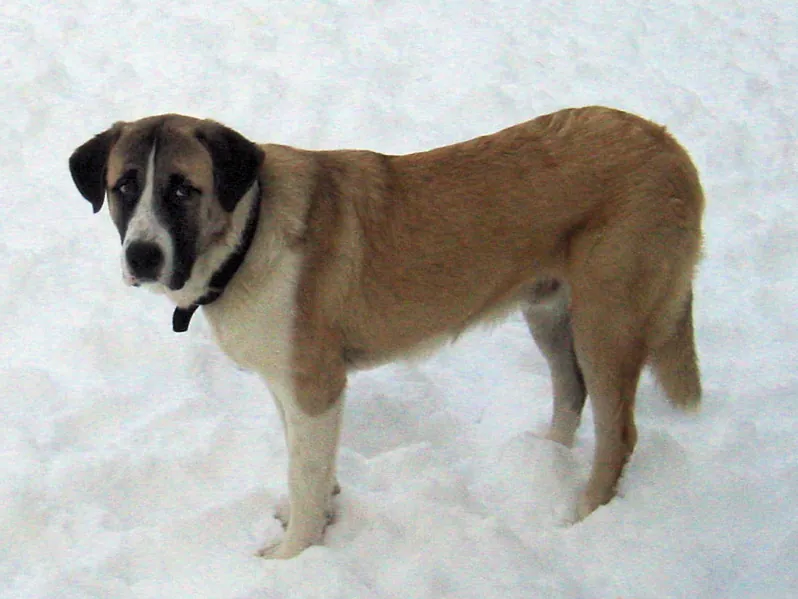
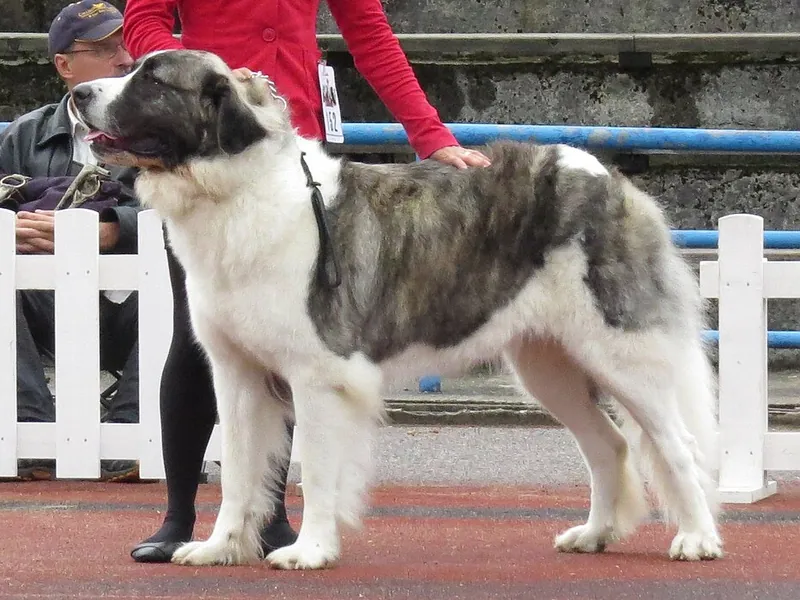
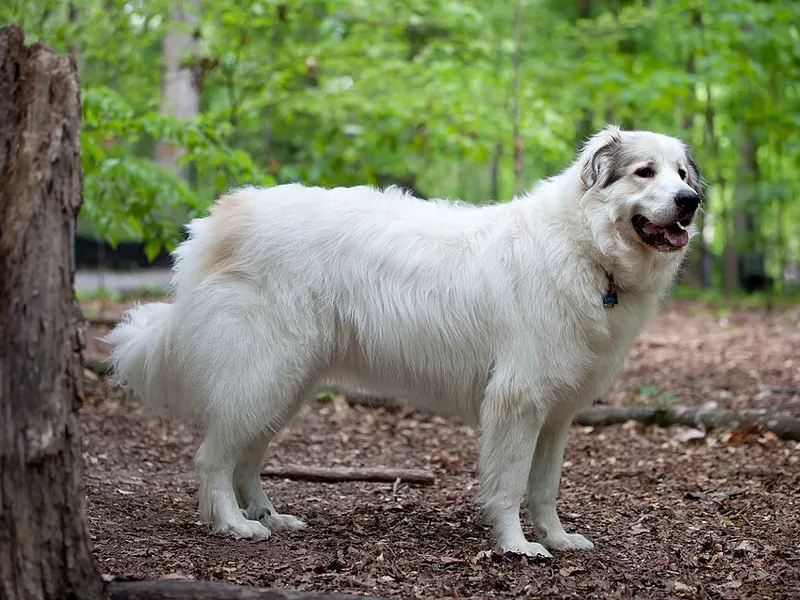
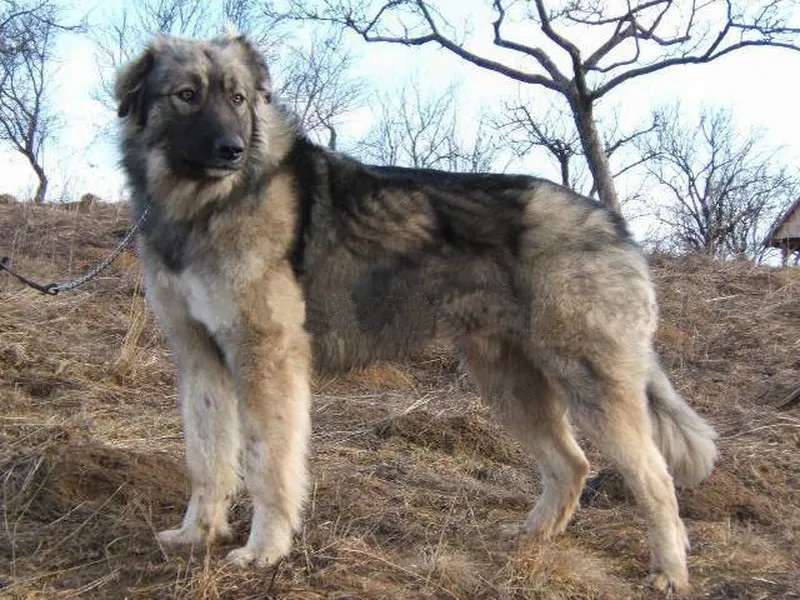
The Tornjak is a large, well-balanced livestock guardian standing about 24 to 28 inches at the shoulder and weighing roughly 62 to 110 lb. It is slightly longer than tall, with strong bone that is never coarse or heavy, a long-ish head with a moderately broad skull, and a long, bushy tail that is often carried high and waving when the dog is moving.
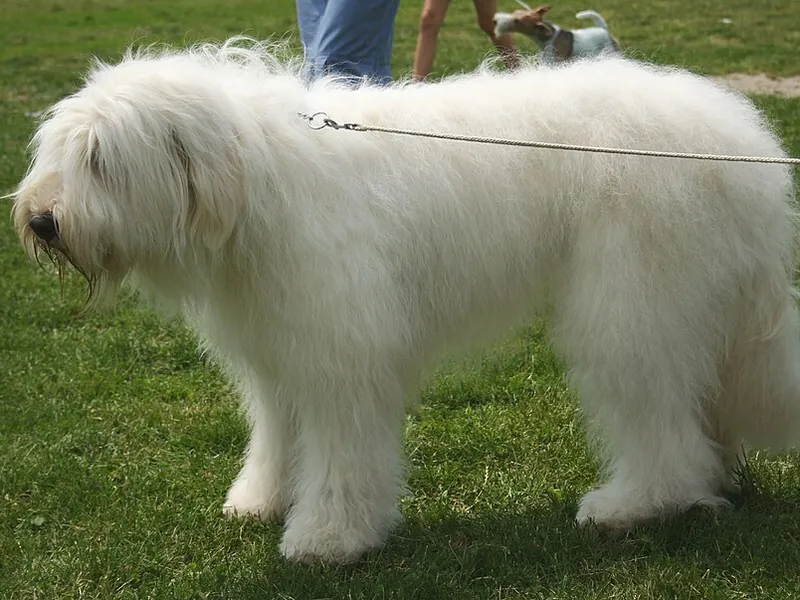
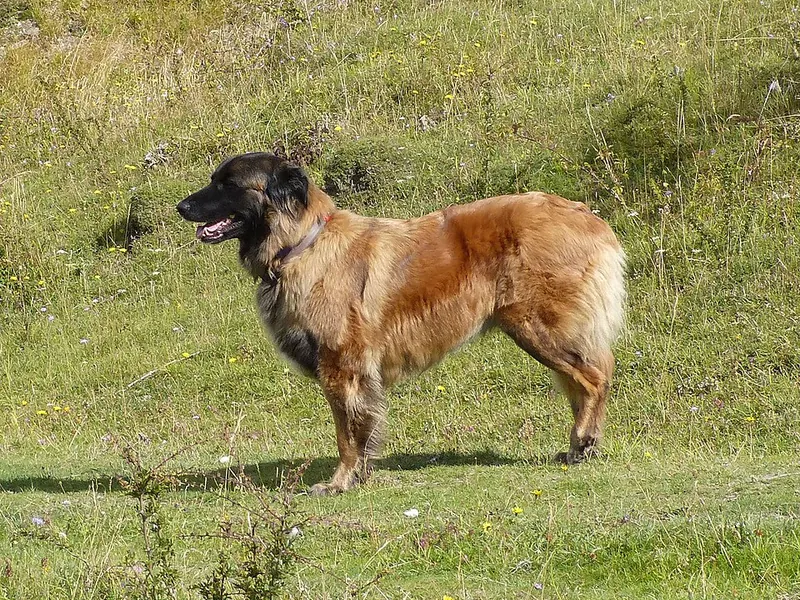
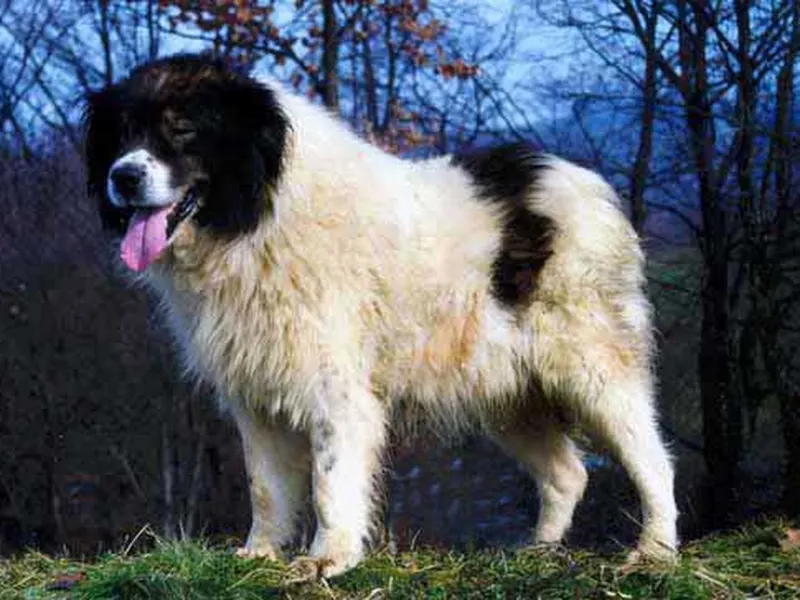
The coat is long, thick and straight on the body, with a dense undercoat. It forms a mane around the neck, feathering on the legs and a full plume on the tail. Hair is shorter on the face and front of the legs.
Tornjaks are typically multicolored: mostly white with distinct patches in black, gray, brown, red or yellow, often with a colored head. Solid black dogs with white markings also occur. Males are noticeably larger and more massive than females, with a broader head and a fuller mane.
Temperament and Personality
Tornjaks are calm, self-assured and composed. With their family they are affectionate and steady; toward strangers they are reserved. Their guarding instinct is very strong, and they watch their territory attentively, especially at night.
They are often described as more peaceful and easier to live with than many livestock guardians. The VDH even calls them easy to train, though they remain independent thinkers who need a reason to cooperate. With children and other animals in their own household they are usually tolerant when raised together.
Is the Tornjak a Good Guard Dog?
Yes. The Tornjak was bred to guard sheep and cattle from wolves and bears in the Balkan mountains, and its guarding instinct remains strong. It watches its territory closely, especially at night, and alerts with a deep bark when something approaches.
Compared with many livestock guardians, the Tornjak is described as calm and measured. It tends to warn and position itself rather than react quickly. Still, it needs thorough socialization from puppyhood so it can tell normal visitors from real threats, and secure fencing so its territory has clear borders. It is a guardian by instinct, not a trained protection dog.
Do Tornjaks Bark a Lot?
Tornjaks are generally quiet during the day but bark when they sense something at the boundary, and like most livestock guardians they are most active at night. Barking is their first line of defense, used to warn predators away.
On a farm, this is useful. In a suburb with close neighbors, nighttime barking can become a problem. Ways to manage it:
- Bring the dog indoors at night if neighbors are close.
- Use solid fencing that limits views of passersby.
- Reward calm behavior and teach a cue to come away from the fence.
You cannot train away the breed's alert instinct entirely, so choose a home that can accept some barking.
Are Tornjaks Good with Other Pets?
Tornjaks are usually tolerant of other animals in their own household, especially when raised with them. As flock guardians, they were bred to protect livestock, not hunt it, and many treat resident cats, dogs and farm animals as part of their charge.
Unfamiliar animals are another matter. A Tornjak may see strange dogs as intruders on its territory, and same-sex tension with other large dogs is possible. Introductions should be slow and controlled, and dog parks rarely suit the breed.
With small pets, size is the main risk: a playful adult can injure a cat or small dog by accident, so supervise early interactions.
Exercise and Training
Exercise needs are moderate. Daily walks and time on a large, fenced property to patrol are usually enough. Tornjaks enjoy hiking and cold weather. Young dogs should not be pushed too hard while their joints develop.
- Socialize thoroughly from puppyhood, including with visitors to the home.
- Train calmly and consistently; they learn well but resist pointless repetition.
- Secure fencing is a must.
- Many cope reasonably well alone if they have space and a routine.
Grooming and Shedding
The long, thick double coat is usually white with colored patches, or multicolored. It forms a mane around the neck and a bushy tail. Brush weekly, and more often during seasonal shedding when the undercoat comes out in quantity. The coat is weatherproof and rarely needs bathing.
Check for mats behind the ears and on the hindquarters, and trim nails regularly.
Feeding and Nutrition
Tornjak puppies grow into large, strong-boned dogs over about two years, and steady growth protects their joints. Feed a diet formulated for large-breed puppies, keep them lean, and avoid extra calcium or supplements unless your vet advises them.
Like many livestock guardians, adult Tornjaks are often efficient eaters that need less food than their size suggests, especially when they spend the day patrolling rather than running. Feed by body condition, checking for ribs under the thick coat with your hands.
- Split the daily ration into two meals to lower bloat risk, and avoid hard exercise around meals.
- Increase food gradually in cold weather for dogs living mostly outdoors, and reduce it again in spring.
- Keep the dog lean to protect hips and elbows as it ages.
- Feed separately from other dogs if it guards food.
| Adult weight | Less active | Typical adult | Very active |
|---|---|---|---|
| 62 lb | 1,200 kcal | 1,370 kcal | 1,710 kcal |
| 86 lb | 1,530 kcal | 1,750 kcal | 2,190 kcal |
| 110 lb | 1,840 kcal | 2,100 kcal | 2,630 kcal |
Estimates use the resting energy formula veterinarians work with (70 × body weight in kg0.75) and standard activity factors. Use the feeding guide on your food as a starting point and adjust to body condition. Puppies, seniors, pregnant animals and pets that need to lose weight have different needs, so ask your vet.
Health and Lifespan
The Tornjak is generally robust and has a typical lifespan of about 12 to 14 years. It has no exaggerated physical features. Joint problems such as hip dysplasia or arthritis can appear with age, as in other large breeds, and bloat is a general risk in deep-chested dogs.
Choose breeders who screen hips and elbows and maintain a healthy weight throughout the dog's life.
Tornjak Price and Cost of Ownership
The Tornjak is very rare in the US and is in the AKC Foundation Stock Service, so few breeders exist and there is no reliable US price range. Many dogs are imported from Bosnia and Herzegovina, Croatia or elsewhere in Europe, which adds transport and paperwork costs. Prices vary by breeder, region and lines.
Adoption is uncommon, but livestock guardian rescues sometimes take in guardian-type dogs, including mixes.
Breed-specific cost drivers include tall, secure fencing for a large property, food for a dog up to about 110 lb, hip and elbow screening, and large-breed vet costs such as anesthesia by weight. Grooming tools for the heavy seasonal shed, or professional de-shedding, are another regular expense. Insurance can help with joint problems and bloat.
Is the Tornjak Right for You?
The Tornjak suits experienced owners with rural or large suburban properties and secure fencing, including livestock keepers and families who want a calm, protective dog. It is not suitable for apartments or for people who want a dog that welcomes every visitor.
- Good fit: farms, homesteads, experienced owners who appreciate a calm guardian.
- Poor fit: city apartments, small yards, first-time owners without support.
Tornjak Traits at a Glance
Tornjak FAQ
How big does a Tornjak get?
Adults stand about 24 to 28 inches tall and weigh roughly 62 to 110 lb.
Are Tornjaks good family dogs?
They can be calm, affectionate and protective family dogs for experienced owners with space, especially when raised with the children.
Do Tornjaks shed?
Yes. Their thick double coat sheds seasonally and needs weekly brushing.
Are Tornjaks easy to train?
They are more cooperative than many guardian breeds but still independent. Calm, consistent training works best.
How long do Tornjaks live?
Typically about 12 to 14 years.
Is the Tornjak recognized by the AKC?
It is in the AKC Foundation Stock Service, not yet fully recognized. The FCI recognizes it.