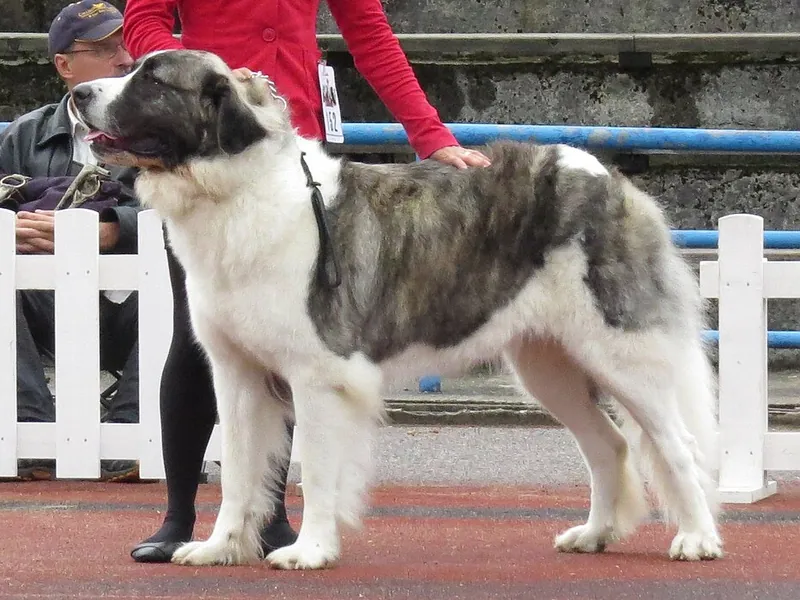
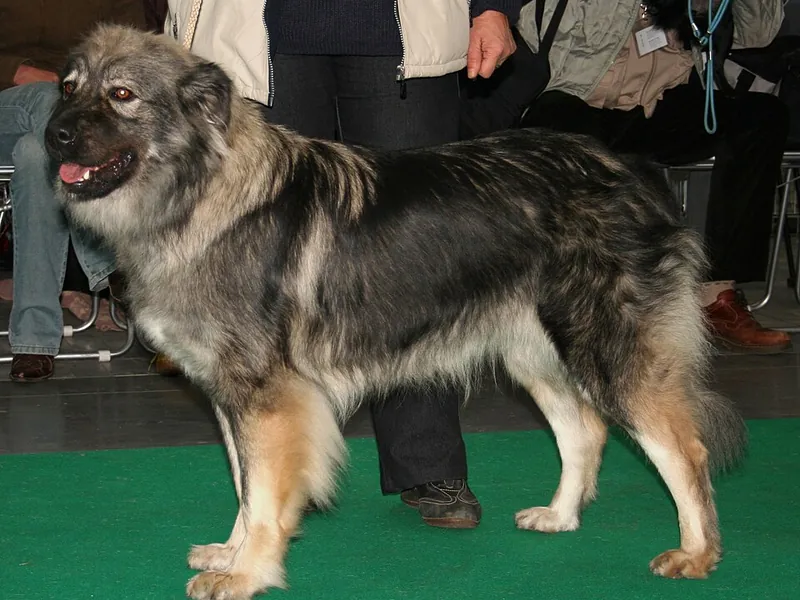
Romanian Carpathian ShepherdWolf-colored guardian of the Carpathians
The Romanian Carpathian Shepherd is a large, wolf-gray flock guardian from the Carpathian and Danube regions, known for courage and a close bond with its people. More trainable than many guardian breeds, it still needs space, a job and confident handling.
Why people love the Romanian Carpathian Shepherd
- Brave, calm flock guardian with a strong family bond
- More trainable than many livestock guardian breeds
- Effective watchdog for farms and homesteads
- Striking wolf-gray coat that sheds dirt well
- Considered a hardy working breed
Things to consider
- Needs a large, securely fenced property
- Reserved with strangers; requires ongoing socialization
- Barks at anything unusual, often at night
- Heavy seasonal shedding of a dense double coat
- Copes poorly with long periods alone
Is this breed right for you?
10 questions · live resultHistory and Origin
The Carpathian Shepherd developed among the shepherds of the Carpathian Mountains and the lands toward the Danube in Romania, where dogs guarded sheep and cattle from wolves, bears and thieves during long seasons in the mountains. Romanian breeders wrote the first standard in the 1930s, and the breed was later accepted by the FCI in Group 1.
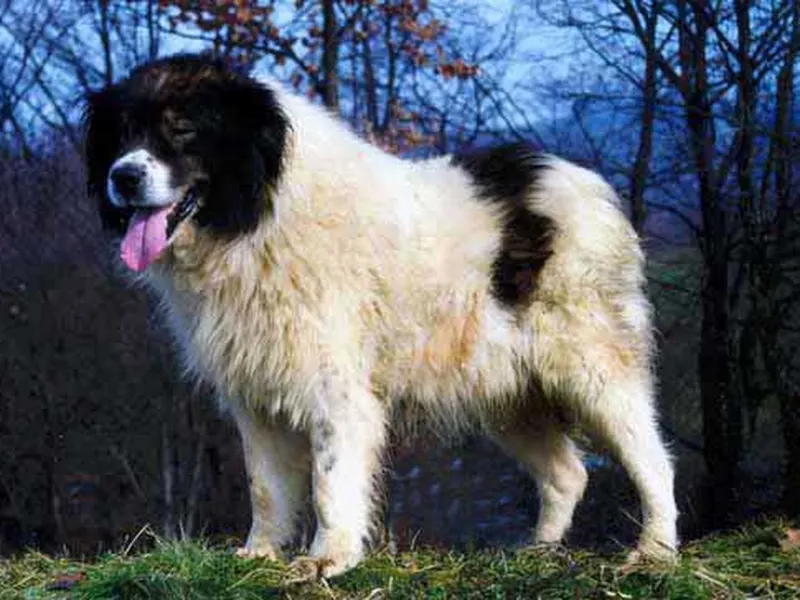
Its sandy-fawn coat with darker gray shading gives it a striking, wolf-like look. The AKC added the Romanian Carpathian Shepherd to its Foundation Stock Service in 2021. Adults stand about 23 to 29 inches tall and weigh roughly 70 to 100 lb (about 32 to 45 kg).
Size, Coat and Wolf-Gray Color
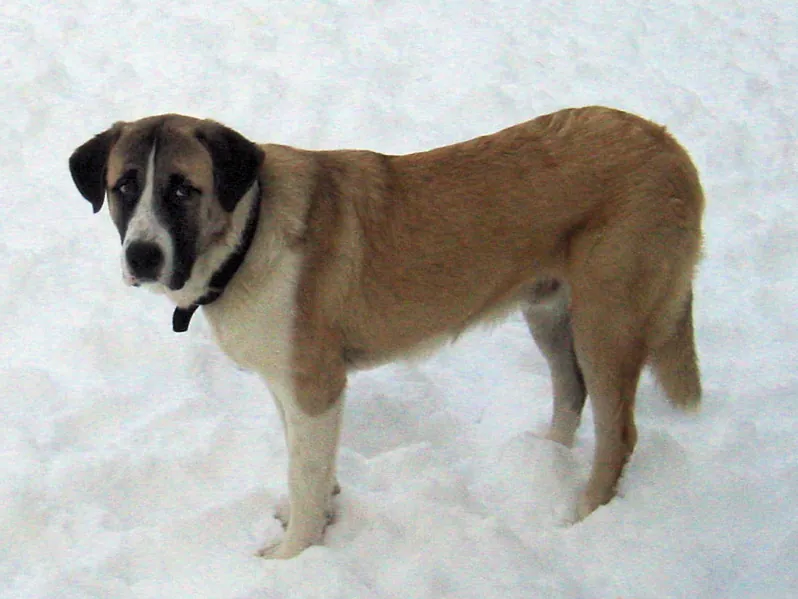
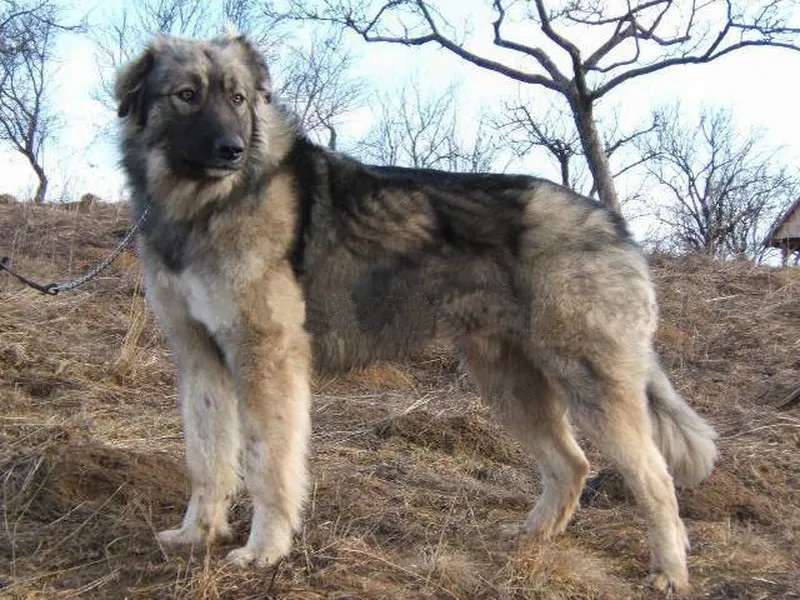
The Romanian Carpathian Shepherd is a large, slightly rectangular guardian with a strong, lupine head, medium-length muzzle and triangular drop ears. It should look powerful yet agile, never heavy or clumsy. Adults stand about 23 to 29 inches at the shoulder and weigh roughly 70 to 100 lb. Males are noticeably taller and more massive, generally at the upper end of both ranges, while females are smaller and lighter.
The coat is a dense double coat with a thick undercoat and a straight, harsh outer coat. It is medium length on the body, longer on the neck, forming a mane, on the back of the legs and on the tail, and short on the head and front of the legs.
Colors: the typical color is fawn in various shades, from sandy to deeper fawn, with darker gray or black shading on the back and tail, giving the breed its wolf-like, lupine appearance. The lower body and legs are usually lighter. Small white markings are tolerated, but extensive white is not desired. The nose, lips and eye rims are black.
Temperament and Personality
Carpathians are alert, brave and calm. They form strong bonds with their family and take guarding seriously: they watch, they bark at anything unusual and they are reserved with strangers. They are not usually quick to escalate, but they will hold their ground.
Compared with some other guardian breeds, the Carpathian is often described as relatively trainable and responsive to its handler. It still thinks for itself and will not perform tricks on repeat simply to please.
Are Romanian Carpathian Shepherds Good for First-Time Owners?
The Romanian Carpathian Shepherd is generally not recommended for first-time owners. It is more trainable than many guardian breeds, but its size, independence and protective instinct still require experience.
A first-time owner would need a large, securely fenced property, time for daily exercise and training, and a plan for lifelong socialization with visitors. Managing a guardian that barks at unusual noises and takes protection seriously calls for confidence and consistency. People with experience of herding or guardian breeds usually adapt more easily. Finding a mentor through a breed club and meeting adult dogs first helps anyone new to the breed.
Are Romanian Carpathian Shepherds Good With Other Pets?
Carpathian Shepherds raised with other animals usually accept them as part of the family and may protect them, including livestock, cats and other dogs.
As flock guardians, they are bred to live peacefully among the animals they protect. Puppies raised around livestock or household pets typically bond with them. Unfamiliar dogs entering their territory are another matter, since guarding instincts may take over. Same-sex tension between adult dogs is possible. Introduce new pets gradually and under supervision, and give each animal its own space and resources. Never assume that a Carpathian will accept stray animals on the property.
Do Romanian Carpathian Shepherds Bark a Lot?
Yes, Carpathian Shepherds are vocal guardians. They bark at anything unusual, and many are particularly active at night, when predators would traditionally approach the flock.
Barking is a key part of how the breed guards: a deep warning bark is meant to deter threats before any confrontation. In rural settings this is usually accepted, but in suburban neighborhoods it can create problems. Training can reduce excessive barking, and bringing the dog indoors at night limits triggers. Boredom and long periods alone also increase barking, so daily exercise and mental challenges are important for keeping noise manageable.
Exercise and Training
This breed needs both physical and mental exercise. Daily walks of an hour or more, time patrolling a large fenced yard and new challenges such as hiking or tracking keep it content. It is not a dog for a small yard.
- Start socialization early and continue it through adolescence.
- Use calm, fair, consistent training with rewards.
- Teach polite greetings of visitors so that guarding stays controlled.
- It tolerates being alone poorly; boredom tends to show up as barking or escape attempts.
Grooming and Shedding
The medium-length, dense double coat is longer around the neck and on the tail. It sheds heavily in spring and fall. Brush weekly with a slicker brush and undercoat rake, and daily during shedding seasons. Baths are rarely needed.
Check ears and paws after walks in the field, and trim nails regularly.
Feeding and Nutrition
Carpathian Shepherd puppies grow quickly, and controlled growth is important for joints at risk of hip and elbow dysplasia. Feed a complete diet formulated for large-breed puppies, keep the puppy lean and avoid adding calcium or other supplements unless your vet recommends them. Avoid forced exercise during the growth phase.
Adult condition: like many flock guardians, adult Carpathians often need less food than their size suggests, especially when they patrol rather than run. Base portions on body condition, keeping the ribs easy to feel under the dense coat, and adjust for activity and season.
Bloat: as a large, deep-chested breed, the Carpathian carries a risk of gastric dilatation-volvulus. Feed two meals a day, avoid strenuous exercise around mealtimes and learn the warning signs.
Working dogs: guardians living outdoors with livestock may need more food in cold weather. Keep their food separate from livestock feed and provide fresh water year-round, including unfrozen water in winter.
Use treats in training, which this breed responds to well, and count them in the daily ration.
| Adult weight | Less active | Typical adult | Very active |
|---|---|---|---|
| 70 lb | 1,310 kcal | 1,500 kcal | 1,870 kcal |
| 100 lb | 1,710 kcal | 1,960 kcal | 2,450 kcal |
Estimates use the resting energy formula veterinarians work with (70 × body weight in kg0.75) and standard activity factors. Use the feeding guide on your food as a starting point and adjust to body condition. Puppies, seniors, pregnant animals and pets that need to lose weight have different needs, so ask your vet.
Health and Lifespan
No breed-specific diseases are named in the main breed sources, and the Carpathian is considered a hardy working dog. As a large, deep-chested breed, it carries the usual risks of hip and elbow dysplasia and bloat. Reliable lifespan data for the breed is limited.
Choose a breeder who x-rays hips and elbows, keep your dog lean and avoid forced exercise during the growth phase.
Romanian Carpathian Shepherd Price and Cost of Ownership
The Romanian Carpathian Shepherd is rare in the United States. It was added to the AKC Foundation Stock Service in 2021, and only a small number of breeders produce litters. Many owners import puppies from Romania or elsewhere in Europe, adding travel, transport and paperwork costs. Prices vary by breeder, region and lines. Ask for hip and elbow X-ray results for both parents.
Adoption is possible through livestock guardian rescues, which occasionally place Carpathians or similar guardian breeds.
The main ongoing cost drivers are high, secure fencing, food for a large breed and veterinary care scaled to a dog of up to 100 lb. Possible treatment for joint disease or bloat adds to the budget. Some homeowner insurance policies charge more for large guardian breeds, so check before buying.
Is the Romanian Carpathian Shepherd Right for You?
The Carpathian suits experienced owners in rural or semi-rural homes with secure fencing, especially those with livestock. It is not suited to apartments or busy urban settings.
- Good fit: farms, homesteads, active owners familiar with guardian or herding breeds.
- Poor fit: small homes, frequent long absences, owners without time for training.
Romanian Carpathian Shepherd Traits at a Glance
Romanian Carpathian Shepherd FAQ
How big does a Romanian Carpathian Shepherd get?
Adults stand about 23 to 29 inches at the shoulder and weigh around 70 to 100 lb.
Are Romanian Carpathian Shepherds good guard dogs?
Yes. They are watchful, vocal about anything unusual and protective of their family and property.
Do Carpathian Shepherds shed?
Yes, heavily during seasonal coat changes. Weekly brushing, and daily in spring and fall, is needed.
Are Romanian Carpathian Shepherds easy to train?
They are more trainable than many guardian breeds but still independent. Consistent, reward-based training works best.
Can a Carpathian Shepherd live in an apartment?
It is a poor fit. It needs space to move and patrol, ideally a large fenced property.
Are Romanian Carpathian Shepherds good with children?
They are usually loyal and protective toward children in their own family. Because of their size and guarding instinct, always supervise them with young or visiting kids.