Karst ShepherdSlovenia's iron-gray flock guardian
The Karst Shepherd is a medium-large livestock guardian from Slovenia's Karst plateau, easy to recognize by its iron-gray coat. It is deeply loyal to its family and watchful toward strangers, so it belongs with experienced owners who have space and calm, clear leadership.
Why people love the Karst Shepherd
- Deeply loyal and affectionate with its own family
- Dedicated, self-reliant livestock and property guardian
- Calm, steady temperament at home
- Generally robust, with a typical lifespan of 12 to 14 years
- Weatherproof coat suits cold, windy climates
Things to consider
- Suspicious of strangers and needs experienced handling
- Often does not welcome unfamiliar dogs onto its property
- Night barking can bother close neighbors
- Very rare outside Slovenia
- Heavy seasonal shedding
Is this breed right for you?
10 questions · live resultHistory and Origin
The breed comes from the Karst region of southwestern Slovenia, a limestone plateau above the Adriatic coast. Shepherds there used these dogs to guard sheep from wolves, bears and thieves, often leaving them to work with the flock with little human supervision. The Karst Shepherd belongs to the wider family of Balkan livestock guardian dogs.
The FCI recognized the breed in 1939 as the Illyrian Shepherd, a name that also covered related dogs from neighboring areas. In 1968 the Slovenian dogs were separated and renamed the Karst Shepherd, while the others became the Yugoslavian (now Šarplaninac) Shepherd. It is listed in FCI Group 2 and is regarded as a national breed of Slovenia.
Size, Coat and Color
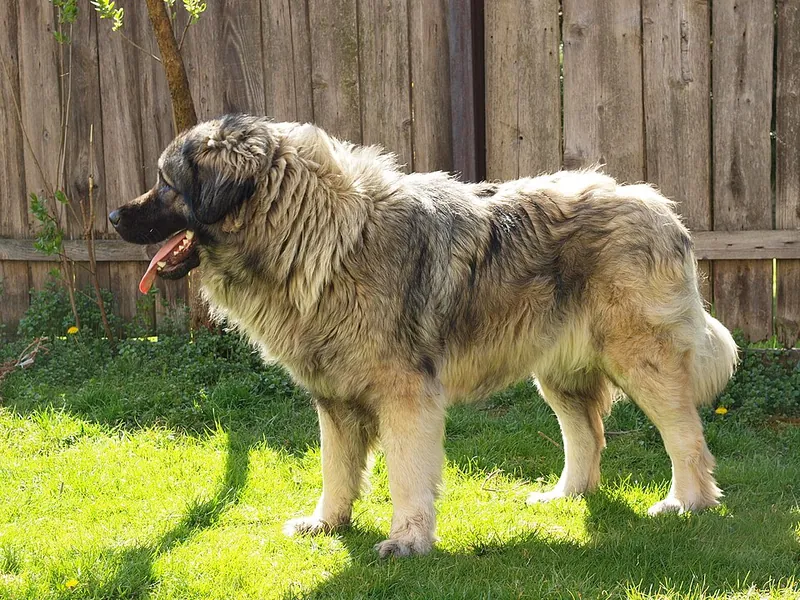
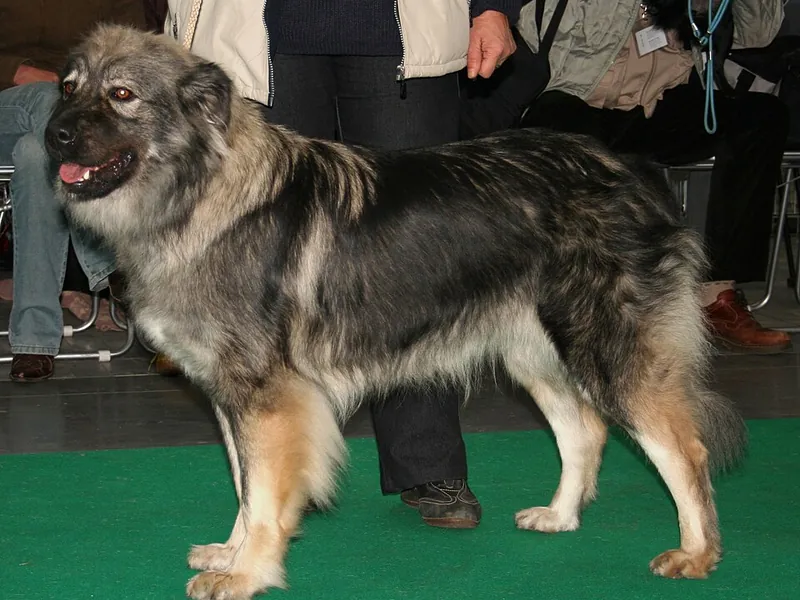
The Karst Shepherd is a medium-large, sturdy livestock guardian with a broad head, a strong, slightly tapering muzzle, almond-shaped eyes and V-shaped ears that hang close to the head. The body is slightly longer than tall, and the saber-shaped tail is thickly furnished.
Adults stand about 21 to 25 inches and weigh roughly 55 to 93 lb. Under the FCI standard, males are taller, about 22.5 to 25 inches, and females slightly smaller, about 21 to 23.5 inches. Males also look more massive, with a broader head.
The coat is long, dense and flat, with an abundant undercoat that protects against the cold bora wind of the Karst plateau. It forms a mane around the neck and long feathering on the backs of the legs and tail.
The only accepted color is iron gray, shading to a darker tone along the back and lighter on the legs. A dark mask on the face is typical. Small white markings on the chest or toes are tolerated.
Temperament and Personality
Karst Shepherds are devoted to their family and to the territory they consider theirs. At home they are usually calm, steady and affectionate with people they know well. With strangers they are reserved or openly suspicious, and they take guarding seriously, day and night.
Bred to make decisions on remote pasture, they are self-reliant and confident. Many do not welcome unfamiliar dogs onto their property. Their patience with rough handling is limited, so they usually do best with older, respectful children rather than toddlers.
Many Karst Shepherds are quiet observers that prefer to lie where they can watch the gate or the flock. They tend to bark when something approaches at night, which is part of their job but worth considering if neighbors are close.
Are Karst Shepherds Good for First-Time Owners?
No. Karst Shepherds are loyal and calm with their families, but their guarding instinct, independence and suspicion of strangers make them unsuitable for most first-time owners.
Owning a Karst Shepherd means lifelong socialization, consistent and calm training, secure fencing and careful management of visitors and unfamiliar dogs. These dogs were bred to make decisions alone on remote pastures, and they do not respond well to harsh methods or repetitive drills. Experience with guardian breeds, such as the Great Pyrenees or Anatolian Shepherd, is strongly recommended before taking one home.
Do Karst Shepherds Bark a Lot?
Karst Shepherds bark with purpose rather than constantly. They are often quiet observers during the day but will bark when something approaches their territory, especially at night, which is how guardian dogs warn off predators.
For rural owners with livestock, this nighttime barking is part of the job. In suburban areas with close neighbors, it can become a real problem. Training can reduce nuisance barking, but it will not remove the guarding instinct. Bringing the dog indoors at night and providing a calm, predictable routine helps. Choose this breed only if your living situation tolerates occasional night barking.
Are Karst Shepherds Good With Other Dogs?
Karst Shepherds can live with dogs they are raised with, but many are not welcoming toward unfamiliar dogs, especially on their own property. Guarding the territory against intruders includes other dogs.
Early socialization with a variety of calm, well-mannered dogs is essential, along with careful, gradual introductions to any new dog. Same-sex pairs are more likely to clash. Dog parks are usually not a good idea for an adult guardian breed. With livestock and household animals it has bonded with, a well-raised Karst Shepherd is often gentle and protective.
Exercise and Training
Exercise needs are moderate to high. Daily walks plus time to patrol a large, securely fenced property suit this breed better than intense sports. A fence is essential, since a guardian dog may extend its idea of territory well beyond your boundary.
Training must begin early, with intensive socialization to people, places, vehicles and other animals during puppyhood and beyond. The Karst Shepherd is intelligent but independent and responds poorly to harsh methods or repetitive drills. Calm, consistent leadership, fair rules and rewards work best. Owners should have experience with guardian breeds.
Grooming and Shedding
The coat is fairly long and dense with a thick undercoat, iron-gray in color and often darker along the back. It protects the dog against the cold bora wind of its homeland.
- Brush once or twice a week, more often during seasonal sheds when the undercoat comes out in clumps.
- Check behind the ears and on the hindquarters for mats.
- Trim nails and check ears regularly.
Feeding and Nutrition
Karst Shepherds are medium-large guardians that are often less active than their size suggests, so portion control matters to keep them lean.
- Feed puppies a large-breed puppy food and aim for slow, steady growth. Extra weight in puppyhood adds stress to hips in a breed where hip dysplasia occurs.
- Puppies do well on three or four meals a day, adults on two meals.
- Avoid hard exercise around meals, as with other large, deep-chested breeds.
- Adjust portions to the season and workload: a dog guarding flocks outdoors in winter may need more food than one living mainly indoors.
Check body condition regularly with your hands, since the long, dense coat can hide extra pounds. Some guardian dogs eat less when on duty and catch up later, so monitor weight trends rather than single meals. Use small rewards during socialization and training sessions. Discuss any change in appetite or weight with your veterinarian.
| Adult weight | Less active | Typical adult | Very active |
|---|---|---|---|
| 55 lb | 1,090 kcal | 1,250 kcal | 1,560 kcal |
| 74 lb | 1,370 kcal | 1,560 kcal | 1,950 kcal |
| 93 lb | 1,620 kcal | 1,850 kcal | 2,320 kcal |
Estimates use the resting energy formula veterinarians work with (70 × body weight in kg0.75) and standard activity factors. Use the feeding guide on your food as a starting point and adjust to body condition. Puppies, seniors, pregnant animals and pets that need to lose weight have different needs, so ask your vet.
Health and Lifespan
The Karst Shepherd is generally regarded as robust, with a typical lifespan of 12 to 14 years. Hip dysplasia occurs in the breed, so choose breeders who screen hips and can show results.
Some breed sources also mention malignant hyperthermia, a rare reaction to certain anesthetic drugs. It is worth discussing with your veterinarian before any surgery. Keep the dog lean and avoid forced exercise while puppies are growing.
Karst Shepherd Price and Cost of Ownership
The Karst Shepherd is very rare in the US, and there is no reliable typical US price. Most puppies come from breeders in Slovenia, so expect import costs, paperwork and possibly a long wait. Prices vary by breeder, region and lines. Rescue dogs are almost never available outside Europe.
Breed-specific cost drivers include:
- Import costs, including transport, health certificates and vaccinations
- Tall, secure fencing for a guardian that may extend its territory
- Professional training with someone experienced in guardian breeds
- Hip screening and general health checks
- Food for a medium-large working dog
Grooming can be done at home with good brushes and rakes, though shedding seasons are demanding.
Is the Karst Shepherd Right for You?
This breed suits experienced owners with land, ideally with livestock, who want a dedicated, independent guardian.
- Good match: farms, rural properties with secure fencing, owners experienced with guardian dogs.
- Less ideal: apartments, busy suburban homes with frequent visitors, families with young children, first-time owners.
The breed is rare outside Slovenia, so expect to contact breeders there.
Karst Shepherd Traits at a Glance
Karst Shepherd FAQ
How big do Karst Shepherds get?
They stand about 21 to 25 inches at the shoulder and weigh roughly 55 to 93 lb.
Are Karst Shepherds good family dogs?
They are loyal and affectionate with their own family but are serious guardians, best suited to experienced owners and older children.
Do Karst Shepherds shed?
Yes, and heavily during seasonal sheds because of their thick undercoat.
Are Karst Shepherds easy to train?
They are intelligent but independent. Training needs early socialization, patience and consistency.
Can a Karst Shepherd live in an apartment?
No. It needs space, a secure yard and a territory to watch over.
How long do Karst Shepherds live?
Typically 12 to 14 years.