Polish Tatra SheepdogWhite guardian of the Tatra Mountains
The Polish Tatra Sheepdog is a large, white livestock guardian from the Tatra Mountains of southern Poland. Calm, steady and highly watchful, it is a devoted protector for owners with space and experience, and less suited to busy suburban life.
Why people love the Polish Tatra Sheepdog
- Calm, balanced and gentle with its own family
- More cooperative than many flock guardians
- Excellent livestock guardian
- Moderate exercise needs for a large breed
- Striking pure white coat
Things to consider
- Heavy shedding, especially in spring and fall
- Needs a large, securely fenced property
- Strong watchdog instinct and barking at night
- Size and strength require experienced handling
- Rare in the US, few breeders
Is this breed right for you?
10 questions · live resultHistory and Origin
In the Podhale region at the foot of the Tatra Mountains, shepherds kept large white dogs to guard sheep against wolves and bears and to help with moving flocks. The white coat made it easy to tell dogs from predators in the dark and blended with the flock.
The breed is related to other white mountain guardians of Central Europe, such as the Slovensky Cuvac and the Kuvasz. Polish breeders standardized it in the 20th century, and the FCI recognizes it in Group 1. It is not recognized by the AKC or The Kennel Club, though the UKC lists it.
Size, Coat and Color
The Polish Tatra Sheepdog is a large, powerful flock guardian with a balanced, harmonious build. Adults stand about 24 to 28 inches at the shoulder and weigh roughly 77 to 132 lb. Males are generally taller and noticeably heavier, while females are slightly smaller with a lighter frame.
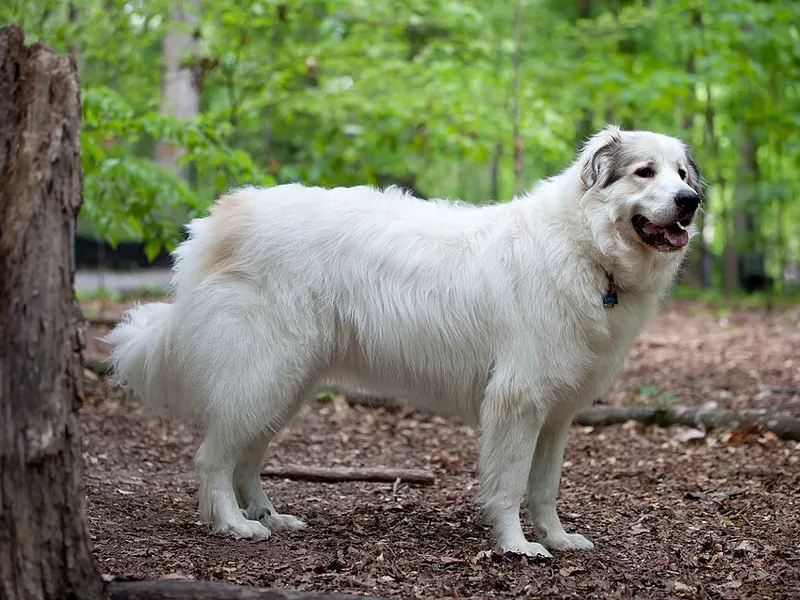
The body is compact and strong, with a deep chest, broad back and heavy bone. The head is wedge-shaped with drooping ears and dark eyes. The tail is carried low at rest and may rise when the dog is alert.
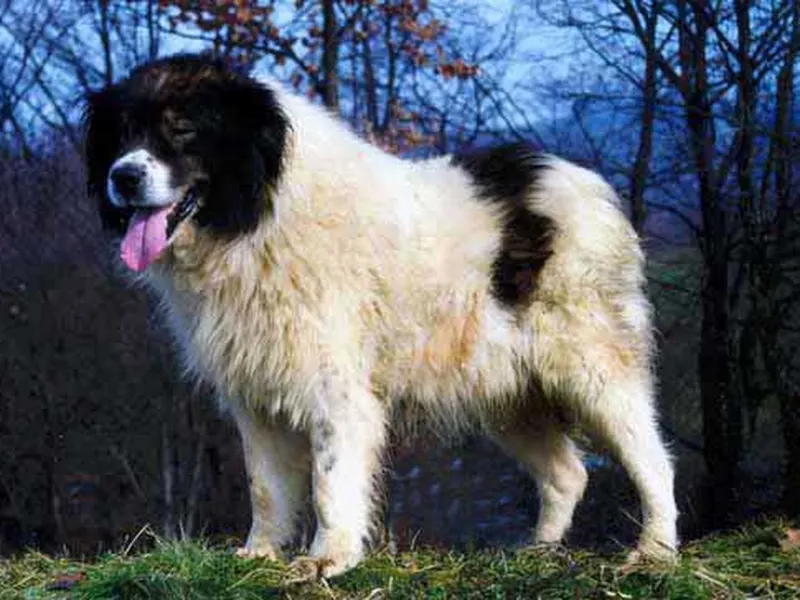
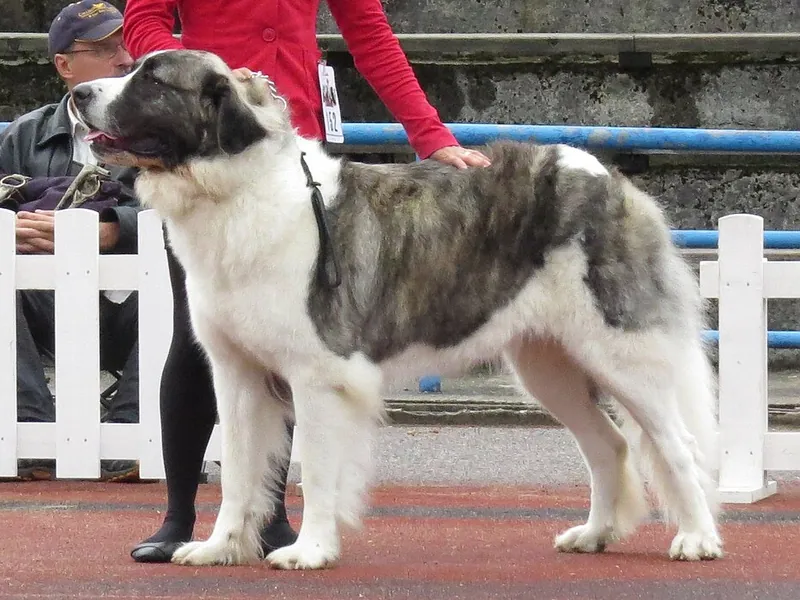
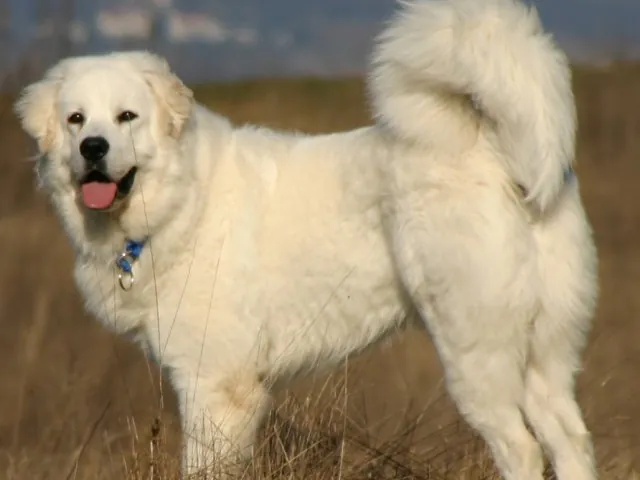
The thick double coat is straight or slightly wavy, with a dense undercoat and longer hair forming a mane around the neck. The only accepted color is pure white, sometimes with a slight cream tone. The white coat historically helped shepherds distinguish their dogs from wolves and bears at night. Eyes, nose and lips are dark.
Temperament and Personality
Tatras are typically calm, balanced and gentle with their own family, including children they know. They are less independent than some flock guardians and are often described as cooperative.
Their watchfulness is strong. They will warn of strangers and stand between their family or property and anything they see as a threat. Early socialization helps them distinguish normal visitors from real concerns.
Tatras are often described as more cooperative and less dominant than many guardian breeds, which makes them somewhat easier to train. Still, their size and protectiveness mean they are not beginners' dogs.
Is the Polish Tatra Sheepdog Good for First-Time Owners?
Generally not. The Tatra's size, strength and guardian instincts suit experienced owners with appropriate property.
Although Tatras are more cooperative than many flock guardians, they still need calm, confident handling and early socialization. Their protective instincts mean that visitors and unfamiliar situations must be managed carefully. Puppies grow quickly and must be taught leash manners before they become too strong to handle. First-time owners interested in guardian breeds should connect with breed clubs and experienced mentors before committing. Puppy classes and calm exposure to visitors are essential.
Do Polish Tatra Sheepdogs Bark a Lot?
Yes, they can be vocal, especially at night. As flock guardians, Tatras bark to warn of perceived threats, which is part of their working nature.
Like other livestock guardians, they tend to be most active and alert at dusk and night, when predators would historically approach. Barking may bother neighbors in suburban settings. Training a quiet cue, bringing the dog indoors at night and providing a calm routine help, but owners should expect some barking as part of life with a Tatra. Choose a breeder whose dogs live with families if a quieter household guardian is the goal.
Do Polish Tatra Sheepdogs Need a Yard?
Yes. A large, securely fenced property is considered essential for this breed.
Tatras need space to patrol and move, and they are not suited to apartments or small yards. Fencing should be high and solid, as guardian breeds may roam to expand their territory. A rural setting with livestock or large acreage suits the breed best. Daily walks are still valuable for exercise and controlled exposure to the outside world. Without adequate space, a bored Tatra may become restless, try to roam or bark more than usual, which can strain relations with neighbors.
Exercise and Training
Exercise needs are moderate: daily walks and time to patrol a large, securely fenced property are more important than intense activity. Puppies should not be overexercised while their large frames develop.
Training should be calm and consistent, using rewards and respect. The breed responds poorly to harsh handling. Teach leash manners early, as adults are very strong.
Like other flock guardians, they tend to be most active at dusk and night, when they may patrol and bark at noises. Plan accordingly if you have close neighbors.
Grooming and Shedding
The thick, white double coat sheds heavily, especially in spring and fall. Brush two or three times a week, and more during seasonal sheds, to remove loose undercoat and prevent mats.
The coat sheds dirt fairly well once dry, so baths are needed only occasionally. Do not shave it, as it insulates against heat and cold.
The coat is pure white, sometimes with a slight cream tone, and is thick and straight or slightly wavy. Regular grooming during shedding seasons prevents hair from building up in your home.
Feeding and Nutrition
Feeding a Tatra puppy is mainly about controlling growth. Large-breed puppies grow for 18 months or longer, and growing too fast is linked to joint and bone problems. Feed a complete food formulated for large or giant breed puppies, keep growth steady and avoid adding calcium or other supplements unless your vet advises it.
Bloat is a risk in large, deep-chested breeds. Steps that may reduce risk include:
- Feeding two or three meals a day instead of one large meal.
- Avoiding vigorous exercise for at least an hour before and after meals.
- Using slow feeders if the dog eats quickly.
Flock guardians often have lower energy needs than their size suggests, since they spend much of the day resting and watching. Adjust portions to keep the dog lean, with ribs easy to feel beneath the thick coat. Measure food carefully and count treats toward the daily ration.
| Adult weight | Less active | Typical adult | Very active |
|---|---|---|---|
| 77 lb | 1,410 kcal | 1,610 kcal | 2,010 kcal |
| 104 lb | 1,760 kcal | 2,020 kcal | 2,520 kcal |
| 132 lb | 2,110 kcal | 2,410 kcal | 3,010 kcal |
Estimates use the resting energy formula veterinarians work with (70 × body weight in kg0.75) and standard activity factors. Use the feeding guide on your food as a starting point and adjust to body condition. Puppies, seniors, pregnant animals and pets that need to lose weight have different needs, so ask your vet.
Health and Lifespan
No breed-specific diseases are well documented in the sources we checked. As a large, heavy breed, the Tatra can be prone to hip and elbow dysplasia and bloat. Choose breeders who X-ray hips and elbows, and feed measured meals to keep growth steady.
Typical lifespan is about 10 to 12 years.
Polish Tatra Sheepdog Price and Cost of Ownership
The Polish Tatra Sheepdog is rare in the US and not recognized by the AKC, so prices are not widely published. Some puppies are imported from Poland or elsewhere in Europe, which adds travel and import costs. Prices vary by breeder, region and lines. Rescue Tatras are rare.
Breed-specific cost drivers include:
- Import costs, including transport and veterinary paperwork.
- High, secure fencing for a large property.
- Food for a large to giant breed.
- Hip and elbow X-rays of breeding dogs.
- Medication and anesthesia dosed by weight.
- Grooming tools for heavy seasonal shedding.
Ask breeders whether the parents work with livestock or live as family guardians, since that background shapes what you can expect from a puppy.
Is the Polish Tatra Sheepdog Right for You?
The Tatra suits experienced owners with a house and a large, fenced property, ideally in a rural area, who want a calm guardian and companion. It can do well with livestock.
It is not suited to apartments, small yards, first-time owners or homes that cannot handle heavy shedding.
Polish Tatra Sheepdog Traits at a Glance
Polish Tatra Sheepdog FAQ
How big do Polish Tatra Sheepdogs get?
They are large dogs, about 24 to 28 inches tall and roughly 77 to 132 lb.
Are Polish Tatra Sheepdogs good family dogs?
They are usually calm and gentle with their own families, but they need space, socialization and experienced handling.
Do Polish Tatra Sheepdogs shed?
Yes, heavily, especially during seasonal coat changes.
Are Tatras good with livestock?
Yes. They were bred to guard sheep and usually bond with the animals they protect.
How long do Polish Tatra Sheepdogs live?
Typically about 10 to 12 years.
Are Polish Tatra Sheepdogs easy to train?
They are generally more cooperative than many guardian breeds but still need calm, consistent handling and early socialization.