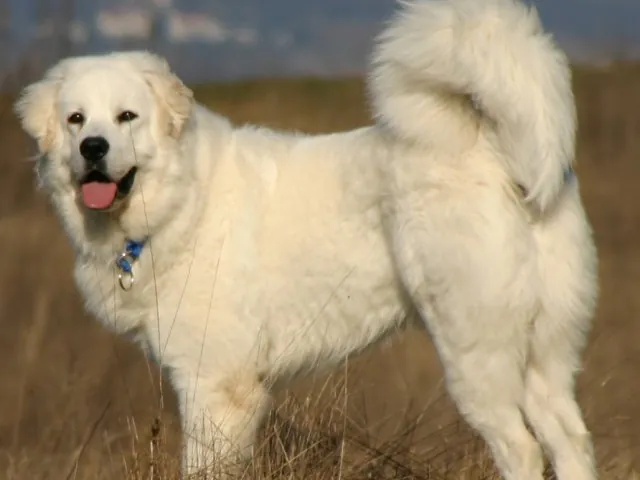
Great PyreneesPatient guardian of the mountain flocks
The Great Pyrenees is a large white livestock guardian bred to protect sheep from wolves and bears on its own. Calm and gentle with its family, it thinks for itself, barks at night and needs space and a secure fence more than intense exercise.
Why people love the Great Pyrenees
- Calm and gentle with its own family
- Natural livestock guardian for farms and acreage
- Moderate exercise needs for a large dog
- Coat resists dirt and tangles well
- Patient and protective with familiar children
Things to consider
- Barks deeply and often, especially at night
- Independent mind and unreliable off-leash recall
- Roams if fencing is weak or invisible
- Heavy seasonal shedding of dense undercoat
- Large size means higher food and vet costs
Is this breed right for you?
10 questions · live resultHistory and Origin
For centuries, shepherds in the Pyrenees mountains between France and Spain used large white dogs to guard flocks on high pastures. The dogs worked with little direction, staying with the sheep and confronting predators. Their white coat helped shepherds tell them apart from wolves at night.
The breed gained aristocratic fans in the 17th century, when the French court of Louis XIV adopted it as an estate guardian. Dogs were later exported to Britain and North America, and the AKC recognized the breed in 1933. In the UK it is known as the Pyrenean Mountain Dog. Many Pyrs still work today guarding livestock on farms and ranches.
Size, White Coat and Markings
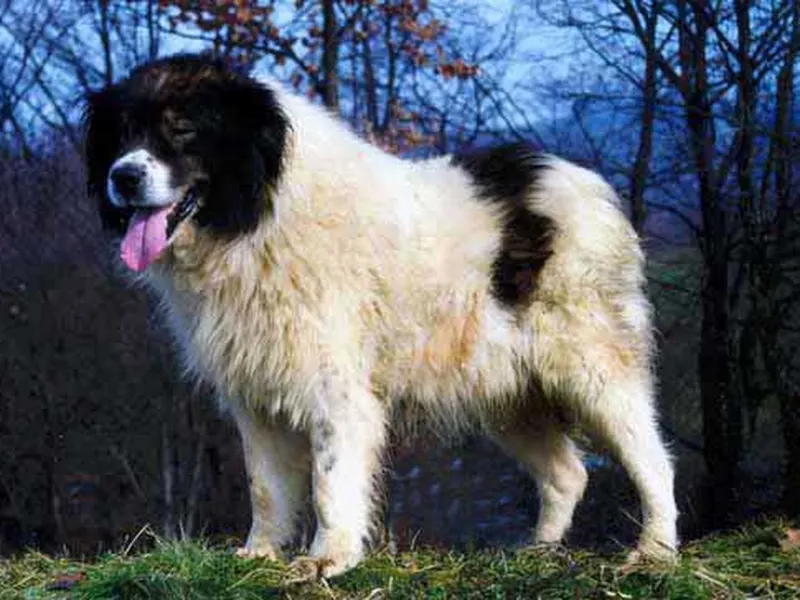
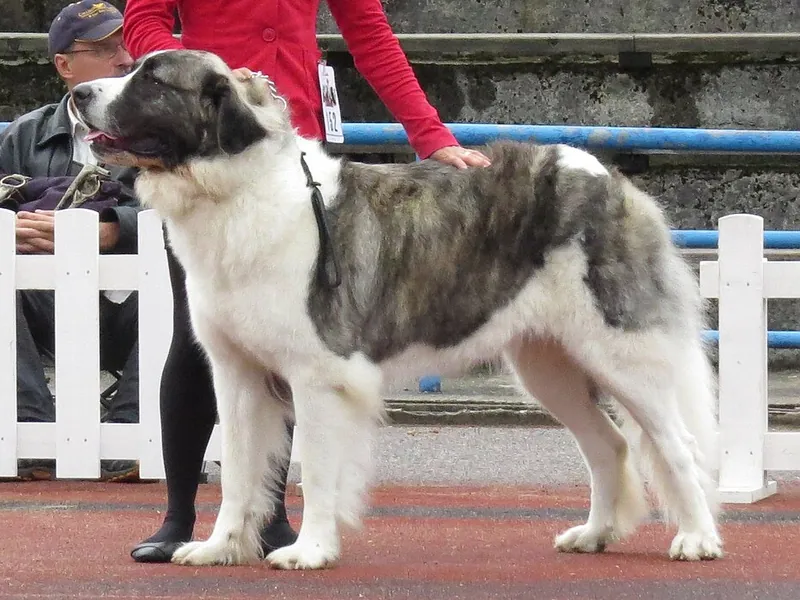
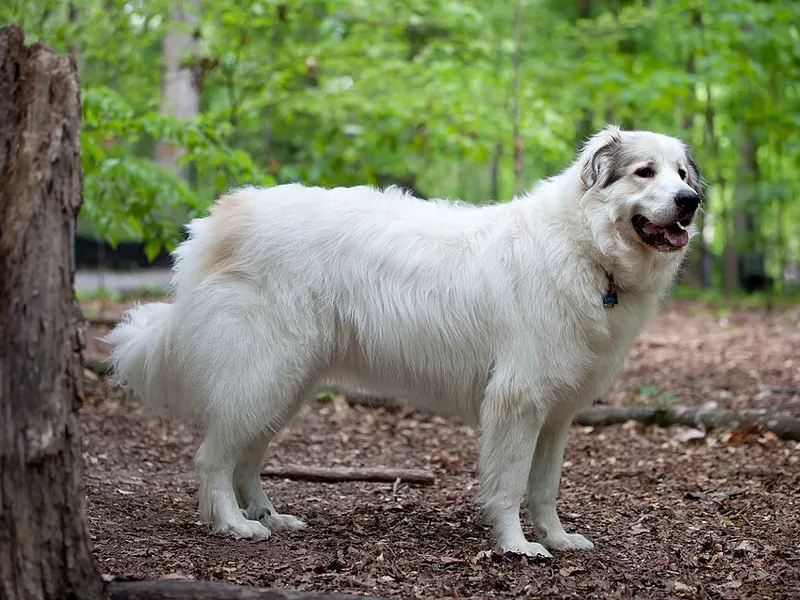
The Great Pyrenees is a large, elegant guardian with a wedge-shaped head, dark almond eyes and an expression often described as serene. It stands 25 to 32 inches at the shoulder and weighs 85 lb and up. Males measure about 27 to 32 inches and often exceed 100 lb, while females stand about 25 to 29 inches, are lighter boned and more feminine in head.
The weather-resistant double coat combines a long, flat, coarse outer coat with a dense, woolly undercoat. Males usually carry a heavier mane around the neck. The tail is well plumed, and the back of the legs carries feathering often called pants.
The coat is all white or white with markings of gray, badger, reddish brown or tan on the head, ears and base of the tail. Markings on the body should be limited. A unique feature is the double dewclaws on each hind leg, which the breed standard requires. Black pigment on the nose, lips and eye rims sets off the white coat.
Temperament and Personality
At home, a Great Pyrenees is usually quiet, patient and affectionate with its family. It was bred to make its own decisions, so it often weighs a command before obeying. That independence is part of the breed, not a training failure.
Guarding is its core instinct. Pyrs patrol their territory, are watchful with strangers and bark deeply when they sense something unusual, often at night when predators would traditionally be active. Good socialization helps them distinguish ordinary visitors from real threats. With children in the family they are typically gentle, though their size means supervision with small kids.
Is the Great Pyrenees Good for First-Time Owners?
A Great Pyrenees can work for a first-time owner, but only one who has researched guardian breeds and is ready for independence. It is not a beginner's dog in the way a Golden Retriever is.
The biggest surprises for novices are night barking, a recall that may never be reliable and a dog that weighs each command before deciding. Physical control is also a factor: an adolescent Pyr can outweigh its owner. Beginners who succeed usually have a securely fenced property, enroll in a class early and see the breed's guarding behavior as a feature rather than a problem to fix.
Are Great Pyrenees Good With Cats and Other Animals?
Generally yes. Great Pyrenees were bred to live with and protect smaller animals, so many are gentle with cats, chickens and goats they are raised with. Prey drive is typically low for a large breed.
The key words are raised with. A Pyr treats animals it considers part of its group as charges to protect, but it may chase off unfamiliar cats, stray dogs or wildlife that enter its territory. Introduce new pets calmly and early, supervise at first, and give the cat escape routes. Some Pyrs are bossy with unfamiliar dogs of the same sex, so neutral-ground introductions help.
Are Great Pyrenees Easy to Train?
Not in the usual sense. Great Pyrenees are intelligent and learn quickly, but they were bred to make decisions on their own while guarding flocks, so they do not obey just because they were asked.
Expect good results on house manners, leash walking and calm greetings if you use rewards, short sessions and a lot of patience. Expect less on repetitive drills, competitive obedience and off-leash recall. Start training early, while the puppy is still easy to handle, and focus on the skills that matter in daily life. Harsh corrections tend to make a Pyr more stubborn, not more cooperative.
Exercise and Training
Energy needs are moderate. Daily walks of 45 to 60 minutes plus time in a fenced yard satisfy most adults. Puppies grow fast and should not be pushed into long runs or jumping.
Training requires patience and consistency:
- Expect a limited recall. Most Pyrs should never be off leash in open areas, because they roam to expand their territory.
- A tall, solid fence is essential; invisible fences rarely hold this breed.
- Use calm, reward-based training and start socializing early with people, dogs and household routines.
Grooming and Shedding
The double coat has a long, coarse outer layer and a dense woolly undercoat that resists dirt and tangles surprisingly well. Brush weekly, and daily during the heavy seasonal shed, when undercoat comes out in clumps.
Do not shave the coat, as it insulates against both cold and heat. Check and trim the double dewclaws on the hind legs, which are a breed standard feature, along with the other nails.
Feeding and Nutrition
A Great Pyrenees grows fast and stays large, so feeding should focus on slow growth and lean adult condition. Excess weight and rapid growth both increase stress on joints already at risk of dysplasia.
- Feed a diet made for large or giant-breed puppies, with controlled calcium and energy, until your vet advises switching, often between 12 and 18 months.
- Keep puppies lean. A plump Pyr puppy may look cute but grows too quickly.
- Split adult food into at least two meals a day. As a deep-chested breed, the Pyr carries a risk of bloat, so avoid one large meal, discourage gulping and rest the dog for an hour after eating.
- Adults often need less food than owners expect, because many Pyrs are calm and relatively inactive indoors.
The long coat hides weight changes, so check ribs and waist by hand. Use small treats for training and keep a slow-feeder bowl handy if your dog eats fast.
| Adult weight | Less active | Typical adult | Very active |
|---|---|---|---|
| 85 lb | 1,520 kcal | 1,730 kcal | 2,170 kcal |
Estimates use the resting energy formula veterinarians work with (70 × body weight in kg0.75) and standard activity factors. Use the feeding guide on your food as a starting point and adjust to body condition. Puppies, seniors, pregnant animals and pets that need to lose weight have different needs, so ask your vet.
Health and Lifespan
Great Pyrenees typically live about 10 to 12 years, though some giant individuals have shorter lives. Conditions linked to large size include hip and elbow dysplasia, panosteitis in growing puppies, osteosarcoma (bone cancer) and gastric dilatation-volvulus (bloat).
Other issues reported in the breed include patellar luxation, entropion, epilepsy and deafness. Look for breeders who screen hips, elbows and eyes. Feed a large-breed puppy diet to support slow, even growth, and learn the warning signs of bloat.
Great Pyrenees Price and Cost of Ownership
Typical breeder price in the US$1,000 to $2,500
A Great Pyrenees puppy from a reputable US breeder typically costs about $1,000 to $2,500. Prices vary by breeder, region and lines, and working livestock guardian lines may be priced differently from show or companion lines. Ask for hip, elbow and eye results for both parents.
Adoption is a strong option. Pyrs are surrendered often when owners underestimate barking and roaming, and breed rescues place many adults, especially in the South and West.
Breed-specific cost drivers include:
- Tall, solid fencing, since invisible fences rarely work for this breed.
- Food for a dog that may exceed 100 lb.
- Insurance or savings for bloat surgery, bone cancer and joint disease.
- Grooming help or high-capacity tools during the heavy shed.
Is the Great Pyrenees Right for You?
The Pyr is ideal for a rural or suburban home with a securely fenced property, or for small farms that need a livestock guardian. Owners should be patient, calm and comfortable with a dog that does not obey instantly.
It is a poor fit for apartments, close neighbors who will object to night barking, or people who want an off-leash hiking partner. First-time owners can succeed if they research the guardian mindset thoroughly.
Great Pyrenees Traits at a Glance
Great Pyrenees FAQ
Are Great Pyrenees good family dogs?
They are usually calm and gentle with their own family, including children, but need early socialization and supervision because of their size and guarding instinct.
How big do Great Pyrenees get?
They stand about 25 to 32 inches tall. Weight usually starts around 85 lb for females, and large males can exceed 100 lb.
Why do Great Pyrenees bark so much?
Barking is how they warn off predators. They are especially vocal at night, which matches their traditional guarding schedule.
Do Great Pyrenees shed a lot?
Yes. They shed year-round and heavily once or twice a year when the undercoat blows.
Can a Great Pyrenees live in an apartment?
It is not recommended. The breed needs space, a fenced yard and room to patrol.
How long do Great Pyrenees live?
Typically 10 to 12 years.