Small Dog BreedsLittle dogs with big personalities, compared
A breed makes this list when adults typically weigh under about 25 pounds and stand no taller than roughly 16 inches at the shoulder. This guide helps apartment dwellers, seniors, families and first-time owners compare small breeds by temperament, exercise needs and grooming, not just looks.
Top 10 Small Dog Breeds
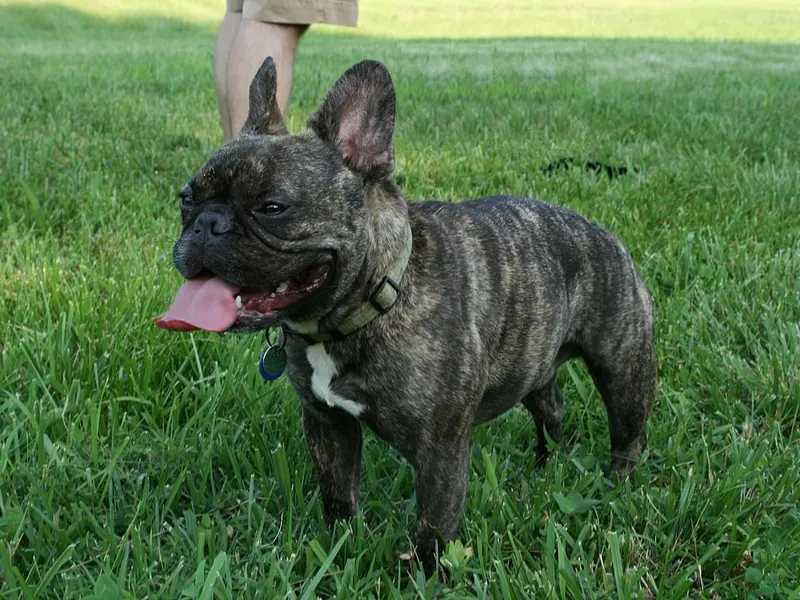
The French Bulldog is a small, muscular companion with bat ears and a playful, affectionate nature.
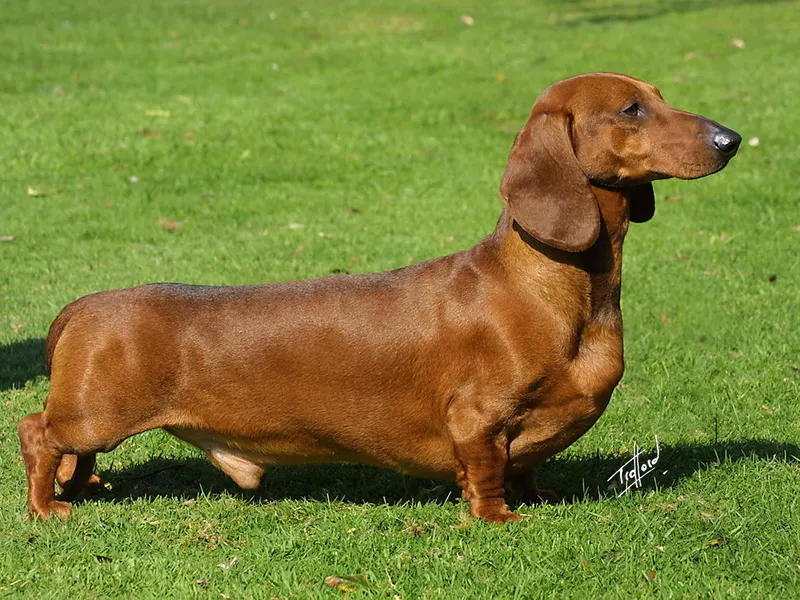
Long body, short legs and a hunter's nose; Dachshunds are brave, playful and need careful back protection.
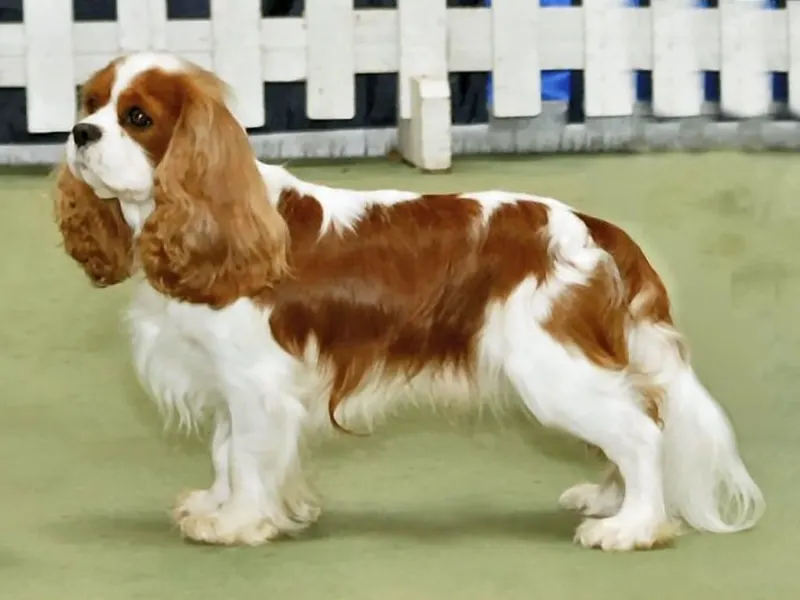
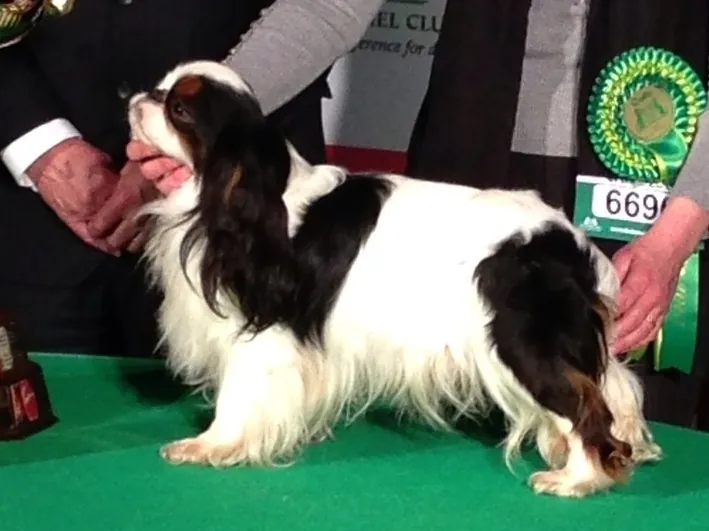
Gentle and eager to please, the Cavalier is one of the friendliest small breeds for families and seniors.
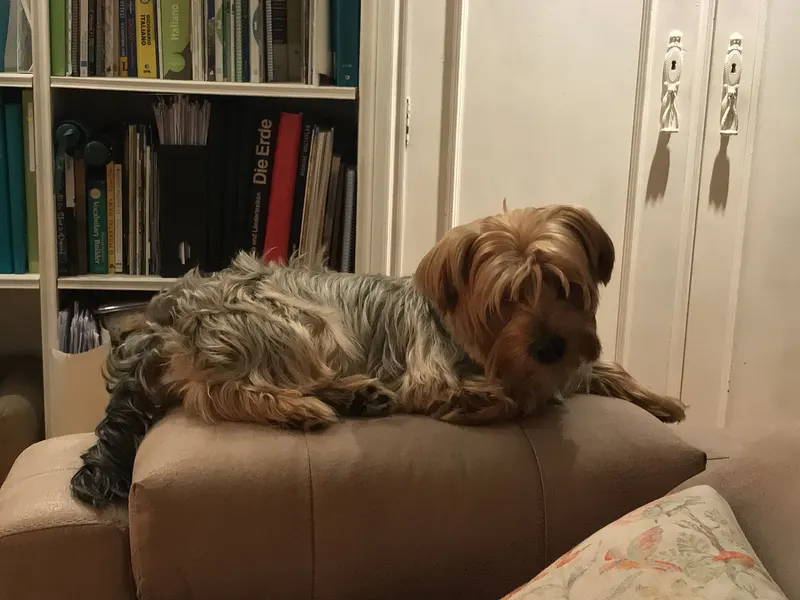
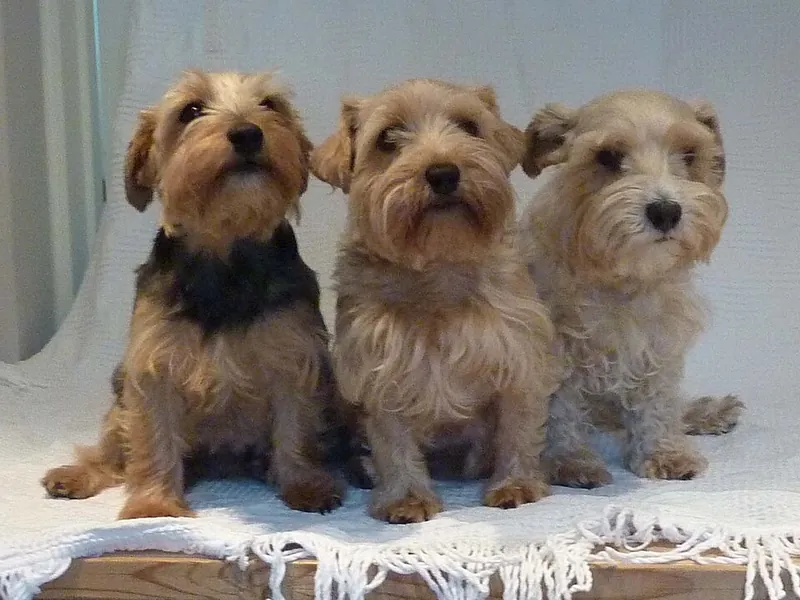
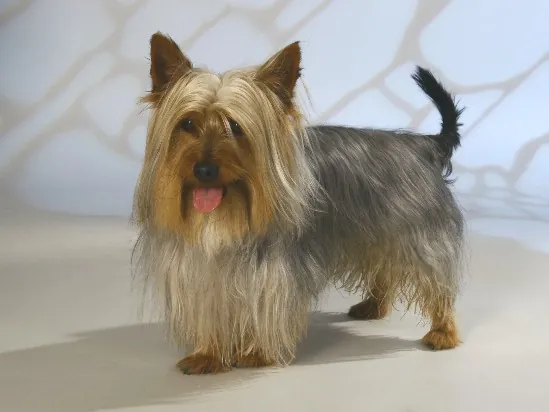
The Yorkshire Terrier was bred in the mill towns of northern England to catch rats, and it still has a terrier's courage and curiosity in a very small body.
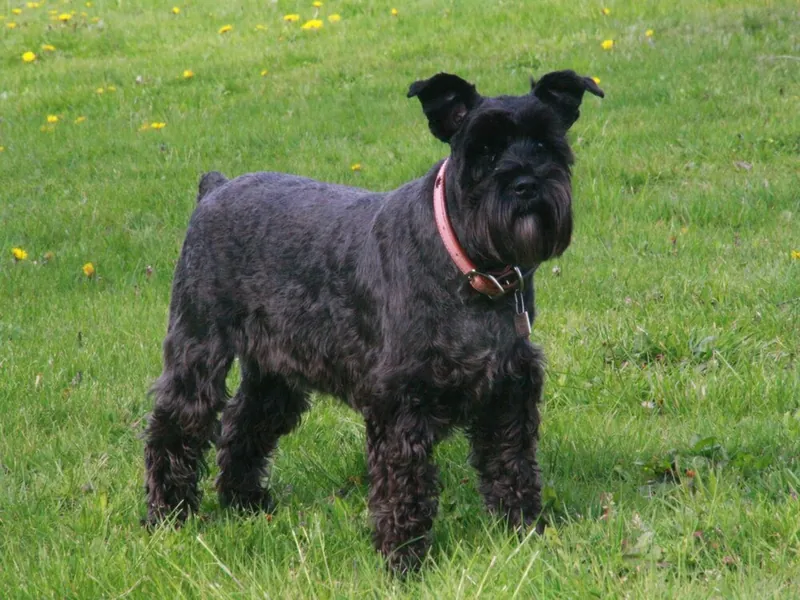
The Miniature Schnauzer is a small, sturdy German farm dog with bushy eyebrows, a beard and a big-dog attitude.
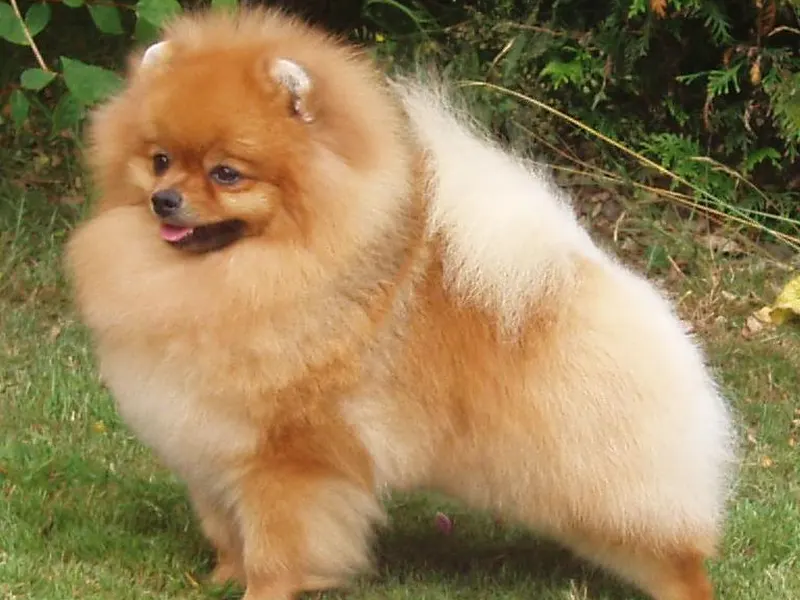
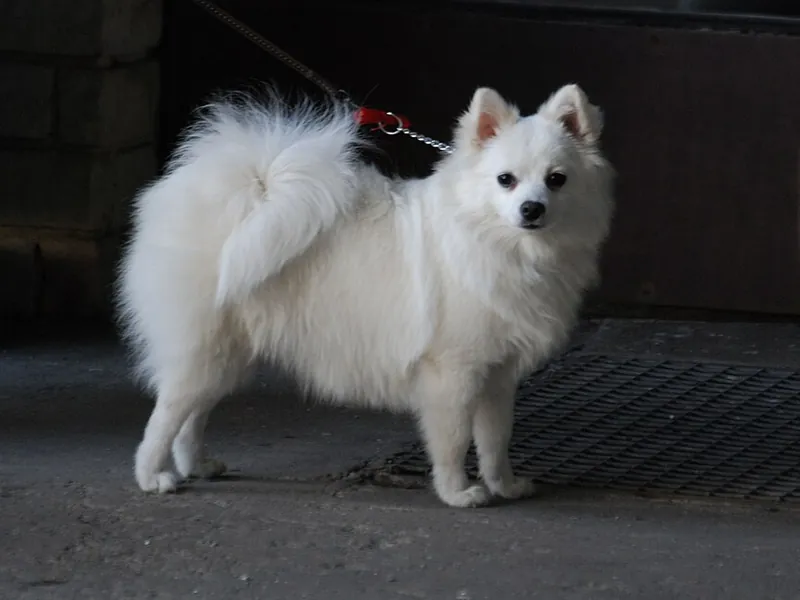
A fluffy Spitz in miniature, the Pomeranian is alert, lively and surprisingly confident for its few pounds.
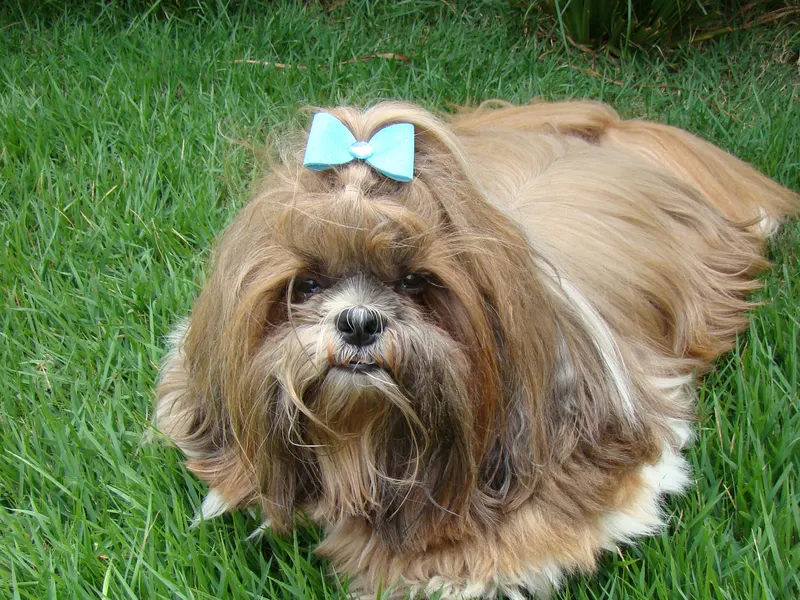
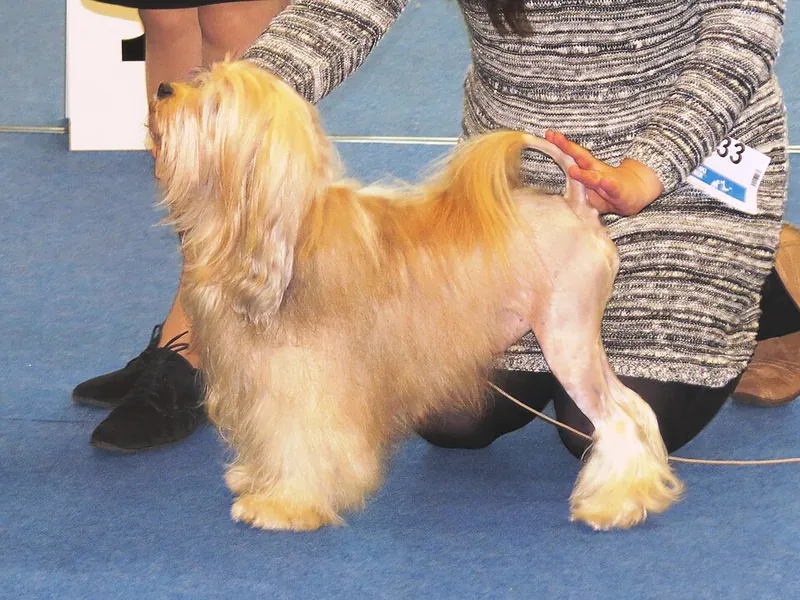
Bred as a palace companion, the Shih Tzu is affectionate, adaptable and happy with short daily walks.
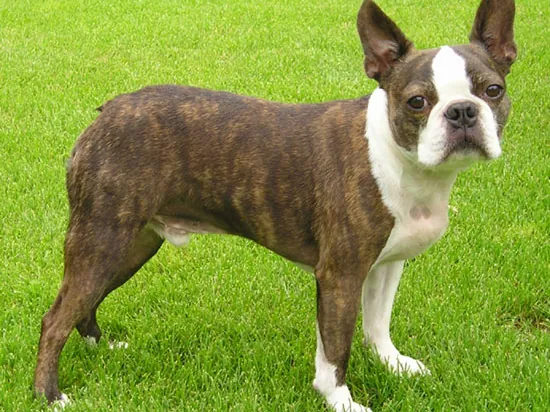
Compact, tuxedo-marked and good-natured, the Boston Terrier is a sturdy little city companion.
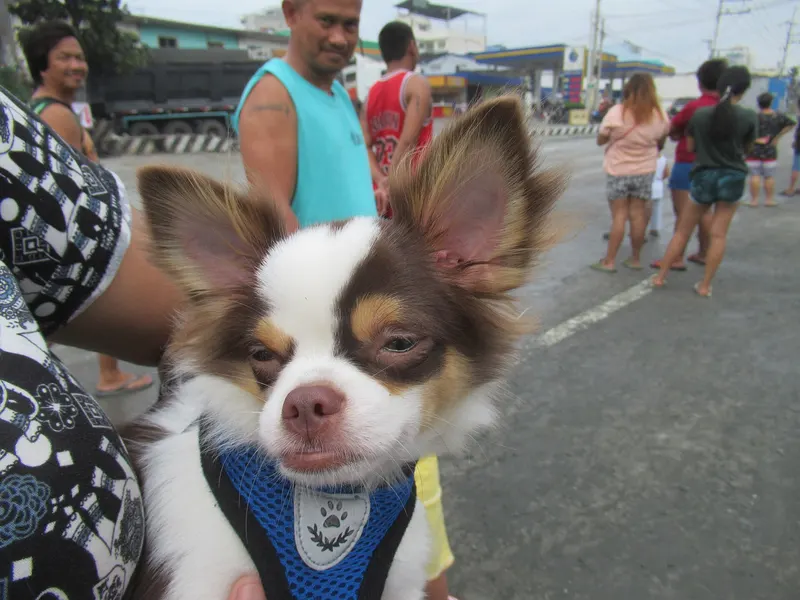
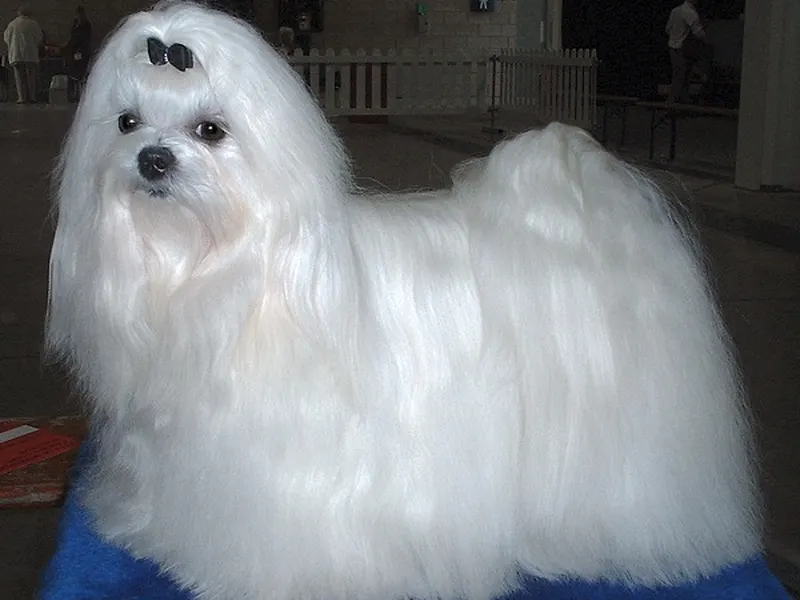
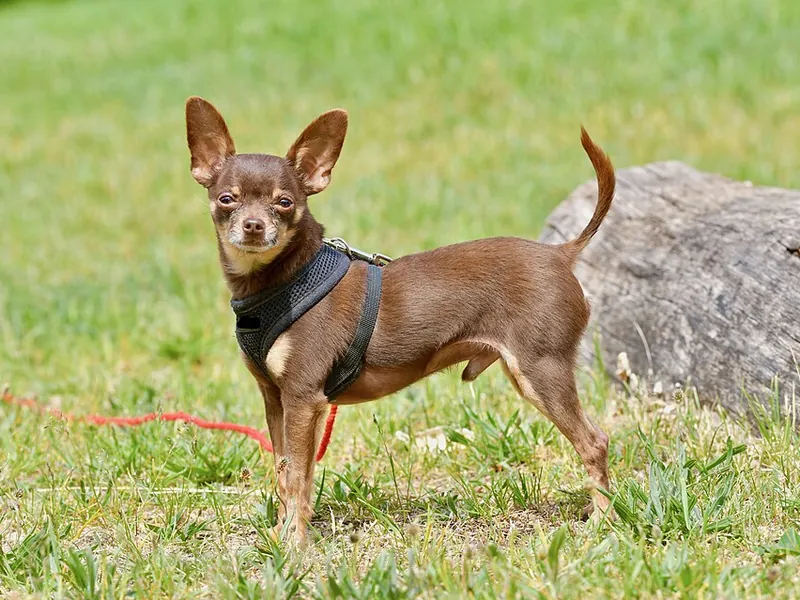
The smallest recognized breed, usually under 6 pounds, with a bold, loyal personality and a strong bond to one person.
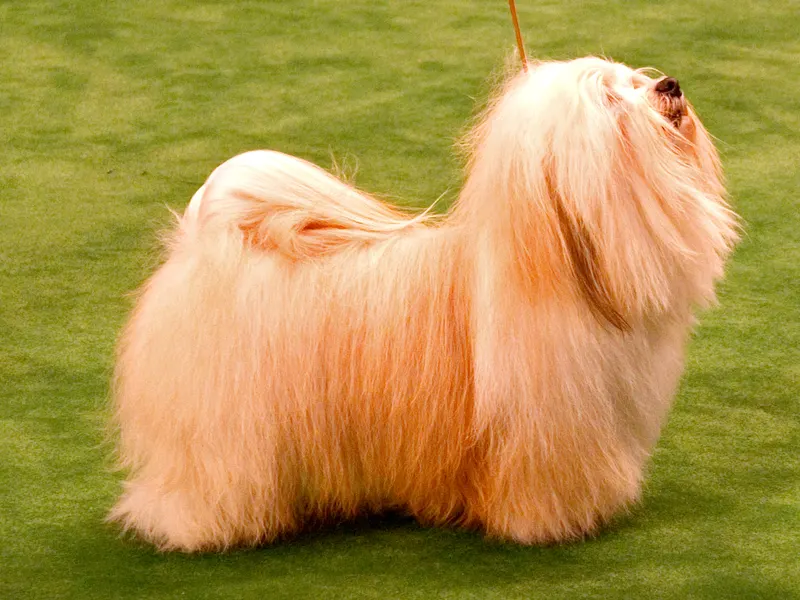
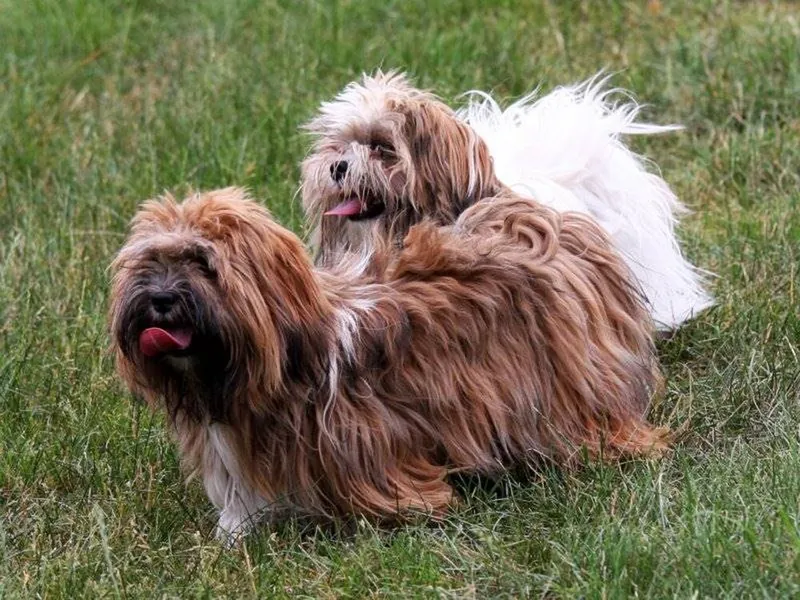
The Havanese is Cuba's national dog, a small Bichon-type companion known for its cheerful, sociable nature and springy gait.
All Small Dog Breeds A to Z
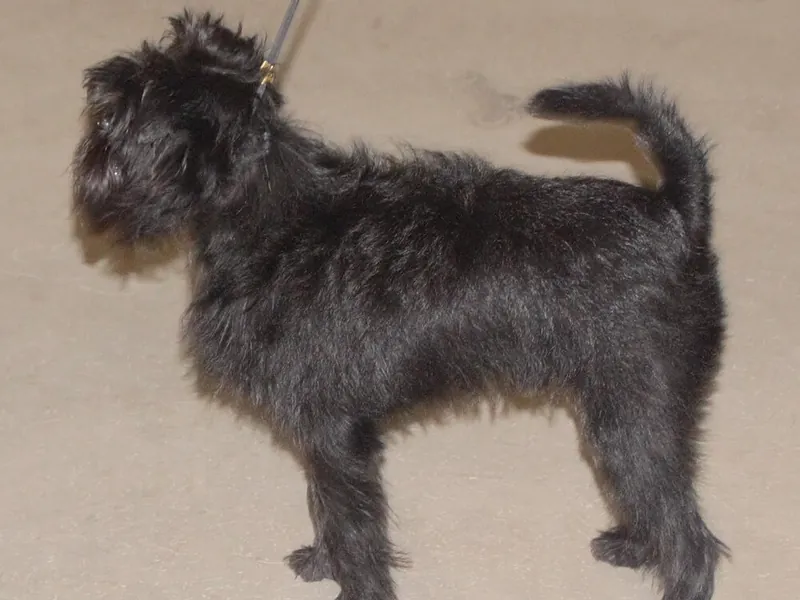
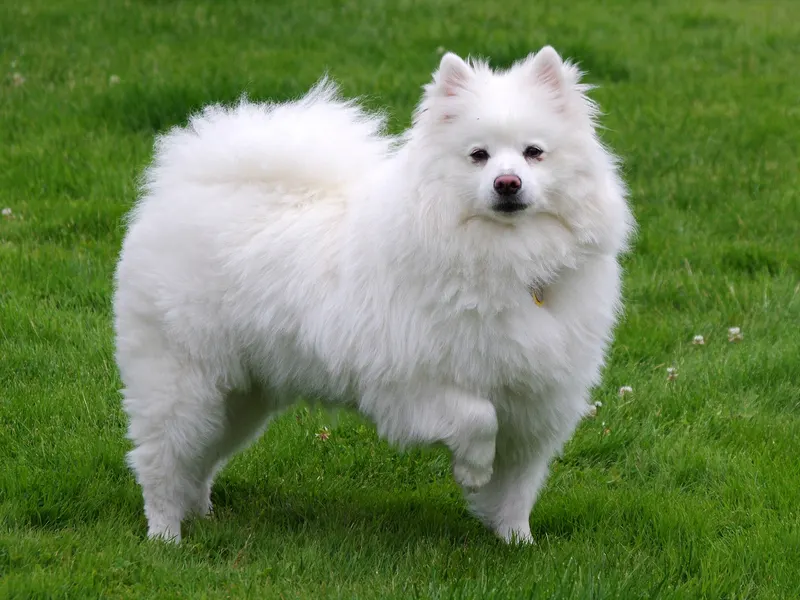
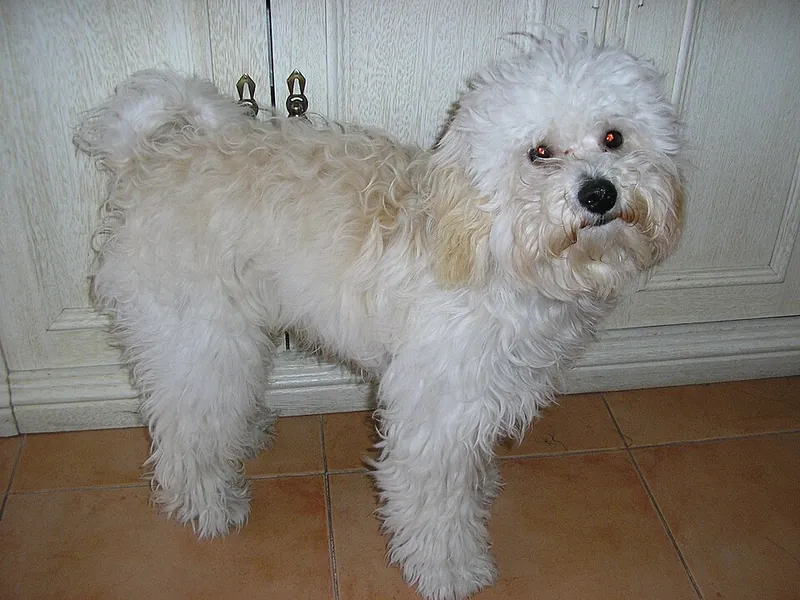
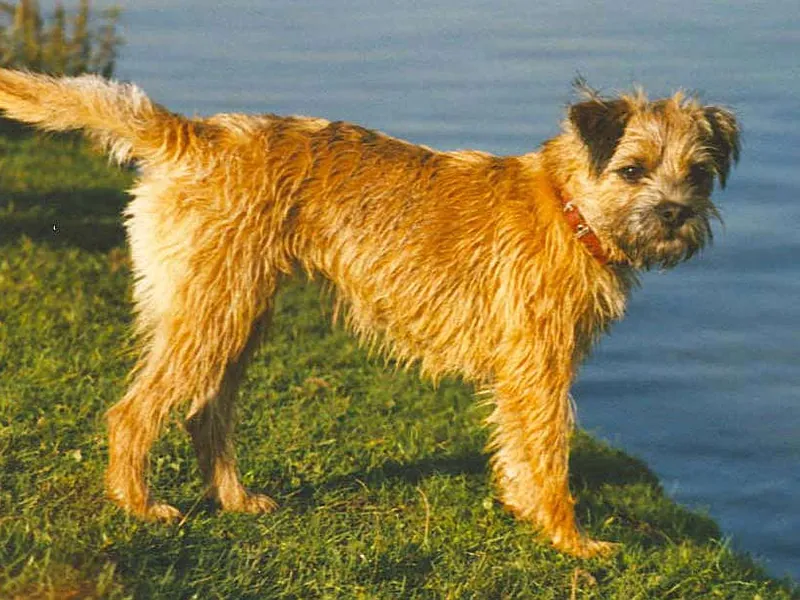
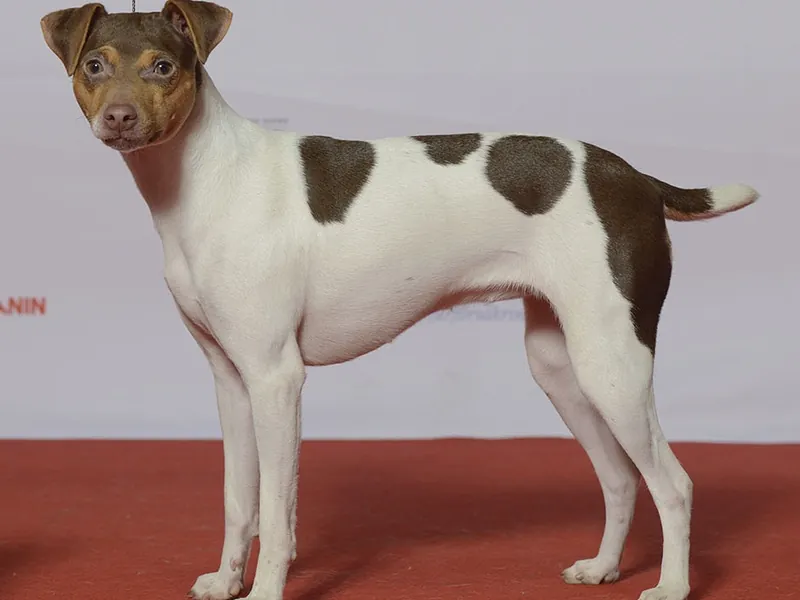
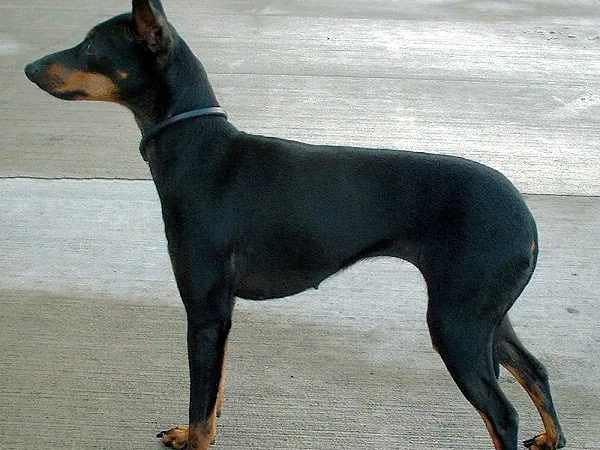
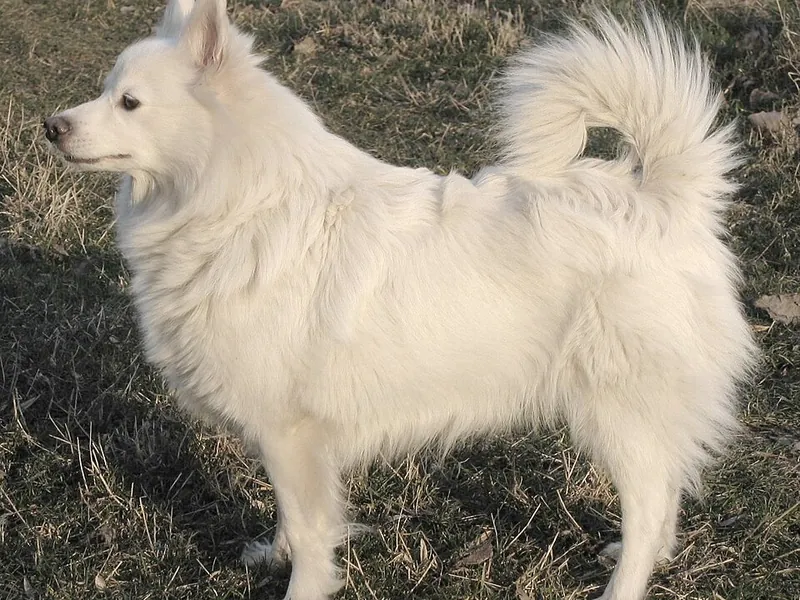
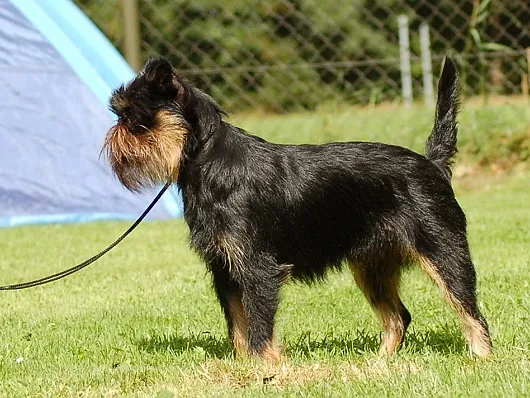
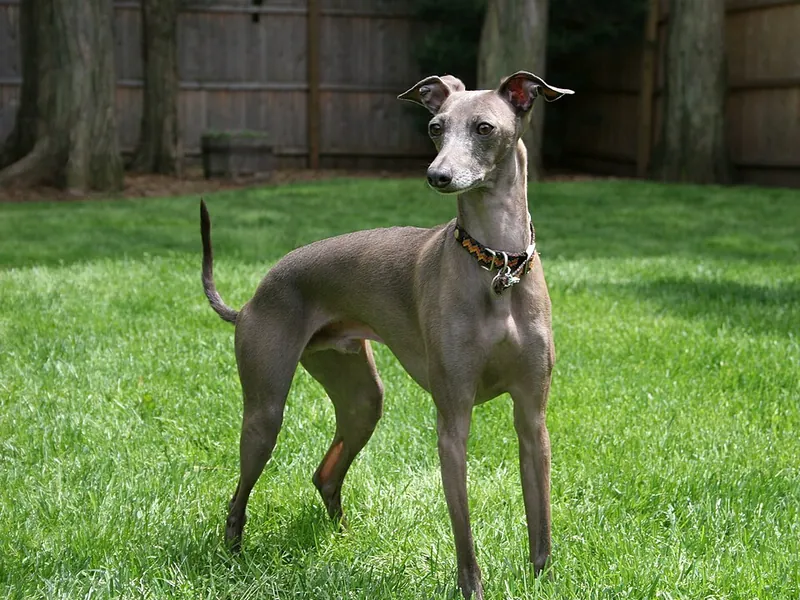
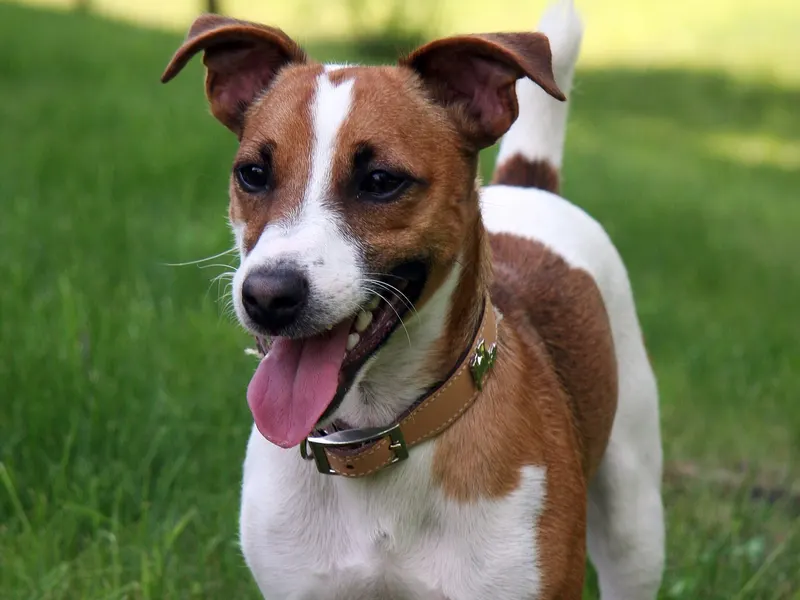
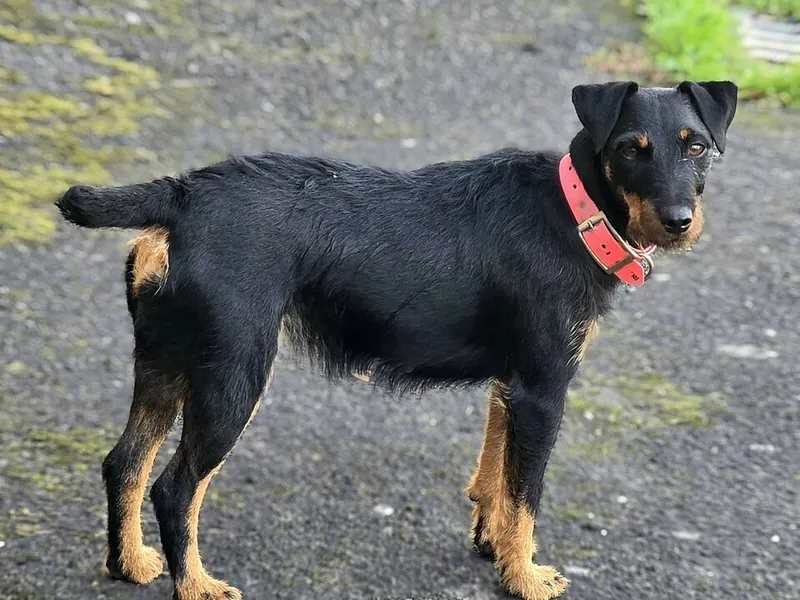
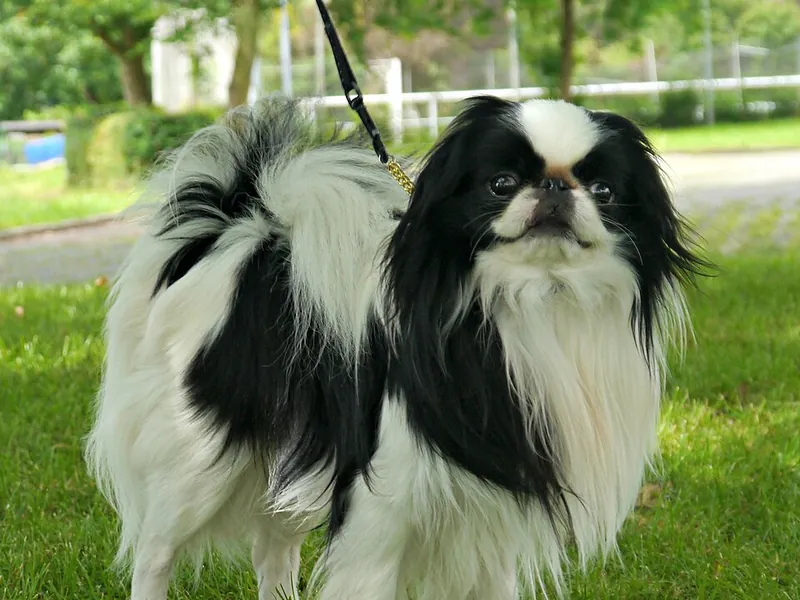
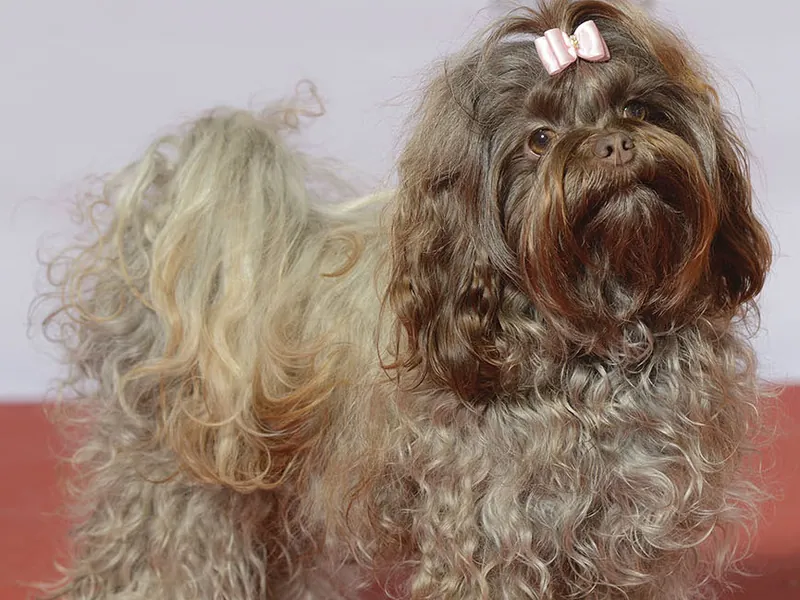
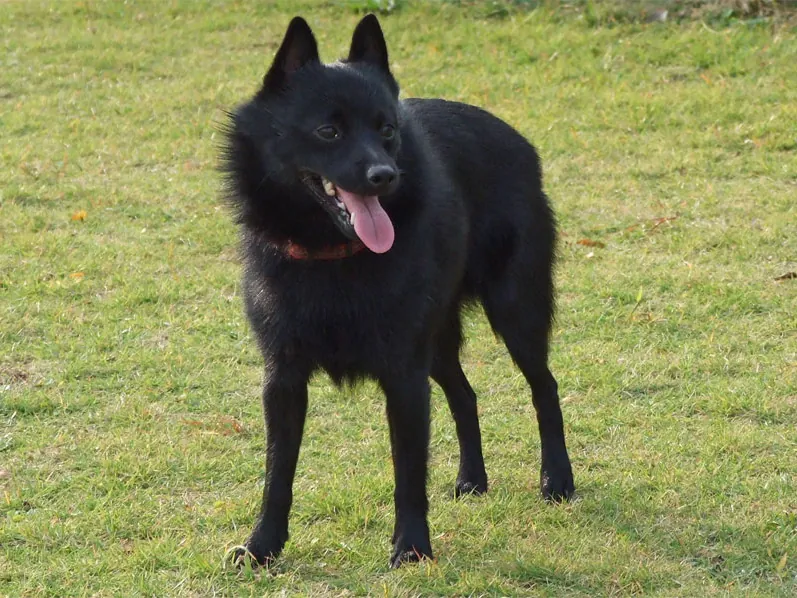
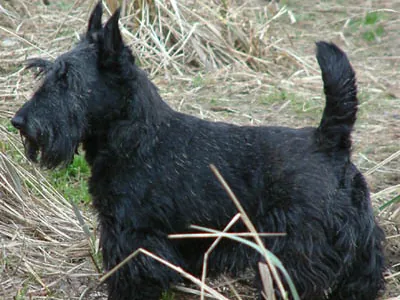
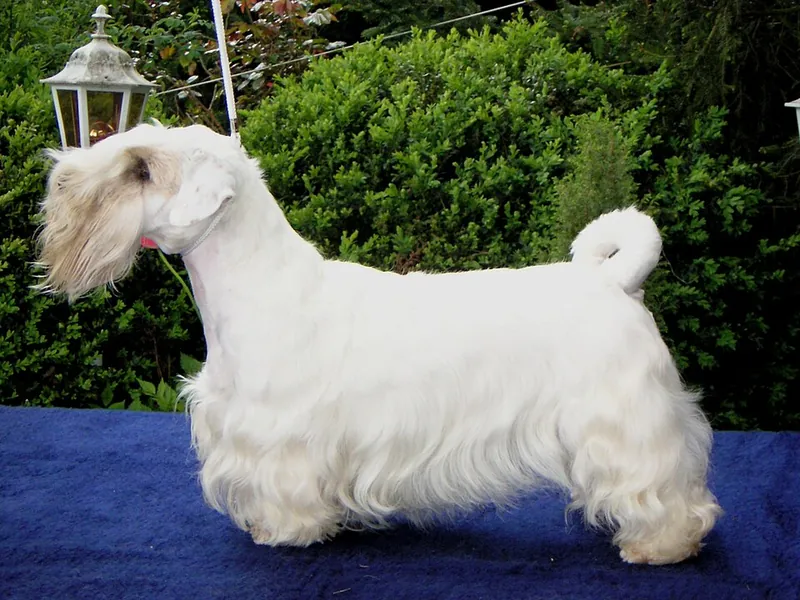
What Counts as a Small Dog?
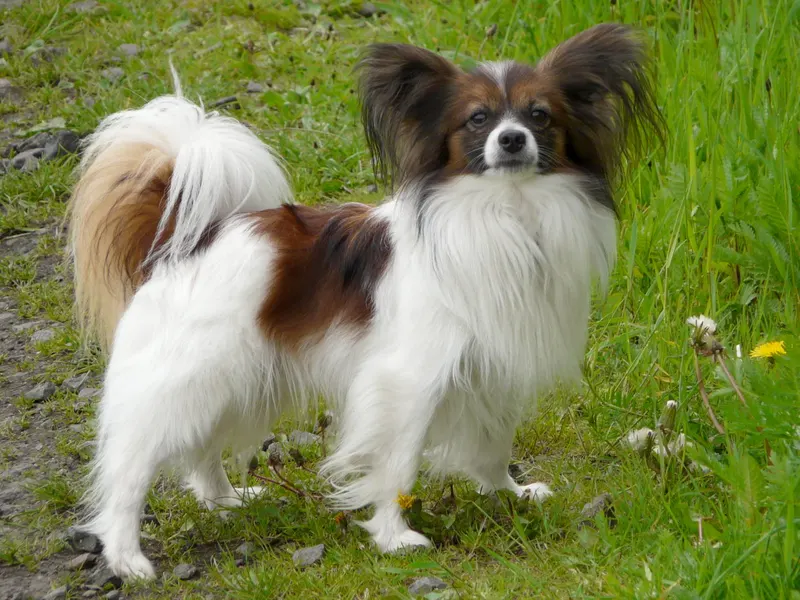
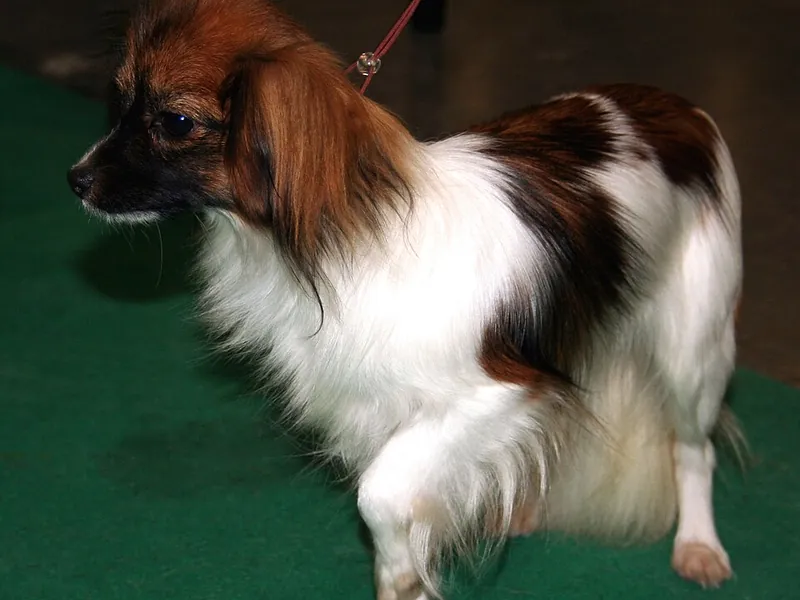
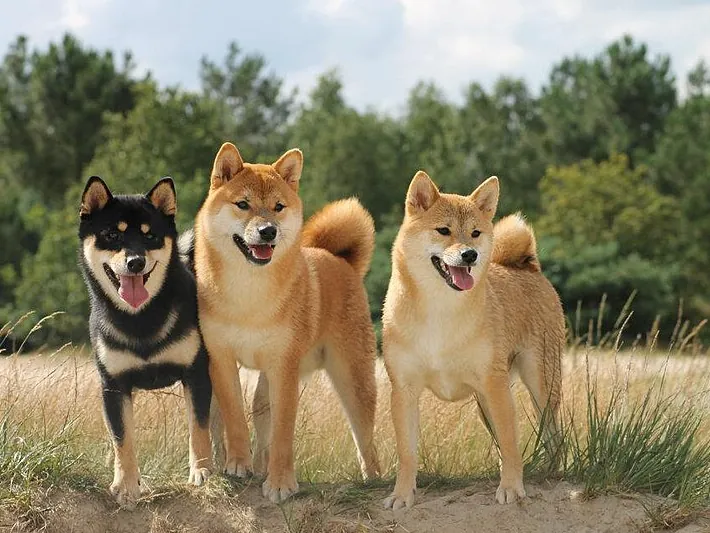
There is no single official cutoff, but most breeders and vets call a dog small when adults weigh under about 25 pounds. Within that range you find two very different groups: toy breeds such as the Chihuahua, Maltese and Papillon, which often weigh under 10 pounds, and sturdy small breeds like the Border Terrier, Shiba Inu or Miniature Schnauzer, which are compact but athletic.
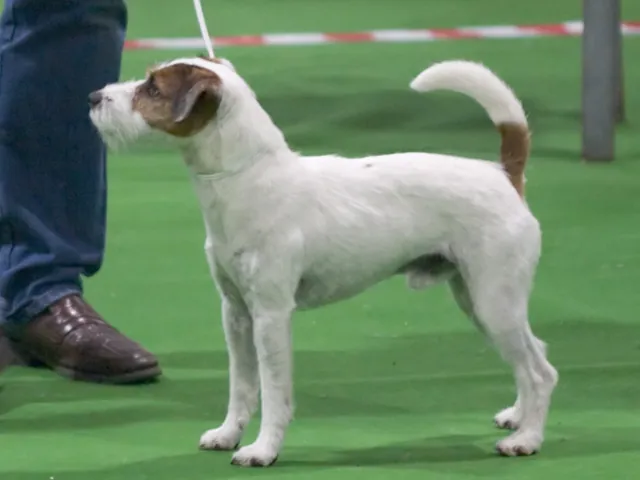
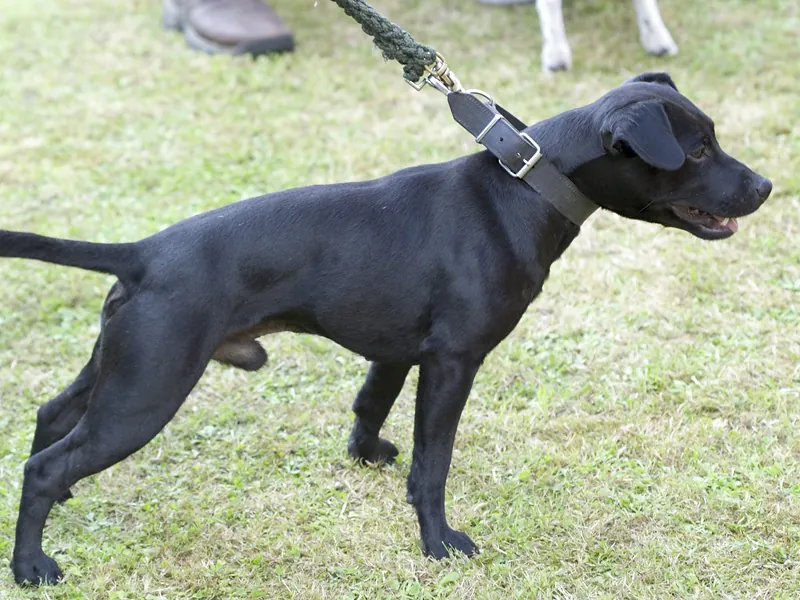
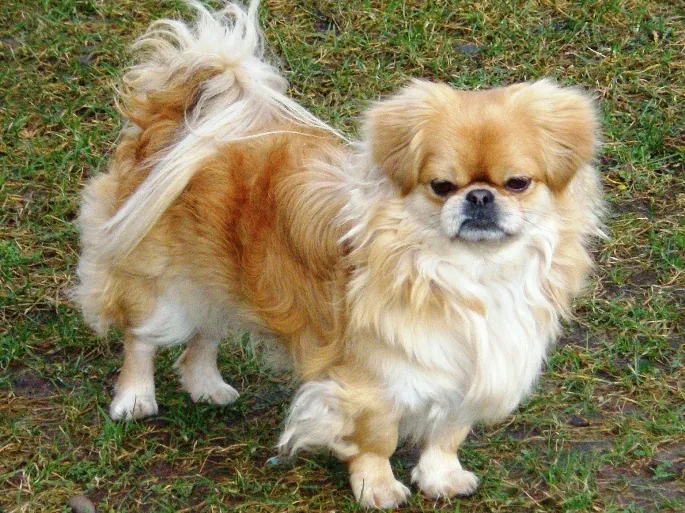
Size alone tells you little about daily life. A Jack-type terrier such as the Patterdale Terrier can need more exercise than many large dogs, while a Shih Tzu or Pekingese is content with short strolls.
How to Choose the Right Small Breed
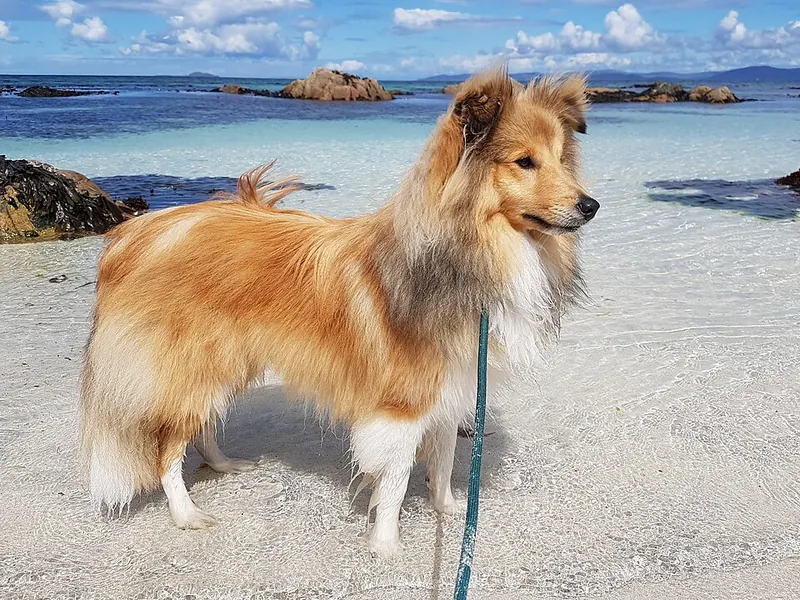
- Energy: terriers and Shetland Sheepdogs need daily activity and mental work; companion breeds like the Cavalier or Havanese are more relaxed.
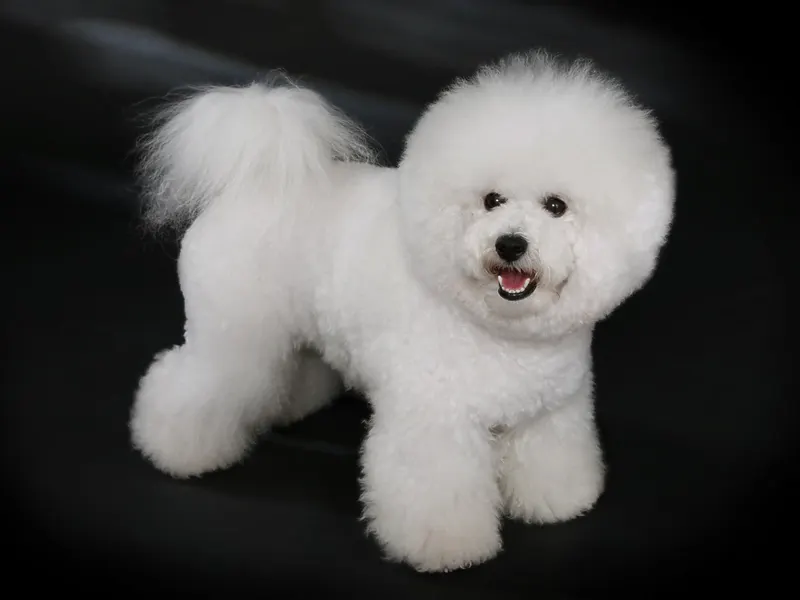
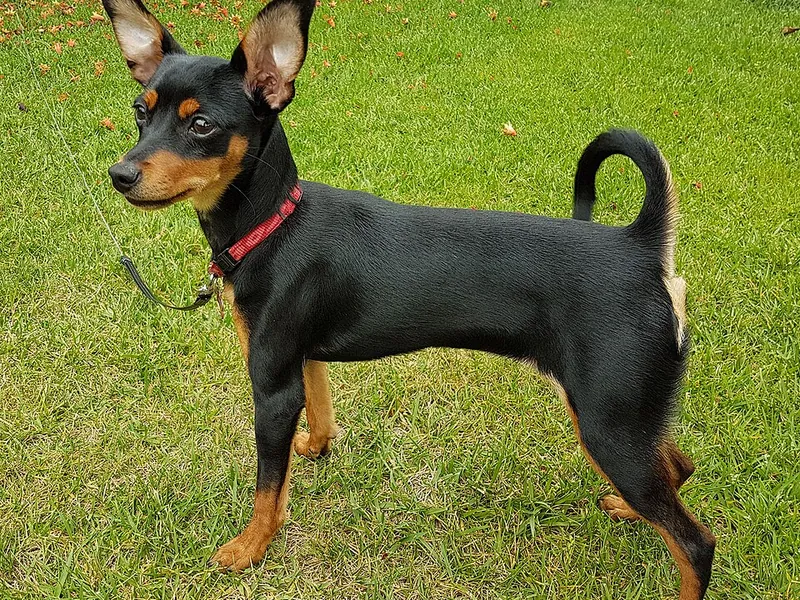
- Grooming: Bichon Frise, Shih Tzu, Maltese and Yorkshire Terrier have continuously growing hair that needs clipping every few weeks. Smooth coats such as the Chihuahua or Miniature Pinscher are low effort.
- Noise: many small breeds are alert barkers. Basenji-like silence is rare, so plan for training if you share walls with neighbors.
- Children: very tiny dogs can be injured by toddlers. Families with young kids often do better with sturdier breeds like the Boston Terrier or Bichon Frise.
Health Notes for Small Breeds
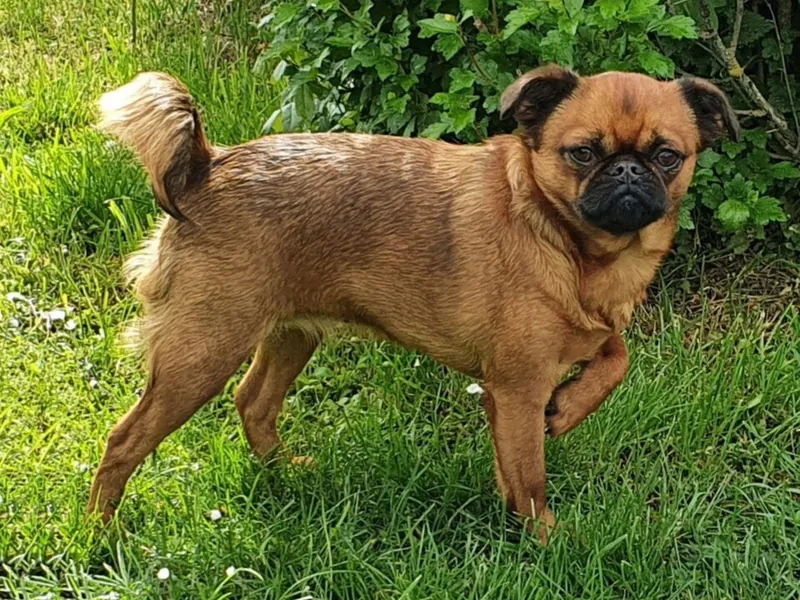
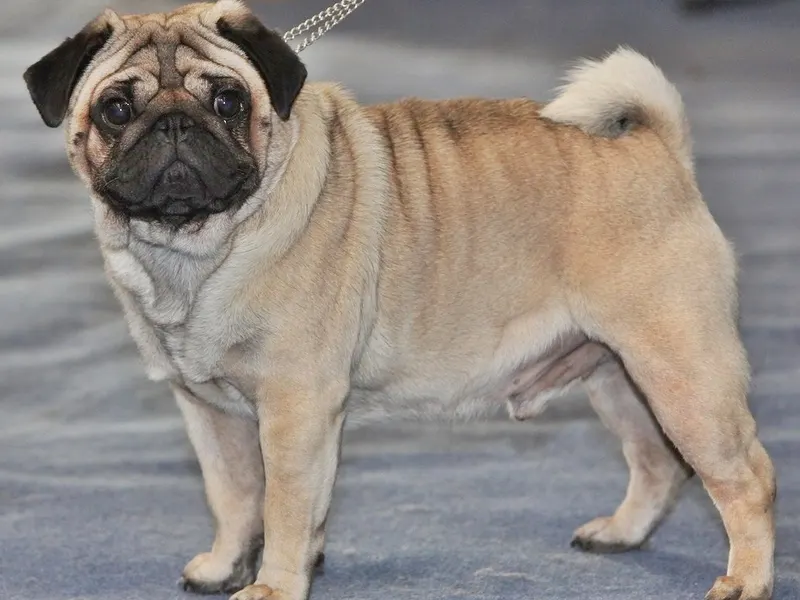
Small dogs often live longer than large dogs, frequently into their mid-teens. They do have typical weak spots: dental disease from crowded teeth, luxating kneecaps, and in long-backed breeds like the Dachshund, intervertebral disc disease. Flat-faced breeds such as the Pug, Pekingese and Brussels Griffon can have breathing problems and struggle in heat, so choose breeders who prioritize open nostrils and healthy airways.
Toy-sized puppies can also be prone to low blood sugar, so they need small, frequent meals.
Common Mistakes With Small Dogs
The most common mistake is skipping training because the dog is small. Jumping, pulling and nonstop barking are just as annoying in a 10-pound dog, and many so-called small dog behaviors are simply the result of inconsistent rules. Carrying a dog everywhere can also limit socialization. Treat a small breed like a real dog: train recall, teach calm greetings and give it daily walks and play.
Watch the waistline too. A single pound of extra weight is a large share of body mass on a dog under 15 pounds.
Small Dogs in Daily Life
Small breeds are easy to bring along: they fit in cars, many vacation rentals and some public transport rules more easily than large dogs. They also cost less to feed. Still, plan for a few practical details. Small dogs lose body heat fast, so short-coated breeds like the Chihuahua, Italian Greyhound and Miniature Pinscher often need a coat in winter. Stairs and furniture can be risky for long-backed or very tiny dogs, so ramps or steps help. Use a well-fitted harness for walks, and keep an eye on larger dogs at parks, because rough play can injure a small dog quickly. Finally, socialize early so your dog grows into a confident adult instead of a nervous one.
Frequently Asked Questions
What is the best small dog breed for a family?
Sturdy, friendly breeds such as the Cavalier King Charles Spaniel, Bichon Frise, Boston Terrier and Havanese are popular family choices. Very tiny breeds are better suited to homes with older children.
Which small dog breeds shed the least?
Bichon Frise, Maltese, Shih Tzu, Havanese, Miniature Schnauzer and Yorkshire Terrier shed very little, but they need regular grooming and clipping.
Do small dogs need less exercise?
Not always. Terriers, Shetland Sheepdogs and Miniature Pinschers are energetic and need daily walks plus play. Companion breeds like the Shih Tzu need less.
How long do small dog breeds live?
Many small breeds live around 12 to 16 years, longer than most large breeds, although individual health and breeding matter a lot.
Are small dogs easier to train?
They are not automatically easier. Many are smart and willing, but some, like the Chihuahua or Shiba Inu, are independent and need patient, consistent training.
Not sure which breed fits you?
Answer 8 quick questions and get breeds ranked for your home, schedule and experience.