JagdterrierGermany's fearless all-purpose hunting terrier
The Jagdterrier, or German Hunting Terrier, was bred purely for hunting: going to ground after fox and badger, tracking wounded game and flushing boar. It is tough, fearless and intensely driven. It suits experienced hunters and very active terrier people, not typical family pet homes.
Why people love the Jagdterrier
- Tough, fearless and versatile hunting terrier
- Exceptional stamina for its small size
- Easy-care rough or smooth coat
- Loyal and affectionate with its owner
- Alert watchdog without constant noise at home
Things to consider
- Extreme prey drive; cats and small pets unsafe
- Strong-minded and needs experienced handling
- Can be intolerant of other dogs
- Very high exercise and work needs
- Digs and escapes without secure fencing
Is this breed right for you?
10 questions · live resultHistory and Origin
After World War I a group of German hunters and dog breeders, including Walter Zangenberg, Carl-Erich Grünewald and Rudolf Frieß, set out to create a terrier selected strictly for hunting ability rather than appearance. Zoo director Lutz Heck was also involved in the early program. The base was a black and tan terrier from fox terrier lines, later combined with Old English wirehaired terriers and Welsh Terriers.
The German Jagdterrier club was founded in 1926. The breed remains closely tied to hunting, and in Germany puppies go mostly to hunters. In the United States the breed is in the AKC Foundation Stock Service; The Kennel Club does not recognize it.
Size, Coat Types and Colors
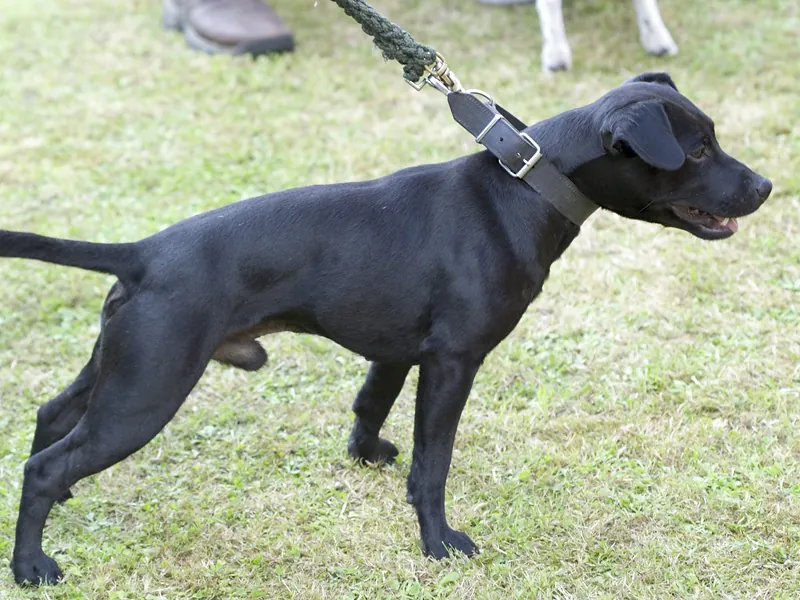
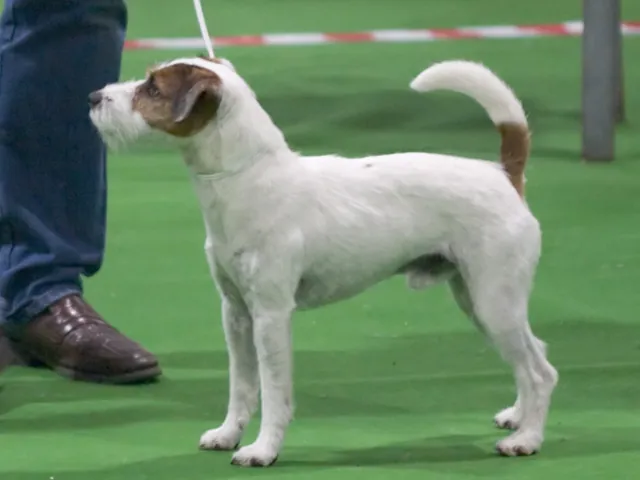
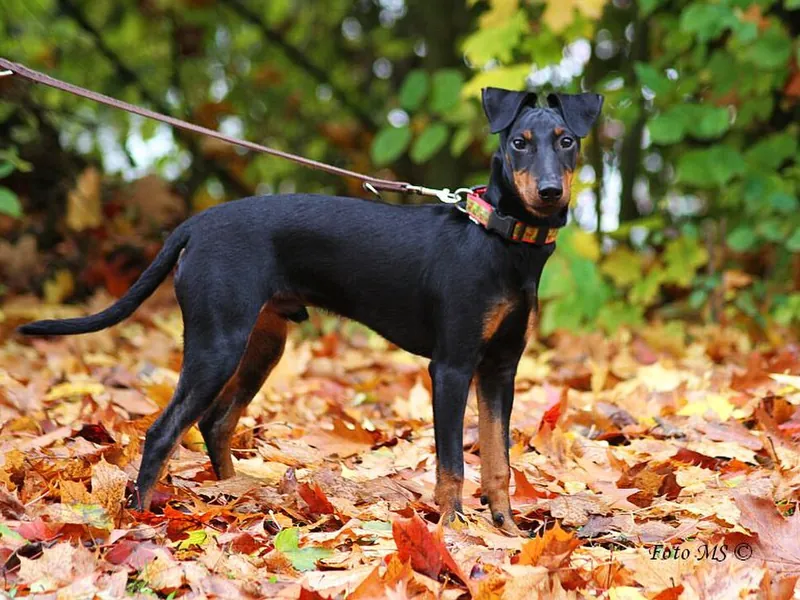
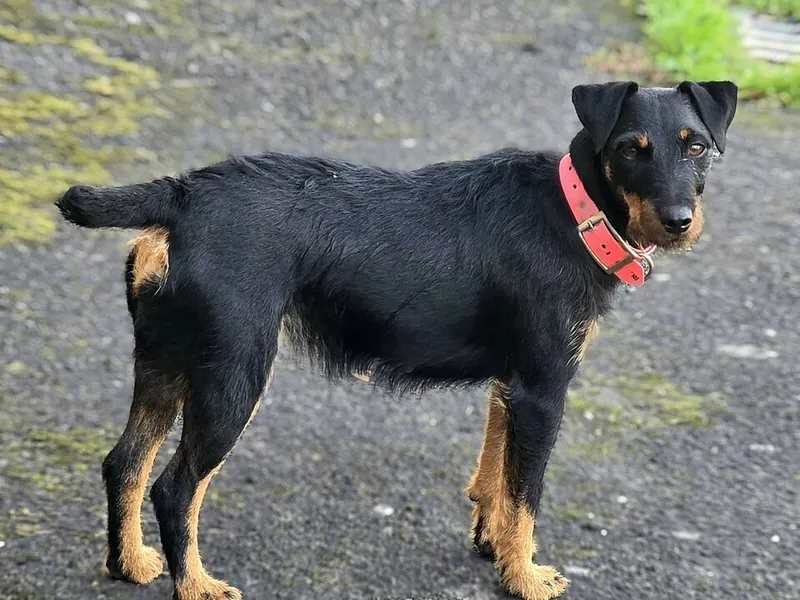
The Jagdterrier is a compact, well-muscled terrier standing 13 to 16 inches at the shoulder and weighing 17 to 22 lb. The breed standard sets slightly lower weights for females, who tend to look lighter and more refined than males.
The body is slightly longer than tall, with a deep chest and strong legs built for digging and going to ground. The head is long and wedge-shaped with a strong jaw, small dark eyes and V-shaped ears that fold forward.
Two coat types exist:
- Rough-coated: harsh, dense and wiry, sometimes with a slight beard
- Smooth-coated: short, coarse and close-lying
Colors are typically black and tan, dark brown and tan, or grizzled black and tan, with tan on the eyebrows, muzzle, chest, legs and under the tail. Small white marks on the chest and toes are tolerated. The tail is traditionally docked for hunting dogs where law allows.
Temperament and Personality
Jagdterriers are courageous, determined and full of stamina. The German kennel club describes them as working dogs and not pure family dogs. They bond strongly with their owner but can be strong-minded and quick to react.
Their prey drive is extreme: cats, rabbits, rodents and small dogs are not safe with most Jagdterriers. Some can be intolerant of other dogs. They are alert watchdogs but not generally noisy at home.
Within their home, many Jagdterriers are affectionate and enjoy close contact with their owner, but they are not dogs to be pushed around. Rough play or teasing by children is a bad idea, and resource guarding should be prevented with early training.
Is the Jagdterrier Good for First-Time Owners?
No, the Jagdterrier is not recommended for first-time owners.
Its combination of extreme prey drive, strong will and high exercise needs makes it demanding even for experienced terrier people. Beginners often struggle with escape attempts, intolerance of other animals and a dog that tests rules. Training requires calm confidence and consistency, while harsh handling backfires. In Germany, puppies are placed mostly with hunters, which reflects the breed's purpose. First-time owners who admire terriers will usually have a better experience with a breed that has established companion lines.
Are Jagdterriers Aggressive?
Jagdterriers are not typically aggressive toward their family, but they are bred to confront fox and badger, and that intensity shapes their behavior.
The main concerns are toward other animals: extreme prey drive and potential intolerance of other dogs, especially of the same sex. Some individuals can be quick to react when cornered, teased or handled roughly. Early socialization with people and dogs, reward-based training and prevention of resource guarding are essential. Management such as leash walking, secure fencing and supervision around children and other pets keeps the dog and others safe.
Can a Jagdterrier Live in an Apartment?
A Jagdterrier can live in an apartment only if it gets intense daily work and exercise; size alone does not make it an apartment breed.
Without a hunting outlet, it needs long, vigorous walks, scent tracking and hard play every day. Under-exercised Jagdterriers dig at carpets, chew and escape. They are alert watchdogs, so hallway noises may trigger reactions. Shared staircases, elevators and neighbors' pets can create tension in a dog with this prey drive. Most Jagdterriers do better in rural or suburban homes with a secure, dig-proof yard and plenty of outdoor activity.
Exercise and Training
Without hunting work, a Jagdterrier needs a great deal of daily activity: long, vigorous walks, scent tracking, earthdog-style training and hard play. A bored Jagdterrier will dig, chew, escape and invent its own jobs.
Training requires experience, consistency and calm confidence. The breed is intelligent but independent, and harsh handling tends to backfire. Start socialization early, reward cooperation generously and keep the dog leashed outside secure areas. Fencing must be high and dig-proof.
Grooming and Shedding
Jagdterriers have a rough, dense coat or a smooth, coarse coat, almost always black and tan or dark brown and tan. Grooming is simple: brush weekly, more during shedding seasons, and bathe only when needed. After hunting or rough walks, check for cuts, thorns and ticks, especially around the face and paws.
Working dogs benefit from a quick nose-to-tail check after every outing. Look at the eyes, ears, paws and the area under the collar, where burrs and small injuries are easy to miss.
Feeding and Nutrition
A working Jagdterrier burns a lot of energy, and needs vary greatly between hunting season and quieter months. Adjust portions to workload and body condition, aiming for a lean, muscular dog with a visible waist and easily felt ribs.
Prevent resource guarding by feeding in a quiet spot, away from other pets and children, and practicing trades for food and chews from puppyhood. Feeding each dog separately in multi-dog homes reduces tension.
- Feed puppies three or four meals a day and adults two.
- On long hunting days, offer a small snack and water rather than a full meal.
- Use food puzzles and scatter feeding as mental work on rest days.
- Use small treats in training and deduct them from daily meals.
Allergies and hypothyroidism are reported in the breed. Persistent itching or unexplained weight gain should be checked by a vet, and any food trial for allergies should follow veterinary guidance rather than frequent switches.
| Adult weight | Less active | Typical adult | Very active |
|---|---|---|---|
| 17 lb | 450 kcal | 520 kcal | 650 kcal |
| 22 lb | 550 kcal | 630 kcal | 790 kcal |
Estimates use the resting energy formula veterinarians work with (70 × body weight in kg0.75) and standard activity factors. Use the feeding guide on your food as a starting point and adjust to body condition. Puppies, seniors, pregnant animals and pets that need to lose weight have different needs, so ask your vet.
Health and Lifespan
Jagdterriers typically live 10 to 12 years. Known health issues include:
- Primary lens luxation (PLL): a DNA test is available and should be used for all breeding dogs
- Heart rhythm disorders
- Hip dysplasia
- Allergies
- Hypothyroidism
Injuries from hunting work, such as bites and wounds from quarry, are a practical risk for working dogs. Choose breeders who test for PLL and can show health and working records for both parents.
Jagdterrier Price and Cost of Ownership
The Jagdterrier is rare in the US, with few breeders, many of whom place puppies mainly with hunters. Some dogs are imported from Germany or other European countries. Prices vary by breeder, region and lines, and import costs can add significantly. Rescue Jagdterriers are uncommon but sometimes appear through terrier or hunting dog networks.
Breed-specific cost drivers include:
- DNA testing of parents for primary lens luxation
- Secure, high, dig-proof fencing
- Training classes, tracking or earthdog activities
- Vet care for hunting injuries such as bites and wounds
- Pet insurance that covers eye and heart conditions
Grooming costs are low, and food costs are modest for a dog of 17 to 22 lb.
Is the Jagdterrier Right for You?
A Jagdterrier is suited to:
- Hunters looking for a versatile small working dog
- Experienced terrier owners with a very active lifestyle
- Homes without cats or small pets
It is not recommended for first-time owners, apartments without serious daily activity, families with young children or households where the dog would be alone much of the day.
Jagdterrier Traits at a Glance
Jagdterrier FAQ
How big do Jagdterriers get?
They stand about 13 to 16 inches tall and weigh roughly 17 to 22 lb.
Are Jagdterriers good family pets?
Generally not for typical families; they are intense working dogs best suited to hunters and experienced owners.
Are Jagdterriers good with cats?
Usually not; their prey drive is extremely strong.
How much exercise does a Jagdterrier need?
A lot: well over an hour of vigorous activity daily plus mental work such as tracking.
Is the Jagdterrier recognized by the AKC?
It is in the AKC Foundation Stock Service, not yet fully recognized.
How long do Jagdterriers live?
Typically 10 to 12 years.