High-Energy Dog BreedsDogs built for running, working and play
High-energy dog breeds were developed to herd, hunt, guard or pull for hours, and they still need far more activity than a daily stroll. Breeds like the Australian Shepherd, Belgian Malinois and Border Collie suit runners, hikers and dog sport fans. This list helps active people find a partner whose stamina matches their own.
Top 10 High-Energy Dog Breeds
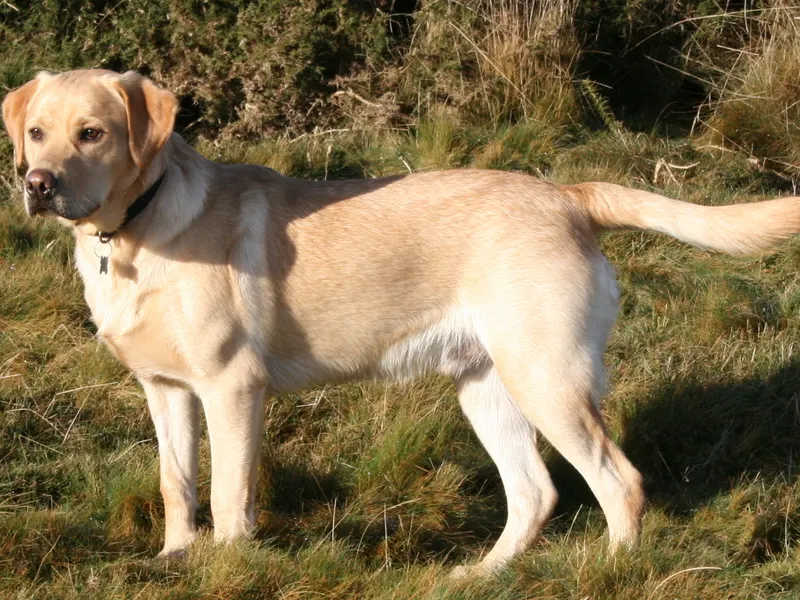
The Labrador Retriever is one of the most popular breeds in the US and UK, and for good reason: it is friendly, eager to please and easy to train.
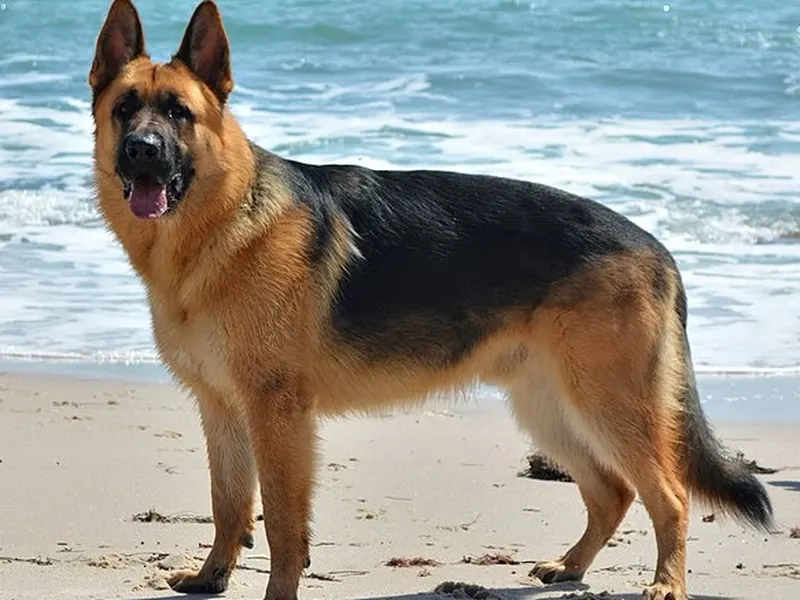
A powerful all-round athlete with the stamina for tracking, protection sports and long hikes.
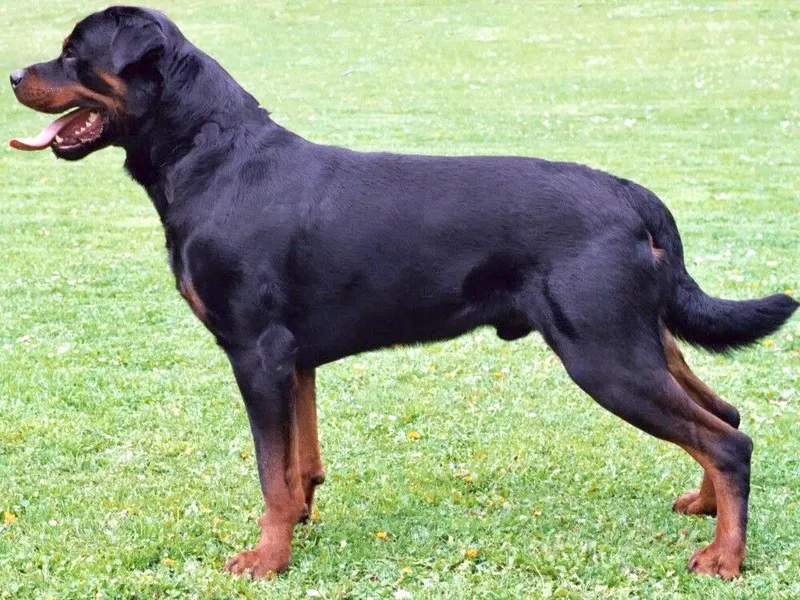
A strong, agile working dog that enjoys structured exercise, obedience and pulling or carting activities.
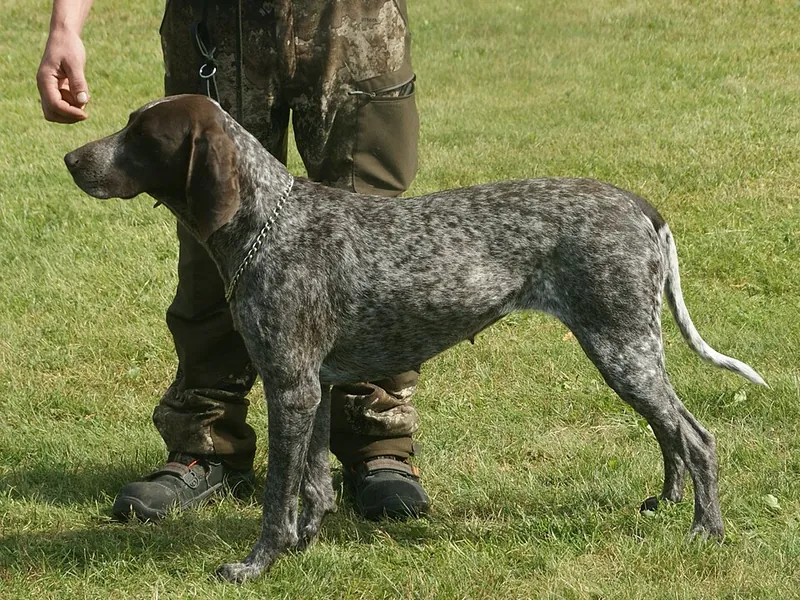
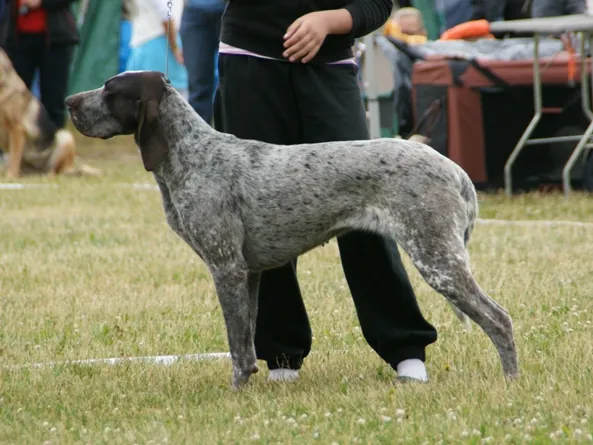
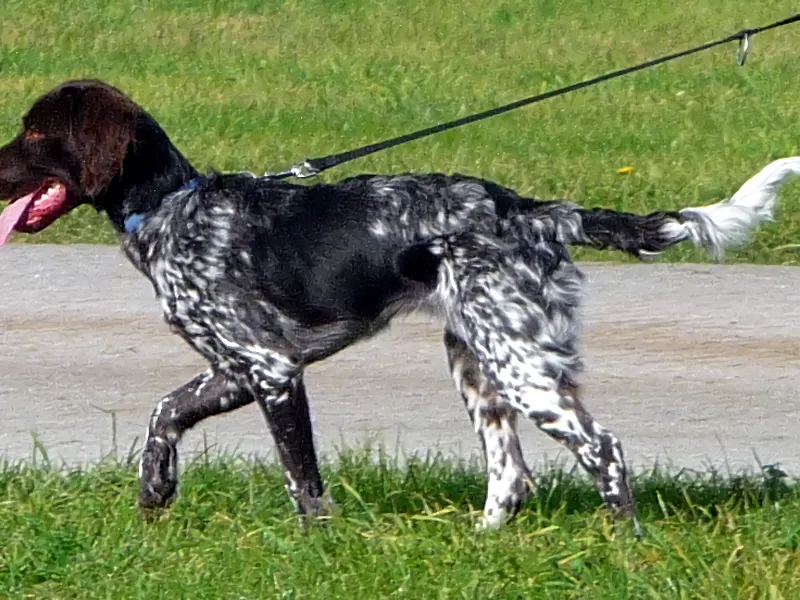
The German Shorthaired Pointer is an athletic, enthusiastic hunting dog that is equally happy pointing birds in a field or playing with children at home.
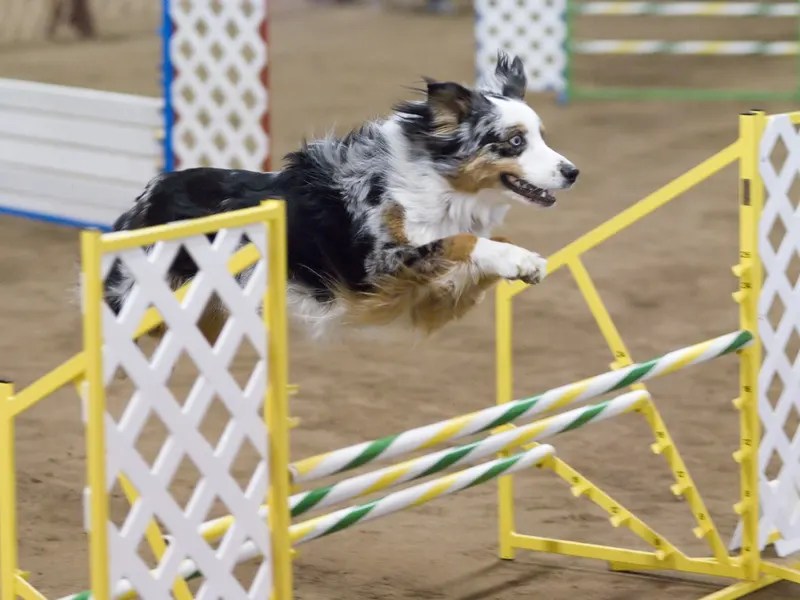
A tireless herding dog that thrives on agility, hiking and daily training, and gets restless without them.
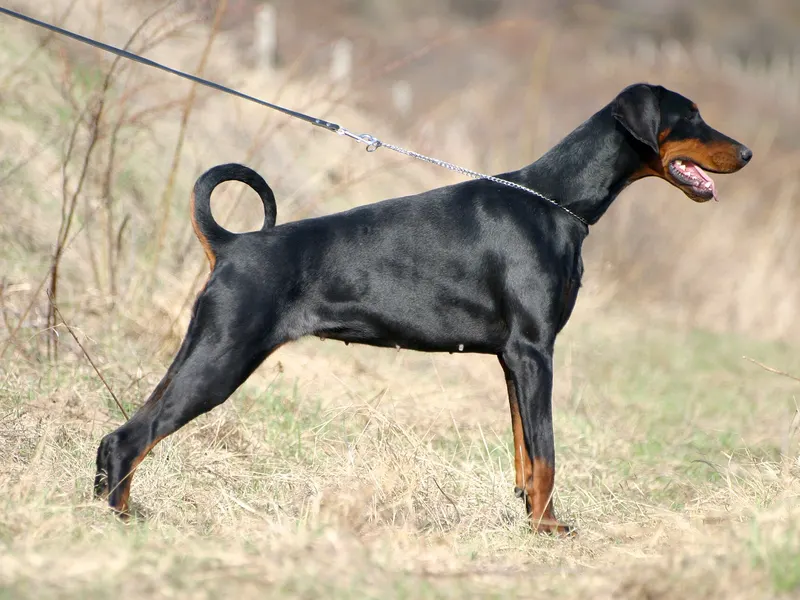
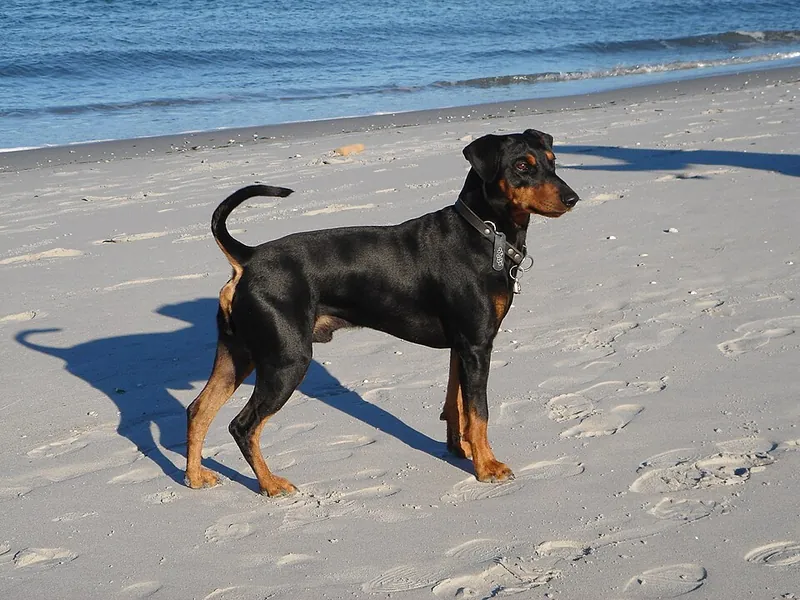
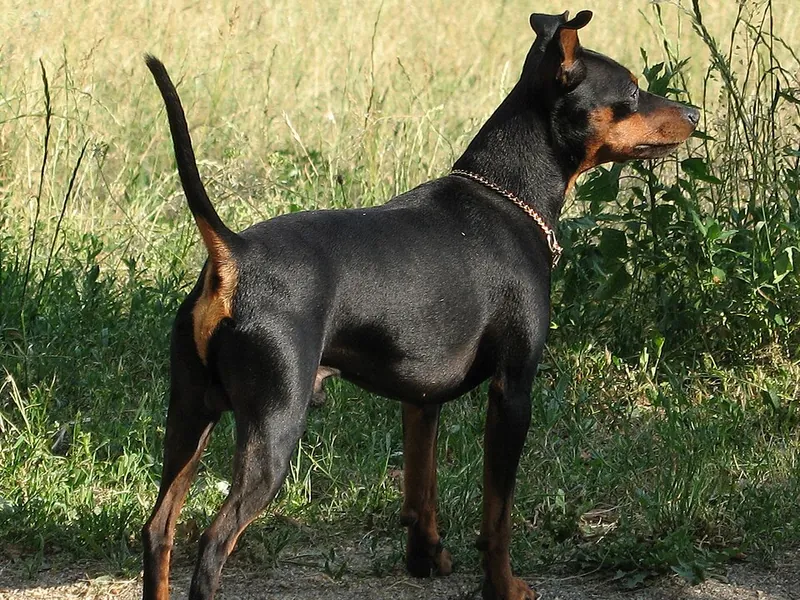
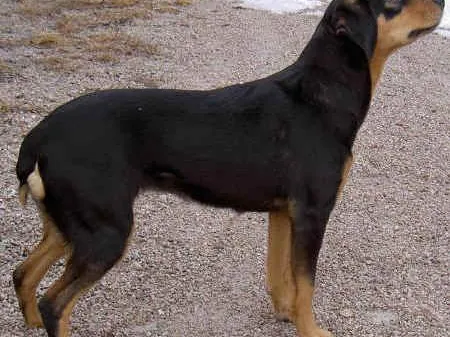
The Doberman was created in 1890s Germany as a personal protection dog, and it remains alert, athletic and devoted to its people.
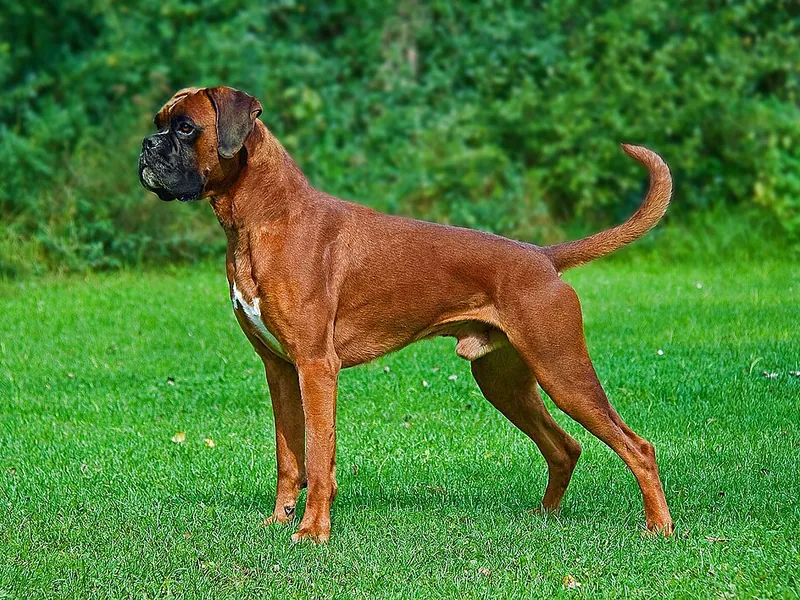
Muscular, bouncy and playful well into adulthood, the Boxer needs vigorous daily play and exercise.
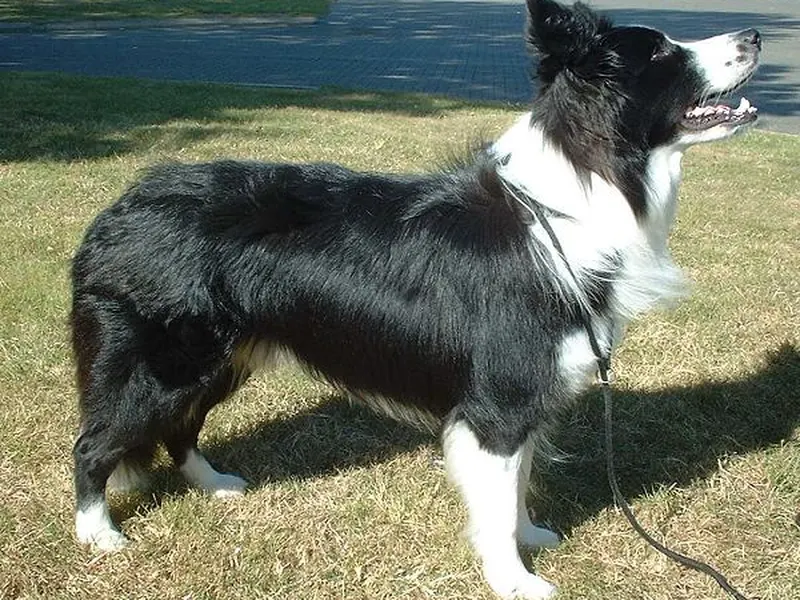
Bred to run all day on hill farms, the Border Collie has stamina and focus few breeds can match.
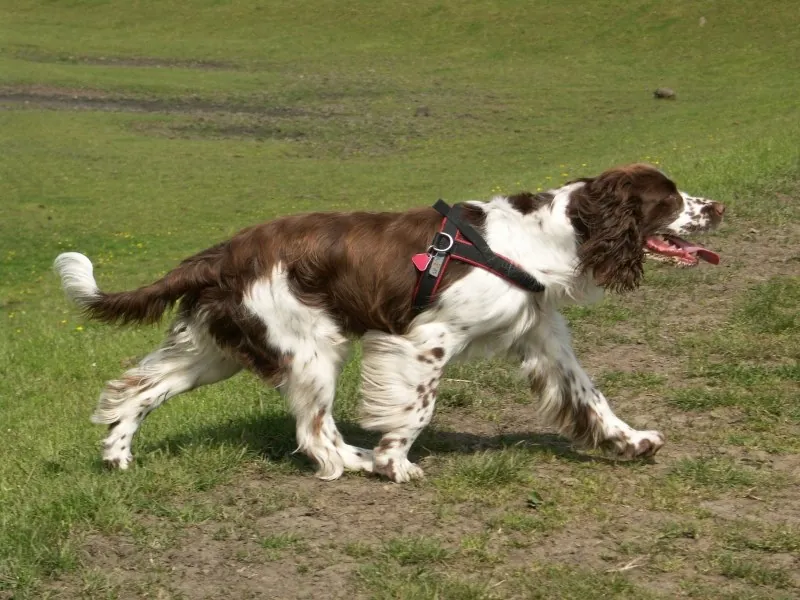
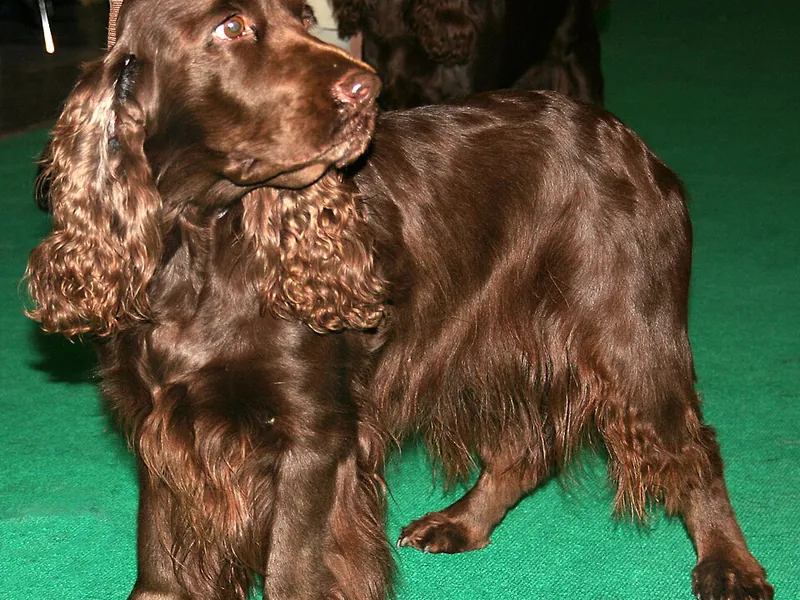
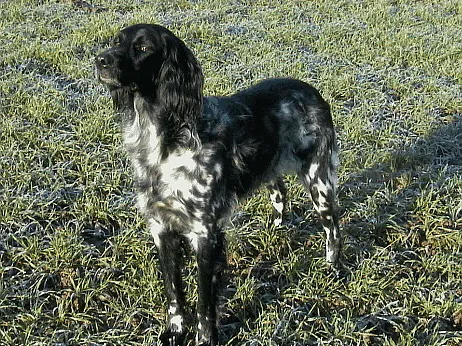
The English Springer Spaniel is a medium-sized gundog bred to find and flush ("spring") game for hunters.
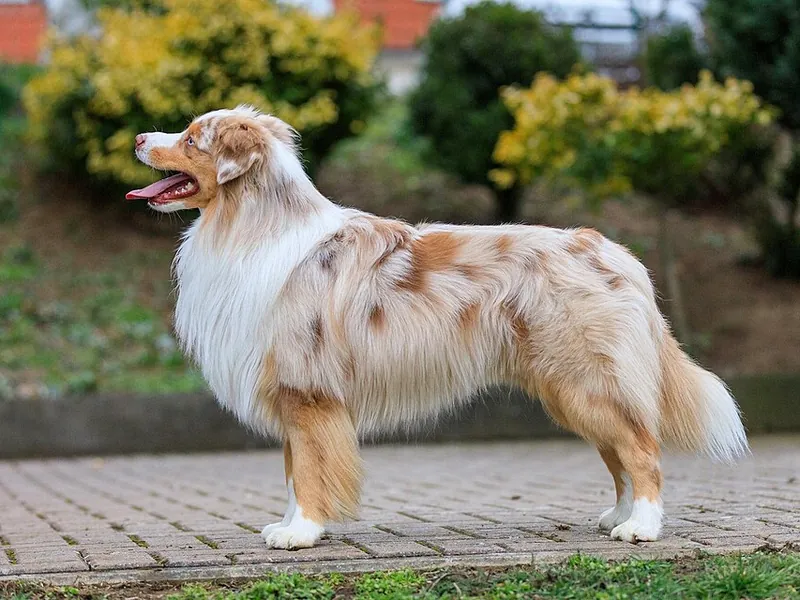
The Miniature American Shepherd looks like a smaller Australian Shepherd and works just as hard.
All High-Energy Dog Breeds A to Z
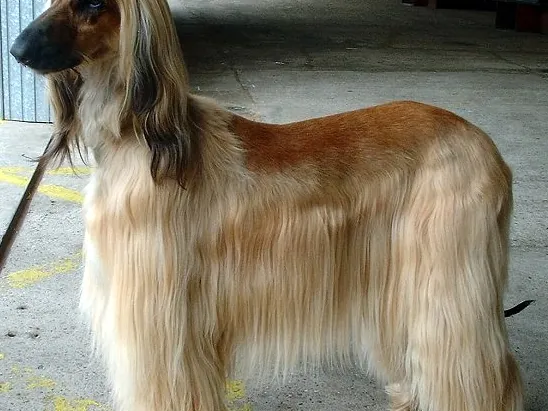
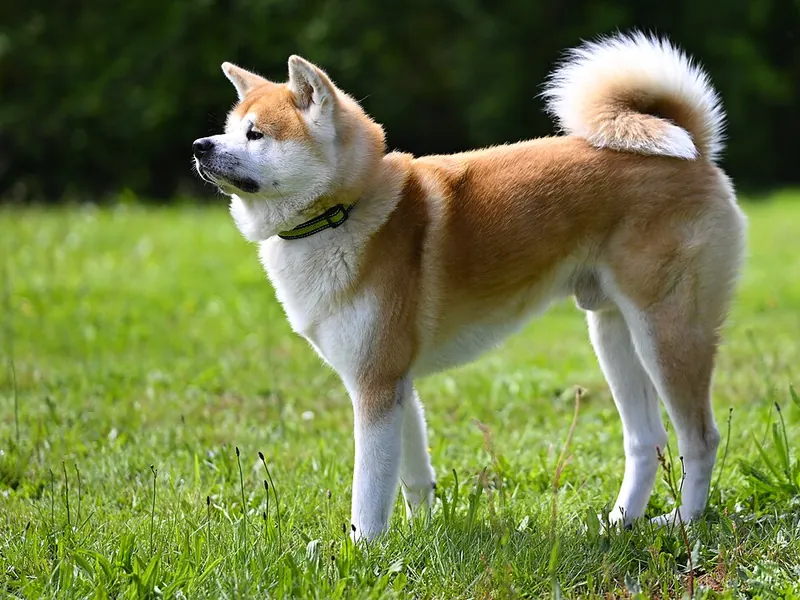
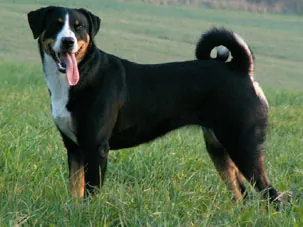
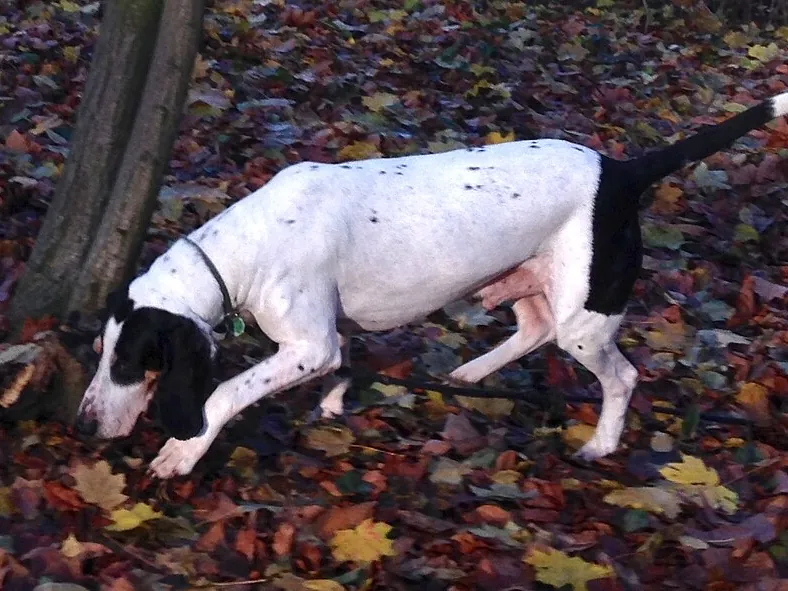
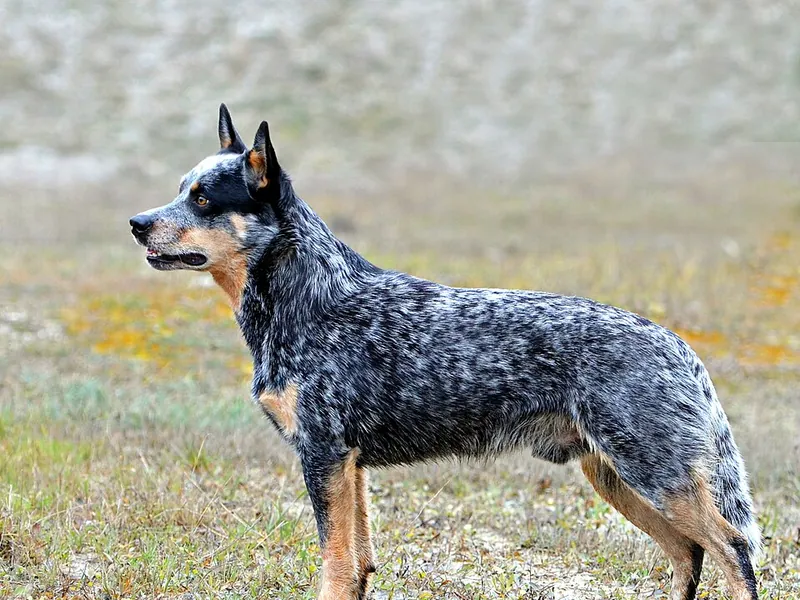
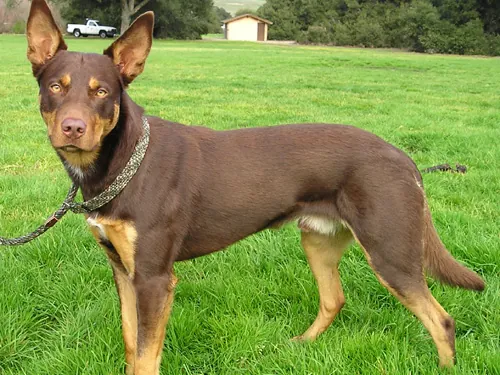
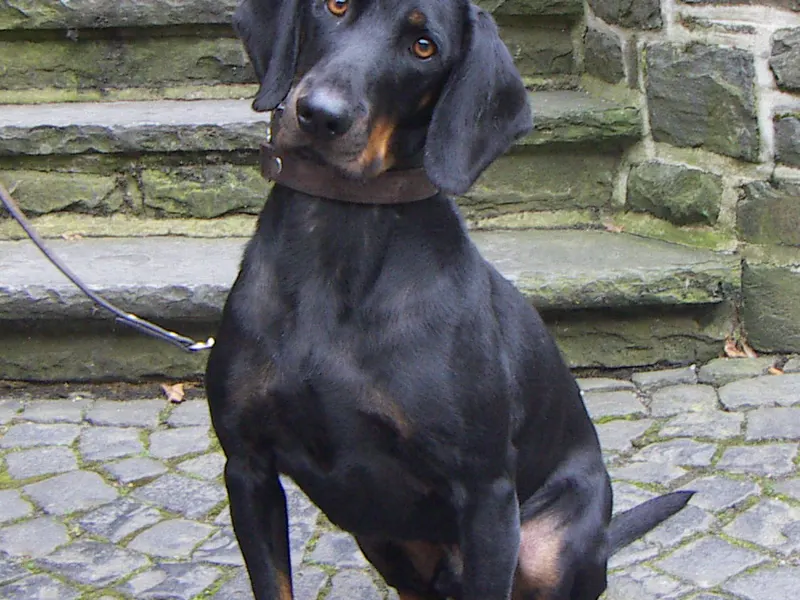
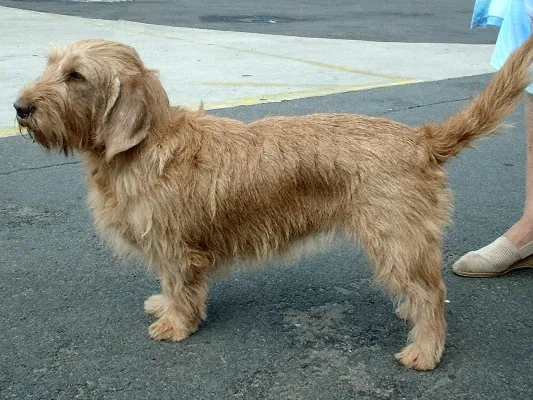
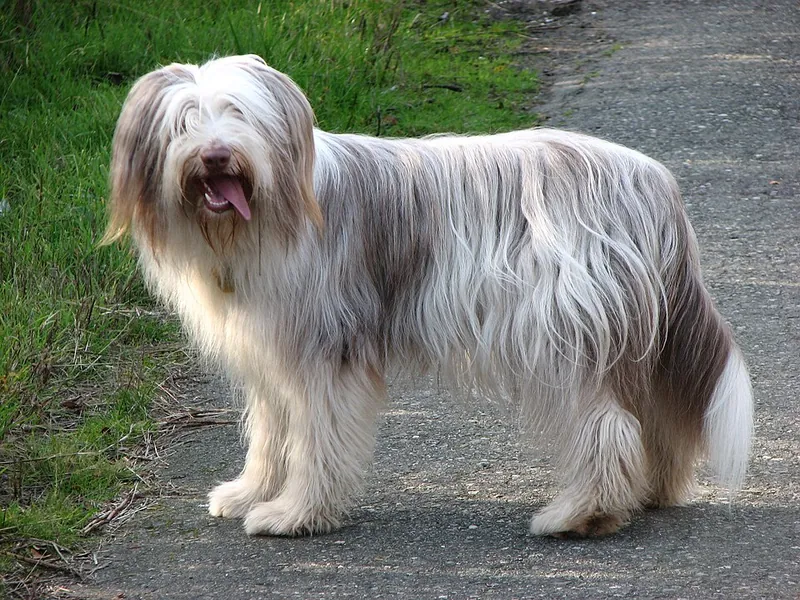
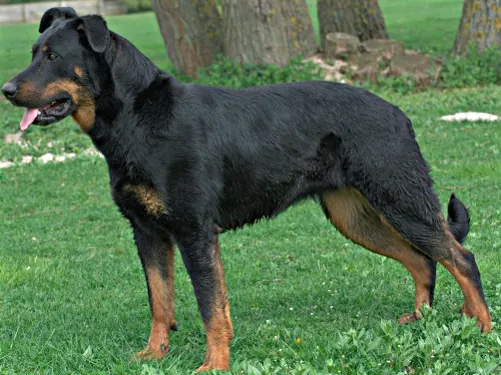
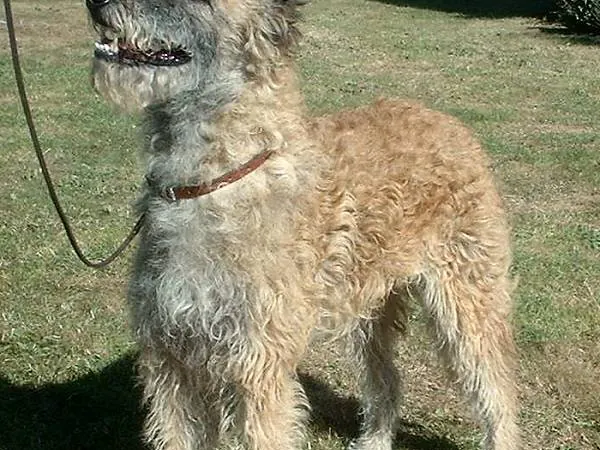
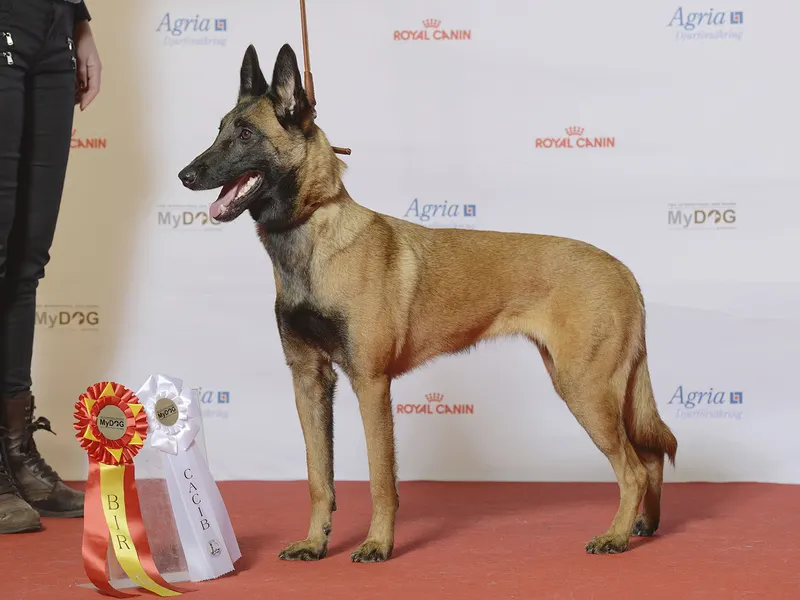
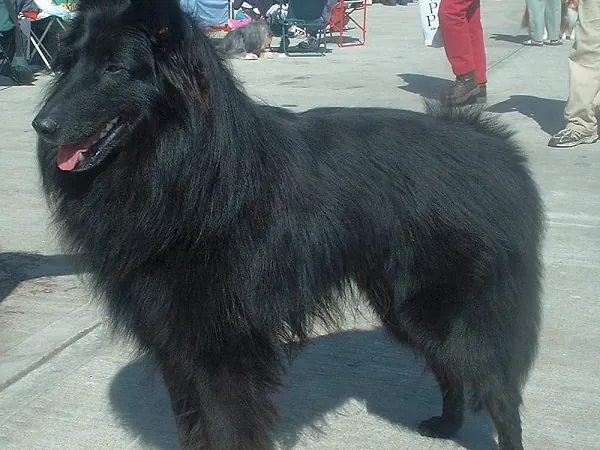
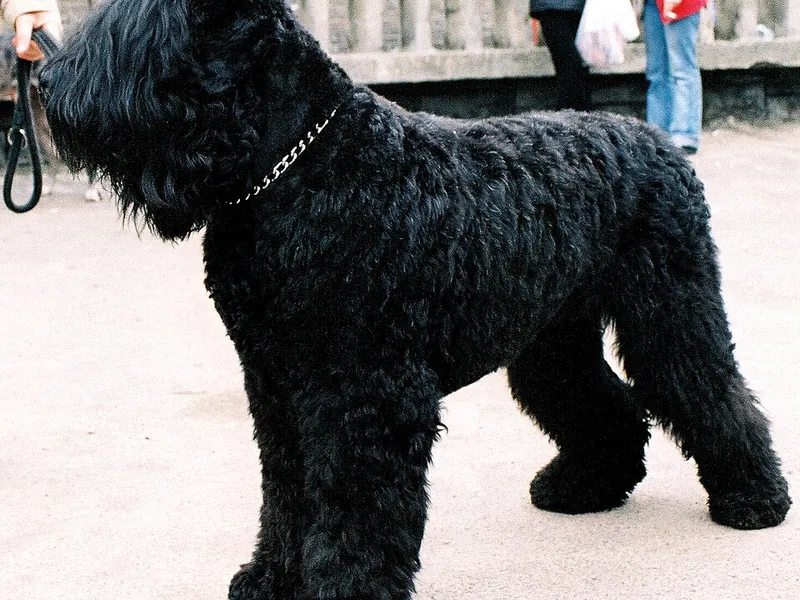
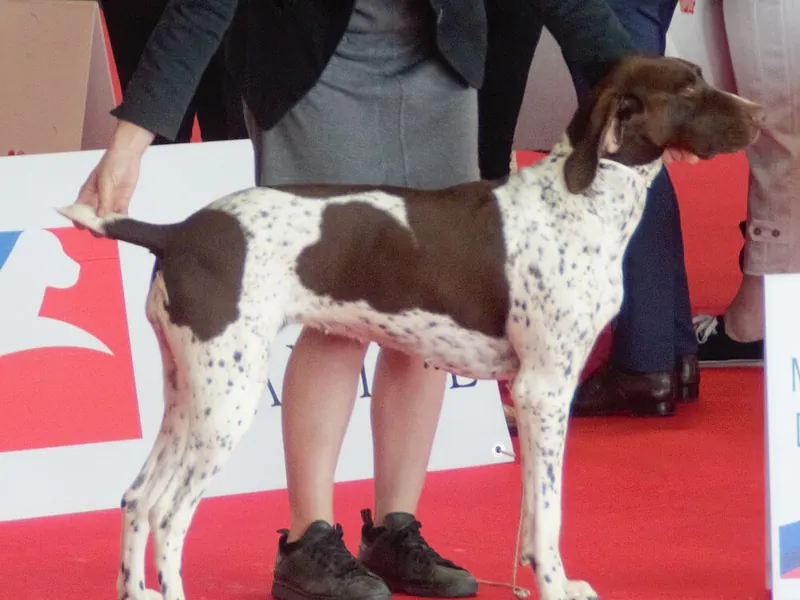
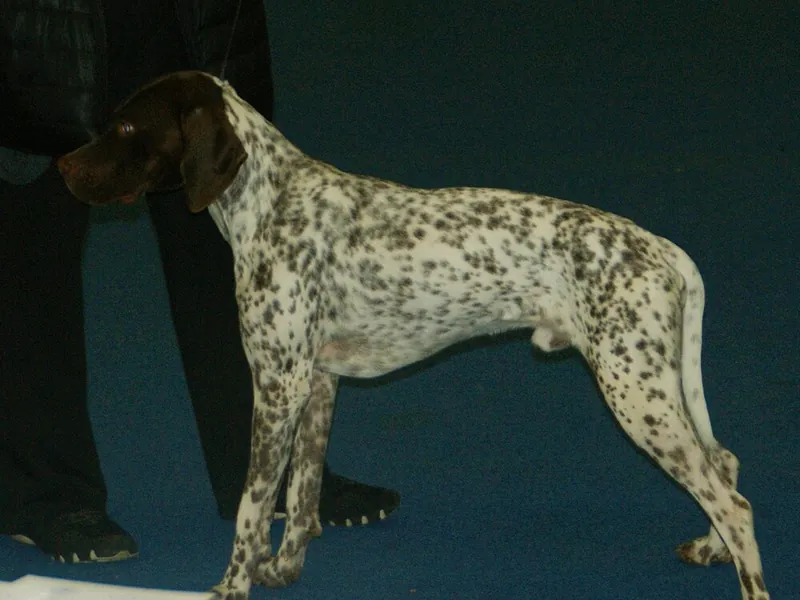
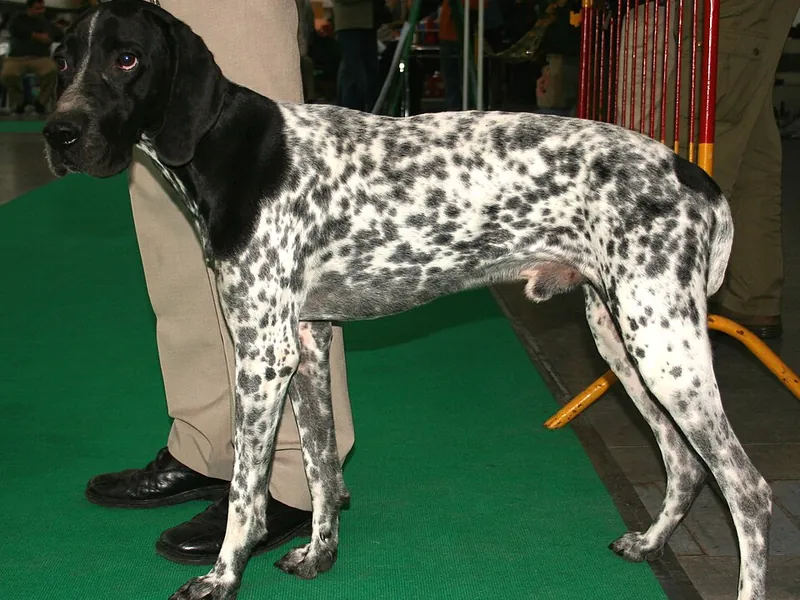
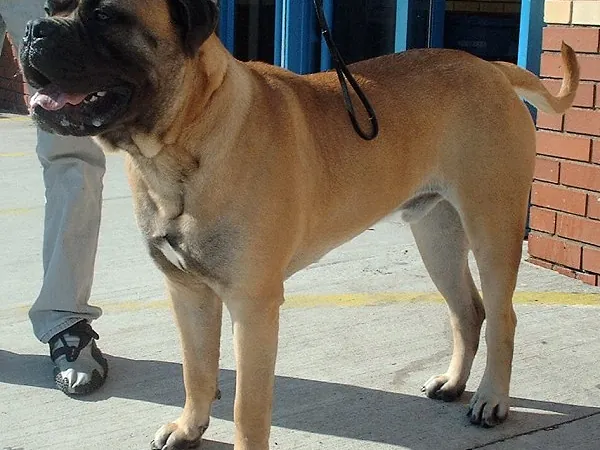
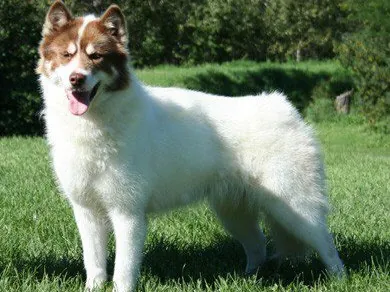
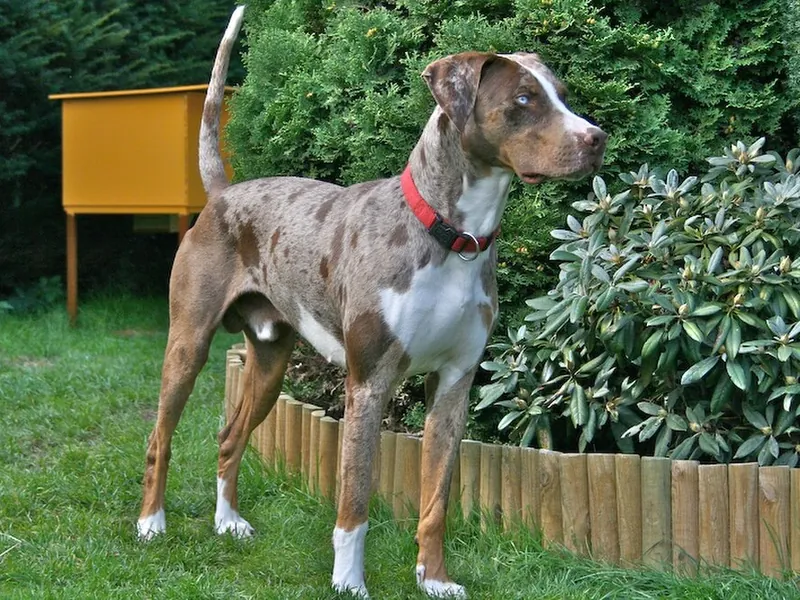
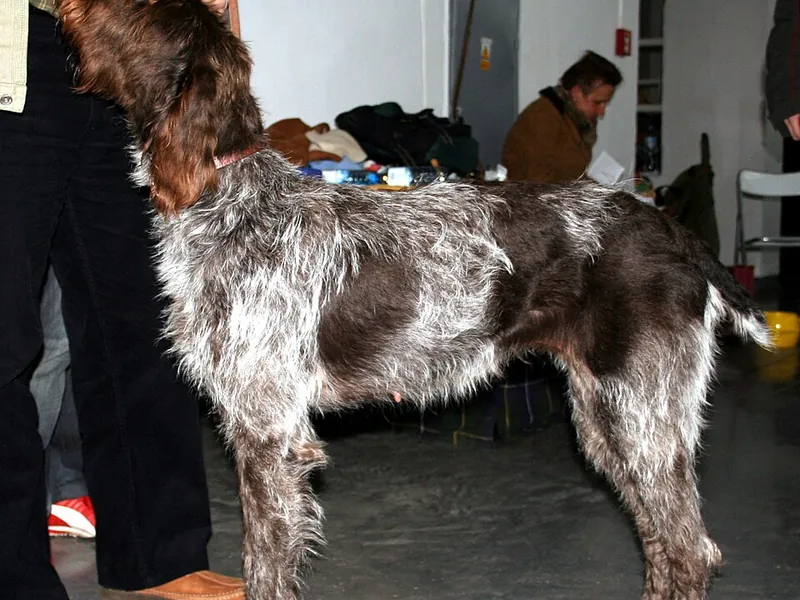
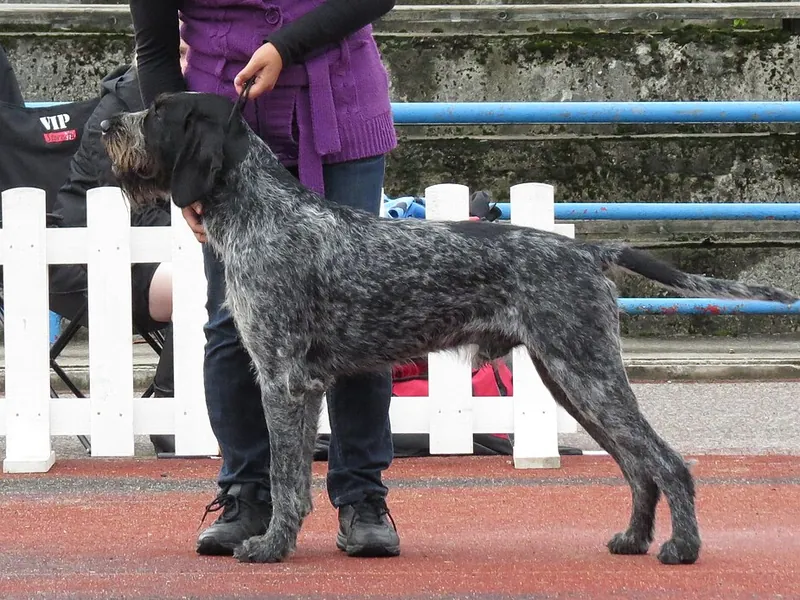
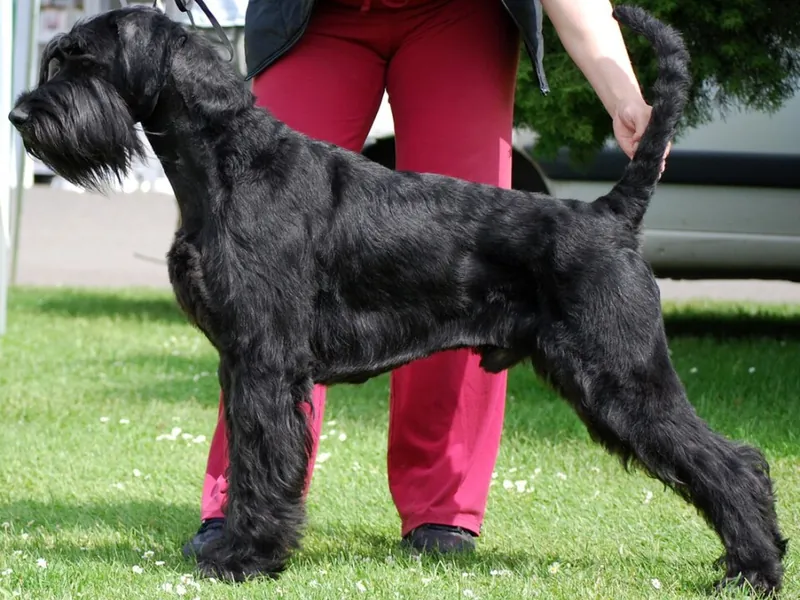
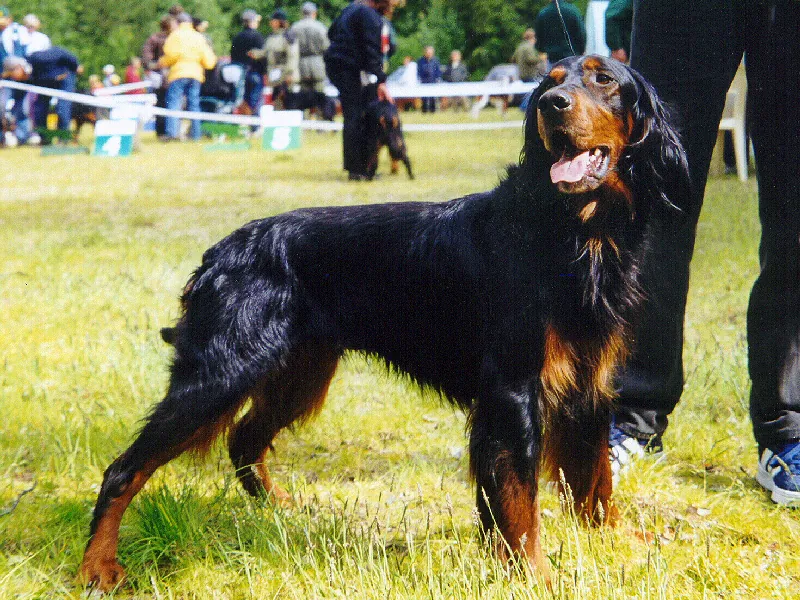
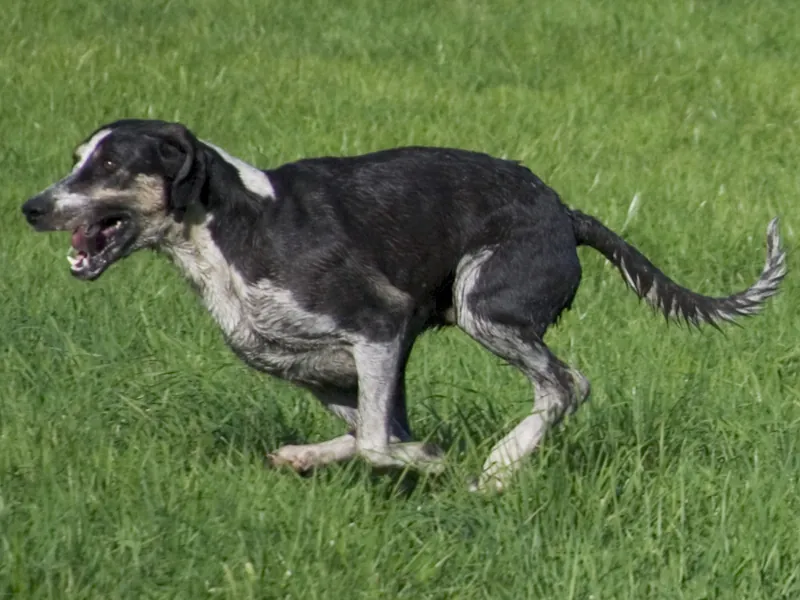
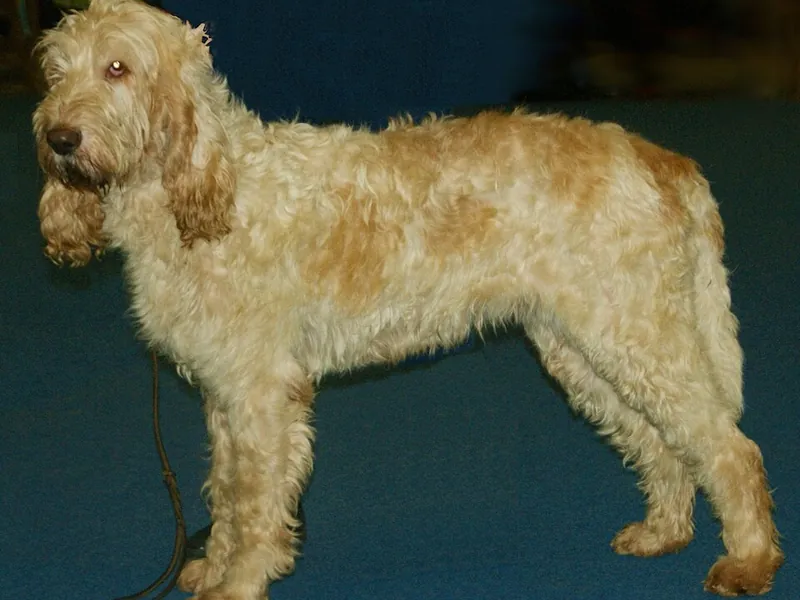
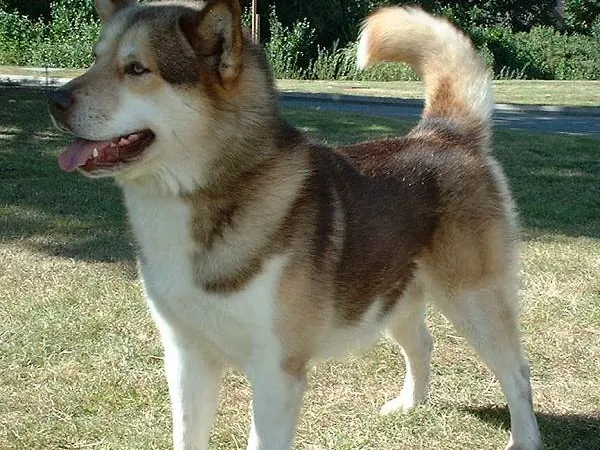
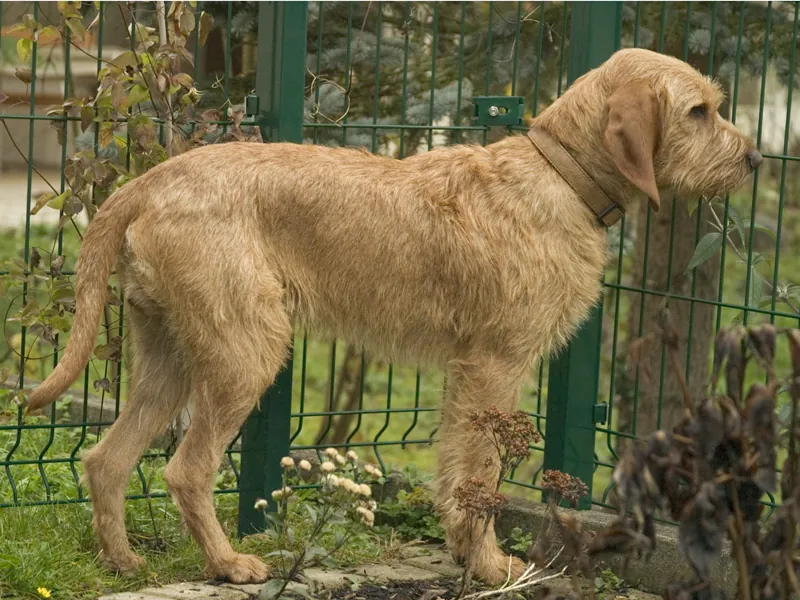
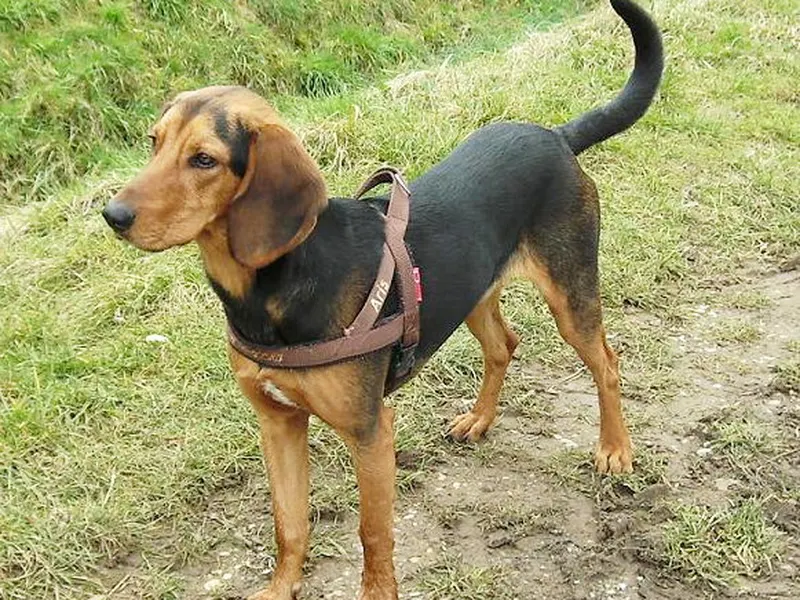
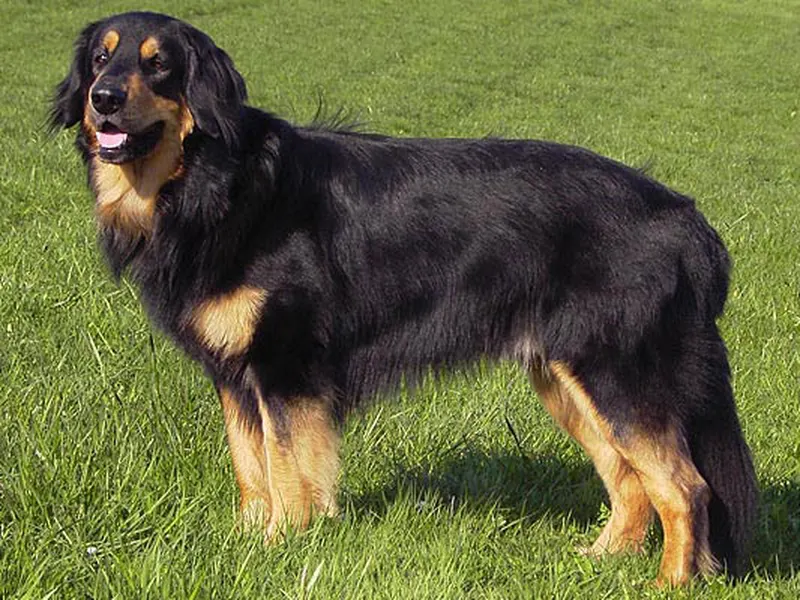
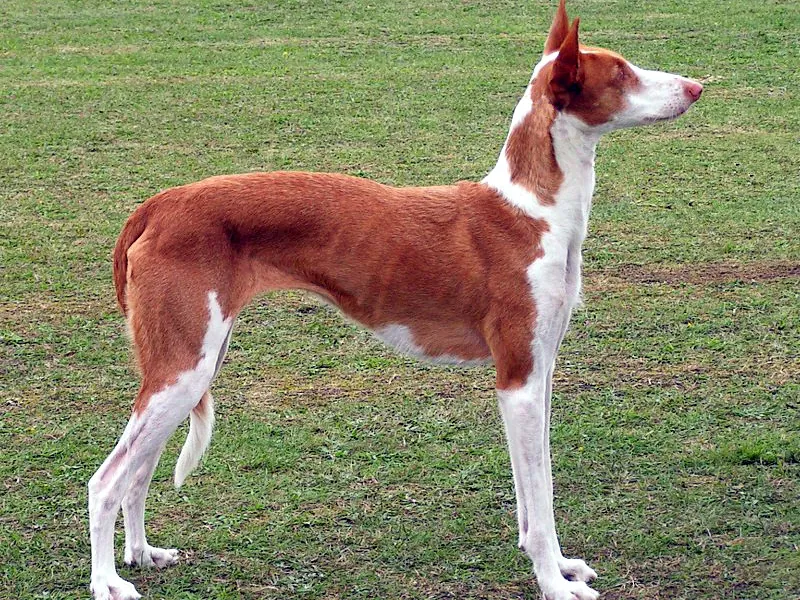
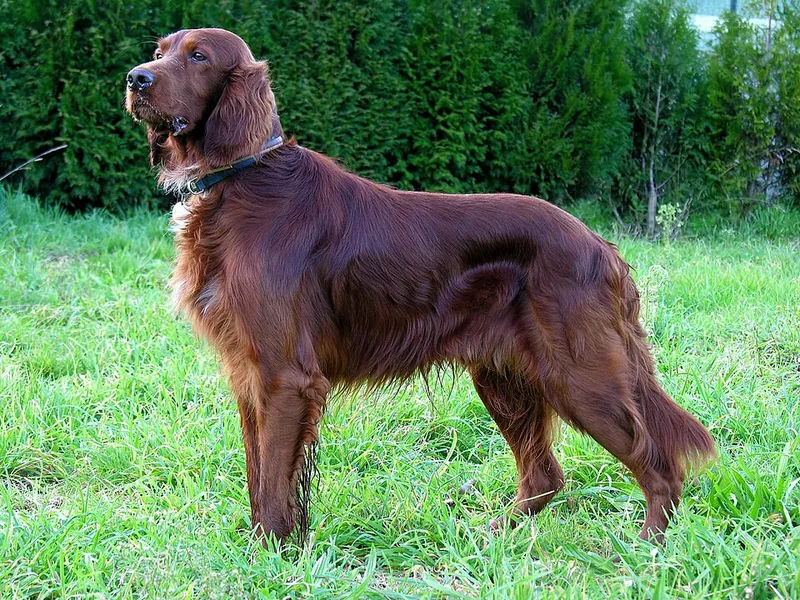
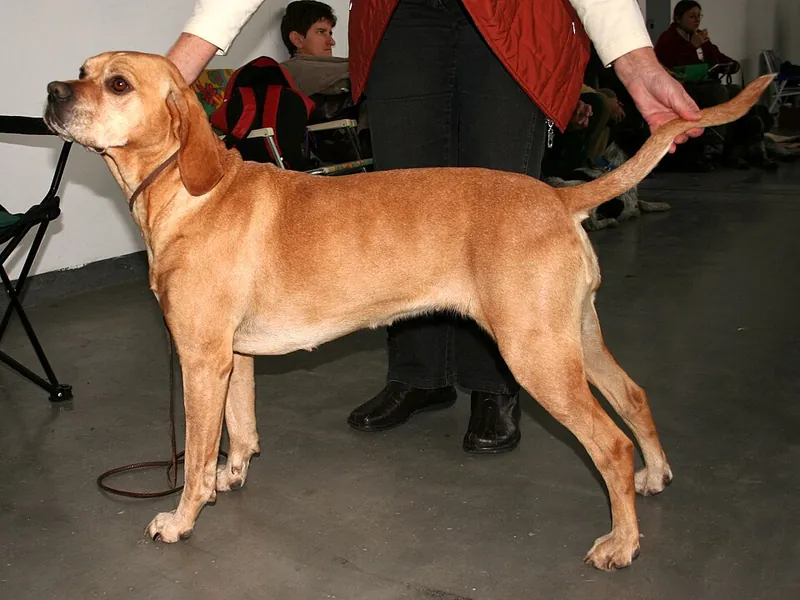
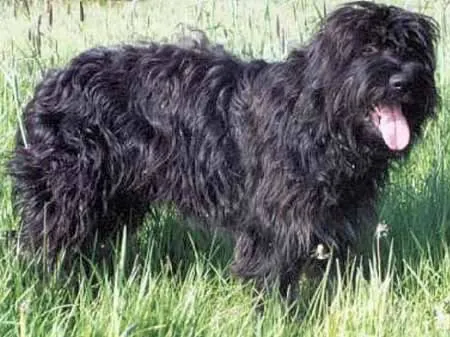
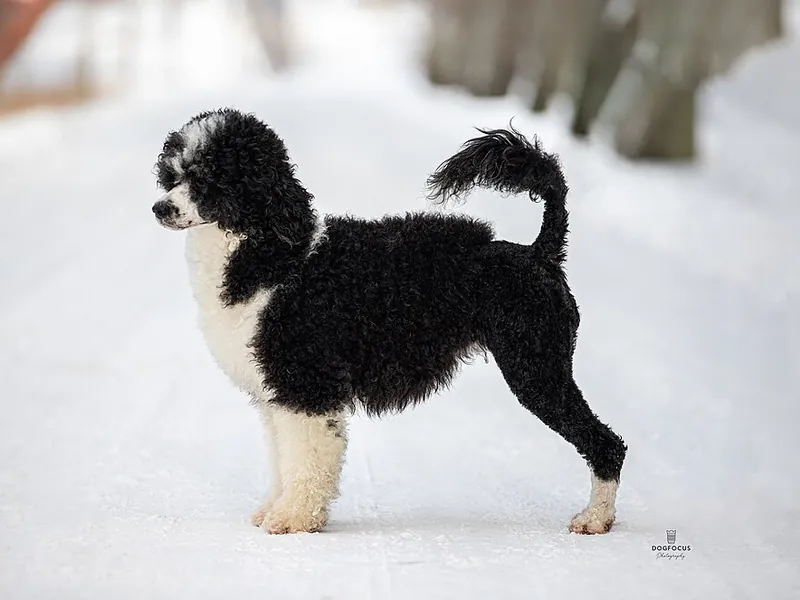
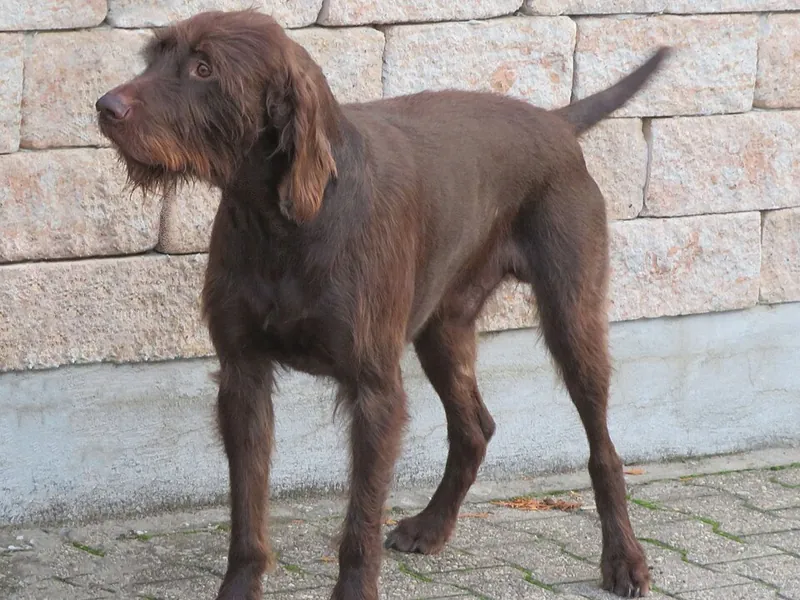
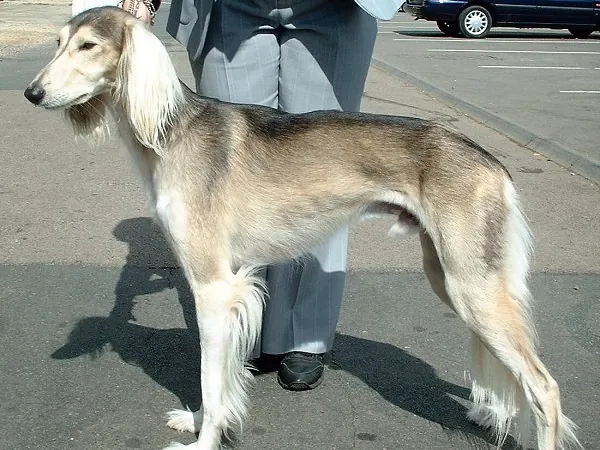
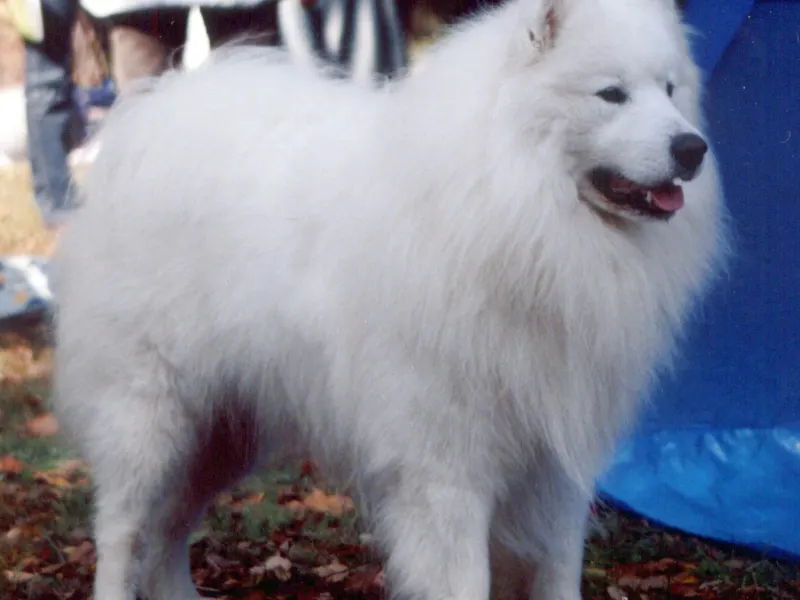
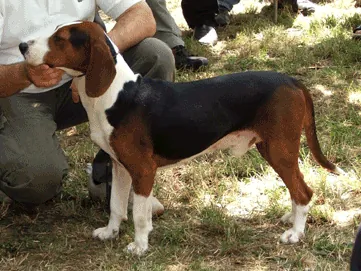
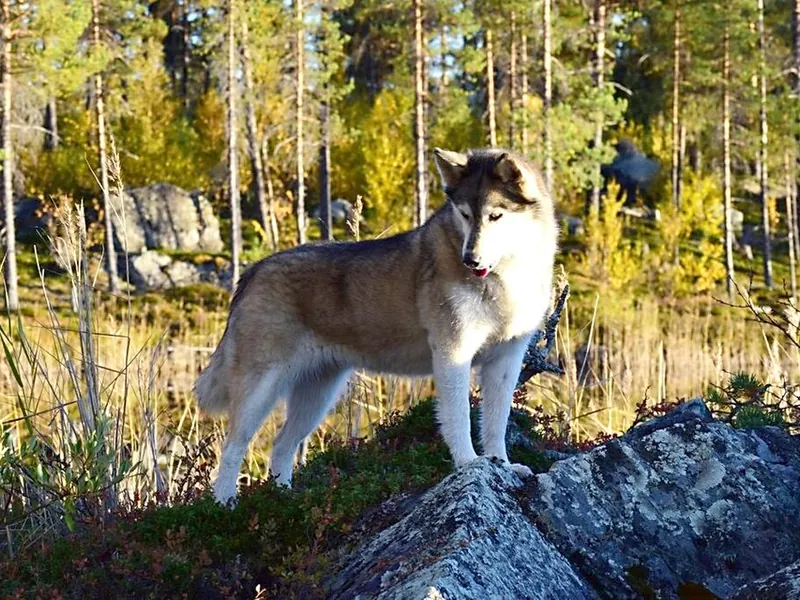
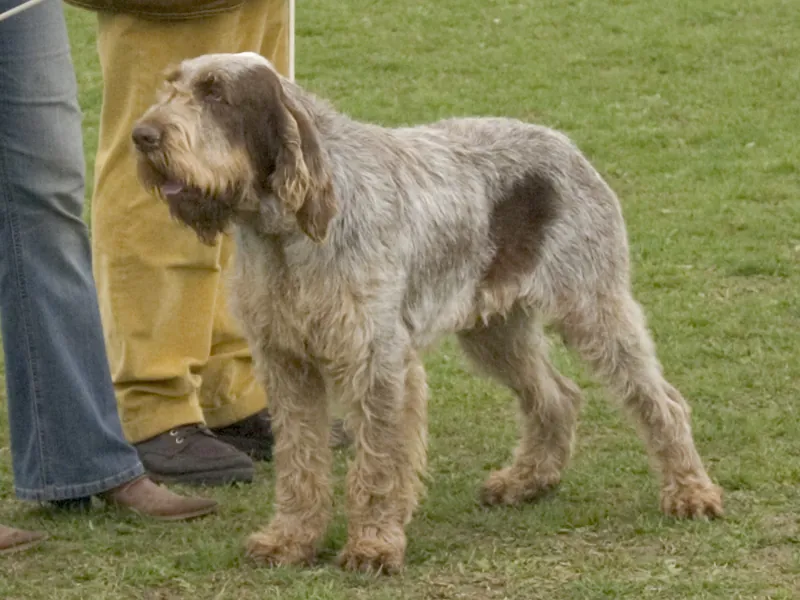
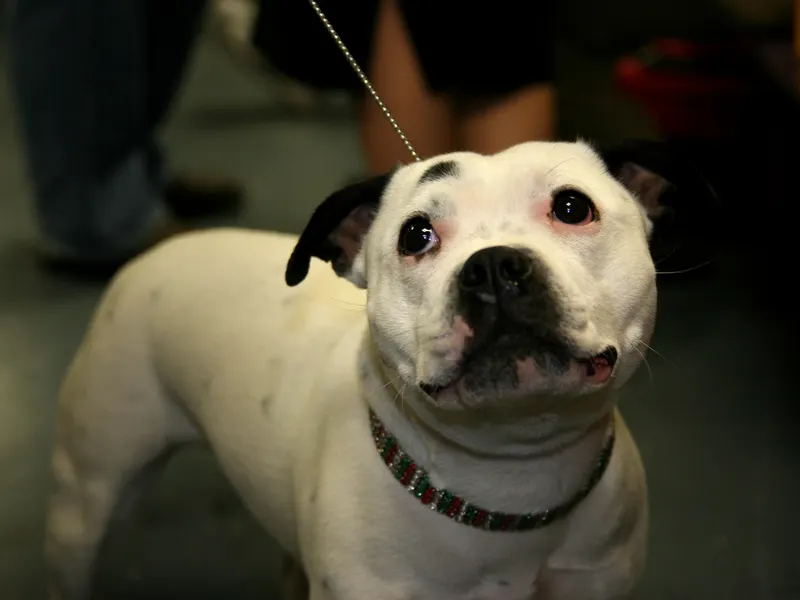
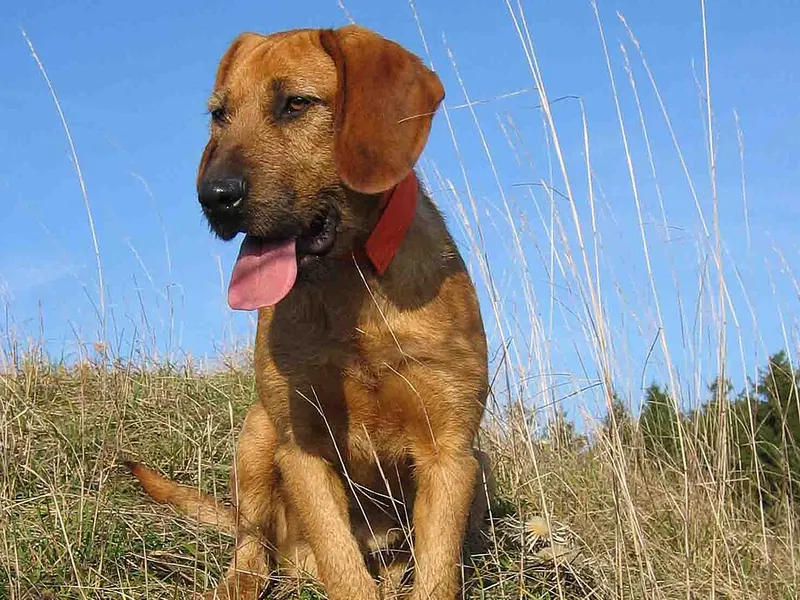
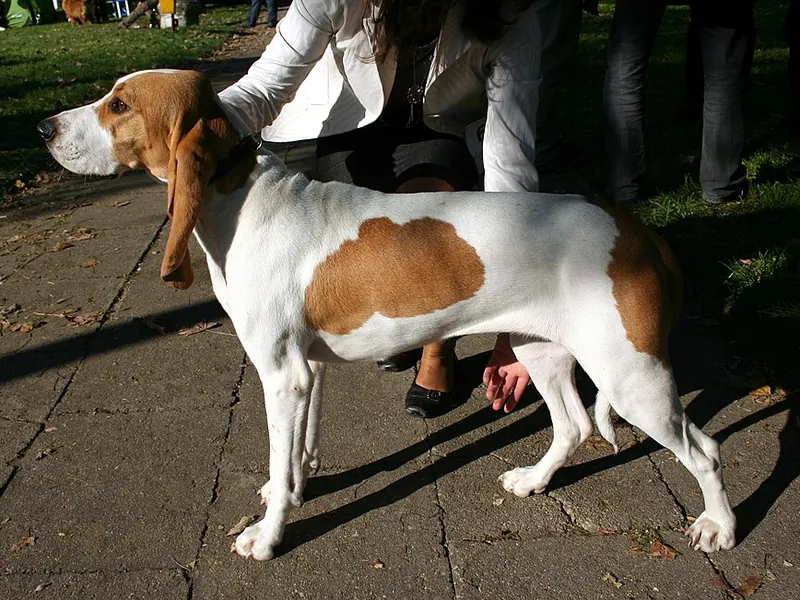
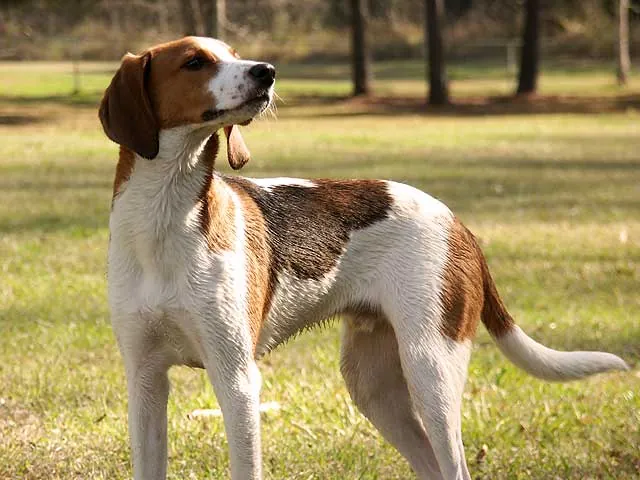
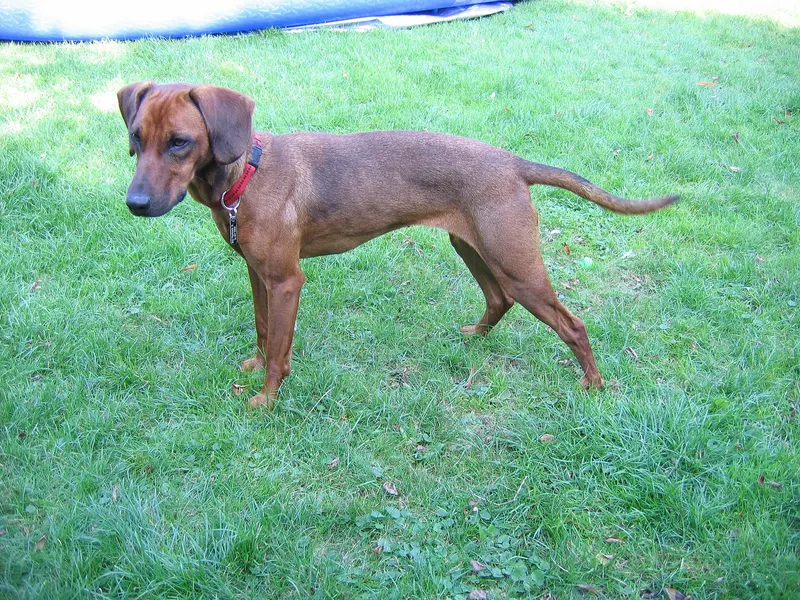
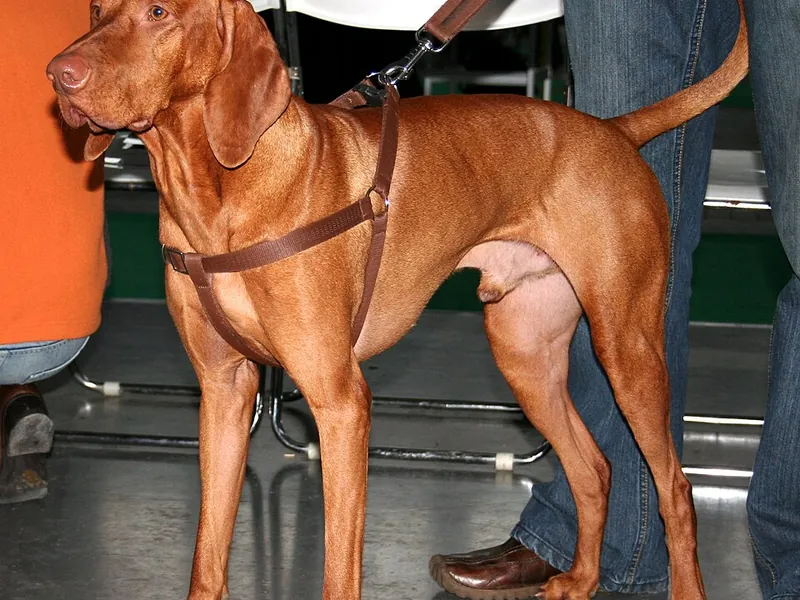
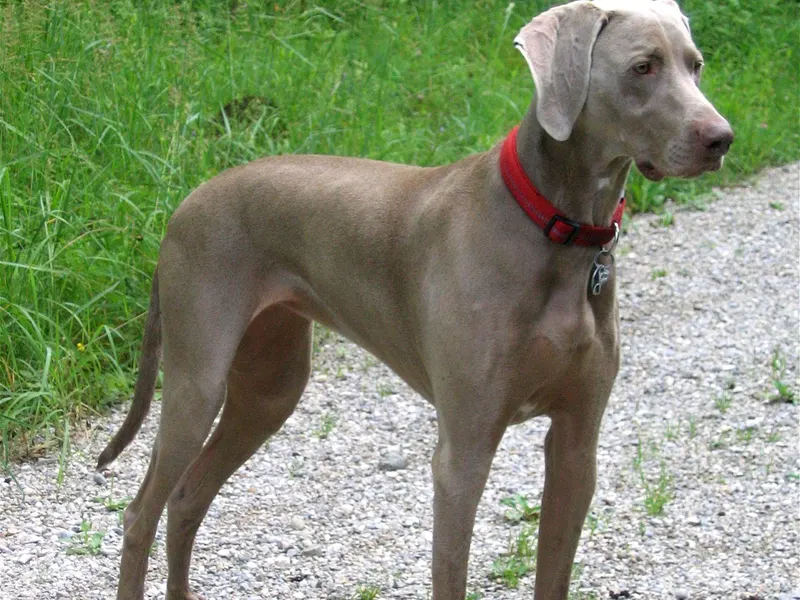
What High Energy Really Means
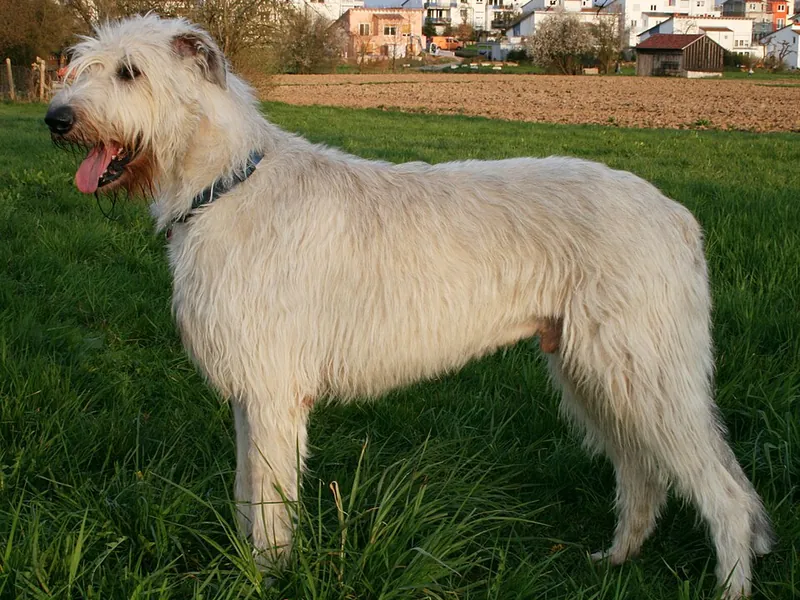
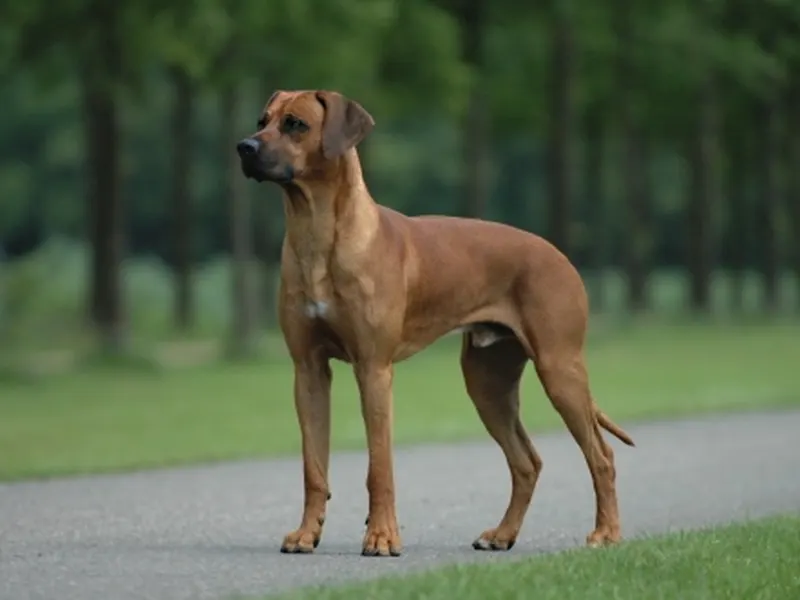
Energy level describes how much physical and mental activity a dog needs to be calm and content at home. For many breeds on this list that means at least one to two hours a day, plus training or games. Some, like the Belgian Malinois and Border Collie, combine stamina with intense drive and need a job. Others, like the Irish Wolfhound or Rhodesian Ridgeback, are athletic runners that can be relaxed indoors once exercised.
High energy is not the same as hyperactivity. A well-exercised working breed is usually settled and focused at home. Problems arise when the daily routine does not match what the breed was developed to do.
Matching Exercise to the Breed
Different athletes enjoy different activities:
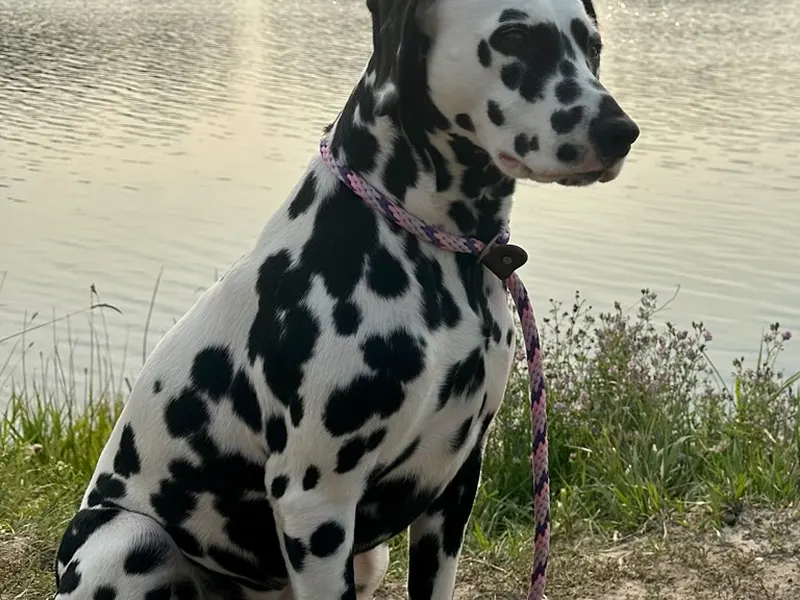
- Endurance runners such as the Vizsla, Weimaraner and Dalmatian make good jogging partners once fully grown.
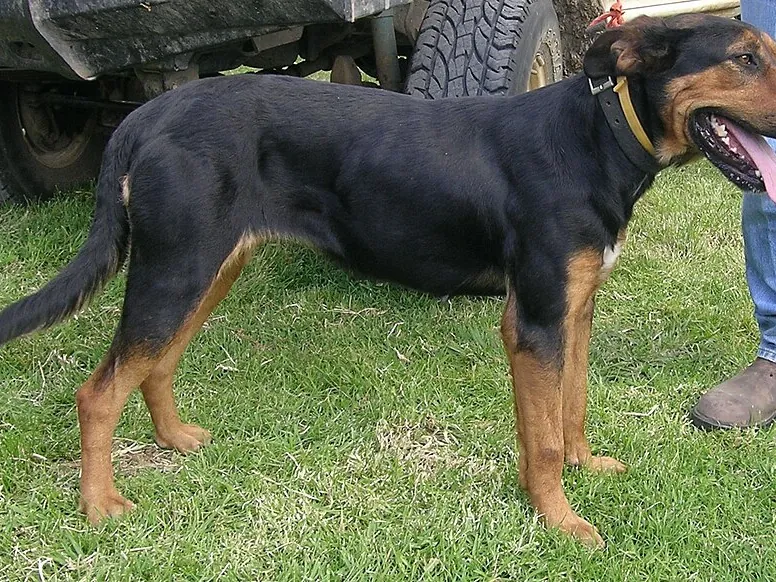
- Herding breeds like the Australian Shepherd, Border Collie and Australian Kelpie excel at agility, herding trials and disc games.
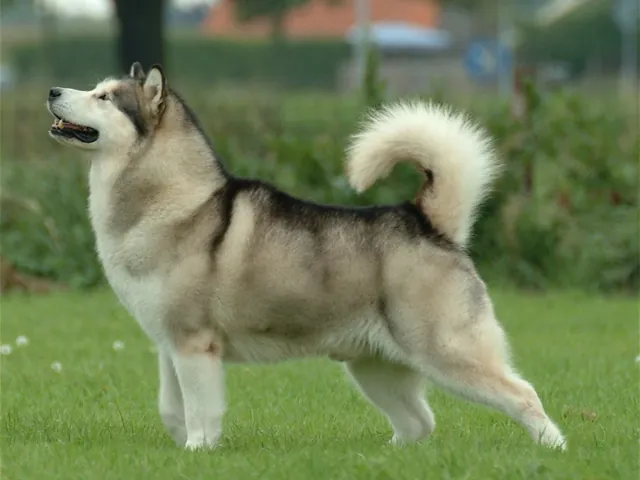
- Sledding breeds such as the Siberian Husky and Alaskan Malamute love pulling, from canicross to bikejoring, ideally in cool weather.
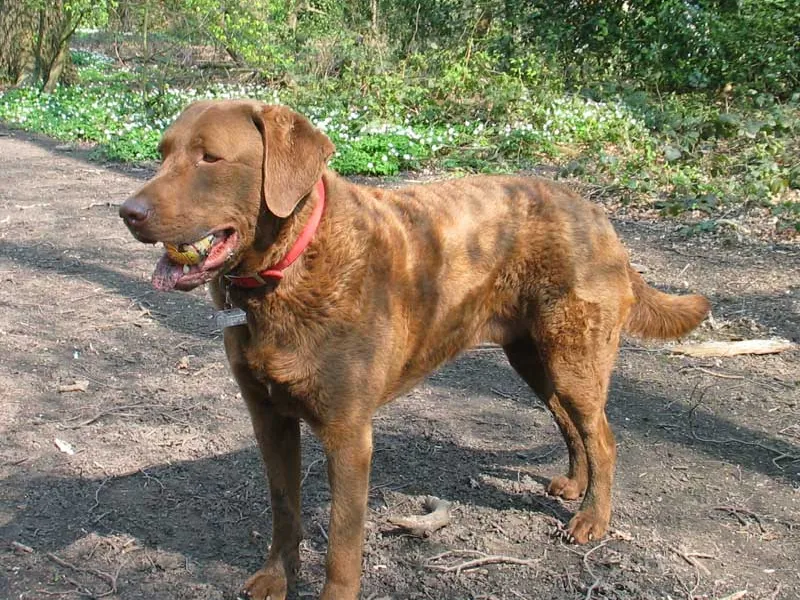
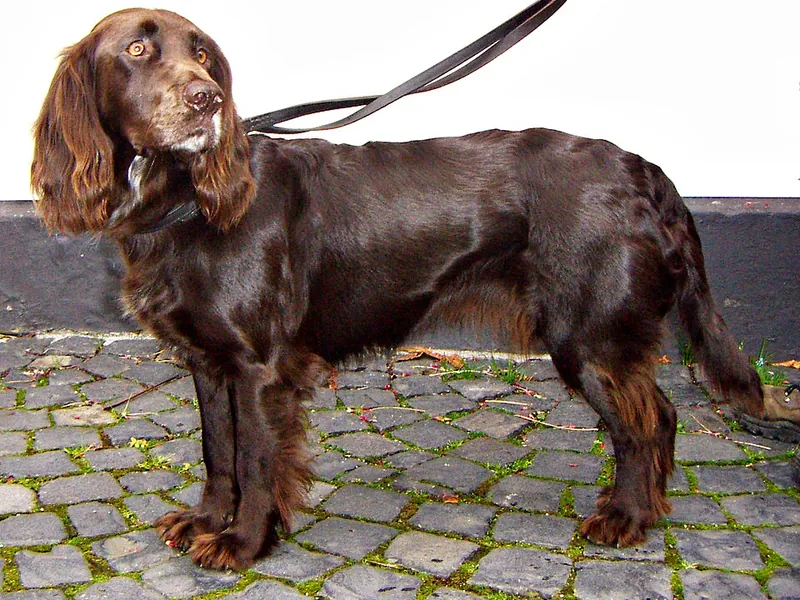
- Retrievers and spaniels like the Labrador, Chesapeake Bay Retriever and English Springer Spaniel love swimming and fetch.
- Powerful breeds such as the Boxer, Rottweiler and Staffordshire Bull Terrier enjoy strength games, structured walks and obedience work.
Protect Growing Joints
Puppies should not do long runs or repetitive high-impact exercise before their growth plates close, which can take a year or longer in large and giant breeds. Focus on free play, short walks and training until your vet confirms your dog is mature enough. Then build up distance gradually, just as you would for yourself.
Body condition matters too. A lean dog with a visible waist puts less strain on its joints, so adjust food to the actual workload rather than the label on the bag.
Signs Your Dog Needs More
An under-exercised athletic dog often shows it through chewing, digging, barking, pacing, jumping on people or an inability to settle in the evening. Before blaming training, look at the daily routine. Adding mental work, such as scent games, trick training or a structured sport, often helps as much as extra miles.
Heat, Hydration and Rest
Driven dogs push through discomfort, so it is up to you to stop. Avoid hard exercise in hot weather, carry water, check paw pads on rough or hot surfaces and watch for heavy panting or lagging behind. Rest days matter too: teaching an energetic dog to switch off is as important as tiring it out.
Frequently Asked Questions
What is the most energetic dog breed?
Herding and working breeds like the Border Collie, Belgian Malinois and Australian Shepherd are among the most energetic, combining stamina with a strong desire to work.
How much exercise does a high-energy dog need?
Many need at least one to two hours of activity daily, combining physical exercise with training or mental challenges. Individual needs vary with age and health.
What is the best high-energy dog for running?
Lean, athletic breeds like the Vizsla, Weimaraner and Dalmatian are popular running partners once fully grown and properly conditioned.
Can high-energy dogs live in apartments?
Some can if they get plenty of outdoor exercise and mental work every day, but most do best with access to space and a very active owner.
When can my puppy start running with me?
Wait until your vet confirms the growth plates have closed, often around 12 to 18 months depending on breed size, then build distance gradually.
Not sure which breed fits you?
Answer 8 quick questions and get breeds ranked for your home, schedule and experience.