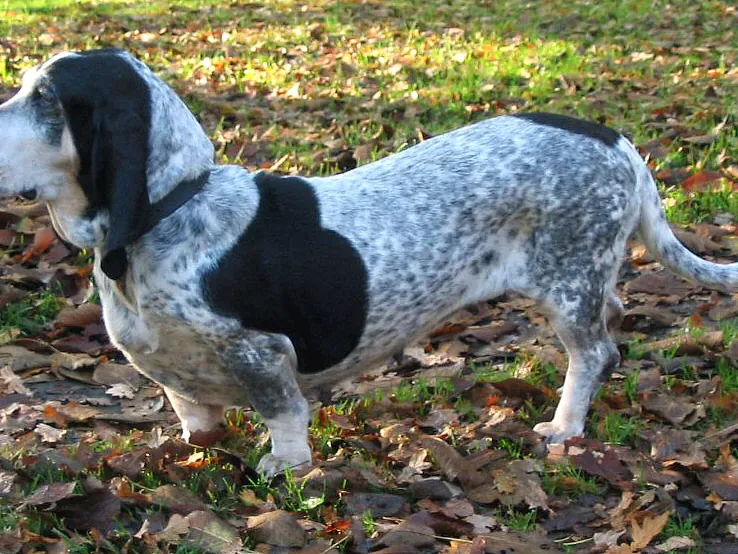
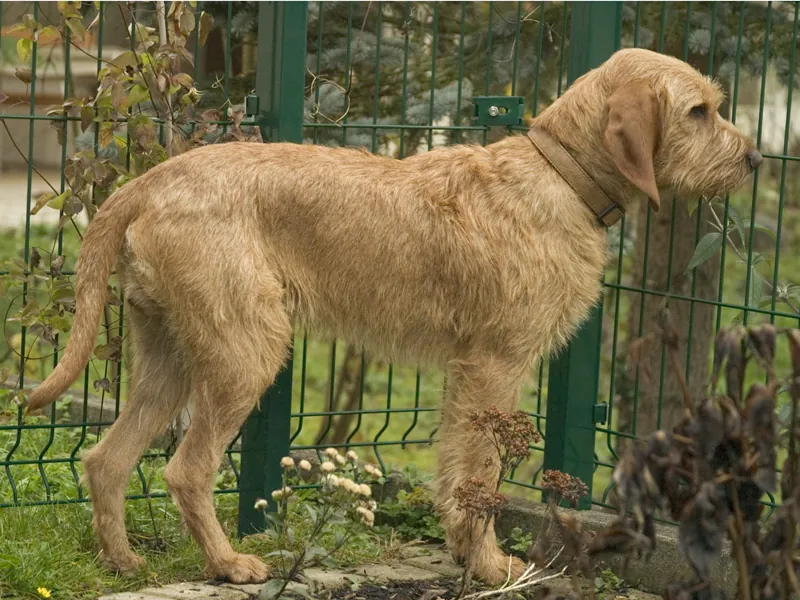
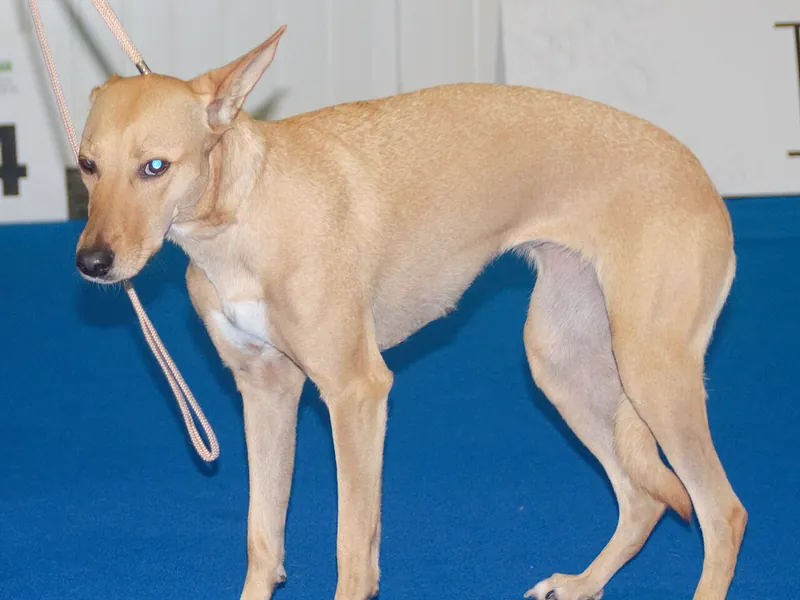
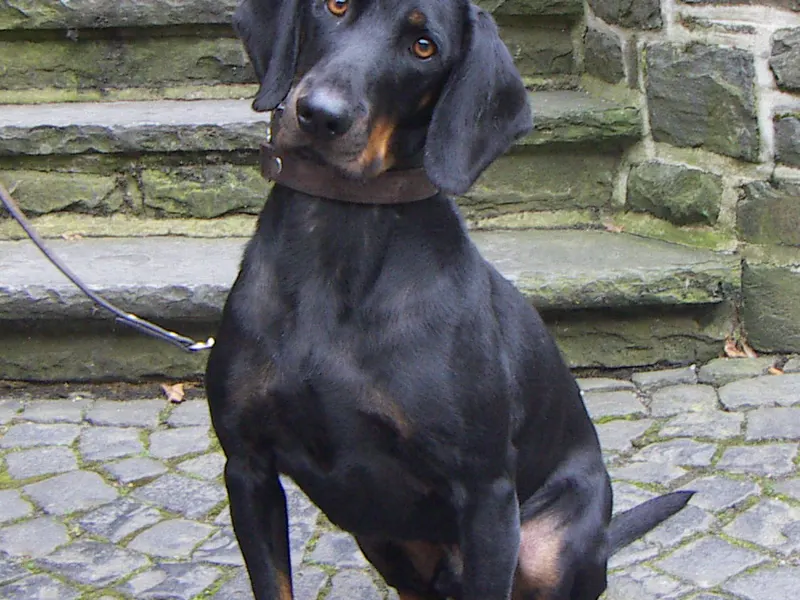
Hellenic HoundGreece's black-and-tan hare hound
The Hellenic Hound is a black-and-tan scenthound from Greece, bred to follow hare through rocky mountain terrain with a loud, ringing voice. Tireless and keen-nosed, it is a hunter's dog that needs a rural home and plenty of work.
Why people love the Hellenic Hound
- Tireless, keen-nosed tracker
- Friendly and affectionate with its family
- Usually gets along with other dogs
- Short coat needs very little care
- Hardy working dog with no documented breed diseases
Things to consider
- Loud, frequent baying
- Needs a great deal of exercise and scent work
- Follows a track regardless of calls
- Copes very poorly with isolation
- Very rare outside Greece
Is this breed right for you?
10 questions · live resultHistory and Origin
The Hellenic Hound, known in Greece as Hellenikos Ichnilatis, is an old breed associated especially with the Peloponnese. Greek hunters developed it to track hare through mountainous, rocky country, working either alone or in packs, and it is still used for this today.
The FCI recognized it in Group 6 (scenthounds) in 1996, and the United Kennel Club in the US also recognizes it. It is a medium-sized, lightly built hound of about 18 to 22 inches and roughly 37 to 44 lb, always black and tan.
Size, Colors and Coat
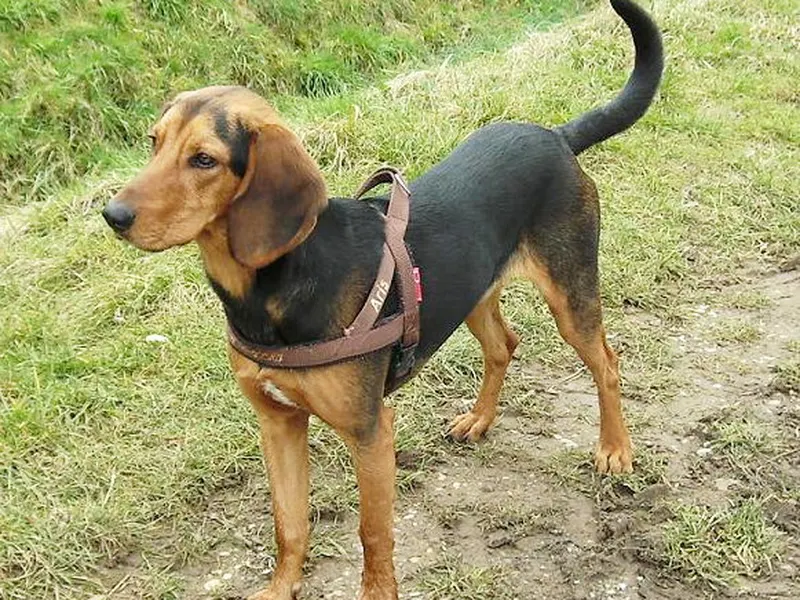
The Hellenic Hound is a medium-sized, lightly built scenthound with a strong, muscular frame suited to rocky mountain terrain. It stands about 18 to 22 inches at the shoulder and weighs roughly 37 to 44 lb. Males are typically slightly taller and heavier than females, with the FCI standard placing them about an inch higher at the shoulder.
The body is slightly longer than tall, with a straight back and a well-developed chest. The head is long, with a flat skull and a long muzzle. Ears are of medium length, set high and hang flat against the cheeks.
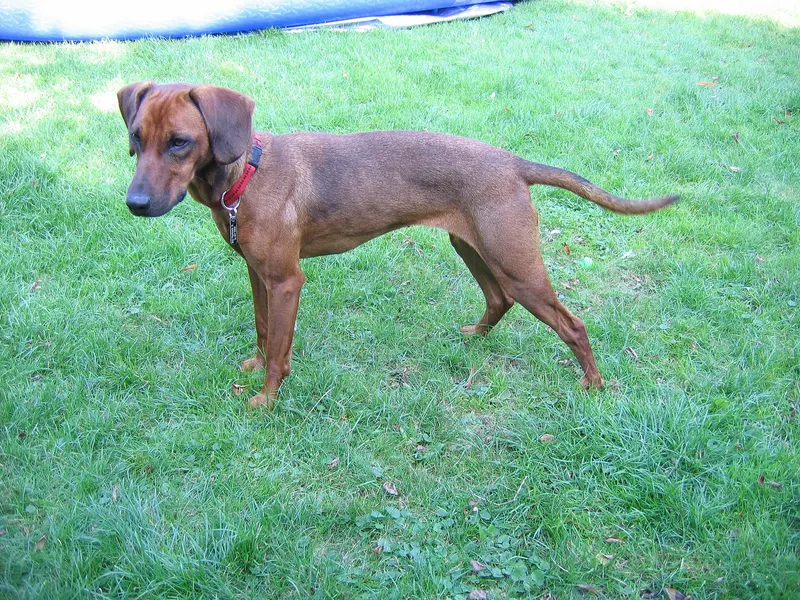
The coat is short, dense and slightly harsh, close to the body. Color is always black and tan:
- A black saddle covering most of the back
- Tan on the head, legs and underside, from deep tan to reddish
- A small white mark on the chest is tolerated
The tail is long and carried in a gentle curve.
Temperament and Personality
Hellenic Hounds are lively, determined and strongly driven by scent. On the trail they are tireless and focused. At home they are generally friendly and affectionate with their own family, though information on them as pure companion dogs is limited.
Their voice is one of their most notable traits. They bay loudly and often, which hunters value and neighbors usually do not.
Is the Hellenic Hound Good for First-Time Owners?
No. The Hellenic Hound is a working scenthound bred to hunt hare in rough terrain, and it suits experienced hound owners and hunters far better than beginners.
First-time owners would face a very loud voice, high exercise needs, unreliable recall and a dog that copes badly with isolation. Training needs patience and rewards, as scenthounds are independent learners. Anyone new to dogs who likes the breed's look should consider a more adaptable hound or gain experience with other breeds first.
Is the Hellenic Hound a Good Family Dog?
It can be affectionate with its family, but it is a good family dog only in a rural, active home that can meet its needs. Information on the breed as a pure companion is limited, since most dogs live with hunters.
Hellenic Hounds are generally friendly with family members and usually good with other dogs. Small pets such as cats and rabbits may trigger their prey drive. They need a great deal of exercise and scent work, and their loud baying can be a problem in close neighborhoods. Families who hunt or spend lots of time outdoors are the best match.
Is the Hellenic Hound a Good Apartment Dog?
No. The Hellenic Hound is not suited to apartment living. Its loud, frequent baying, high exercise needs and poor tolerance of being alone make it a difficult match for close neighbors and limited space.
The breed does best on rural properties with secure fencing, where it can be exercised daily on long walks, trailing sessions or hunts. Even in a house, a bored Hellenic Hound will make itself heard. People in apartments who like scenthounds should look at smaller, quieter breeds and confirm that their building allows dogs that may bay.
Exercise and Training
This breed needs a great deal of exercise and work for its nose. Long daily walks are a minimum; regular trailing, tracking or hunting is ideal. A bored Hellenic Hound will find its own entertainment, often loudly.
- Keep it leashed or on a long line in open areas. It will follow a track regardless of calls.
- Train with patience and rewards; scenthounds are independent learners.
- Avoid long periods alone. This breed copes very poorly with isolation.
Grooming and Shedding
The short, dense, slightly harsh coat needs very little care: a weekly brush with a rubber mitt is enough. Check the medium-length drop ears weekly and clean them as needed. After hunting in scrub, inspect paws and skin for cuts, thorns and ticks.
Feeding and Nutrition
A Hellenic Hound's food needs depend on its workload. Hunting dogs working long days in the mountains burn far more than hounds in a quiet season. Adjust portions by body condition, keeping the lean, athletic shape the breed needs for rough terrain.
- Feed adults two meals a day; puppies usually get three or four meals until around six months.
- On hunting days, give the main meal after work rather than before, and offer water often.
- Use food rewards generously in training, taking them from the daily ration.
Like other scenthounds, it may raid trash or counters, so secure food at home. Dogs from hunting kennels may be used to competitive feeding; feed them separately and watch for food guarding. Hounds in hot climates should be exercised and fed during cooler hours. No breed-specific diet-related conditions are documented.
| Adult weight | Less active | Typical adult | Very active |
|---|---|---|---|
| 37 lb | 810 kcal | 930 kcal | 1,160 kcal |
| 44 lb | 930 kcal | 1,060 kcal | 1,320 kcal |
Estimates use the resting energy formula veterinarians work with (70 × body weight in kg0.75) and standard activity factors. Use the feeding guide on your food as a starting point and adjust to body condition. Puppies, seniors, pregnant animals and pets that need to lose weight have different needs, so ask your vet.
Health and Lifespan
No typical breed-related diseases are documented by the FCI, UKC or other main sources, and the Hellenic Hound is regarded as a hardy working dog. Ear infections and injuries sustained in rough terrain are the most common practical issues. Reliable lifespan figures are not available for the breed.
Ask breeders about the health of the parents and older relatives, and favor working-line breeders who keep their dogs in good condition.
Hellenic Hound Price and Cost of Ownership
The Hellenic Hound is not AKC-recognized and is extremely rare in the US, though the United Kennel Club recognizes it. There is no US price range. Most dogs live with hunters in Greece, and the few found elsewhere are usually imported. Prices vary by breeder, region and lines, and importing adds costs for flights, health certificates and paperwork.
Rescue dogs are occasionally available through Greek rescue organizations, which rehome hunting hounds abroad.
Breed-specific ongoing cost drivers include:
- Secure fencing and a GPS collar for outings
- Tick and flea prevention for a dog spending long hours outdoors
- Ear care and treatment for infections
- Treatment for injuries from rough terrain
Is the Hellenic Hound Right for You?
The Hellenic Hound is right for hunters and for experienced hound owners in the countryside. It is not suited to apartments, to close neighbors or to owners who are away for long hours.
- Good fit: hunting homes, rural properties with secure fencing, hound enthusiasts.
- Poor fit: urban living, quiet households, owners wanting off-leash freedom.
Hellenic Hound Traits at a Glance
Hellenic Hound FAQ
How big do Hellenic Hounds get?
They stand about 18 to 22 inches at the shoulder and weigh roughly 37 to 44 lb.
Are Hellenic Hounds loud?
Yes. They have a strong, ringing voice and bay frequently, especially on a scent or when bored.
Do Hellenic Hounds shed?
They shed lightly to moderately. Weekly brushing is enough.
What do Hellenic Hounds hunt?
They were developed mainly to hunt hare in Greece's mountainous terrain, alone or in packs.
How much exercise does a Hellenic Hound need?
A great deal. Long daily walks are the minimum, and regular trailing, tracking or hunting is what really keeps this hound settled.
Are Hellenic Hounds good with other dogs?
They were bred to hunt in packs and usually get along with other dogs, but small pets such as cats or rabbits can trigger their prey drive.