Griffon Fauve de BretagneBrittany's rugged, fawn-colored scenthound
The Griffon Fauve de Bretagne is a rough-coated, fawn hound from Brittany with huge stamina and a cheerful, balanced nature. It is friendly with people and dogs, but it needs hours of activity and owners who can live with a determined, vocal hunter.
Why people love the Griffon Fauve de Bretagne
- Friendly, sociable and even-tempered with people
- Usually enjoys the company of other dogs
- Harsh coat sheds dirt and needs little care
- Tireless hound for hikers and hunters
- Generally hardy with few known breed issues
Things to consider
- Needs around two hours of activity daily
- Loud, frequent voice on a scent
- Very high prey drive; cats at risk outdoors
- Strong-willed; recall is challenging
- Very rare; hard to find in the US
Is this breed right for you?
10 questions · live resultHistory and Origin
Fawn-colored, rough-coated hounds have hunted in Brittany for centuries and belong to the oldest group of French scenthounds. Packs of these dogs were well known for wolf hunting in western France, and the wolf hunts of Brittany kept the type in demand into the 19th century.
When wolves disappeared from France, the breed lost its main job and numbers fell sharply. In the mid 20th century a group of enthusiasts set out to save it, and today it hunts wild boar, fox, roe deer and hare, often in small packs. It is recognized by the FCI in Group 6 and by The Kennel Club in the Hound group, where it has built a small but steady following in the UK.
Size, Rough Coat and Fawn Shades
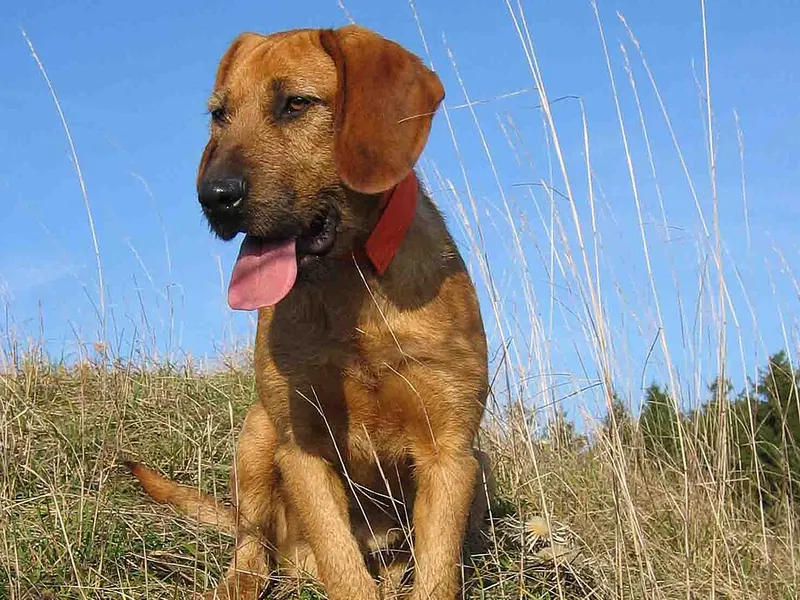
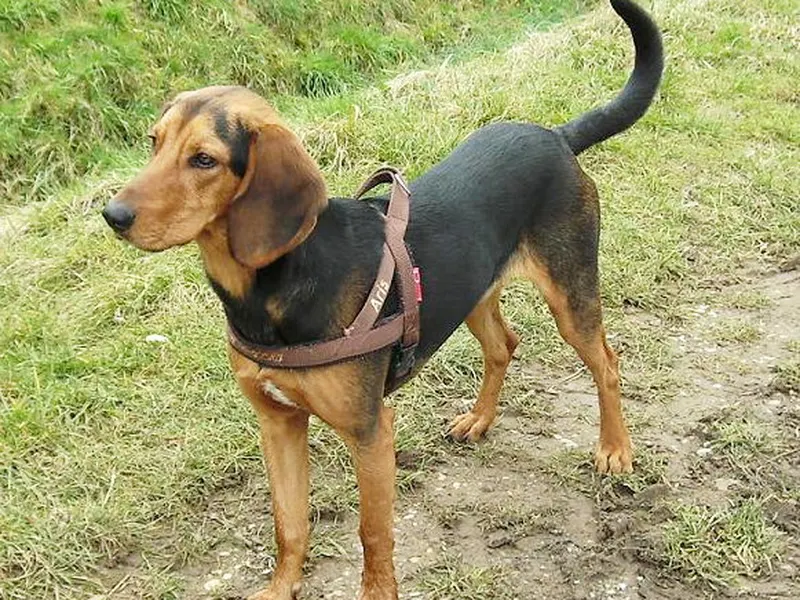
The Griffon Fauve de Bretagne is a medium-sized, muscular scenthound standing about 19 to 23 inches and typically weighing around 51 lb. Males are generally larger and more substantial than females. The body is slightly longer than tall, with a deep chest, strong back and powerful legs, built for working long hours over rough ground.
The head is fairly long, with a slightly arched skull, dark eyes and drop ears that are thin and covered with finer hair. The tail is of medium length and carried in a slight sickle shape.
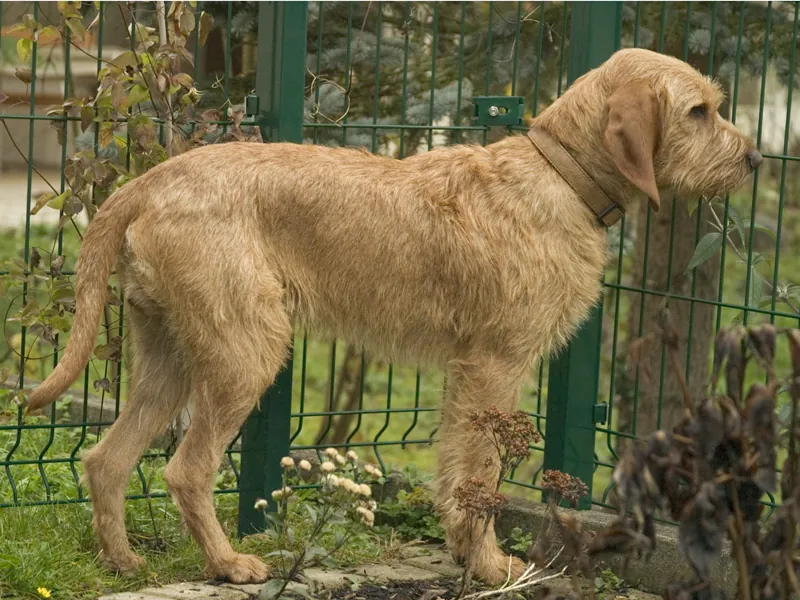
The coat is very harsh, dry and dense, fairly short and never woolly or curly. It protects the dog in gorse and brambles. The standard allows fawn in shades from golden wheat to red-brick. A few black hairs on the back and ears are allowed, as is a small white star on the chest. The overall impression is of a rustic, hardy hunting hound.
Temperament and Personality
The Griffon Fauve is typically friendly, sociable and even-tempered with people, including children it knows. It usually enjoys the company of other dogs, as you would expect from a pack hound, and many owners describe it as cheerful and easy to live with indoors once exercised.
On a scent it becomes intensely focused and independent, and it gives voice often and loudly when hunting. A bored Griffon may use that voice at home too. Prey drive is very high, so cats and small animals outdoors are at risk unless the dog has been raised with them and is supervised.
Is the Griffon Fauve de Bretagne Good for First-Time Owners?
Generally no. The breed is friendly and easy to live with indoors, but its exercise needs, strong will and independence on a scent make it challenging for beginners.
It needs around two hours of activity daily, patient training and careful management around wildlife. Its voice can be loud and frequent. First-time owners who are very active, enjoy hiking or scent sports and have rural access may succeed, but most will find a less driven breed easier. Spending time with adult dogs before committing is recommended. A friendly temperament does not make up for unmet exercise needs.
Are Griffon Fauve de Bretagnes Easy to Train?
They are intelligent but not easy to train. Like most scenthounds, they become intensely focused when on a trail and may ignore cues.
Patience, positive methods and high-value food rewards work best. Keep sessions short and varied. Practice recall in fenced areas or on a long line, since off-leash reliability is hard to achieve. Mantrailing, tracking and scent games channel their instincts and build a working relationship. Harsh training tends to make them stubborn rather than obedient. Expect training to be a long-term project.
Are Griffon Fauve de Bretagnes Good with Cats?
Some are, if raised with them, but caution is needed. The breed has a very high prey drive and was bred to hunt fox, hare and other game.
A Griffon raised with a household cat may learn to coexist peacefully indoors, but it may still chase cats outdoors. Introductions should be slow and supervised, with high escape routes for the cat. Adult Griffons without cat experience pose a higher risk. Small pets such as rabbits or rodents should be kept securely out of reach.
Exercise and Training
This is an energetic hound bred to work for hours over rough ground. Plan for around two hours of activity a day, including long walks, running in secure areas and scent work. Hiking, tracking and mantrailing are good outlets for non-hunting homes.
Training requires patience. The breed is intelligent but strong-willed and easily distracted by smells. Use positive methods and high-value food rewards, keep sessions short and practice recall in fenced areas or on a long line. It does not like being alone and can become noisy or destructive when under-exercised.
Grooming and Shedding
The coat is very harsh, dense and fairly short, in shades from golden wheat to red-brick fawn. It is designed to shed dirt and protect the dog in gorse and brambles.
- Brush weekly to remove loose hair and debris.
- Hand-strip occasionally to remove dead coat; clipping softens the texture.
- Check ears weekly and look for burrs, grass seeds and ticks after every outing.
Feeding and Nutrition
Griffon Fauve de Bretagnes are active working hounds, and their food needs vary with activity. A dog that hunts or hikes for hours may need considerably more food than a pet with less exercise. Feed a complete diet in two meals a day and keep the dog lean and well muscled.
Like many hounds, Griffons often love food and can gain weight easily if exercise drops. Check body condition by feeling the ribs under the harsh coat, which can hide extra weight.
As a medium-sized, deep-chested hound, sensible bloat precautions apply: two meals a day and no hard exercise shortly before or after eating.
Food is a strong motivator in training, so use small, high-value treats and count them toward the daily ration. On long hikes, carry water and a small snack. Keep food and trash out of reach, as scenthounds are expert at finding them.
| Adult weight | Less active | Typical adult | Very active |
|---|---|---|---|
| 51 lb | 1,030 kcal | 1,180 kcal | 1,480 kcal |
Estimates use the resting energy formula veterinarians work with (70 × body weight in kg0.75) and standard activity factors. Use the feeding guide on your food as a starting point and adjust to body condition. Puppies, seniors, pregnant animals and pets that need to lose weight have different needs, so ask your vet.
Health and Lifespan
The Griffon Fauve de Bretagne is generally regarded as a hardy breed with no well-documented breed-specific health problems. Typical lifespan is about 10 to 14 years.
Sensible checks include hip screening of parents, regular ear care and keeping the dog lean and fit. Ask breeders about the longevity and health of related dogs, since published data for this breed is limited.
Griffon Fauve de Bretagne Price and Cost of Ownership
The Griffon Fauve de Bretagne is very rare in the US and not recognized by the AKC. Most dogs come from France or the UK. There is no reliable typical US price range. Prices vary by breeder, region and lines, and importing adds transport and paperwork costs. Ask breeders about hip screening of parents and the longevity of related dogs.
Rescue dogs of this breed are very rare in the US.
Ongoing costs are moderate. Grooming is mostly do-it-yourself, with occasional hand-stripping. Main cost drivers include secure fencing, long lines, GPS collars and pet insurance for injuries and ear infections in an active hound.
Is the Griffon Fauve de Bretagne Right for You?
This breed suits active, outdoorsy owners, ideally with rural access and a secure yard, who enjoy a friendly but independent hound.
- Good match: hikers, hunters, multi-dog homes, people who enjoy scent sports.
- Less ideal: apartments, homes with cats or small pets, owners who want a quiet dog or off-lead reliability.
Be ready for a dog that will happily walk all day and still look for more.
Griffon Fauve de Bretagne Traits at a Glance
Griffon Fauve de Bretagne FAQ
How big does a Griffon Fauve de Bretagne get?
It stands about 19 to 23 inches at the shoulder and typically weighs around 51 lb.
How much exercise does a Griffon Fauve de Bretagne need?
Around two hours a day of walks, running and scent work.
Do Griffon Fauve de Bretagnes bark a lot?
They give voice often, especially when following a scent, and can be loud.
Are Griffon Fauve de Bretagnes good family dogs?
They are friendly and affectionate, but their energy and prey drive make them best for active families.
Do Griffon Fauve de Bretagnes shed?
Shedding is modest. The harsh coat needs weekly brushing and occasional hand-stripping.
How long do Griffon Fauve de Bretagnes live?
Usually 10 to 14 years.