Swiss HoundA gentle hunter in four Swiss varieties
The Swiss Hound, or Schweizer Laufhund, is a medium-sized scenthound with long, folded ears and a loud, carrying voice, bred to track hare, fox and deer through Swiss hills and forests. It is gentle and affectionate at home but tireless and single-minded on a trail. It suits active owners with experience of hounds and plenty of outdoor time.
Why people love the Swiss Hound
- Gentle, affectionate and usually good with children
- Calm and cuddly indoors when exercised
- Short coat with simple weekly care
- Four distinctive color varieties
- Friendly with people and generally with other dogs
Things to consider
- Loud voice, barks and bays readily
- Needs one to two hours of daily exercise
- Recall unreliable on a fresh trail
- Does not like being alone for long
- Prone to ear infections from long, hanging ears
Is this breed right for you?
10 questions · live resultHistory and Origin
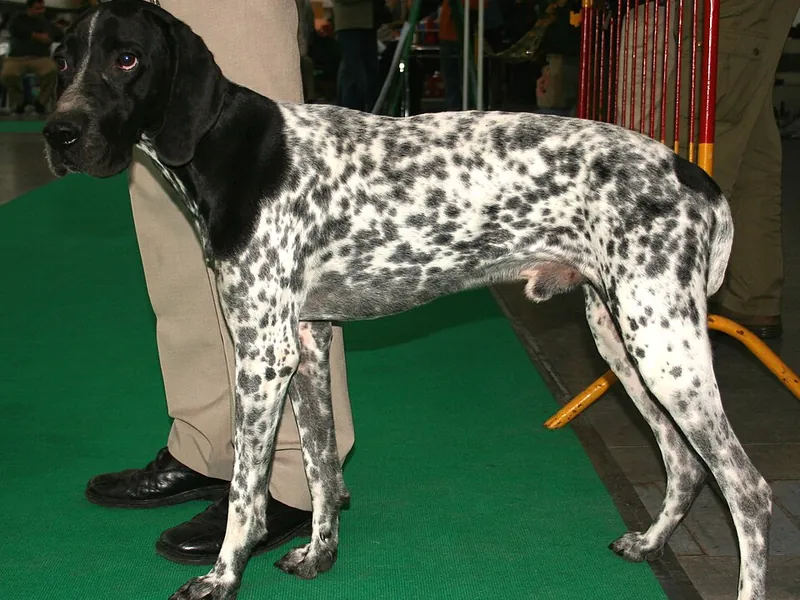
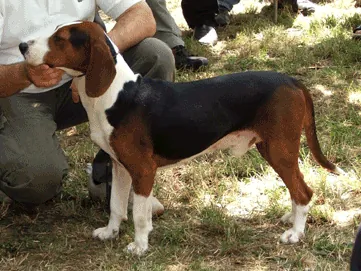
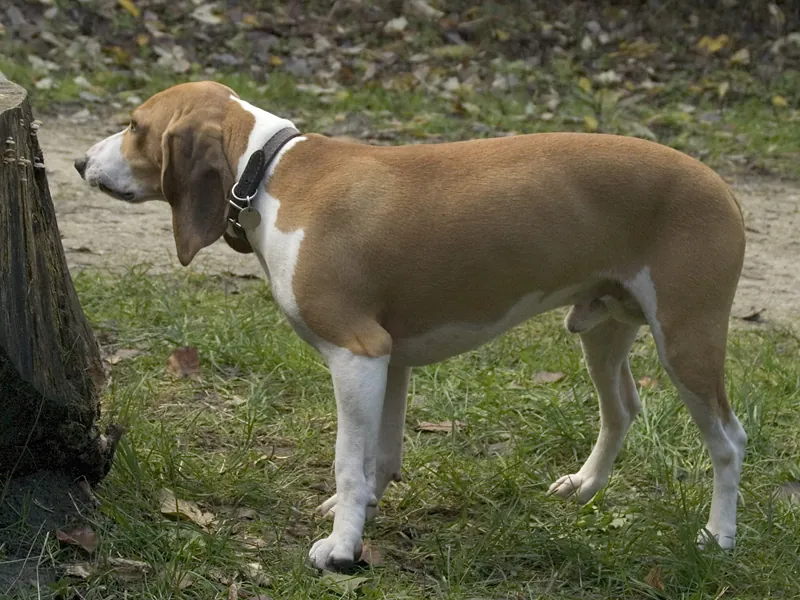
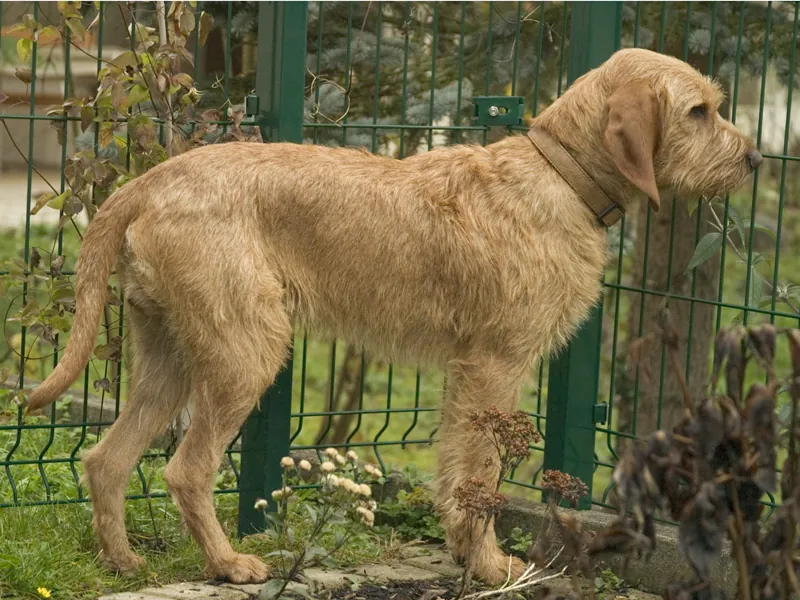
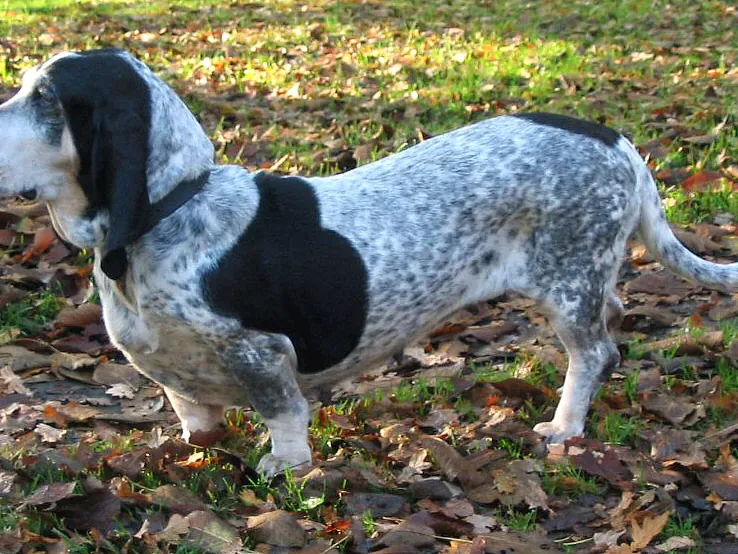
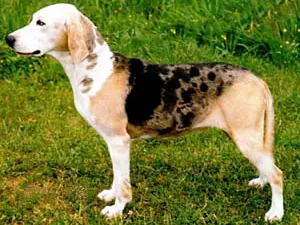
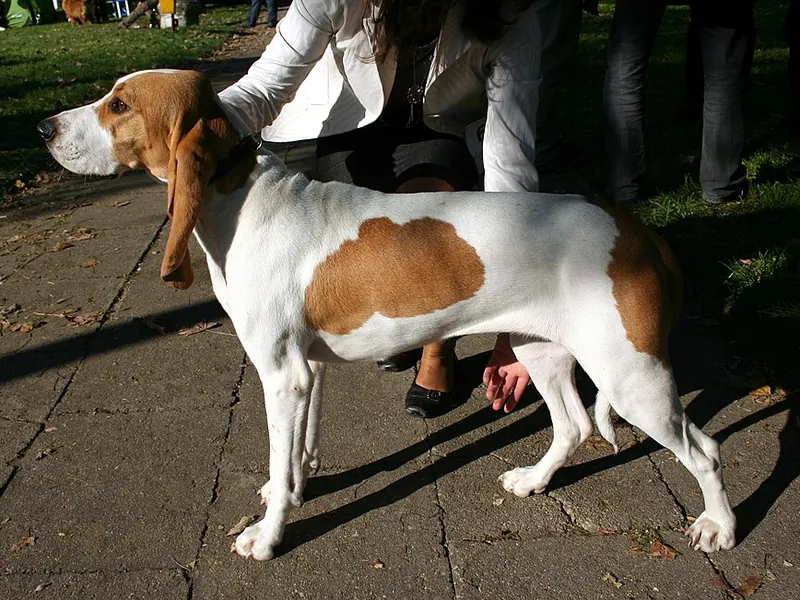
Hunting hounds have a long history in Switzerland, and regional types developed in different cantons. In 1933, the various strains were combined into one breed standard with four varieties distinguished by color: Bernese (tricolor), Jura (black and tan), Lucerne (blue-mottled) and Schwyz (red and white).
The breed is used for hunting hare and other game with a loud voice. It is recognized by the FCI but not by the AKC or The Kennel Club.
Running hounds of this kind were already appreciated outside Switzerland centuries ago, and Swiss hunters kept them for tracking game on foot across steep, forested terrain. The hound works out a trail independently and keeps the hunter informed with its voice.
A shorter-legged relative, the Swiss Niederlaufhund, was developed for areas where a slower hound was preferred.
Size, Coat and the Four Varieties
The Swiss Hound is a medium-sized, elegant scenthound with long, hanging ears and an expressive face. Adults stand about 19 to 23 inches at the shoulder and weigh roughly 40 to 51 lb. Males are generally at the upper end of the height range, while females are slightly smaller and lighter.
The body is slightly longer than tall, with a deep chest, straight back and long legs built for endurance. The head is long and lean, with very long, folded ears that hang low.
The coat is short, dense and smooth, with a fine texture on the head and ears. The breed has four varieties distinguished by color:
- Bernese: tricolor, white with black patches and tan markings.
- Jura: black and tan.
- Lucerne: blue-mottled with black patches and tan markings.
- Schwyz: white with orange-red patches.
All four varieties share the same structure and are judged under one breed standard.
Temperament and Personality
Swiss Hounds are gentle, affectionate and usually good with children. They are friendly with people and generally get on with dogs.
On a trail, they are independent and persistent. They bark and bay readily, especially when tracking.
Indoors, Swiss Hounds are usually calm, cuddly and keen to be close to their people. They are not typically guarding dogs, though they will announce visitors.
Their tracking passion is intense. Once on a scent, they can work for hours and become deaf to calls. Small pets may trigger chase behavior, so careful introductions are necessary.
Is the Swiss Hound Good for First-Time Owners?
It can be, for active first-time owners who understand hounds. The Swiss Hound is gentle and affectionate, but its energy, voice and scent drive need management.
First-time owners should plan for extensive daily exercise, secure fencing and limited off-leash freedom. The loud voice can be challenging in close neighborhoods. The breed also does not like being alone for long. Importing a puppy from Switzerland is often necessary, adding complexity. First-time owners who hike, track or hunt and live in rural areas can find the breed a loving companion.
Are Swiss Hounds Good With Cats?
Some are, especially when raised with a cat, but their hunting instinct makes outdoor and unfamiliar cats a risk.
A Swiss Hound puppy raised with a confident household cat may accept it. Adult hounds without cat experience need careful, supervised introductions. Give cats high escape routes and dog-free areas. Small pets such as rabbits and rodents are best kept separate. Outdoor cats and wildlife can still trigger chasing on walks. Raising a puppy with a cat gives the best chance of peaceful coexistence, and a long line on walks prevents chasing.
Is the Swiss Hound a Good Apartment Dog?
Generally no. The breed's high exercise needs and loud voice make apartment living difficult.
A Swiss Hound needs one to two hours of daily activity, ideally including tracking or long walks in open countryside. Its baying and barking can bother neighbors. Rural or suburban homes with secure yards suit the breed far better. Apartment owners would need to commit to extensive outdoor activities and noise management. Even well-exercised Swiss Hounds may bay at sounds in hallways, which can be a problem in shared buildings. Consider the breed's voice and space needs carefully before choosing one for city life.
Exercise and Training
This is a high-endurance hound. Expect to provide one to two hours of daily exercise, including tracking or long walks.
- Keep it leashed or in fenced areas.
- Training is moderate in difficulty; use rewards and patience.
- It does not like being alone for long.
- Tracking, mantrailing and long hikes are ideal outlets.
- Recall needs lifelong practice and is unreliable on a fresh trail.
- Secure fencing is essential.
- Young dogs benefit from short, frequent training sessions with food rewards.
Grooming and Shedding
The short coat needs only weekly brushing. The long, hanging ears need weekly checks and cleaning, as the Swiss kennel club notes a tendency to ear infections.
Shedding is moderate. Bathe only when needed, keep nails short, and check paws and coat for ticks after forest walks.
Feeding and Nutrition
The Swiss Hound is a lean, athletic scenthound with high endurance. Food needs vary greatly with activity: hunting dogs in season need more food than companions with moderate walks. Keep the dog lean, with ribs easy to feel and a defined waist; extra weight adds strain to joints over long days of tracking.
Feed puppies three to four meals a day at first, moving to two meals by about six months. A complete puppy food and steady growth support healthy joints. Ask breeders about hip screening.
- Avoid vigorous exercise right after eating.
- Scenthounds are often opportunistic scavengers, so secure food and garbage.
- Keep the long ears out of food and water bowls; narrow, deep bowls can help.
Use part of the daily ration for scent games and tracking practice. Training treats should be small and counted toward the daily total.
| Adult weight | Less active | Typical adult | Very active |
|---|---|---|---|
| 40 lb | 860 kcal | 980 kcal | 1,230 kcal |
| 51 lb | 1,030 kcal | 1,180 kcal | 1,480 kcal |
Estimates use the resting energy formula veterinarians work with (70 × body weight in kg0.75) and standard activity factors. Use the feeding guide on your food as a starting point and adjust to body condition. Puppies, seniors, pregnant animals and pets that need to lose weight have different needs, so ask your vet.
Health and Lifespan
No breed-specific inherited diseases are known, according to the Swiss kennel club. Reliable lifespan data is lacking. Keep ears clean and dry, and ask breeders about hip screening.
Keep the dog fit and lean, and choose a breeder who can share health information on the parents. Swiss Hounds are generally considered robust working dogs.
Swiss Hound Price and Cost of Ownership
The Swiss Hound is very rare in the US and not recognized by the AKC, so prices are not published. Most puppies come from Swiss or neighboring European breeders, and importing adds travel, shipping and paperwork costs. Prices vary by breeder, region and lines. Rescue dogs are rare.
Breed-specific cost drivers include:
- Import costs, including transport and veterinary paperwork.
- Ear care and treatment for ear infections.
- Secure fencing and long lines for a scent-driven hound.
- Tick prevention for a dog that spends time in forests.
- Tracking or scent work classes.
Be prepared to explain your plans for exercise and scent work, as Swiss breeders often place puppies mainly with hunters.
Is the Swiss Hound Right for You?
The Swiss Hound suits hunters and active rural families who enjoy long walks. It is not ideal for apartments, noise-sensitive neighbors or owners who are away all day.
In the right home, it is a loving, easy-care companion with a real working heritage. Puppies are rare outside Switzerland and neighboring countries, so expect to contact breed clubs there.
Swiss Hound Traits at a Glance
Swiss Hound FAQ
How big do Swiss Hounds get?
They stand about 19 to 23 inches tall and weigh roughly 40 to 51 pounds.
What are the four varieties of Swiss Hound?
Bernese, Jura, Lucerne and Schwyz, distinguished mainly by color.
Are Swiss Hounds good with children?
Generally yes. They are gentle and affectionate with family.
Do Swiss Hounds bark a lot?
Yes, especially when tracking. They have a loud voice.
Do Swiss Hounds need much exercise?
Yes. They need one to two hours of daily activity.
Can Swiss Hounds be left alone?
Not for long. They prefer company and may howl when bored or lonely.