Small Swiss HoundSwitzerland's compact, short-legged scenthound
The Small Swiss Hound is a compact scenthound bred for hunting in the confined grounds of Swiss cantons. It is friendly and calm indoors, but outdoors it is a dedicated, vocal hunter that needs patient training and plenty of nose work.
Why people love the Small Swiss Hound
- Friendly, gentle and good with children
- Calm and quiet indoors when exercised
- Easy-care short coat
- Long-lived, often 14 to 16 years
- Four attractive color varieties
Things to consider
- Very strong prey drive outdoors
- Bays on a trail and can be vocal outside
- Needs regular scent work or hunting
- Sensitive to harsh handling
- Practically unavailable outside Switzerland
Is this breed right for you?
10 questions · live resultHistory and Origin
Switzerland has long had its own medium-sized running hounds. In the early 20th century, some cantons limited hunting areas or banned the use of fast, wide-ranging hounds in certain grounds, and hunters wanted slower dogs that would stay closer. Breeders developed smaller, shorter-legged versions of the Swiss hounds, partly with crosses to short-legged hounds from neighboring countries.
As with the larger Swiss Hound, there are four varieties named after regions: Bernese, Jura, Lucerne and Schwyz, each with a distinct color pattern. The breed is recognized by the FCI in Group 6 and remains rare outside Switzerland, where it is still used for hunting hare, fox and deer.
Size, Varieties and Colors
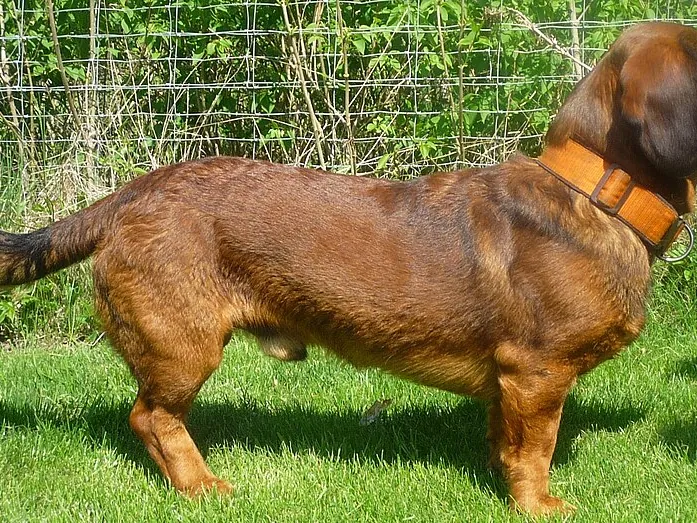
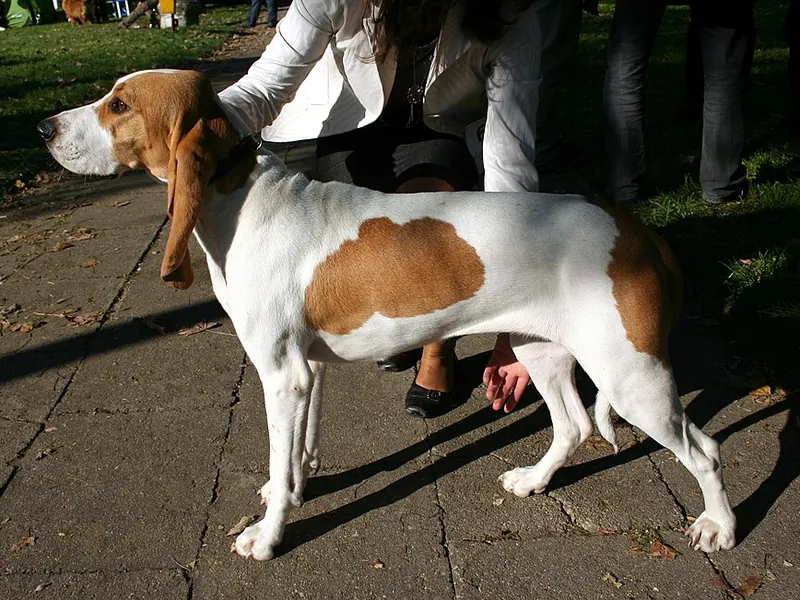
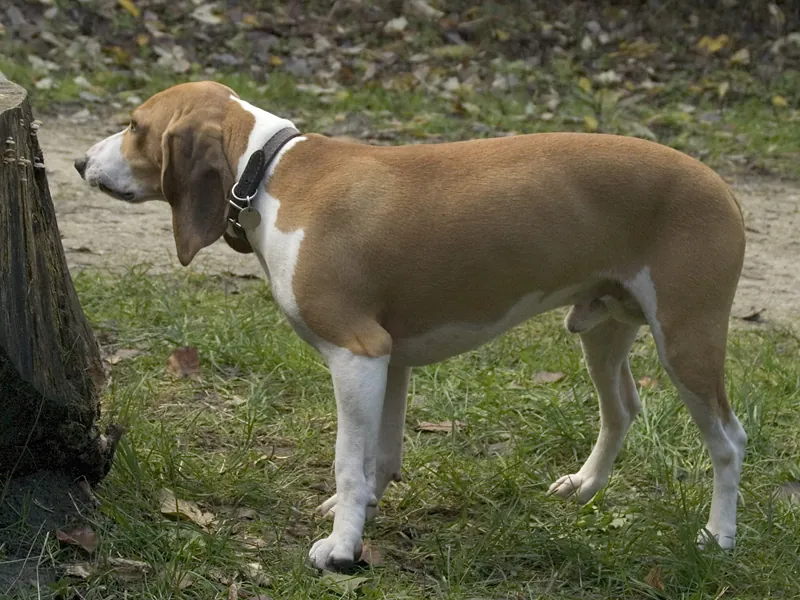
The Small Swiss Hound is a compact, short-legged scent hound standing about 13 to 17 inches at the shoulder and weighing up to about 44 lb. It is clearly longer than tall, with a deep chest, a long, elegant head, and very long, folded ears that hang well below the jaw. The tail is medium length and carried low or slightly raised.
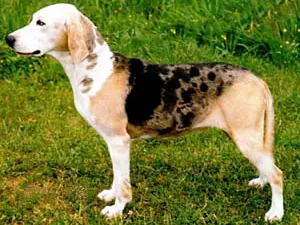
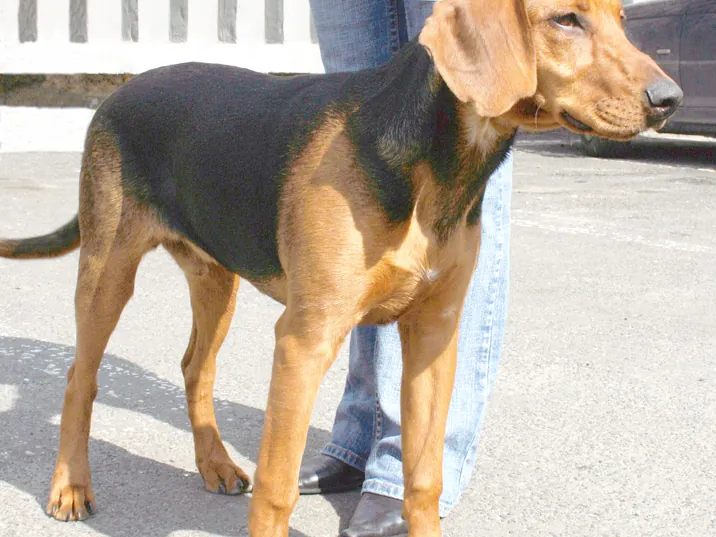
There are four varieties named after Swiss regions, differing mainly in color:
- Bernese: white with black patches and tan markings; a rough-coated form also exists.
- Jura: black and tan, or tan with a black saddle.
- Lucerne: blue-mottled (white with fine black ticking) with black patches and tan markings.
- Schwyz: white with orange-red patches.
The coat is short, dense and smooth in most dogs. Males are typically a little larger and heavier in head than females.
Temperament and Personality
Small Swiss Hounds are typically friendly, gentle and sensitive. At home they tend to be calm and affectionate and usually get on well with children. Many are sociable with other dogs, reflecting their hound background.
On a trail they are independent and persistent, and they hunt with their voice. Prey drive is very high, so the breed is not reliable around small animals outdoors.
Indoors, a well-exercised Small Swiss Hound is usually quiet and content to rest near its people. It tends to be sensitive to tension in the household and responds best to a calm, predictable routine.
Is the Small Swiss Hound Good for First-Time Owners?
It can be, for a patient and outdoorsy first-time owner who is prepared for a true scent hound. The Small Swiss Hound is friendly, gentle and calm indoors, which helps beginners, but its hunting instinct shapes life outside.
A novice would need to provide daily long walks, regular scent work such as tracking or mantrailing, leash or long-line walks outside enclosed areas, and secure fencing. Training should be calm and reward-based, since the breed is sensitive and does not respond well to harsh corrections. In Switzerland, many dogs live with hunters, and breeders may prefer hunting homes, so finding a puppy as a first-time, non-hunting owner can be difficult.
Are Small Swiss Hounds Good with Cats?
Often not, especially outdoors. The Small Swiss Hound has a very high prey drive and was bred to hunt hare, fox and deer by scent and voice. Cats, rabbits and other small animals can trigger chasing.
A puppy raised with a calm, dog-savvy cat may learn to accept that cat inside the home, and many hounds are gentle once they know a cat. Even then, outdoor or unfamiliar cats may be chased. Introduce carefully with gates and a leash, give the cat high escape routes and a dog-free room, and do not leave them unsupervised until you are confident. Keep small caged pets fully separated.
Can a Small Swiss Hound Live in an Apartment?
A Small Swiss Hound can live in an apartment if its exercise and scent work needs are met, because it is typically calm and quiet indoors. Its moderate size also helps. Still, a house with a fenced yard, ideally in the countryside, suits the breed better.
Apartment owners should plan for long daily walks with time to sniff, regular trips to enclosed areas for free running and scent games at home. The breed's voice is the main risk: a bored or lonely hound may bay or howl, which carries through walls. Avoid long hours alone, and give the dog a predictable, calm routine.
Exercise and Training
These hounds need daily long walks and regular scent work. Tracking, mantrailing and nose games make good substitutes if you do not hunt. Off-lead time should be in enclosed areas, because a Small Swiss Hound on a scent can range a long way.
Training should be calm and patient. The breed is sensitive and harsh corrections damage trust, while consistent, reward-based training brings steady progress. Early socialization and recall work on a long line are essential.
Because the breed was developed to hunt more slowly and closer to the hunter than the larger Swiss Hound, it can be a manageable companion on long country walks. Still, its nose leads the way, and a long line is the safest choice in open terrain.
Grooming and Shedding
The short coat is easy to keep, needing a weekly brush with a hound mitt. The Bernese variety may have a slightly rougher coat. Colors differ by variety, from white with black patches to blue-mottled or tan.
The long drop ears need weekly cleaning and checks, especially after time in the woods. Look for ticks and grass seeds after outings and trim nails regularly.
Feeding and Nutrition
Scent hounds are usually keen eaters, and the Small Swiss Hound is no exception. Its long body and short legs carry extra strain when it is overweight, so a lean build protects the back and joints. You should feel the ribs easily and see a waist from above.
Activity varies greatly between a dog that hunts several days a week in season and a family hound with daily walks. Adjust portions gradually to workload and season.
- Feed adults two meals a day, and puppies three or four smaller meals.
- Avoid a large meal right before a long tracking session or hunt.
- Use part of the daily ration for scent games and recall training.
- Keep food and trash bins secured, as a hound's nose finds everything.
- The long ears can dip into food and water bowls. Narrow, deep bowls help keep them clean and dry, which supports ear health.
| Adult weight | Less active | Typical adult | Very active |
|---|---|---|---|
| 44 lb | 930 kcal | 1,060 kcal | 1,320 kcal |
Estimates use the resting energy formula veterinarians work with (70 × body weight in kg0.75) and standard activity factors. Use the feeding guide on your food as a starting point and adjust to body condition. Puppies, seniors, pregnant animals and pets that need to lose weight have different needs, so ask your vet.
Health and Lifespan
The Small Swiss Hound is considered healthy and long-lived, often reaching 14 to 16 years. The Swiss Kennel Club notes no specific breed diseases, though the narrow breeding base is a long-term concern.
The long, heavy ears raise the risk of ear infections, so regular cleaning matters. Keep the dog at a healthy weight to protect its back and joints.
Small Swiss Hound Price and Cost of Ownership
The Small Swiss Hound is not recognized by the AKC and is very rare outside Switzerland, so there is no US price range. Puppies are bred mainly in Switzerland, often for hunting homes, and importing one adds transport, paperwork and travel costs. Prices vary by breeder, region and lines.
Adoption is rare outside Europe, though scent hound rescues sometimes have similar dogs or mixes.
Ongoing cost drivers are moderate for a medium-sized hound: tracking gear such as a long line and harness, possibly a GPS collar, secure fencing, regular ear cleaning products and treatment of ear infections linked to the long ears, and tick prevention for a dog that spends a lot of time in fields and woods. Training with a tracking or mantrailing group is a worthwhile expense.
Is the Small Swiss Hound Right for You?
This breed suits hunters and active, patient owners who enjoy outdoor life and do not mind a hound's voice. It is calm in the house when its needs are met.
- Good match: rural families, hunters, people interested in scent sports.
- Less ideal: owners who need off-lead obedience, homes where the dog is often alone, or households with small pets.
Small Swiss Hound Traits at a Glance
Small Swiss Hound FAQ
How big do Small Swiss Hounds get?
They stand about 13 to 17 inches at the shoulder and weigh up to about 44 lb.
Are Small Swiss Hounds good family dogs?
Yes, they are usually friendly and calm at home and get along with children, provided their exercise needs are met.
What are the varieties of Small Swiss Hound?
There are four: Bernese, Jura, Lucerne and Schwyz, which differ mainly in color and coat.
Do Small Swiss Hounds bark a lot?
They bay when tracking and can be vocal outdoors. Indoors they are typically quiet.
How long do Small Swiss Hounds live?
Often 14 to 16 years.