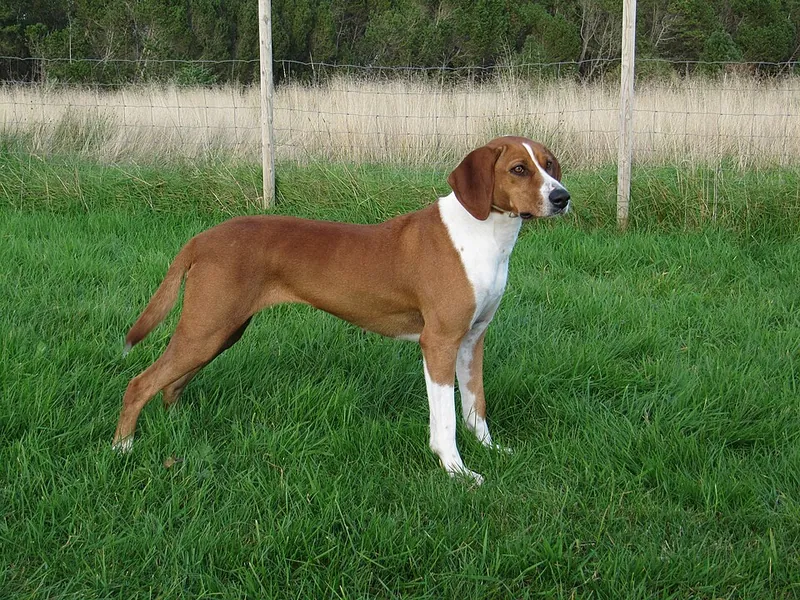
Galgo EspañolSpain's gentle, graceful sighthound
The Galgo Español is a tall, elegant sighthound from Spain, built for coursing hare across open plains. Gentle, quiet and affectionate at home, it suits owners who can offer safe running space and a calm household, and many are adopted through rescues.
Why people love the Galgo Español
- Calm, gentle and quiet indoors
- Usually very sociable with other dogs
- Easy-care smooth or rough coat
- Many adult dogs available through rescues
- Moderate exercise needs, sprints rather than marathons
Things to consider
- Strong chase instinct around cats and small animals
- Recall unreliable, needs fencing or a leash
- Feels the cold, needs coats and soft bedding
- Rescued dogs may be shy and need time to adjust
- Sensitive to some anesthetics
Is this breed right for you?
10 questions · live resultHistory and Origin
Galgos have been bred in Spain for many centuries to course hare on the open plains of the central meseta. They are an old Iberian sighthound breed, distinct from the English Greyhound, though Greyhounds were crossed in at times to add speed.
The Galgo is recognized by the FCI in the sighthound group but not by the AKC or The Kennel Club. In Spain Galgos are still used for hunting and coursing. Animal welfare groups have long raised concerns about the large number of Galgos abandoned at the end of the hunting season, and rescue networks rehome many of them in other European countries and beyond.
Size, Coat Types and Colors
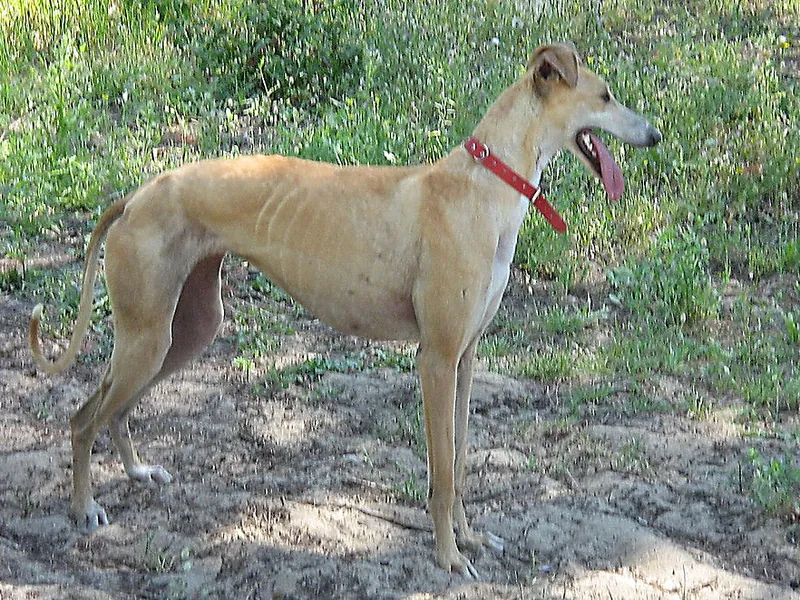
The Galgo Español is a tall, lean sighthound standing 24 to 28 inches and weighing 44 to 66 lb. It is lighter and more elongated than the English Greyhound, with a flatter, longer muscle structure, a less deep chest and a slightly arched back built for stamina as well as speed over rough ground.
The head is long and narrow with small, rose-shaped ears, and the tail is long, low-set and often ends in a slight hook.
Males are taller, typically about 24.5 to 27.5 inches under the FCI standard, while females are slightly smaller and finer.
Two coat types occur:
- Smooth: short, fine and dense, the most common type
- Rough (wire): harder and longer, often with a beard, mustache and eyebrows
All colors are accepted. Common ones include brindle in many shades, black, fawn, red, cinnamon, white and combinations of these with white markings. The thin skin shows scars from field use in many rescued dogs.
Temperament and Personality
Galgos are gentle, sensitive and affectionate. Indoors they are typically calm and quiet, happy to sleep for much of the day on a soft bed. They are usually very sociable with other dogs and often polite with strangers, though rescued dogs may be shy at first.
The hunting instinct is strong. Many will chase cats or small animals outdoors, although some live peacefully with cats after careful introductions; rescues often test this. They dislike being left alone for long periods.
Many adopted Galgos need time to adjust to home life, including stairs, household noises and being alone. With patience, most become relaxed, loving companions within weeks or months.
Are Galgos Good for First-Time Owners?
Yes, many Galgos make good first dogs for calm households. They are gentle, quiet and not demanding indoors, and adult rescues often come with a known temperament.
First-time owners should prepare for:
- A shy or nervous adjustment period, especially with dogs from shelters in Spain
- Lifelong leash use or secure fencing
- Careful management around cats and small pets
- Martingale collars and harnesses suited to a narrow head
Reputable rescues match dogs to homes and offer support after adoption, which is a big help for beginners.
Do Galgos Bark a Lot?
No, Galgos are generally very quiet dogs. Most rarely bark and are not reliable watchdogs, though they may alert briefly to an unexpected visitor.
Newly adopted Galgos sometimes whine or howl when left alone in the first weeks, since many have lived in kennels with other dogs. This usually fades as the dog settles and learns the routine. Persistent noise is more often a sign of stress or loneliness than a breed trait, and a gradual alone-time plan or a second calm dog often helps.
Can Galgos Be Left Alone?
Many settled adult Galgos can be left alone for a normal workday, as they spend much of the day sleeping. Newly adopted dogs need a gradual approach, because being alone in a house is often new to them.
To build confidence:
- Start with very short absences in the first days
- Provide a quiet, padded bed in a safe room
- Leave a long-lasting chew
- Walk the dog before you leave
Some Galgos settle much faster with another dog at home, which is why rescues often place them in multi-dog households. Ask your rescue about each dog's history.
Exercise and Training
Galgos need daily walks plus regular chances to sprint in a securely fenced area. Their exercise needs are moderate overall, as they are sprinters rather than endurance athletes. Off-leash running in open areas is risky, as recall is unreliable once they spot moving prey.
Training should be gentle and reward based. Galgos are sensitive and can shut down with harsh methods. Use a martingale collar or harness, since their narrow heads can slip out of flat collars.
A secure yard with high fences is ideal, as Galgos can jump.
Grooming and Shedding
Galgos come in smooth and rough (wire) coats, both easy to maintain. Weekly brushing is enough. They have thin skin that tears easily, so check after runs. With little body fat, they feel the cold and need a coat in cold or wet weather.
Feeding and Nutrition
Galgos should look lean, with the last ribs and hip bones faintly visible. A healthy sighthound often looks thin to people used to other breeds, so judge condition with your vet rather than adding food to cover the ribs.
Many rescued Galgos arrive underweight. Increase food gradually over several weeks rather than all at once, and divide the ration into two or three meals, which is easier on a stomach that may not be used to regular feeding.
The deep chest brings some risk of bloat:
- Feed at least two meals a day
- Rest for an hour before and after sprinting
- Use a slow feeder if the dog gulps
Sighthounds have little body fat and burn more energy in cold weather, so watch condition through winter. Dental disease is common in sighthounds, so chews suited to the dog's size and regular tooth brushing are worthwhile. Use small, low-fat treats in training and switch foods slowly to protect sensitive digestion.
| Adult weight | Less active | Typical adult | Very active |
|---|---|---|---|
| 44 lb | 930 kcal | 1,060 kcal | 1,320 kcal |
| 66 lb | 1,250 kcal | 1,430 kcal | 1,790 kcal |
Estimates use the resting energy formula veterinarians work with (70 × body weight in kg0.75) and standard activity factors. Use the feeding guide on your food as a starting point and adjust to body condition. Puppies, seniors, pregnant animals and pets that need to lose weight have different needs, so ask your vet.
Health and Lifespan
Galgos typically live 12 to 14 years. Like other sighthounds, they can be sensitive to certain anesthetics, particularly barbiturates, so tell your vet about the breed. Large sighthounds have an increased risk of bone cancer (osteosarcoma), and deep chests bring a risk of bloat.
Dogs adopted from southern Europe should be tested for Mediterranean infections such as leishmaniasis and ehrlichiosis, as advised by your vet.
Galgo Español Price and Cost of Ownership
Most Galgos in the US are adopted through rescue groups that bring dogs from Spain. Adoption fees vary and usually cover transport, vaccinations, spay or neuter, microchip and testing for Mediterranean diseases. Puppies from breeders are rarely available in the US.
Breed-specific ongoing costs:
- Testing and possible treatment for leishmaniasis, ehrlichiosis and other infections, as advised by your vet
- Coats, sweaters and padded beds for thin skin and low body fat
- Martingale collars and high, secure fencing
- Dental cleanings, which sighthounds often need
- A vet familiar with sighthound anesthesia and bloodwork
Pet insurance can help with osteosarcoma, bloat and injuries from sprinting.
Is the Galgo Español Right for You?
A Galgo is a calm, gentle companion that adapts well to house or apartment life if it gets daily walks and occasional safe sprints. It suits people who want a quiet, affectionate dog.
- Good match: calm homes, adopters, multi-dog households, people with access to fenced fields.
- Think twice: homes with small pets unless cat-tested, long days alone, owners wanting off-leash hiking companions.
Galgo Español Traits at a Glance
Galgo Español FAQ
Are Galgos good family dogs?
Yes. They are gentle, calm and affectionate, and usually do well with respectful children.
How big do Galgos get?
They stand about 24 to 28 inches tall and weigh roughly 44 to 66 lb.
What is the difference between a Galgo and a Greyhound?
Galgos are a separate Spanish breed. They are usually lighter, with a longer, flatter muscle structure and sometimes a rough coat.
Can Galgos live in apartments?
Yes. They are calm and quiet indoors, but they still need daily walks and occasional sprints.
Can Galgos live with cats?
Some can after careful introductions, but many have a strong chase instinct. Rescues often cat-test dogs.
How long do Galgos live?
Typically 12 to 14 years.