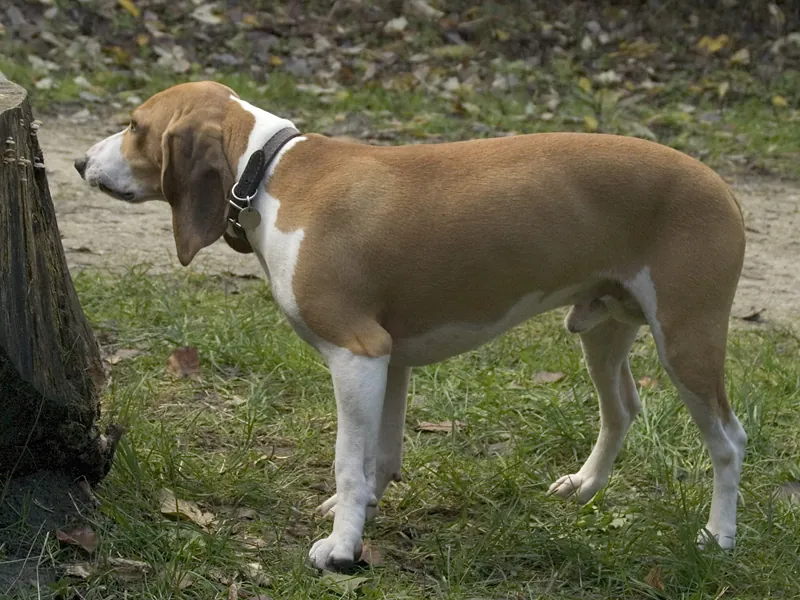
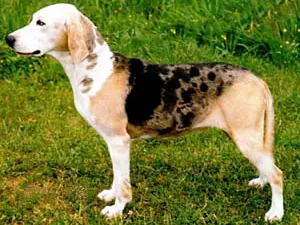
Basset Artésien NormandAffectionate short-legged French rabbit hound
The Basset Artésien Normand is a short-legged French scenthound, lighter and more athletic-looking than the Basset Hound, bred to push rabbits and hares through dense cover. Cuddly and good-natured with its family, it still has a determined, independent hunting brain.
Why people love the Basset Artésien Normand
- Gentle, affectionate and fond of close contact
- Friendly with visitors and other dogs
- Easy-care short coat
- Less exaggerated than the Basset Hound
- Long lifespan for a hound
Things to consider
- Strong scent drive and unreliable recall
- Loud bay when trailing or bored
- Long back needs protection from stairs and jumping
- Prone to weight gain and ear infections
- Very rare outside France
Is this breed right for you?
10 questions · live resultHistory and Origin
The breed developed in northern France, in Artois and Normandy, during the 19th century. Short-legged hounds were valued because hunters could follow them on foot and their slower pace kept rabbits and hares moving in front of the gun rather than fleeing far away.
Two types existed at first, and breeders gradually combined and refined them into one standardized breed in the late 19th and early 20th centuries. The Basset Artésien Normand is part of the background of the English Basset Hound. It is recognized by the FCI and has a loyal following in France, but is rare elsewhere.
Size, Coat and Colors
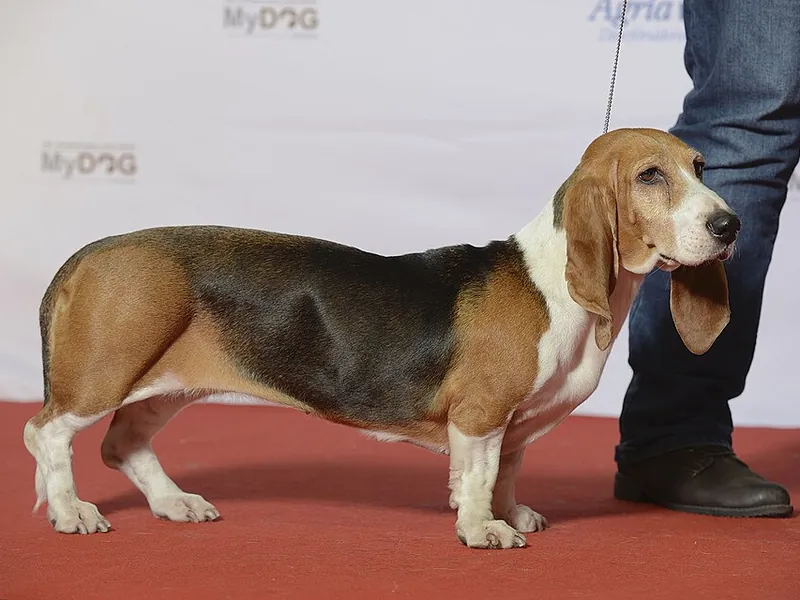
The Basset Artésien Normand is a long, low scenthound standing about 12 to 14 inches at the shoulder and weighing roughly 33 to 44 lb. The body is about twice as long as the dog is tall. The front legs are short and may be straight or slightly crooked, which is accepted in the FCI standard. Males are usually a little heavier and broader in the head than females.
Compared with the Basset Hound, it has less loose skin, a lighter frame and a cleaner head, giving it a more agile look. The head is domed, with large, dark, gentle eyes and long, thin, low-set ears that curl inward and reach at least the tip of the nose.
The coat is short, close and fine. There are two color patterns:
- Tricolor: fawn, black and white, often with a black mantle or patches and a fawn head.
- Bicolor: fawn and white.
The fawn should be rich, and some dogs show a slight charcoal shading. The tail is long, carried like a saber and never curled over the back.
Temperament and Personality
At home it is gentle, affectionate and fond of close contact. Most are friendly with visitors and get along with other dogs.
Out on a walk, the nose takes over. It is a passionate rabbit and hare hunter, and it works independently, which can look like stubbornness. Patience and consistency are needed in training, and food is usually the best motivator.
Is the Basset Artésien Normand Good for First-Time Owners?
It can be a good choice for patient first-time owners. It is gentle, affectionate and generally easy to live with, more so than many hunting hounds.
New owners should be ready for a dog that follows its nose rather than commands. Recall is rarely reliable, so leashed walks and a secure yard are essential. Food-based training works well, but sessions must be short and fun. Baying when bored or alone is another consideration. The breed is very rare in the US, so first-time owners may also need support from French or European breeders and clubs.
Can a Basset Artésien Normand Live in an Apartment?
It can, with some care. Its moderate size and calm indoor manner suit apartment life, but its voice and back need attention.
Daily walks of an hour or more with plenty of sniffing are essential. Without them, the dog may bay, which carries through walls. Stairs are a concern for this long-backed breed, so an elevator or ground-floor home is best, and carrying the dog on long staircases helps. Owners who are out all day should arrange company, since many hounds bay when bored or lonely.
Are Basset Artésien Normands Good With Cats?
Often yes, with indoor cats they are raised with. The breed is a rabbit and hare specialist and tends to be gentle at home, so many accept household cats calmly.
Introductions should still be slow and supervised, and the cat should have high places to retreat. Outdoor cats, rabbits and small pets that run may trigger the hunting instinct. Pet rabbits in particular should be kept securely separated, since rabbits are the breed's traditional quarry. Supervise until you are confident the dog and cat have settled into a relaxed routine.
Exercise and Training
Exercise needs are moderate but real: daily walks of an hour or more with plenty of sniffing time, plus some scent games.
- Use a harness rather than a collar to reduce strain on the neck and back.
- Limit stairs and jumping off furniture, especially for puppies.
- Keep on a lead outdoors; it will follow a rabbit trail and ignore calls.
- Short, upbeat, food-based training sessions work best.
Grooming and Shedding
The short, close coat is tricolor or fawn and white, and needs only weekly brushing. Bathing is rarely necessary.
The long, low-set ears hang close to the ground and can pick up dirt and moisture. Clean and dry them regularly to reduce the risk of ear infections, and check the feet and belly after walks in wet grass.
Feeding and Nutrition
This food-loving hound gains weight easily, and extra weight is especially harmful for a long-backed, short-legged dog. Its chondrodysplastic build raises the risk of spinal disc problems, and keeping it slim is one of the most effective ways to protect the back.
- Feed adults two measured meals a day; puppies three or four.
- Weigh food and account for every treat.
- Use puzzle feeders and scent games with part of the daily ration.
You should feel ribs easily and see a waist from above. Weigh the dog regularly, since small gains are hard to spot in a low dog.
Puppies should grow steadily, not quickly. Avoid overfeeding young dogs, which adds stress to developing joints and the spine.
The long ears may dip into bowls, so use narrow, deep bowls and dry the ears after meals. Like most scenthounds, these dogs scavenge. Secure trash cans and counters, and teach a solid leave-it for walks. Food is the best motivator in training, so build rewards into the daily ration rather than adding extra.
| Adult weight | Less active | Typical adult | Very active |
|---|---|---|---|
| 33 lb | 750 kcal | 850 kcal | 1,070 kcal |
| 44 lb | 930 kcal | 1,060 kcal | 1,320 kcal |
Estimates use the resting energy formula veterinarians work with (70 × body weight in kg0.75) and standard activity factors. Use the feeding guide on your food as a starting point and adjust to body condition. Puppies, seniors, pregnant animals and pets that need to lose weight have different needs, so ask your vet.
Health and Lifespan
The Basset Artésien Normand typically lives about 13 to 15 years. Its short legs come from chondrodysplasia, a form of disproportionate dwarfism, combined with a long back. This build can raise the risk of spinal disc problems, so keeping the dog slim and limiting jumping matters.
Ear infections are a common nuisance, and weight gain is a real risk because this food-motivated hound loves to eat. Choose a breeder who prioritizes moderate conformation and health, and ask about spinal and orthopedic issues in their lines.
Basset Artésien Normand Price and Cost of Ownership
The Basset Artésien Normand is very rare in the US, with few or no domestic breeders at any given time. Most dogs are imported from France or other European countries, so there is no reliable US price range. Prices vary by breeder, region and lines, and import costs such as travel, paperwork and possibly a flight nanny add significantly.
Rescue options in the US are very limited, though a Basset or hound mix may suit people drawn to the breed's temperament.
Breed-specific ongoing costs include:
- Insurance or savings for possible spinal disc treatment.
- Ear cleaning supplies and vet visits for ear infections.
- Harnesses and ramps to protect the back.
- Secure fencing for a scent-driven hound.
Is the Basset Artésien Normand Right for You?
This breed can suit a wider range of homes than most hunting hounds.
- Good match: families who enjoy daily walks, owners with patience for an independent dog, homes with a fenced yard.
- Less ideal: homes with many stairs, owners who need perfect obedience, households with pet rabbits.
Its voice is notable, and it may bay when following a scent or when bored.
Basset Artésien Normand Traits at a Glance
Basset Artésien Normand FAQ
How big does a Basset Artésien Normand get?
It stands about 12 to 14 inches tall and weighs around 33 to 44 lb, with a long body and short legs.
How is it different from a Basset Hound?
It is lighter, with less loose skin and less exaggerated features, and it is generally more agile.
Are Basset Artésien Normands good family dogs?
Yes, they are affectionate and friendly, as long as their exercise needs and hunting instinct are managed.
How long do Basset Artésien Normands live?
A typical lifespan is about 13 to 15 years.
Do they need a lot of grooming?
No. The short coat is easy, but the long ears need regular cleaning.
Are they hard to train?
They are independent hunters and need patient, reward-based training, especially for recall.
Do Basset Artésien Normands bark or howl?
They have a strong hound voice and may bay when on a scent, when bored or when left alone too long.