Carolina DogAmerica's primitive free-ranging dog
The Carolina Dog is a medium-size, usually ginger-colored primitive dog that lived free for generations in the pine forests and swamps of the southeastern United States. Independent, pack minded and cautious with strangers, it suits patient owners who appreciate a natural, low-maintenance dog with wild-type instincts.
Why people love the Carolina Dog
- Natural, hardy primitive breed with few documented inherited diseases
- Loyal and affectionate with family
- Short coat with very low grooming needs
- Often enjoys living with another dog
- Intelligent and adaptable once trust is built
Things to consider
- Shy and suspicious with strangers without careful socialization
- Independent; may shut down under pressure in training
- Can dig and jump, needing secure fencing
- Strong prey drive toward small animals
- Rare, and well-documented breeders are few
Is this breed right for you?
10 questions · live resultHistory and Origin
For a long time, free-ranging dogs lived largely apart from people in remote parts of the Southeast, especially around the Savannah River area of South Carolina and Georgia. Locals simply called them yaller dogs. In the 1970s, ecologist Dr. I. Lehr Brisbin Jr., working at the Savannah River Ecology Laboratory, began studying them and noticed how closely they resembled other primitive dogs such as the Australian Dingo.
Captured dogs became the foundation of a breeding program. The United Kennel Club recognized the breed in the 1990s, and the AKC lists it in its Foundation Stock Service. Genetic studies have suggested that some Carolina Dogs carry ancient ancestry linked to East Asian dog lineages, but how far back this line goes in North America is still debated.
Size, Coat and Colors
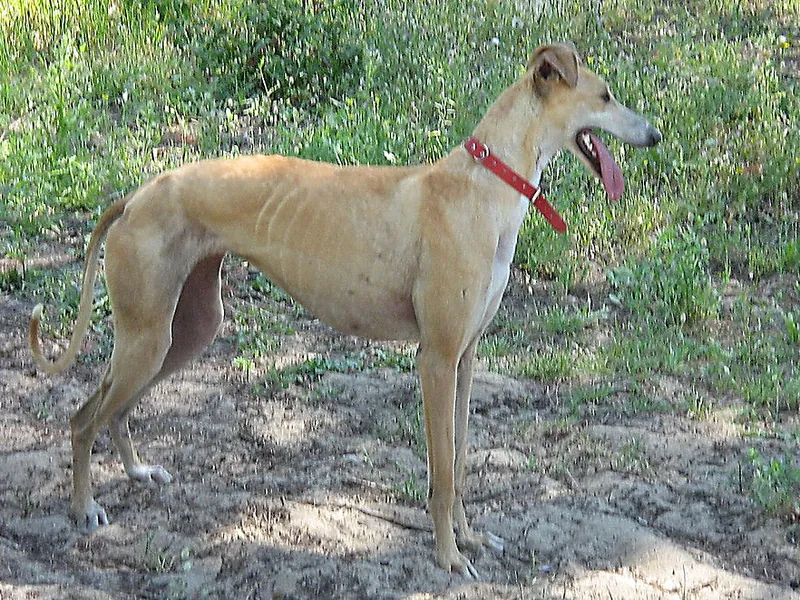
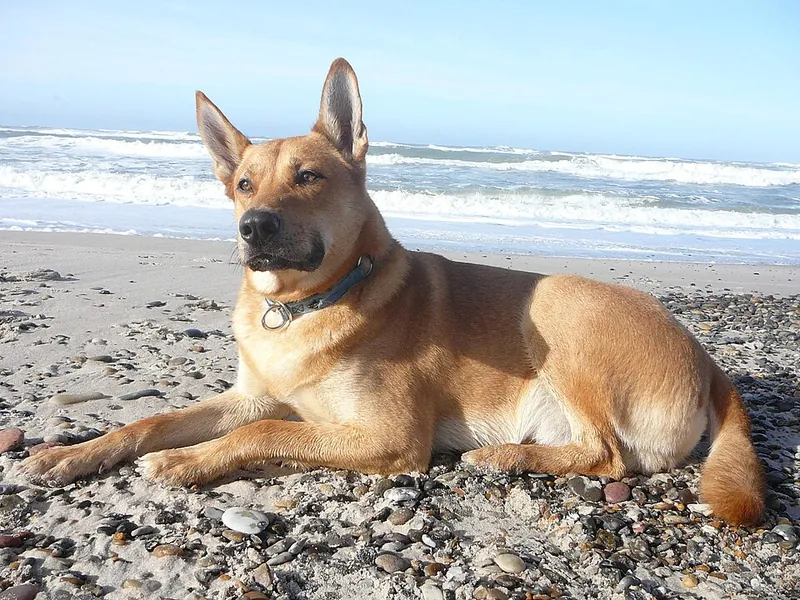
The Carolina Dog is a medium-sized, lightly built primitive dog that resembles the Australian Dingo. Adults stand about 18 to 20 inches at the shoulder and weigh roughly 30 to 55 lb. Males are generally slightly larger and heavier than females.
The body is lean and athletic, with a deep chest, a tucked-up belly and long legs. The head is wedge-shaped with large, erect ears and almond-shaped eyes. The tail is often carried up in a fishhook curve when the dog is alert, and lower when relaxed.
The coat is short and dense, thicker in winter. Ginger to deep red is the most common color, often with pale buff shading on the muzzle, chest, belly and legs. Other colors, including buff, black and tan, and piebald patterns, also occur. Because the breed descends from free-ranging dogs, there is some natural variation in type and color between individuals.
Temperament and Personality
With their own family, Carolina Dogs are loyal, affectionate and often playful. With strangers they are typically shy and suspicious, preferring to watch from a distance. They are alert and will warn of unfamiliar people or animals, though they are not usually a guard dog in the protective sense.
Their behavior still shows traces of a free-living past. They are strongly pack oriented and often do well with other dogs they live with. Many dig shallow pits with their noses, are clean and cautious, and have a strong instinct to hunt small animals such as rodents, rabbits and birds.
Is the Carolina Dog Good for First-Time Owners?
Usually not ideal. The Carolina Dog's independence and natural shyness with strangers suit owners who have experience with primitive or sensitive breeds.
A first-time owner can succeed with patience, a calm home and a commitment to slow, careful socialization. Training must be gentle and reward-based, as pressure can cause the dog to shut down. Secure fencing is essential because Carolina Dogs can dig and jump. Working with a trainer experienced in shy dogs and connecting with the breed community helps first-time owners understand this unusual breed.
Are Carolina Dogs Easy to Train?
Moderately. Carolina Dogs are intelligent and can learn well, but they think for themselves and are sensitive to pressure.
Training works best with calm, patient, reward-based methods and short sessions. Harsh corrections or forceful handling can cause the dog to shut down or lose trust. Basic manners such as sit, come and leash walking are achievable, but recall around wildlife may never be fully reliable. Early, gradual socialization to people, places and sounds is the most important training investment for this breed.
Are Carolina Dogs Good Family Dogs?
They can be, in calm households that respect the dog's need for space. Carolina Dogs are loyal and affectionate with their own family and often playful.
They tend to do best with older, considerate children rather than toddlers, as they may be shy with chaotic activity or unfamiliar children. Frequent visitors can be stressful for a naturally reserved dog. Families should provide a quiet retreat and teach children to let the dog approach on its own terms. In the right home, a Carolina Dog can be a devoted, gentle family companion.
Exercise and Training
Carolina Dogs are athletic and benefit from daily walks, hikes and active play, along with mental tasks such as scent games. They are agile and can jump or dig, so a securely fenced yard is important.
Training should be calm, patient and reward based. They are intelligent and can learn well, but they think for themselves and may shut down under pressure. Early, gradual socialization with people, places and sounds is the most important investment, because natural shyness can become fearfulness without it.
Grooming and Shedding
The short, dense coat is very low maintenance. Weekly brushing removes loose hair, and shedding is moderate with seasonal increases. Most dogs are ginger to red with lighter shading on the muzzle, chest and legs, though other colors occur. The tail often curves up like a fishhook when the dog is alert.
Feeding and Nutrition
Carolina Dogs are lean, athletic dogs that should stay that way. Keep them slim, with ribs easy to feel and a clear waist. Their natural, primitive build means they often look lighter than other breeds of similar height.
Feed puppies three to four meals a day, moving to two meals by about six months. A complete puppy food and steady growth support healthy development.
- Feed adults two measured meals a day and adjust for activity and season.
- Some Carolina Dogs are cautious about new foods or feeding situations, so keep mealtimes calm and predictable.
- In multi-dog homes, feed separately to avoid tension, as some dogs guard food.
- Puzzle feeders and scatter feeding provide natural foraging outlets.
Use high-value, small treats in training, especially when building confidence with strangers or new situations. Count them toward the daily ration.
| Adult weight | Less active | Typical adult | Very active |
|---|---|---|---|
| 30 lb | 690 kcal | 790 kcal | 990 kcal |
| 42 lb | 890 kcal | 1,020 kcal | 1,280 kcal |
| 55 lb | 1,090 kcal | 1,250 kcal | 1,560 kcal |
Estimates use the resting energy formula veterinarians work with (70 × body weight in kg0.75) and standard activity factors. Use the feeding guide on your food as a starting point and adjust to body condition. Puppies, seniors, pregnant animals and pets that need to lose weight have different needs, so ask your vet.
Health and Lifespan
Our sources name no breed-specific inherited diseases, which may reflect both natural selection in the free-living population and limited research. Free-ranging dogs in the region were often infected with heartworm, so year-round heartworm prevention, as advised by your vet, is especially sensible for this breed.
Reliable lifespan data are limited. As with any breed, choose a breeder who performs basic screening such as hips and eyes, or consider a rescue that knows the individual dog's history.
Carolina Dog Price and Cost of Ownership
Carolina Dog puppies are rare, and prices are not widely published. The breed is listed in the AKC Foundation Stock Service and recognized by the United Kennel Club. Prices vary by breeder, region and lines. Some Carolina Dogs or dogs of similar type appear in Southeastern shelters, though confirming breed without pedigree is difficult.
Breed-specific cost drivers include:
- Secure fencing, often taller or with dig guards, for a dog that can jump and dig.
- Year-round heartworm prevention, especially important in the Southeast.
- Training or behavior support for shy dogs.
- Basic health screening such as hip and eye exams when buying from a breeder.
Is the Carolina Dog Right for You?
A Carolina Dog suits owners who want an independent, natural dog and can offer patience, a calm home and plenty of socialization. It often does well with another dog for company.
- Good match: rural or suburban homes, experienced owners, multi-dog households.
- Think twice: busy urban settings with constant strangers, homes with small pets, owners wanting an outgoing social dog.
Carolina Dog Traits at a Glance
Carolina Dog FAQ
What is a Carolina Dog?
It is a primitive breed descended from free-ranging dogs of the southeastern United States, often nicknamed the American Dingo.
How big do Carolina Dogs get?
They stand about 18 to 19.5 inches tall and weigh roughly 30 to 55 lb.
Are Carolina Dogs good with strangers?
They are typically shy and suspicious of strangers, so early socialization is important.
Do Carolina Dogs shed?
They shed moderately, with seasonal increases, but their short coat is easy to care for.
Are Carolina Dogs good with other dogs?
Usually yes. They are strongly pack oriented and often enjoy living with another dog.
Is the Carolina Dog recognized by the AKC?
It is part of the AKC Foundation Stock Service and is recognized by the United Kennel Club.