Hypoallergenic Dog BreedsLow-shedding breeds for people with allergies
Hypoallergenic dog breeds are breeds whose coats shed little or no hair, such as the Poodle, Bichon Frise and Maltese. No dog is truly allergen-free, but a low-shedding coat can mean less hair and dander spread around your home. This page helps allergy sufferers narrow down breeds worth meeting in person.
Top 10 Hypoallergenic Dog Breeds
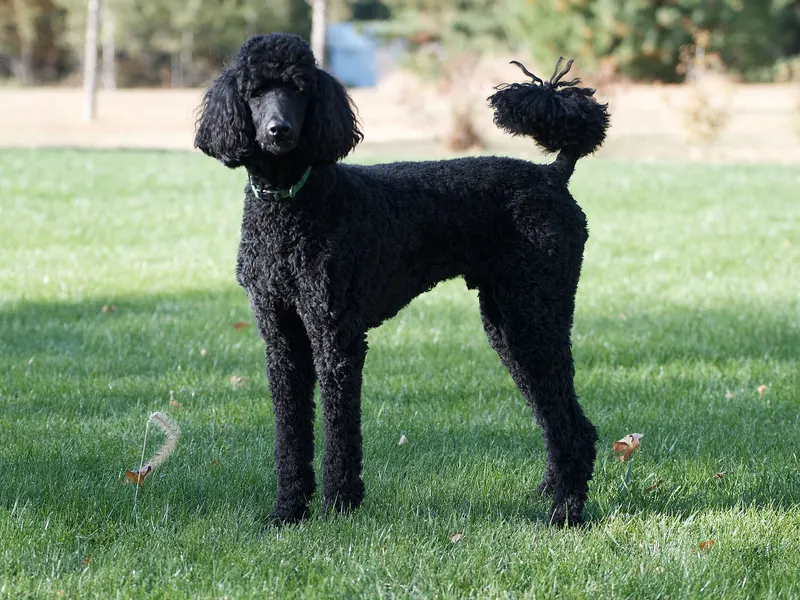
The classic low-shedding breed, offered in toy, miniature and standard sizes, with a tight curly coat and quick mind.
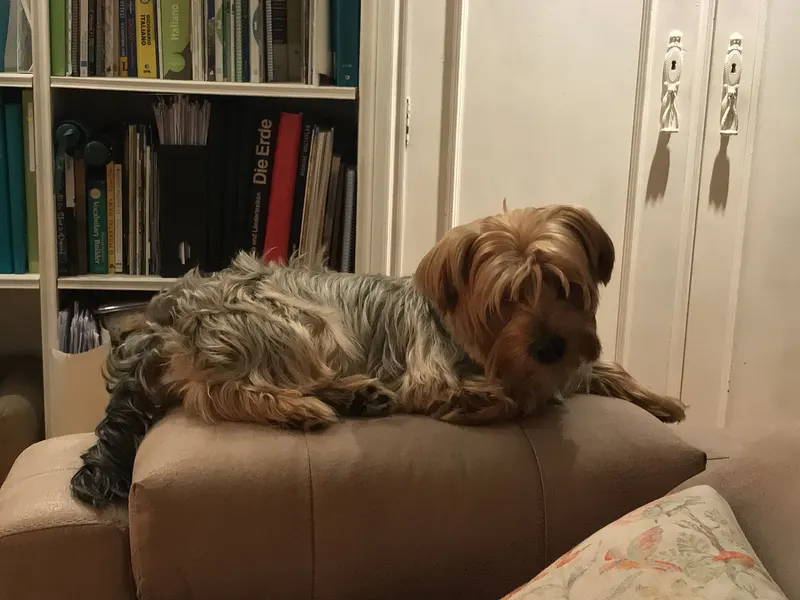
Its fine, hair-like coat sheds little, and the Yorkie packs big terrier character into a very small body.
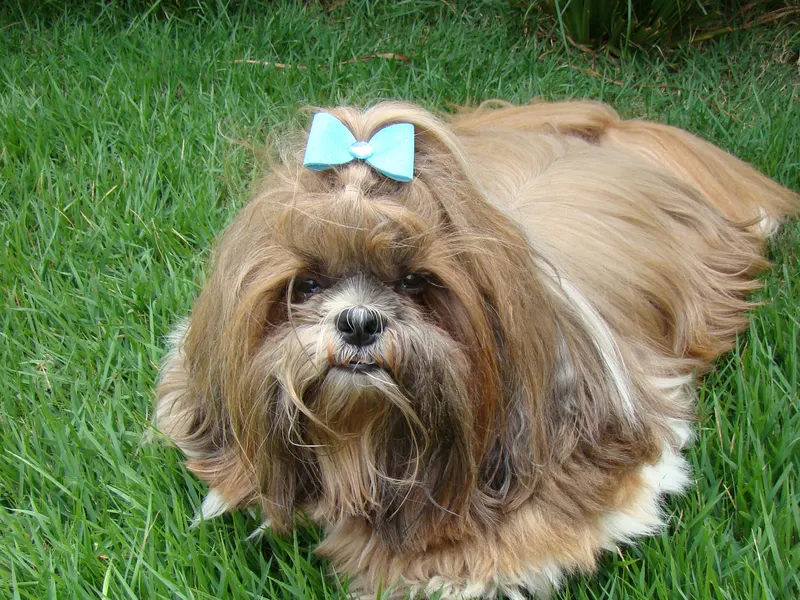
A long, continuously growing coat sheds very little, and the Shih Tzu's calm, friendly nature suits apartments and seniors.
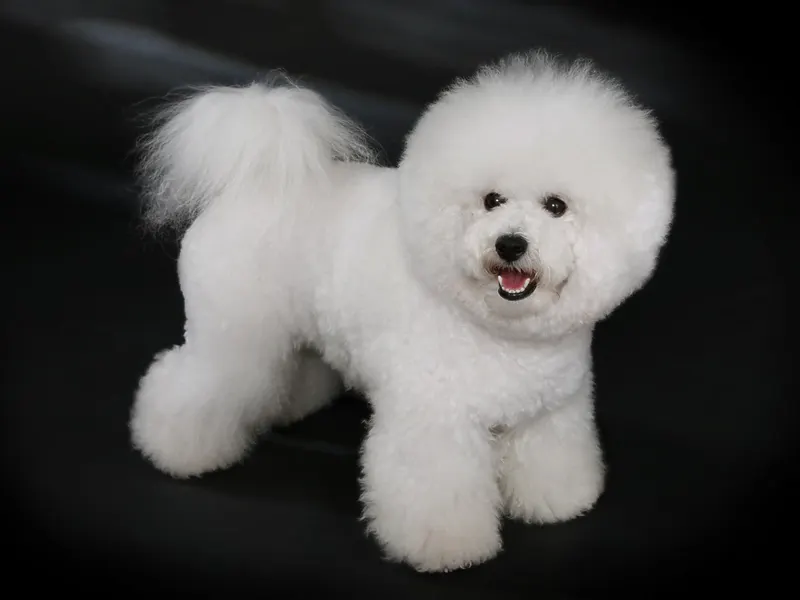
Its dense, curly white coat holds on to loose hair, and the cheerful Bichon is a sociable companion for families.
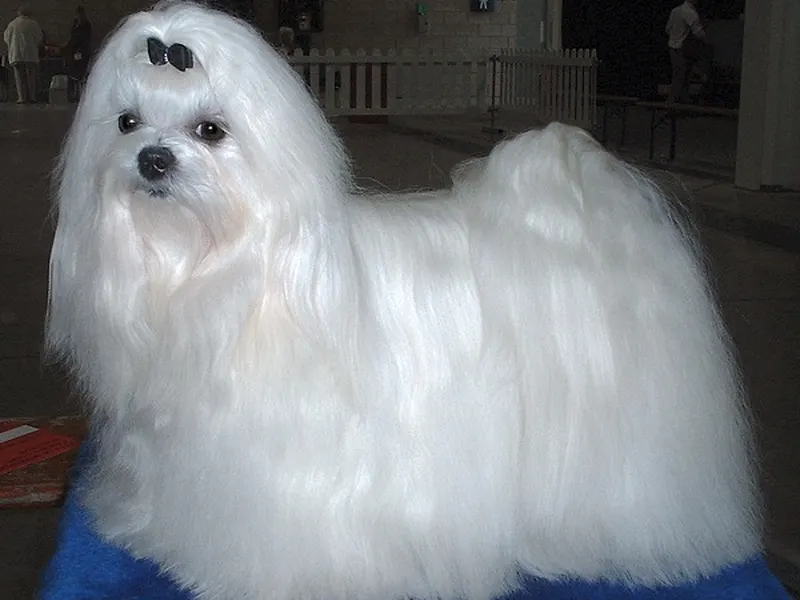
A single-layer silky coat with no undercoat means minimal shedding from this tiny, affectionate lapdog.
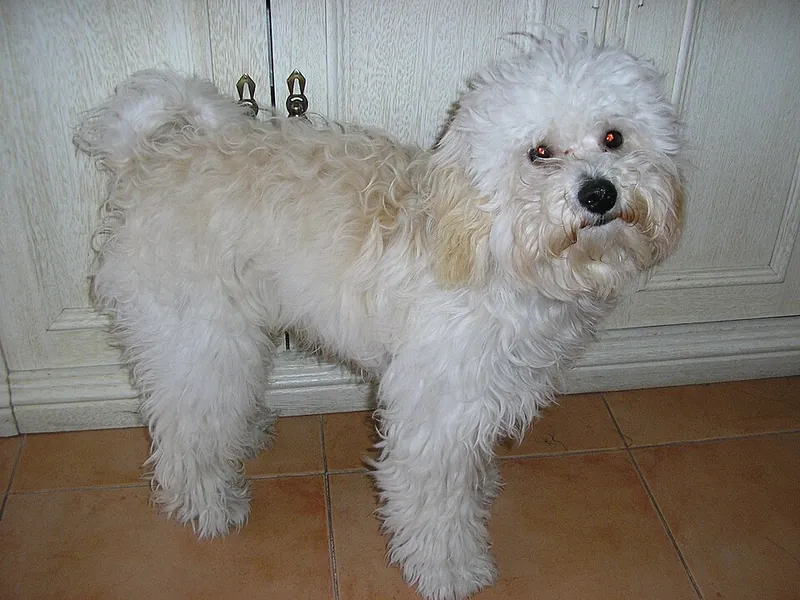
A fluffy, loosely curled single coat and a quiet, devoted temperament make the Bolognese a gentle low-shedding choice.
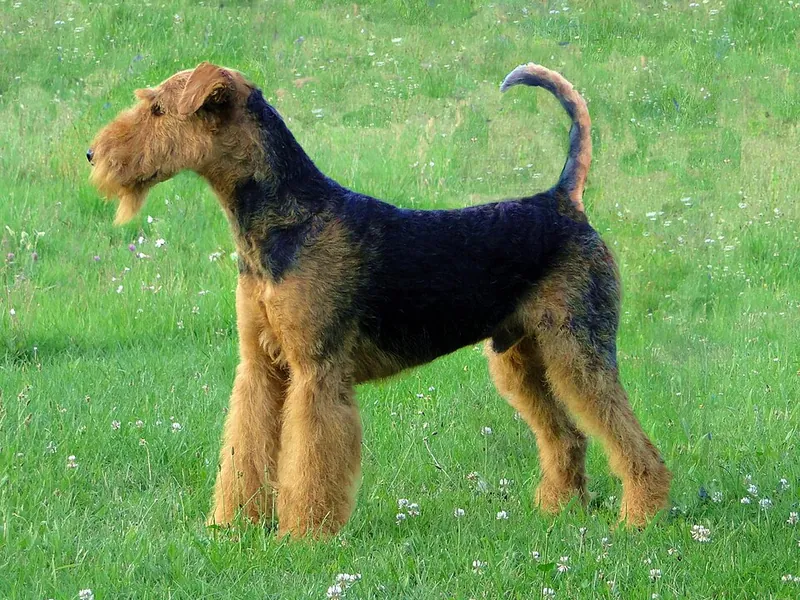
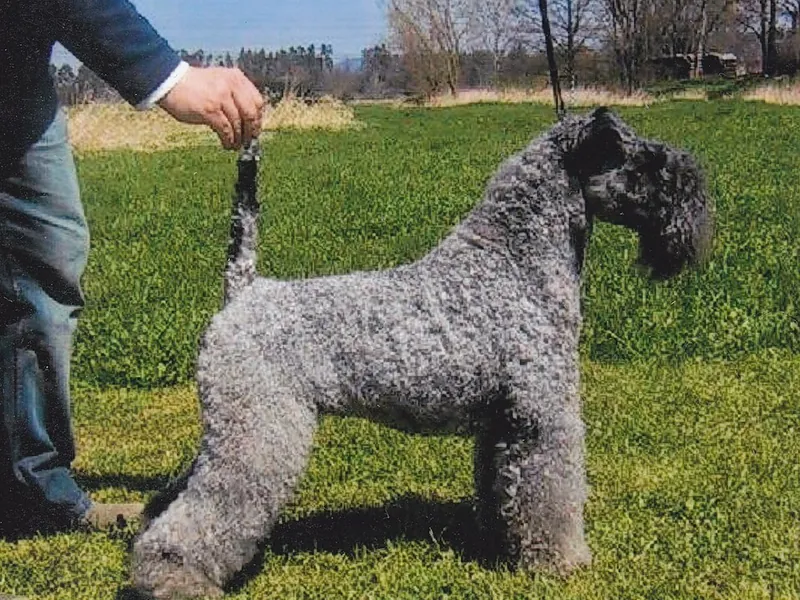
The largest of the terriers offers a wiry, low-shedding coat for people who want a bigger, sporty dog.
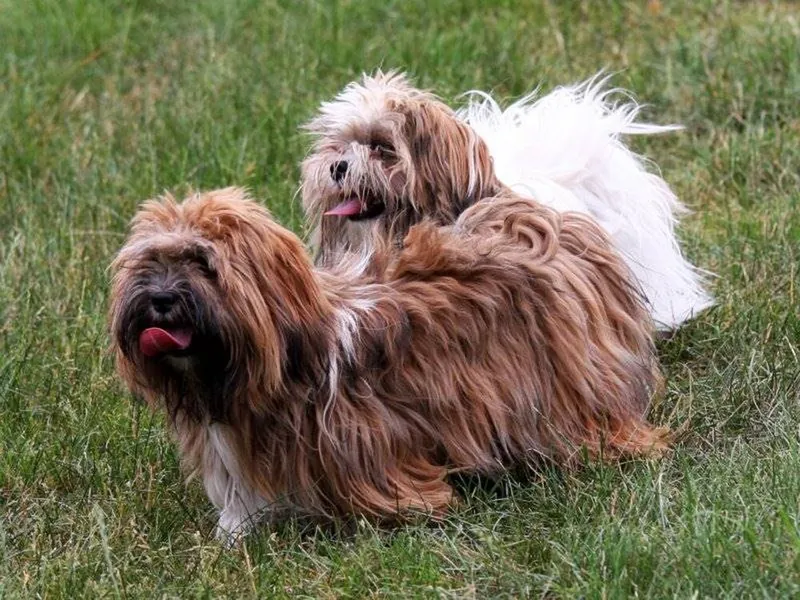
Bred as a Tibetan sentinel, the Lhasa has a heavy but low-shedding coat that needs regular brushing or clipping.
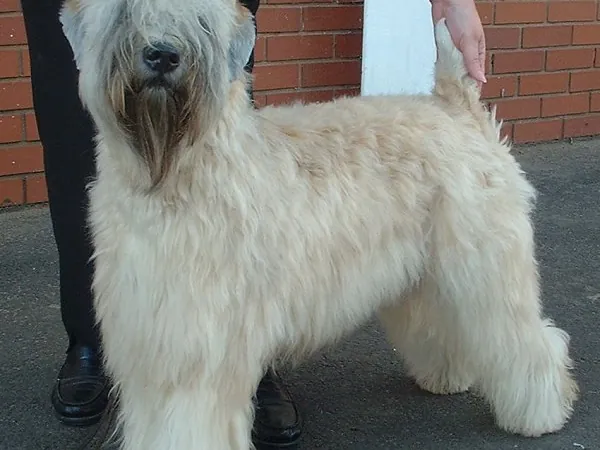
A soft single coat that sheds little, paired with a joyful, people-loving personality and a moderate size.
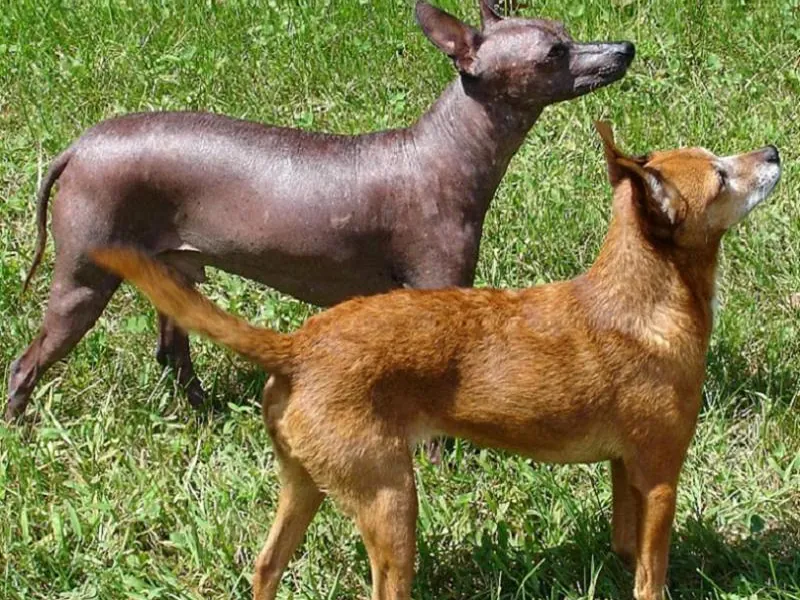
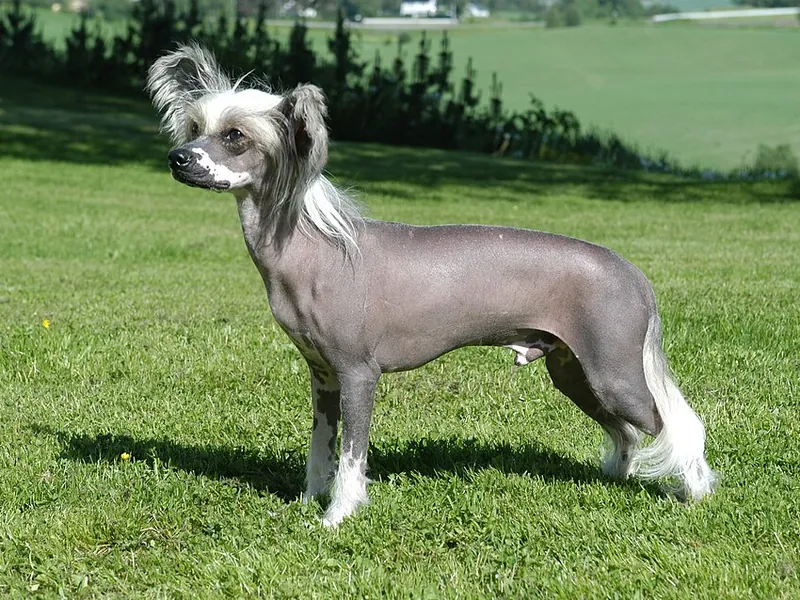
The hairless variety leaves almost no hair behind, though it still produces dander and needs sun protection.
All Hypoallergenic Dog Breeds A to Z
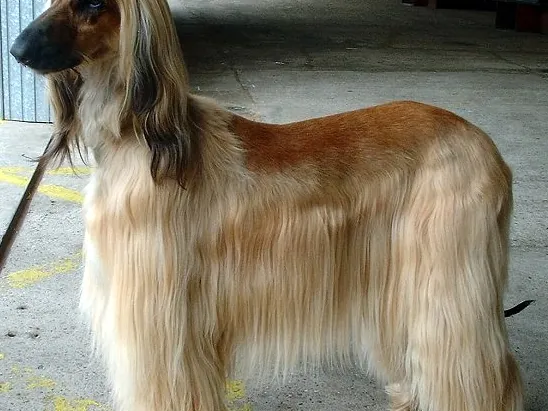
What Hypoallergenic Really Means
Dog allergies are triggered mainly by proteins in skin flakes (dander), saliva and urine, not by hair itself. Every dog produces these proteins, so no breed is completely hypoallergenic. The label is shorthand for breeds that shed less.
Low-shedding coats trap loose hair and dander until the dog is brushed or groomed, so less of it ends up on floors, sofas and clothing. However, research has not consistently found lower allergen levels in homes with so-called hypoallergenic breeds, and reactions vary greatly between people and between individual dogs.
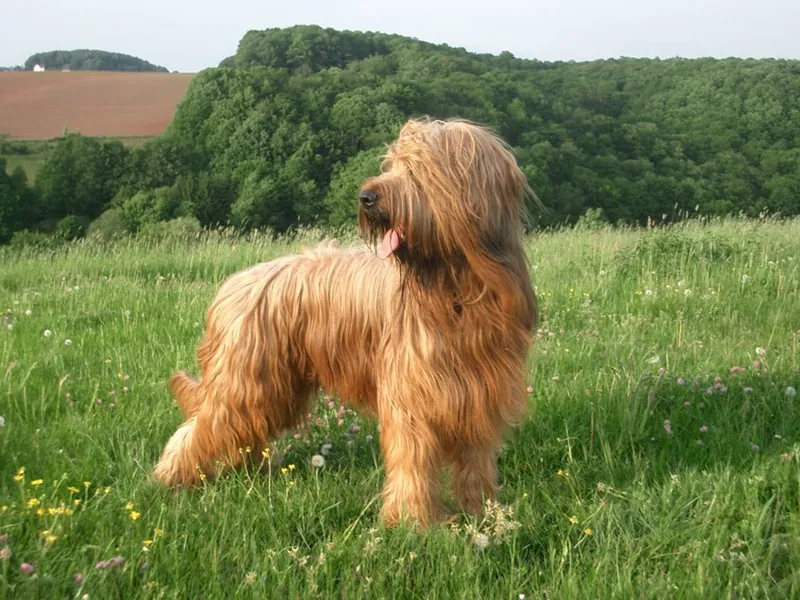
Size plays a role too. A small dog like the Maltese or Bolognese simply produces less dander overall than a large Airedale Terrier or Briard, so many allergy sufferers start with smaller low-shedding breeds.
Coat Types on This List
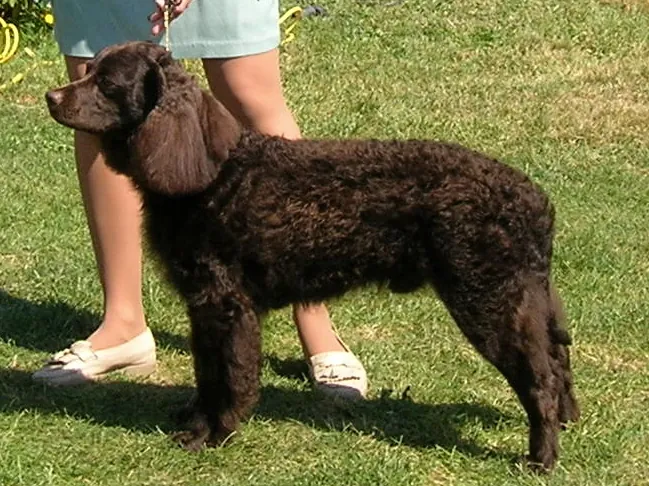
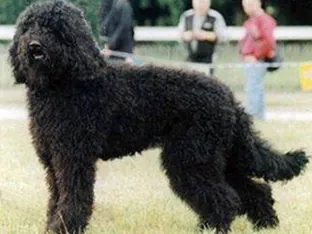
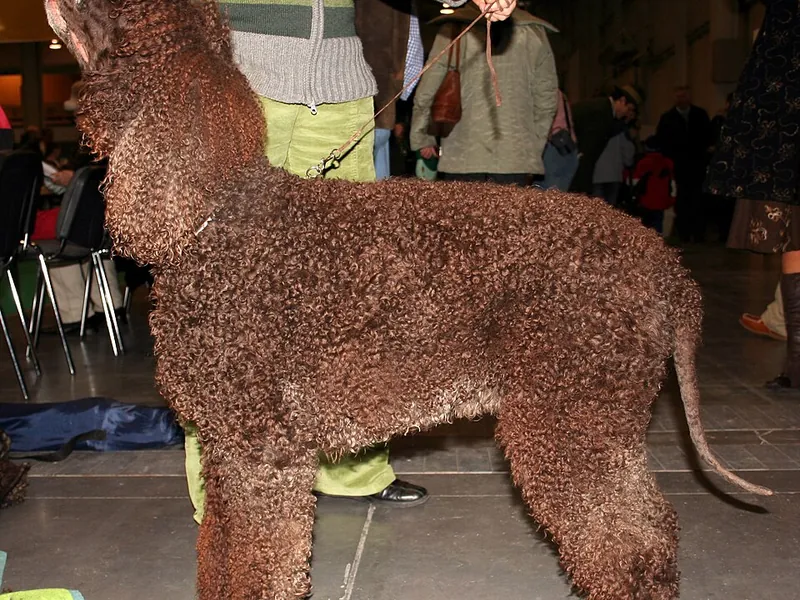
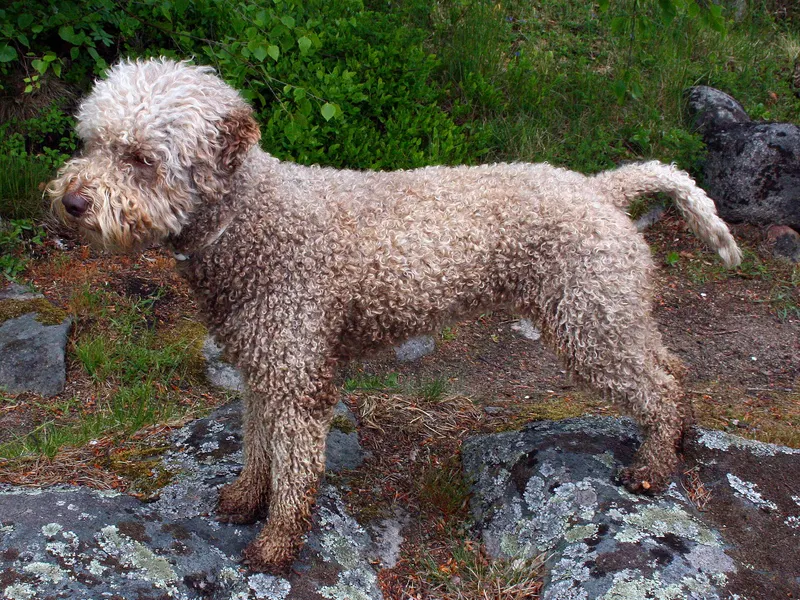
- Curly coats on the Poodle, Lagotto Romagnolo, Spanish Water Dog and Barbet hold on to shed hair and need clipping every few weeks.
- Long silky coats on the Shih Tzu, Maltese, Yorkshire Terrier and Lhasa Apso grow continuously, much like human hair.
- Wiry coats on the Airedale Terrier and Standard Schnauzer shed little when hand-stripped or clipped regularly.
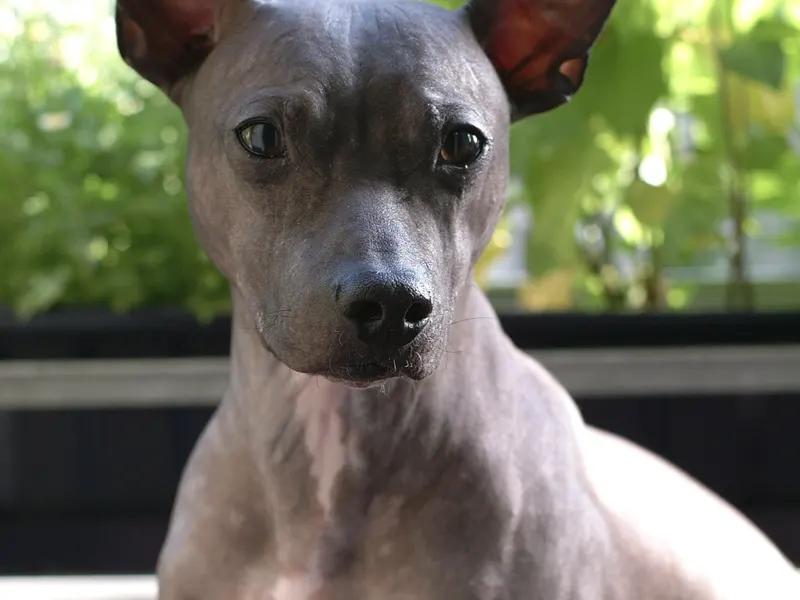
- Hairless breeds like the Xoloitzcuintli, Chinese Crested and Peruvian Inca Orchid have little or no hair, but still produce dander and saliva.
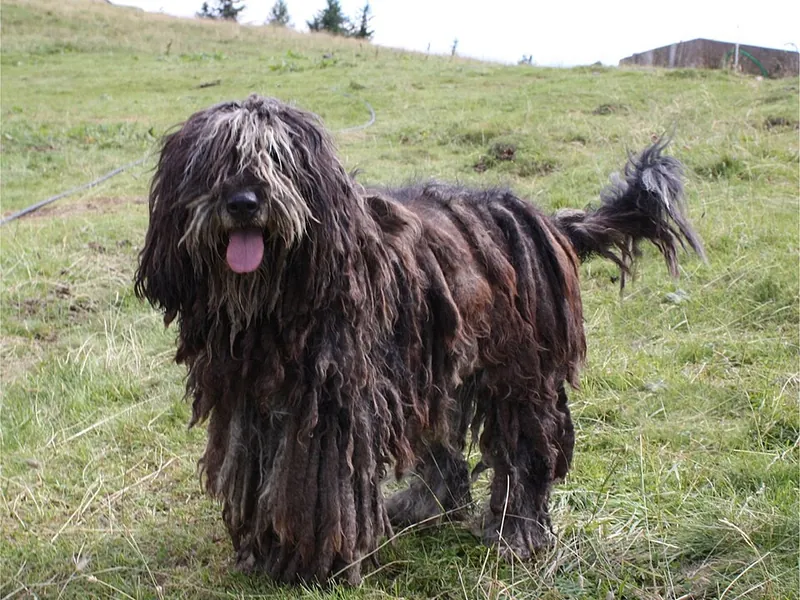
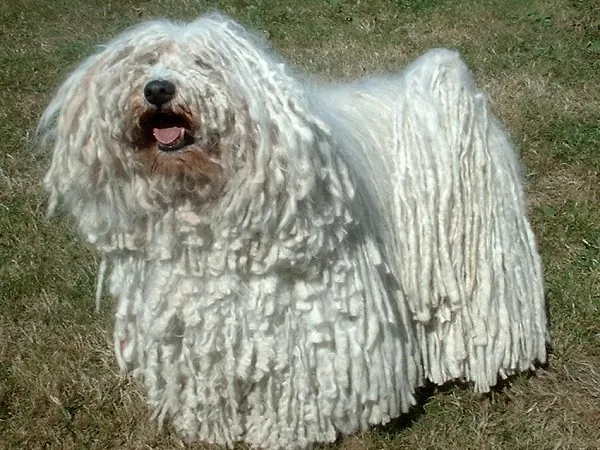
- Corded coats on the Puli and Bergamasco Sheepdog form cords or mats that require specialist care.
How to Test Before You Commit
Spend several hours with adult dogs of the breed, ideally indoors, before bringing a puppy home. Visit more than once, since symptoms can build over time. If possible, meet the specific dog or its parents, because individuals of the same breed can affect you differently.
Talk to an allergist if your symptoms are more than mild, especially if anyone in the household has asthma.
Reducing Allergens at Home
Choosing the right breed is only part of the plan. Regular bathing and brushing, ideally done by someone without allergies, helps remove dander. Keep the dog out of the bedroom, run a HEPA air purifier, wash dog bedding weekly and favor hard floors over carpet where you can.
The Grooming Trade-Off
Low shedding does not mean low maintenance. Most breeds here need brushing several times a week and professional grooming every four to eight weeks to prevent painful mats. Hairless breeds need sun protection outdoors and regular skin care. Factor grooming time and costs into your decision before falling for a fluffy face.
Mixed breeds and doodles are a special case. A cross between a Poodle and a shedding breed can inherit either coat type, so a puppy from such a litter carries no guarantee of low shedding.
Frequently Asked Questions
Are any dogs 100% hypoallergenic?
No. All dogs produce allergenic proteins in their dander, saliva and urine. Low-shedding breeds may simply spread less of it around your home.
What is the best hypoallergenic dog for allergy sufferers?
The Poodle is often recommended because it comes in several sizes and has a tight, low-shedding coat. Still, test your reaction to individual dogs before deciding.
Are hypoallergenic dogs good for people with asthma?
Some people with asthma tolerate low-shedding breeds better, but there is no guarantee. Speak with your doctor or allergist and spend extended time with the breed first.
Are doodles hypoallergenic?
Not reliably. Crosses like Labradoodles can inherit a shedding coat from the non-Poodle parent, so coat type varies even within one litter.
Do hypoallergenic dogs need more grooming?
Usually yes. Coats that don't shed keep growing and need regular brushing plus clipping or trimming every few weeks to prevent matting.
Not sure which breed fits you?
Answer 8 quick questions and get breeds ranked for your home, schedule and experience.