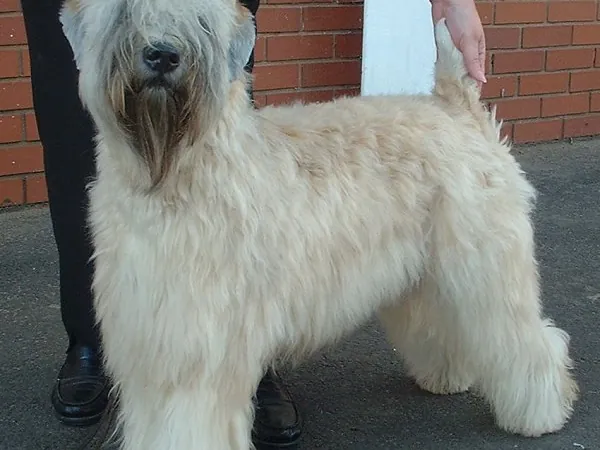
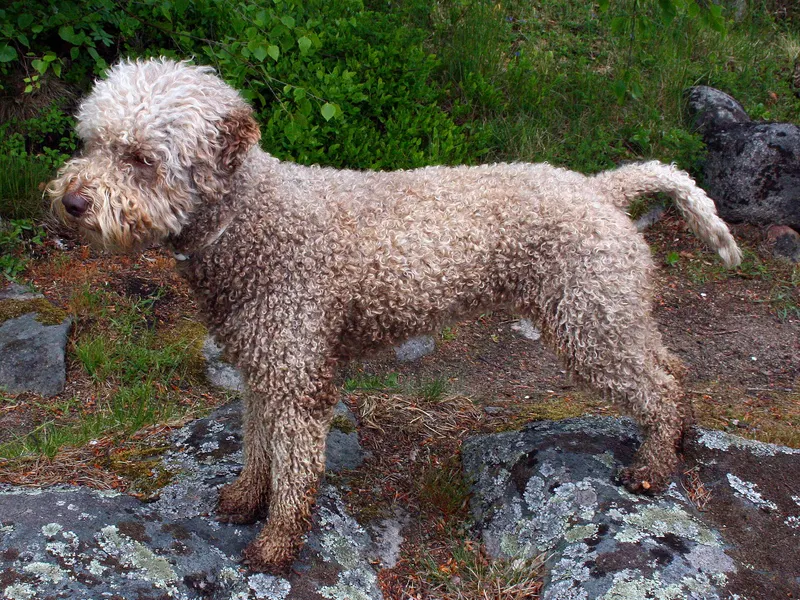
BarbetThe bearded, curly-coated French water dog
The Barbet is a medium-sized French water dog with a dense, woolly coat and the beard that gives it its name. Cheerful, affectionate and eager to work, it retrieves birds from water and makes a warm family companion for active owners who can handle serious grooming.
Why people love the Barbet
- Friendly, gentle and good with children
- Usually sociable with other dogs
- Low-shedding curly coat
- Loves water and outdoor adventures
- Cooperative and food-motivated in training
Things to consider
- Coat mats easily and needs constant care
- Needs regular exercise and swimming outlets
- Rare breed with long waiting lists
- Interest in birds and wildlife affects recall
- Ears and coat trap moisture after swimming
Is this breed right for you?
10 questions · live resultHistory and Origin
The Barbet is one of Europe's old water dog types, recorded in France for centuries. Its name comes from the French word barbe, meaning beard. Hunters used it to retrieve waterfowl from marshes and rivers, and its thick coat protected it from cold water and rough vegetation.
The breed is often described as related to the Poodle and other European water dogs. After the World Wars it came close to disappearing, and a small group of French breeders rebuilt it from the remaining dogs. The AKC recognized the Barbet in the Sporting Group in 2020.
Size, Curly Coat and Colors
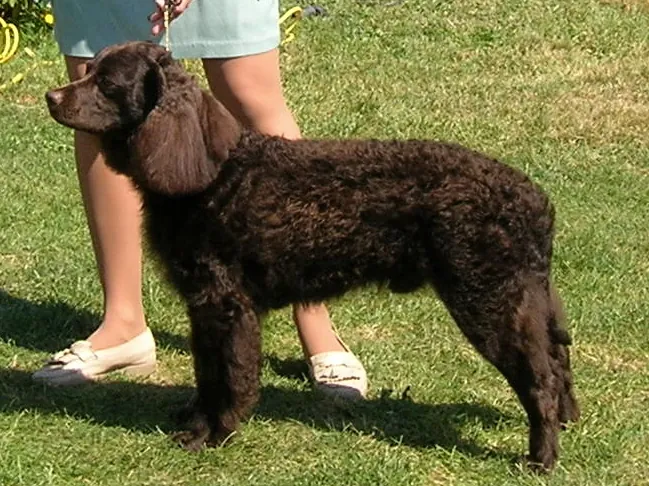
The Barbet is a medium-sized, rustic water dog with a broad, round head, long flat ears and the beard, mustache and eyebrows that give the breed its name. It stands 21 to 26 inches tall and weighs about 35 to 64 lb. Males are larger, typically 23 to 26 inches, while females are about 21 to 24 inches with a lighter frame.
Under the coat the body is athletic and slightly longer than tall, with a strong back and a tail carried above the topline when active. The breed should look natural and unexaggerated, never sculpted like a show Poodle.
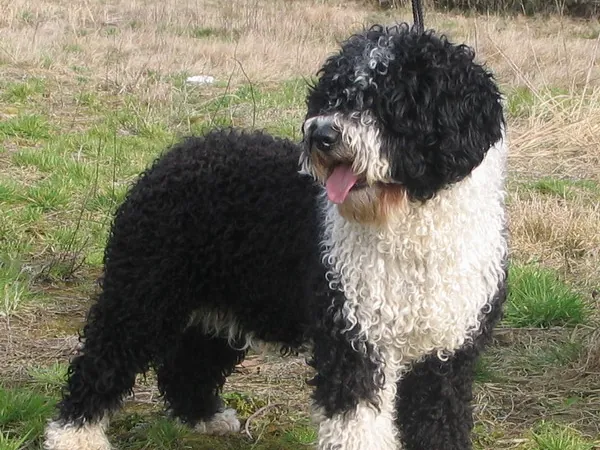
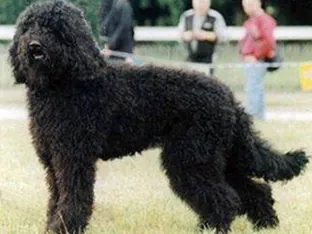
The coat is long, woolly and curly, covering the entire body, and can form loose cords if not maintained. It provides insulation in cold water. Colors include solid black, gray, brown, fawn, sand, white and red, as well as pied (white with patches of color). Small white markings on the chest and feet are acceptable in most solid colors. Puppies often change shade as they mature, especially brown and gray dogs.
Temperament and Personality
Barbets are friendly, playful and gentle, with a calm, people-focused nature at home. They tend to bond with the whole family, are usually good with children and get along with other dogs. Many are friendly toward strangers once introduced.
As a hunting breed, they have a moderate to strong interest in birds and may chase wildlife. They are sensitive and dislike harsh handling, but they learn quickly when training is fun. Most love water and will seek out puddles, ponds and streams.
Barbets are often described as calm and adaptable once mature. They tend to follow family members from room to room and are happiest when included in activities, from hiking to lounging at home.
Is the Barbet Good for First-Time Owners?
Yes, the Barbet can be a good first dog for active owners who are ready for grooming. It is friendly, cooperative, food-motivated and generally easy to train with positive methods.
The biggest learning curve is the coat, not the temperament. Beginners must learn to brush and comb down to the skin weekly and to dry the coat thoroughly after swimming, or mats form quickly. Exercise is the second commitment: about an hour or more each day, ideally with off-leash play in safe areas or swimming. A good breeder will help a novice choose a suitable puppy and teach basic coat care.
Can a Barbet Live in an Apartment?
A Barbet can live in an apartment if it gets plenty of outdoor exercise, but it is happier with easy access to green space and water. Indoors, a well-exercised adult is usually calm and quiet.
The practical challenges are space for a medium to large dog and dealing with a wet, muddy coat after walks. Keep towels and a dryer near the entrance, and choose a building close to parks or trails. Plan at least an hour of activity a day, plus training and sniffing games. A bored, under-exercised Barbet may become restless and noisy in a small space.
Are Barbets Easy to Train?
Yes, Barbets are generally easy to train. They were bred to work closely with hunters, and most are eager to cooperate, food-motivated and quick to pick up new skills.
They are also sensitive, so harsh corrections or a raised voice can make them shut down. Short, fun sessions with treats and play work best. Barbets excel at retrieving, obedience, rally, agility, dock diving and scent work. The one area that needs extra practice is recall around birds and wildlife, since the hunting instinct is real. Use a long line in open areas until recall is reliable.
Exercise and Training
Plan on about an hour or more of daily exercise, including off-leash play in safe areas, swimming and retrieving. Barbets enjoy hunting tests, dock diving, agility, obedience and scent work.
- Use reward-based training; Barbets are cooperative and food-motivated.
- Provide regular swimming opportunities if possible.
- Practice recall around birds and wildlife.
With enough exercise, they are typically relaxed and quiet indoors.
Barbets are adaptable and often enjoy activities like hiking, canoeing and swimming. They can be good partners for outdoor enthusiasts.
Grooming and Shedding
The coat is long, woolly and curly, and it sheds very little, which makes the Barbet popular with allergy-conscious owners. The trade-off is maintenance: the coat mats easily and needs thorough brushing and combing at least weekly, down to the skin.
Plan on trimming every six to eight weeks to keep the coat practical. After swimming, rinse and dry the coat to prevent mats and skin issues, and check and clean the ears, which can trap moisture.
Feeding and Nutrition
Barbets are moderately active dogs that do best at a lean, athletic weight. The curly coat hides body shape, so check for ribs and a waist with your hands rather than relying on looks.
- Feed puppies three or four meals a day, then two meals for adults. Larger males benefit from a large-breed puppy diet to support steady growth.
- Adjust portions to activity: dogs that swim and hunt regularly need more energy than family companions.
- Hip and elbow dysplasia are among the conditions screened for in the breed, so keeping a young dog lean and avoiding rapid growth helps protect joints.
- Wipe the beard after meals and drinking, as wet facial hair can trap food and smell.
Food-motivated Barbets learn quickly, so use part of the daily ration as training rewards. Avoid feeding a large meal right before swimming or hard exercise.
| Adult weight | Less active | Typical adult | Very active |
|---|---|---|---|
| 35 lb | 780 kcal | 890 kcal | 1,110 kcal |
| 50 lb | 1,020 kcal | 1,160 kcal | 1,450 kcal |
| 64 lb | 1,230 kcal | 1,400 kcal | 1,750 kcal |
Estimates use the resting energy formula veterinarians work with (70 × body weight in kg0.75) and standard activity factors. Use the feeding guide on your food as a starting point and adjust to body condition. Puppies, seniors, pregnant animals and pets that need to lose weight have different needs, so ask your vet.
Health and Lifespan
Barbets typically live 12 to 14 years. Because the breed was rebuilt from a small number of dogs, its gene pool is limited. The AKC recommends screening for hip and elbow dysplasia, eye disease such as progressive retinal atrophy, and asking about epilepsy in the lines.
Ear infections can occur in water-loving dogs with hairy ear canals. Choose breeders who carry out health screening and work to maintain genetic diversity.
Barbet Price and Cost of Ownership
Typical breeder price in the US$3,000 to $5,000
A Barbet puppy from a reputable US breeder typically costs about $3,000 to $5,000. Prices vary by breeder, region and lines. The breed is still rare in the US, and many puppies are reserved before birth, so expect a waiting list. Some lines are imported from Europe. Imported puppies add transport and paperwork costs on top.
Rescue Barbets are uncommon, but breed clubs occasionally help rehome adults.
Breed-specific ongoing costs include:
- Professional grooming or trimming every six to eight weeks.
- Good combs, brushes and a high-velocity dryer.
- Ear care supplies and vet visits for ear infections in water-loving dogs.
- Insurance or savings for hip, elbow and eye problems.
Is the Barbet Right for You?
At 35 to 64 lb and 21 to 26 inches, the Barbet suits active families, hunters and people who enjoy outdoor activities, especially around water. It is a good option for allergy-conscious homes willing to commit to grooming.
It is not ideal for apartment living without plenty of exercise, or for owners who cannot invest time and money in coat care.
Because the breed is still uncommon, expect a waiting list with reputable breeders.
Barbet Traits at a Glance
Barbet FAQ
Are Barbets hypoallergenic?
They shed very little, which helps many allergy sufferers, but no breed is completely hypoallergenic.
Do Barbets like water?
Yes. They were bred as water retrievers and most love swimming.
Are Barbets good family dogs?
Yes. They are friendly, gentle and usually good with children and other dogs.
How much grooming does a Barbet need?
Thorough weekly brushing and regular trims every six to eight weeks to prevent mats.
How big do Barbets get?
They stand about 21 to 26 inches tall and weigh around 35 to 64 lb.
How long do Barbets live?
Typically 12 to 14 years.