Lagotto RomagnoloItaly's curly-coated truffle hunter
The Lagotto Romagnolo is a medium-sized Italian water dog that became the world's specialist truffle hunter. Affectionate, trainable and low-shedding, it suits active owners who enjoy scent games and are ready for regular coat care.
Why people love the Lagotto Romagnolo
- Outstanding nose, ideal for scent work and truffle hunting
- Low-shedding curly coat
- Affectionate and usually good with children and pets
- Long-lived, often reaching 15 to 17 years
- Quick learner that responds well to rewards
Things to consider
- Curly coat mats without weekly combing and regular clipping
- Strong urge to dig in gardens and yards
- Some lines are sensitive to noise
- Gets bored with repetitive training
- Ear infections are common after swimming
Is this breed right for you?
10 questions · live resultHistory and Origin
The Lagotto comes from the lowlands and marshes of the Romagna region in northeastern Italy, where it retrieved waterfowl for hunters for centuries. Its name comes from a local dialect word for a water dog. When the marshes were drained in the 19th century, the dogs found a new career: their excellent noses made them ideal for locating truffles in the hills.
By the 1970s the breed had become mixed with other dogs, and Italian enthusiasts began a recovery program. The FCI recognized it in 1995, The Kennel Club later accepted it into the Gundog group, and the AKC recognized it in 2015.
Size, Curly Coat and Colors
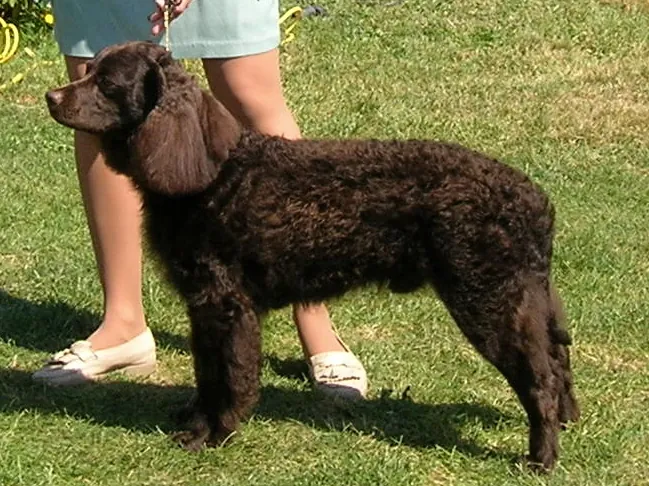
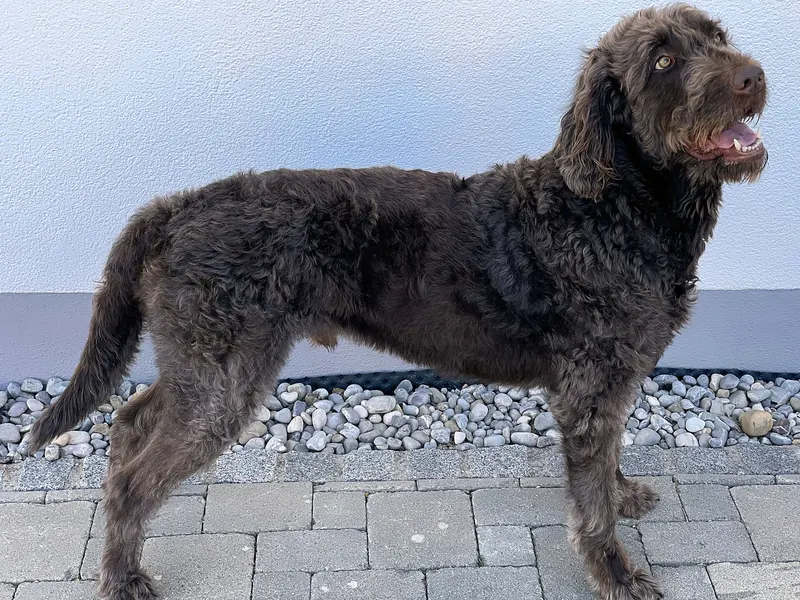
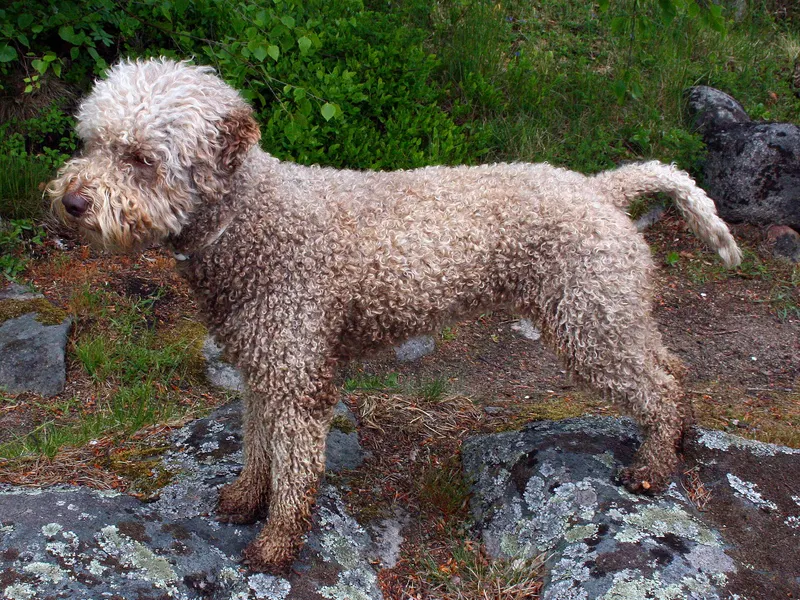
The Lagotto is a small to medium, sturdy, slightly rectangular water dog with a broad head, rounded ears and a rustic, natural look. Adults stand about 16 to 19 inches tall and weigh roughly 24 to 35 lb. Males are typically 17 to 19 inches and up to 35 lb, while females are an inch or so shorter and usually lighter, with a more refined head.
The coat is woolly and dense, forming tight, ring-shaped curls over the whole body except the head, where the curls are looser and form eyebrows, whiskers and a beard. The standard calls for an even clip that follows the dog's outline; sculpted or poodle-style trims are faulted. The coat should never be corded.
Colors: recognized colors include
- solid off-white
- white with brown or orange markings
- brown roan
- brown in various shades, with or without white
- orange, with or without white
Some dogs have a brown to dark brown mask. Black coat or black pigment on the nose, lips or eyelids is not allowed.
Temperament and Personality
Lagotti are affectionate, keen and devoted to their people. They are usually friendly with other dogs and pets, and good with children who respect them, though some can be sensitive to noise and rough handling.
They are watchful and will alert to visitors without being excessive barkers. Many love to dig, a trait linked to truffle work, so a designated digging spot can save your flowerbeds.
Lagotti are often clever problem-solvers who quickly learn to open cupboards or bins. They like to be close to their people and may follow them around the house, which helps in training but means alone-time practice is important from puppyhood.
Are Lagotto Romagnolos Good for First-Time Owners?
Yes, the Lagotto is generally a good breed for first-time owners who are active and willing to learn coat care. It is affectionate, eager to work with people and responds well to reward-based training.
Novices should plan for a few things. The coat needs combing once or twice a week and clipping several times a year, either at a groomer or at home. Lagotti are clever and get bored, so a puppy class followed by nosework or another dog sport helps. Some are sensitive to sudden noises, which makes early, gentle socialization important. Expect digging, and give your dog an acceptable place to do it.
Can a Lagotto Romagnolo Live in an Apartment?
A Lagotto can adapt to apartment life if it gets at least an hour of daily activity and regular mental work. Its moderate size and low shedding help indoors.
The bigger challenge is the breed's need to use its nose and burn energy. Daily scent games, such as hiding treats around the apartment, are easy and effective. Lagotti are alert and may bark at hallway noises, so practice calm responses early. Sound-sensitive individuals may find busy city environments stressful at first, so build exposure gradually. Access to parks or trails for off-leash sniffing in safe areas makes a big difference.
Can Lagotti Be Left Alone?
Adult Lagotti can usually be left alone for a few hours, but they are people-focused and should not be left for full workdays on a regular basis.
Because many Lagotti follow their owners around the house, alone-time training should start early with short absences that grow slowly. Before leaving, give a walk or a sniffing session to tire the brain. Puzzle feeders and lick mats help a bored dog settle. A Lagotto left too long may dig, chew or open cupboards and bins, since the breed is clever at problem solving. For longer days, a dog walker or daycare is a good investment.
Exercise and Training
Plan on at least an hour a day of activity, including walks, play and swimming if available. More important than distance is giving the nose a job. Scent work, nosework classes and hide-and-seek with treats or toys suit the breed perfectly, and some owners even train for truffle hunting.
Lagotti learn quickly and respond well to positive reinforcement. They can get bored with repetition, so keep sessions varied. Socialize puppies well to reduce sound sensitivity.
Many Lagotti also love swimming, a reminder of their water dog past. Dry the coat and ears thoroughly afterward.
Grooming and Shedding
The dense, woolly coat forms tight curls and sheds very little, which can make the breed more comfortable for some allergy sufferers. The coat does need regular care:
- Comb or brush once or twice a week to prevent matting.
- Clip the whole coat to an even length, typically one to two inches, several times a year. The breed standard calls for a natural, rustic look rather than a sculpted poodle cut.
- Check and clean ears regularly, as hair and moisture can lead to infections.
Feeding and Nutrition
Lagotti are medium-sized, long-lived dogs, and keeping them lean throughout life supports their joints and longevity. A fit Lagotto has a visible waist and ribs you can feel easily. Feel through the curls when you assess condition, since the coat hides weight gain.
Puppies: feed a complete puppy diet with steady growth in mind. Three or four meals a day for young puppies can move to two meals for adults.
Urinary health: some Lagotti carry hyperuricosuria, an inherited trait that raises uric acid in the urine and can lead to bladder stones. Ask your breeder for DNA results. If your dog is affected, work with your vet on diet and hydration; do not change protein levels on your own. Plenty of fresh water and frequent bathroom breaks are helpful for all Lagotti.
Treats and nose work: scent games are the core of this breed's enrichment and often use food. Measure out part of the daily ration for searches, hide-and-seek and training so treats do not add extra weight. Avoid letting a Lagotto eat things it finds while foraging outdoors, including mushrooms.
| Adult weight | Less active | Typical adult | Very active |
|---|---|---|---|
| 24 lb | 590 kcal | 670 kcal | 840 kcal |
| 35 lb | 780 kcal | 890 kcal | 1,110 kcal |
Estimates use the resting energy formula veterinarians work with (70 × body weight in kg0.75) and standard activity factors. Use the feeding guide on your food as a starting point and adjust to body condition. Puppies, seniors, pregnant animals and pets that need to lose weight have different needs, so ask your vet.
Health and Lifespan
Lagotti are long-lived, often 15 to 17 years. Inherited conditions with DNA tests available include:
- Lagotto storage disease, a progressive neurological disorder
- Benign familial juvenile epilepsy, causing seizures in puppies that usually resolve
- Hyperuricosuria, which can lead to bladder stones
- Cerebellar abiotrophy, affecting coordination
Hip dysplasia also occurs. Ask breeders for DNA results and hip scores for both parents.
Lagotto Romagnolo Price and Cost of Ownership
Typical breeder price in the US$2,500 to $4,500
A Lagotto Romagnolo puppy from a reputable US breeder typically costs around $2,500 to $4,500. Prices vary by breeder, region and lines, and demand often exceeds supply, so waiting lists are common. Ask for hip scores and DNA results for Lagotto storage disease, juvenile epilepsy, hyperuricosuria and cerebellar abiotrophy.
Adoption is possible but rare; breed clubs sometimes help rehome adults.
The main ongoing cost driver is coat care. Many owners book a professional clip every two to three months, and some learn to clip at home with good equipment. Ear cleaning supplies and treatment for ear infections are common expenses for dogs that swim. Nosework or truffle-hunting classes are optional but highly rewarding for this breed. Insurance is worth considering for inherited conditions, particularly before any symptoms appear.
Is the Lagotto Romagnolo Right for You?
A Lagotto suits active families and individuals who enjoy outdoor activity and nose work, and who can commit to grooming. It adapts to suburban living with enough exercise. It is less suited to owners who are away for long hours or who want a dog that needs little coat care.
If you have a garden, expect some digging. Many owners create a sandpit or hide treats in a designated area to satisfy the breed's urge to search and dig.
Lagotto Romagnolo Traits at a Glance
Lagotto Romagnolo FAQ
Are Lagotto Romagnolos hypoallergenic?
No dog is truly hypoallergenic, but Lagotti shed very little and many people with mild allergies tolerate them well.
How big do Lagotti get?
They stand about 16 to 19 inches tall and weigh roughly 24 to 35 lb.
Can a Lagotto Romagnolo really find truffles?
Yes. The breed is widely used for truffle hunting in Italy and its standard describes it as a truffle-searching dog.
Are Lagotti good family dogs?
Yes, they are affectionate and usually good with children and other pets.
How long do Lagotto Romagnolos live?
Typically 15 to 17 years.