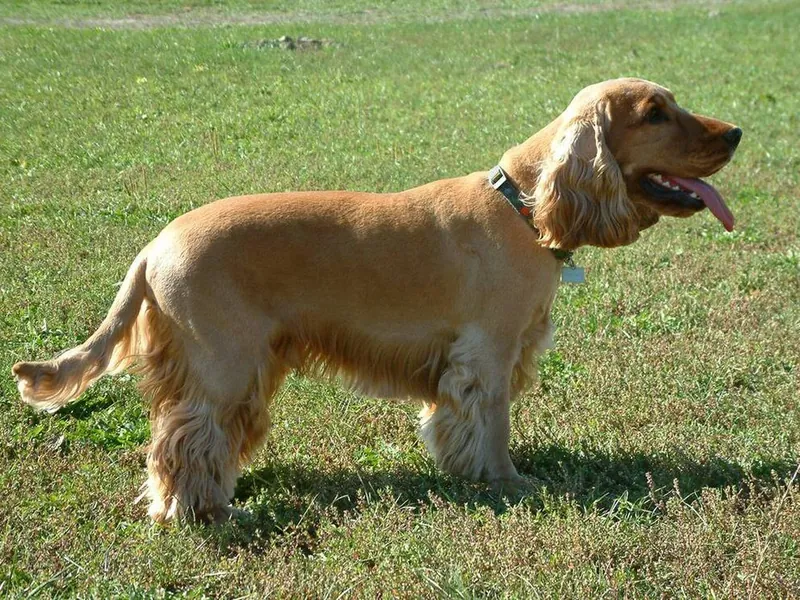
CockapooAffectionate Cocker Spaniel and Poodle cross
The Cockapoo combines the Cocker Spaniel and the Poodle to create a smart, people-loving companion. It is affectionate and trainable, but it needs regular grooming, plenty of activity and company to thrive.
Why people love the Cockapoo
- Affectionate, friendly companion for many homes
- Quick learner with positive training
- Often low-shedding, though not guaranteed
- Adaptable size for apartments and houses
- Usually good with children and other pets
Things to consider
- Coat mats easily and needs regular professional grooming
- Prone to separation anxiety
- Ear infections and allergies are common
- Size, coat and temperament vary between litters
- Not reliably hypoallergenic
Is this breed right for you?
10 questions · live resultHistory and Origin
Cockapoos were first bred in the United States in the 1950s and 1960s, making them one of the oldest designer crosses. Breeders crossed American or English Cocker Spaniels with Miniature or Toy Poodles to produce a friendly, low-shedding companion. In Australia the cross is often called a Spoodle.
The Cockapoo is not recognized by the AKC, The Kennel Club or the FCI. Some clubs maintain registries, and breeders may produce first-generation or multi-generation dogs. Temperament, size and coat vary depending on the parents.
Breeders use a range of terms: an F1 Cockapoo is a first cross, an F1B is a cross back to a Poodle, and multigen dogs come from Cockapoo-to-Cockapoo breedings. Each generation can produce different coat types and sizes, so ask the breeder what to expect.
Sizes, Coat Types and Colors
Because the Cockapoo is a cross rather than a standardized breed, its appearance varies. Most adults weigh about 18 to 33 lb, depending on the size of the Poodle parent. Breeders often describe sizes like this:
- Toy: the smallest, from a Toy Poodle parent, usually under the typical range.
- Miniature: the most common size, at the lower end of the range.
- Standard or maxi: larger dogs at the upper end.
Males are often slightly larger than females from the same litter.
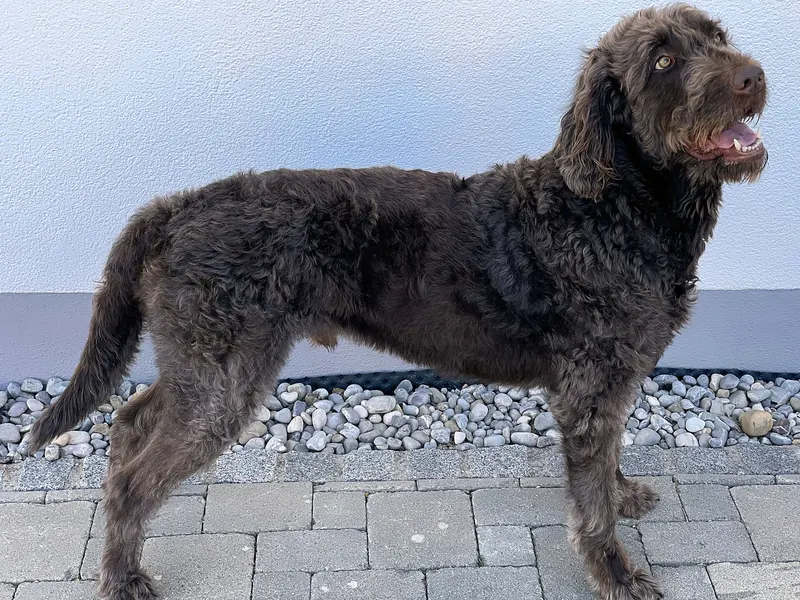
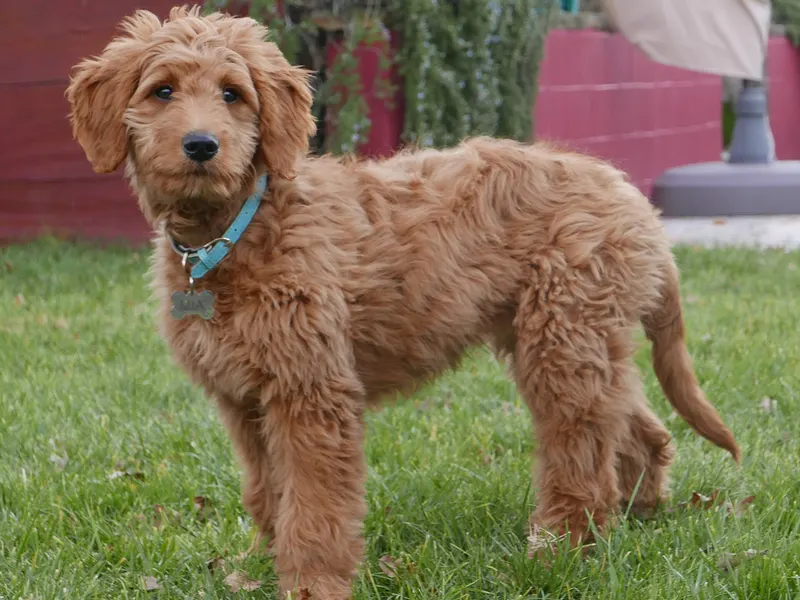
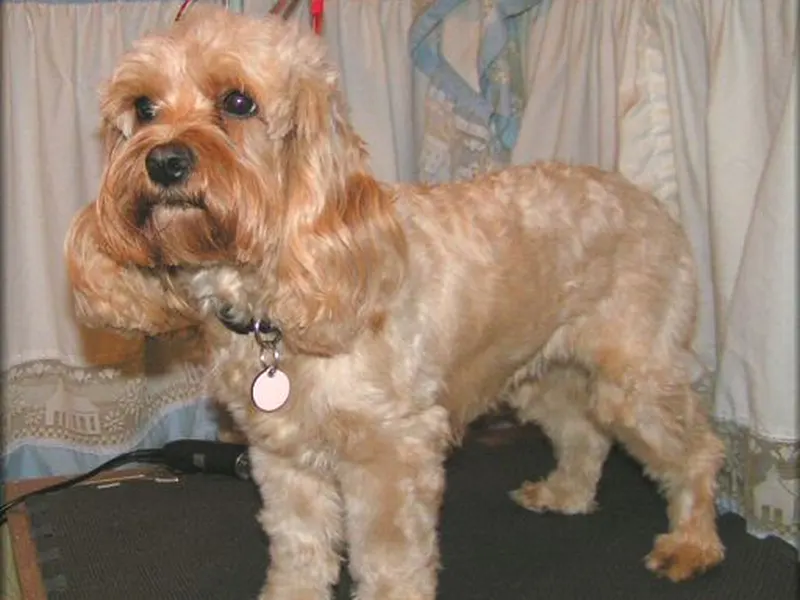
The coat can be curly (closer to the Poodle), wavy or fleece (the most popular look) or straighter (closer to the Cocker). Curlier coats tend to shed less but mat more.
Colors include black, chocolate, red, apricot, buff, cream, white and sable, as well as parti (white with patches), tuxedo and phantom (black or chocolate with tan points). Merle also occurs; reputable breeders avoid merle-to-merle pairings because of health risks. Faces range from a fluffy teddy look to a cleaner spaniel expression with long ears.
Temperament and Personality
Cockapoos are affectionate, friendly and intelligent. They love being with their people and often follow them from room to room. Most are sociable with other dogs and pets.
Separation anxiety is common, and many Cockapoos struggle when left alone. They are active and curious and need regular mental stimulation. Temperament varies, depending on whether the Cocker Spaniel parent comes from working or show lines.
Both parent breeds were bred to work closely with people, so Cockapoos tend to be eager to please and sensitive to tone of voice. Many love carrying toys and greeting visitors enthusiastically, so polite greetings should be taught early.
Are Cockapoos Good for First-Time Owners?
Yes, Cockapoos are often a good first dog. They are friendly, eager to please and adapt to many lifestyles.
First-time owners should still be ready for grooming, which is more work than many expect: brushing several times a week and a professional trim every six to eight weeks. Separation anxiety is another common issue, so alone-time training should start early. Daily exercise of about an hour, plus mental stimulation, keeps a Cockapoo happy. Choose a breeder who health-tests both parents, or consider a rescue Cockapoo whose temperament is already known.
Do Cockapoos Bark a Lot?
Cockapoos are moderate barkers. Most bark to alert, greet or express excitement, and some bark more when bored or left alone.
Barking often increases with separation anxiety, which is common in the breed, and with too little exercise. To keep it manageable:
- Teach a quiet cue and reward calm behavior.
- Build alone-time skills gradually from puppyhood.
- Provide daily walks, play and puzzle toys.
Cockapoos from working Cocker lines may be more energetic and vocal than those from show lines. Doorbell barking usually responds well to teaching the dog to go to a mat when visitors arrive.
Are Cockapoos Easy to Train?
Yes, Cockapoos are usually easy to train. Both parent breeds are intelligent and people-focused, and most Cockapoos respond well to positive reinforcement.
They are sensitive to tone, so gentle methods work best. Food and play rewards are highly effective. Early training priorities include:
- Calm greetings, since many love to jump on visitors.
- Recall, especially for dogs with strong spaniel instincts.
- Alone-time training to prevent separation anxiety.
- Accepting grooming and handling of ears and paws.
Many Cockapoos enjoy tricks, agility and scent work.
Exercise and Training
Plan for about an hour of exercise a day, including walks, play and training games. Many Cockapoos enjoy retrieving, swimming and scent work. Working Cocker lines may need more.
They are quick learners and respond well to positive reinforcement. Early training in recall, calm greetings and alone time helps prevent common problems.
- Use scent games and puzzle toys to tire the brain on rainy days.
- Practice calm settling after play.
- Start alone-time training with short absences in puppyhood.
Grooming and Shedding
The coat can be wavy, curly or straighter. Most shed little but mat easily, so brush several times a week, ideally daily, and plan for a professional trim every six to eight weeks. Check ears weekly, as Cockapoos are prone to ear infections.
Many Cockapoos go through a coat change between about 8 and 12 months, when the puppy coat is replaced by the adult coat and matting increases. Teach puppies to accept brushing, handling of paws and ears and grooming tools early.
Feeding and Nutrition
Because Cockapoos vary in size, portions should match the individual dog's weight and activity rather than a breed average. Keep your Cockapoo lean: you should feel ribs easily under the coat, which can hide extra weight. Both parent breeds are prone to weight gain, and Cocker Spaniels in particular are enthusiastic eaters.
- Feed adults two meals a day; puppies three or four smaller meals.
- Toy-sized puppies need frequent meals to avoid low blood sugar.
- Count treats as part of the daily food.
Skin and ear problems, often linked to allergies, are common. If your Cockapoo has itchy skin, red ears or recurrent ear infections, your vet may suggest an elimination diet trial to check for food allergies. Avoid frequent diet changes without guidance.
Some Cockapoos have sensitive digestion. Introduce new foods gradually over a week. Dental care matters, especially in smaller dogs with crowded teeth, so include brushing in the routine. Puzzle feeders can help with mental stimulation, especially for dogs prone to boredom.
| Adult weight | Less active | Typical adult | Very active |
|---|---|---|---|
| 18 lb | 470 kcal | 540 kcal | 680 kcal |
| 26 lb | 620 kcal | 710 kcal | 890 kcal |
| 33 lb | 750 kcal | 850 kcal | 1,070 kcal |
Estimates use the resting energy formula veterinarians work with (70 × body weight in kg0.75) and standard activity factors. Use the feeding guide on your food as a starting point and adjust to body condition. Puppies, seniors, pregnant animals and pets that need to lose weight have different needs, so ask your vet.
Health and Lifespan
Cockapoos can inherit conditions from both parent breeds. Common problems include ear and skin conditions (often allergic), digestive issues and progressive retinal atrophy. Hip dysplasia, luxating patellas and familial nephropathy, a kidney disease of Cocker Spaniels, are also seen in the parent breeds.
Ask for health tests for both parents, including eye checks and relevant DNA tests. Cockapoos typically live 12 to 16 years.
Because many Cockapoos have hairy, drop ears, check and clean them weekly and after swimming. Skin and ear allergies often respond well to early veterinary management.
Cockapoo Price and Cost of Ownership
Typical breeder price in the US$1,000 to $3,000
A Cockapoo puppy from a reputable US breeder typically costs about $1,000 to $3,000. Prices vary by breeder, region and lines, and size, coat type and generation (F1, F1B, multigen) can affect price. Ask for health tests on both parents, including eye exams, PRA DNA tests and hip evaluations. Be cautious of sellers who guarantee a non-shedding or hypoallergenic coat.
Cockapoos often appear in rescues and shelters, and doodle-specific rescues exist in many areas.
Breed-specific ongoing costs include:
- Professional grooming every six to eight weeks.
- Vet visits for ear infections and skin allergies.
- Training or behavior support for separation anxiety.
- Pet insurance to cover allergy management.
Is the Cockapoo Right for You?
The Cockapoo suits families, couples and first-time owners who want an affectionate, trainable companion and can provide daily exercise and grooming.
It is not ideal for homes where the dog would be alone all day. Allergy sufferers should not assume a Cockapoo is hypoallergenic.
When choosing a puppy, meet both parents, ask for health certificates and avoid sellers who cannot show the parents or who guarantee a non-shedding coat. A Cockapoo from a rescue or rehoming organization can also be a good option.
Cockapoo Traits at a Glance
Cockapoo FAQ
Are Cockapoos good family dogs?
Yes, they are affectionate and usually good with children and other pets, provided they get enough exercise and company.
How big do Cockapoos get?
Most weigh about 18 to 33 lb, depending on the size of the Poodle and Cocker Spaniel parents.
Are Cockapoos hypoallergenic?
Not reliably. Many shed little, but allergens are also in dander and saliva.
Do Cockapoos need a lot of grooming?
Yes. Brush several times a week and plan for a professional trim every six to eight weeks.
Can Cockapoos be left alone?
Many struggle with separation anxiety. Train gradual alone time and avoid long absences.
How long do Cockapoos live?
Cockapoos typically live 12 to 16 years.