Curly-Haired Dog BreedsTight curls, soft waves and water dogs
Breeds qualify for this list when their coat naturally forms curls or tight waves, from the corded curls of the Poodle to the dense ringlets of the Curly-Coated Retriever. It helps anyone drawn to curly dogs understand the grooming commitment and why curly coats are often recommended for people who dislike shedding.
Top 10 Curly-Haired Breeds
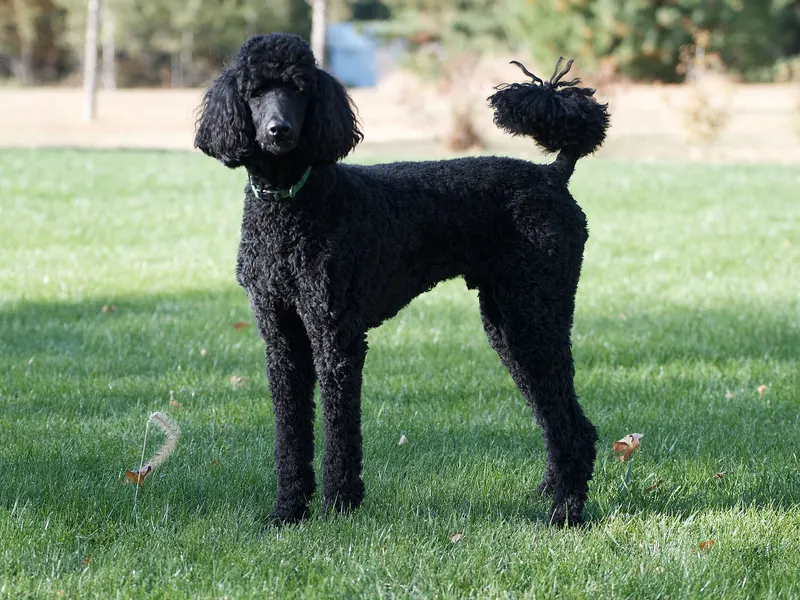
The archetypal curly dog, the Poodle comes in three sizes and its coat keeps growing without heavy shedding.
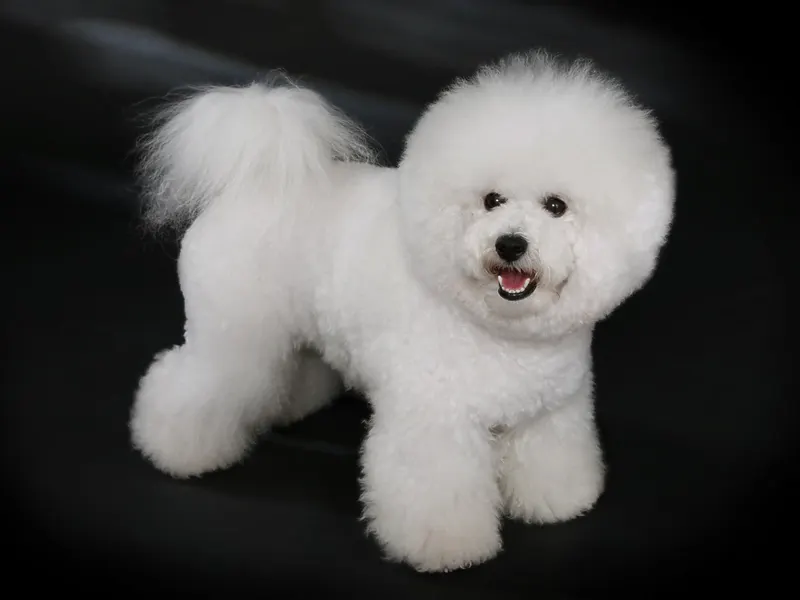
Soft, corkscrew curls over a dense undercoat give the Bichon its powder-puff look and low shedding.
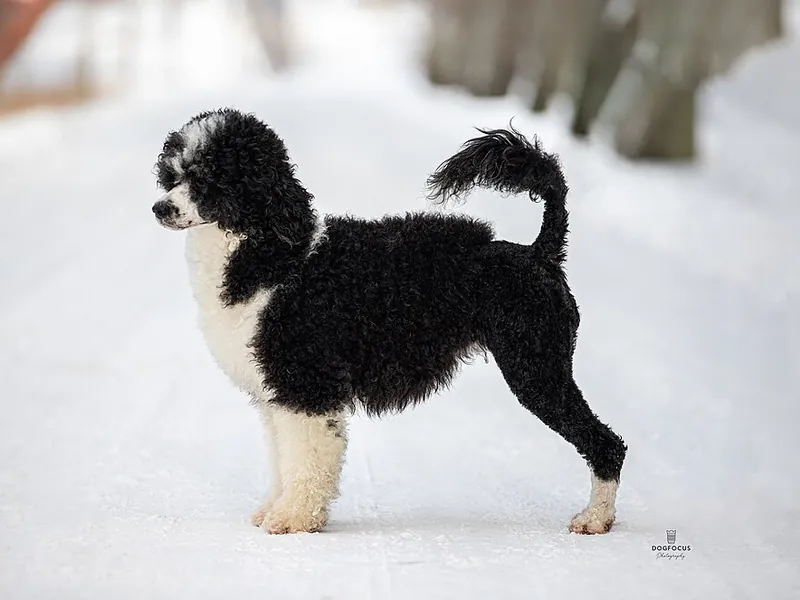
A fisherman's helper with either curly or wavy waterproof coat, energetic and keen to swim.
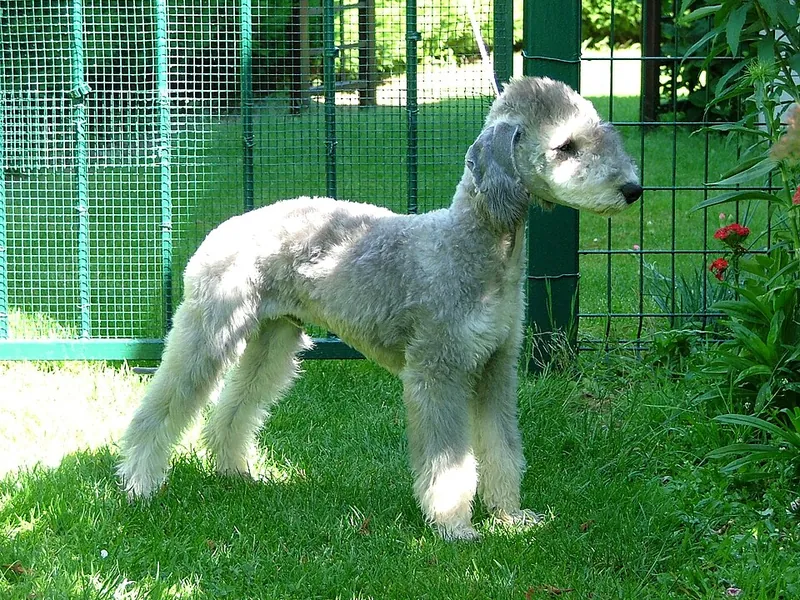
Its soft, crisp curls and arched back make the Bedlington look lamb-like, but it is a quick terrier.
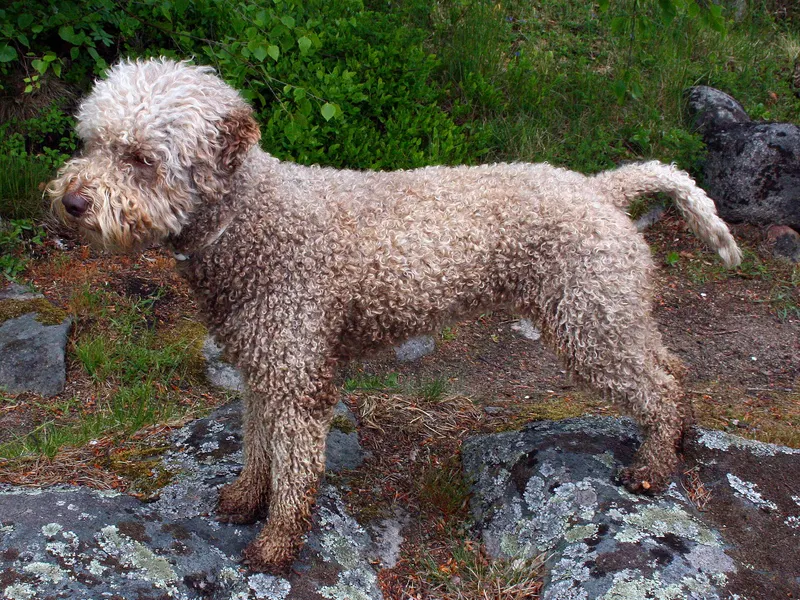
Italy's truffle-hunting dog has dense woolly curls and a superb nose.
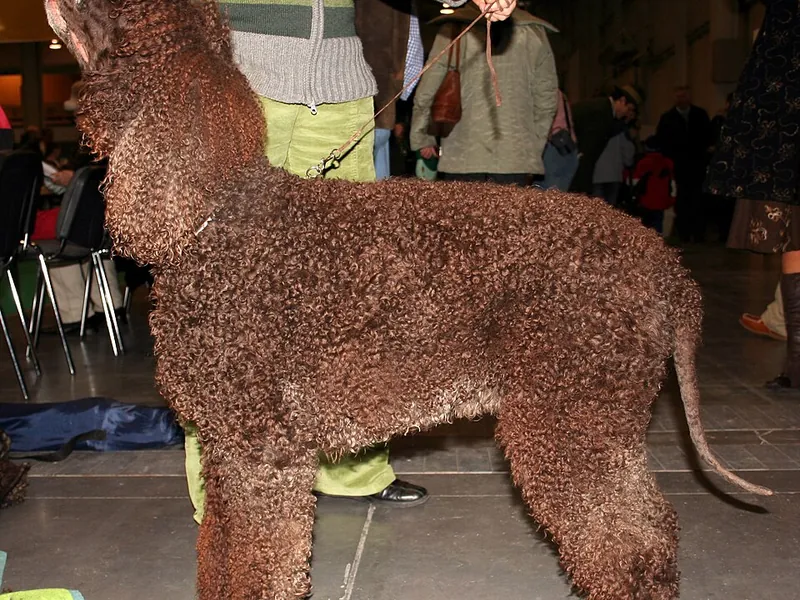
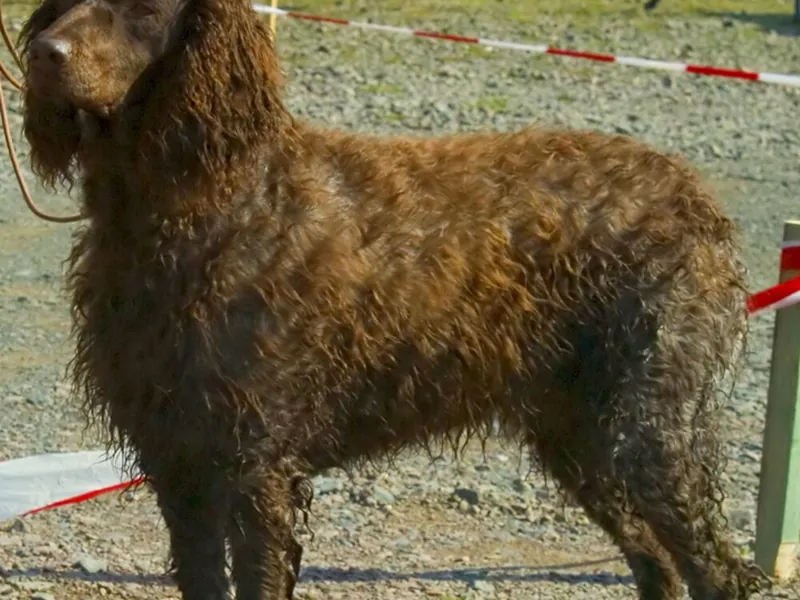
The tallest spaniel, with tight liver curls, a smooth face and a distinctive rat-like tail.
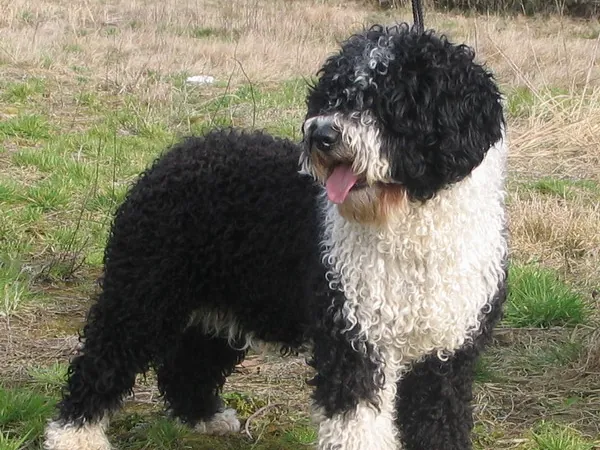
Woolly curls that can form cords, plus herding and water skills, make this a versatile worker.
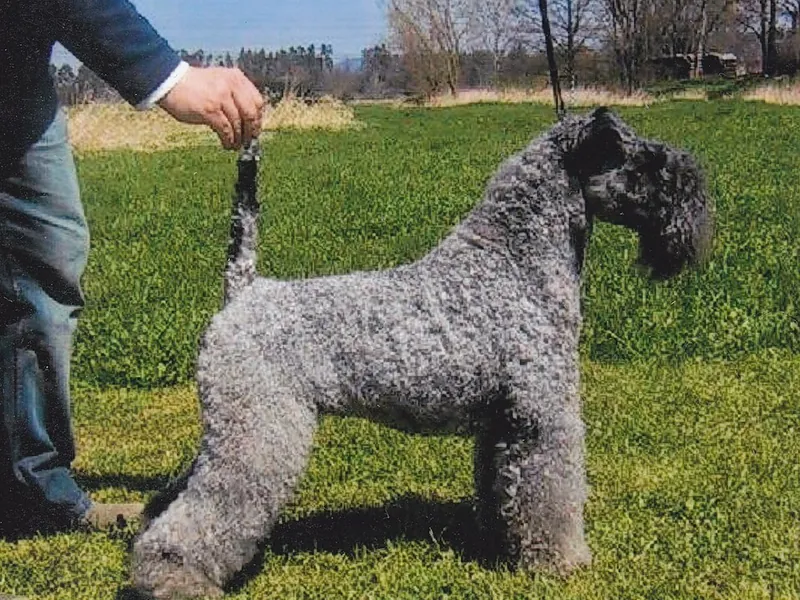
Born dark, the Kerry Blue's soft, wavy coat clears to blue-gray as the dog matures.
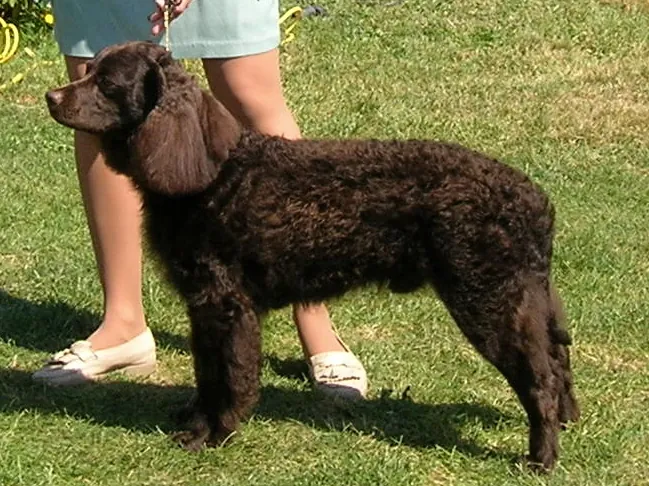
A medium hunting spaniel from the Great Lakes region with a marcel-wave to tightly curled brown coat.
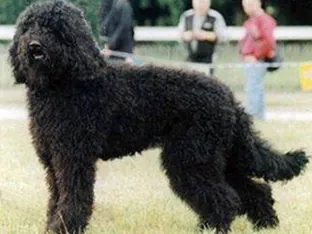
The French water dog behind several curly breeds, with a thick woolly coat and an easygoing nature.
All Curly-Haired Dog Breeds A to Z
What Makes a Coat Curly?
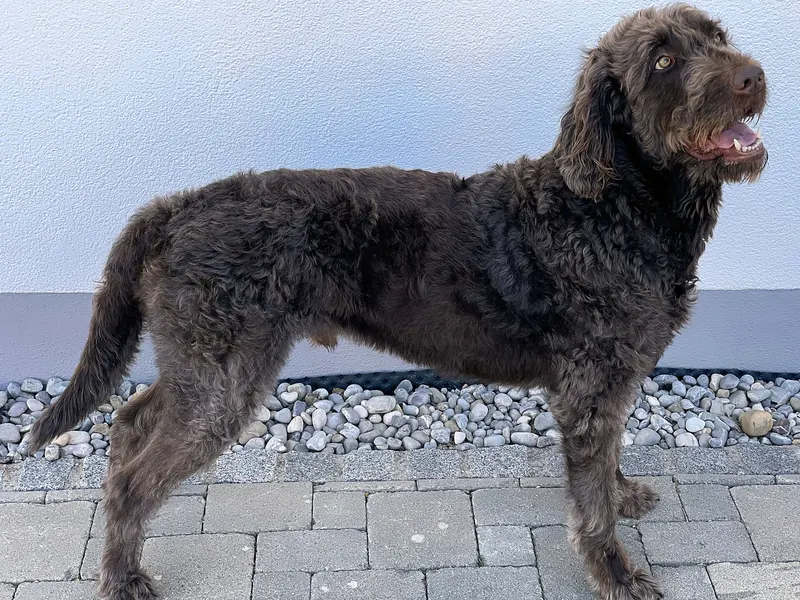
Curly coats are mostly the result of a well-studied genetic variant that changes how the hair shaft grows. Many curly breeds were developed as water dogs: the Poodle, Portuguese Water Dog, Spanish Water Dog, Barbet, Lagotto Romagnolo and Irish Water Spaniel all worked in or near water, where a dense curly coat helped insulate them.
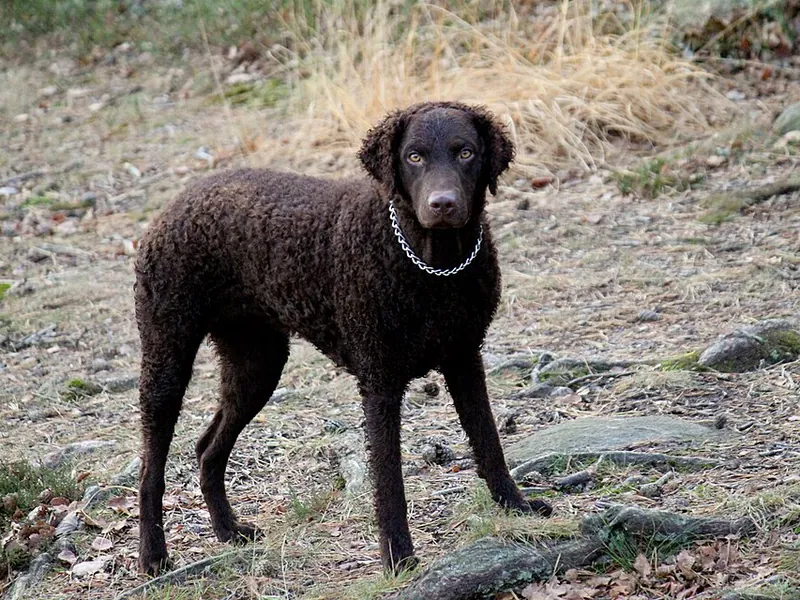
Curly coats range from loose waves, as on the Kerry Blue Terrier, to tight ringlets, as on the Curly-Coated Retriever, and some, like the Spanish Water Dog or Poodle, can form cords if left unbrushed.
Curly Coats and Allergies
Curly coats tend to trap loose hair instead of dropping it around the house, so many curly breeds are described as low-shedding. That does not make them allergen-free: allergens come mainly from skin flakes, saliva and urine, and no breed is truly hypoallergenic. Still, many allergy sufferers find a curly, low-shedding dog like the Poodle or Bichon Frise easier to live with. Spending time with the breed before committing is the best test.
Grooming Is the Real Commitment
- Brushing: most curly coats need thorough brushing several times a week, right down to the skin, to prevent mats.
- Clipping: Poodles, Bichons, Bedlingtons and Kerry Blues usually need a trim every four to eight weeks.
- Water dogs: after swimming, dry the coat and check the ears, since curly breeds often have hairy ear canals prone to infections.
- Exceptions: the Curly-Coated Retriever has a short, tight coat that should not be brushed out, as that causes frizz.
About Curly Doodles
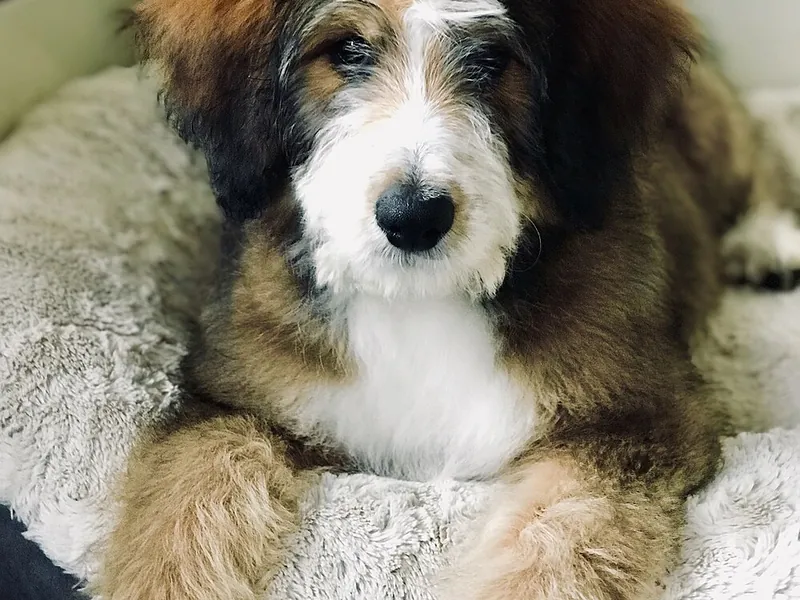
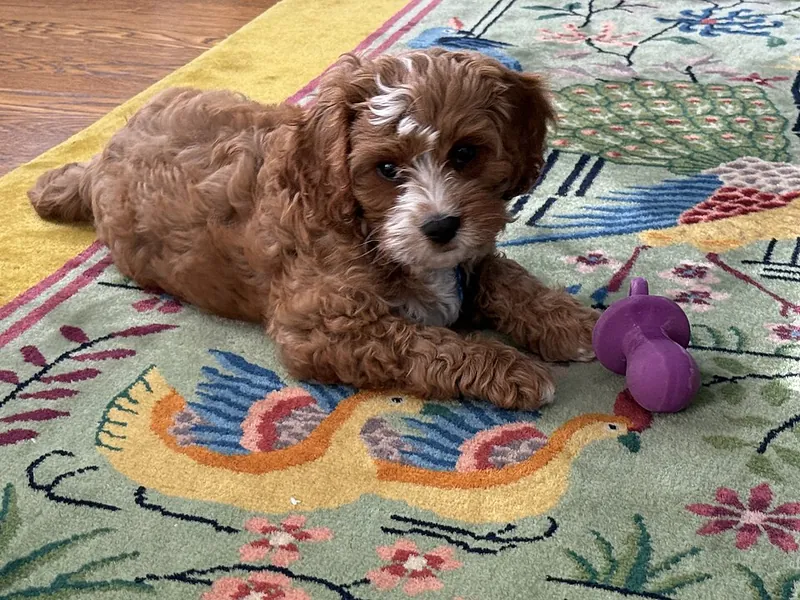
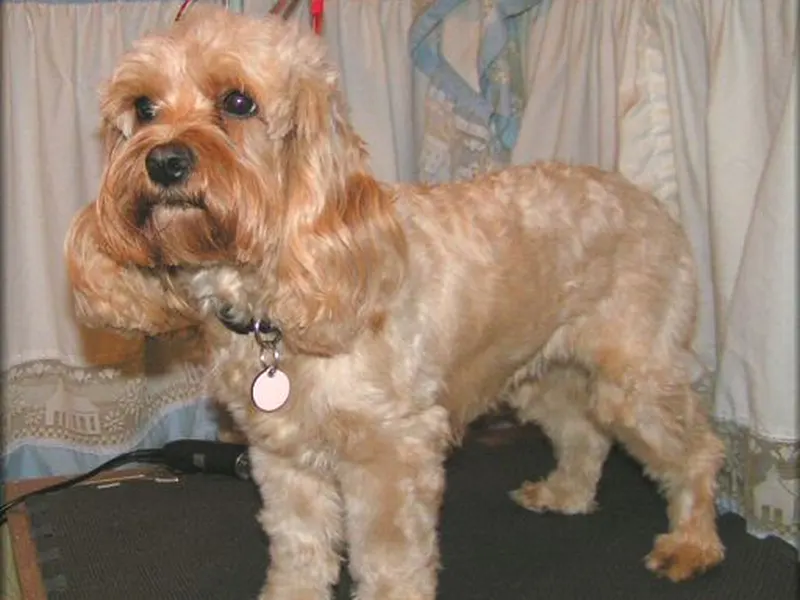
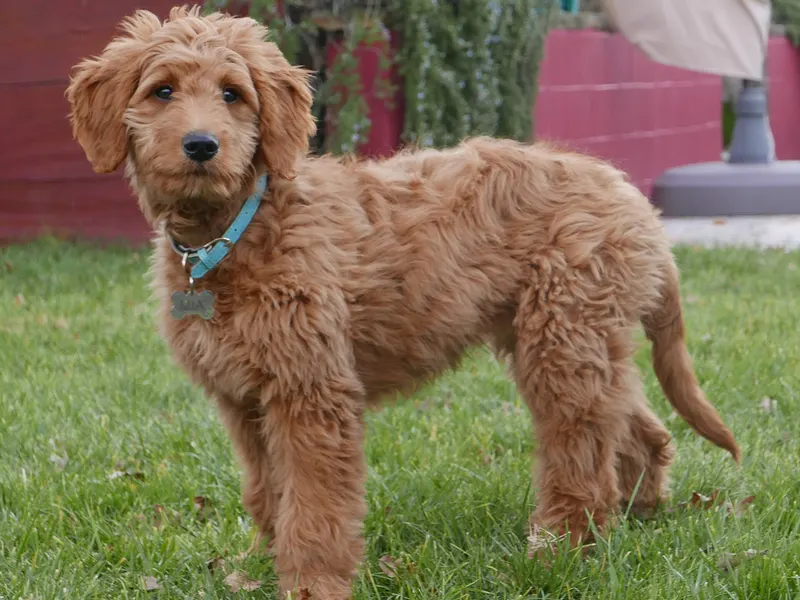
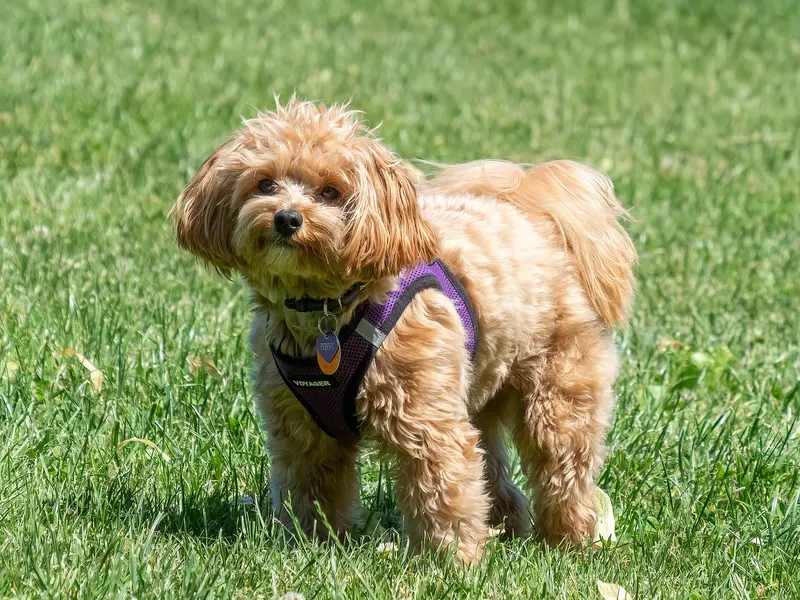
Crossbreeds such as the Labradoodle, Goldendoodle, Cockapoo, Cavapoo, Maltipoo and Bernedoodle are popular because of the Poodle's curly genes. Their coats are less predictable than purebred curly dogs: a litter can include curly, wavy and straight coats, and only the curly ones tend to shed little. Ask breeders about the parents' coat types and plan for regular professional grooming either way.
Remember too that many curly breeds were bred to work. The Lagotto, Portuguese Water Dog and Spanish Water Dog need real daily exercise and mental tasks, not just a nice haircut.
Which Curly Breed Fits Your Lifestyle?
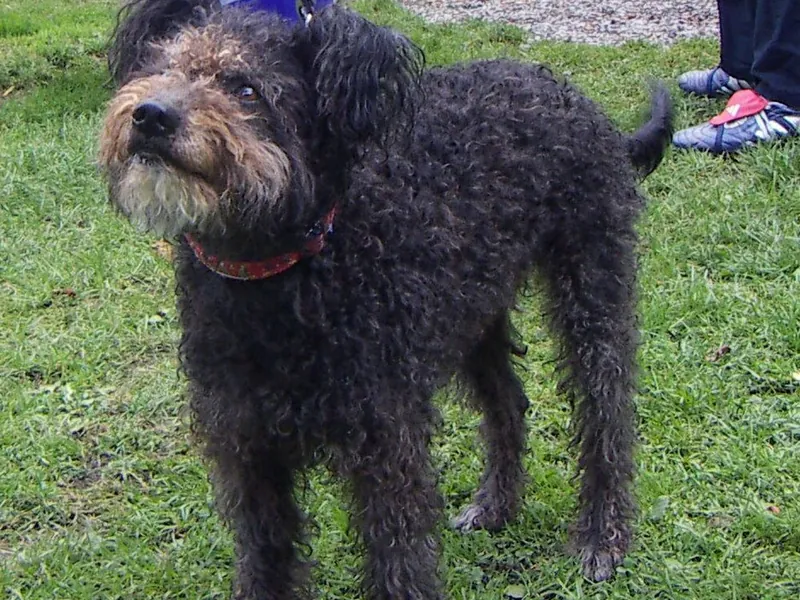
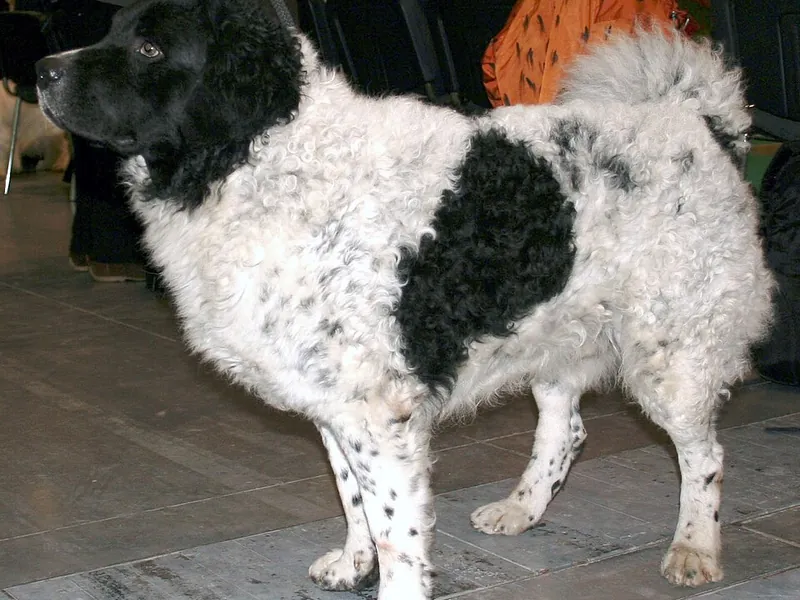
For apartment life and low activity, the Bichon Frise, Toy or Miniature Poodle and Maltipoo are compact and adaptable. Active owners who hike, swim or run will enjoy a Standard Poodle, Portuguese Water Dog, Spanish Water Dog or Barbet. Hunters and outdoor families sometimes choose the Curly-Coated Retriever, Irish Water Spaniel or American Water Spaniel, which are true gundogs that love water work. If you want a terrier with a curly look, the Bedlington Terrier and Kerry Blue Terrier are spirited and smart, but they can be feisty with other dogs. Rarer breeds such as the Pumi, Wetterhoun and Epagneul de Pont-Audemer may mean a longer search for a breeder.
Frequently Asked Questions
Which curly dog breeds do not shed?
No dog sheds zero hair, but Poodle, Bichon Frise, Portuguese Water Dog, Lagotto Romagnolo and Bedlington Terrier shed very little.
Are curly-haired dogs hypoallergenic?
No breed is fully hypoallergenic. Curly, low-shedding coats spread less hair, which some allergy sufferers tolerate better, but reactions vary by person and dog.
How often do curly dogs need grooming?
Most need brushing several times a week and a professional trim every one to two months to avoid painful mats.
What is the biggest curly-haired dog breed?
The Standard Poodle, Irish Water Spaniel and Curly-Coated Retriever are among the largest curly breeds.
Do all Doodles have curly hair?
No. Doodle coats can be curly, wavy or straight, even within one litter. Straighter coats usually shed more.
Not sure which breed fits you?
Answer 8 quick questions and get breeds ranked for your home, schedule and experience.