PoodleClever water retriever in three sizes
Behind the show clips is a sharp, athletic water retriever that learns quickly and loves working with people. Poodles come in Standard, Miniature and Toy sizes, shed very little and fit many households, provided the owner budgets time and money for regular grooming.
Why people love the Poodle
- Learns quickly and excels in obedience, tricks and dog sports
- Low-shedding coat leaves little hair on furniture
- Three sizes let you match the dog to your home
- Long-lived, with smaller sizes often reaching their late teens
- Playful and people-focused well into adulthood
Things to consider
- Professional clipping every four to six weeks adds steady cost
- Coat mats quickly if brushing is skipped
- Gets bored and invents mischief without mental work
- Toys and Miniatures can be vocal and reactive
- Dislikes long hours alone
Is this breed right for you?
10 questions · live resultHistory and Origin
The Poodle began as a water dog that retrieved ducks for hunters. Its German name, Pudel, is linked to an old word for splashing in water, and the breed is widely believed to have developed in Germany before being refined in France, where it became so popular that the FCI lists France as its country of origin. In French it is called the Caniche, from the word for duck dog.
The famous continental clip started as a practical cut: shaved legs and hindquarters reduced drag in the water, while hair left over the joints and chest helped keep the dog warm. Smaller Poodles were bred as companions and circus performers. The AKC recognizes three sizes, Standard (over 15 inches), Miniature (over 10 up to 15 inches) and Toy (10 inches or under), while the FCI adds a Medium size.
Sizes, Coat and Colors
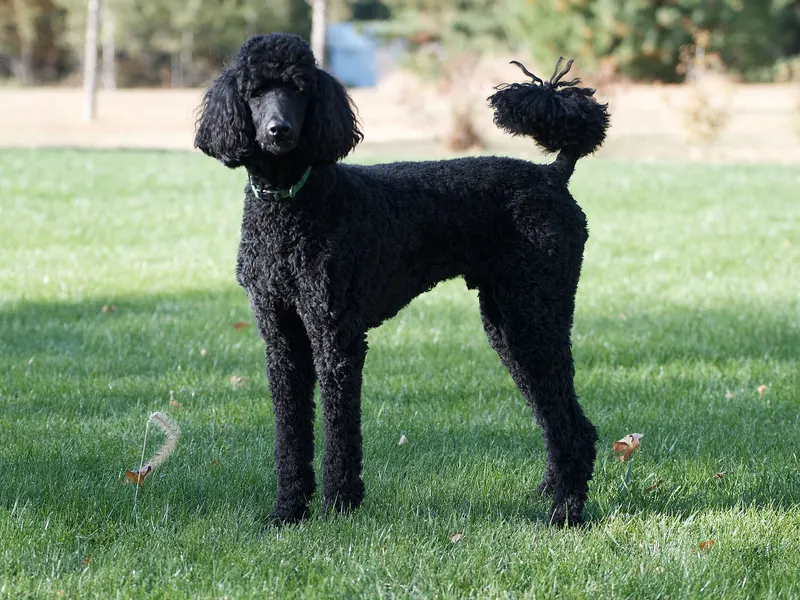
The Poodle is a squarely built, elegant dog with a long neck, a proud head carriage and a light, springy gait. The AKC recognizes three sizes: the Standard stands over 15 inches, the Miniature over 10 up to 15 inches and the Toy 10 inches or under. Weights run from about 4 lb for a small Toy to around 71 lb for a large Standard male.
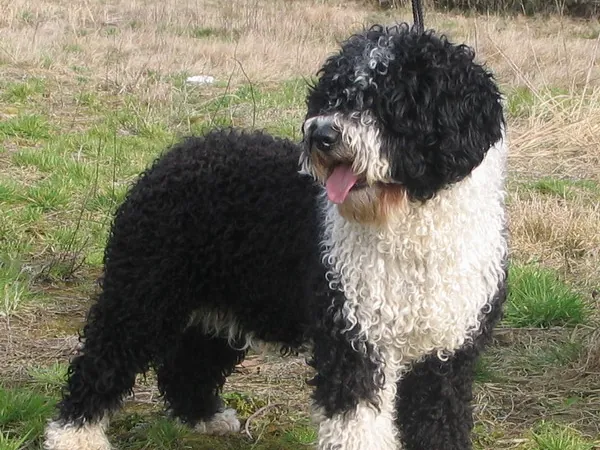
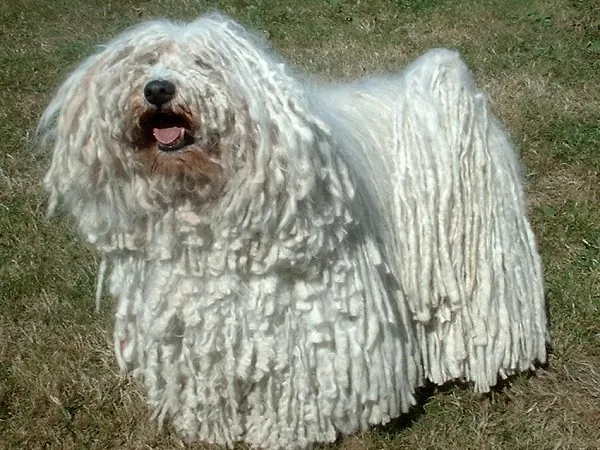
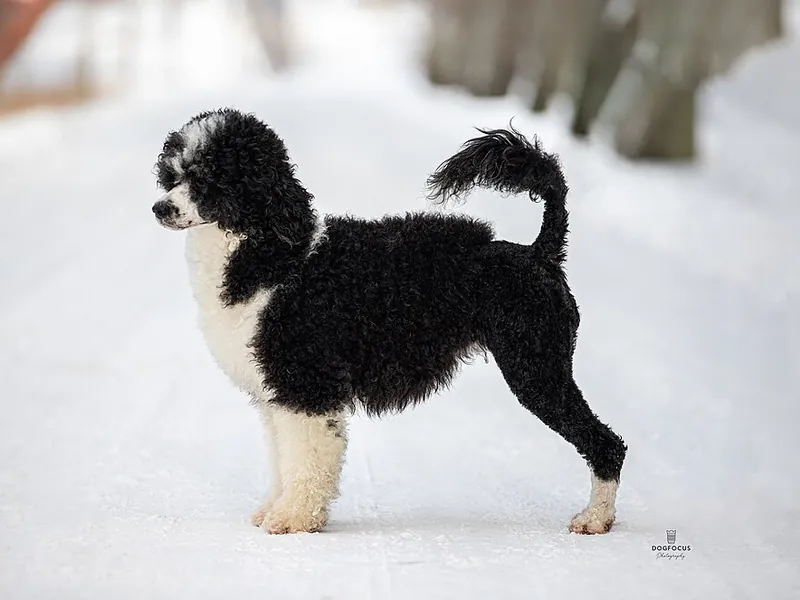
All three share the same coat: dense, harsh-textured curls that grow continuously. Corded coats exist but are rare. The AKC standard calls for an even, solid color, including black, white, blue, gray, silver, brown, cafe-au-lait, apricot, cream and red. Parti-colored Poodles (white with patches) are popular as pets but cannot be shown in AKC conformation.
In the show ring adults wear the continental or English saddle clip, while most pet owners choose a short sporting or puppy clip. Males are usually a little larger and heavier boned than females of the same size variety, especially among Standards.
Temperament and Personality
Poodles are alert, responsive and eager to engage. They read their owners well and are often described as sensitive, so a calm household suits them better than shouting or rough handling. Standards tend to be the most relaxed indoors, while Toys and Miniatures can be more reactive and vocal.
They make keen watchdogs and will bark at unusual sounds, though most are friendly once guests are introduced. Many stay playful well into adulthood and get along with children, particularly when kids are taught to be gentle with the smaller sizes. Poodles do not like being left alone for long and can become anxious or noisy without company.
Are Poodles Good for First-Time Owners?
Yes, Poodles are one of the more forgiving breeds for a first dog, as long as you are ready for the grooming. They are eager to learn, read their owners well and respond quickly to reward-based training, so beginners see progress fast.
The catch is that a smart dog also learns bad habits quickly. Set clear house rules from day one, join a puppy class and give daily brain work such as trick training or scent games. Budget for a groomer or learn to clip at home. A Miniature or Standard from a calm, health-tested line is often easier for novices than a very small, sensitive Toy.
Do Poodles Bark a Lot?
Poodles are moderately vocal, and the smaller sizes tend to bark more than Standards. Most will announce the doorbell, footsteps outside or unusual noises, which makes them good watchdogs but can bother neighbors in an apartment.
Barking usually rises when a Poodle is bored or left alone. Daily exercise, puzzle feeders and short training sessions reduce it noticeably. Teach a quiet cue early and reward calm behavior at windows and doors instead of scolding, which a sensitive Poodle may read as joining in. Standards from calm lines are often fairly quiet indoors once their needs are met.
Can Poodles Be Left Alone?
For a few hours, yes, but Poodles do not cope well with full workdays alone. They bond closely with their people, and long isolation often leads to barking, chewing or anxious behavior.
Build alone time gradually from puppyhood, starting with a few minutes and extending slowly. Leave a food puzzle or a long-lasting chew, and make departures low-key. Adult Standards usually handle four hours better than young Toys. If you work away from home all day, plan for a dog walker, doggy daycare or a midday visit from a friend or family member.
Exercise and Training
A Standard Poodle needs at least an hour of activity a day, and many enjoy swimming, retrieving, agility and even hunt tests. Miniatures and Toys need less distance but just as much mental work. Without it, Poodles invent their own projects, from barking at windows to stealing laundry.
Training is usually a pleasure. Poodles pick up cues quickly and excel in obedience, tricks and scent work. Their speed of learning means they also pick up bad habits fast, so consistency matters from day one. Varied, reward-based sessions keep a clever Poodle from getting bored.
Grooming and Shedding
The Poodle coat grows continuously and sheds very little, but loose hair stays trapped in the curls and quickly forms mats. Plan on brushing down to the skin several times a week, ideally daily for longer cuts, and a full clip every four to six weeks. Many pet owners keep a short sporting or puppy clip for easier care.
Check the ears regularly, because hair grows inside the ear canal and can trap moisture. Teeth deserve daily brushing, especially in Toys and Miniatures, which are prone to dental disease.
Feeding and Nutrition
Feeding a Poodle starts with its size variety. Toys and Miniatures have small stomachs and fast metabolisms, so puppies need three to four small meals a day. Toy puppies in particular can become hypoglycemic if they skip meals, so keep feeding times regular. Adults do well on two meals.
Standard Poodles are deep-chested and at risk of bloat (gastric dilatation-volvulus). Split the daily ration into at least two meals, avoid vigorous exercise for an hour around feeding and do not let the dog gulp large amounts of water after play. Standard puppies grow fairly quickly and benefit from a food suited to medium or large breeds to support steady growth.
Dental health is a priority in the small sizes, which are prone to crowded teeth and tartar. Daily tooth brushing matters more than any particular food. Poodles are quick learners, so many treats go into training: use tiny pieces, count them in the daily allowance and check the waist under the coat, since the curls can hide weight gain.
| Adult weight | Less active | Typical adult | Very active |
|---|---|---|---|
| 4 lb | 150 kcal | 180 kcal | 220 kcal |
| 38 lb | 830 kcal | 950 kcal | 1,180 kcal |
| 71 lb | 1,320 kcal | 1,510 kcal | 1,890 kcal |
Estimates use the resting energy formula veterinarians work with (70 × body weight in kg0.75) and standard activity factors. Use the feeding guide on your food as a starting point and adjust to body condition. Puppies, seniors, pregnant animals and pets that need to lose weight have different needs, so ask your vet.
Health and Lifespan
Poodles are generally long-lived, but each size has its own watch list. Standards can be affected by hip dysplasia, gastric dilatation-volvulus (bloat), Addison's disease and sebaceous adenitis, an inflammatory skin condition. Smaller Poodles are more prone to luxating patellas and Legg-Calve-Perthes disease, a hip condition of small breeds. Across sizes, progressive retinal atrophy (PRA), epilepsy, von Willebrand disease and Cushing's disease are reported.
Ask breeders for hip scores in Standards, eye examinations and relevant DNA tests, such as those for PRA and von Willebrand disease. Lifespan ranges from 10 to 18 years, with the smaller sizes often living longest.
Poodle Price and Cost of Ownership
Typical breeder price in the US$1,500 to $3,500
A Poodle puppy from a reputable US breeder typically costs about $1,500 to $3,500. Prices vary by breeder, region, size variety and lines, and Standards from health-tested show or performance lines often sit at the upper end. Poodles and Poodle mixes also come into shelters and breed rescues, so adoption is a realistic option, particularly for adult dogs.
The biggest ongoing cost is grooming. A full professional clip every four to six weeks adds up over a long lifespan, and Standards cost more per visit than Toys. Learning to clip at home reduces this but requires clippers and practice.
Other breed-specific drivers include dental cleanings for Toys and Miniatures, eye and DNA testing when buying, and insurance that covers conditions such as Addison's disease, sebaceous adenitis or bloat in Standards.
Is the Poodle Right for You?
A Poodle suits active singles, couples and families who want a bright, trainable dog and are happy to pay for professional grooming or learn to clip at home. Standards suit homes with time for outdoor activity; Miniatures and Toys adapt well to apartments.
It is less suited to owners who want a wash-and-go coat or who are away from home most of the day. Allergy sufferers often tolerate Poodles better than heavy shedders, though no dog is guaranteed allergen-free.
Poodle Traits at a Glance
Poodle FAQ
Are Poodles hypoallergenic?
Poodles shed very little, which many people with dog allergies find easier to live with. Allergens are also in saliva and dander, so no dog is truly hypoallergenic; spend time with one before committing.
How big do Poodles get?
It depends on the size variety: Toys stand 10 inches or under, Miniatures up to 15 inches and Standards over 15 inches. Weights range from about 4 lb for a small Toy to around 71 lb for a large Standard.
Are Poodles good with kids?
Yes, most Poodles are playful and patient with children who treat them kindly. Standards are sturdier for busy families, while Toys can be injured by rough handling.
How often does a Poodle need grooming?
Brush several times a week and book a full clip every four to six weeks. Skipping grooming leads to painful mats close to the skin.
Which Poodle size is best for an apartment?
Toys and Miniatures adapt most easily to apartment life. A Standard can also manage if it gets enough daily exercise, but it needs more room to move.
How long do Poodles live?
Poodles typically live 10 to 18 years. Toys and Miniatures often reach the upper end of that range.