Dog Breeds That Don't ShedLow-shedding breeds and what they need
Breeds on this list have coats that lose very little loose hair around the house, usually because their hair grows continuously or because they have little or no coat at all. It is written for people who want fewer hairs on the sofa, and for allergy sufferers who want to understand what low shedding can and cannot do.
Top 10 Dog Breeds That Don't Shed
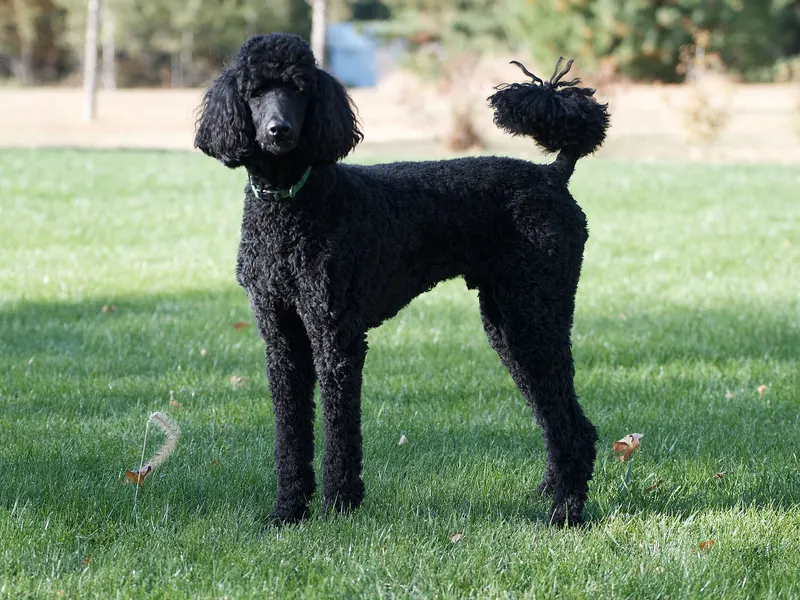
Available in standard, miniature and toy sizes, the Poodle has a tight curly coat that is the classic low-shedding choice.
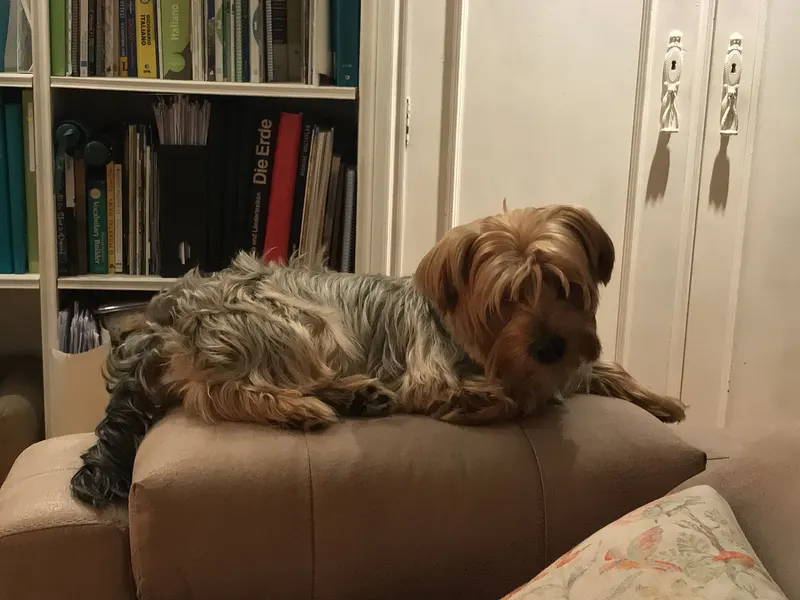
The Yorkshire Terrier's fine, hair-like coat grows continuously and sheds lightly, ideal for owners who keep it trimmed short.
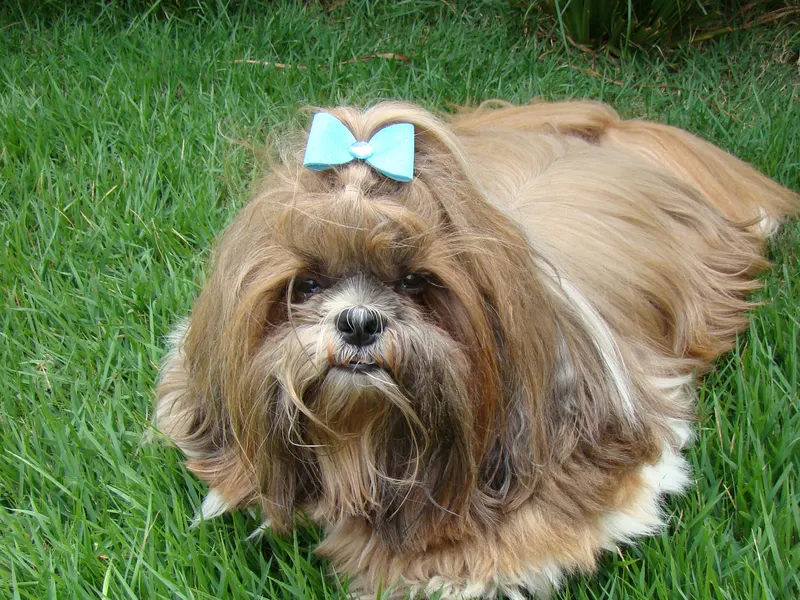
The Shih Tzu has a long, continuously growing coat that sheds very little, though it needs regular brushing or a short trim.
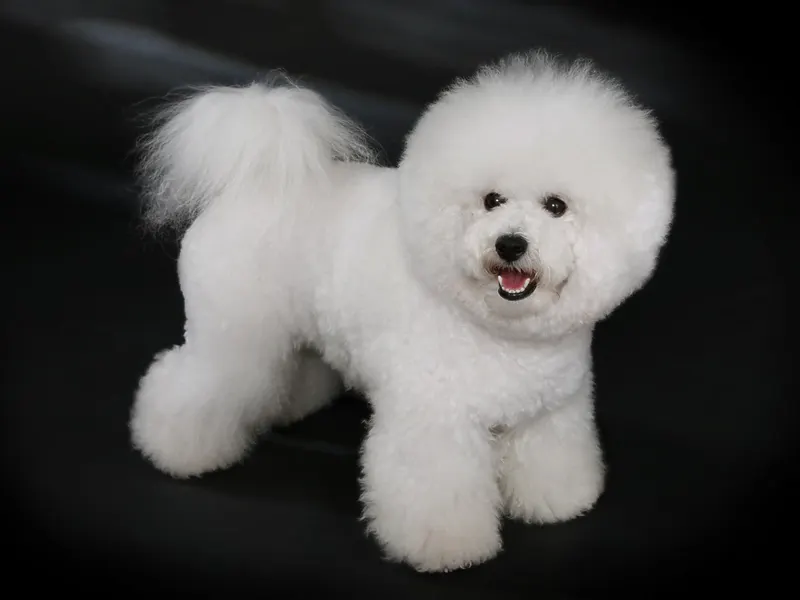
Its soft, curly double coat traps loose hair, so the cheerful Bichon Frise leaves little behind but needs regular professional grooming.
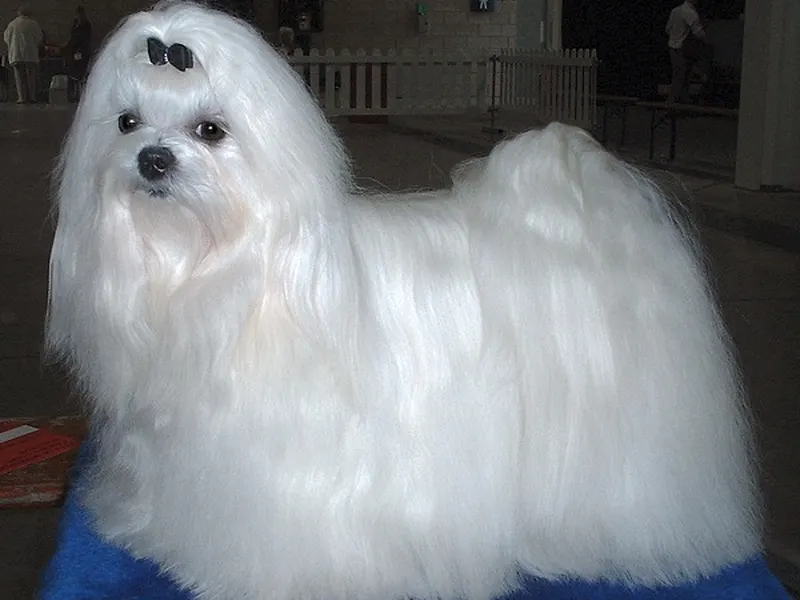
The Maltese has a single silky white coat with no undercoat, which means minimal shedding and easy cuddles on the couch.
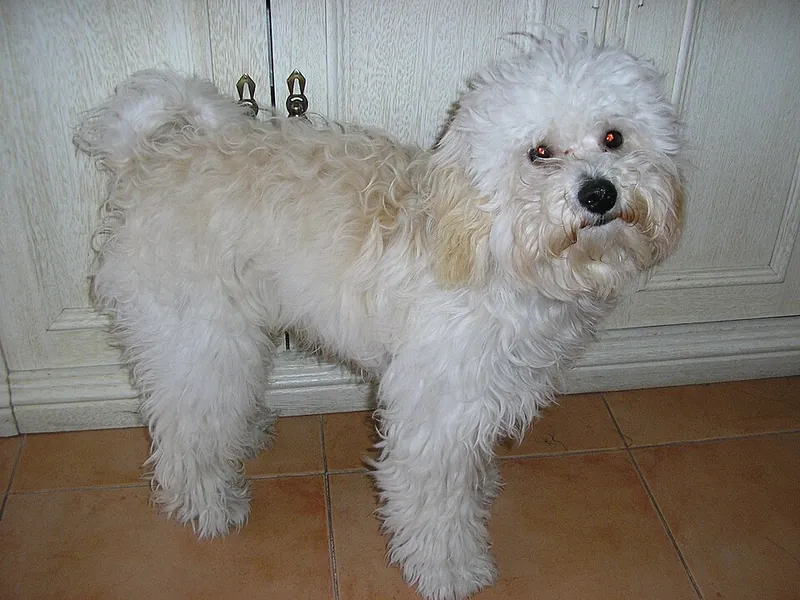
A close relative of the Bichon, the Bolognese has fluffy white flocked hair that sheds little and suits calm, quiet homes.
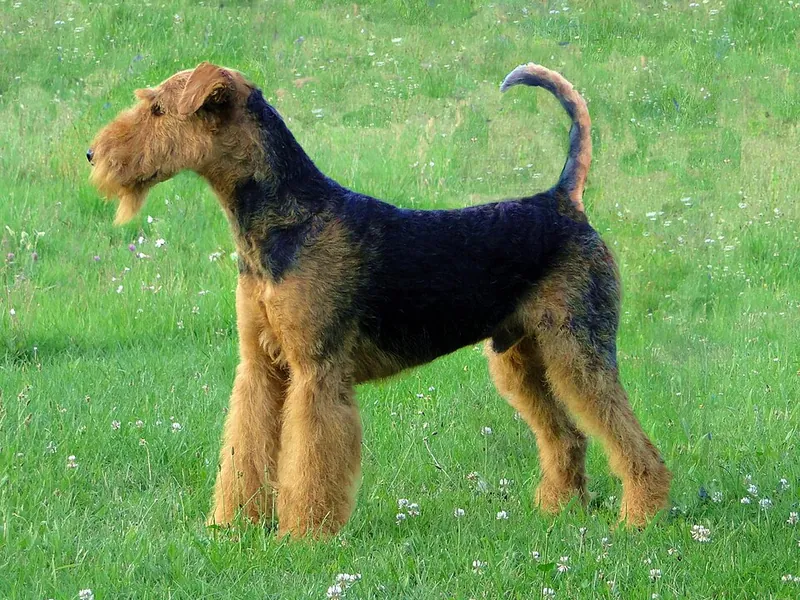
The largest terrier, the Airedale has a dense wiry coat that sheds little, especially when hand-stripped a few times a year.
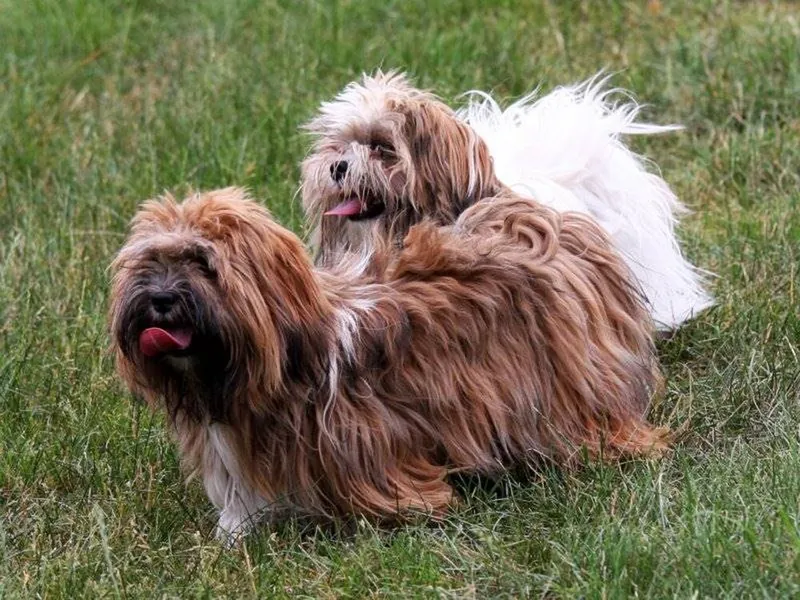
The Lhasa Apso's long, heavy coat drops minimal hair but tangles easily, so a short puppy clip is popular with pet owners.
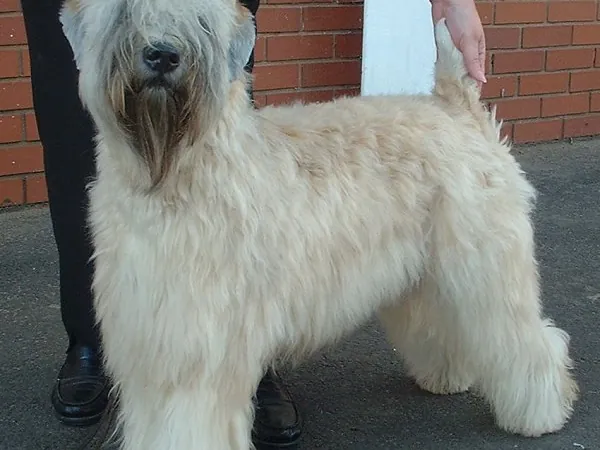
The Soft Coated Wheaten Terrier has a silky single coat that sheds very little and a bouncy, friendly terrier personality.
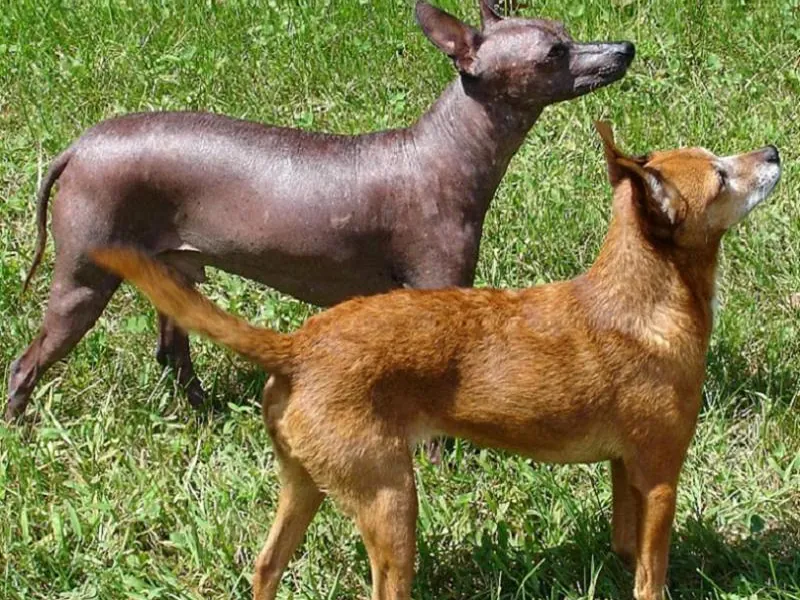
The hairless Xoloitzcuintli has almost nothing to shed, though it needs skin care and comes in a coated variety too.
All Low-Shedding Dog Breeds A to Z
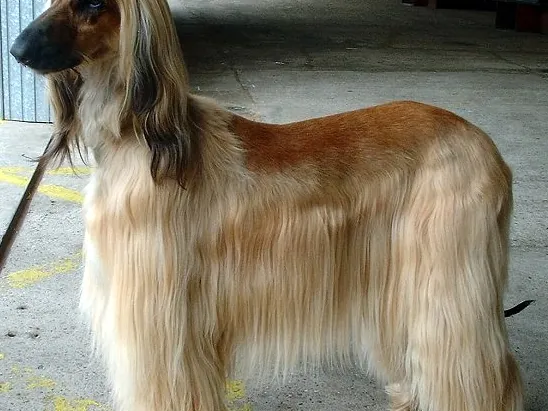
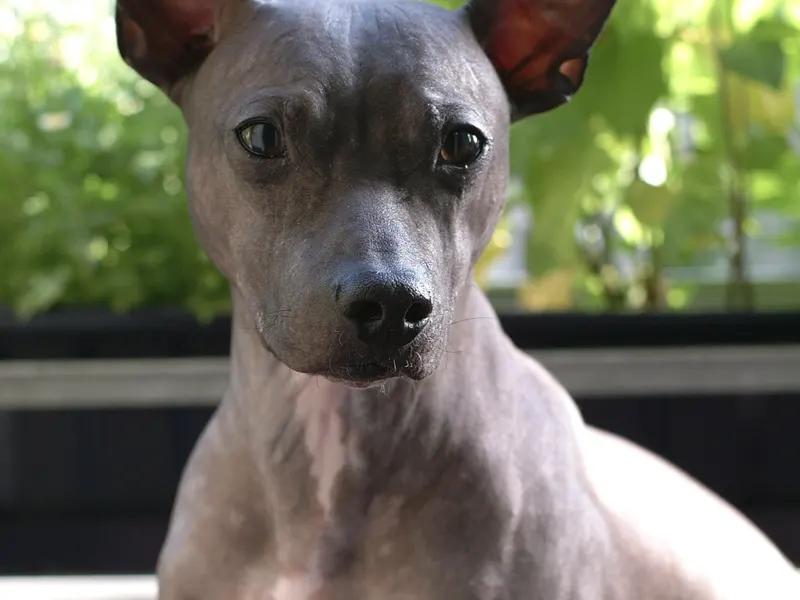
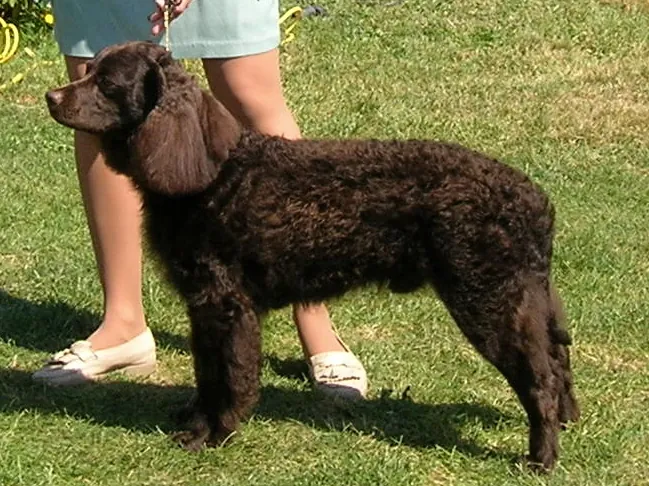
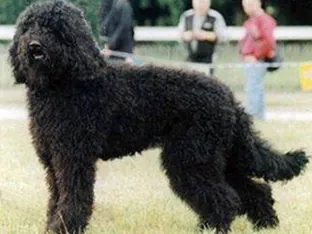
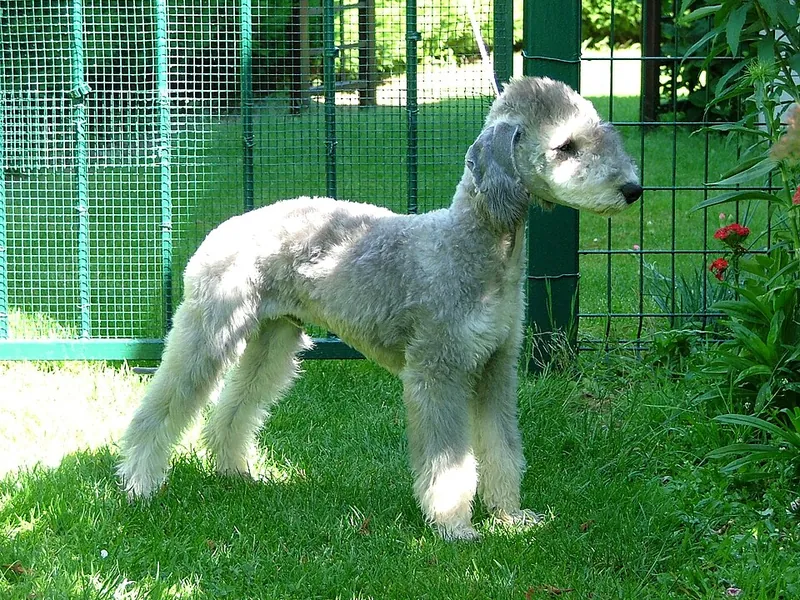
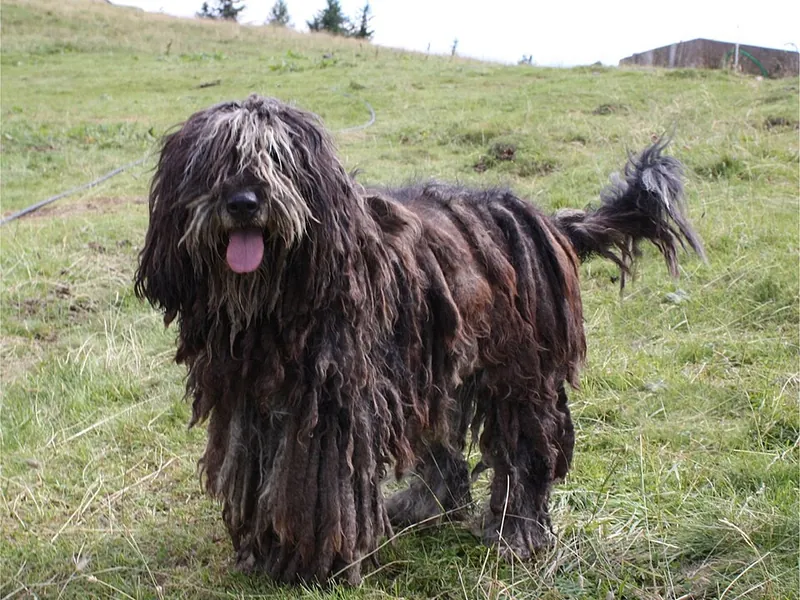
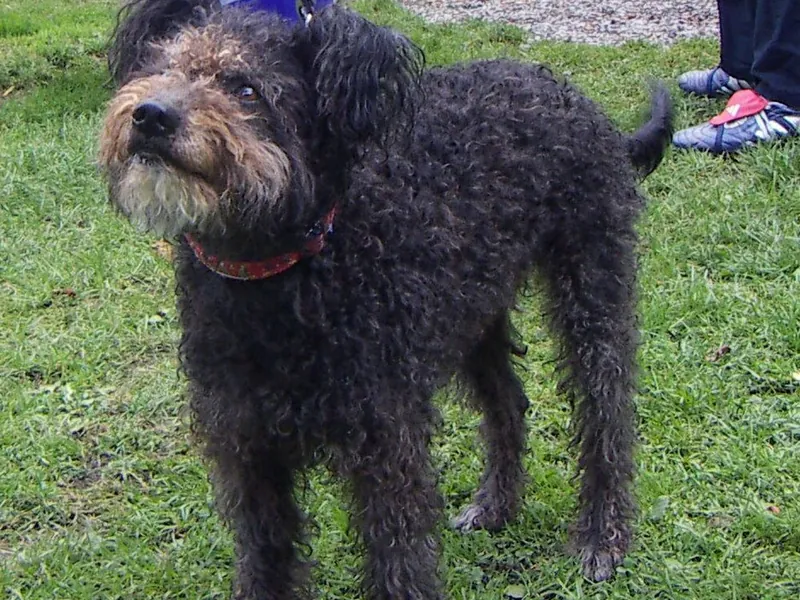
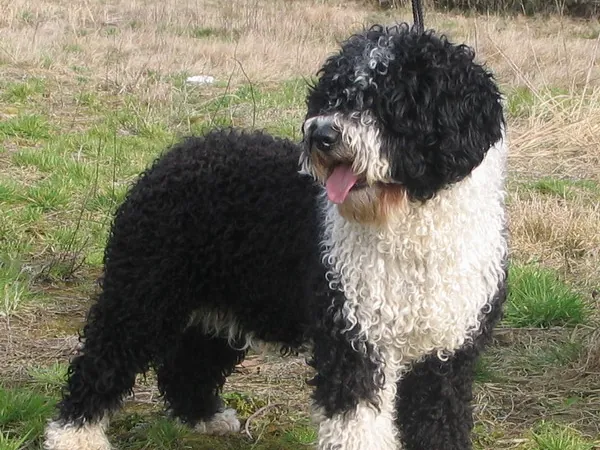
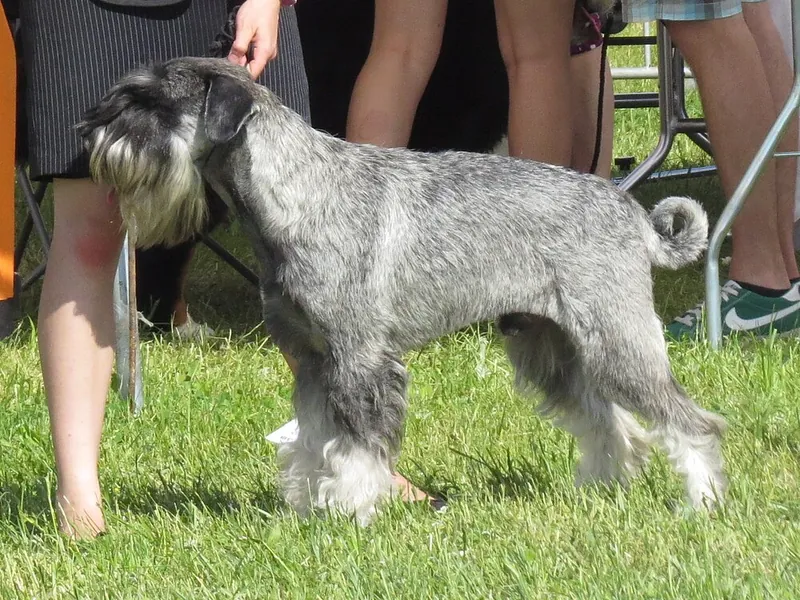
Do any dogs really not shed?
Every dog with hair loses some of it. The difference is where it goes. Breeds like the Poodle, Bichon Frise and Bedlington Terrier have hair that grows for a long time, so loose hairs tend to get caught in the coat instead of falling on the floor. Single-coated breeds like the Maltese lack a dense undercoat, so they also drop much less than a Labrador or Husky.
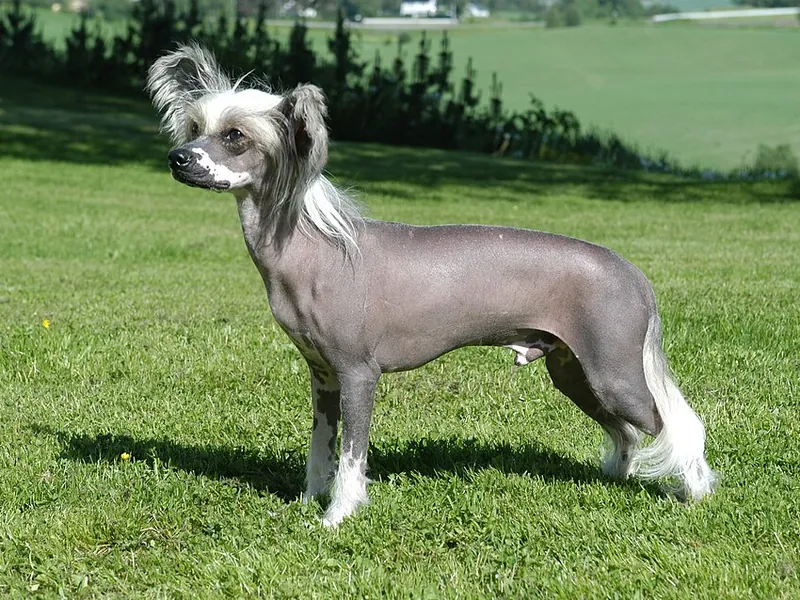
Then there are the hairless breeds, such as the Xoloitzcuintli and Chinese Crested, which have little or no coat to shed at all.
Low shedding and allergies
Low-shedding breeds are often marketed as hypoallergenic, but no breed is truly allergen-free. The proteins that trigger allergies come mainly from skin dander, saliva and urine, not the hair itself. A low-shedding dog may spread less dander around your home, which helps some people, but reactions vary from person to person and even from dog to dog.
If you have allergies, spend time with the specific breed, ideally the actual dog, before committing. Frequent vacuuming, washing dog bedding and keeping the dog out of the bedroom can also help.
The grooming trade-off
Less shedding usually means more grooming. Hair that does not fall out keeps growing and will mat if it is ignored. Plan for:
- Brushing several times a week, down to the skin, for curly and long coats like the Poodle, Lhasa Apso and Bolognese.
- Professional grooming every 4 to 8 weeks for many curly and silky breeds.
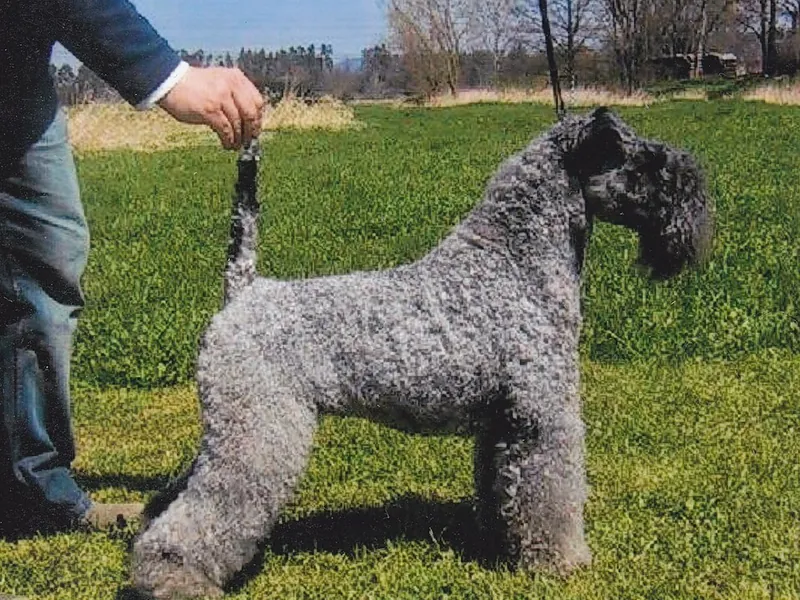
- Hand-stripping or clipping for wire-coated breeds like the Airedale Terrier, Kerry Blue Terrier and Standard Schnauzer.
- Skin care for hairless breeds: sunscreen made for dogs, gentle bathing and a sweater in cold weather.
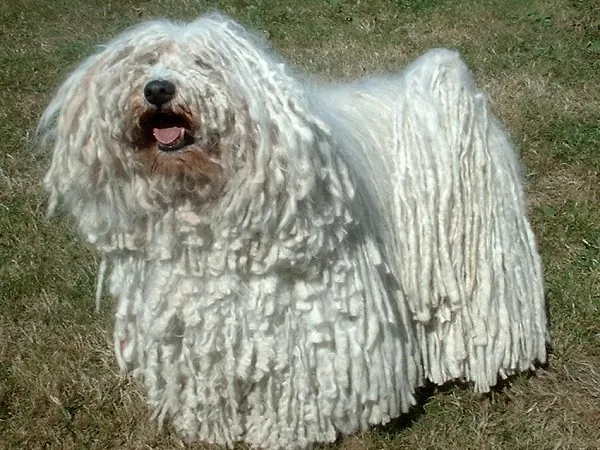
Corded breeds such as the Puli and Bergamasco Sheepdog need their own specialist routine, so research it carefully before choosing one.
Choosing your low-shedding breed
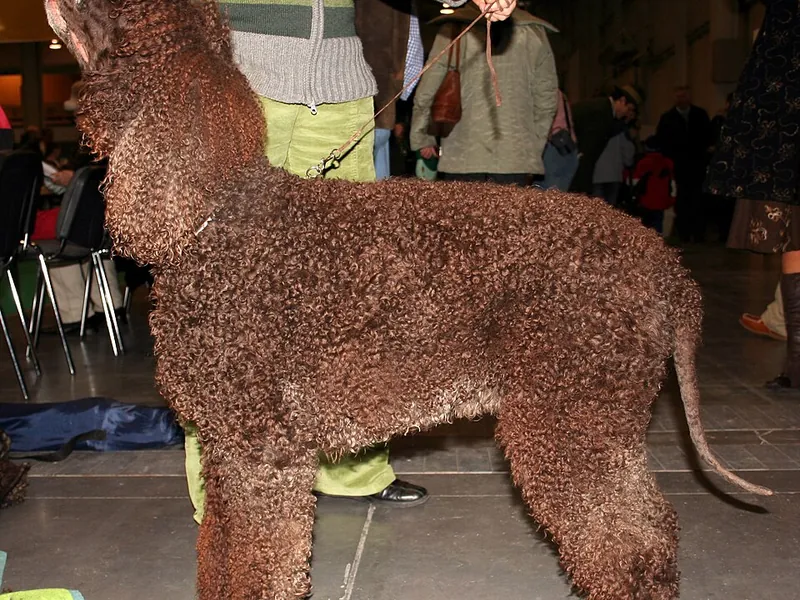
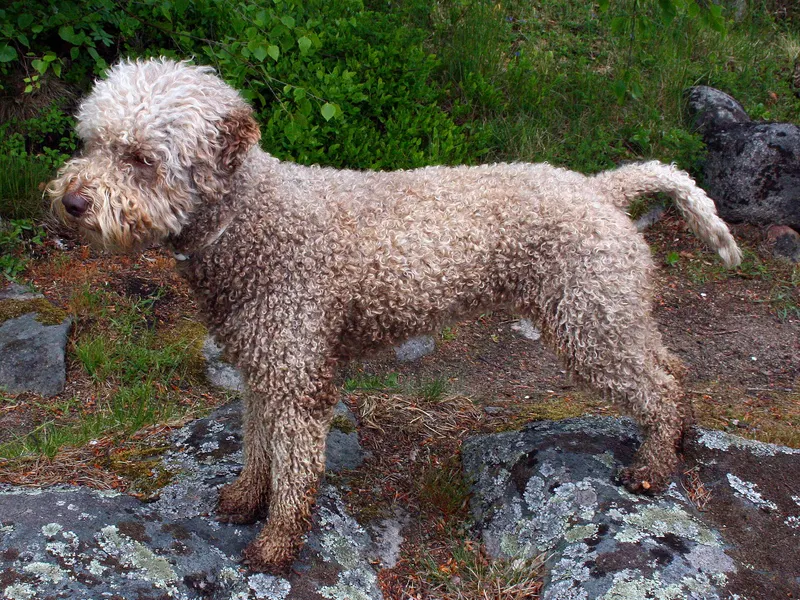
Think about size and energy as much as coat. Small companions like the Maltese and Shih Tzu suit quieter homes. Water dogs like the Lagotto Romagnolo, Spanish Water Dog, Barbet and Irish Water Spaniel need daily activity and enjoy swimming. Terriers such as the Airedale and Kerry Blue are clever and spirited, and need consistent training.
Remember that puppies may not show their full adult coat yet, and mixed-breed dogs from a low-shedding parent can still shed heavily.
Common mistakes to avoid
Many owners only brush the top layer of a curly or silky coat, which leaves hidden mats close to the skin. Use a comb to check that you can reach the skin everywhere, especially behind the ears, under the legs and on the belly. Another mistake is waiting too long for the first grooming appointment: introduce puppies to brushing, bathing and the sound of clippers early. Finally, do not forget ears. Breeds like the Poodle and Bichon Frise can grow hair in the ear canal, which needs regular checks.
Frequently Asked Questions
Which dog breed sheds the least?
Hairless breeds like the Xoloitzcuintli and Chinese Crested shed the least, followed by curly and silky coated breeds such as the Poodle, Bichon Frise and Maltese.
Are non-shedding dogs hypoallergenic?
Not completely. Allergens come from dander and saliva, so low-shedding dogs may cause fewer symptoms for some people but no breed is guaranteed allergy-free.
Do low-shedding dogs need more grooming?
Usually yes. Their hair keeps growing and mats easily, so most need regular brushing and professional trims every few weeks.
Is there a large dog breed that doesn't shed?
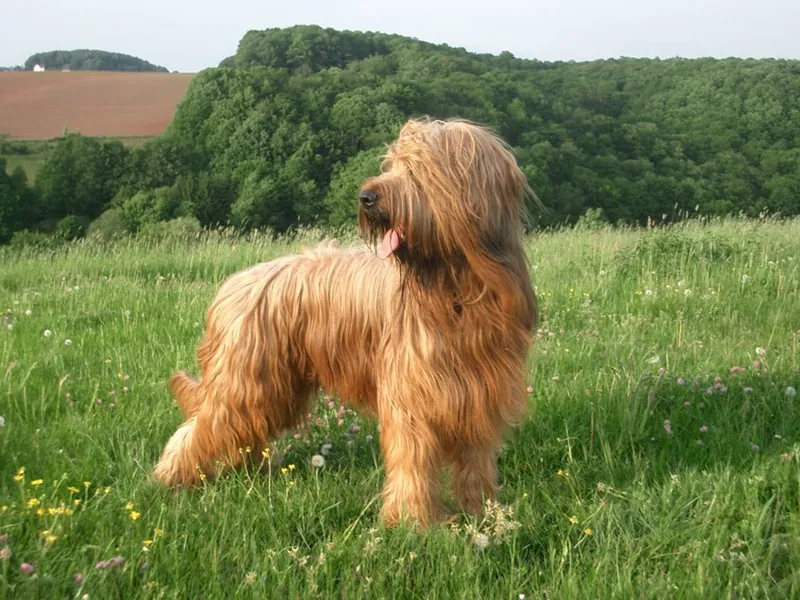
Yes. The Standard Poodle, Airedale Terrier, Irish Water Spaniel and Briard are larger options with low-shedding coats, though the Briard needs extensive grooming.
Do doodles shed?
It varies. Crosses with a Poodle can inherit a low-shedding coat, but many do shed, so coat type is never guaranteed in a mixed breed.
Not sure which breed fits you?
Answer 8 quick questions and get breeds ranked for your home, schedule and experience.