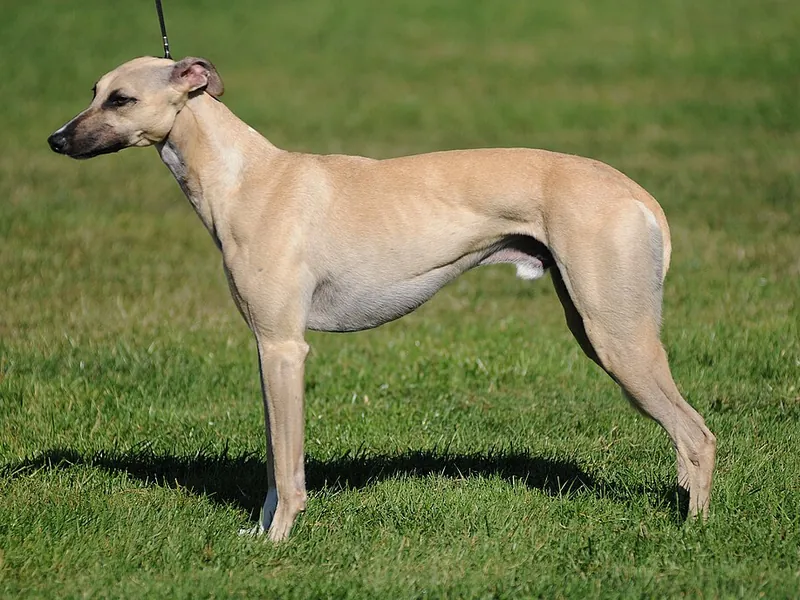
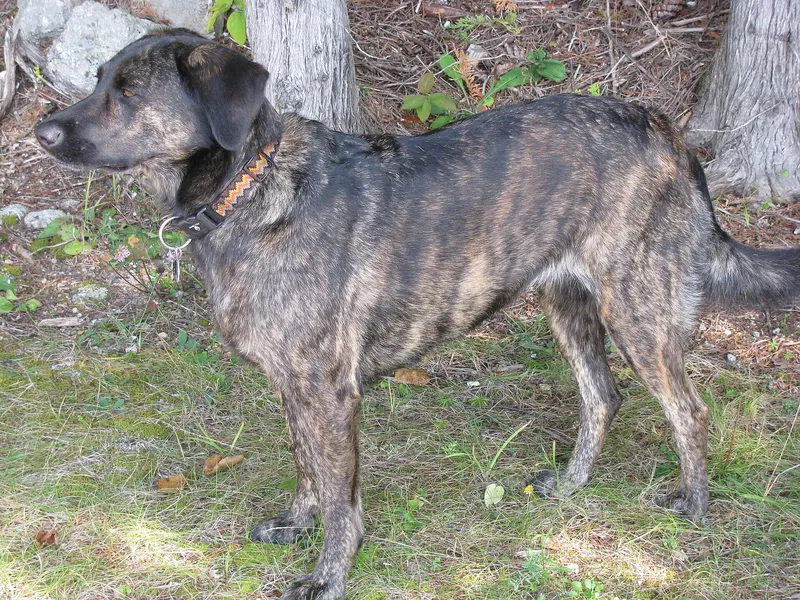
Cirneco dell'EtnaSicily's lean, sun-loving rabbit hunter
The Cirneco dell'Etna is a slender, tan hound from the slopes of Mount Etna in Sicily, bred to hunt rabbits over lava rock. It is friendly, playful and remarkably robust, but its hunting drive is strong. It suits active owners who can manage a quick, independent hunter.
Why people love the Cirneco dell'Etna
- Very healthy, natural breed with a long lifespan
- Short coat that is almost maintenance-free
- Affectionate, playful and gentle at home
- Compact size that suits apartments with enough exercise
- Agile, quick and excellent at lure coursing
Things to consider
- Strong hunting drive; recall unreliable around wildlife
- Agile jumper and climber that needs tall fencing
- Gets cold easily and needs a coat in winter
- Barks more than many similar breeds
- Rare in the US, with few breeders
Is this breed right for you?
10 questions · live resultHistory and Origin
The Cirneco is one of the ancient Mediterranean hound types, and dogs resembling it appear on Sicilian coins from antiquity. For centuries peasants on Etna used it to hunt rabbits, relying on scent, hearing and sight together across rough volcanic terrain.
In the 1930s a veterinarian published a study on the breed and Sicilian noblewoman Agata Paternò Castello took up its cause, helping to establish the first breed standard in 1939. The AKC recognized the Cirneco in the Hound Group in 2015.
Size, Coat and Colors
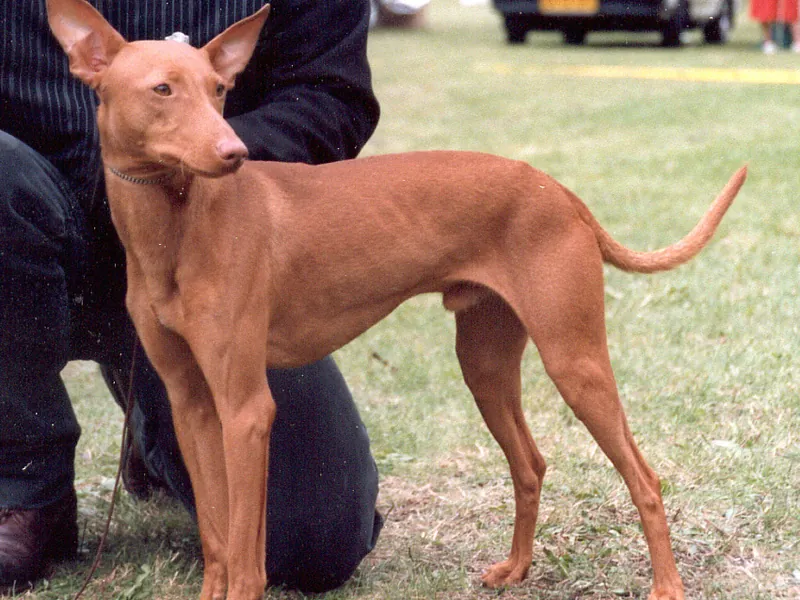
The Cirneco dell'Etna is a medium-sized, slender hound with an elegant outline, nearly square in body, and fine bones. Adults stand 17 to 20 inches at the shoulder and weigh about 19 to 28 lb. Males are taller and a little heavier than females.
The head is long, with large, erect, pointed ears set high and close together, and light amber or ochre eyes. The nose, eye rims and lips are self-colored, matching the coat rather than black, which is typical of the Mediterranean hound family.
The coat is short, smooth and glossy on the body and very short on the head and legs. Accepted colors are:
- Solid tan in any shade, from light to dark
- Tan with white markings on the head, chest, feet or tail tip
- Solid white, which is less desirable
- White with orange patches
A tan Cirneco with white points is the most typical look. The tail is set low, thick at the base and carried in a sickle shape when the dog is moving.
Temperament and Personality
At home Cirnechi are affectionate, gentle and often playful well into adulthood. They are usually friendly with people, including children, and can be quietly curious with visitors.
Outside, the hunter returns. They react quickly to movement and sound, and a rabbit or cat can trigger a sprint. They also bark more than many sighthound-type breeds, especially when excited.
Cirnechi tend to be sensitive and do not respond well to harsh handling. Most are clean and quiet indoors and like a warm, soft spot near their people.
Is the Cirneco dell'Etna Good for First-Time Owners?
It can be, for active, patient beginners. The Cirneco is affectionate, healthy and easy to groom, which removes many common challenges.
The difficulties are behavioral:
- A strong hunting drive with unreliable recall
- Climbing and jumping skills that test fences
- Sensitivity to harsh handling
A first-time owner who can provide daily exercise, a fenced yard or regular access to safe running areas, and reward-based training usually does well. Owners who expect off-leash freedom on hikes will likely find the breed frustrating.
Do Cirnechi Bark a Lot?
More than many sighthound-type breeds. Cirnechi tend to bark when excited, when they spot wildlife or cats, or when someone approaches the house.
Indoors and when relaxed, most are fairly quiet. Barking increases with boredom, too little exercise or long hours alone. Ways to keep it manageable:
- Give daily exercise, including chances to sprint.
- Provide scent games and puzzle toys.
- Teach a quiet cue with rewards.
A well-exercised Cirneco is usually a pleasant neighbor, but owners in shared buildings should expect some alert barking.
Is the Cirneco dell'Etna a Good Apartment Dog?
Yes, if its exercise needs are met. Cirnechi are compact, clean and generally calm indoors, and they like curling up in warm, soft spots near their people.
The challenge is getting enough exercise. An apartment Cirneco needs an hour or more of activity daily, plus regular chances to run hard in a securely fenced area. Lure coursing, fast CAT events and agility are great outlets.
Watch for alert barking at hallway noises, and avoid leaving the dog alone for long workdays, which it dislikes. Provide a warm bed, since the thin coat offers little insulation.
Exercise and Training
Plan for an hour or more of daily activity, with chances to run hard in a safe, enclosed space. Lure coursing, agility and scent games fit the breed well.
- Recall around wildlife is unreliable; use a long line in open areas.
- Cirnechi are agile jumpers and climbers, so fences should be tall.
- Training goes well with rewards and variety; they lose interest in repetition.
- They tolerate heat well but get cold easily; use a coat in winter.
Grooming and Shedding
The very short, glossy coat is close to maintenance-free. A rub with a rubber mitt once a week and an occasional bath are enough. Shedding is minimal, which some allergy sufferers appreciate, though no dog is truly hypoallergenic. Keep nails short and teeth clean.
Because the coat is so thin, provide a warm bed and limit long exposure to cold, wet weather. In summer, sunscreen on pale areas is rarely needed, but shade and water are.
Feeding and Nutrition
The Cirneco is a lean, athletic hound with a naturally light frame. You should be able to feel the ribs easily and see a defined waist, and a hint of the last ribs may be visible in a fit dog. Avoid letting a Cirneco become heavy, which takes away its agility and adds strain to joints.
As a small to medium breed, it needs modest portions. Activity varies, so adjust food with the season: a dog that runs often in summer may need more, while a dog that mostly naps indoors in winter may need less.
- Feed adults two meals a day.
- Avoid hard sprints right after eating.
- Use small, healthy treats for training, which this food-motivated breed enjoys.
- Thin-coated dogs may burn a little more energy staying warm in cold weather, so monitor condition through winter.
The breed has no well-documented food sensitivities. Regular dental care matters as it does for all dogs, so brush teeth often and provide safe chews.
| Adult weight | Less active | Typical adult | Very active |
|---|---|---|---|
| 19 lb | 490 kcal | 560 kcal | 700 kcal |
| 28 lb | 660 kcal | 750 kcal | 940 kcal |
Estimates use the resting energy formula veterinarians work with (70 × body weight in kg0.75) and standard activity factors. Use the feeding guide on your food as a starting point and adjust to body condition. Puppies, seniors, pregnant animals and pets that need to lose weight have different needs, so ask your vet.
Health and Lifespan
The Cirneco is considered a very healthy, natural breed. The AKC lists no recommended breed-specific health tests. Our data gives a lifespan of about 15 to 16 years, which is long for a dog of its size.
Thin skin can tear on brambles, and lean hounds may be sensitive to anesthesia, so mention the breed to your vet before surgery. Keep vaccinations and dental care up to date.
Cirneco dell'Etna Price and Cost of Ownership
Typical breeder price in the US$1,500 to $3,000
Cirnechi are uncommon in the US, and puppies from reputable breeders commonly cost about $1,500 to $3,000. Prices vary by breeder, region and lines, and some puppies are imported from Italy, which adds cost. Expect a waitlist.
Rescue Cirnechi are rare, but sighthound and hound rescue groups occasionally place them, and the national breed club may know of adults needing homes.
Breed-specific ongoing costs include:
- Coats and sweaters for cold weather
- Tall, secure fencing or access to fenced running areas
- Lure coursing or fast CAT fees
- Insurance that covers injuries from running and skin tears
- Anesthesia planning with a vet familiar with lean hounds
Is the Cirneco dell'Etna Right for You?
A Cirneco suits active singles, couples or families who run, hike or do dog sports, and who can secure their yard. It can live in an apartment if it gets proper daily exercise.
It is not ideal with pet rabbits, rodents or cats it was not raised with, and it does not like long hours alone. Owners must accept that off-leash freedom is limited.
Ask breeders about the temperament of both parents and how the puppies have been socialized, since good early experiences make a big difference with this sensitive, alert breed.
Cirneco dell'Etna Traits at a Glance
Cirneco dell'Etna FAQ
How big does a Cirneco dell'Etna get?
Cirnechi stand about 17 to 20 inches tall and weigh roughly 19 to 28 pounds.
Are Cirnechi good family dogs?
Yes, with active families. They are affectionate and usually good with children, but need daily exercise and supervision around small pets.
Are Cirneco dell'Etna hypoallergenic?
No dog is hypoallergenic, but the Cirneco's short coat sheds very little.
Is the Cirneco a sighthound?
It is often grouped with sighthound-type breeds, but it hunts using scent, hearing and sight together.
How long do Cirnechi live?
Our data puts their lifespan at around 15 to 16 years.
Can Cirnechi live with cats?
Some can if raised with them, but their strong hunting drive means outdoor cats and unfamiliar cats are at risk.