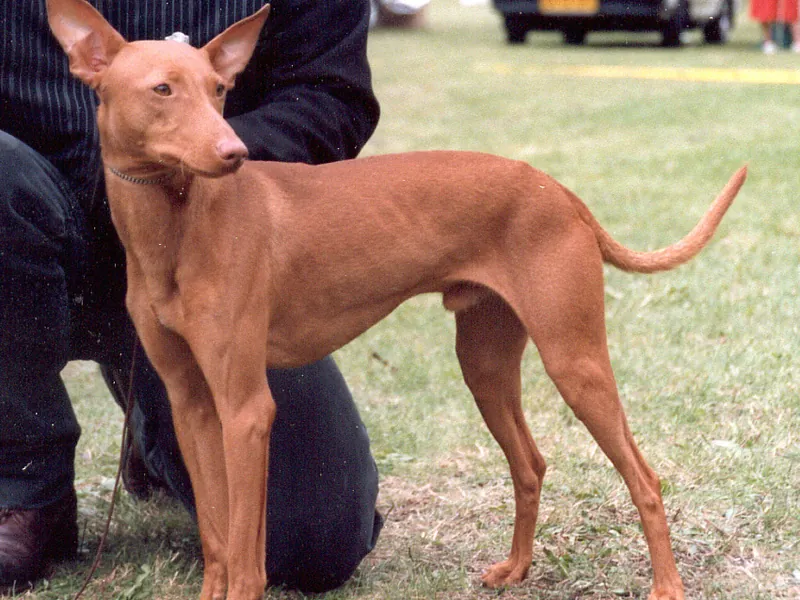
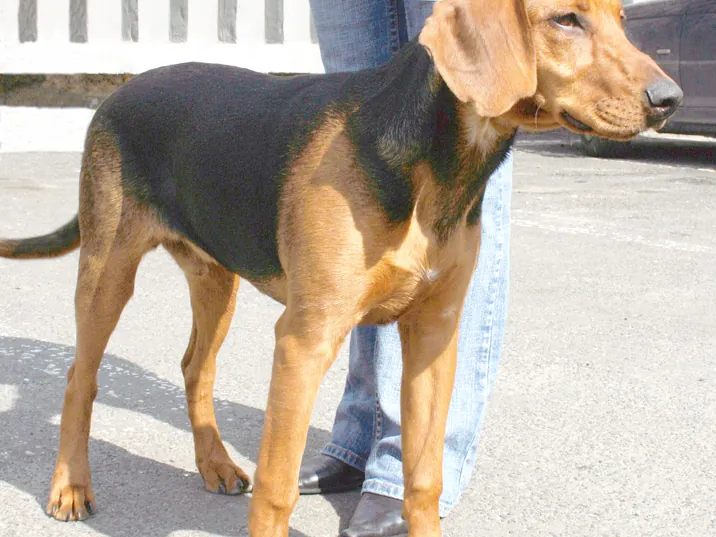
Plott HoundNorth Carolina's brindle big-game hound
The Plott Hound is a muscular, brindle-coated scenthound developed in the mountains of North Carolina to track and hold bear and wild boar. Loyal, bold and very vocal, it suits active owners who enjoy the outdoors and can handle a determined hunting dog.
Why people love the Plott Hound
- Loyal, affectionate and often goofy at home
- Usually good with older children and other dogs
- Short, glossy coat is easy to care for
- Tenacious, athletic partner for outdoor activities
- Generally hardy breed
Things to consider
- Loud, ringing voice used often
- Strong prey drive with cats and small animals
- Stubborn, may choose scent over commands
- Needs vigorous exercise every day
- May climb or dig to escape when bored
Is this breed right for you?
10 questions · live resultHistory and Origin
In 1750, German immigrant Johannes Plott arrived in North America with hunting hounds from his homeland, often described as Hanoverian-type hounds used for boar. His family settled in the Great Smoky Mountains of North Carolina and bred the dogs for generations, refining a hound that could follow a cold trail and stand up to bear and boar.
The Plott is unusual among American coonhound-type breeds because it does not descend from English foxhounds. The United Kennel Club recognized it in 1946, North Carolina named it the official state dog in 1989 and the AKC added it to the Hound Group in 2006.
Size, Brindle Coat and Colors
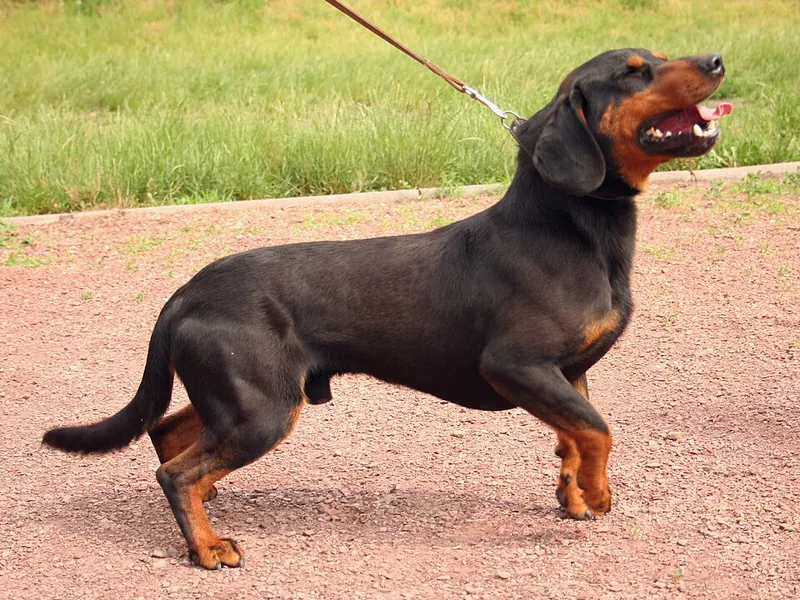
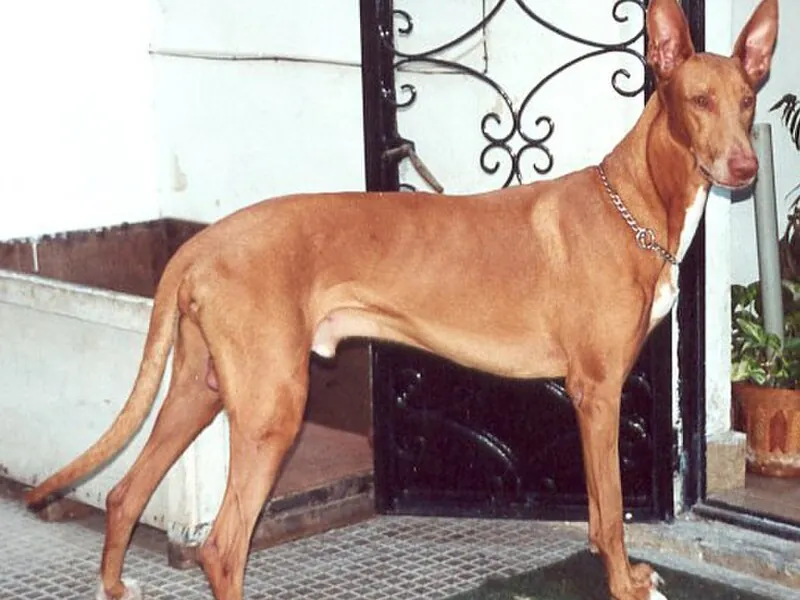
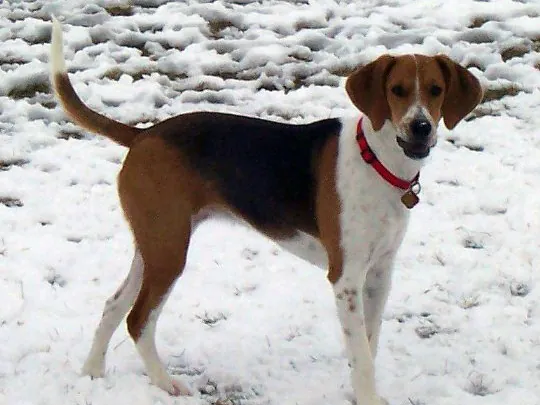
The Plott Hound is a medium to large, muscular scent hound with a flat-topped head, long, soft ears and a confident, intelligent expression. It stands 20 to 25 inches tall and weighs about 40 to 60 lb. Under the AKC standard, males are 20 to 25 inches and 50 to 60 lb, while females are 20 to 23 inches and 40 to 55 lb.
The body is athletic and well balanced, with a deep chest, strong back and powerful hindquarters, built for long chases over rough terrain. The tail is carried moderately high and slightly curved.
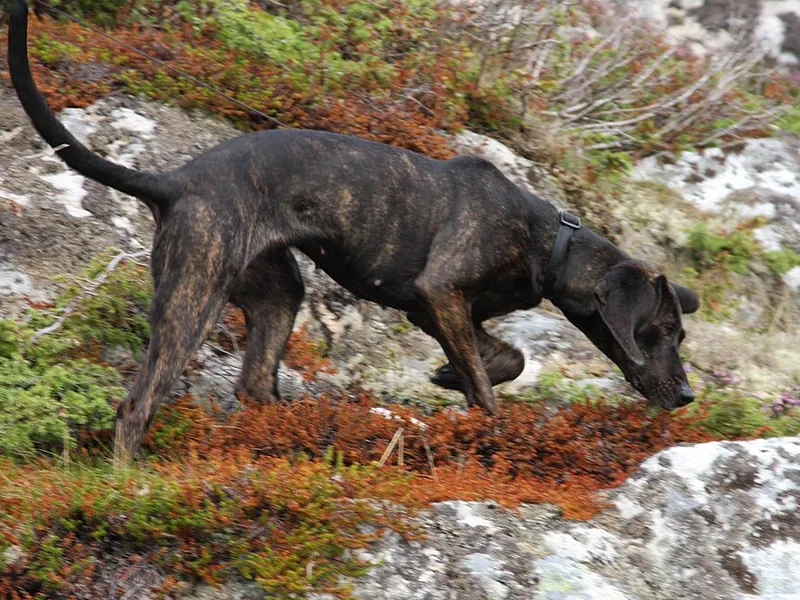
The coat is short to medium, smooth and glossy. Brindle is the signature color, in many shades: yellow, buckskin, tan, brown, chocolate, liver, orange, red, light or dark gray, blue, Maltese (slate gray) and dark brindle or black. Solid black and black with brindle trim are also accepted. Some white on the chest and feet is acceptable.
Temperament and Personality
At home Plotts are loyal, affectionate and often goofy with their families. They are usually good with older children and tend to get along with other dogs, reflecting their pack background. They are alert and will announce visitors with their voice.
In the field they are tenacious and fearless. That same determination can make them stubborn and independent in training. Prey drive is strong, so cats and small animals need careful management.
Plotts are intelligent, quick to learn routines and often quite sensitive. They may be reserved with strangers at first but usually warm up quickly. Their bark on the trail is a distinctive, high-pitched chop, and many use it at home too.
Is the Plott Hound Good for First-Time Owners?
The Plott Hound can work for first-time owners who are active and patient, but it is not the easiest choice. It is loyal and affectionate, but stubborn, scent-driven and loud.
Beginners often struggle with recall and barking. Plotts need at least an hour of vigorous exercise daily, plus scent work or tracking to stay content. Training requires patience, consistency and food rewards, and a secure yard is essential. A first-time owner with an outdoor lifestyle and tolerant neighbors can succeed, but those wanting a quiet, obedient dog should consider other breeds.
Are Plott Hounds Good With Cats?
Plott Hounds can live with cats they are raised with, but their strong prey drive makes this a careful decision. The breed was developed to track and hold big game, and fast-moving animals trigger its hunting instincts.
Introduce a puppy to a calm, confident cat early and supervise closely for months. Give the cat high perches and dog-free rooms, and teach a reliable leave-it. Even Plotts that accept the household cat may chase unfamiliar cats and wildlife outdoors. Small pets such as rabbits and guinea pigs should be kept separate.
Are Plott Hounds Easy to Train?
Plott Hounds are intelligent and learn routines quickly, but they are not easy to train in the obedience sense. Their independence and focus on scent mean they may choose a trail over a command.
Training works best with patience, consistency and high-value food rewards. Keep sessions short and varied, and start early with recall, leash manners and calm behavior at home. Many Plotts excel in tracking, scent work and coonhound events. Even well-trained Plotts should be kept on leash outside secure areas, because a strong scent can override recall.
Exercise and Training
Plotts are athletic, high-stamina dogs. Plan at least an hour of vigorous exercise every day: long hikes, running with a grown dog, tracking or scent work. Many are still used for hunting.
Training requires patience, consistency and rewards. Plotts learn well but may choose a scent over a cue. Keep them on leash outside secure areas, and make sure fences are sturdy, since a bored Plott may climb or dig.
Scent games and tracking are ideal for city owners who cannot hunt. A tired Plott is a calm and pleasant house dog.
Grooming and Shedding
The short, smooth, glossy coat is easy to care for with weekly brushing and occasional baths. Shedding is relatively light. The coat is brindle in various shades, sometimes with a black saddle. Clean the drop ears regularly, as they trap moisture.
Many Plotts love water and mud, so a rinse after outings may be needed.
Feeding and Nutrition
The Plott Hound is an athletic, deep-chested breed, so feeding focuses on lean condition and bloat prevention.
- Feed puppies three or four meals a day, then two meals for adults.
- Avoid one large meal, discourage gulping and allow rest for an hour before and after hard exercise, since bloat is a known risk.
- Adjust portions to activity: hunting and tracking dogs need more energy in active seasons than family companions.
- Lean body condition supports the hips, as hip dysplasia is reported in the breed.
Many Plotts are opportunistic eaters, so keep food secure and count training treats as part of the daily ration. Fresh water is essential after long outings, and some Plotts benefit from a slow-feeder bowl.
During hunting season, working Plotts may need larger portions to hold condition, then smaller ones again when activity drops. Learn the signs of bloat, such as a swollen belly and unproductive retching, and seek emergency care if they appear.
| Adult weight | Less active | Typical adult | Very active |
|---|---|---|---|
| 40 lb | 860 kcal | 980 kcal | 1,230 kcal |
| 60 lb | 1,170 kcal | 1,330 kcal | 1,670 kcal |
Estimates use the resting energy formula veterinarians work with (70 × body weight in kg0.75) and standard activity factors. Use the feeding guide on your food as a starting point and adjust to body condition. Puppies, seniors, pregnant animals and pets that need to lose weight have different needs, so ask your vet.
Health and Lifespan
Plotts typically live 12 to 14 years and are generally hardy. Health concerns include bloat (gastric dilatation-volvulus), which is a risk for deep-chested breeds, hip dysplasia and ear infections linked to the hanging ears.
Feed smaller meals rather than one large meal and avoid hard exercise right after eating. Ask breeders about hip screening.
Plott Hound Price and Cost of Ownership
Typical breeder price in the US$500 to $1,000
A Plott Hound puppy from a reputable US breeder typically costs about $500 to $1,000. Prices vary by breeder, region and lines, and puppies from proven hunting or show lines may cost more. Many breeders are based in the Southeast, where the breed is most common.
Plotts regularly appear in shelters and hound rescues, especially in the South, so adoption is a good option.
Breed-specific ongoing costs include:
- Secure, tall fencing to prevent climbing and digging escapes.
- Tracking equipment, hunting club fees or scent work classes.
- Insurance or savings for bloat surgery and hip problems.
- Ear cleaning supplies and vet visits for ear infections.
Is the Plott Hound Right for You?
A Plott suits active, outdoorsy owners with space and a tolerance for a loud, determined hound. It does best in a house with a secure yard and with company for much of the day.
- Good match: hunters, hikers, rural homes, households with another dog.
- Think twice: apartments, noise-sensitive neighbors, homes with cats or small pets.
Plott Hound Traits at a Glance
Plott Hound FAQ
Are Plott Hounds good family dogs?
Yes, with active families. They are loyal and affectionate at home and usually good with older children.
How big do Plott Hounds get?
They stand about 20 to 25 inches tall and weigh roughly 40 to 60 lb.
Do Plott Hounds bark a lot?
Yes. They have a loud, ringing voice used on the trail and to announce visitors.
Do Plott Hounds shed?
They shed relatively little, and their short coat is easy to maintain.
What is the state dog of North Carolina?
The Plott Hound, named the official state dog in 1989.
How long do Plott Hounds live?
Typically 12 to 14 years.