HarrierA cheerful English hare-hunting pack hound
The Harrier is a medium-size English scenthound bred to hunt hare in packs. Friendly, sociable and full of stamina, it suits active owners who enjoy long outdoor walks and can provide company, ideally including another dog.
Why people love the Harrier
- Friendly with people and other dogs
- Usually good with children
- Easy-care short coat
- Robust, long-lived hound
- Great partner for long hikes and running
Things to consider
- Loud baying and howling
- Strong scent drive; unreliable recall
- Dislikes being alone; may become destructive
- Not suited to homes with small pets
- Rare in the US; breeders are few
Is this breed right for you?
10 questions · live resultHistory and Origin
Packs of hare-hunting hounds have existed in England for centuries, and the Harrier is one of the oldest scenthound types in Britain. Hunters followed the hounds on foot or on horseback as the pack tracked hare across open country.
In size and appearance the Harrier sits between the Beagle and the English Foxhound, and the three types share history. The AKC recognized the Harrier in 1885, making it one of the first breeds in its studbook. Despite that long history, it remains one of the rarest AKC breeds. In Britain most Harriers are still kept in working packs rather than as show dogs or pets.
Size, Colors and Build
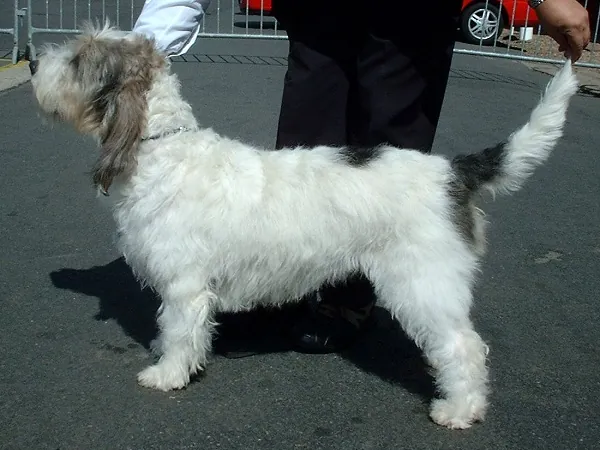
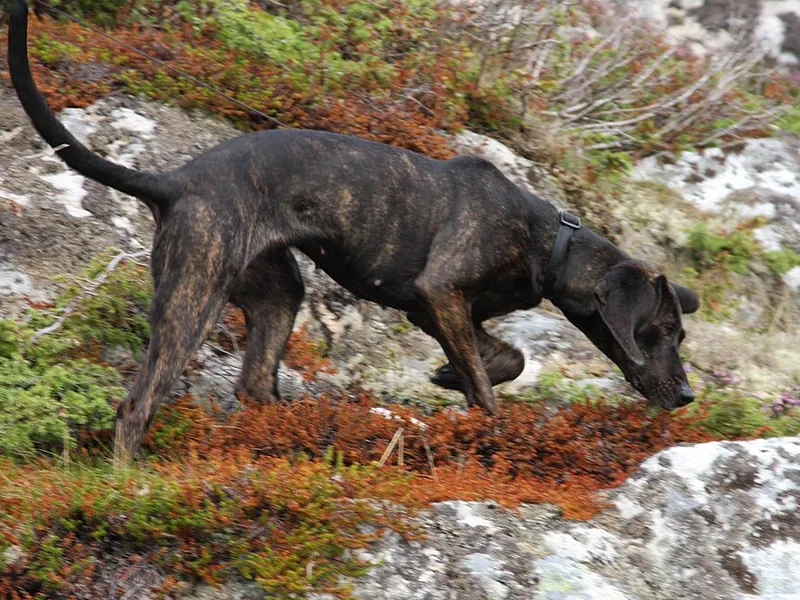
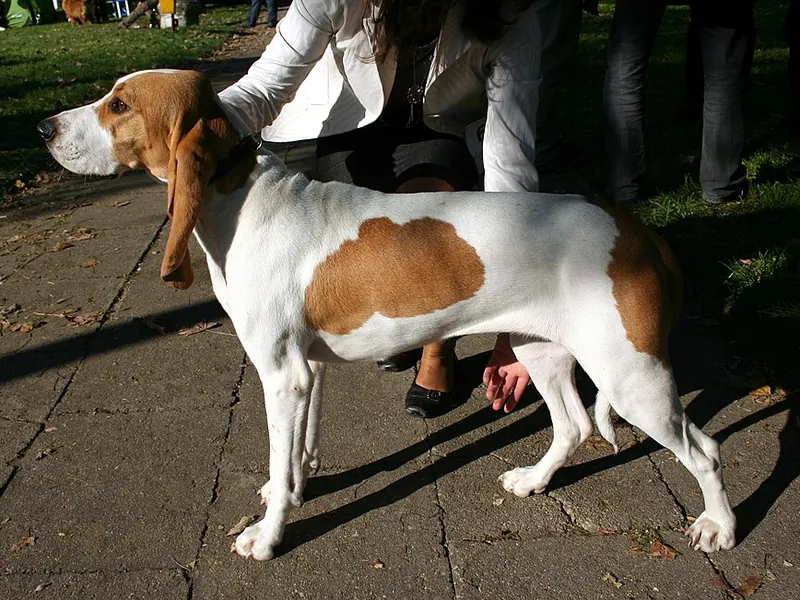
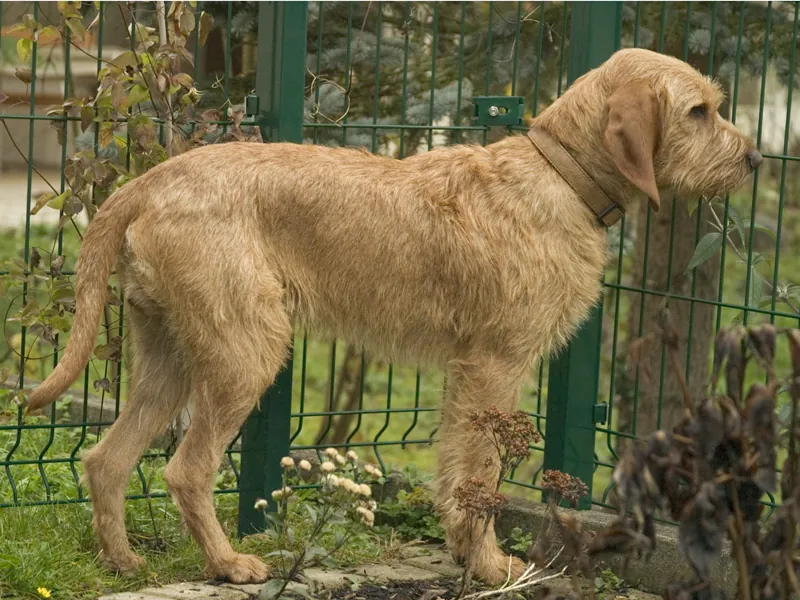
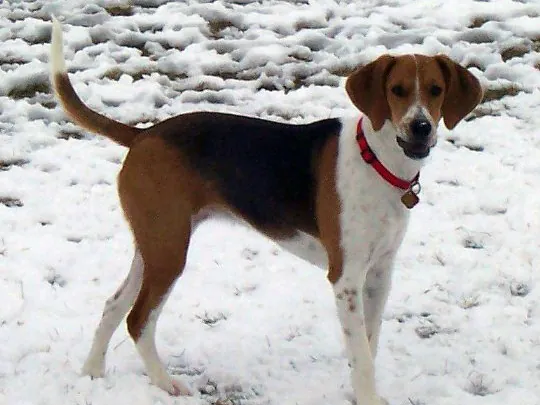
The Harrier is a medium-sized scent hound standing about 19 to 22 inches at the shoulder and weighing 44 to 64 lb. It looks like a sturdier, larger Beagle or a smaller English Foxhound, with a strong, balanced body, a level back, straight legs and round, well-padded feet built for long days of work. The head is broad with a medium-length muzzle, and the ears hang flat and fairly short for a hound. The tail is carried high but not curled.
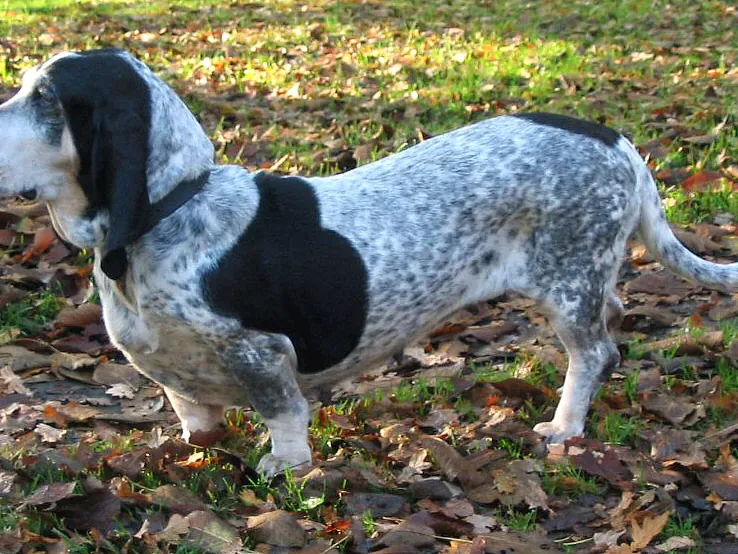
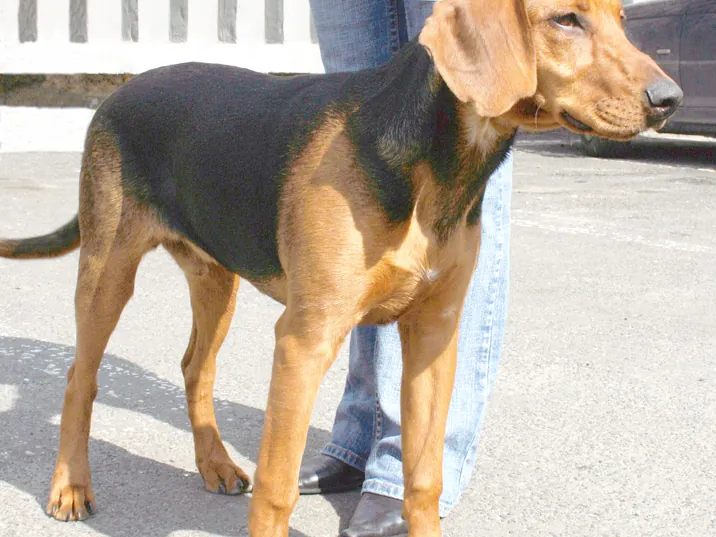
The coat is short, dense and hard, with enough density to protect the dog in rough country. The AKC standard accepts any color. Most Harriers are tricolor with a black saddle, tan head and white legs, or lemon and white, red and white or pied combinations similar to other pack hounds.
Males are usually slightly larger and heavier in bone than females, but the breed is fairly uniform. Because Harriers are bred for working ability, appearance can vary between hunting packs and show lines.
Temperament and Personality
Harriers are good natured, outgoing and tolerant. Bred to work closely with other hounds, they are usually very sociable with other dogs and often friendly with visitors. Most are good with children and enjoy family activity.
Pack instincts also mean Harriers dislike being alone. Left by themselves for long periods, many howl, bay or become destructive. The nose rules: once a Harrier picks up a scent, it may ignore everything else.
Harriers are generally even tempered and not given to guarding, so they make poor watchdogs beyond baying at visitors. Many enjoy quiet time on the sofa after a long walk, but they are happiest when part of the family routine.
Are Harriers Good for First-Time Owners?
Harriers can suit first-time owners who are patient, active and prepared for a vocal hound, but they are not an easy beginner's dog.
Their friendly, easygoing nature is a big plus. The challenges are typical hound traits: a powerful nose that overrides training, unreliable recall, loud baying and a strong dislike of being alone. A first-time owner who accepts leash walks in open areas, has a securely fenced yard and can provide company for most of the day can do well. A second dog often helps. Owners expecting quick obedience or a quiet household will find the Harrier challenging.
Do Harriers Bark a Lot?
Harriers are vocal. They are less likely to bark at every sound than a terrier, but they bay and howl, and the sound carries a long way.
Baying is part of their pack hunting heritage, used to signal a scent trail to hunters. At home, it usually happens when the dog is bored, alone or excited by a scent or noise outside. Exercise, company and scent games reduce it. Harriers living alone in a yard or left for long days are the most likely to bay persistently. If you have close neighbors or thin walls, consider this carefully before choosing the breed.
Are Harriers Easy to Train?
Harriers are moderately difficult to train. They are intelligent and food-motivated, but they were bred to follow a scent independently, not to wait for commands.
Training succeeds with short, fun sessions, high-value food rewards and a lot of patience. Basic manners such as sitting, waiting and walking on a loose leash are achievable. Recall is the hardest skill, and most Harriers should never be off leash in unfenced areas. Scent work, tracking and nose work suit the breed and channel its instincts. Harsh corrections tend to backfire, making the dog less responsive.
Exercise and Training
Harriers were bred to run for hours, so they need at least an hour of exercise daily, ideally more. Long walks, hikes, jogging with a grown dog and scent work such as tracking or nose work are good outlets.
Because of the strong prey drive and unreliable recall, keep a Harrier on leash or in a securely fenced area. Training is possible with patience, consistency and food rewards, but these independent hounds are not naturally obedient. Short, fun sessions work best.
Canicross and long hikes on leash suit an adult Harrier well.
Grooming and Shedding
The short, hard coat is easy to keep: brush weekly with a hound mitt or rubber brush and bathe occasionally. Clean the drop ears regularly and trim nails. Coat colors vary, typically combinations of white, black and tan as in other pack hounds.
Harriers are fairly clean dogs with little odor, but check paws and ears after country walks, as burrs and seeds can lodge in them.
Feeding and Nutrition
Harriers love food and, like many scent hounds, will steal it from counters and trash cans if given the chance. Keep food securely stored and do not leave plates unattended. Their appetite can lead to weight gain, especially in pet Harriers that get less exercise than hunting dogs, so feed measured portions and check body condition often.
- Feed puppies three or four meals a day and adults two meals.
- Use part of the daily ration as training rewards; food is the best motivator for this breed.
- Food puzzles and scatter feeding in the yard give the nose work while slowing down meals.
Keeping a Harrier lean helps protect its hips, since hip dysplasia is the most commonly reported problem in the breed. Avoid vigorous exercise right after meals, as with any active, medium-large dog. If your Harrier gains weight easily, measure food with a kitchen scale rather than a cup and adjust portions gradually based on your vet's assessment.
| Adult weight | Less active | Typical adult | Very active |
|---|---|---|---|
| 44 lb | 930 kcal | 1,060 kcal | 1,320 kcal |
| 64 lb | 1,230 kcal | 1,400 kcal | 1,750 kcal |
Estimates use the resting energy formula veterinarians work with (70 × body weight in kg0.75) and standard activity factors. Use the feeding guide on your food as a starting point and adjust to body condition. Puppies, seniors, pregnant animals and pets that need to lose weight have different needs, so ask your vet.
Health and Lifespan
Harriers are generally robust dogs and often live 12 to 15 years. Hip dysplasia is the most commonly reported problem. Epilepsy, perianal fistulas and cataracts also occur occasionally.
Ask breeders for hip scores and eye exams. Because Harriers love food and need lots of exercise, keeping them lean helps protect their joints.
Harrier Price and Cost of Ownership
Harriers are among the rarest AKC breeds in the US, and very few litters are registered each year. Puppy prices vary by breeder, region and lines, and there is no reliable typical price range. Expect to contact the breed club, join a waiting list and possibly travel or consider an import.
Adoption is occasionally possible through hound rescues, which sometimes place Harriers or retired hunting hounds. A retired pack hound may need extra time to adjust to house life.
Breed-specific ongoing costs are modest: the short coat needs no professional grooming, and food costs are moderate for a medium dog. Budget for secure fencing, a long line for walks, hip and eye screening and possibly a dog walker or daycare, since Harriers dislike being alone. Insurance that covers hip dysplasia is worth comparing early.
Is the Harrier Right for You?
A Harrier suits active families or individuals who enjoy being outdoors and can give it company most of the day. It does best with a house and yard and another dog for company.
- Good match: active families with children, multi-dog homes, hikers and runners.
- Think twice: apartments, long days alone, homes with cats or small pets, noise-sensitive neighbors.
Harrier Traits at a Glance
Harrier FAQ
Are Harriers good family dogs?
Yes. They are friendly, sociable and usually good with children and other dogs.
How big do Harriers get?
They stand about 19 to 22 inches tall and weigh roughly 44 to 64 lb.
What is the difference between a Harrier and a Beagle?
The Harrier is larger and built for longer runs. Beagles are smaller, typically under 15 inches tall.
Can Harriers be left alone?
Not well. As pack hounds they dislike being alone and may howl or become destructive.
How much exercise does a Harrier need?
At least an hour a day of vigorous activity, ideally more.
How long do Harriers live?
Typically 12 to 15 years.