SchillerstövareFast, alert Swedish hare and fox hound
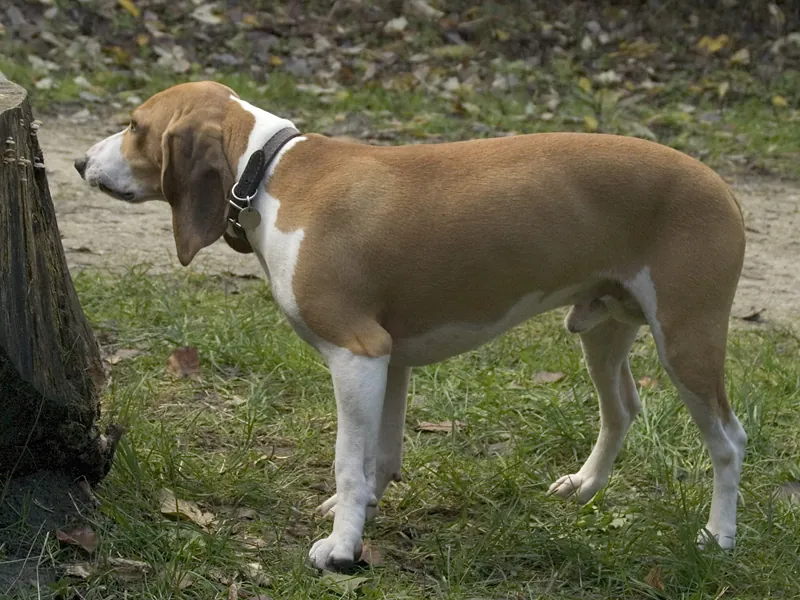
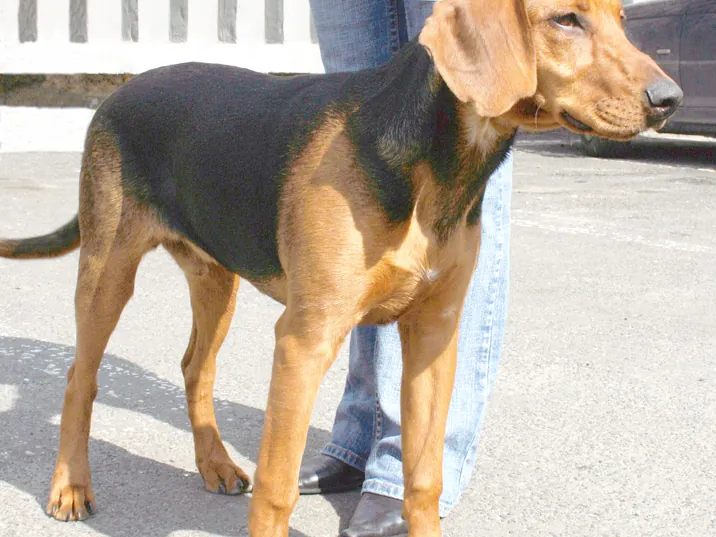
The Schillerstövare is a lean, fast Swedish scenthound with a tan coat and black saddle, bred to hunt hare and fox in snowy forests. Lively and alert, with a strong hunting drive, it suits hunters and highly active rural owners.
Why people love the Schillerstövare
- Friendly, lively and affectionate with family
- Responsive and keen compared with many scenthounds
- Short coat with simple weekly care
- Thrives in cold climates and winter sports
- Sociable with other dogs and visitors
Things to consider
- Very high exercise needs
- Recall unreliable on a scent
- Does not handle long periods alone well
- Vocal when tracking or bored
- Very rare outside Scandinavia
Is this breed right for you?
10 questions · live resultHistory and Origin
The breed is named after Per Schiller, a Swedish farmer who developed it in the 19th century using local hounds and imported scenthounds from Germany, Switzerland and Britain. His hounds were shown at the first Swedish dog show in 1886, and the breed was later recognized by the Swedish Kennel Club.
The Schillerstövare was bred for speed and stamina in cold climates. Like other Scandinavian hounds, it hunts alone, following game and giving voice so the hunter can position himself.
The result of Schiller's breeding was a lighter, faster hound than many other Swedish breeds, built to keep a fox or hare moving over long distances in snow.
Size, Coat and Colors
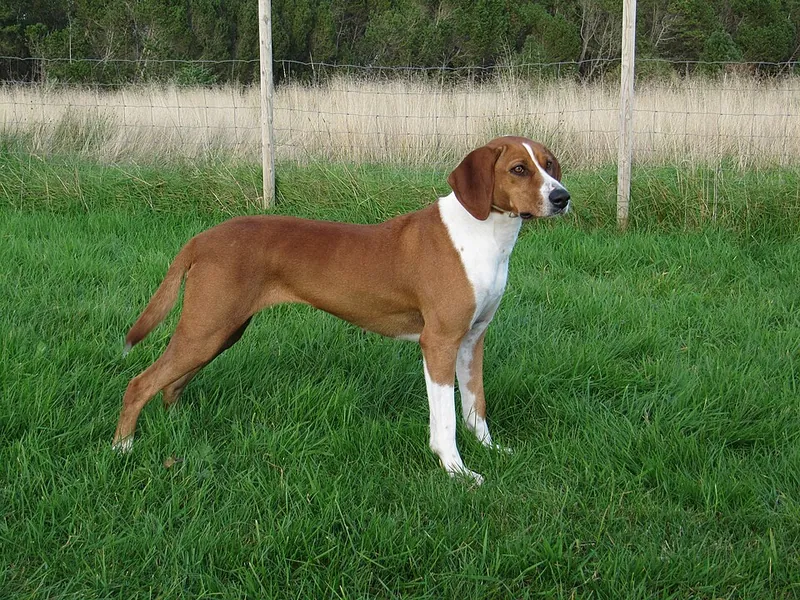
The Schillerstövare is a lean, athletic scenthound built for speed and stamina. Adults stand about 19 to 24 inches at the shoulder and weigh roughly 40 to 55 lb. Males are generally at the upper end of the height range, while females are slightly smaller.
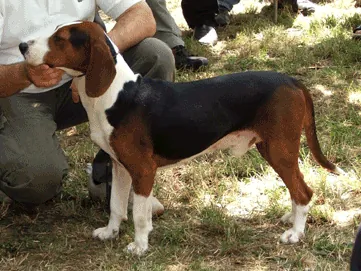
The body is well-proportioned and slightly longer than tall, with a deep chest, straight back and long legs. The head is long and lean, with drooping ears and dark eyes. The tail is set in line with the back and carried straight or slightly curved.
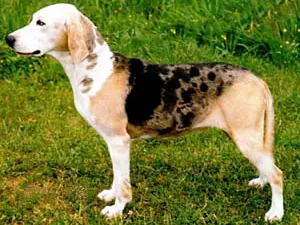
The coat is short, harsh and close-lying, with a dense undercoat that thickens in winter. The color pattern is distinctive:
- Tan base color, ranging from lighter to deeper shades.
- A black mantle or saddle over the back.
- Small white markings on the chest and toes may occur but are not desired.
The overall look is functional and elegant, reflecting the breed's development as a fast, enduring hare hound in cold Scandinavian conditions.
Temperament and Personality
Schillerstövares are lively, alert and friendly. They are usually calm and affectionate at home when well exercised.
Hunting drive is very strong, and they need a clear outlet. They prefer company and do not handle long periods alone well.
Owners describe it as eager and responsive, with a strong attachment to its handler. It tends to be sociable with other dogs and friendly with visitors, rather than suspicious. In a home without enough activity, it may become restless, vocal or inventive about escaping the yard.
Is the Schillerstövare Good for First-Time Owners?
It can be, for very active first-time owners who are prepared for a hunting hound. The breed is responsive and friendly, which helps.
The challenges are exercise, recall and availability. A Schillerstövare needs extensive daily exercise and outlets for its hunting drive. Recall is unreliable on a scent, so secure fencing and long lines are essential. Importing a puppy from Scandinavia is usually necessary, which adds complexity. First-time owners who are trail runners, hikers or hunters can find the breed a rewarding partner.
Do Schillerstövares Bark a Lot?
They can be vocal. As scenthounds that hunt alone and give voice to guide the hunter, baying is part of their nature.
Indoors, a well-exercised Schillerstövare is usually calm. Barking increases when the dog is bored, lonely or picks up a scent. Providing long runs, scent work and companionship helps manage vocalization. Rural homes suit the breed's voice better than close neighborhoods. Teaching a quiet cue early and avoiding long periods alone also help keep the voice in check. Neighbors are more likely to notice baying in the early morning or when the dog picks up wildlife scents through a fence.
Can Schillerstövares Be Left Alone?
Not for long. The breed prefers company and does not handle long periods alone well.
Build up alone time gradually from puppyhood, using a crate or quiet room. Exercise the dog thoroughly before leaving and offer chews or puzzle toys. Signs of stress include howling, chewing and restlessness. A second dog may help, as the breed tends to be sociable. Owners who work long hours should plan for a dog walker or daycare. Running or skijoring before you leave helps the dog rest.
Exercise and Training
Speed and endurance mean high exercise needs.
- Daily runs, long hikes, or canicross and skijoring in winter suit it.
- Scent work and tracking are great for non-hunting homes.
- Use fenced areas for off-lead running; recall is unreliable on scent.
- Train with rewards and short, varied sessions.
Grooming and Shedding
The short, harsh coat is tan with a black mantle. Brush weekly.
In winter, check paws for ice and salt damage. Look over ears and coat after forest walks for ticks and debris.
The coat sheds moderately year round, and a little more in spring and autumn. A rubber curry mitt is the most effective tool. Bathe only when necessary to protect the coat's natural weather resistance.
Feeding and Nutrition
The Schillerstövare is a lean, fast hound with high energy needs. Food requirements vary greatly with activity and season. A dog running long distances in winter needs much more food than one with moderate summer walks. Keep the dog lean, with ribs easy to feel and a clear waist.
Feed puppies three to four meals a day at first, moving to two meals by about six months. A complete puppy food and steady growth support healthy joints. Ask breeders about hip screening.
- Avoid vigorous exercise right after eating.
- In cold weather and during winter sports, increase portions if the dog loses condition.
- In warm months, reduce exercise intensity and watch for overheating, which can also affect appetite.
Use part of the daily ration for scent games and tracking practice. Training treats should be small and counted toward the daily total.
| Adult weight | Less active | Typical adult | Very active |
|---|---|---|---|
| 40 lb | 860 kcal | 980 kcal | 1,230 kcal |
| 55 lb | 1,090 kcal | 1,250 kcal | 1,560 kcal |
Estimates use the resting energy formula veterinarians work with (70 × body weight in kg0.75) and standard activity factors. Use the feeding guide on your food as a starting point and adjust to body condition. Puppies, seniors, pregnant animals and pets that need to lose weight have different needs, so ask your vet.
Health and Lifespan
No breed-typical diseases are documented, and reliable lifespan figures are not available. The breed is generally regarded as hardy and athletic.
Buy from breeders who screen hips and select for soundness, and keep the dog lean.
Because the breed was developed for long hunts in cold weather, it copes well with winter but should be watched for overheating during hard exercise in warm months. Provide water, shade and rest, and avoid long runs in the heat of the day.
Schillerstövare Price and Cost of Ownership
The Schillerstövare is very rare in the US and not recognized by the AKC, so prices are not published. Most puppies come from Swedish breeders, and importing adds travel, shipping and paperwork costs. Prices vary by breeder, region and lines. Rescue dogs are rare.
Breed-specific cost drivers include:
- Import costs, including transport and veterinary paperwork.
- Secure fencing and long lines for a scent-driven hound.
- Tick prevention and ear care.
- Gear for canicross, skijoring or hunting.
Swedish breeders often prefer hunting homes, so be open about how you will exercise the dog and channel its strong drive to hunt hare.
Factor in travel to Sweden or shipping costs if you import.
Is the Schillerstövare Right for You?
This hound is best with hunters or very active rural owners.
- Good match: hare hunters, trail runners, families with secure land in the countryside.
- Poor match: apartments, homes with long hours alone, households with free-roaming small pets.
Because the breed is rare outside Scandinavia, prospective owners usually need to contact Swedish breeders and plan an import. Talk honestly with breeders about your lifestyle; many prefer to place hounds with active hunting families.
Schillerstövare Traits at a Glance
Schillerstövare FAQ
How big is a Schillerstövare?
It stands about 19 to 24 inches tall and weighs roughly 40 to 55 lb.
What does a Schillerstövare look like?
It has a lean, athletic build and a tan coat with a black saddle or mantle.
Is the Schillerstövare a good family dog?
It is friendly and affectionate, but needs an active, preferably rural family that can meet its hunting drive.
Who developed the Schillerstövare?
Swedish farmer Per Schiller developed the breed in the 19th century.
Can a Schillerstövare be off leash?
Only in securely fenced areas. Its hunting drive makes recall unreliable around game.
Is the Schillerstövare hard to train?
It is responsive and keen, but like any scenthound it follows its nose. Reward-based training and good fencing are essential.